















Why Does My Face Itch After Putting on Moisturizer? Causes, Ingredients & How to Fix It

You apply moisturizer expecting your skin to feel calm, soft, and comfortable. Instead, within seconds or minutes, your face starts itching.
Sometimes there is redness. Sometimes there is a mild burning or tingling sensation. Other times, the skin looks completely normal but suddenly feels intensely itchy.
Naturally, the first question is:
Why does my face itch after putting on moisturizer?
The answer isn’t always that you’re “allergic” to the moisturizer.
Itching after skincare can happen for several different reasons, including a damaged skin barrier, irritation from a particular ingredient, fragrance sensitivity, contact dermatitis, over-exfoliation, dehydration, or a true allergic reaction. Even a moisturizer you’ve used successfully in the past can suddenly feel uncomfortable if the condition of your skin has changed.
The important part is identifying what type of reaction you’re experiencing before adding more products or abandoning your entire skincare routine.
This guide explains why moisturizer can make your face itch, how to distinguish irritation from allergy, which ingredients deserve closer attention, what to do when it happens, and how to rebuild a routine that supports a healthier skin barrier.
Quick Answer: Why Does My Face Itch After Putting on Moisturizer?
If you’re wondering why does my face itch after putting on moisturizer, the most common explanations include an already-compromised skin barrier, irritation from an ingredient in the formula, fragrance or preservative sensitivity, contact dermatitis, excessive exfoliation, or applying products to irritated skin.
Mild, brief tingling does not automatically mean you have an allergy. However, persistent itching—especially when accompanied by redness, swelling, hives, blistering, or worsening irritation—should not be ignored.
If a moisturizer repeatedly causes itching, stop using it until you understand what may be triggering the reaction.

Is It Normal for Moisturizer to Make Your Face Itch?
Ideally, no.
A moisturizer is supposed to help support the skin barrier and reduce water loss. Persistent itching isn’t a sign that a moisturizer is “working.”
That said, not every brief sensation after application means something dangerous is happening.
There is an important difference between:
Mild, Temporary Sensation
You may notice:
- Slight tingling
- Very mild itching
- Brief warmth
that disappears quickly without visible irritation.
This can sometimes happen when skincare is applied to very dry or compromised skin.
Persistent Irritation
More concerning symptoms include:
- Itching that continues
- Burning
- Increasing redness
- Dry patches
- Flaking
- Skin tenderness
These symptoms suggest that the product—or your overall routine—may be irritating the skin.
Possible Allergic Reaction
Symptoms such as:
- Hives
- Significant swelling
- Intense itching
- Blistering
- Widespread rash
require more caution.
Swelling involving the lips, tongue, mouth, or throat or difficulty breathing requires urgent medical attention.
The Skin Barrier Is Often the Missing Piece
One of the most overlooked answers to why does my face itch after putting on moisturizer is that the moisturizer may not be the original problem.
Your skin barrier may already be compromised.
The outermost portion of the epidermis—the stratum corneum—helps regulate water loss while protecting the skin from environmental irritants.
A useful way to visualize it is as a protective wall.
Skin cells provide part of the structure, while lipids surrounding them help maintain the barrier between your body and the outside environment.
When this system is functioning properly, the skin is better able to:
- Retain water
- Resist environmental irritants
- Remain comfortable
- Tolerate skincare products
When the barrier becomes disrupted, substances that normally feel completely comfortable may suddenly sting or itch.
Signs Your Skin Barrier May Be Damaged

Barrier disruption can present differently from person to person, but common signs include:
- Tightness after cleansing
- Increased sensitivity
- Stinging when applying skincare
- Itching
- Flaking
- Rough texture
- Redness
- Dehydrated appearance
- Products suddenly becoming difficult to tolerate
One particularly important clue is this:
Products that never bothered you before suddenly start stinging or itching.
That doesn’t necessarily mean you’ve suddenly developed allergies to your entire skincare collection.
Your skin itself may have changed.
What Damages the Skin Barrier?
Many things can contribute.
Common causes include:
- Over-exfoliation
- Frequent use of strong acids
- Aggressive cleansing
- Very hot water
- Excessive retinoid use
- Scrubs
- Dry weather
- Low humidity
- Sun exposure
- Introducing too many active ingredients simultaneously
Sometimes the problem isn’t one particularly harsh product.
It’s the cumulative effect of the entire routine.
For example, someone may use:
Morning:
- Foaming cleanser
- Vitamin C
- Niacinamide
- Exfoliating toner
Evening:
- Cleanser
- Glycolic acid
- Retinoid
- Moisturizer
Each product may be tolerable individually.
Together, however, the routine may become too aggressive for that person’s skin.
Once the barrier becomes compromised, even the moisturizer at the end of the routine may sting—making the moisturizer appear responsible when the irritation actually started earlier.
Dry Skin and Dehydrated Skin Are Not Exactly the Same

This distinction matters tremendously when troubleshooting itchy skin.
Dry Skin
Dry skin generally lacks sufficient lipids or sebum.
It may benefit from richer emollient and occlusive ingredients.
Dehydrated Skin
Dehydrated skin lacks sufficient water.
Even oily skin can become dehydrated.
Dehydrated skin may feel:
- Tight
- Rough
- Uncomfortable
- Sensitive
and may react more strongly when products are applied.
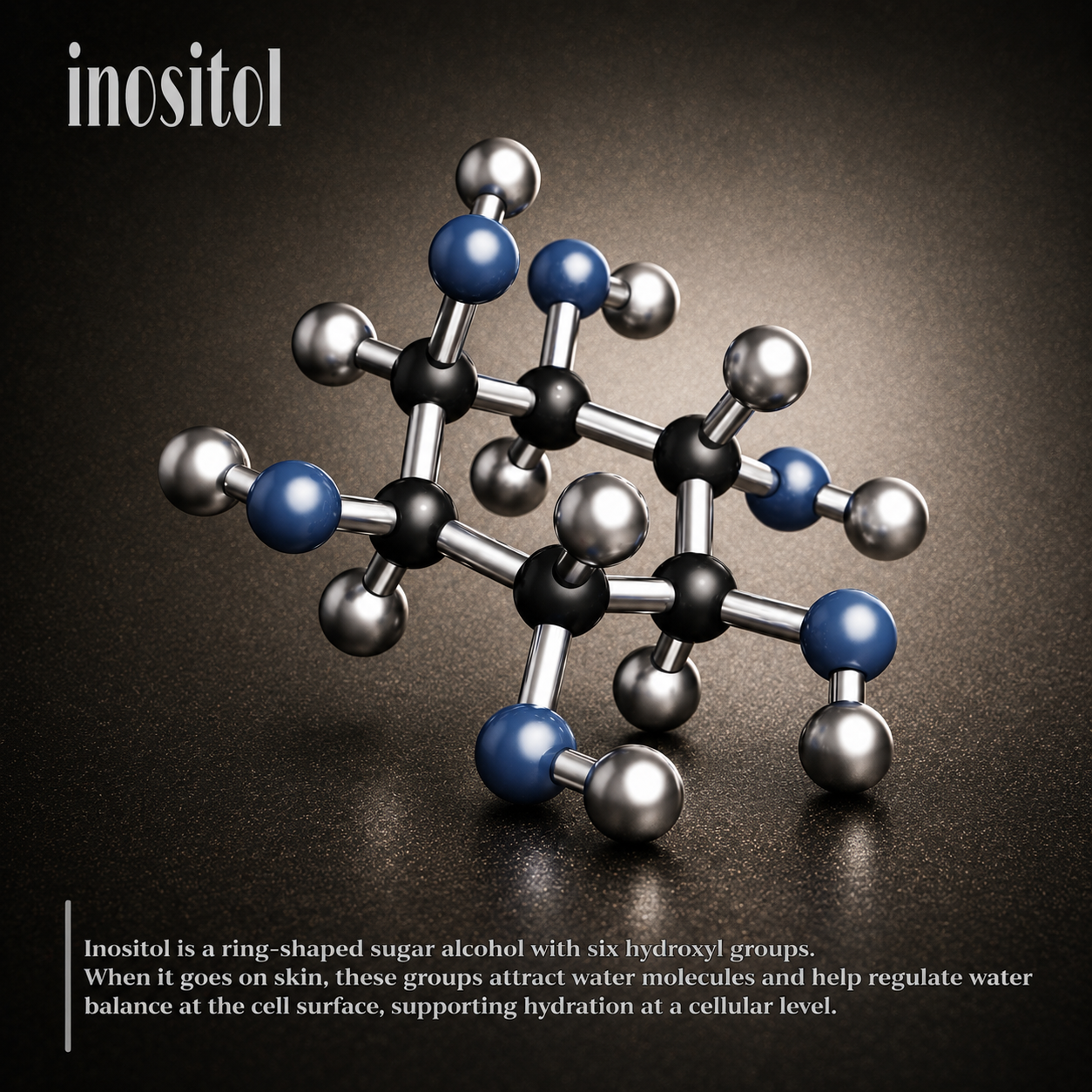
Supporting hydration with humectants such as glycerin or hyaluronic acid can become an important part of restoring comfort.
Learn more:
Cause #1: Irritant Contact Dermatitis
One possible explanation for itching after moisturizer is irritant contact dermatitis.
This occurs when something directly irritates or damages the skin.
Unlike an allergy, it does not require your immune system to become sensitized to a specific allergen.
Potential triggers can include:
- Harsh cleansing ingredients
- Acids
- Retinoids
- Certain alcohol-containing products
- Excessive exfoliation
- Repeated exposure to irritating substances
The likelihood of irritation also depends on:
- Concentration
- Frequency of use
- Condition of your skin barrier
- Number of other active products you’re using
This is why a product that works perfectly for one person may irritate another.
Cause #2: Allergic Contact Dermatitis

Allergic contact dermatitis is different.
It involves an immune response to a substance that has contacted the skin.
Potential cosmetic allergens can include certain:
- Fragrances
- Preservatives
- Botanical extracts
- Essential oils
- Dyes
- Other formulation ingredients
The tricky part is that allergic contact dermatitis doesn’t always occur the first time you use something.
Sensitization can develop over time.
This means it is possible to use a product previously without difficulty and later develop a reaction.
If reactions repeatedly occur with particular products, a dermatologist may recommend patch testing to identify potential contact allergens.
Irritation vs Allergy: What’s the Difference?
These terms are frequently used interchangeably online, but they aren’t the same thing.
| Irritation | Allergy |
|---|---|
| Does not require an immune allergy | Involves an immune response |
| Can happen after excessive exposure | Can occur after sensitization |
| Often causes burning, stinging or dryness | Often produces itching and dermatitis |
| A damaged barrier increases susceptibility | Specific allergens trigger the reaction |
| May improve when irritation is removed | May recur when exposed to the allergen |
Symptoms can overlap considerably, so appearance alone isn’t always enough to determine which is occurring.
Persistent or recurring reactions deserve professional evaluation.
Cause #3: Fragrance
Fragrance is one of the ingredients worth investigating when moisturizer repeatedly causes itching.
Fragrance can include many different aromatic compounds, and some individuals develop contact sensitivity to particular fragrance components.
This doesn’t mean every fragranced product is inherently harmful.
Many people use them without difficulty.
However, if your skin is:
- Sensitive
- Already irritated
- Experiencing dermatitis
- Recovering from over-exfoliation
a simpler fragrance-free routine may be easier to tolerate.
Cause #4: Preservatives
Preservatives are essential in water-containing cosmetics.
Without an effective preservation system, microorganisms can grow inside products, creating a much more serious safety problem.
However, just like many cosmetic ingredients, certain preservatives can cause contact reactions in susceptible individuals.
The correct takeaway isn’t:
“Preservatives are bad.”
It’s:
Individual sensitivity matters.
If several unrelated skincare products cause similar reactions, comparing their ingredient lists may help identify ingredients they have in common.
A dermatologist can investigate suspected contact allergy more reliably through appropriate patch testing.
Cause #5: Your Active Ingredients May Be the Real Problem
Sometimes your moisturizer gets blamed for irritation created by another product.
Consider what you applied immediately beforehand.
Was it:
- Glycolic acid?
- Salicylic acid?
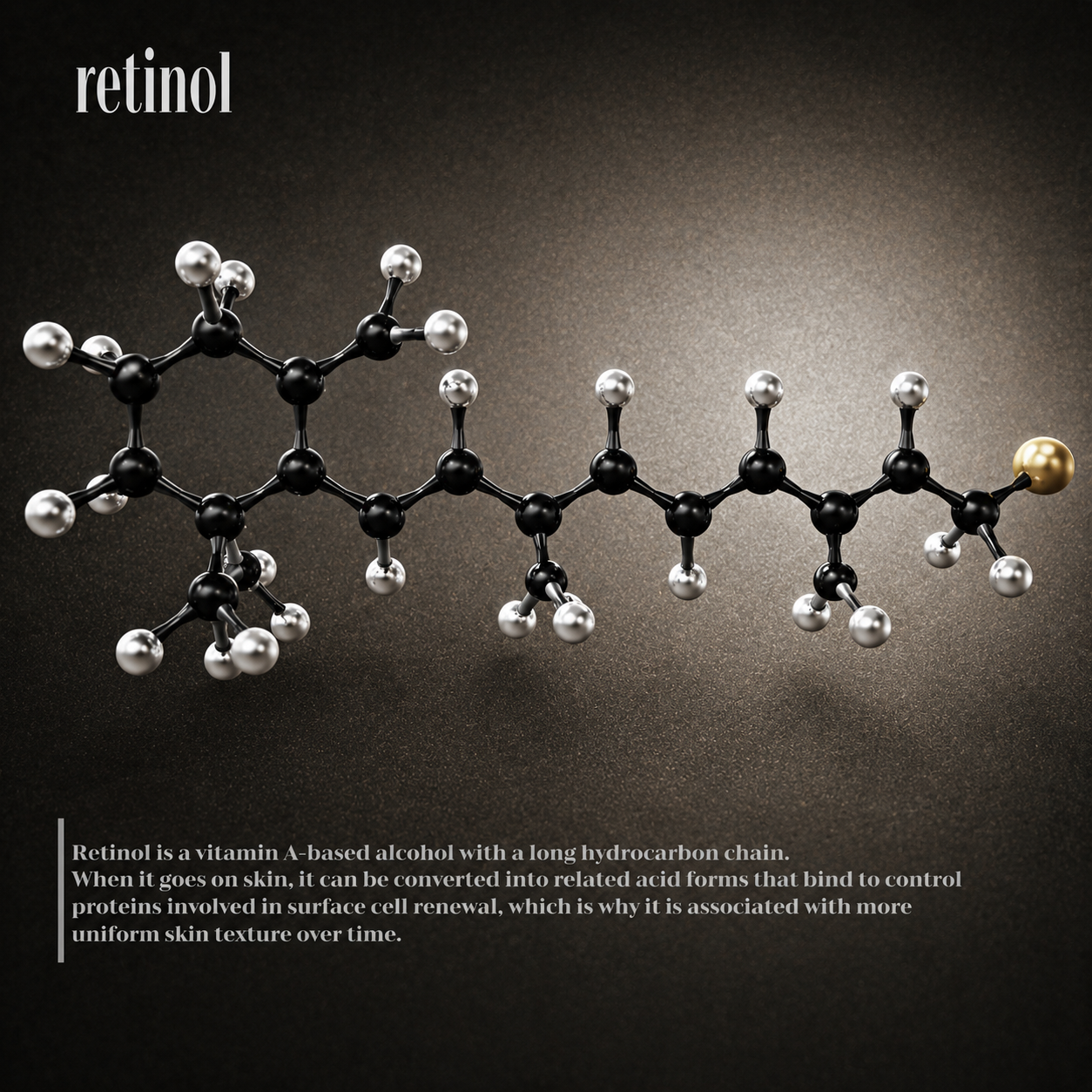
- Retinol?
- Strong Vitamin C?
- Benzoyl peroxide?
- Multiple exfoliating products?
If your barrier has already been stressed, applying moisturizer may simply make the existing irritation more noticeable.
This is why troubleshooting should evaluate your entire routine, not just the final product applied.
What About Niacinamide?

Niacinamide is widely used because it can support barrier function, oil balance, and more even-looking skin tone.
However, some people report redness, itching, or discomfort after applying products containing niacinamide.
That doesn’t automatically prove a true niacinamide allergy.
The finished formulation may contain numerous other ingredients, and concentration, barrier condition, or simultaneous use of other actives can influence tolerance.
If you’re trying to determine whether niacinamide could be contributing to your reaction, read:
For a deeper guide to niacinamide and pigmentation:
Can Hyaluronic Acid Cause Itching?
Hyaluronic acid and sodium hyaluronate are commonly used humectants and are generally well tolerated.
However, it’s important to remember a fundamental rule of skincare:
You apply formulations, not isolated ingredients.
A product marketed as a “hyaluronic acid serum” may contain:
- Preservatives
- Botanical extracts
- Fragrance
- Solvents
- Thickeners
- Other active ingredients
Therefore, developing irritation after using a hyaluronic acid product doesn’t automatically mean hyaluronic acid itself caused the reaction.
This is one reason ingredient-list analysis is more useful than focusing exclusively on the product name.
What About Aloe Vera?
Aloe vera is frequently included in hydration-focused formulations because it can provide lightweight skin-conditioning and soothing benefits.
For people rebuilding a simplified routine after irritation, aloe-based products may fit comfortably alongside basic hydration.
However, “natural” does not mean allergy-proof.
Any botanical ingredient can potentially cause sensitivity in an individual person.
Learn more about aloe formulations here:
Why Your Moisturizer May Suddenly Start Itching
This situation causes a lot of confusion:
“I’ve used this moisturizer for six months. Why is it suddenly making my face itch?”
Several things may have changed even if the moisturizer hasn’t.
You may have recently:
- Added a new active ingredient
- Increased retinoid frequency
- Exfoliated more often
- Spent more time in the sun
- Experienced colder or drier weather
- Changed cleansers
- Used very hot water
- Developed contact sensitivity
In other words, your skin today isn’t necessarily in the same condition it was six months ago.
Skincare tolerance changes with barrier condition.
What Should You Do If Your Face Starts Itching After Moisturizer?

If a product produces noticeable itching, don’t keep adding more skincare on top of it hoping another product will “cancel out” the reaction.
Instead:
- Stop using the suspected product.
- Gently rinse it off if the reaction is significant or worsening.
- Avoid exfoliating acids, retinoids, scrubs, and other potentially irritating actives temporarily.
- Keep your routine simple.
- Monitor whether symptoms improve.
- Seek professional care if symptoms are severe, persistent, recurrent, or spreading.
If swelling or breathing difficulty develops, seek urgent medical attention.
Why a “Skin Reset” Can Sometimes Help
When several products suddenly start causing discomfort, adding more treatments often makes troubleshooting harder.
A temporary simplified routine may make more sense.
That might include:
- Gentle cleanser
- Simple moisturizer
- Sunscreen
Then, once the skin becomes comfortable again, products can be reintroduced individually.
This makes it much easier to identify which product triggers symptoms.
It also prevents the common cycle of:
Irritation → more products → more irritation → even more products.
Sometimes boring skincare is exactly what irritated skin needs.
The Bigger Picture: Don’t Treat Itching as a Skincare Goal
There is a persistent idea online that skincare has to sting, tingle, peel, or itch in order to be effective.
It doesn’t.
A strong sensation isn’t evidence that an ingredient is penetrating better.
And discomfort isn’t proof that a treatment is “working.”
The goal of skincare should be improving the condition and appearance of your skin while maintaining a healthy, functional barrier.
If your routine repeatedly leaves your face itchy, burning, tight, or inflamed, the solution usually isn’t to push through it.
The routine deserves another look.
Which Moisturizer Ingredients Can Make Your Face Itch?
If you’re asking why does my face itch after putting on moisturizer, the ingredient list is an obvious place to investigate—but it needs to be interpreted carefully.
It is tempting to find one unfamiliar ingredient and immediately label it “bad.” That’s usually not how cosmetic reactions work.
A moisturizer may contain dozens of ingredients, including:
- Humectants
- Emollients
- Occlusives
- Preservatives
- Fragrances
- Botanical extracts
- Antioxidants
- Texture modifiers
- Active ingredients
Any individual can potentially react to a particular substance, but some categories are more commonly associated with irritant or allergic contact dermatitis than others.
More importantly, your skin barrier’s condition can completely change how a product feels.
A moisturizer that feels soothing on healthy skin may sting intensely on compromised skin.
1. Fragrance and Fragrance Components
Fragrance is one of the first categories dermatologists consider when evaluating possible cosmetic contact allergy.
A product’s fragrance may come from:
- Added fragrance blends
- Essential oils
- Botanical aromatic compounds
- Individual fragrance chemicals
And “natural fragrance” does not automatically mean less irritating or less allergenic.
Plant-derived aromatic substances can also contain potential contact allergens.
If your face repeatedly becomes itchy after fragranced skincare, switching temporarily to a fragrance-free moisturizer can help simplify the investigation.
There is also an important labeling distinction:
Fragrance-free and unscented don’t necessarily mean the same thing.
An unscented product may still contain ingredients designed to mask an odor.
For people with suspected fragrance sensitivity, fragrance-free products are generally the more useful category to investigate.
2. Essential Oils

Essential oils are another category worth considering.
Examples commonly found in skincare include:
- Lavender
- Peppermint
- Citrus oils
- Eucalyptus
- Tea tree
- Rose-derived aromatic oils
This does not mean essential oils are inherently harmful.
But botanical origin doesn’t guarantee universal skin compatibility.
Some aromatic plant compounds can cause irritation or allergic contact dermatitis in susceptible individuals.
If you’re trying to identify the source of unexplained facial itching, temporarily simplifying your routine by removing heavily fragranced botanical products can make troubleshooting easier.
3. Preservatives
Preservatives sometimes get unfairly demonized online.
Water-based skincare needs adequate preservation to reduce microbial contamination.
Removing preservatives altogether is not a safer solution.
However, certain individuals can develop contact allergies to particular preservatives or preservative systems.
This is why the right question isn’t:
“Does this moisturizer contain preservatives?”
Almost every safely formulated water-containing moisturizer should.
The better question is:
“Could I personally be sensitive to one of the ingredients used in this preservation system?”
If you repeatedly react to multiple products, save their ingredient lists.
Look for recurring ingredients and bring those lists to a dermatologist if the problem persists.
Formal patch testing can be much more useful than trying to diagnose an allergy through trial and error.
4. Exfoliating Acids Hidden Inside “Moisturizing” Products
Another reason moisturizer can unexpectedly sting or itch is that some moisturizers aren’t simply moisturizers.
They may also contain active ingredients.
Examples include:
- Glycolic acid
- Lactic acid
- Salicylic acid
- Other exfoliating acids
A product can therefore moisturize and exfoliate simultaneously.
If you’re already using:
- Acid toner
- Exfoliating cleanser
- Retinoid
- Acne treatment
and then apply an exfoliating moisturizer, your cumulative exposure may become much greater than you realize.
This is especially important if your skin suddenly begins burning or itching even though no individual product seems unusually strong.
5. Retinoids and Retinol
Retinoids can be extremely useful ingredients, but irritation is a well-known potential side effect—particularly when first introduced or used too frequently.
Common symptoms can include:
- Dryness
- Peeling
- Redness
- Burning
- Increased sensitivity
If you use retinol before your moisturizer and the moisturizer subsequently stings, the moisturizer may simply be revealing irritation that the retinoid has already caused.
Reducing the overall irritation burden becomes more useful than continually changing moisturizers.
For people considering a different approach to healthy-aging skincare, you can also explore:
6. Niacinamide
Niacinamide deserves special attention because it appears in an enormous number of modern moisturizers and serums.
It is widely used to support:
- Skin barrier function
- More even-looking skin tone
- Oil balance
- Overall skin appearance
But a person can still experience discomfort after using a niacinamide-containing product.
That does not automatically prove niacinamide itself is responsible.
Concentration, other ingredients in the formulation, simultaneous active ingredients, and the condition of your skin barrier can all influence how a product feels.
If you’re specifically investigating this possibility, see:
And for a deeper explanation of how niacinamide fits into pigmentation-focused routines:
Why Does Moisturizer Burn or Itch on a Damaged Skin Barrier?

This deserves its own section because it explains an enormous amount of skincare confusion.
Your outer skin barrier helps limit penetration of environmental substances while preventing excessive water loss.
When that barrier becomes disrupted, skin becomes more permeable and reactive.
Think about applying skincare to intact skin versus applying something to a tiny invisible crack.
The product hasn’t necessarily changed.
The surface receiving it has.
This can explain why:
- Your usual moisturizer suddenly burns.
- Sunscreen starts stinging.
- A gentle serum suddenly feels uncomfortable.
- Several unrelated products seem irritating at once.
When multiple previously tolerated products suddenly cause discomfort, barrier disruption should move higher on your list of possibilities.
Why Does My Face Itch After Moisturizer but There’s No Rash?
This is an excellent long-tail question because itching doesn’t always produce visible redness.
You may experience itching without an obvious rash because of:
- Dryness
- Dehydration
- Mild irritation
- Early contact dermatitis
- Barrier disruption
- Environmental conditions
Skin can become uncomfortable before visible inflammation develops.
The absence of a rash doesn’t necessarily mean the sensation should be ignored.
If the same moisturizer consistently causes itching every time you apply it, stop using it and investigate further.
Why Does My Face Itch Only for a Few Minutes After Moisturizer?
Timing matters.
If you experience very mild itching or tingling that disappears quickly and never causes:
- Redness
- Swelling
- Rash
- Persistent burning
- Flaking
the reaction may be different from persistent dermatitis.
For example, severely dehydrated or recently exfoliated skin may become temporarily uncomfortable when products are applied.
But don’t use the “it’s only tingling” explanation to normalize significant discomfort.
Skincare should not routinely hurt.
Why Does My Face Itch Hours After Applying Moisturizer?
A delayed reaction deserves closer attention.
If moisturizer feels completely comfortable initially but itching, redness, or dermatitis appears later, allergic contact dermatitis becomes one possibility worth discussing with a dermatologist.
Allergic reactions don’t necessarily happen immediately after application.
This is one reason identifying skincare allergies can be frustrating.
You might apply:
- Cleanser
- Serum
- Moisturizer
- Sunscreen
- Makeup
and develop itching several hours later.
At that point, identifying the responsible product becomes difficult.
A dermatologist can sometimes use patch testing to help identify delayed contact allergies.
Why Does Moisturizer Itch Around My Eyes?
The skin surrounding the eyes is particularly delicate.
Products that feel completely comfortable on the cheeks may cause irritation around the eyelids.
Possible triggers include:
- Fragrance
- Certain preservatives
- Retinoids
- Acids
- Eye makeup
- Cleansing products
- Products transferred from your hands
Interestingly, eyelid dermatitis doesn’t always originate from something intentionally applied to the eyelids.
Substances from:
- Hair products
- Nail products
- Fragrance
- Hand creams
can sometimes be transferred to the eye area through touching.
If eyelid itching or dermatitis repeatedly returns, professional evaluation can be especially helpful.
For skincare specifically formulated around the eye area, you can also read:
Why Does Moisturizer Itch Around My Mouth?
The mouth area is another region where irritation can become complicated.
Possible causes include:
- Barrier disruption
- Lip products
- Toothpaste exposure
- Fragrance
- Active skincare ingredients
- Repeated licking of the lips
- Contact dermatitis
However, persistent bumps, redness, scaling, or burning around the mouth may represent conditions that shouldn’t be self-diagnosed as “dry skin.”
If symptoms persist, a dermatologist can determine whether you’re dealing with irritation, contact dermatitis, perioral dermatitis, or another condition.
Why Does My Face Itch After Moisturizer When My Skin Is Dry?
Very dry skin itself can itch.
When the barrier loses lipids and water, microscopic disruption develops within the outer skin layers.
Applying moisturizer may temporarily make those irritated areas more noticeable.
The solution isn’t necessarily avoiding moisturizer altogether.
Instead, you may need to reconsider:
- Your cleanser
- Shower/washing temperature
- Exfoliation frequency
- Active ingredients
- Type of moisturizer
- Overall hydration strategy
The entire routine matters.
Why Does My Face Itch After Moisturizer When My Skin Is Oily?
Oily skin can still be:
- Dehydrated
- Irritated
- Over-exfoliated
- Barrier compromised
Sebum production doesn’t guarantee healthy hydration.
This is one of the most important concepts in modern skincare.
Someone can have substantial surface oil while the outer skin layers still lack sufficient water.
If your skin feels simultaneously oily and tight, dehydration may be part of the problem.
Helpful reading:
Can Hyaluronic Acid Help an Irritated Skin Routine?

Hyaluronic acid and sodium hyaluronate are humectants used to support hydration.
They can be valuable within a barrier-supportive routine because they help attract and retain water in the outer skin layers.
However, don’t fall into the trap of assuming:
“My skin is irritated, so I need five hydrating serums.”
Simpler is often better while troubleshooting.
A well-formulated hydration product can be enough.
For a deeper look at hyaluronic acid:
And if you use LED skincare:
What About Caffeine Serums?

Caffeine isn’t typically the first ingredient dermatologists would investigate when someone develops generalized moisturizer-related itching.
However, every finished formula is different.
If you’re using several serums before moisturizer, temporarily simplifying the routine can help determine whether the moisturizer is actually responsible.
For example, if your routine contains:
- Caffeine serum
- Niacinamide serum
- Hydrating serum
- Moisturizer
and itching occurs only after step four, that does not automatically mean step four caused it.
The reaction may reflect cumulative irritation or one of the earlier products.
Learn more about caffeine formulations here:
How to Identify Which Product Is Making Your Face Itch
If symptoms are mild and don’t require medical treatment, simplify.
Instead of changing five products simultaneously, reduce your routine and reintroduce products individually after the skin has settled.
A practical approach is:
Step 1: Remove the Suspected Product
Stop using the product that repeatedly triggers itching.
Step 2: Reduce Unnecessary Actives
Temporarily remove:
- Exfoliating acids
- Retinoids
- Scrubs
- Strong treatment products
Step 3: Keep the Routine Basic
Use a simple:
- Gentle cleanser
- Moisturizer
- Sunscreen
Step 4: Allow the Skin to Settle
Don’t immediately begin experimenting with replacement products.
Step 5: Reintroduce Products Individually
This makes identifying the trigger much easier.
If significant symptoms return, stop the product.
Why Patch Testing at Home Isn’t the Same as Medical Patch Testing
The phrase “patch test” is used loosely online.
Consumers often mean applying a small amount of skincare behind the ear or on the arm before putting it across the entire face.
That can sometimes help identify obvious irritation.
But medical patch testing is different.
Dermatologists use standardized allergens applied under controlled conditions and evaluate delayed reactions over a specific period.
This can help diagnose allergic contact dermatitis to substances such as:
- Fragrance components
- Preservatives
- Metals
- Other common allergens
If you repeatedly react to skincare products and cannot determine why, professional patch testing may be much more informative than continually purchasing new moisturizers.
What Dermatology Organizations Say About Contact Dermatitis
The American Academy of Dermatology explains that contact dermatitis can develop when something touching the skin either irritates it or triggers an allergic reaction. Identifying and avoiding the trigger is a central part of management.
American Academy of Dermatology — Contact Dermatitis
DermNet also provides detailed clinical information distinguishing irritant contact dermatitis from allergic contact dermatitis and explains why exposures can produce different reactions depending on the individual and condition of the skin.
For people experiencing recurrent reactions, these distinctions matter because simply switching to another random moisturizer may not solve the underlying problem.
A Better Question Than “Which Ingredient Is Bad?”
When skincare causes itching, consumers naturally want one culprit.
But skincare biology isn’t always that simple.
Instead of asking:
“Which ingredient is bad?”
Ask:
“What changed in my skin or routine?”
Consider:
- Did I introduce something new?
- Did I increase exfoliation?
- Did I start retinol?
- Did the weather become colder or drier?
- Did I change cleansers?
- Am I applying too many actives?
- Does the reaction occur with one product or several?
- Is there visible redness or swelling?
- Does the itching happen immediately or several hours later?
Those questions provide much more useful clues.
And this brings us back to why does my face itch after putting on moisturizer: sometimes the moisturizer is responsible, but sometimes it’s simply the product that exposes an already irritated skin barrier.
Understanding that distinction can save you from endlessly replacing products without ever addressing the real problem.
Why Does Moisturizer Burn on Dry or Damaged Skin?

If your moisturizer burns, stings, or makes your skin itch, the obvious reaction is to assume the moisturizer itself is too harsh.
Sometimes that is true.
But when several normally gentle products suddenly become uncomfortable, the more likely explanation may be that the skin barrier is already compromised.
This distinction is especially important when answering why does my face itch after putting on moisturizer, because replacing moisturizer after moisturizer will not solve the problem if the skin underneath is irritated.
Healthy skin acts as a selective protective barrier. When that barrier becomes disrupted, substances that normally remain relatively comfortable on the surface can interact more easily with vulnerable skin layers and sensory nerve endings.
The result may be:
- Stinging
- Burning
- Itching
- Tightness
- Increased redness
- Sensitivity to products that were previously tolerated
In other words, sometimes your moisturizer has not suddenly become harsher.
Your skin has become less able to tolerate it.
Why Does Moisturizer Burn on Dry Skin?
Dry skin commonly has reduced levels of surface lipids that help maintain the integrity of the stratum corneum.
When those lipids become insufficient, the spaces between surface skin cells become less organized.
Water escapes more easily through a process called transepidermal water loss, or TEWL.
As water loss increases, the skin may become:
- Tight
- Flaky
- Rough
- Itchy
- More reactive
Applying moisturizer to these vulnerable areas may produce a temporary stinging sensation.
This is especially common around:
- The nose
- Corners of the mouth
- Cheeks
- Eyelids
where barrier disruption can become particularly noticeable.
However, persistent or intense burning should not simply be accepted as normal dryness.
If moisturizer repeatedly causes significant discomfort, stop using the suspected product and investigate the cause.
Why Does Moisturizer Suddenly Sting When It Never Did Before?
This is one of the most useful clues when troubleshooting skincare irritation.
If you’ve successfully used the same moisturizer for months and it suddenly begins stinging, ask what else has changed.
You may have:
- Started retinol
- Increased retinol frequency
- Introduced an exfoliating acid
- Used a stronger cleanser
- Added several serums
- Spent more time in the sun
- Experienced colder or drier weather
- Over-cleansed
- Scrubbed or exfoliated excessively
Even seemingly small routine changes can gradually weaken barrier function.
Then the moisturizer becomes the product that finally produces a noticeable sensation—even though it wasn’t necessarily the product that caused the original irritation.
Should You Wash Moisturizer Off If It Burns?
It depends on the intensity and persistence of the reaction.
If the product produces significant or worsening burning, itching, redness, or discomfort, gently rinse it off rather than waiting for your skin to “get used to it.”
Do not assume burning means an ingredient is working.
A strong sensation does not indicate better absorption or greater effectiveness.
After rinsing:
- Avoid scrubbing.
- Use lukewarm rather than hot water.
- Avoid exfoliating products.
- Avoid introducing another new product immediately.
If symptoms continue to worsen after removing the product, medical evaluation may be appropriate.
How Long Should Moisturizer Irritation Last?
There is no universal timeline because the answer depends on what caused the reaction.
Very mild irritation may settle relatively quickly after the offending product is removed.
More significant barrier disruption can take days or longer to fully settle.
Allergic contact dermatitis can persist even after exposure stops because the immune response may continue temporarily.
That is why the pattern matters more than the clock.
Pay attention to whether symptoms are:
- Improving
- Remaining unchanged
- Spreading
- Becoming more painful
- Becoming more swollen
- Developing blisters or crusting
A worsening reaction deserves professional attention rather than continued experimentation.
How to Calm Skin After a Moisturizer Reaction
If symptoms are mild and do not require medical attention, the first objective is not to “treat everything.”
It is to reduce unnecessary stimulation.
A short-term recovery strategy can be surprisingly simple.
Step 1: Stop the Suspected Product
Do not keep applying the product repeatedly to determine whether your skin “adjusts.”
If the same moisturizer consistently causes itching, burning, or redness, discontinue it until you better understand the cause.
Step 2: Pause Strong Active Ingredients
Temporarily consider stopping nonessential products such as:
- Retinol
- Strong exfoliating acids
- Physical scrubs
- Peels
- Aggressive acne treatments
The goal is to reduce the number of potential irritation pathways while the skin settles.
Step 3: Use Gentle Cleansing
Your cleanser matters enormously during barrier recovery.
Choose a cleanser that leaves your skin feeling comfortable rather than:
- Tight
- Squeaky
- Dry
- Stripped
Hot water can also worsen dryness and irritation.
Use lukewarm water instead.
Step 4: Simplify Hydration
Irritated skin does not need five hydrating serums.
A simple hydration strategy is easier to troubleshoot and often easier for compromised skin to tolerate.
Humectants such as hyaluronic acid can help support water content within the outer layers of the skin when incorporated into an appropriate formula.
For a deeper explanation:
If you are specifically using LED skincare:
Step 5: Protect the Skin During the Day
Daily ultraviolet exposure can contribute to inflammation and slow the recovery of already irritated skin.
Use an appropriate broad-spectrum sunscreen every morning once your skin can tolerate it.
If sunscreen itself stings severely, discuss suitable options with a dermatologist rather than skipping sun protection indefinitely.
What Should You Avoid for 7–14 Days If Your Barrier Is Irritated?
If your skin has recently become unusually reactive, temporarily simplifying your routine can make it easier to determine what is happening.
Depending on the severity of your irritation and the advice of your healthcare professional, you may consider pausing:
- Glycolic acid
- Lactic acid
- Strong salicylic acid treatments
- Retinoids
- Physical scrubs
- Cleansing brushes
- Fragranced treatments if fragrance seems suspicious
- Multiple new serums
- At-home peels
This does not mean these ingredients are permanently bad.
The goal is simply to give irritated skin fewer variables to process.
Once your skin feels normal again, products can be reintroduced slowly.
A Simple Skin-Barrier Recovery Routine

When your face is irritated, complicated routines often make things worse.
A basic recovery routine may look like this:
Morning
- Rinse or gently cleanse if needed.
- Apply a simple hydrating product if tolerated.
- Use moisturizer if needed.
- Finish with broad-spectrum sunscreen.
Evening
- Cleanse gently.
- Apply a simple hydrating or barrier-supportive product.
- Moisturize.
That’s it.
Basically no eight-step routine.
No exfoliating every night.
Also no rotating four new actives.
The purpose is to allow your skin to return to a stable baseline.
Why Aloe Vera May Fit Into a Simplified Routine
Aloe vera is commonly used in lightweight hydrating products because it contributes water-based skin conditioning without necessarily creating the heavy feel of a rich oil or balm.
For people whose skin feels dehydrated and uncomfortable, aloe-based formulations can be useful within a simplified routine when individually tolerated.
You can learn more here:
However, remember that botanical ingredients are not automatically allergy-proof.
If your skin is actively reacting, introducing multiple unfamiliar botanical products at the same time makes troubleshooting more difficult.
What About Niacinamide During Barrier Recovery?
Niacinamide can support barrier function, which is why it appears in many products designed for sensitive or compromised skin.
However, timing matters.
If your skin is currently:
- Burning
- Intensely itchy
- Highly reactive
- Red after most products
this may not be the best moment to start a high-strength niacinamide product for the first time.
First stabilize the routine.
Then introduce treatment products gradually.
If you’re already concerned about reactions to niacinamide:
For pigmentation-focused niacinamide use:
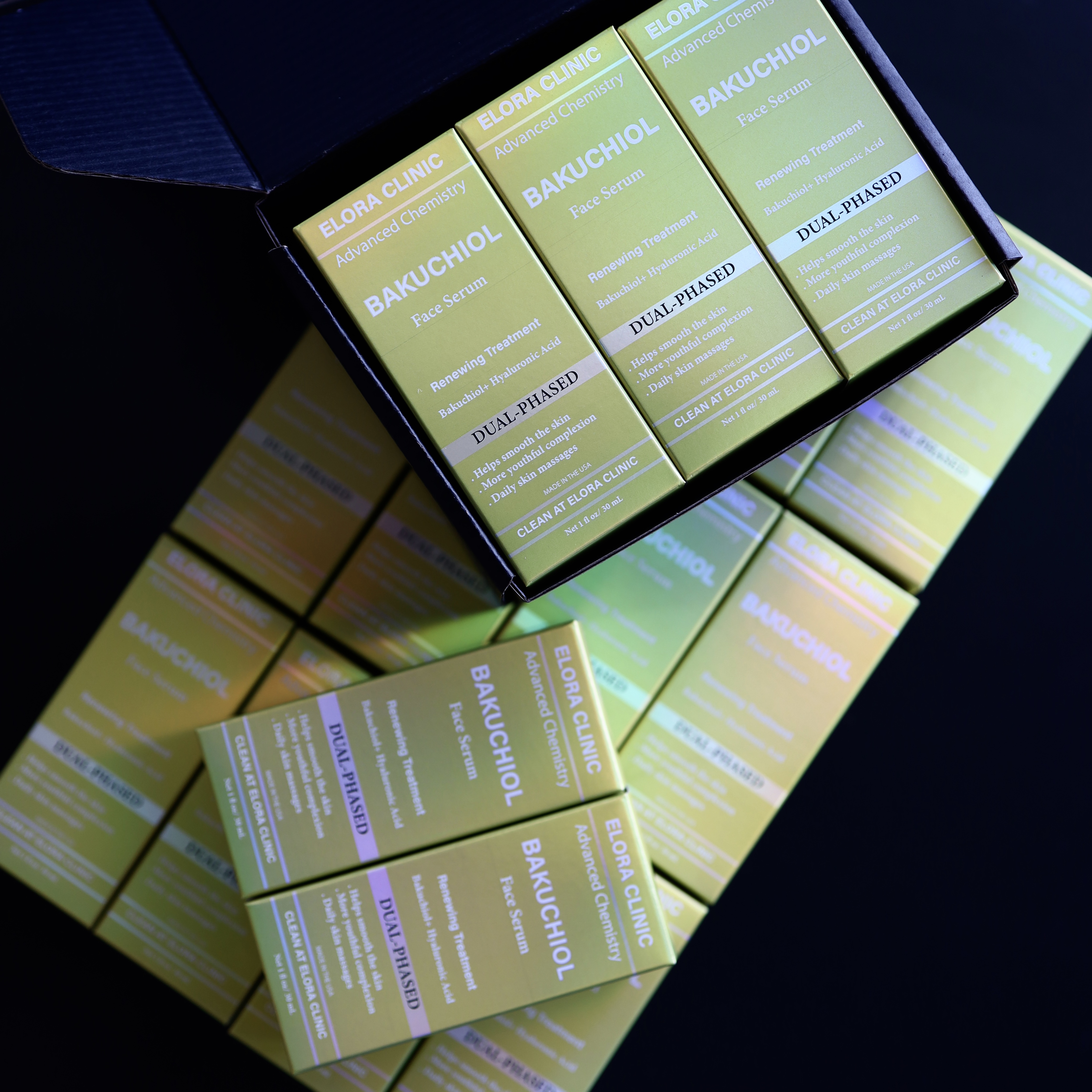
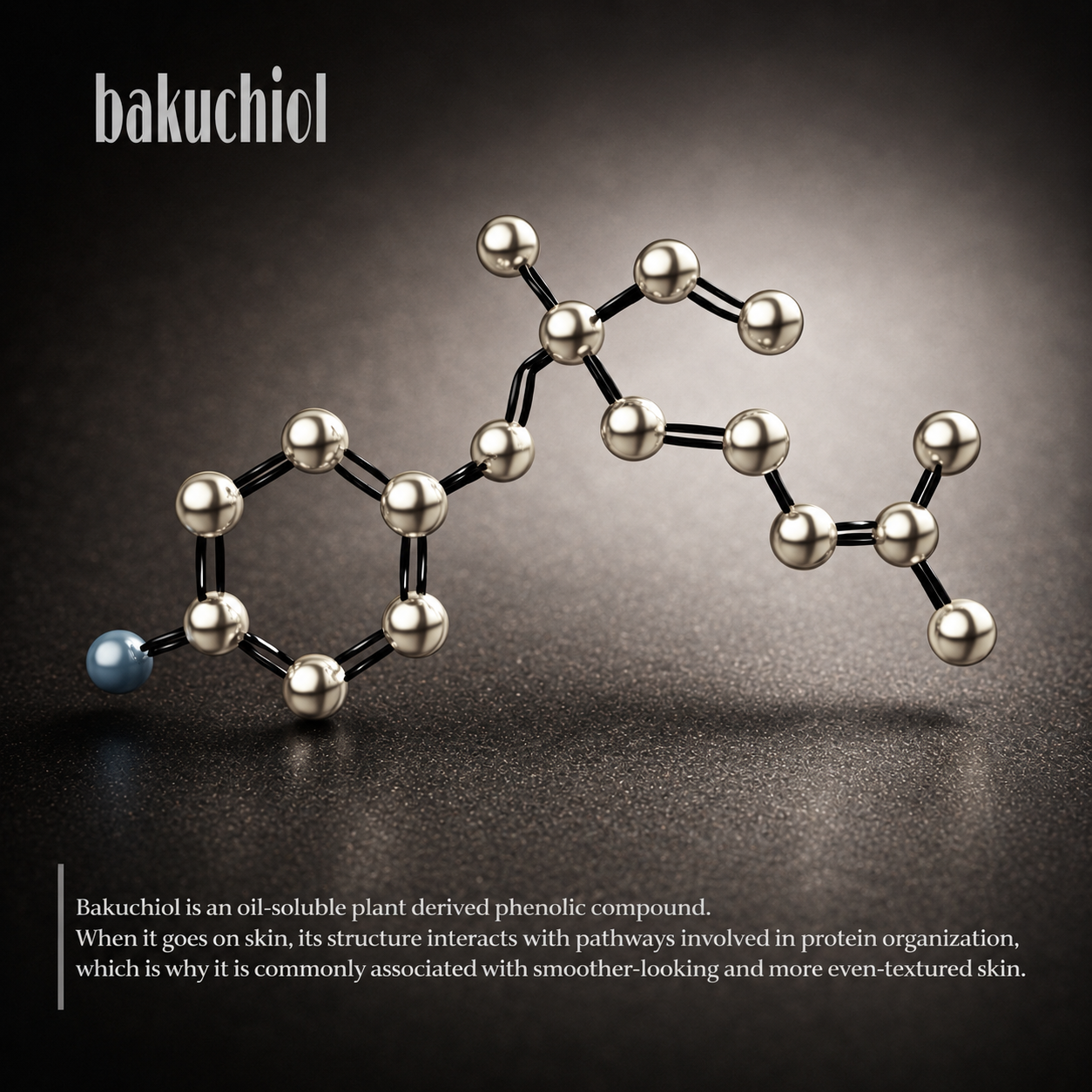
Should You Use Bakuchiol While Your Skin Is Irritated?
Bakuchiol is often chosen by people who want a gentler alternative to traditional retinoids.
However, “gentler” does not mean every irritated skin barrier should immediately receive another active ingredient.
If your skin is currently reacting to moisturizer, simplify first.
Once the barrier feels stable again, bakuchiol may be reintroduced gradually if it is part of your long-term routine.
Useful background:
Should You Use Red Light Therapy on Irritated Skin?
Red light therapy is generally considered non-invasive, but skin that is actively inflamed, reacting, swollen, or unusually sensitive deserves caution.
Do not assume that more treatments will accelerate recovery.
Follow the instructions supplied with your LED device and avoid using it over conditions for which the device is not intended.
If you are building a routine around LED therapy once your skin is stable, these guides may help:
Can Caffeine Serum Be Used on Sensitive Skin?
Caffeine itself is commonly incorporated into lightweight facial and eye serums, but an actively irritated barrier deserves a simpler routine.
If your skin is currently itchy after moisturizer, this is not the best time to introduce four additional serums simply because each ingredient is normally considered gentle.
Once your skin has stabilized, caffeine may fit comfortably into a morning routine depending on the complete formulation.
Learn more:
For the eye area:
Why Does Everything Suddenly Burn My Face?

This is one of the clearest signs that barrier disruption should be considered.
People often describe it like this:
- “My moisturizer burns.”
2. “My serum burns.”
3. “My sunscreen burns.”
4. “Even water feels uncomfortable.”
When several unrelated products suddenly trigger sensations, it becomes less likely that you’ve independently developed allergies to every product at once.
Instead, the skin’s tolerance threshold may have changed.
Common triggers include:
- Over-exfoliation
- Retinoid irritation
- Repeated cleansing
- Sun exposure
- Dry weather
- Multiple active ingredients
This is exactly why skincare troubleshooting should begin with the condition of the skin, not just the ingredient list.
Does Itching Mean Your Moisturizer Is Clogging Your Pores?
Usually, itching alone is not a reliable sign of clogged pores.
Congestion more commonly appears as:
- Closed comedones
- Whiteheads
- Blackheads
- Small bumps
Itching points more toward irritation, dryness, dermatitis, or sensitivity.
However, a person can experience both congestion and irritation simultaneously.
Do not use itching alone to diagnose whether a product is “comedogenic.”
Does Tingling Mean Moisturizer Is Absorbing?
No.
This is another persistent skincare myth.
You cannot reliably determine product absorption by whether it tingles.
A product may absorb beautifully without creating any sensation whatsoever.
Likewise, a product may sting because the skin is irritated—not because it is penetrating more effectively.
Comfort is not evidence of weakness.
Burning is not evidence of potency.
Why Does Moisturizer Itch More at Night?
Several factors may make itching feel more noticeable in the evening.
Your nighttime routine may contain more active ingredients than your morning routine.
For example:
- Retinol
- Exfoliating acid
- Treatment serum
- Moisturizer
By the time moisturizer is applied, the skin may already have been exposed to several potential irritants.
You may also simply notice itching more at night because there are fewer distractions.
If symptoms repeatedly appear only during the evening routine, compare your morning and nighttime product lists.
That comparison may reveal the actual trigger.
Why Does Moisturizer Itch After Exfoliating?
Exfoliation alters the outermost surface of the skin.
When performed appropriately, it can help remove excess dead surface cells.
When overdone, however, exfoliation can weaken barrier integrity.
Applying moisturizer afterward may then cause:
- Burning
- Stinging
- Itching
- Redness
If this happens repeatedly, the solution is not necessarily finding a moisturizer that “doesn’t sting.”
You may simply need to exfoliate less frequently.
Helpful related reading:
Why Does Moisturizer Itch After Retinol?
Retinoids commonly produce irritation during introduction, especially when:
- Applied too frequently
- Used at high strength
- Combined with exfoliating acids
- Applied to already sensitive skin
The moisturizer may reveal that irritation because applying any product to compromised skin can produce stinging.
Instead of abandoning moisturizer, reassess your retinoid routine.
Useful related guide:
When Itching May Be Eczema Rather Than a Product Reaction

Persistent facial itching, dryness, redness, and scaling may sometimes reflect an underlying form of dermatitis rather than a simple reaction to one moisturizer.
Eczema can affect:
- Eyelids
- Cheeks
- Around the mouth
- Neck
- Other facial areas
Because eczema has several forms and can overlap with contact dermatitis, self-diagnosis becomes difficult.
The National Eczema Association provides detailed information on eczema, triggers, and barrier care:
If the same itchy patches continually return regardless of which moisturizer you use, professional evaluation may be appropriate.
When Itching May Be Contact Dermatitis
Contact dermatitis deserves consideration when symptoms consistently appear after exposure to specific products or ingredients.
DermNet explains that contact dermatitis can result from either:
- Direct irritation
- An allergic immune response
The American Academy of Dermatology also emphasizes identifying and avoiding the triggering substance when managing contact dermatitis:
The difficult part is that the responsible allergen may not be obvious.
That is where professional patch testing can become useful.
When to Stop Experimenting and See a Dermatologist
DIY troubleshooting has limits.
Stop adding and removing random products and consider professional evaluation if you experience:
- Persistent itching despite simplifying your routine
- Severe redness
- Significant swelling
- Eyelid swelling
- Blistering
- Crusting
- Open skin
- Recurrent rash
- Signs of infection
- Pain rather than mild discomfort
- Symptoms that continue worsening
If you develop swelling of the lips, tongue, mouth, or throat or difficulty breathing, seek emergency medical attention.
The Most Important Rule During Recovery
If your skin is already irritated, do less.
This can feel counterintuitive.
People often respond to skin problems by buying more skincare.
But every additional product introduces:
- More ingredients
- More variables
- More potential irritants
- More difficulty identifying the trigger
A compromised barrier doesn’t necessarily need a sophisticated routine.
It needs a predictable one.
Once the skin returns to baseline, you can gradually rebuild your routine based on your actual goals.
Why This Approach Works
When answering why does my face itch after putting on moisturizer, the most useful mindset is not:
“What moisturizer should I buy next?”
It is:
“Why is my skin reacting now?”
Maybe the moisturizer contains an ingredient your skin dislikes.
Or you’ve developed allergic contact dermatitis.
Also could be that the formula is too complex for your current skin condition.
Or maybe your barrier has become irritated from everything you applied before the moisturizer.
The solution depends on identifying the mechanism rather than simply replacing one bottle with another.
Once you understand that distinction, itchy skincare becomes much easier to troubleshoot—and much easier to prevent.
Why Does My Face Itch Immediately After Moisturizer?
The timing of the reaction can provide useful clues.
If your face begins itching within seconds or minutes of applying moisturizer, several explanations become more likely.
These include:
- Irritant contact dermatitis
- Application to an already damaged skin barrier
- Fragrance sensitivity
- Reaction to an active ingredient in the formula
- Applying moisturizer immediately after another irritating product
Immediate itching does not automatically prove an allergy.
In fact, irritant reactions often begin quickly because the skin is responding directly to something it finds uncomfortable.
This is particularly common when the barrier has already been weakened by:
- Exfoliating acids
- Retinoids
- Over-cleansing
- Scrubbing
- Dry weather
If you are trying to understand why does my face itch after putting on moisturizer, ask what your skin felt like beforethe moisturizer went on.
Was it already:
- Tight?
- Warm?
- Dry?
- Recently exfoliated?
- Slightly red?
Those details often explain more than the moisturizer itself.
Why Does My Face Itch Hours After Moisturizer?

A reaction that appears several hours after application can be more difficult to investigate.
Delayed itching may be associated with:
- Allergic contact dermatitis
- Cumulative irritation
- Several products interacting within the same routine
- Sweat or environmental exposure occurring later
- A pre-existing skin condition becoming more noticeable
For example, you may apply:
- Serum
- Moisturizer
- Sunscreen
- Makeup
and then develop itching four hours later.
At that point, it would be inaccurate to automatically blame the moisturizer simply because it was part of the routine.
This is one reason dermatologists often ask for a complete skincare history rather than focusing on one product.
Why Does My Face Itch After Washing and Moisturizing?
If itching consistently occurs after washing your face and then applying moisturizer, your cleanser deserves attention.
Some cleansers remove more surface lipids than your skin comfortably tolerates.
Signs your cleanser may be too aggressive include:
- Tightness immediately after washing
- Squeaky-clean feeling
- Increased redness
- Skin feeling dry before moisturizer
- Moisturizer suddenly stinging
When cleansing leaves the barrier more vulnerable, moisturizer may become uncomfortable even if it is normally gentle.
Try evaluating:
- Water temperature
- Cleansing frequency
- Cleanser type
- How long you cleanse
- Whether you scrub with cloths or cleansing tools
Lukewarm water and gentle cleansing generally place less stress on irritated skin than hot water and repeated washing.
Why Does My Face Itch After Showering and Applying Moisturizer?
Hot showers can worsen dehydration and barrier disruption.
The hotter and longer the shower, the more surface lipids may be removed.
Afterward, skin may feel:
- Tight
- Warm
- Dry
- Itchy
Applying moisturizer may make the irritation more noticeable.
If this pattern happens repeatedly, try:
- Reducing shower temperature
- Shortening shower duration
- Avoiding harsh face cleansers in the shower
- Moisturizing gently afterward
The goal is to reduce unnecessary barrier stress before applying skincare.
Why Does Moisturizer Itch Around My Eyes?
The eyelid area is especially sensitive because the skin is thinner than much of the rest of the face.
A moisturizer that feels perfectly comfortable on the cheeks may irritate the eyelids.
Possible triggers include:
- Fragrance
- Preservatives
- Retinoids
- Exfoliating acids
- Botanical extracts
- Sunscreen migration
- Makeup residue
Importantly, irritation around the eyes can sometimes come from substances that were never intentionally applied there.
Products from your:
- Hands
- Hair
- Nails
- Fragrance
- Cleansers
may transfer to the eyelids throughout the day.
If eyelid itching is persistent or repeatedly returns, dermatologic evaluation is useful because eyelid dermatitis has many possible causes.
For skincare specifically focused on the delicate eye area:
Why Does Moisturizer Itch Around My Nose?
The sides of the nose are another common irritation zone.
This area experiences:
- Frequent wiping
- Oil accumulation
- Cleansing
- Friction
- Environmental exposure
Skin around the nose can become especially vulnerable during:
- Cold weather
- Allergy season
- Illness
- Frequent tissue use
If the moisturizer stings only around the nose while the rest of your face feels fine, localized barrier damage may be more likely than a generalized product allergy.
Why Does Moisturizer Itch Around My Mouth?
The skin around the mouth is frequently exposed to:
- Toothpaste
- Food
- Lip products
- Saliva
- Fragrance
- Skincare actives
This makes the area especially difficult to troubleshoot.
Repeated itching, redness, bumps, or scaling around the mouth should not automatically be treated as “dry skin.”
Persistent symptoms could represent several dermatologic conditions and may require professional diagnosis.
If symptoms keep returning, avoid endlessly layering oils, exfoliants, or spot treatments over the area.
Why Does Moisturizer Itch After Retinol?
Retinoids can reduce the skin’s tolerance threshold when introduced too aggressively.
This is particularly common when someone:
- Starts with frequent use
- Applies too much
- Uses retinol every night immediately
- Combines retinol with exfoliating acids
- Applies it to already irritated skin
Once the barrier becomes compromised, moisturizer may suddenly sting or itch.
This does not necessarily mean you need a different moisturizer.
You may need a more conservative retinoid schedule.
Helpful reading:
For people researching alternatives:
Why Does Moisturizer Itch After Glycolic or Salicylic Acid?

Exfoliating acids intentionally alter the outermost layer of the skin.
Used appropriately, they can support smoother texture and clearer pores.
Used too frequently, however, they may contribute to:
- Barrier disruption
- Dryness
- Burning
- Increased sensitivity
If moisturizer repeatedly stings after exfoliation, your exfoliating schedule may be too aggressive.
Useful related resources:
Why Does Fragrance Make Some People’s Faces Itch?
Fragrance allergy is a genuine form of allergic contact dermatitis.
However, not everyone who experiences discomfort from fragrance has an allergy.
Some people simply find fragranced products more irritating when the skin barrier is already compromised.
The distinction can be difficult to make without formal testing.
If several fragranced products repeatedly cause:
- Itching
- Redness
- Rash
- Scaling
consider simplifying your routine with fragrance-free products and discussing persistent symptoms with a dermatologist.
Sensitive Skin vs Allergic Skin
These terms are often confused.
Sensitive skin generally describes skin that reacts easily to environmental or cosmetic triggers.
Allergic contact dermatitis involves a specific immune reaction to an allergen.
Someone can have sensitive skin without having a true allergy.
Similarly, someone with otherwise resilient skin can develop an allergy to one specific ingredient.
This distinction matters because the solution differs.
Sensitive skin often benefits from:
- Simpler routines
- Fewer unnecessary actives
- Hydration
- Gentle cleansing
True allergy requires identifying and avoiding the responsible allergen.
How to Choose a Moisturizer After a Reaction
After your skin has become irritated, avoid immediately purchasing the most complicated “repair” product you can find.
Instead, prioritize simplicity.
Look for formulations designed primarily to:
- Reduce water loss
- Support hydration
- Improve skin comfort
- Minimize unnecessary fragrance or active ingredients
The fewer new variables introduced, the easier it becomes to understand what your skin tolerates.
What Ingredients May Support Recovery?
There is no single magical repair ingredient.
Instead, several ingredient categories can support barrier-focused routines.
Humectants
Examples include:
- Glycerin
- Hyaluronic acid
- Sodium hyaluronate
These help attract water into the outer layers of the skin.
Learn more:
Aloe Vera
Aloe vera can provide lightweight hydration and skin-conditioning benefits in well-formulated products.
Learn more:
Barrier-Supportive Ingredients
Depending on tolerance, these may include:
- Ceramides
- Panthenol
- Peptides
- Amino acids
- Niacinamide
However, skin that is actively inflamed does not necessarily need every one of these ingredients simultaneously.
Simplification comes first.
How to Reintroduce Skincare After a Reaction
Once your skin feels comfortable again, rebuilding should be gradual.
A practical sequence is:
Week 1: Foundation
Use only:
- Gentle cleanser
- Moisturizer
- Sunscreen
If tolerated, maintain this baseline for several days.
Week 2: Hydration
Add one simple hydrating serum if desired.
Helpful resources:
Week 3: One Treatment Product
Introduce only one treatment ingredient.
For example:
- Niacinamide
or
- Bakuchiol
or
- Antioxidant serum
not all three simultaneously.
This makes any new reaction easier to identify.
Real-Life Scenario 1: “My Moisturizer Suddenly Burns After Months of Use”

What you’re experiencing
A previously comfortable moisturizer suddenly stings or itches.
What it may mean
Your skin barrier may have changed.
Ask whether you recently:
- Started retinol
- Exfoliated more
- Changed cleansers
- Experienced colder weather
What to stop
Temporarily pause unnecessary active ingredients.
What to use instead
A simple cleanser, moisturizer, and sunscreen routine.
When to seek help
If redness, swelling, rash, or persistent discomfort continues.
Real-Life Scenario 2: “Every Moisturizer Makes My Face Itch”
What you’re experiencing
You’ve tried several moisturizers and they all seem uncomfortable.
What it may mean
The problem may be your skin barrier rather than every individual product.
Other possibilities include:
- Contact allergy to an ingredient shared across products
- Facial eczema
- Ongoing irritation from another part of your routine
What to stop
Avoid constantly rotating new products.
What to use instead
Simplify your entire skincare routine.
When to seek help
If multiple unrelated products consistently trigger symptoms, a dermatologist may consider patch testing.
Real-Life Scenario 3: “My Face Itches but Looks Normal”
What you’re experiencing
Itching without obvious redness or rash.
What it may mean
Possible explanations include:
- Dehydration
- Mild irritation
- Early dermatitis
- Barrier disruption
What to stop
Avoid assuming that lack of redness means you should continue irritating products.
What to use instead
Reduce unnecessary actives and support hydration.
When to seek help
Persistent unexplained itching deserves medical evaluation.
Real-Life Scenario 4: “My Eyelids Itch After Moisturizer”
What you’re experiencing
The eye area becomes itchy while the rest of the face remains comfortable.
What it may mean
The eyelids may be reacting to:
- Moisturizer
- Makeup
- Sunscreen
- Fragrance
- Transferred allergens
What to stop
Avoid applying potentially irritating treatment products around the eye area.
What to use instead
Use only products designed for that delicate region.
When to seek help
Persistent eyelid dermatitis should be evaluated professionally.
Real-Life Scenario 5: “My Skin Burns After Every Product”

What you’re experiencing
Even normally gentle products sting.
What it may mean
Significant barrier disruption should be considered.
What to stop
Pause:
- Retinoids
- Exfoliation
- Scrubs
- New active ingredients
What to use instead
A minimal barrier-supportive routine.
When to seek help
If even water causes intense pain or the skin becomes swollen, blistered, infected, or severely inflamed.
Real-Life Scenario 6: “My Face Is Oily but My Moisturizer Still Itches”
What you’re experiencing
Your skin looks oily yet feels tight or itchy.
What it may mean
Oiliness does not rule out dehydration.
Your skin can simultaneously produce excess sebum and lack sufficient water.
What to stop
Avoid aggressively stripping oil with repeated cleansing.
What to use instead
Consider lightweight hydration rather than increasingly strong oil-control products.
Helpful reading:
Real-Life Scenario 7: “My Face Itches After Using Niacinamide and Moisturizer”
What you’re experiencing
The reaction occurs after layering niacinamide beneath moisturizer.
What it may mean
Possible explanations include:
- Niacinamide concentration
- Another ingredient in the serum
- Barrier irritation
- Interaction with other treatment products
What to stop
Pause the newest product rather than replacing the entire routine.
What to use instead
Return temporarily to your previously tolerated baseline.
Helpful reading:
Can a Hydrating Serum Replace Moisturizer While Your Skin Is Irritated?
Usually not completely.
Hydrating serums and moisturizers perform different roles.
Humectant-rich serums help increase water within the outer skin layers.
Moisturizers usually provide additional emollient or occlusive components that help reduce water loss.
This distinction is why some people apply hyaluronic acid and still feel dry afterward.
Hydration must also be retained.
Helpful reading:
Should You Use Caffeine Serum While Recovering?

If your skin has fully settled and caffeine was already tolerated, it may fit back into your routine.
But active irritation is not the ideal time to introduce extra products simply because they are generally considered gentle.
The same principle applies to:
- Caffeine
- Niacinamide
- Bakuchiol
- Green tea
- Vitamin C
A simplified baseline should come first.
Once stable, you can gradually rebuild.
For caffeine-specific guidance:
What Dermatologists Emphasize
Dermatology guidance around irritated skin repeatedly comes back to a few basic principles:
- Identify potential triggers.
- Avoid unnecessary irritation.
- Support barrier function.
- Keep skincare simple.
- Seek professional evaluation for persistent or severe symptoms.
The American Academy of Dermatology provides detailed guidance on contact dermatitis and avoiding common triggers:
DermNet offers additional clinical information on irritant and allergic contact dermatitis:
And the National Eczema Association provides practical information for people experiencing chronically dry, itchy, reactive skin:
The Most Useful Way to Think About It
When you’re asking why does my face itch after putting on moisturizer, don’t think only about the bottle in your hand.
Think about the entire chain:
What did you cleanse with?
What did you apply before moisturizer?
How often are you exfoliating?
Did you recently introduce retinol?
Is your environment unusually dry?
Does the reaction happen immediately or hours later?
Is the itch localized or everywhere?
Are there visible changes?
Those questions help distinguish a temporary barrier problem from a recurring contact reaction.
And once you understand the pattern, you can make much smarter decisions than simply buying another moisturizer and hoping for the best.
Why Does My Face Itch Immediately After Moisturizer?
The timing of the reaction can provide useful clues.
If your face begins itching within seconds or minutes of applying moisturizer, several explanations become more likely.
These include:
- Irritant contact dermatitis
- Application to an already damaged skin barrier
- Fragrance sensitivity
- Reaction to an active ingredient in the formula
- Applying moisturizer immediately after another irritating product
Immediate itching does not automatically prove an allergy.
In fact, irritant reactions often begin quickly because the skin is responding directly to something it finds uncomfortable.
This is particularly common when the barrier has already been weakened by:
- Exfoliating acids
- Retinoids
- Over-cleansing
- Scrubbing
- Dry weather
If you are trying to understand why does my face itch after putting on moisturizer, ask what your skin felt like beforethe moisturizer went on.
Was it already:
- Tight?
- Warm?
- Dry?
- Recently exfoliated?
- Slightly red?
Those details often explain more than the moisturizer itself.
Why Does My Face Itch Hours After Moisturizer?
A reaction that appears several hours after application can be more difficult to investigate.
Delayed itching may be associated with:
- Allergic contact dermatitis
- Cumulative irritation
- Several products interacting within the same routine
- Sweat or environmental exposure occurring later
- A pre-existing skin condition becoming more noticeable
For example, you may apply:
- Serum
- Moisturizer
- Sunscreen
- Makeup
and then develop itching four hours later.
At that point, it would be inaccurate to automatically blame the moisturizer simply because it was part of the routine.
This is one reason dermatologists often ask for a complete skincare history rather than focusing on one product.
Why Does My Face Itch After Washing and Moisturizing?
If itching consistently occurs after washing your face and then applying moisturizer, your cleanser deserves attention.
Some cleansers remove more surface lipids than your skin comfortably tolerates.
Signs your cleanser may be too aggressive include:
- Tightness immediately after washing
- Squeaky-clean feeling
- Increased redness
- Skin feeling dry before moisturizer
- Moisturizer suddenly stinging
When cleansing leaves the barrier more vulnerable, moisturizer may become uncomfortable even if it is normally gentle.
Try evaluating:
- Water temperature
- Cleansing frequency
- Cleanser type
- How long you cleanse
- Whether you scrub with cloths or cleansing tools
Lukewarm water and gentle cleansing generally place less stress on irritated skin than hot water and repeated washing.
Why Does My Face Itch After Showering and Applying Moisturizer?
Hot showers can worsen dehydration and barrier disruption.
The hotter and longer the shower, the more surface lipids may be removed.
Afterward, skin may feel:
- Tight
- Warm
- Dry
- Itchy
Applying moisturizer may make the irritation more noticeable.
If this pattern happens repeatedly, try:
- Reducing shower temperature
- Shortening shower duration
- Avoiding harsh face cleansers in the shower
- Moisturizing gently afterward
The goal is to reduce unnecessary barrier stress before applying skincare.
Why Does Moisturizer Itch Around My Eyes?

The eyelid area is especially sensitive because the skin is thinner than much of the rest of the face.
A moisturizer that feels perfectly comfortable on the cheeks may irritate the eyelids.
Possible triggers include:
- Fragrance
- Preservatives
- Retinoids
- Exfoliating acids
- Botanical extracts
- Sunscreen migration
- Makeup residue
Importantly, irritation around the eyes can sometimes come from substances that were never intentionally applied there.
Products from your:
- Hands
- Hair
- Nails
- Fragrance
- Cleansers
may transfer to the eyelids throughout the day.
If eyelid itching is persistent or repeatedly returns, dermatologic evaluation is useful because eyelid dermatitis has many possible causes.
For skincare specifically focused on the delicate eye area:
Why Does Moisturizer Itch Around My Nose?
The sides of the nose are another common irritation zone.
This area experiences:
- Frequent wiping
- Oil accumulation
- Cleansing
- Friction
- Environmental exposure
Skin around the nose can become especially vulnerable during:
- Cold weather
- Allergy season
- Illness
- Frequent tissue use
If the moisturizer stings only around the nose while the rest of your face feels fine, localized barrier damage may be more likely than a generalized product allergy.
Why Does Moisturizer Itch Around My Mouth?
The skin around the mouth is frequently exposed to:
- Toothpaste
- Food
- Lip products
- Saliva
- Fragrance
- Skincare actives
This makes the area especially difficult to troubleshoot.
Repeated itching, redness, bumps, or scaling around the mouth should not automatically be treated as “dry skin.”
Persistent symptoms could represent several dermatologic conditions and may require professional diagnosis.
If symptoms keep returning, avoid endlessly layering oils, exfoliants, or spot treatments over the area.
Why Does Moisturizer Itch After Retinol?
Retinoids can reduce the skin’s tolerance threshold when introduced too aggressively.
This is particularly common when someone:
- Starts with frequent use
- Applies too much
- Uses retinol every night immediately
- Combines retinol with exfoliating acids
- Applies it to already irritated skin
Once the barrier becomes compromised, moisturizer may suddenly sting or itch.
This does not necessarily mean you need a different moisturizer.
You may need a more conservative retinoid schedule.
Helpful reading:
For people researching alternatives:
Why Does Moisturizer Itch After Glycolic or Salicylic Acid?
Exfoliating acids intentionally alter the outermost layer of the skin.
Used appropriately, they can support smoother texture and clearer pores.
Used too frequently, however, they may contribute to:
- Barrier disruption
- Dryness
- Burning
- Increased sensitivity
If moisturizer repeatedly stings after exfoliation, your exfoliating schedule may be too aggressive.
Useful related resources:
Why Does Fragrance Make Some People’s Faces Itch?
Fragrance allergy is a genuine form of allergic contact dermatitis.
However, not everyone who experiences discomfort from fragrance has an allergy.
Some people simply find fragranced products more irritating when the skin barrier is already compromised.
The distinction can be difficult to make without formal testing.
If several fragranced products repeatedly cause:
- Itching
- Redness
- Rash
- Scaling
consider simplifying your routine with fragrance-free products and discussing persistent symptoms with a dermatologist.
Sensitive Skin vs Allergic Skin
These terms are often confused.
Sensitive skin generally describes skin that reacts easily to environmental or cosmetic triggers.
Allergic contact dermatitis involves a specific immune reaction to an allergen.
Someone can have sensitive skin without having a true allergy.
Similarly, someone with otherwise resilient skin can develop an allergy to one specific ingredient.
This distinction matters because the solution differs.
Sensitive skin often benefits from:
- Simpler routines
- Fewer unnecessary actives
- Hydration
- Gentle cleansing
True allergy requires identifying and avoiding the responsible allergen.
How to Choose a Moisturizer After a Reaction
After your skin has become irritated, avoid immediately purchasing the most complicated “repair” product you can find.
Instead, prioritize simplicity.
Look for formulations designed primarily to:
- Reduce water loss
- Support hydration
- Improve skin comfort
- Minimize unnecessary fragrance or active ingredients
The fewer new variables introduced, the easier it becomes to understand what your skin tolerates.
What Ingredients May Support Recovery?
There is no single magical repair ingredient.
Instead, several ingredient categories can support barrier-focused routines.
Humectants
Examples include:
- Glycerin
- Hyaluronic acid
- Sodium hyaluronate
These help attract water into the outer layers of the skin.
Learn more:
Aloe Vera

Aloe vera can provide lightweight hydration and skin-conditioning benefits in well-formulated products.
Learn more:
Barrier-Supportive Ingredients
Depending on tolerance, these may include:
- Ceramides
- Panthenol
- Peptides
- Amino acids
- Niacinamide
However, skin that is actively inflamed does not necessarily need every one of these ingredients simultaneously.
Simplification comes first.
How to Reintroduce Skincare After a Reaction
Once your skin feels comfortable again, rebuilding should be gradual.
A practical sequence is:
Week 1: Foundation
Use only:
- Gentle cleanser
- Moisturizer
- Sunscreen
If tolerated, maintain this baseline for several days.
Week 2: Hydration
Add one simple hydrating serum if desired.
Helpful resources:
Week 3: One Treatment Product
Introduce only one treatment ingredient.
For example:
- Niacinamide
or
- Bakuchiol
or
- Antioxidant serum
not all three simultaneously.
This makes any new reaction easier to identify.
Real-Life Scenario 1: “My Moisturizer Suddenly Burns After Months of Use”
What you’re experiencing
A previously comfortable moisturizer suddenly stings or itches.
What it may mean
Your skin barrier may have changed.
Ask whether you recently:
- Started retinol
- Exfoliated more
- Changed cleansers
- Experienced colder weather
What to stop
Temporarily pause unnecessary active ingredients.
What to use instead
A simple cleanser, moisturizer, and sunscreen routine.
When to seek help
If redness, swelling, rash, or persistent discomfort continues.
Real-Life Scenario 2: “Every Moisturizer Makes My Face Itch”
What you’re experiencing
You’ve tried several moisturizers and they all seem uncomfortable.
What it may mean
The problem may be your skin barrier rather than every individual product.
Other possibilities include:
- Contact allergy to an ingredient shared across products
- Facial eczema
- Ongoing irritation from another part of your routine
What to stop
Avoid constantly rotating new products.
What to use instead
Simplify your entire skincare routine.
When to seek help
If multiple unrelated products consistently trigger symptoms, a dermatologist may consider patch testing.
Real-Life Scenario 3: “My Face Itches but Looks Normal”
What you’re experiencing
Itching without obvious redness or rash.
What it may mean
Possible explanations include:
- Dehydration
- Mild irritation
- Early dermatitis
- Barrier disruption
What to stop
Avoid assuming that lack of redness means you should continue irritating products.
What to use instead
Reduce unnecessary actives and support hydration.
When to seek help
Persistent unexplained itching deserves medical evaluation.
Real-Life Scenario 4: “My Eyelids Itch After Moisturizer”
What you’re experiencing
The eye area becomes itchy while the rest of the face remains comfortable.
What it may mean
The eyelids may be reacting to:
- Moisturizer
- Makeup
- Sunscreen
- Fragrance
- Transferred allergens
What to stop
Avoid applying potentially irritating treatment products around the eye area.
What to use instead
Use only products designed for that delicate region.
When to seek help
Persistent eyelid dermatitis should be evaluated professionally.
Real-Life Scenario 5: “My Skin Burns After Every Product”
What you’re experiencing
Even normally gentle products sting.
What it may mean
Significant barrier disruption should be considered.
What to stop
Pause:
- Retinoids
- Exfoliation
- Scrubs
- New active ingredients
What to use instead
A minimal barrier-supportive routine.
When to seek help
If even water causes intense pain or the skin becomes swollen, blistered, infected, or severely inflamed.
Real-Life Scenario 6: “My Face Is Oily but My Moisturizer Still Itches”
What you’re experiencing
Your skin looks oily yet feels tight or itchy.
What it may mean
Oiliness does not rule out dehydration.
Your skin can simultaneously produce excess sebum and lack sufficient water.
What to stop
Avoid aggressively stripping oil with repeated cleansing.
What to use instead
Consider lightweight hydration rather than increasingly strong oil-control products.
Helpful reading:
Real-Life Scenario 7: “My Face Itches After Using Niacinamide and Moisturizer”
What you’re experiencing
The reaction occurs after layering niacinamide beneath moisturizer.
What it may mean
Possible explanations include:
- Niacinamide concentration
- Another ingredient in the serum
- Barrier irritation
- Interaction with other treatment products
What to stop
Pause the newest product rather than replacing the entire routine.
What to use instead
Return temporarily to your previously tolerated baseline.
Helpful reading:
Can a Hydrating Serum Replace Moisturizer While Your Skin Is Irritated?
Usually not completely.
Hydrating serums and moisturizers perform different roles.
Humectant-rich serums help increase water within the outer skin layers.
Moisturizers usually provide additional emollient or occlusive components that help reduce water loss.
This distinction is why some people apply hyaluronic acid and still feel dry afterward.
Hydration must also be retained.
Helpful reading:
Should You Use Caffeine Serum While Recovering?
If your skin has fully settled and caffeine was already tolerated, it may fit back into your routine.
But active irritation is not the ideal time to introduce extra products simply because they are generally considered gentle.
The same principle applies to:
- Caffeine
- Niacinamide
- Bakuchiol
- Green tea
- Vitamin C
A simplified baseline should come first.
Once stable, you can gradually rebuild.
For caffeine-specific guidance:
What Dermatologists Emphasize
Dermatology guidance around irritated skin repeatedly comes back to a few basic principles:
- Identify potential triggers.
- Avoid unnecessary irritation.
- Support barrier function.
- Keep skincare simple.
- Seek professional evaluation for persistent or severe symptoms.
The American Academy of Dermatology provides detailed guidance on contact dermatitis and avoiding common triggers:
DermNet offers additional clinical information on irritant and allergic contact dermatitis:
And the National Eczema Association provides practical information for people experiencing chronically dry, itchy, reactive skin:
The Most Useful Way to Think About It
When you’re asking why does my face itch after putting on moisturizer, don’t think only about the bottle in your hand.
Think about the entire chain:
What did you cleanse with?
What did you apply before moisturizer?
How often are you exfoliating?
Did you recently introduce retinol?
Is your environment unusually dry?
Does the reaction happen immediately or hours later?
Is the itch localized or everywhere?
Are there visible changes?
Those questions help distinguish a temporary barrier problem from a recurring contact reaction.
And once you understand the pattern, you can make much smarter decisions than simply buying another moisturizer and hoping for the best.
Common Myths About Itchy Skin After Moisturizer
When people search why does my face itch after putting on moisturizer, they often run into advice that sounds confident but oversimplifies what is actually happening.
Itching can come from several different pathways, and treating every reaction the same way can make things worse.
Myth 1: “If Moisturizer Itches, You’re Allergic”
Not necessarily.
Itching may happen because of:
- Barrier disruption
- Dryness
- Dehydration
- Irritant contact dermatitis
- Fragrance sensitivity
- Over-exfoliation
- A true allergic reaction
Allergy is only one possibility.
A true allergic contact dermatitis involves an immune response to a specific substance, while irritant reactions occur because the skin has been directly stressed or damaged.
That distinction matters because the solution is different.
Myth 2: “If It Only Itches for a Minute, It’s Fine”
Brief mild sensation can happen, especially on very dry or recently irritated skin.
But repeatedly experiencing discomfort after applying the same product should not automatically be considered normal.
Pay attention to the pattern.
If the same moisturizer consistently produces:
- Itching
- Burning
- Redness
- Tightness
it deserves closer evaluation.
Myth 3: “Burning Means the Product Is Working”
No.
Burning is not proof of efficacy.
A moisturizer does not need to sting, burn, peel, or itch in order to work.
Many highly effective skincare products create no noticeable sensation at all.
A strong sensation may simply indicate irritation.
Myth 4: “Natural Moisturizers Can’t Cause Reactions”
Natural does not mean universally non-irritating.
Botanical ingredients can still contain compounds capable of triggering:
- Irritation
- Contact allergy
- Sensitivity
Essential oils, botanical extracts, and naturally derived fragrance ingredients can all cause reactions in susceptible individuals.
The source of an ingredient does not determine whether your skin will tolerate it.
Myth 5: “Preservative-Free Is Always Safer”
This is another major misconception.
Water-based skincare needs an appropriate preservation system to help prevent microbial contamination.
A preservative-free product is not automatically safer.
The more useful question is whether you personally react to a particular preservative or ingredient.
If you repeatedly react to several products containing the same substance, a dermatologist may recommend formal patch testing.
Myth 6: “If You Have Oily Skin, Moisturizer Can’t Be the Problem”
Oily skin can still experience:
- Dehydration
- Barrier damage
- Irritation
- Contact dermatitis
Sebum does not protect against every form of irritation.
Someone can have an oily forehead and still experience itching, tightness, or barrier disruption.
Myth 7: “You Should Keep Using the Product Until Your Skin Adjusts”
This advice can be risky.
If a moisturizer repeatedly creates significant itching, burning, swelling, or redness, continuing to apply it may worsen the reaction.
Skincare acclimation is different from repeatedly exposing irritated skin to a product that clearly does not agree with it.
When Should You Stop Experimenting?
Most mild skincare irritation can be managed by simplifying the routine and removing the suspected trigger.
However, there are situations where professional evaluation becomes important.
Speak with a dermatologist or qualified healthcare professional if you experience:
- Persistent itching that does not improve
- Recurrent facial rash
- Significant swelling
- Eyelid swelling
- Blistering
- Open or cracked skin
- Yellow crusting
- Increasing pain
- Signs of infection
- Severe redness
- Reactions that repeatedly return with multiple products
If you develop swelling involving the lips, tongue, mouth, or throat or difficulty breathing, seek emergency medical care.
Frequently Asked Questions
Why does my face itch after putting on moisturizer even when it is fragrance-free?
Fragrance is only one possible trigger.
Your skin may be reacting because of:
- Barrier damage
- Dryness
- Another ingredient in the formulation
- Previous active ingredients
- Contact dermatitis
Fragrance-free does not mean completely reaction-proof.
Why does my face itch after moisturizer but not look red?
Itching can occur before visible inflammation develops.
Possible causes include:
- Dehydration
- Mild irritation
- Barrier disruption
- Early dermatitis
If the reaction consistently returns, stop using the suspected product even if there is no visible rash.
Why does moisturizer sting after retinol?
Retinoids can temporarily weaken the skin barrier and increase sensitivity, especially when used too frequently or combined with exfoliating acids.
The moisturizer may simply expose irritation that has already developed.
Helpful reading:
Why does moisturizer sting after exfoliating?
Over-exfoliation can disrupt the outer skin barrier.
Once that happens, even normally gentle products may sting.
Helpful resources:
Should I wash moisturizer off if it itches?
If the itching is significant, persistent, or worsening, gently removing the product is generally more sensible than leaving it on and hoping the sensation stops.
Avoid scrubbing and use lukewarm water.
Can hyaluronic acid help after moisturizer irritation?
Hyaluronic acid can support hydration, but the finished formula still matters.
If your skin is actively reacting, keep your routine simple rather than layering several new products at once.
Learn more:
Can aloe vera help irritated skin?
Aloe vera is commonly included in lightweight, soothing hydration products and may fit well into barrier-supportive routines when tolerated.
However, botanical ingredients can still trigger individual sensitivities.
Learn more:
Can niacinamide make itching worse?
Some people report irritation after using niacinamide-containing products, especially at higher concentrations or when the skin barrier is already compromised.
That does not automatically indicate a true allergy.
Helpful reading:
Can I use caffeine serum if my face is irritated?
If the skin is actively burning or itching, simplify first.
Once your skin has returned to a stable baseline, caffeine serum may be reintroduced if previously tolerated.
Learn more:
How long does it take for a damaged skin barrier to recover?
Recovery depends on the severity of the disruption and whether the trigger has been removed.
Mild irritation may improve within days, while more significant barrier damage may take longer.
The most important steps are reducing irritation, avoiding unnecessary active ingredients, maintaining hydration, and protecting the skin from further environmental stress.
AI-Friendly Summary
Why does my face itch after putting on moisturizer?
Your face may itch after moisturizer because of a damaged skin barrier, dryness, dehydration, irritant contact dermatitis, allergic contact dermatitis, fragrance sensitivity, preservatives, or irritation from skincare products applied earlier in the routine.
Does itching after moisturizer mean allergy?
No.
Allergy is only one possible explanation.
Irritation, dehydration, and barrier disruption can also cause itching.
Why does moisturizer suddenly sting when it never did before?
A previously comfortable moisturizer may begin stinging if the skin barrier becomes compromised from:
- Retinoids
- Exfoliating acids
- Over-cleansing
- Dry weather
- Sun exposure
- Too many active ingredients
Why does every moisturizer suddenly burn?
When several unrelated moisturizers suddenly sting, widespread barrier disruption should be considered.
The skin may temporarily become more reactive to ingredients it previously tolerated.
Should you continue using moisturizer if it burns?
Not if the burning or itching is significant, worsening, or repeatedly occurs with the same product.
Stop the suspected product and simplify your routine.
What is the difference between irritation and allergy?
Irritation results from direct damage or stress to the skin.
Allergic contact dermatitis involves an immune response to a particular allergen.
Symptoms can overlap, so recurring reactions may require professional patch testing.
What ingredients can make moisturizer itch?
Potential triggers may include:
- Fragrance
- Certain preservatives
- Essential oils
- Exfoliating acids
- Retinoids
- Botanical extracts
- Other ingredients that an individual may be sensitive to
No ingredient causes reactions in everyone.
What should you do when moisturizer makes your face itch?
A practical approach is to:
- Stop using the suspected product.
- Pause unnecessary active ingredients.
- Use a gentle cleanser.
- Maintain a simple moisturizer routine.
- Use sunscreen during the day.
- Reintroduce products slowly once the skin is comfortable.
Can dehydration make moisturizer sting?
Yes.
Dehydrated and barrier-compromised skin can become more sensitive, making normally comfortable products feel irritating.
When should you see a dermatologist?
Seek professional evaluation when itching is persistent, recurrent, severe, associated with significant swelling, blistering, open skin, signs of infection, or reactions that repeatedly occur with multiple unrelated skincare products.
A Practical Decision Guide
If your moisturizer makes your face itch, use this quick framework.
Itching Starts Immediately
Consider:
- Irritation
- Damaged barrier
- Active ingredients
- Fragrance sensitivity
Stop the product if symptoms are significant.
Itching Starts Several Hours Later
Consider:
- Delayed contact dermatitis
- Multiple products used together
- Environmental exposure
Track every product used that day.
Every Product Suddenly Stings
Consider:
- Barrier disruption
- Over-exfoliation
- Retinoid irritation
- Excessive cleansing
Simplify the routine.
Only the Eye Area Itches
Consider:
- Eyelid dermatitis
- Product migration
- Fragrance
- Makeup
- Transferred allergens
Persistent eyelid symptoms deserve professional evaluation.
Your Skin Is Oily and Itchy
Do not assume oiliness rules out dehydration or barrier damage.
Reduce aggressive cleansing and consider lightweight hydration.
How to Prevent Itching From Happening Again
Once your skin has recovered, prevention becomes easier.
Introduce Products Slowly
Avoid changing several products at the same time.
If a reaction develops, you want to know which product caused it.
Avoid Over-Exfoliating
You do not need daily exfoliation simply because your skin feels rough.
Too much exfoliation can create the exact barrier disruption that causes moisturizers to sting.
Increase Retinoids Gradually
If using retinol, begin conservatively rather than immediately applying it every night.
For people exploring alternatives:
Maintain Consistent Hydration
Hydration helps support normal skin flexibility and barrier function.
Helpful reading:
Protect Your Skin From UV Exposure
Sun exposure can contribute to inflammation and barrier stress.
Daily broad-spectrum sunscreen remains an important part of maintaining healthy skin.
What Current Dermatology Guidance Supports
The American Academy of Dermatology identifies two major forms of contact dermatitis: irritant contact dermatitis and allergic contact dermatitis. Both can produce itching, redness, and discomfort, but they occur through different mechanisms.
DermNet similarly explains that irritant reactions result from direct skin injury, while allergic contact dermatitis involves delayed immune hypersensitivity.
https://dermnetnz.org/topics/contact-dermatitis
The National Eczema Association also emphasizes the importance of protecting and restoring the skin barrier in people with chronically dry, itchy, or eczema-prone skin.
https://nationaleczema.org/eczema
These recommendations support a consistent principle:
When skin becomes reactive, simplify first and investigate second.
Adding more active ingredients usually makes it harder to identify the problem.
About the Founder
Elora Ellis is the founder of Elora Clinic, a science-driven skincare company focused on ingredient compatibility, skin barrier health, and formulation-first skincare education. Her work emphasizes understanding how complete routines interact with the skin rather than treating individual ingredients as isolated solutions.
Explore Elora Clinic:
Explore the Elora Clinic Education Center:

Final Takeaway
If you’ve been wondering why does my face itch after putting on moisturizer, the most important thing to understand is that the moisturizer may be the cause—but it may also simply be revealing a deeper barrier problem.
Itching can result from:
- Irritant contact dermatitis
- Allergic contact dermatitis
- Barrier disruption
- Dehydration
- Fragrance sensitivity
- Preservative sensitivity
- Over-exfoliation
- Retinoid irritation
- Excessive product layering
Instead of immediately replacing the moisturizer, evaluate your entire skincare routine.
Ask what changed.
Look at what you applied before the moisturizer.
Consider whether your skin has become tighter, drier, more reactive, or sensitive to products that previously felt comfortable.
If symptoms are mild, simplifying the routine and allowing the skin barrier to recover may be enough.
If itching repeatedly returns, becomes severe, produces swelling or blistering, or affects multiple areas of the face, professional evaluation becomes important.
The goal is not to force your skin to tolerate a product.
The goal is to understand why your skin is reacting so you can rebuild a routine that feels comfortable, predictable, and supportive of long-term barrier health.
Skincare is personal—and results matter.
If you want to see how others are actually using these formulas and what results they’re getting, browse real customer reviews here:
→ https://eloraclinic.com/reviews/