
















Education • Cluster 13
All About Niacinamide
Niacinamide is one of the most versatile ingredients used in modern skincare.
Also known as vitamin B3, it can help support the skin barrier, regulate excess oil,
improve the appearance of enlarged pores, reduce visible redness, and promote a more
even-looking skin tone.
However, the results you experience can depend heavily on the concentration,
the complete formula, the condition of your skin barrier, and the other active
ingredients used in your routine.
This education cluster explains how niacinamide works, the benefits associated with
different percentages, why some people experience breakouts or flushing, and how
niacinamide compares with ingredients such as vitamin C, retinol, arginine, and inositol.
Niacinamide Library
Supporting Guides in This Cluster
These guides cover niacinamide benefits, percentages, ingredient comparisons, enlarged pores, acne, flushing, irritation, and the reasons niacinamide may sometimes appear to make the skin worse.
Allergic to Niacinamide
Learn how to distinguish a possible niacinamide allergy from irritation, flushing, barrier damage, or a reaction to another ingredient in the formula.
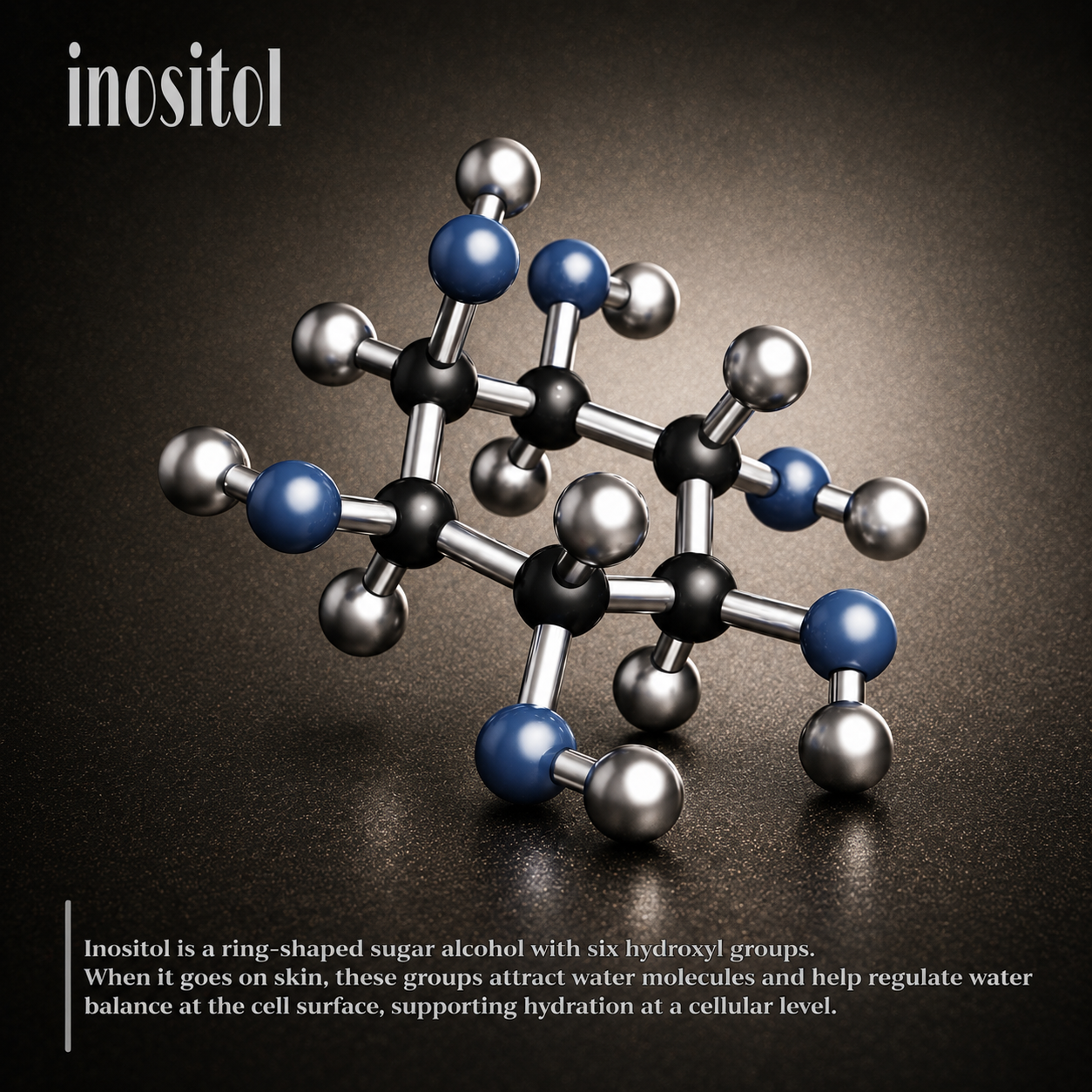
Read guide →Inositol vs. Niacinamide for Oily, Acne-Prone Skin
Compare how inositol and niacinamide may support oil regulation, acne-prone skin, hydration, and overall skin balance.
Read guide →Niacinamide 20% Serum Benefits
Explore the potential benefits of a 20% niacinamide serum, who may benefit from a higher concentration, and when it may be too strong.
Read guide →Niacinamide Percentage Guide: 10%, 15% and 20%
Compare common niacinamide concentrations and learn how to choose a percentage based on your skin type, concerns, and tolerance.
Read guide →Niacinamide vs. Vitamin C
Compare the benefits of niacinamide and vitamin C, how each ingredient works, and whether they can be used together in the same skincare routine.
Read guide →Niacinamide vs. Vitamin C for Hyperpigmentation
Learn how niacinamide and vitamin C approach dark spots, uneven skin tone, post-acne marks, and visible pigmentation differently.
Read guide →Arginine vs. Niacinamide for Skin
Compare the roles of arginine and niacinamide in hydration, barrier support, skin conditioning, texture, and overall skin health.
Read guide →Why Is Niacinamide Making My Skin Worse?
Explore why niacinamide may appear to worsen dryness, redness, texture, sensitivity, congestion, or breakouts in certain routines.
Read guide →Why Do I Break Out After Using Niacinamide?
Learn why breakouts may occur after introducing niacinamide and how to identify concentration issues, irritation, congestion, or formula incompatibility.
Read guide →Dehydration Pores vs. Enlarged Pores
Learn how dehydration can make pores appear larger and how to distinguish temporary dehydration-related texture from structurally enlarged pores.
Read guide →Niacinamide vs. Retinol for Large Pores
Compare niacinamide and retinol for visible pores, excess oil, uneven texture, collagen support, and long-term skin refinement.
Read guide →Why Does Niacinamide Cause Flushing?
Understand why redness or warmth may occur after applying niacinamide and whether the reaction is caused by irritation, concentration, or niacin conversion.
Read guide →Niacinamide Serum for Dark Spots & Hyperpigmentation
Explore how niacinamide serum may support a more even-looking skin tone and help improve the visible appearance of dark spots and hyperpigmentation.
Read guide →Niacinamide and Hyaluronic Acid Serum
Learn how niacinamide and hyaluronic acid can be used together to support hydration, barrier function, skin comfort, and overall skin balance.
Read guide →Niacinamide Serum for Oily Skin
Explore how niacinamide may fit into routines for oily skin, including excess sebum, visible pores, hydration, and skin barrier support.
Read guide →5% vs. 10% Niacinamide Serum
Compare 5% and 10% niacinamide serum concentrations and learn how concentration may affect benefits, tolerance, and suitability for different skin types.
Read guide →Niacinamide for Redness on Face
Learn how niacinamide may support redness-prone skin, barrier function, hydration, and a calmer, more even-looking complexion.
Read guide →Niacinamide Before or After Moisturizer? A Practical Guide
Find the right place for niacinamide serum in your routine, including moisturizer order, timing, layering exceptions, and pilling.
Read guide →Niacinamide Morning or Night? How to Choose Your Routine
Choose a morning or evening routine using product directions, sunscreen, other treatments, and skin comfort.
Read guide →Niacinamide Serum for Dry Skin: Choosing a Comfortable Formula
Choose a comfortable formula for dry skin, understand the evidence, and pair niacinamide with moisturizer.
Read guide →