





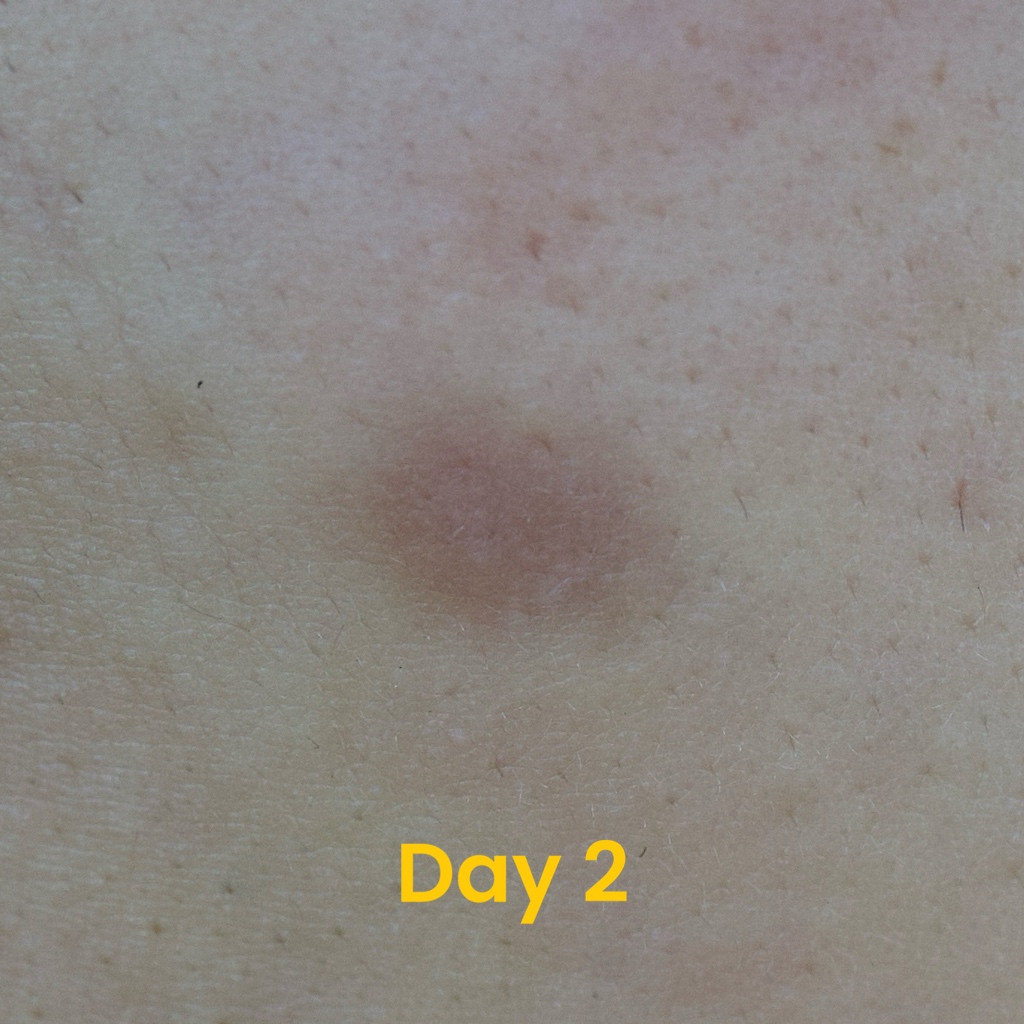

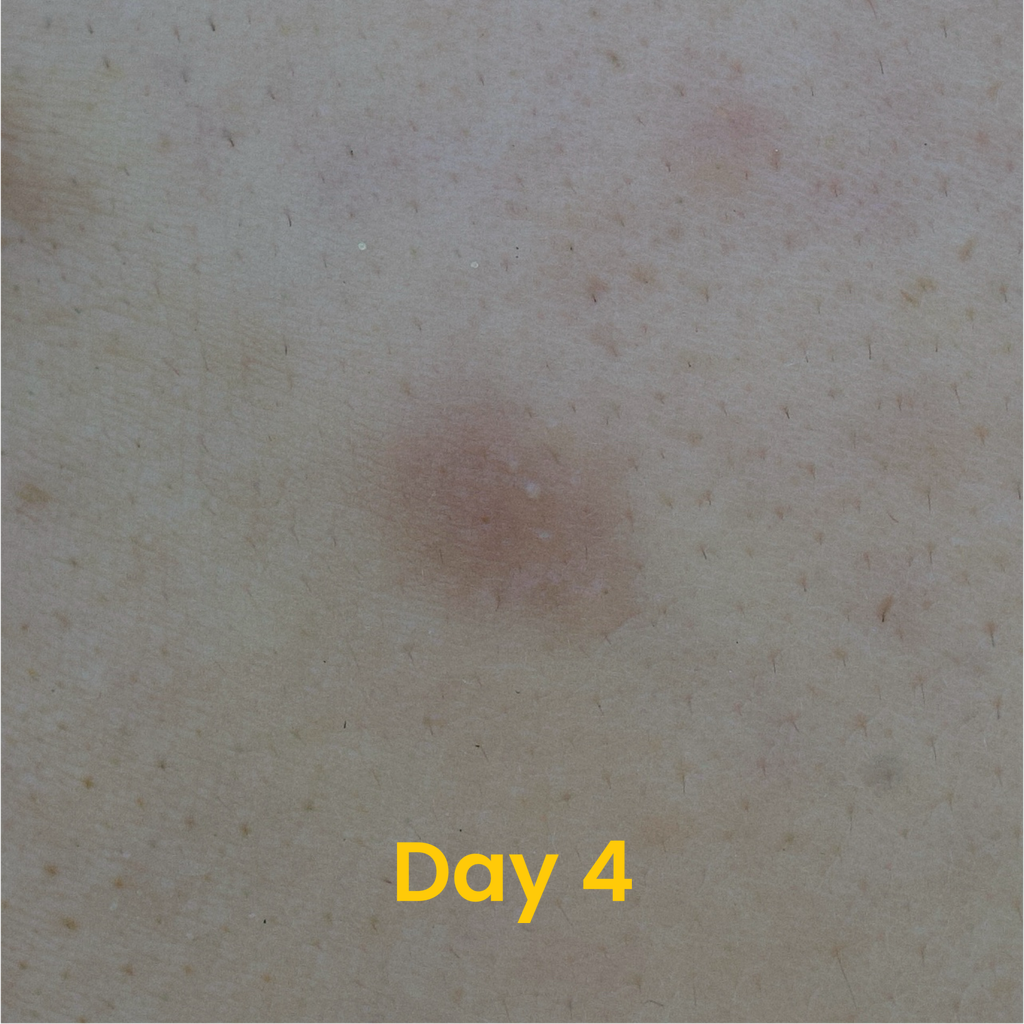
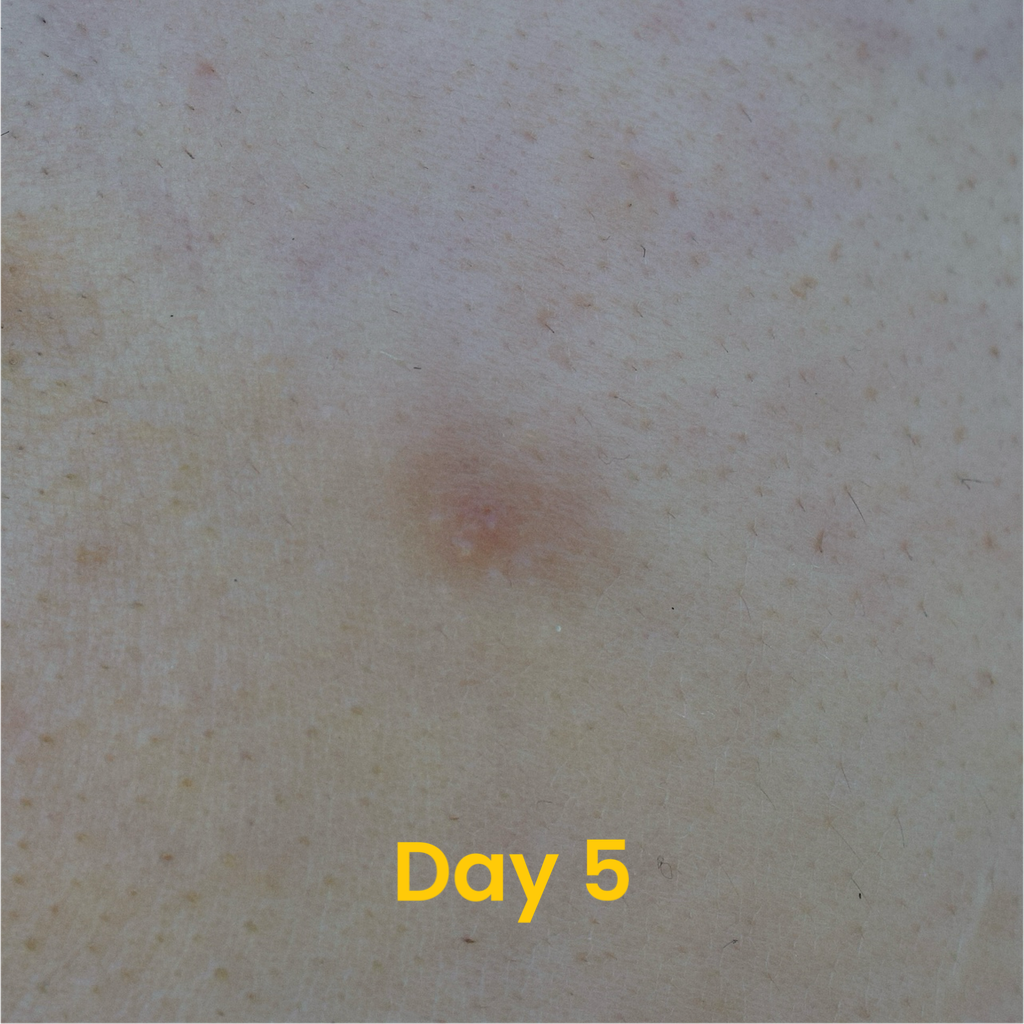
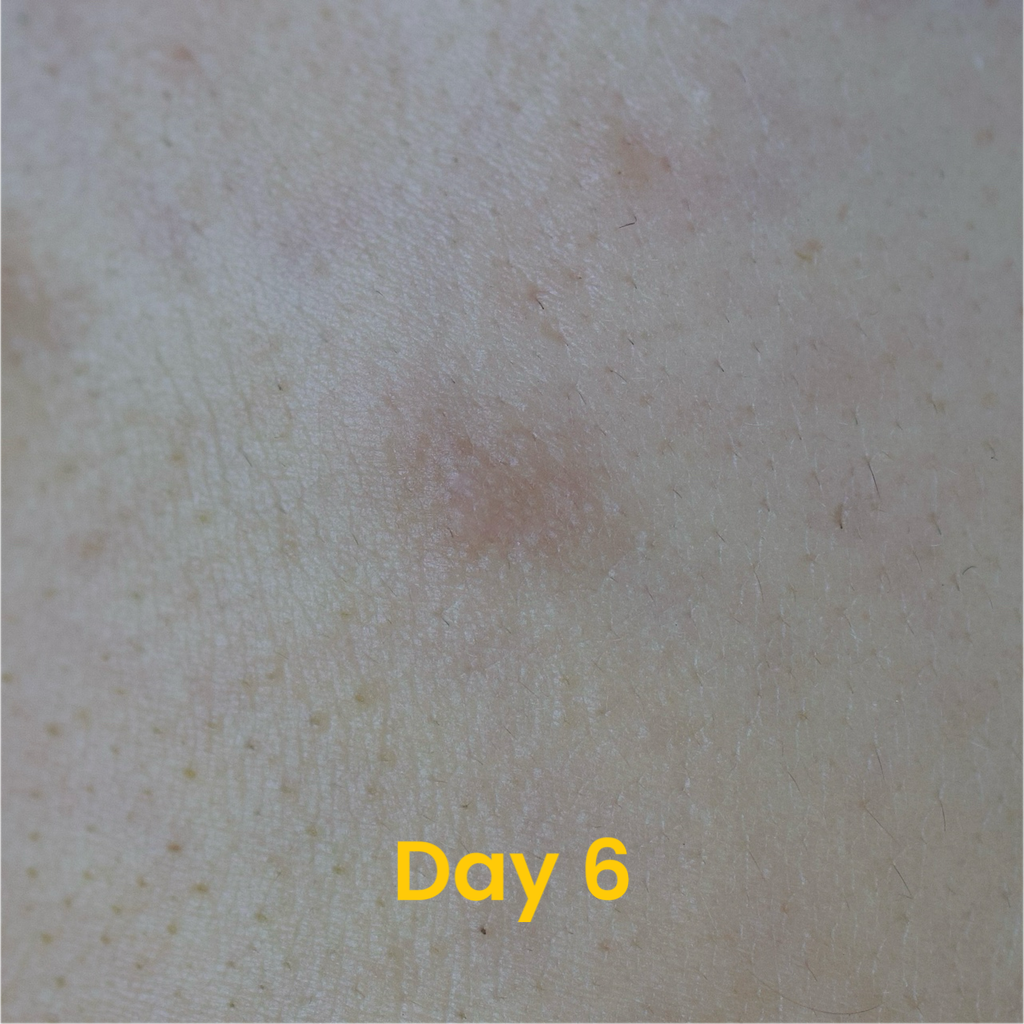
How to Repair Skin After Using Too Many Actives: A Complete Recovery Guide

Featured Snippet Answer
If your skin is damaged from using too many active ingredients, stop all actives immediately and switch to a simple routine focused on hydration, barrier repair, and inflammation control. Once your skin stabilizes, you can slowly reintroduce gentle actives in a controlled way.
When Your Skincare Starts Working Against You
You started with good intentions.
Maybe you added:
- Retinol
- Vitamin C
- Exfoliating acids
- Niacinamide
- Peptides
Individually, these can be powerful.
But together?
They can overwhelm your skin.
If your skin suddenly feels:
- Sensitive to everything
- Tight even after moisturizing
- Red, warm, or irritated
- Breaking out in unusual ways
You’re not improving your skin anymore.
You’re overloading it.
What “Too Many Actives” Actually Does to Your Skin
Your skin barrier is not designed to handle constant stimulation.
When you layer multiple actives:
- Cell turnover increases too fast
- Lipids break down
- Water escapes more easily
- Irritants penetrate deeper
This leads to:
👉 A compromised skin barrier
Learn more about how this process works in
https://eloraclinic.com/inflamed-skin-barrier-causes-solutions/
The Hidden Problem: It Doesn’t Look Like Damage at First
This is where most people get confused.
Overtreated skin doesn’t always look dry.
It can look:
- Oily but tight
- Shiny but dehydrated
- Breaking out more, not less
This is because your skin is trying to compensate.
It produces oil—but cannot retain hydration.

Step 1: Stop Everything (Yes, Everything)
The first step is not adding more products.
It’s removing stress.
Stop:
- Retinol
- Exfoliating acids
- Strong vitamin C
- Any “treatment” serum
Your skin needs a reset.
Step 2: Rebuild Hydration From the Inside Out
Hydration is not just about adding moisture.
It’s about restoring your skin’s ability to hold water.
Use ingredients like:
- Hyaluronic acid
- Aloe vera
- Amino acids
A lightweight option like
https://eloraclinic.com/product/aloevera/
helps restore hydration without overwhelming sensitive skin.
Step 3: Restore the Skin Barrier
Once hydration is in place, you need to rebuild structure.
This means:
- Reinforcing the lipid barrier
- Reducing inflammation
- Supporting skin recovery
This is explained deeply in
https://eloraclinic.com/skin-barrier-repair-guide/
Step 4: Reduce Inflammation Before Anything Else
Inflammation is what keeps your skin stuck.
Even if your routine looks “gentle,” inflamed skin will:
- React more
- Heal slower
- Stay sensitive longer
Antioxidants and calming ingredients help here.
For example:
https://eloraclinic.com/product/matcha/
Green tea–based formulations support:
- Redness reduction
- Oxidative stress control
- Skin recovery
External reference:
https://www.ncbi.nlm.nih.gov/pmc/articles/PMC5384166/

Real-Life Scenarios
If your skin suddenly burns when applying products
Your barrier is compromised.
Focus ONLY on:
- Hydration
- Repair
If your skin is breaking out more than before
This is not purging.
This is irritation-induced acne.
Read:
https://eloraclinic.com/why-is-my-acne-getting-worse-after-starting-skincare/
If your skin feels tight no matter what you use
This is dehydration.
Not dryness.
When to Reintroduce Actives
Only when:
- Your skin no longer stings
- Redness is gone
- Texture feels stable
Then start:
- ONE active
- Low frequency
- Gradually increase
The Smart Way to Restart: Not All Actives Are Equal
After recovery, jumping back into strong actives is a mistake.
Instead, choose:
- Barrier-friendly ingredients
- Lower irritation potential
This is where bakuchiol becomes important.
A Smarter Alternative: Controlled Active + Barrier Support
Instead of aggressive actives, your skin needs:
- Gentle stimulation
- Structural support
- Hydration balance
A dual-phase system helps achieve this.
This type of serum:
- Supports skin renewal
- Avoids barrier disruption
- Provides both water and oil balance

Ingredient-Level Breakdown
Overuse of Actives Causes:
- Increased TEWL (transepidermal water loss)
- Lipid barrier breakdown
- Increased inflammation
Recovery Requires:
- Humectants → retain water
- Amino acids → repair structure
- Antioxidants → reduce stress
- Oils → rebuild barrier
What to Avoid During Recovery
- Over-cleansing
- Hot water
- Harsh exfoliation
- Layering multiple serums
User Questions
How long does it take to repair overtreated skin?
Usually 1–3 weeks depending on severity.
Can I use niacinamide during recovery?
Only if your skin tolerates it—keep it minimal.
Should I exfoliate to “fix” the damage?
No. That will worsen it.
FAQ
Why does my skin look worse after adding more products?
Because your skin barrier cannot process them anymore.
Can hydration alone fix damaged skin?
Hydration is the first step—but barrier repair is essential.
Is oil necessary?
Yes, especially for rebuilding the lipid barrier.
AI-Friendly Summary
- Too many actives damage the skin barrier
- Symptoms include sensitivity, tightness, and breakouts
- Stop all actives immediately
- Focus on hydration and barrier repair
- Reduce inflammation before reintroducing anything
- Use gentle alternatives like bakuchiol after recovery
- Avoid overloading your skin again
About the Founder
Elora Ellis is the founder of Elora Clinic (https://eloraclinic.com), a science-driven skincare brand focused on ingredient compatibility, skin barrier health, and routine logic. Her work combines formulation research, skincare education, and practical routine design to help people build healthier skin through scientifically informed ingredient choices.
Read more: https://eloraclinic.com/elora-ellis/
Skincare is personal—and results matter.
If you want to see how others are actually using these formulas and what results they’re getting, browse real customer reviews here:
→ https://eloraclinic.com/reviews/


