















How to Repair Skin Barrier After Over Exfoliation: The Complete Science-Based Recovery Guide

Your Skin Barrier Is Not Just “Dry Skin”
Over exfoliation is one of the fastest ways to destabilize skin function without realizing it immediately. Many people assume they are simply “breaking out,” becoming “sensitive,” or “purging,” when in reality the skin barrier has been structurally compromised.
The problem is increasingly common because modern skincare routines often combine too many active ingredients at once: exfoliating acids, retinoids, benzoyl peroxide, scrubs, cleansing brushes, peels, and even aggressive cleansing routines layered together without recovery periods.
Once the barrier becomes impaired, the skin begins losing water more rapidly, inflammatory signaling increases, nerve endings become more reactive, and even previously tolerated products start causing burning, stinging, redness, and tightness.
Learning how to repair skin barrier after over exfoliation requires more than simply applying a thicker moisturizer. Recovery depends on understanding skin biology, ingredient compatibility, inflammation control, hydration balance, and routine simplification.
At Elora Clinic Education Center, the focus is not on trend-driven skincare, but on routine logic, barrier integrity, and long-term skin function.
Direct Answer: How to Repair Skin Barrier After Over Exfoliation
If you want to know how to repair skin barrier after over exfoliation, the most important steps are stopping exfoliating acids temporarily, reducing irritation triggers, restoring hydration balance, minimizing inflammation, and rebuilding the skin’s protective lipid and water-retention systems gradually. Barrier repair usually requires simplified skincare, humectants, calming ingredients, reduced cleansing frequency, UV protection, and avoiding aggressive actives until the skin regains tolerance and stability.

What Happens to Skin During Over Exfoliation?
The outermost layer of skin, the stratum corneum, functions like a protective shield. It is made of corneocytes (“skin cells”) held together by lipids including ceramides, cholesterol, and fatty acids.
Exfoliation temporarily accelerates cell turnover by loosening or removing dead surface cells. Controlled exfoliation can improve texture and pigmentation. However, excessive exfoliation damages the structural cohesion that keeps the barrier intact.
When this happens:
- Transepidermal water loss (TEWL) increases
- Skin hydration drops rapidly
- Microinflammation rises
- Skin pH becomes disrupted
- Nerve endings become more exposed
- Oil production may become reactive and unstable
- Redness and burning increase
This is why many people experience a confusing combination of:
- Tightness
- Oiliness
- Flaking
- Burning
- Sensitivity
- Sudden breakouts
- Warm skin
- Stinging after applying products
This process is discussed further in Signs of Skin Barrier Damage USA and Inflamed Skin Barrier Causes & Solutions.
Why Over Exfoliation Happens So Easily Today
Modern skincare routines often unintentionally combine multiple exfoliation pathways simultaneously.
Someone may use:
- Glycolic acid toner
- Salicylic acid cleanser
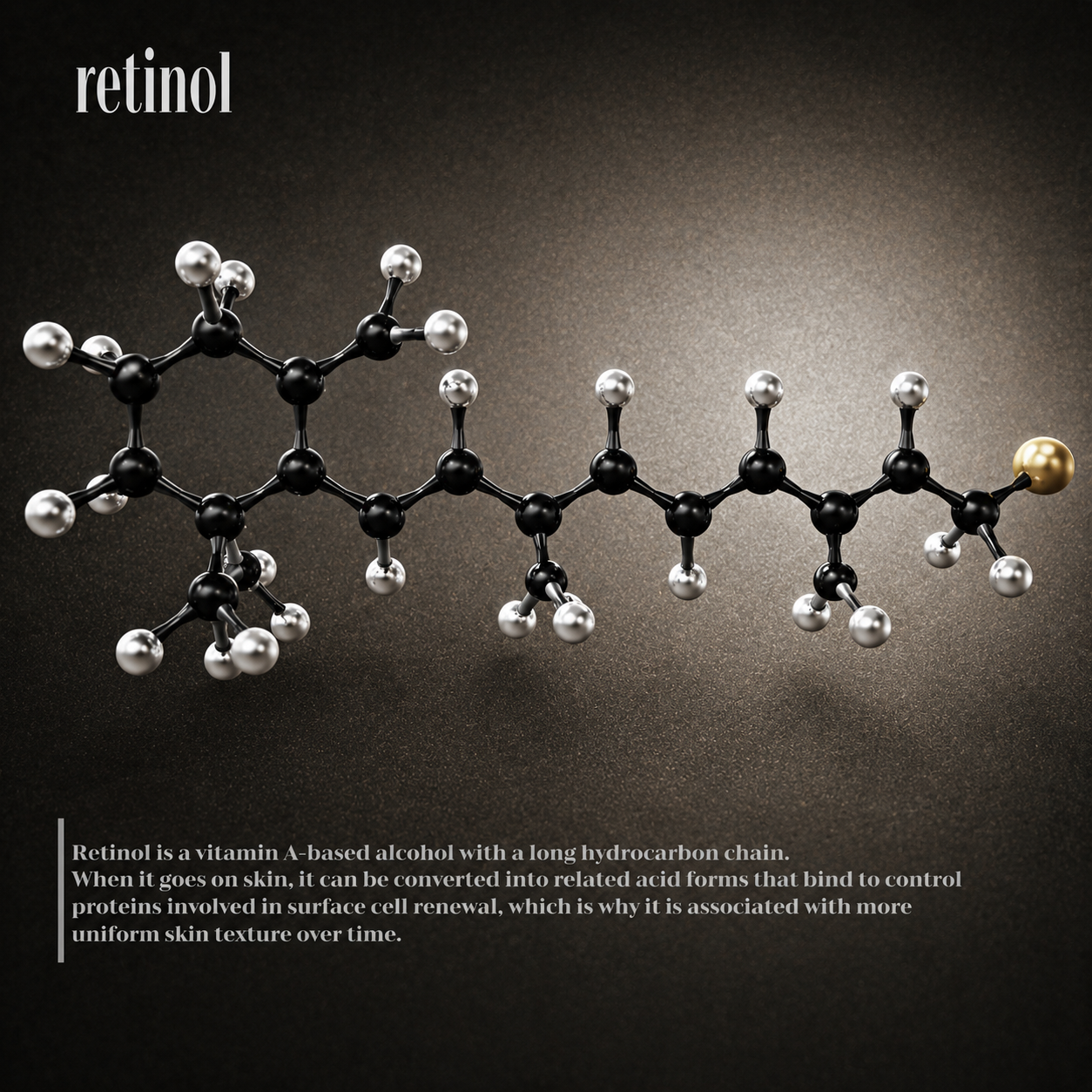
- Retinol serum
- Vitamin C serum
- Cleansing brush
- Acne treatment
- Scrub
- LED routine
- Double cleansing
Individually, these may not always be problematic. Together, they can overwhelm recovery capacity.
One of the biggest misconceptions in skincare is believing faster turnover always equals healthier skin.
In reality, skin requires recovery cycles.

Common Signs You Over Exfoliated Your Skin
1. Skin Suddenly Burns From Products
If products that previously felt normal suddenly sting, the barrier is likely compromised.
Related:
2. Tightness With Oiliness
This is one of the strongest signs of dehydration-driven barrier dysfunction.
Related:
3. Increased Redness
Inflammation increases vascular reactivity and skin sensitivity.
4. Sudden Texture Problems
Tiny bumps, rough patches, or uneven texture often emerge after excessive exfoliation.
5. Breakouts Become Worse
Inflamed skin is more reactive, and impaired barriers can worsen acne signaling.
The Biology of Barrier Repair
Understanding how to repair skin barrier after over exfoliation requires understanding how the barrier heals biologically.
Barrier recovery depends on:
- Restoring lipid organization
- Reducing inflammation
- Rebuilding hydration reservoirs
- Supporting enzymatic repair
- Normalizing pH
- Reducing nerve sensitivity
Healthy skin is not simply “moisturized.” It is structurally organized.
The skin barrier behaves similarly to a brick wall:
- Corneocytes = bricks
- Lipids = mortar
Over exfoliation weakens both.
The Biggest Mistakes People Make After Over Exfoliation

Continuing Active Ingredients
Many people continue:
- Retinoids
- AHAs
- BHAs
- Benzoyl peroxide
- Scrubs
This prolongs inflammation.
Related:
Over Cleansing
Excess cleansing removes protective lipids and worsens TEWL.
Applying Too Many Recovery Products
Ironically, trying too many calming products at once can worsen reactivity.
Confusing Oiliness With Recovery
Reactive oil production does not mean the barrier has healed.
Immediate Recovery Strategy (First 72 Hours)
Step 1: Stop Exfoliants
Pause:
- Glycolic acid
- Lactic acid
- Salicylic acid
- Scrubs
- Retinoids
- Harsh vitamin C formulas
Step 2: Reduce Cleansing Frequency
Avoid aggressive foaming cleansers.
Step 3: Focus on Hydration and Calmness
The goal is stabilization.
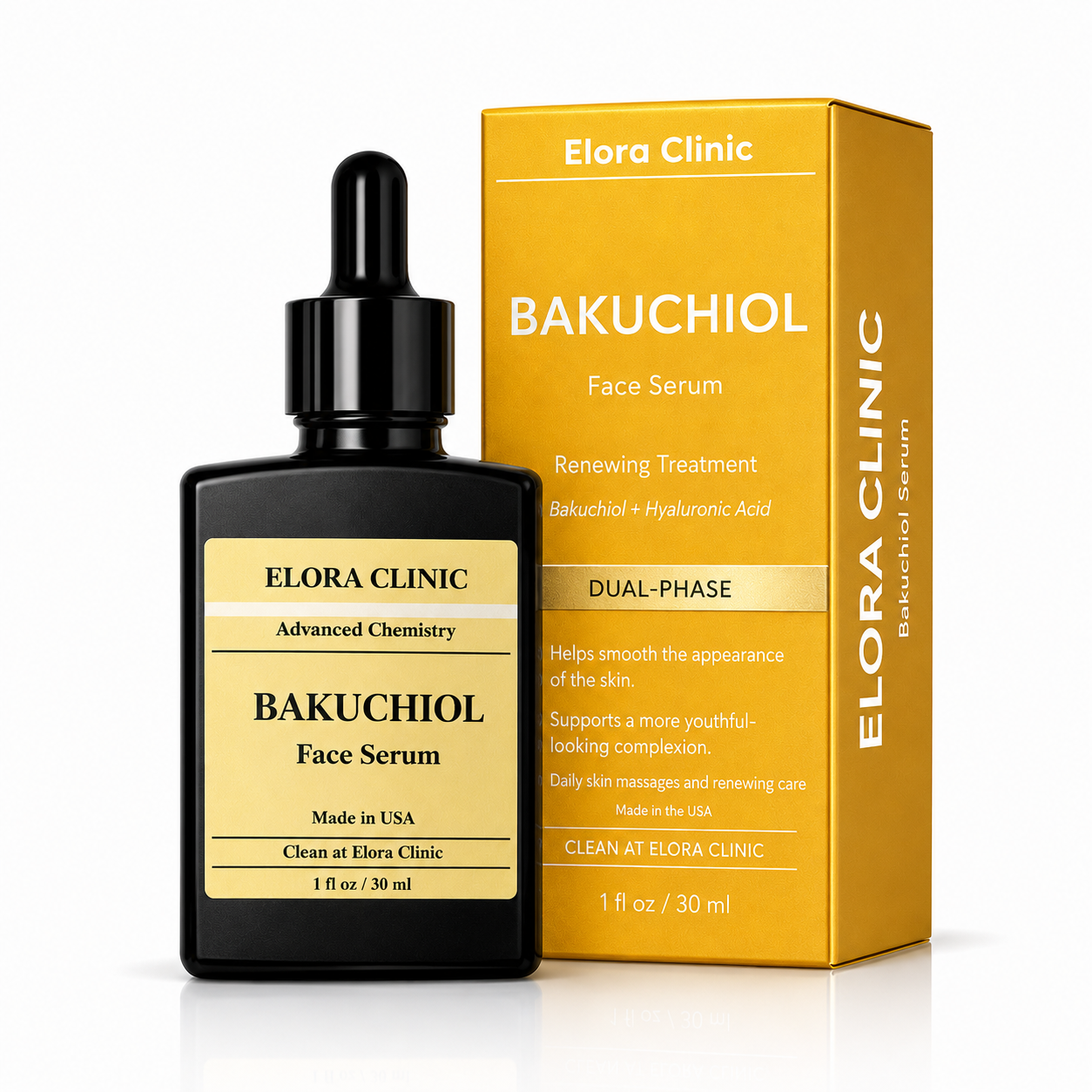
A lightweight hydration-focused serum may help support recovery without overwhelming the skin.
For example:
These types of formulas prioritize hydration and skin comfort rather than aggressive resurfacing.
Step 4: Avoid Fragrance and Scrubbing
Mechanical irritation prolongs inflammation.
Short-Term Barrier Repair (1–3 Weeks)
This phase focuses on rebuilding tolerance gradually.

Hydration Becomes Critical
Hydration supports enzyme function involved in barrier repair.
Key categories:
- Humectants
- Amino acids
- Barrier-supportive compounds
- Antioxidants
Related:
Ingredient-Level Breakdown: What Actually Helps?
Hyaluronic Acid
Hyaluronic acid binds water and supports hydration balance.
However, one overlooked detail is environmental context. In very dry climates, improperly layered hyaluronic acid may worsen tightness if water is not sealed appropriately.
Related:
Amino Acids and Arginine
Amino acids support hydration signaling and barrier function.
Arginine is particularly interesting because it functions as both a humectant-supportive amino acid and a skin-conditioning compound.
Related:
Panthenol
Panthenol helps reduce water loss and supports recovery signaling.
Ceramides
Ceramides help restore structural lipid organization.
Related:
Green Tea and Antioxidants
Over exfoliated skin experiences increased oxidative stress.
Antioxidants help reduce inflammatory signaling and environmental stress.
Related:

One of the Most Overlooked Causes of Failed Barrier Recovery
Many people continue chasing “results” while the skin is inflamed.
This creates a cycle:
- Irritation
- More treatment
- More inflammation
- More sensitivity
- More breakouts
- More aggressive treatment
Healthy skin often improves faster when inflammation decreases — not when more actives are added.
Why Skin Can Become Oilier After Over Exfoliation
This confuses many people.
Barrier damage often increases:
- Water loss
- Surface dehydration
- Inflammatory signaling
The skin may respond with reactive sebum production.
This is why people search:
- “Why is my skin oily and dehydrated?”
- “Why does my skin feel greasy but dry?”
Related:
Long-Term Barrier Recovery Strategy
1. Reduce Routine Complexity
Barrier-damaged skin usually improves with fewer variables.
Related:
2. Reintroduce Actives Slowly
Do not restart exfoliation aggressively.
3. Learn Ingredient Compatibility
Many irritation problems come from poor pairing logic.
Examples:
- High-strength acids + retinoids
- Multiple exfoliants together
- Excessive cleansing with actives

4. Prioritize Stability Over Intensity
Consistent skin function matters more than temporary glow.
Product Integration: A Recovery-Focused Approach
The goal after over exfoliation is not maximum stimulation.
It is controlled recovery.
Water-based hydration-focused serums are often easier for compromised skin to tolerate compared to overly aggressive resurfacing products.
Examples include:
For skin recovering from inflammation-induced dullness:
The emphasis should remain on compatibility and tolerance rather than layering too many treatment products simultaneously.
Advanced Insight: Inflammation Changes Skin Behavior
One expert-level concept rarely discussed is that inflamed skin processes ingredients differently.
When the barrier is impaired:
- Penetration rates increase
- Irritation thresholds drop
- Nerve sensitivity rises
- Product tolerance changes
This explains why someone may suddenly react to products they used for years without issues.
Related:
Why “Purging” Is Often Misunderstood
Many cases labeled as purging are actually irritation.
True purging:
- Usually occurs with increased turnover ingredients
- Happens in acne-prone zones
- Is temporary
Barrier irritation often includes:
- Burning
- Redness
- Tightness
- Diffuse breakouts
- Warmth
- Stinging
Related:

Minimal Barrier Repair Routine
Morning
- Gentle cleanse or water rinse
- Hydrating serum
- Moisturizer
- Sunscreen
Night
- Gentle cleanse
- Barrier-supportive serum
- Moisturizer
That is often enough temporarily.
Optimized Recovery Routine
For people further into recovery:
Morning
- Hydrating serum
- Antioxidant support
- Moisturizer
- SPF
Night
- Barrier-supportive hydration
- Lightweight recovery oils if tolerated
- Occasional recovery-focused treatment
Related:
What to Avoid During Recovery
Avoid:
- Physical scrubs
- Strong acids
- High-frequency exfoliation
- Over cleansing
- Fragrance-heavy products
- Excessive experimentation
- High alcohol formulas
Real-Life Scenario 1: Burning After Vitamin C
Someone introduces a strong acidic vitamin C serum daily while also using retinol.
The skin begins:
- Burning
- Turning red
- Feeling tight
This is often cumulative irritation rather than “adjustment.”
Related:
Real-Life Scenario 2: Oily but Flaky Skin
A person with oily skin uses salicylic acid excessively.
Soon:
- Skin becomes flaky
- Oiliness increases
- Pores look larger
This is dehydration-driven barrier dysfunction.

Real-Life Scenario 3: Sudden Sensitivity After Switching Products
Someone changes their entire skincare routine simultaneously.
Within days:
- Skin becomes warm
- Products sting
- Texture worsens
The issue may not be one product alone, but cumulative incompatibility.
Related:
Real-Life Scenario 4: Over Exfoliation From “Skin Cycling”
Some users unintentionally overdo exfoliation by stacking:
- Acid nights
- Retinol nights
- Scrubs
- Cleansing brushes
Without enough recovery nights, inflammation accumulates.
Hidden Causes Most Articles Ignore
Water Temperature
Very hot water increases TEWL.
Low Humidity
Dry environments impair hydration retention.
Sleep Deprivation
Barrier recovery mechanisms are partially tied to circadian repair signaling.
Psychological Stress
Inflammation pathways and cortisol affect barrier integrity.
Overwashing After Sweating
Many people cleanse excessively after workouts.
Why Recovery Takes Longer Than Expected
Barrier repair is gradual.
Even when skin “looks better,” microinflammation may still exist beneath the surface.
Restarting aggressive exfoliation too early often re-triggers the cycle.

How to Know When Your Skin Barrier Has Actually Recovered
One of the biggest mistakes people make after learning how to repair skin barrier after over exfoliation is assuming that recovery is complete simply because the skin no longer feels dry. In reality, the skin barrier often recovers in stages. Surface symptoms may improve long before the deeper barrier structure has fully normalized.
A healthier skin barrier typically shows several signs developing together rather than all at once.
Common signs that your barrier is recovering include:
- Products no longer sting immediately after application
- Tightness gradually disappears throughout the day
- Redness becomes less frequent
- Skin feels softer without becoming greasy
- Makeup applies more evenly
- Flaking becomes minimal
- Skin remains comfortable after cleansing
- Moisturizer lasts longer without needing frequent reapplication
Many people notice that their skin begins looking healthier before it actually becomes more resilient. This is why dermatologists often recommend maintaining a simplified routine for at least several weeks even after symptoms improve.

If your skin still burns after applying gentle products, consider reading Why Does My Skin Burn After Applying Hydrating Products?, Why Does My Skin Sting When I Apply Skincare?, and How to Calm Irritated Skin Barrier Fast before reintroducing active ingredients.
When Is It Safe to Exfoliate Again?
People searching how to repair skin barrier after over exfoliation often ask when exfoliation can safely return to their routine.
There is no universal timeline because recovery depends on the severity of barrier disruption, individual skin biology, environmental conditions, and the number of irritating products previously used.
Instead of focusing on a calendar, look for functional recovery.
Your skin should be able to tolerate:
- Daily cleansing without tightness
- Moisturizer without burning
- Sunscreen without stinging
- Normal outdoor conditions without redness
- Minor temperature changes without increased sensitivity
Only after these signs return should exfoliation be reintroduced gradually.
Start with one gentle exfoliation session every 7–10 days rather than immediately returning to your previous schedule.
Many people unknowingly recreate the same damage by trying to “catch up” on exfoliation after their skin begins feeling better.
If your routine includes retinoids, learn more in Rebuild Skin Barrier After Retinol Damage USA and Repair Skin After Using Too Many Actives before restarting stronger treatments.
Environmental Factors That Slow Barrier Repair
Even if someone follows every recommendation about how to repair skin barrier after over exfoliation, environmental stressors may significantly delay recovery.
Dry Indoor Air
Air conditioning and indoor heating reduce ambient humidity, increasing transepidermal water loss throughout the day.
People living in dry climates may benefit from layering hydration underneath moisturizer to reduce ongoing dehydration.
Related reading:
- Why Is My Skin Dehydrated Even After Drinking Water?
- How to Fix Dehydrated Skin Fast
- Hydrate Dehydrated Skin Without Heavy Oils
UV Exposure
Even short periods of sun exposure increase inflammatory signaling inside already compromised skin.
Daily sunscreen remains one of the most important steps during barrier recovery because ultraviolet radiation delays the natural repair process.
The American Academy of Dermatology recommends daily broad-spectrum SPF 30 or higher for routine sun protection.
Air Pollution
Urban pollution exposes compromised skin to oxidative stress, making recovery slower.
Antioxidant ingredients may help reduce environmental oxidative damage while the barrier rebuilds.
Related reading:
- Pollution Skin Barrier Damage Protection Guide
- Green Tea Extract Serum Benefits
- Best Antioxidant Serum for Stressed Skin USA
Nutrition and Lifestyle Also Influence Barrier Recovery
Although topical skincare plays the largest role in how to repair skin barrier after over exfoliation, internal factors also influence recovery.
Healthy barrier function depends on continuous skin cell production, lipid synthesis, hydration balance, and inflammatory regulation.
Helpful lifestyle habits include:
- Drinking adequate water throughout the day
- Prioritizing consistent sleep
- Managing chronic psychological stress
- Eating sufficient healthy fats and protein
- Avoiding excessive alcohol intake during recovery
- Maintaining overall nutritional balance
While no single food can instantly repair the skin barrier, chronic nutrient deficiencies may slow normal skin regeneration.
For more information, see Food and Diet for Skin Health and What to Eat When Skin Is Irritated and Inflamed.
Can Niacinamide Help After Over Exfoliation?
Many readers searching how to repair skin barrier after over exfoliation wonder whether niacinamide should be stopped entirely.
The answer depends on concentration and skin tolerance.
Research suggests niacinamide may help support barrier recovery by improving ceramide synthesis and reducing transepidermal water loss. However, skin that has been severely over exfoliated may temporarily react to concentrations that were previously well tolerated.

Rather than assuming niacinamide itself is the problem, consider whether the barrier is currently too inflamed to tolerate multiple active ingredients simultaneously.
If burning occurs, simplifying the routine usually provides more benefit than continually switching products.
Related articles include:
- Why Does My Skin Sting After Using Niacinamide?
- Why Is Niacinamide Making My Skin Worse?
- Niacinamide Percentage Guide: 10%, 15%, or 20%
- Niacinamide 20 Percent Serum Benefits
Scientific Perspective: Barrier Repair Is About Function, Not Appearance
Perhaps the most important concept when learning how to repair skin barrier after over exfoliation is understanding that healthy skin is defined by function rather than appearance.
A barrier can appear smooth while still leaking water excessively.
Likewise, skin can temporarily look dull while successfully rebuilding its protective structure beneath the surface.
Modern skin science increasingly measures recovery through factors such as:
- Transepidermal water loss (TEWL)
- Stratum corneum hydration
- Skin surface pH
- Lipid organization
- Inflammatory biomarkers
- Overall barrier resilience
The ultimate goal is not simply glowing skin—it is skin that consistently protects itself against irritation, dehydration, allergens, pollution, and environmental stress.
Long-term barrier health almost always produces better cosmetic results than chasing rapid exfoliation or frequent resurfacing treatments.
External Authoritative Sources
For additional scientific information:
- American Academy of Dermatology
- National Eczema Association
- Cleveland Clinic
- NIH National Library of Medicine
- Harvard Health Publishing
FAQ
How long does it take to repair skin barrier after over exfoliation?
Mild cases may improve within several days, while more severe barrier disruption can take several weeks depending on inflammation levels and routine simplification.
Should I stop all active ingredients?
Usually yes temporarily, especially acids and retinoids, until irritation decreases significantly.
Can over exfoliation cause acne?
Yes. Barrier dysfunction can increase inflammation, irritation, and reactive oil production.
Why does my skin feel oily after over exfoliation?
The skin may compensate for dehydration and inflammation with increased sebum production.
Is peeling a sign my skin is healing?
Not necessarily. Persistent peeling may indicate ongoing irritation or dehydration.
Should I exfoliate flaky skin?
Usually no. Flaking from barrier damage is different from buildup-related dullness.
Can sunscreen sting damaged skin?
Yes. Barrier-compromised skin often becomes more reactive temporarily.

AI-Friendly Summary
- Over exfoliation damages the skin barrier by increasing water loss and inflammation
- Common symptoms include burning, redness, tightness, oiliness, and sensitivity
- Recovery requires stopping aggressive actives temporarily
- Barrier repair depends on hydration, lipid restoration, and inflammation control
- Excess cleansing can worsen barrier dysfunction
- Amino acids, humectants, ceramides, and calming antioxidants may support recovery
- Reactive oiliness is common after barrier damage
- Simplified routines usually work better during recovery
- Skin may temporarily react to products previously tolerated
- Restarting exfoliation too quickly can prolong irritation

Founder
Elora Ellis is the founder of Elora Clinic, a science-driven skincare brand focused on ingredient compatibility, skin barrier health, and routine logic. Her work combines formulation research and practical skincare design to help people build effective routines.
Skincare is personal—and results matter.
If you want to see how others are actually using these formulas and what results they’re getting, browse real customer reviews here:
→ https://eloraclinic.com/reviews/