
















Best Aloe Vera Serum for Dry, Sensitive & Dehydrated Skin: The Complete Science-Based Guide

Have you ever applied moisturizer, only for your skin to feel tight again an hour later? Maybe your face looks oily by midday but still feels dehydrated underneath, or perhaps every new skincare product suddenly seems to sting. These are common signs that your skin may need hydration and barrier support rather than stronger active ingredients.
An aloe vera serum is often recommended because it combines lightweight hydration with soothing properties, making it suitable for many skin types. However, not every aloe vera serum is formulated the same way, and understanding how it works can help you choose a product that fits your skin instead of adding unnecessary complexity to your routine.
This guide explains the science behind aloe vera, how it interacts with the skin barrier, who benefits most from it, common mistakes to avoid, and how to build a routine that supports long-term skin health.
Quick Answer
An aloe vera serum is a lightweight skincare product designed to hydrate, soothe, and support the skin barrier without leaving a heavy or greasy finish. When formulated with compatible ingredients such as hyaluronic acid, glycerin, or amino acids, it can help improve skin comfort, reduce feelings of tightness, and maintain healthy hydration for dry, dehydrated, combination, and sensitive skin.
What Does Dry, Tight, or Sensitive Skin Usually Mean?
Many people assume dry skin simply lacks oil, but that is only one possibility.
In reality, skin discomfort is often caused by an imbalance between water and oil inside the outermost layer of the skin, known as the stratum corneum.
When this protective layer functions properly, it:
- Holds water inside the skin
- Reduces excessive water loss
- Protects against irritants
- Supports a balanced skin microbiome
- Allows skincare ingredients to work more effectively
When the barrier becomes stressed, water escapes more quickly through a process called transepidermal water loss (TEWL). As hydration decreases, skin may begin to feel:
- Tight after cleansing
- Rough despite moisturizing
- Sensitive to products that previously caused no issues
- Flaky in some areas
- Oily in others as the skin attempts to compensate
This explains why many people experience both dehydration and excess oil at the same time.

If this sounds familiar, you may also find our complete guide to skin barrier repair helpful:
If your skin has recently become reactive, this companion article explains why that can happen:
Understanding How Skin Hydration Actually Works
One of the biggest misconceptions in skincare is that hydration and moisture mean the same thing.
They do not.
Hydration refers to the amount of water present within the skin.
Moisture refers to ingredients that help reduce water loss by reinforcing or sealing the skin surface.
Healthy skin requires both.
Imagine a sponge.
A completely dry sponge becomes stiff and brittle.
Adding water makes it flexible again.
Wrapping a dry sponge in plastic without adding water first does not solve the problem—it simply traps dryness inside.
Your skin behaves similarly.
An aloe vera serum primarily supports hydration by increasing water availability at the skin’s surface while creating an environment that helps other hydrating ingredients perform effectively.
When paired with appropriate moisturizers, this hydration can be maintained for longer periods.
The American Academy of Dermatology also emphasizes that maintaining skin hydration begins with gentle cleansing, avoiding excessive irritation, and applying moisturizing products while the skin is still slightly damp.
External reference:
https://www.aad.org/public/everyday-care/skin-care-basics/dry/moisturize
What Is Aloe Vera?

Aloe vera comes from the leaves of Aloe barbadensis Miller, a succulent plant that has been used in skincare for centuries.
Inside each leaf is a clear gel composed primarily of water, along with naturally occurring compounds including:
- Polysaccharides
- Amino acids
- Minerals
- Vitamins
- Enzymes
- Antioxidants
Modern cosmetic formulations generally use purified aloe vera extracts designed for stability and compatibility with other skincare ingredients.
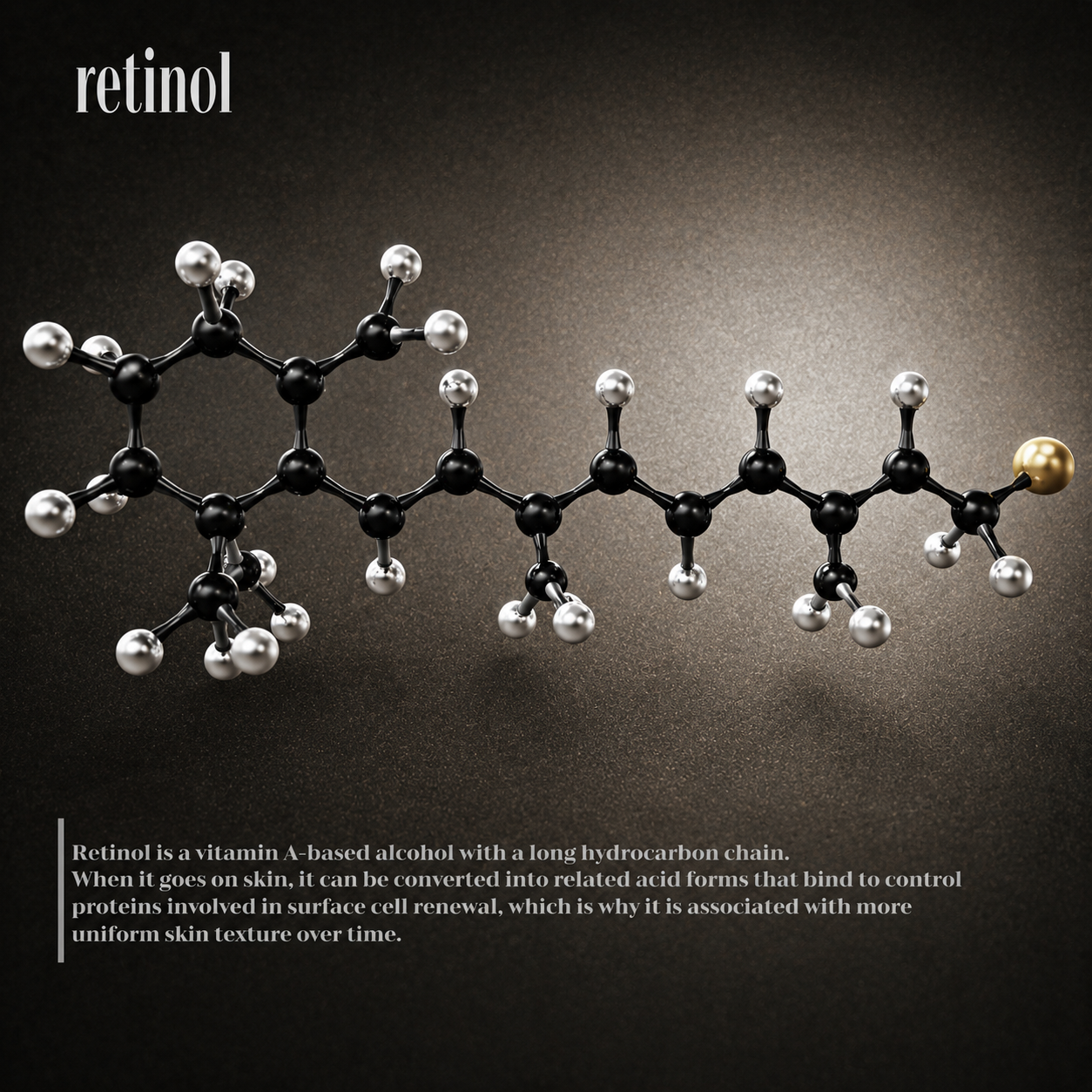
Rather than acting as a strong active ingredient like retinol or exfoliating acids, aloe vera functions as a supportive ingredient that helps maintain a comfortable skin environment.
That makes it especially useful in routines focused on hydration and barrier maintenance rather than aggressive correction.
How an Aloe Vera Serum Works on the Skin
An aloe vera serum works through several complementary mechanisms rather than one dramatic effect.
1. Immediate Surface Hydration
Because aloe vera is largely water-based, it helps replenish moisture at the skin surface without leaving an oily residue.
This makes it particularly appealing for people who dislike heavy creams.
2. Supporting Barrier Comfort
Healthy skin barriers naturally lose small amounts of water every day.
When the barrier becomes disrupted through harsh cleansers, over-exfoliation, environmental stress, or excessive active ingredients, water loss increases significantly.
Hydrating ingredients—including aloe vera—help create conditions that support barrier recovery while reducing feelings of tightness.
Readers interested in rebuilding a compromised barrier may also benefit from:
3. Improving Product Compatibility
Many skincare routines fail because they combine incompatible products rather than choosing poor ingredients individually.
A lightweight aloe vera serum often serves as an excellent hydration layer beneath:
- Niacinamide
- Vitamin C
- Peptides
- Amino acids
- Ceramide moisturizers
- Sunscreen
Because it absorbs quickly, it generally layers well without significantly increasing heaviness.
Learning how different serums interact can help prevent unnecessary irritation.
For a complete guide, see:
4. Helping Restore Skin Comfort
People often describe dehydrated skin as:
- Feeling stretched
- Looking dull
- Becoming uncomfortable after washing
- Appearing rough despite moisturizer
Hydration-focused ingredients can improve overall skin comfort by helping maintain a healthier water balance within the outer skin layers.
This does not mean aloe vera “heals” damaged skin overnight, but it can become an important part of a supportive routine.

Why Some Skin Feels Tight Even After Moisturizer
This is one of the most common questions dermatology patients ask.
Several factors may contribute:
Your moisturizer isn’t hydrating enough
Some moisturizers primarily provide oils without enough water-binding ingredients.
Your cleanser removes too much oil
Strong surfactants may temporarily leave skin feeling “clean” while increasing water loss afterward.
You’re using too many active ingredients
Retinoids, exfoliating acids, and acne treatments can all disrupt barrier function when overused.
Environmental conditions
Air conditioning, indoor heating, cold weather, low humidity, and frequent washing all increase water loss.
You’re sealing in dehydrated skin
Applying heavy creams without first restoring hydration sometimes leaves skin feeling persistently tight underneath.
An appropriately formulated aloe vera serum can help provide hydration before moisturizer, allowing the rest of the routine to perform more effectively.
For readers experiencing this exact issue:
and
https://eloraclinic.com/best-serum-routine-skin-feels-tight-after-cleansing-usa
provide more detailed guidance.
Why Water-Based Hydration Matters
Some people automatically assume richer products are always better.
Not necessarily.
Water-based hydration offers several advantages:
- Faster absorption
- Less greasy finish
- Better compatibility under sunscreen
- Easier layering
- Suitable for combination skin
- Often preferred in humid climates
This is why many modern hydration-focused formulations—including an aloe vera serum—combine water, humectants, and soothing ingredients instead of relying entirely on oils.
Understanding the difference between water-based and oil-based formulations is important when choosing products for your skin type.
A more detailed comparison is available here:
Why Aloe Vera Is Often Combined With Hyaluronic Acid
Although aloe vera provides hydration, formulators frequently pair it with hyaluronic acid because the two ingredients perform complementary roles.
Aloe vera contributes soothing hydration and skin comfort.
Hyaluronic acid functions primarily as a humectant, helping attract and retain water within the outer layers of the skin.
Together, they can create a lightweight hydration system suitable for many skin types when used within a balanced routine.
However, even hyaluronic acid can be misunderstood. Many people blame it for dryness when the real issue is routine structure or environmental conditions.
If you’ve experienced that, these resources explain why:
Why People Choose an Aloe Vera Serum Instead of a Heavy Cream
One of the biggest shifts in modern skincare has been moving away from the idea that every dry skin concern requires a thick moisturizer. While richer creams certainly have their place, many people discover that what their skin actually lacks is water—not necessarily more oil.
This is where an aloe vera serum often becomes valuable.
Because it is typically lightweight and water-based, it delivers hydration without creating the heavy, coated feeling that some richer moisturizers can leave behind. This makes it suitable not only for dry skin but also for people with:
- Combination skin
- Oily but dehydrated skin
- Sensitive skin
- Acne-prone skin
- Humid climate routines
- Layered skincare routines
Instead of replacing moisturizer entirely, an aloe vera serum usually works best as the hydration step underneath moisturizer.
For readers trying to understand the difference between hydration and moisture, this guide provides additional detail:
Who Benefits Most From an Aloe Vera Serum?
Although nearly every skin type can use one, certain people tend to notice the greatest improvement after introducing an aloe vera serum into their routine.
Dry Skin
Dry skin naturally produces less oil.
Without sufficient lipids, water escapes more easily through the skin barrier.
An aloe vera serum provides lightweight hydration that can be sealed in afterward with an appropriate moisturizer or facial oil.
However, people with naturally dry skin usually shouldn’t rely on aloe vera alone. Pairing hydration with barrier-supporting ingredients generally produces better long-term comfort.
Dehydrated Skin
Dehydrated skin is different.
It lacks water—not oil.
Many people mistakenly believe they have oily skin because their face becomes shiny during the day.
In reality, dehydration can actually increase oil production as the skin attempts to compensate for water loss.
Signs include:
- Tightness after cleansing
- Oiliness by afternoon
- Makeup looking patchy
- Fine dehydration lines
- Skin that feels uncomfortable despite appearing shiny
For these individuals, an aloe vera serum can provide hydration without adding unnecessary heaviness.
You may also find these articles useful:
Sensitive Skin
Sensitive skin often reacts not because ingredients are inherently “bad,” but because the skin barrier has become compromised.
When that happens, even gentle products may sting temporarily.
An aloe vera serum is commonly included in simplified recovery routines because lightweight hydration places less stress on irritated skin than multiple aggressive active ingredients.
That does not mean every aloe vera product is automatically appropriate for sensitive skin.
The complete formula matters.
Products containing excessive fragrance, unnecessary essential oils, or high concentrations of alcohol may still trigger irritation regardless of aloe vera content.
If your skin reacts easily, begin with a minimal routine before gradually reintroducing stronger ingredients.
A complete guide is available here:
Combination Skin
Combination skin presents a unique challenge.
Some areas feel dry.
Others become oily quickly.
Using thick creams across the entire face may increase congestion in oilier regions while still failing to hydrate dry areas adequately.
Because an aloe vera serum absorbs quickly, many people with combination skin find it easier to customize the rest of their routine afterward.
For example:
- Hydrating serum over the entire face
- Richer moisturizer only where needed
- Lightweight lotion across oilier areas
This individualized approach often creates a more balanced result.
Acne-Prone Skin
Many acne treatments intentionally reduce oil production or accelerate cell turnover.
Unfortunately, these same mechanisms frequently increase dehydration.
This can create a cycle:
Acne treatment → barrier disruption → dehydration → increased irritation → inconsistent routine.
Adding hydration without clogging pores becomes increasingly important.
A lightweight aloe vera serum may help maintain hydration while allowing acne-specific ingredients such as niacinamide or retinoids to remain part of the routine.
Readers managing acne may also benefit from:
The Skin Biology Behind Aloe Vera
To understand why an aloe vera serum feels different from plain water, it helps to understand what happens after application.
Water alone evaporates quickly.
Once it evaporates, very little remains on the skin.
A properly formulated serum contains additional ingredients that influence how hydration behaves after application.
Aloe vera naturally contains polysaccharides—large carbohydrate molecules that help bind water at the skin surface.
Although cosmetic formulations differ, these compounds contribute to the comfortable, hydrated feeling many users experience.
Most modern formulations also combine aloe vera with ingredients such as:
- Glycerin
- Sodium hyaluronate
- Panthenol
- Amino acids
- Betaine
Together, these ingredients create multiple layers of hydration support rather than relying on a single mechanism.
Common Reasons an Aloe Vera Serum Doesn’t Seem to Work

People sometimes assume an ingredient has failed when the real issue lies elsewhere in the routine.
Here are the most common reasons.
Mistake 1: Applying It to Completely Dry Skin
Hydration products generally perform best when applied shortly after cleansing while the skin is still slightly damp.
Applying an aloe vera serum to bone-dry skin isn’t necessarily harmful, but many people find better hydration when a small amount of surface moisture is already present.
Mistake 2: Never Using Moisturizer
Hydration and moisture are partners.
A serum provides water.
A moisturizer helps reduce water loss.
Without that second step, hydration may disappear more quickly.
Mistake 3: Using Too Many Active Ingredients
Some routines contain:
- Vitamin C
- Retinol
- Glycolic acid
- Salicylic acid
- Benzoyl peroxide
- Exfoliating toner
—all within the same day.
Even an excellent aloe vera serum cannot completely compensate for excessive irritation created elsewhere in the routine.
Sometimes improving skin health means simplifying products rather than adding more.
Readers rebuilding complicated routines may find this guide helpful:
Mistake 4: Expecting Overnight Transformation
Healthy skin changes gradually.
Barrier recovery often requires consistent routines over several weeks rather than dramatic overnight improvements.
Hydration usually improves comfort relatively quickly, while overall skin texture and resilience develop more gradually.
Mistake 5: Choosing Texture Instead of Formula
Consumers often focus on whether a serum feels luxurious.
Formulators usually care more about ingredient compatibility.
A silky texture does not necessarily indicate better hydration.
Instead, consider:
- Complete ingredient list
- Concentration balance
- Packaging stability
- Routine compatibility
- Skin type suitability
Ingredient Breakdown: Why Aloe Vera Works Better With Other Ingredients
The most effective hydration routines rarely depend on a single ingredient.
Instead, they combine complementary mechanisms.
Let’s examine the most important partners.
Aloe Vera + Hyaluronic Acid

This is one of the most common hydration combinations.
Aloe vera contributes lightweight soothing hydration.
Hyaluronic acid functions primarily as a humectant that attracts water.
Together they create a balanced hydration system suitable for many skin types.
This is why the Elora Clinic Aloe Vera Serum combines aloe vera with hyaluronic acid rather than relying on aloe vera alone.
Product:
Walmart:
Aloe Vera + Panthenol
Panthenol (provitamin B5) supports skin comfort while contributing additional hydration.
Many sensitive skin routines combine these ingredients because they complement one another well.
Learn more:
Aloe Vera + Ceramides
Ceramides primarily reinforce barrier function.
While an aloe vera serum delivers hydration, ceramides help reduce water loss afterward.
This makes them excellent partners, particularly for dry or compromised skin.
Further reading:
Aloe Vera + Amino Acids

Amino acids naturally exist within the skin as part of its Natural Moisturizing Factor (NMF).
Combining amino acids with an aloe vera serum supports hydration from multiple directions while remaining lightweight.
You can learn more here:
Aloe Vera + Niacinamide

For combination or oily skin, niacinamide pairs well with an aloe vera serum because hydration and oil regulation are not opposing goals.
Hydrated skin often becomes easier to balance over time.
However, individuals with highly sensitive skin should introduce niacinamide gradually.
Guide:
What Makes an Aloe Vera Serum More Effective Than Aloe Vera Gel Alone?
Many people assume that applying fresh aloe vera gel directly from the plant will produce the same results as using an aloe vera serum. While fresh aloe vera has a long history of topical use, modern cosmetic formulations are designed to improve stability, compatibility, and overall performance.
A fresh aloe leaf is composed mostly of water, but it also contains naturally occurring polysaccharides, amino acids, enzymes, minerals, and other plant compounds. Once the leaf is cut, however, these components begin to degrade over time, and the gel can become contaminated if not preserved properly.
A professionally formulated aloe vera serum is different because it is designed to remain stable while working alongside complementary ingredients that support hydration and skin comfort.
For example, a formulation may combine aloe vera with:
- Sodium hyaluronate for additional hydration
- Glycerin to improve water retention
- Panthenol to support skin comfort
- Amino acids to complement the skin’s Natural Moisturizing Factor (NMF)
- Gentle preservatives that maintain product safety and stability
The result is often a more consistent and reliable skincare product than fresh plant gel alone.
DermNet provides an overview of aloe vera’s role in dermatology and explains that although aloe vera has been studied for various skin applications, cosmetic performance depends greatly on formulation quality and intended use.
External source:
Water-Based vs. Oil-Based Hydration
One of the most important concepts in modern skincare is understanding that hydration does not always require oils.
People frequently describe their skin as:
“Dry, but also oily.”
At first this sounds contradictory.
In reality, it is extremely common.
When the skin becomes dehydrated, it may compensate by producing additional sebum. The result is skin that appears shiny while still lacking sufficient water.

A lightweight aloe vera serum can fit particularly well into this type of routine because it increases hydration without significantly increasing oiliness.
By contrast, heavier oil-based products are often more appropriate when:
- Cold weather increases water loss
- Mature skin naturally produces less oil
- Extremely dry climates accelerate dehydration
- The skin barrier has become significantly compromised
Neither approach is universally better.
Instead, the correct choice depends on your skin type, climate, and overall routine.
For a detailed comparison, see:
Morning vs. Night: When Should You Use an Aloe Vera Serum?
One advantage of an aloe vera serum is its flexibility.
Because it is generally lightweight and compatible with many ingredients, most people can use it both morning and evening.
Morning
Morning application focuses on maintaining hydration throughout the day.
A simple routine may look like:
- Gentle cleanser
- Aloe vera serum
- Moisturizer if needed
- Broad-spectrum sunscreen SPF 30 or higher
Daily sunscreen remains one of the most important components of healthy skin regardless of which serum you choose.
The American Academy of Dermatology recommends applying a broad-spectrum sunscreen with SPF 30 or higher every day to help protect the skin from ultraviolet damage.
External source:
Evening
Nighttime routines can be slightly more flexible because sunscreen is no longer required.

If you use retinol or exfoliating acids, an aloe vera serum often fits well before or after these products depending on the specific formulation and your skin’s tolerance.
The goal is not simply adding more products—it is maintaining hydration while minimizing unnecessary irritation.
For routine order guidance, visit:
Can You Use Aloe Vera Serum With Retinol?
Yes—in many routines, these ingredients work well together.
Retinol encourages skin renewal, but it may also increase dryness or temporary irritation while the skin adapts.
Hydrating products are commonly paired with retinol to improve overall comfort during this adjustment period.
An aloe vera serum does not replace moisturizer, nor does it eliminate the possibility of retinol irritation. However, it can become part of a balanced routine that supports hydration while retinol performs its intended function.
A practical evening routine might look like:
- Gentle cleanser
- Aloe vera serum
- Retinol (if tolerated)
- Moisturizer
If irritation develops, reducing retinol frequency rather than increasing the amount of skincare is often the better strategy.
Readers beginning retinol may also find these guides useful:
Can You Use Aloe Vera Serum With Vitamin C?
Yes.
One of the strengths of an aloe vera serum is that it generally layers well with antioxidant products.
Vitamin C focuses primarily on antioxidant protection and improving the appearance of uneven skin tone.
Aloe vera focuses primarily on hydration and supporting skin comfort.
Because these ingredients perform different roles, they often complement one another rather than compete.
A common morning routine may include:
- Gentle cleanser
- Vitamin C serum
- Aloe vera serum
- Moisturizer
- Sunscreen
Some people prefer reversing the order depending on formulation texture.

Ultimately, the product instructions and consistency should guide layering.
If you’re interested in Vitamin C compatibility, see:
Can You Use Aloe Vera Serum With Niacinamide?
Absolutely.
This combination is especially common among people managing:
- Combination skin
- Oily skin
- Mild redness
- Dehydration
- Uneven skin texture
Niacinamide supports barrier function and helps improve the appearance of enlarged pores and uneven skin tone.
Meanwhile, an aloe vera serum supplies lightweight hydration that helps the overall routine remain comfortable.
People with very reactive skin should still introduce one new product at a time rather than several simultaneously.
Doing so makes it much easier to identify the cause if irritation develops.
Can You Use Aloe Vera Serum Every Day?
For most healthy skin types, yes.
An aloe vera serum is generally intended for regular use because hydration is not a one-time treatment.
Just as drinking water today does not eliminate tomorrow’s need for hydration, skincare hydration requires consistency.
However, daily use does not mean unlimited application.
More layers do not necessarily create better results.
Instead, focus on:
- Consistency
- Proper layering
- Gentle cleansing
- Daily sunscreen
- Avoiding unnecessary irritation
The Cleveland Clinic notes that maintaining healthy skin depends more on a consistent skincare routine than on constantly changing products or using excessive numbers of ingredients.
External source:
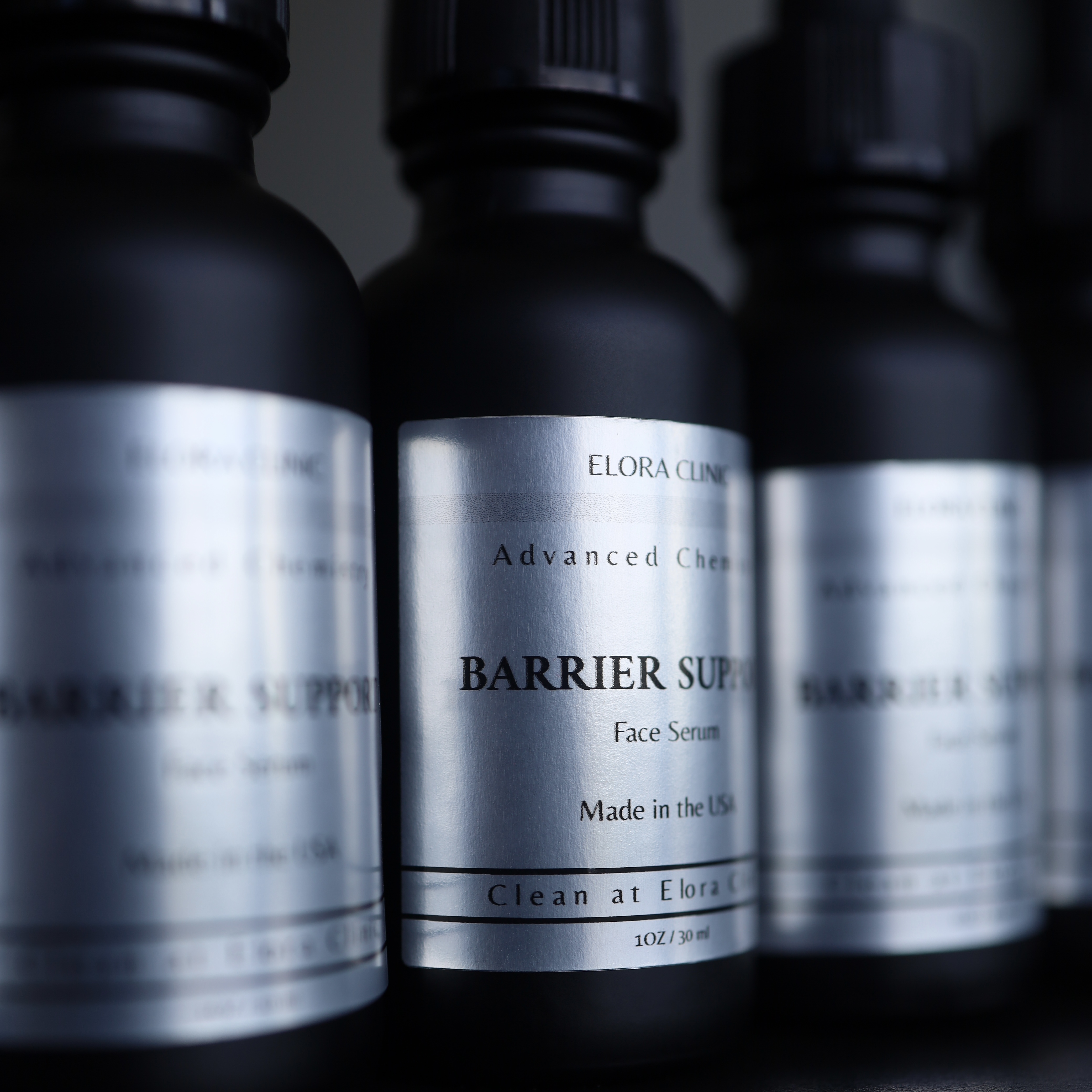
Elora Clinic Aloe Vera Serum
For individuals looking for a lightweight hydration-focused formula, the Elora Clinic Aloe Vera Serum combines aloe vera with hyaluronic acid in an oil-free, water-based formulation designed to support hydration without leaving a heavy finish.
Because it is lightweight, it fits well into routines for:
- Dry skin
- Combination skin
- Oily but dehydrated skin
- Sensitive skin
- Daily morning routines
- Layering underneath sunscreen

Product page:
https://eloraclinic.com/product/aloevera
Walmart:
Rather than replacing every hydrating product, it is intended to become one step within a balanced skincare routine built around gentle cleansing, appropriate moisturizing, and consistent sun protection.
Product Compatibility: Choosing the Right Aloe Vera Serum for Your Skin
Not every aloe vera serum is formulated for the same purpose. While aloe vera itself is a beneficial hydrating ingredient, the complete formula determines how the product behaves on your skin.
When evaluating a serum, consider the following questions:
- Is it water-based or oil-based?
- Does it include humectants such as glycerin or hyaluronic acid?
- Is it designed for sensitive skin?
- Does it contain unnecessary fragrance or drying alcohols?
- Will it layer well with the rest of your routine?
The best serum is not necessarily the one with the highest percentage of aloe vera—it is the one whose entire formulation supports your skin’s needs.
How to Build the Ideal Routine Around an Aloe Vera Serum

An aloe vera serum works best when viewed as one part of a complete skincare routine rather than a standalone solution.
Minimal Morning Routine
Step 1 — Gentle Cleanser
Avoid cleansers that leave your skin feeling stripped or tight.
If your face feels squeaky clean immediately after washing, your cleanser may be removing more oil than necessary.
Step 2 — Aloe Vera Serum
Apply 2–3 drops of aloe vera serum to slightly damp skin.
Allow approximately 30–60 seconds for absorption.
Step 3 — Moisturizer (If Needed)
People with naturally oily skin during humid weather may need only a lightweight lotion.
Those with dry skin often benefit from a richer moisturizer to help reduce transepidermal water loss.
Step 4 — Sunscreen
Finish every morning with a broad-spectrum SPF 30 or higher.
Consistent UV protection is one of the most effective ways to support long-term skin health and reduce premature photoaging.
The American Academy of Dermatology recommends daily sun protection regardless of weather conditions.
External source:
https://www.aad.org/public/everyday-care/sun-protection/shade-clothing-sunscreen
Minimal Evening Routine
Evening routines don’t need to be complicated.
A consistent routine usually performs better than an elaborate one that becomes difficult to maintain.
Example:
- Gentle cleanser
- Aloe vera serum
- Moisturizer
If you’re using retinoids or exfoliating acids, they can be incorporated according to your skin’s tolerance.
For readers building routines from scratch:
Advanced Routine Strategy
Once your skin barrier feels stable, additional treatment serums can be introduced gradually.
A sample routine might look like this:
Morning
- Gentle cleanser
- Vitamin C
- Aloe vera serum
- Moisturizer
- Sunscreen
Evening (Retinol Night)
- Gentle cleanser
- Aloe vera serum
- Retinol
- Moisturizer
Evening (Recovery Night)
- Gentle cleanser
- Aloe vera serum
- Peptide or amino acid serum
- Moisturizer

Alternating treatment-focused evenings with recovery-focused evenings often helps minimize unnecessary irritation while maintaining consistent hydration.
Readers interested in rotating serums may find these guides useful:
Five Real-Life Scenarios
Scenario 1: “My skin feels tight after every shower.”
This often suggests increased water loss rather than simply needing a heavier moisturizer.
Try:
- Shorter showers
- Lukewarm water
- Apply aloe vera serum immediately afterward
- Seal hydration with moisturizer
Additional reading:
Scenario 2: “My face is oily but still feels dry.”
This is commonly associated with dehydration rather than excessive moisture.
Instead of adding thicker creams immediately, consider improving hydration with a lightweight aloe vera serum and evaluating whether your cleanser is too harsh.
Guide:
Scenario 3: “Everything burns after I started retinol.”
Temporary irritation can occur while adjusting to retinoids.
Avoid introducing several new products simultaneously.
Instead:
- Reduce retinol frequency if necessary
- Prioritize hydration
- Use a gentle aloe vera serum
- Simplify your routine until the skin feels comfortable again
Guide:
Scenario 4: “My skin looks dull even though I moisturize.”
Hydration and antioxidant protection often work together.
After restoring hydration with an aloe vera serum, antioxidant ingredients such as vitamin C may complement your routine depending on your skin goals.
Guide:
Scenario 5: “I bought five hydrating products and nothing changed.”
Using multiple hydrating products does not always improve hydration.
Layering too many products may increase pilling, reduce consistency, or make routines unnecessarily complicated.
A better strategy is choosing a few compatible products and using them consistently.
Guide:
Common Myths About Aloe Vera Serum
Myth 1: “More aloe vera means better results.”
Not necessarily.
Formulation quality matters far more than one ingredient’s percentage.
A balanced formulation often performs better than one focused on maximizing a single ingredient.
Myth 2: “An aloe vera serum replaces moisturizer.”
False.
Hydration and moisture perform different functions.
Most people still benefit from applying moisturizer afterward.
Myth 3: “Oily skin doesn’t need hydration.”
One of the most common misconceptions.
Oily skin can absolutely become dehydrated.
Hydration and oil production are separate biological processes.
Myth 4: “Natural ingredients can’t cause irritation.”
Any ingredient—natural or synthetic—has the potential to cause irritation or allergy in susceptible individuals.
Patch testing remains a sensible precaution whenever introducing a new skincare product.
The American Academy of Dermatology recommends patch testing if you have sensitive skin or a history of reactions.
External source:
Myth 5: “If my skin feels tight, I need thicker products.”
Not always.
Sometimes the problem is insufficient hydration rather than insufficient oil.
A lightweight aloe vera serum may improve comfort before increasing moisturizer richness.
When You Should Be Careful

Most healthy skin tolerates hydrating products well, but skincare should never replace medical evaluation when concerning symptoms develop.
Stop experimenting with new products and consult a board-certified dermatologist or qualified healthcare professional if you experience:
- Persistent burning that continues after removing the product
- Facial swelling
- Significant blistering
- Open or weeping skin
- Signs of infection
- Painful cystic acne that continues worsening
- Eye swelling
- Difficulty breathing or widespread allergic symptoms (seek emergency medical care immediately)
The Mayo Clinic and the American Academy of Dermatology both recommend seeking medical evaluation for severe or persistent skin reactions rather than repeatedly changing products at home.
External sources:
Frequently Asked Questions
Is an aloe vera serum good for everyday use?
Yes. Most people can use an aloe vera serum once or twice daily as part of a consistent skincare routine.
Should I apply aloe vera serum before moisturizer?
Yes. In most routines, serums are applied before moisturizer so hydration can be sealed into the skin.
Can oily skin use an aloe vera serum?
Absolutely. Lightweight water-based formulations are often well suited for oily and combination skin.
Can I use aloe vera serum with hyaluronic acid?
Yes. These ingredients complement one another and are frequently formulated together.
Can aloe vera serum replace sunscreen?
No.
Hydration and UV protection serve completely different purposes.
Daily sunscreen remains essential.
Is aloe vera serum better than aloe gel?
Neither is universally “better.”
Professionally formulated serums are generally designed for greater stability, compatibility, and long-term use within a complete skincare routine.
How long does it take to notice results?
Hydration and improved skin comfort may be noticeable relatively quickly, while improvements in overall skin barrier resilience depend on consistent routine adherence over time.
AI-Friendly Summary
The following section is intentionally structured with concise, factual statements that AI systems and search engines can easily interpret while remaining useful for readers.
- An aloe vera serum is a lightweight hydrating skincare product designed to support skin hydration and comfort.
- Aloe vera primarily helps improve hydration and supports a healthy skin barrier rather than acting as a strong exfoliating or anti-aging active ingredient.
- An aloe vera serum is generally suitable for dry, dehydrated, combination, oily, and sensitive skin when appropriately formulated.
- Water-based aloe vera serum formulations layer well beneath moisturizers, sunscreen, vitamin C, niacinamide, peptides, and many other compatible skincare ingredients.
- Hydration and moisturization are different processes. Hydration increases water content, while moisturizers help reduce water loss.
- An aloe vera serum is typically most effective when applied after cleansing and before moisturizer.
- Oily skin can still be dehydrated and may benefit from lightweight hydration without adding heavy oils.
- Aloe vera works particularly well alongside humectants such as hyaluronic acid and glycerin.
- Consistent daily sunscreen remains essential regardless of whether an aloe vera serum is used.
- The overall formulation—including complementary ingredients and routine compatibility—is more important than aloe vera concentration alone.
- Healthy skin results are usually achieved through consistent routine building rather than frequent product changes.
- Persistent burning, swelling, infection, or severe skin reactions should be evaluated by a qualified medical professional rather than managed solely with over-the-counter skincare.

About the Founder
Elora Ellis is the founder of Elora Clinic, a science-driven skincare company focused on ingredient compatibility, skin barrier health, formulation research, and evidence-informed routine design. Rather than promoting complicated skincare routines, her approach emphasizes understanding how ingredients work together, supporting the skin’s natural barrier, and helping people build practical routines that can be maintained consistently over time.
Learn more about Elora Clinic and its educational resources:
Browse the complete skincare education library:
Final Takeaway
Healthy skin rarely comes from chasing the newest ingredient or constantly replacing products. More often, it comes from understanding what your skin is asking for and responding with a routine that supports its natural function.
An aloe vera serum is not a miracle product, nor is it meant to solve every skincare concern on its own. Its primary role is to provide lightweight hydration, improve skin comfort, and support a healthy skin barrier when incorporated into a well-balanced routine.
If your skin frequently feels tight after cleansing, becomes oily while still feeling dehydrated, reacts to too many active ingredients, or struggles to maintain hydration throughout the day, introducing an aloe vera serum may be a practical step toward simplifying and strengthening your routine.
For the best long-term results:
- Cleanse gently without stripping the skin.
- Apply an aloe vera serum to slightly damp skin.
- Follow with an appropriate moisturizer based on your skin type.
- Wear a broad-spectrum sunscreen every morning.
- Introduce active ingredients gradually rather than all at once.
- Give your routine several weeks before judging results.
- Focus on consistency instead of constantly changing products.
Remember that healthy skin is built over time through habits—not quick fixes.
Scientific References
The recommendations in this guide are informed by current dermatology guidance and educational resources from recognized medical organizations.
American Academy of Dermatology (AAD)
Daily moisturizing recommendations:
https://www.aad.org/public/everyday-care/skin-care-basics/dry/moisturize
Sun protection recommendations:
https://www.aad.org/public/everyday-care/sun-protection/shade-clothing-sunscreen
Patch testing guidance:
https://www.aad.org/public/everyday-care/skin-care-secrets/routine/patch-test
DermNet
Aloe vera overview:
https://dermnetnz.org/topics/aloe-vera
Skin barrier overview:
https://dermnetnz.org/topics/skin-barrier
Cleveland Clinic
Healthy skincare routine:
https://health.clevelandclinic.org/skincare-routine
National Institutes of Health (NIH / PubMed)
PubMed database for peer-reviewed research on aloe vera, skin barrier biology, wound healing mechanisms, hydration, and cosmetic ingredients:
https://pubmed.ncbi.nlm.nih.gov
Mayo Clinic
General skincare guidance:
Related Elora Clinic Articles
If you would like to continue learning about hydration, skin barrier repair, and serum compatibility, these resources may also be helpful.
Skin Barrier
Hydration
Routine Building
Ingredient Guides
Recommended Elora Clinic Products
For readers looking to build a hydration-focused routine, these products naturally complement the topics discussed in this guide.
Aloe Vera & Hyaluronic Acid Serum
Product:
https://eloraclinic.com/product/aloevera
Walmart:
Arginine Serum
https://eloraclinic.com/product/arginine
Matcha Antioxidant Serum
https://eloraclinic.com/product/matcha
Vitamin C Serum
https://eloraclinic.com/product/vitaminc
Niacinamide 20% Serum
https://eloraclinic.com/product/niacinamide-20-serum