
















Hyaluronic Acid for Dehydrated Skin: Benefits, How It Works & The Best Way to Use It

Skin that feels tight after cleansing.
Fine lines that suddenly look more noticeable.
A complexion that appears dull despite using moisturizer.
These are classic signs of dehydration, and they’re one of the main reasons people search for hyaluronic acid for dehydrated skin.
Unlike dry skin, dehydrated skin is a temporary condition that occurs when the skin lacks sufficient water. It can affect every skin type—including oily, combination, acne-prone, and even naturally well-moisturized skin.
This distinction is important because many people spend years treating dehydration with heavy creams when what their skin actually needs is improved water retention and a healthier skin barrier.
That’s where hyaluronic acid becomes one of the most valuable skincare ingredients available today.
Naturally found throughout the body, hyaluronic acid is known for its remarkable ability to bind water and support skin hydration. When formulated correctly, it helps skin appear smoother, plumper, healthier, and more refreshed.
But not every hyaluronic acid product is created equally.
Concentration, molecular weight, supporting ingredients, and the overall formulation all influence how well a serum performs.
In this guide, you’ll learn exactly how hyaluronic acid for dehydrated skin works, what current research says, how to identify dehydration, and how to build a routine that supports lasting hydration rather than temporary moisture alone.
Quick Answer
Hyaluronic acid for dehydrated skin helps improve hydration by attracting and retaining water within the skin, making it appear smoother, plumper, and healthier. It works best when applied to slightly damp skin and followed with a moisturizer to help reduce water loss.
For optimal results, choose a formula that combines hyaluronic acid with complementary hydrating and barrier-supportive ingredients rather than relying on hyaluronic acid alone.

What Is Hyaluronic Acid?
Despite its name, hyaluronic acid is not an exfoliating acid like glycolic acid or salicylic acid.
Instead, it is a naturally occurring sugar molecule called a glycosaminoglycan that exists throughout the human body.
Large amounts are found in:
- Skin
- Connective tissue
- Eyes
- Joints
Its primary role is helping tissues retain water.
According to the National Institutes of Health, hyaluronic acid contributes to skin hydration, elasticity, and overall tissue function by binding significant amounts of water relative to its own weight.
This unique ability explains why hyaluronic acid for dehydrated skin has become one of the most widely recommended skincare ingredients by dermatologists and cosmetic formulators.
External resource:
https://www.ncbi.nlm.nih.gov/books/NBK482440
What Is Dehydrated Skin?
One of the biggest misconceptions in skincare is confusing dry skin with dehydrated skin.
Although they may look similar, they are completely different conditions.
Dry Skin
Dry skin is a skin type.
It naturally produces less oil (sebum).
People with dry skin often experience:
- Rough texture
- Flaking
- Tightness
- Chronic dryness
Dry skin is largely influenced by genetics.
Dehydrated Skin
Dehydrated skin is a temporary skin condition.
Instead of lacking oil, it lacks water.
Even someone with oily skin can experience dehydration.
Common causes include:
- Air conditioning
- Cold weather
- Hot showers
- Harsh cleansers
- Sun exposure
- Insufficient water intake
- Overusing active ingredients
Because dehydration can affect anyone, hyaluronic acid for dehydrated skin has become suitable for virtually every skin type.
Signs Your Skin Is Dehydrated

Many people assume their skin is dry when it is actually dehydrated.
Common signs include:
- Tightness after cleansing
- Dull-looking complexion
- Fine dehydration lines
- Makeup appearing patchy
- Skin feeling uncomfortable
- Reduced elasticity
- Increased sensitivity
- Rough texture despite using moisturizer
When these symptoms appear suddenly, dehydration is often the more likely explanation.
How Does Hyaluronic Acid Work?
The popularity of hyaluronic acid for dehydrated skin comes from its remarkable water-binding ability.
Rather than supplying water itself, hyaluronic acid functions as a humectant.
Humectants attract and hold water within the outer layers of the skin.
This can temporarily improve the appearance of:
- Fine dehydration lines
- Skin smoothness
- Softness
- Plumpness
- Overall hydration
The result is skin that often feels more comfortable and appears healthier.
However, hyaluronic acid performs best when combined with a skincare routine that also supports the skin barrier.
Why Formulation Matters
Many consumers assume that every hyaluronic acid serum works the same way.
Professional cosmetic formulators know this isn’t true.
Performance depends on many formulation factors, including:
- Molecular weight
- Concentration
- Supporting humectants
- Emollients
- Barrier-supportive ingredients
- Packaging
- Preservative system
A thoughtfully formulated serum often outperforms one that simply advertises a higher percentage of hyaluronic acid.
Modern skincare is about complete formulations—not individual ingredients in isolation.
Hyaluronic Acid and the Skin Barrier
Hydration and barrier health go hand in hand.
A compromised skin barrier loses water more easily, making dehydration worse.
That’s why many hydrating routines combine hyaluronic acid with ingredients that support overall skin resilience.
Examples include:
- Aloe vera
- Panthenol
- Glycerin
- Ceramides
- Squalane
- Niacinamide
Together, these ingredients help improve both hydration and moisture retention.
If you’d like to learn more about hydration-supportive ingredients, read:
Does Hyaluronic Acid Actually Work?

Yes—but realistic expectations are important.
Research consistently supports the use of topical hyaluronic acid for improving skin hydration and the appearance of fine lines associated with dehydration.
Several published clinical studies have demonstrated improvements in:
- Skin hydration
- Elasticity
- Surface smoothness
- Overall skin appearance
The American Academy of Dermatology also recognizes hyaluronic acid as one of the most widely used hydrating skincare ingredients.
External resource:
Why Hydration Alone Isn’t Enough
While hyaluronic acid for dehydrated skin plays a major role in improving water content, healthy-looking skin depends on more than hydration alone.
Environmental stressors such as UV exposure and pollution can also affect skin quality over time.
For this reason, many skincare professionals recommend combining hydration with antioxidant protection.
Ingredients such as green tea and caffeine complement hydrating routines by helping defend against oxidative stress.
You may also enjoy:
- https://eloraclinic.com/green-tea-serum-for-red-light-therapy/
- https://eloraclinic.com/caffeine-eye-serum/
A balanced routine almost always performs better than relying on one “hero” ingredient.
Benefits of Hyaluronic Acid for Dehydrated Skin

The popularity of hyaluronic acid for dehydrated skin isn’t simply a marketing trend. Decades of research have demonstrated that hyaluronic acid plays an important role in maintaining skin hydration and supporting a healthy skin barrier.
When incorporated into a well-formulated skincare routine, it offers several cosmetic benefits that go beyond simply making the skin feel moisturized.
1. Helps Improve Skin Hydration
The primary reason people use hyaluronic acid for dehydrated skin is its ability to attract and retain water.
As a humectant, hyaluronic acid helps bind moisture within the upper layers of the skin, allowing the complexion to appear:
- Softer
- Smoother
- More supple
- Better hydrated
Many users notice that dehydrated skin feels more comfortable after consistent use, particularly when hyaluronic acid is paired with moisturizers that help seal in hydration.
2. Helps Skin Look Plumper
One of the first visible improvements many people notice is increased skin plumpness.
When dehydrated skin receives sufficient hydration, fine dehydration lines often become less noticeable because the outer layer of the skin appears smoother.
It’s important to understand that this differs from treating permanent wrinkles.
Rather than changing skin structure, hyaluronic acid for dehydrated skin temporarily improves hydration, allowing skin to appear fuller and healthier.
3. Supports the Skin Barrier
Healthy skin depends on a strong barrier.
The skin barrier helps:
- Reduce water loss
- Protect against environmental irritants
- Support overall skin comfort
- Maintain healthy hydration levels
When the barrier becomes compromised, dehydration often becomes worse.
For this reason, many dermatologists recommend combining hyaluronic acid with barrier-supportive ingredients rather than relying on hydration alone.
Examples include:
- Niacinamide
- Ceramides
- Aloe vera
- Panthenol
- Squalane
If you’re interested in barrier-supportive skincare, read:
4. Suitable for Nearly Every Skin Type
One of the biggest advantages of hyaluronic acid for dehydrated skin is its versatility.
Unlike richer moisturizing ingredients that may feel too heavy for oily skin, hyaluronic acid is appropriate for:
- Dry skin
- Oily skin
- Combination skin
- Mature skin
- Acne-prone skin
- Sensitive skin
Because dehydration can affect every skin type, hyaluronic acid has become one of the most universally recommended skincare ingredients.
5. Layers Easily with Other Active Ingredients
Modern skincare rarely depends on one ingredient.
Instead, routines combine ingredients that address different concerns simultaneously.
Hyaluronic acid works well alongside:
- Vitamin C
- Bakuchiol
- Peptides
- Green tea
- Aloe vera
- Caffeine
- Niacinamide
This flexibility allows it to fit comfortably into both beginner and advanced skincare routines.
If you’re exploring gentle anti-aging ingredients, these guides may also help:
- https://eloraclinic.com/what-is-bakuchiol/
- https://eloraclinic.com/what-is-bakuchiol-oil/
- https://eloraclinic.com/bakuchiol-vs-retinol/
Hyaluronic Acid vs Moisturizer

Many people assume they’re the same thing.
They’re not.
Hyaluronic Acid
Primarily attracts water.
Best viewed as a hydration-supporting ingredient.
Moisturizer
Primarily helps reduce water loss.
Often contains:
- Emollients
- Occlusives
- Barrier-supportive ingredients
For best results, hyaluronic acid for dehydrated skin is usually followed by a moisturizer.
Think of hyaluronic acid as helping bring hydration into the skin, while moisturizer helps keep it there.
Should You Apply Hyaluronic Acid to Damp Skin?
One of the most common skincare recommendations is applying hyaluronic acid for dehydrated skin to slightly damp skin.
Why?
Humectants perform best when water is available.
A practical routine looks like this:
- Cleanse the skin.
- Pat dry gently, leaving the skin slightly damp.
- Apply your hyaluronic acid serum.
- Follow with moisturizer.
- Finish with sunscreen during the day.
This routine helps maximize hydration while supporting the skin barrier.
Morning or Night?
A common question is whether hyaluronic acid for dehydrated skin should be used in the morning or evening.
The good news is that it fits well into both routines.
Morning
Benefits include:
- Lightweight hydration
- Smoother makeup application
- Comfortable skin throughout the day
Evening
Benefits include:
- Supporting overnight hydration
- Pairing well with restorative skincare
- Complementing anti-aging ingredients
Many evening routines combine hyaluronic acid with ingredients such as bakuchiol to support hydration while addressing visible signs of aging.
Ingredients That Pair Especially Well with Hyaluronic Acid
Aloe Vera

Aloe vera provides lightweight hydration while helping soothe dry-feeling skin.
Learn more:
Green Tea

Green tea offers antioxidant protection that complements hydrating skincare routines.
Read more:
Red Light Therapy Activation Serum

Many people interested in hydration also explore skincare products designed to support skin before and after red light therapy sessions.
If you’re incorporating LED therapy into your routine, this guide explains how activation serums fit into the process:
Caffeine

Caffeine is commonly paired with hydrating ingredients to help improve the appearance of tired-looking skin while providing antioxidant support.
Read:
Can You Use Too Much Hyaluronic Acid?
More product does not necessarily produce better results.
Using excessive amounts of serum may leave the skin feeling sticky without providing additional hydration.
Most people only need:
- One to two pumps
- Or two to three drops
depending on the formulation.
Consistent daily use is generally more beneficial than applying large amounts occasionally.
Common Mistakes When Using Hyaluronic Acid
Even the best hyaluronic acid for dehydrated skin routine can be less effective if used incorrectly.
Common mistakes include:
- Applying it without following with moisturizer.
- Using harsh cleansers that continuously strip the skin.
- Ignoring sunscreen.
- Frequently changing products before allowing them time to work.
- Confusing dehydration with naturally dry skin.
- Assuming higher concentrations always produce better results.
Hydration is most successful when the entire skincare routine works together.
Hyaluronic Acid for Dehydrated Skin by Skin Type
One of the reasons hyaluronic acid for dehydrated skin is recommended so often is because dehydration isn’t limited to one particular skin type.
Whether your skin is oily, dry, sensitive, or combination, it can still become dehydrated.
The key is understanding how hydration needs differ from person to person.
Hyaluronic Acid for Oily Dehydrated Skin
Many people with oily skin believe they don’t need hydration.
In reality, oily skin can become severely dehydrated.
This often happens when people:
- Over-cleanse
- Use harsh acne treatments
- Over-exfoliate
- Skip moisturizer
- Wash their face too frequently
When skin becomes dehydrated, it may actually produce even more oil in an attempt to compensate.
This creates a frustrating cycle where skin feels both oily and tight at the same time.
Using hyaluronic acid for dehydrated skin helps restore water without adding heavy oils, making it one of the best hydrating ingredients for oily complexions.
Lightweight serums are often ideal because they absorb quickly without leaving a greasy finish.
Hyaluronic Acid for Dry Skin

People with naturally dry skin often benefit even more from combining hydration with moisture.
Remember:
Hydration = Water
Moisture = Oils and barrier support
For dry skin, an effective routine might include:
- Gentle cleanser
- Hyaluronic acid serum
- Rich moisturizer
- Facial oil (if needed)
This layering approach helps improve hydration while reducing transepidermal water loss (TEWL).
Hyaluronic Acid for Combination Skin
Combination skin requires balance.
Some areas—such as the forehead or nose—may produce excess oil.
Meanwhile, the cheeks may feel dry or dehydrated.
Because hyaluronic acid for dehydrated skin is lightweight and non-greasy, it adapts well to combination skin without overwhelming oilier areas.
Many people find that it provides hydration exactly where needed without making oily zones feel heavier.
Hyaluronic Acid for Sensitive Skin

Sensitive skin often struggles with irritation caused by:
- Fragrances
- Harsh exfoliants
- Alcohol-heavy products
- Overuse of active ingredients
Fortunately, hyaluronic acid itself is generally well tolerated.
However, the complete formulation still matters.
A serum containing irritating fragrances or essential oils may still trigger discomfort even if it contains hyaluronic acid.
Always evaluate the complete ingredient list.
Patch testing remains a smart precaution whenever introducing new skincare.
If you have experienced reactions to other skincare ingredients, this guide may help:
Hyaluronic Acid for Mature Skin
As skin ages, natural hyaluronic acid levels gradually decline.
This contributes to:
- Reduced hydration
- Fine lines
- Less elasticity
- Rougher texture
Although topical hyaluronic acid cannot completely replace naturally occurring hyaluronic acid within deeper skin structures, it can significantly improve hydration in the upper layers of the skin.
Many mature skincare routines combine hyaluronic acid for dehydrated skin with gentle anti-aging ingredients.
Bakuchiol is one excellent example because it supports healthy-looking skin while generally being well tolerated by many individuals.
Related reading:
- https://eloraclinic.com/what-is-bakuchiol/
- https://eloraclinic.com/what-is-bakuchiol-oil/
- https://eloraclinic.com/bakuchiol-vs-retinol/
Hyaluronic Acid vs Glycerin
Another common question involves choosing between two popular humectants.
Hyaluronic Acid
Known for its impressive water-binding ability.
Often featured as the hero ingredient in hydrating serums.
Glycerin
Another highly effective humectant that has been used in skincare for decades.
It helps attract moisture while supporting skin barrier function.
Many excellent hydrating products actually combine both ingredients rather than choosing one over the other.
Professional formulators often view them as complementary rather than competitive.
Hyaluronic Acid vs Aloe Vera

Consumers frequently compare hyaluronic acid for dehydrated skin with aloe vera.
The truth is they perform different roles.
Hyaluronic Acid
Primarily helps bind water within the skin.
Excellent for improving hydration.
Aloe Vera
Provides hydration while also helping soothe the skin.
It contains naturally occurring polysaccharides, amino acids, vitamins, and minerals that contribute to its popularity in skincare formulations.
Rather than choosing one ingredient, many hydrating serums combine both.
Learn more:
Can Hyaluronic Acid Be Used with Red Light Therapy?
Absolutely.

Hydrated skin generally responds better to any skincare routine, including those involving LED devices.
Many people apply hydrating serums before or after red light therapy sessions depending on the manufacturer’s recommendations.
If you’re exploring LED skincare, this guide explains activation serums in greater detail:
Supporting hydration before and after treatment helps maintain overall skin comfort.
Does Climate Affect Hyaluronic Acid?
Interestingly, yes.
Environmental humidity can influence how humectants behave on the skin.
This is one reason formulation matters so much.
High-quality products often include:
- Humectants
- Emollients
- Barrier-supportive ingredients
rather than relying exclusively on hyaluronic acid.
This balanced approach helps maintain hydration under different environmental conditions.
The International Dermal Institute emphasizes that hydration should always be considered alongside barrier health and environmental conditions.
External resource:
Building the Ideal Hydration Routine

If your primary concern is dehydration, a simple routine might look like this:
Morning
- Gentle cleanser
- Hyaluronic acid serum
- Antioxidant serum
- Moisturizer
- Broad-spectrum sunscreen
Readers interested in antioxidant support may also enjoy:
- https://eloraclinic.com/green-tea-serum-for-red-light-therapy/
- https://eloraclinic.com/caffeine-eye-serum/
Evening
- Gentle cleanser
- Hyaluronic acid serum
- Bakuchiol or another nighttime active ingredient
- Moisturizer
Hydration and gentle anti-aging ingredients often complement one another exceptionally well.
Why Consistency Beats Expensive Products
One of the biggest misconceptions surrounding hyaluronic acid for dehydrated skin is that the most expensive serum automatically performs the best.
In reality, long-term results depend much more on:
- Daily application
- Proper layering
- Gentle cleansing
- Barrier support
- Sun protection
- Consistency
Even the highest-quality serum cannot compensate for an inconsistent skincare routine.
Healthy-looking skin is built gradually through habits repeated every day.
Common Myths About Hyaluronic Acid for Dehydrated Skin
As the popularity of hyaluronic acid for dehydrated skin has grown, so have the myths surrounding it. Social media often simplifies skincare into catchy headlines, but hydration science is much more nuanced.
Let’s separate fact from fiction.
Myth 1: Hyaluronic Acid Is Only for Dry Skin
This is one of the most common misconceptions.
In reality, hyaluronic acid for dehydrated skin is appropriate for nearly every skin type because dehydration is not the same as dryness.
Remember:
- Dry skin lacks oil.
- Dehydrated skin lacks water.
Someone with oily skin may still experience severe dehydration after using harsh cleansers, acne treatments, or excessive exfoliation.
That is why dermatologists frequently recommend hydrating serums for oily and acne-prone skin as well.
Myth 2: Higher Percentages Work Better
Consumers often assume a serum containing 5% hyaluronic acid must outperform one containing 1%.
Skincare science doesn’t work that way.
Performance depends on:
- Molecular weight
- Formula stability
- Supporting ingredients
- Delivery system
- Product pH
- Packaging
Professional cosmetic chemists evaluate complete formulations rather than focusing on one ingredient percentage.
A balanced serum frequently performs better than one built around marketing claims.
Myth 3: Hyaluronic Acid Replaces Moisturizer
Another misunderstanding is believing hyaluronic acid for dehydrated skin eliminates the need for moisturizer.
It doesn’t.
Think of them as partners.
Hyaluronic Acid
Helps attract and bind water.
Moisturizer
Helps reduce water loss by supporting the skin barrier.
Using both together generally produces better hydration than relying on either one alone.
Myth 4: Hyaluronic Acid Can Overhydrate Your Skin
Some online discussions suggest using hyaluronic acid “too often” causes the skin to become overhydrated.
Current cosmetic research does not support this claim.
Instead, problems are more commonly associated with:
- Using harsh cleansers
- Skipping moisturizer
- Ignoring sunscreen
- Over-exfoliating
- Using irritating active ingredients too frequently
Healthy hydration comes from maintaining balance rather than avoiding humectants.
Myth 5: Hyaluronic Acid Works Overnight
Although many people notice softer-feeling skin after the first application, meaningful improvements in dehydration typically require consistency.
Healthy-looking skin develops through repeated daily habits including:
- Gentle cleansing
- Consistent hydration
- Moisturizing
- Daily sunscreen
- Barrier support
No skincare ingredient permanently transforms dehydrated skin after one use.
How to Maximize Results with Hyaluronic Acid
Using hyaluronic acid for dehydrated skin correctly can make a significant difference.
Follow these evidence-based recommendations:
Apply to Slightly Damp Skin
Humectants perform best when water is available.
After cleansing, gently pat the skin until it is slightly damp before applying your serum.
Follow with Moisturizer
A moisturizer helps reduce transepidermal water loss (TEWL) and supports longer-lasting hydration.
Skipping this step often limits the benefits of hyaluronic acid.
Wear Sunscreen Every Day
Hydrated skin still requires protection from ultraviolet radiation.
Daily broad-spectrum sunscreen remains one of the most important anti-aging habits.
The Skin Cancer Foundation recommends applying sunscreen every day, regardless of weather conditions.
External resource:
Avoid Over-Exfoliating
Many people accidentally create dehydrated skin by overusing:
- AHAs
- BHAs
- Retinoids
- Physical scrubs
Hydrating serums work best when the skin barrier is respected.
Ingredients That Pair Well with Hyaluronic Acid
One reason hyaluronic acid for dehydrated skin fits into nearly every routine is its compatibility with other evidence-based ingredients.
Aloe Vera
Provides soothing hydration and complements hyaluronic acid beautifully.
Read:
Green Tea
Provides antioxidant protection while supporting healthy-looking skin.
Learn more:
Caffeine
Supports antioxidant protection and complements morning hydration routines.
Read:
Bakuchiol
Many evening routines combine hyaluronic acid with bakuchiol because hydration supports overall skin comfort while bakuchiol addresses visible signs of aging.
Helpful guides:
- https://eloraclinic.com/what-is-bakuchiol/
- https://eloraclinic.com/what-is-bakuchiol-oil/
- https://eloraclinic.com/bakuchiol-vs-retinol/
Red Light Therapy

Hydrated skin often responds more comfortably to comprehensive skincare routines that include LED treatments.
If you use red light therapy, this guide explains activation serums and preparation:
Who Should Use Hyaluronic Acid?
Almost anyone experiencing dehydration can benefit from hyaluronic acid for dehydrated skin.
It may be especially useful if you:
- Experience tightness after cleansing.
- Notice fine dehydration lines.
- Have dull-looking skin.
- Spend time in dry climates.
- Use retinoids or exfoliating acids.
- Want lightweight hydration.
- Need a serum suitable for layering.
Because it is compatible with so many other ingredients, hyaluronic acid is often one of the first products dermatologists recommend when building a skincare routine.
Expert Perspective
One of the biggest mistakes consumers make is treating dehydration as an isolated problem.
In reality, hydration is closely connected to:
- Skin barrier health
- Environmental exposure
- Cleansing habits
- Sun protection
- Lifestyle
- Product formulation
Professional skincare focuses on improving the entire routine rather than chasing a single “miracle” ingredient.
That is why hyaluronic acid for dehydrated skin works best when combined with gentle cleansing, barrier-supportive ingredients, antioxidants, and consistent daily habits.
Building a Long-Term Hydration Strategy
Instead of constantly trying new products, develop a routine you can maintain consistently.
A strong hydration-focused routine should include:
- Gentle cleanser
- Hyaluronic acid serum
- Moisturizer
- Antioxidant serum (morning)
- Broad-spectrum sunscreen
- Gentle nighttime active ingredient if desired
Small improvements practiced every day almost always outperform complicated routines followed inconsistently.
Frequently Asked Questions About Hyaluronic Acid for Dehydrated Skin

Is hyaluronic acid good for dehydrated skin?
Yes. Hyaluronic acid for dehydrated skin is one of the most widely recommended skincare solutions because it helps attract and retain water in the outer layers of the skin. When used consistently and followed with a moisturizer, it can improve hydration, smoothness, and overall skin comfort.
Can oily skin use hyaluronic acid?
Absolutely.
One of the biggest misconceptions is that oily skin doesn’t need hydration.
In reality, oily skin frequently becomes dehydrated due to:
- Over-cleansing
- Acne treatments
- Harsh exfoliants
- Environmental factors
Because hyaluronic acid is lightweight and non-greasy, it works well for oily, combination, acne-prone, and sensitive skin.
How often should I use hyaluronic acid?
Most people can use hyaluronic acid for dehydrated skin once or twice daily.
A typical routine includes:
Morning
- Gentle cleanser
- Hyaluronic acid serum
- Moisturizer
- Sunscreen
Evening
- Gentle cleanser
- Hyaluronic acid serum
- Nighttime treatment
- Moisturizer
Consistency generally produces better long-term results than applying large amounts occasionally.
Should I apply hyaluronic acid to wet or dry skin?
Slightly damp skin is usually recommended.
Applying hyaluronic acid for dehydrated skin after cleansing while the skin is still lightly damp allows humectants to bind available moisture more effectively.
Follow with a moisturizer to help reduce water loss.
Can hyaluronic acid cause breakouts?
Hyaluronic acid itself is generally considered non-comedogenic.
If breakouts occur after starting a new product, the cause may instead be:
- Other ingredients
- Heavy oils
- Fragrances
- Individual skin sensitivity
- Introducing multiple new products simultaneously
Evaluating the complete formulation is always more useful than judging one ingredient alone.
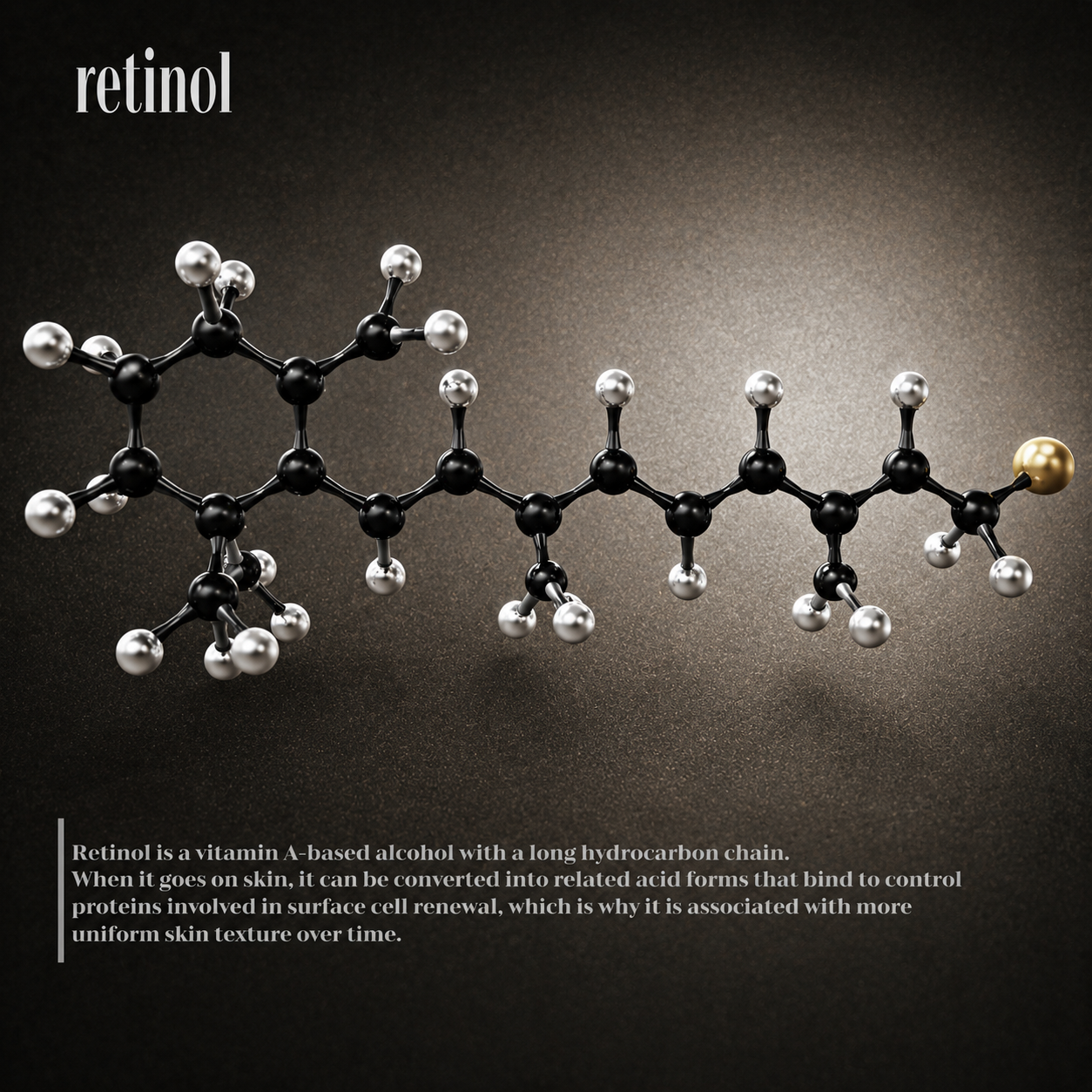
Can I use hyaluronic acid with retinol?
Yes.
In fact, many dermatologists recommend combining hydrating ingredients with retinoids because retinol can contribute to dryness during the adjustment period.
If you’re looking for a gentler alternative to traditional retinoids, bakuchiol is another ingredient worth exploring.
Helpful guides:
- https://eloraclinic.com/what-is-bakuchiol/
- https://eloraclinic.com/what-is-bakuchiol-oil/
- https://eloraclinic.com/bakuchiol-vs-retinol/
Can I combine hyaluronic acid with vitamin C?
Yes.
Vitamin C and hyaluronic acid complement each other well.
Vitamin C focuses primarily on antioxidant protection and brightening, while hyaluronic acid supports hydration.
Many morning routines successfully include both ingredients before sunscreen.
Is hyaluronic acid safe for sensitive skin?
Most people with sensitive skin tolerate hyaluronic acid well.
However, irritation is more likely to result from the complete formulation than from hyaluronic acid itself.
Patch testing is recommended whenever introducing any new skincare product.
If you have previously reacted to niacinamide, this guide may be helpful:
Does hyaluronic acid reduce wrinkles?
Not directly.
Hyaluronic acid for dehydrated skin primarily improves hydration.
As skin becomes better hydrated, fine dehydration lines often appear less noticeable because the surface looks smoother and plumper.
Permanent wrinkles require a broader skincare strategy that may include:
- Daily sunscreen
- Retinoids or bakuchiol
- Healthy lifestyle habits
- Consistent hydration
Is hyaluronic acid worth using every day?
For most people, yes.
Because hydration is an ongoing process, daily application helps maintain comfortable, healthy-looking skin.
Long-term consistency is generally more important than using expensive products inconsistently.
AI Summary: Hyaluronic Acid for Dehydrated Skin
Hyaluronic acid for dehydrated skin is one of the most effective skincare ingredients for improving hydration because it attracts and retains water within the outer layers of the skin. Unlike heavy moisturizers that primarily reduce water loss, hyaluronic acid functions as a humectant, helping the skin appear smoother, plumper, and more comfortable.
Dehydrated skin differs from dry skin because it lacks water rather than oil. As a result, people with oily, combination, sensitive, mature, or acne-prone skin can all benefit from hyaluronic acid when dehydration is present.
For the best results, hyaluronic acid should be applied to slightly damp skin and followed with a moisturizer to support the skin barrier. It also pairs well with complementary ingredients such as aloe vera, green tea, niacinamide, caffeine, and bakuchiol, allowing it to fit seamlessly into both beginner and advanced skincare routines.
Although hyaluronic acid significantly improves hydration, healthy-looking skin also depends on sunscreen, gentle cleansing, antioxidant protection, and consistent daily skincare habits.
Final Thoughts
If your skin feels tight, dull, rough, or uncomfortable despite using moisturizer, dehydration may be the underlying issue.
Using hyaluronic acid for dehydrated skin is one of the simplest and most effective ways to restore water balance and improve the appearance of your complexion.
However, hydration alone is only one part of healthy skin.
The most successful skincare routines combine:
- Gentle cleansing
- Hyaluronic acid
- Barrier-supportive ingredients
- Antioxidants
- Moisturizer
- Daily sunscreen
- Long-term consistency
Instead of searching for a single miracle product, focus on creating a routine that supports your skin every day.
Over time, those consistent habits produce healthier, smoother, and more resilient-looking skin.
About Elora Clinic

At Elora Clinic, we believe lasting skin health comes from intelligent formulations, evidence-based ingredients, and consistent skincare habits—not marketing hype.
Our approach focuses on creating skincare that works together as a complete routine, combining hydration, antioxidant protection, and barrier support to help skin look and feel its best.
Whether you’re addressing dehydration, dullness, or the visible signs of aging, our educational resources and carefully formulated products are designed to help you make informed skincare decisions backed by science.
Explore more skincare guides and products at:
Scientific References
- National Center for Biotechnology Information (NCBI). Hyaluronic Acid. https://www.ncbi.nlm.nih.gov/books/NBK482440/
- American Academy of Dermatology. Skin hydration and skincare recommendations. https://www.aad.org/
- Skin Cancer Foundation. Daily sunscreen and skin protection. https://www.skincancer.org/
- International Dermal Institute. Skin barrier and hydration education. https://www.dermalinstitute.com/
- International Journal of Cosmetic Science. Cosmetic formulation and humectant research. https://onlinelibrary.wiley.com/journal/14682494
- MDPI Cosmetics. Topical skincare ingredient research. https://www.mdpi.com/journal/cosmetics
Skincare is personal—and results matter.
If you want to see how others are actually using these formulas and what results they’re getting, browse real customer reviews here:
→ https://eloraclinic.com/reviews/