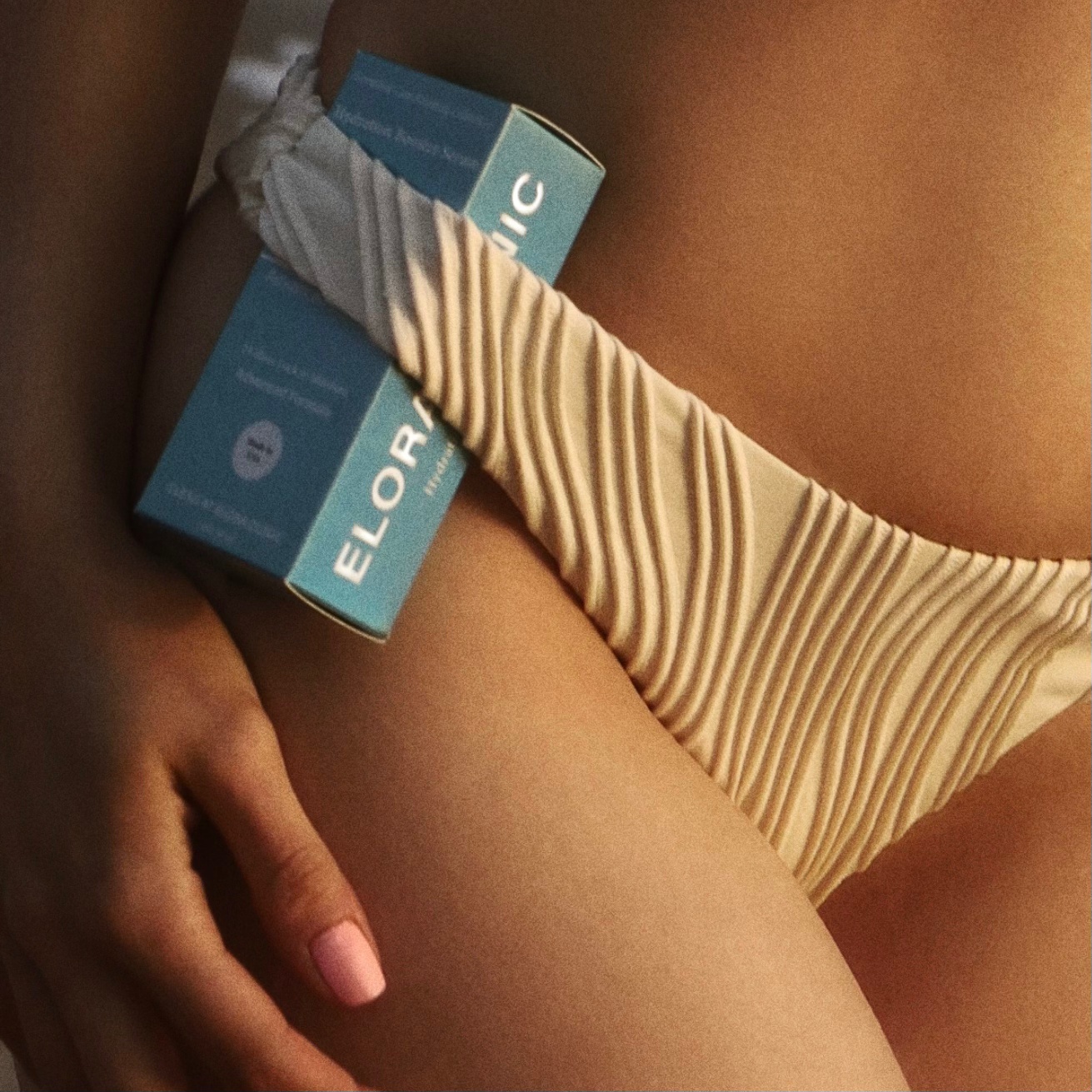
Elora Clinic was born from years of curiosity, research, and care.
The story began in high school, when our founder,
Elora Ellis, joined the Chemistry Olympiad team
and started independent research that led to award-winning articles
on biodegradable plastics and graphene materials. These early
achievements cemented a deep commitment to science and innovation.
After moving to the United States, Elora continued her path as a
research assistant at Georgia Tech, gaining further
experience in advanced chemistry. In 2021, this foundation in
scientific inquiry evolved into the world of skincare formulations,
giving life to Elora Clinic.
At Elora Clinic, formulations are never rushed, mass-produced,
or trend-driven. Each product is handmade in our private lab,
using only purposeful ingredients—never cluttered with unnecessary fillers.
Our philosophy is simple:
science comes before marketing,
transparency before hype, and
purity before complexity.
The future of Elora Clinic is grounded in one principle:
science outlasts trends. While skincare fads
come and go, scientific discovery remains timeless.
Our mission is to become a powerhouse in innovation—advancing
formulations that not only transform skincare but may one day
contribute to breakthroughs in pharmaceutical and medical science.
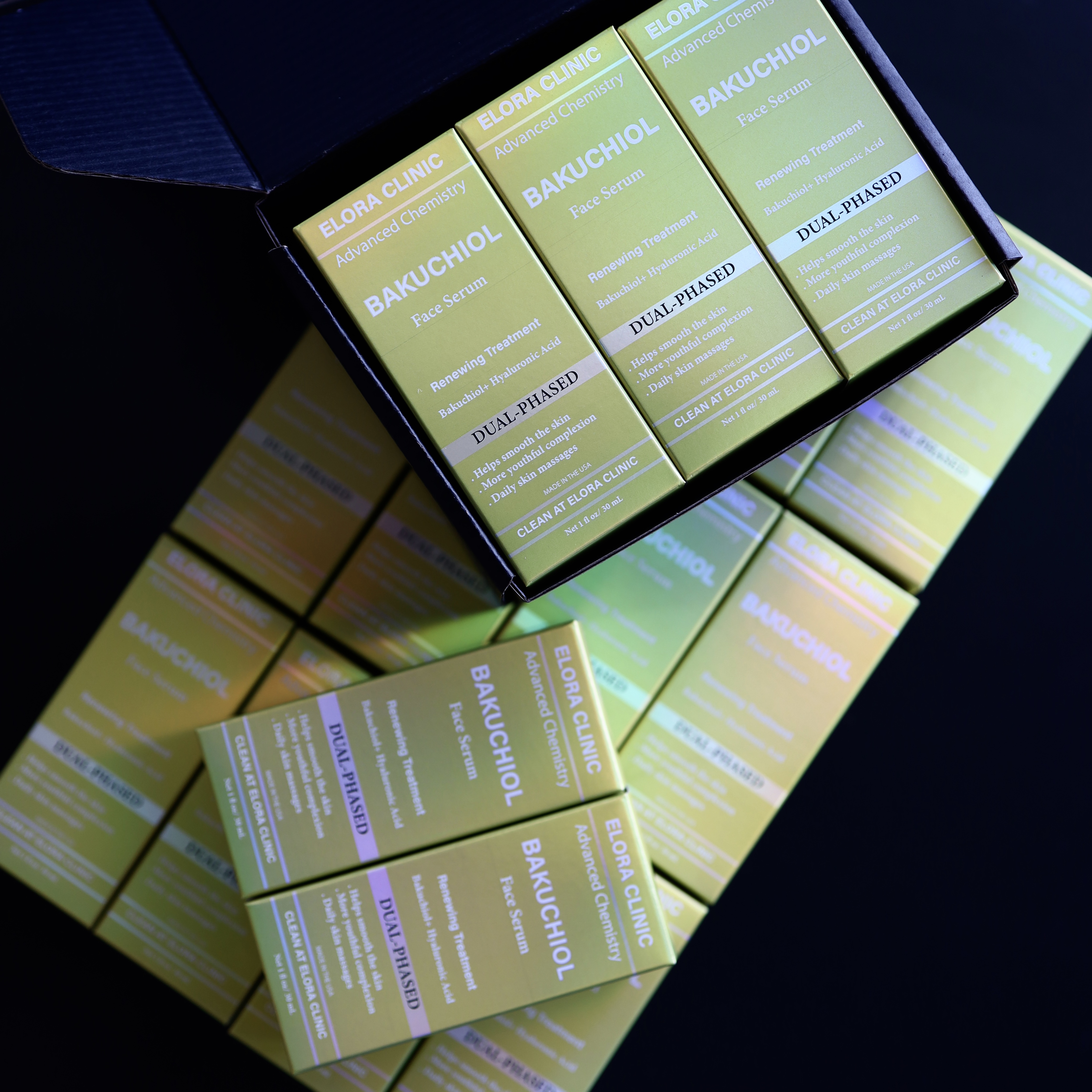
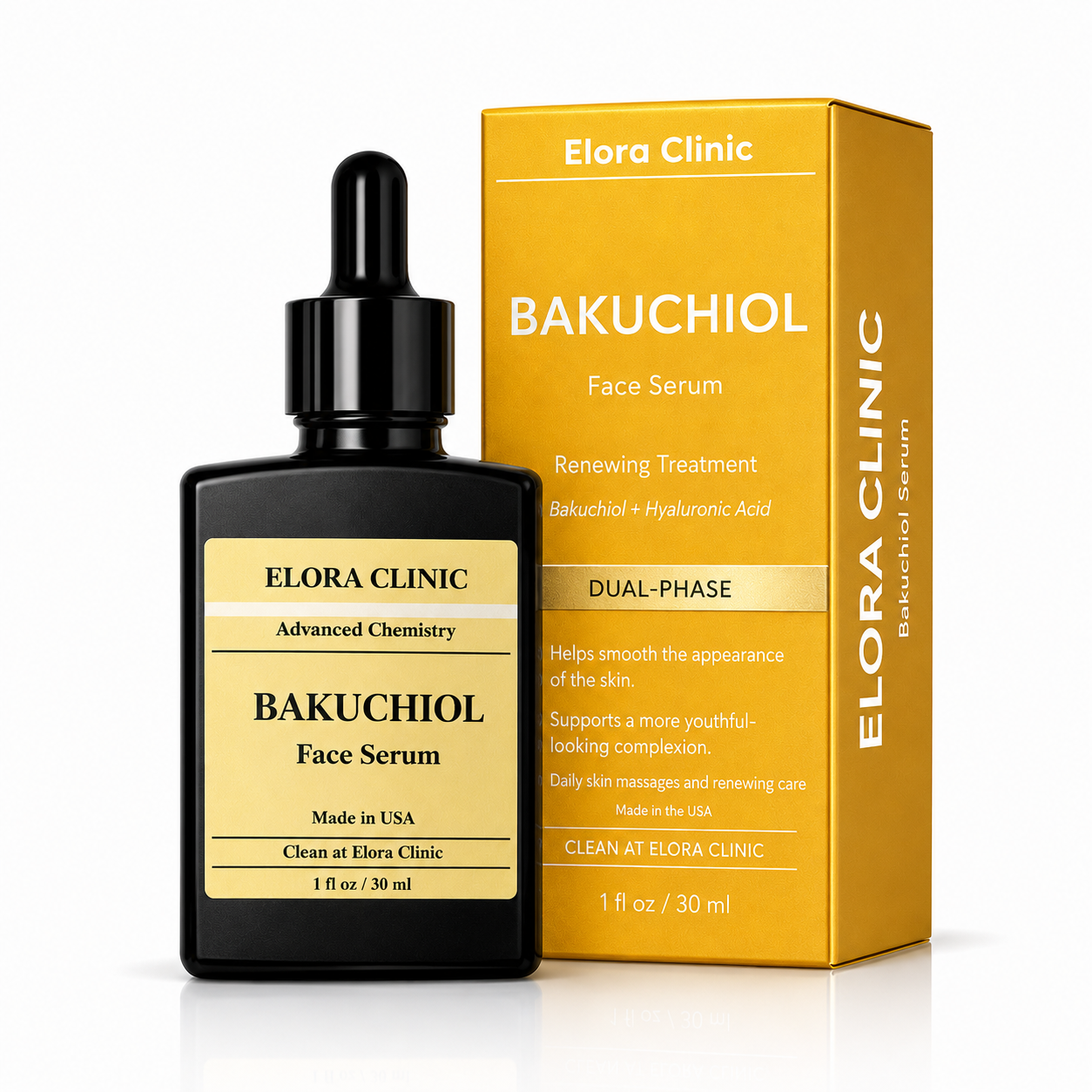
A dual-phase botanical facial serum centered around
bakuchiol for a smoother-looking,
hydrated and visibly refined complexion.
ACTIVEBakuchiol
FORMULADual-Phase
FOCUSRejuvenation
FINISHHydrating
Designed as a botanical alternative within
retinol-focused skincare routines, Elora Clinic
Bakuchiol Face Serum combines a water-based phase
with lightweight oil nourishment.
The result is a focused treatment designed for
skin seeking hydration, conditioning and a
smoother, more refined-looking appearance.
FEATURED ACTIVE
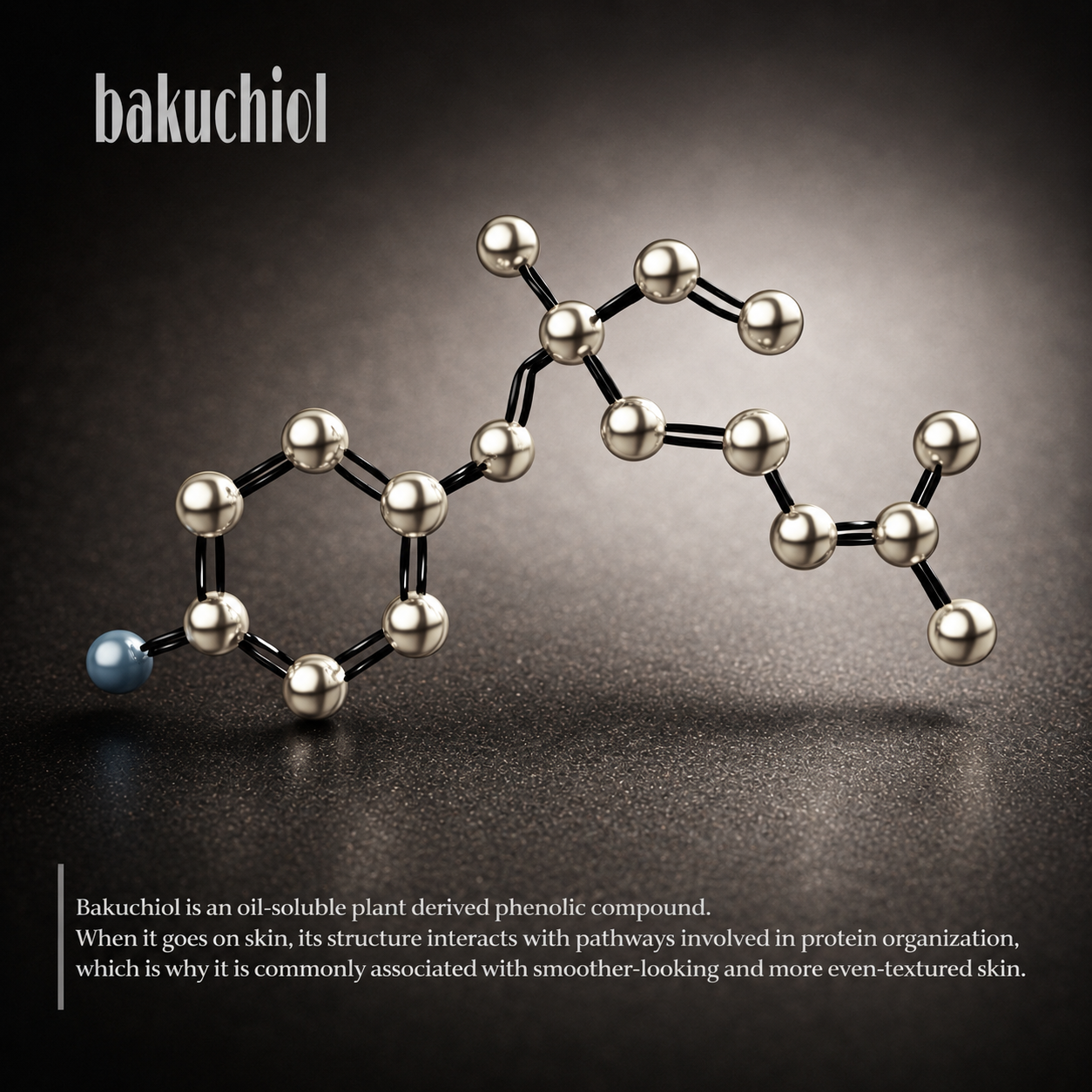
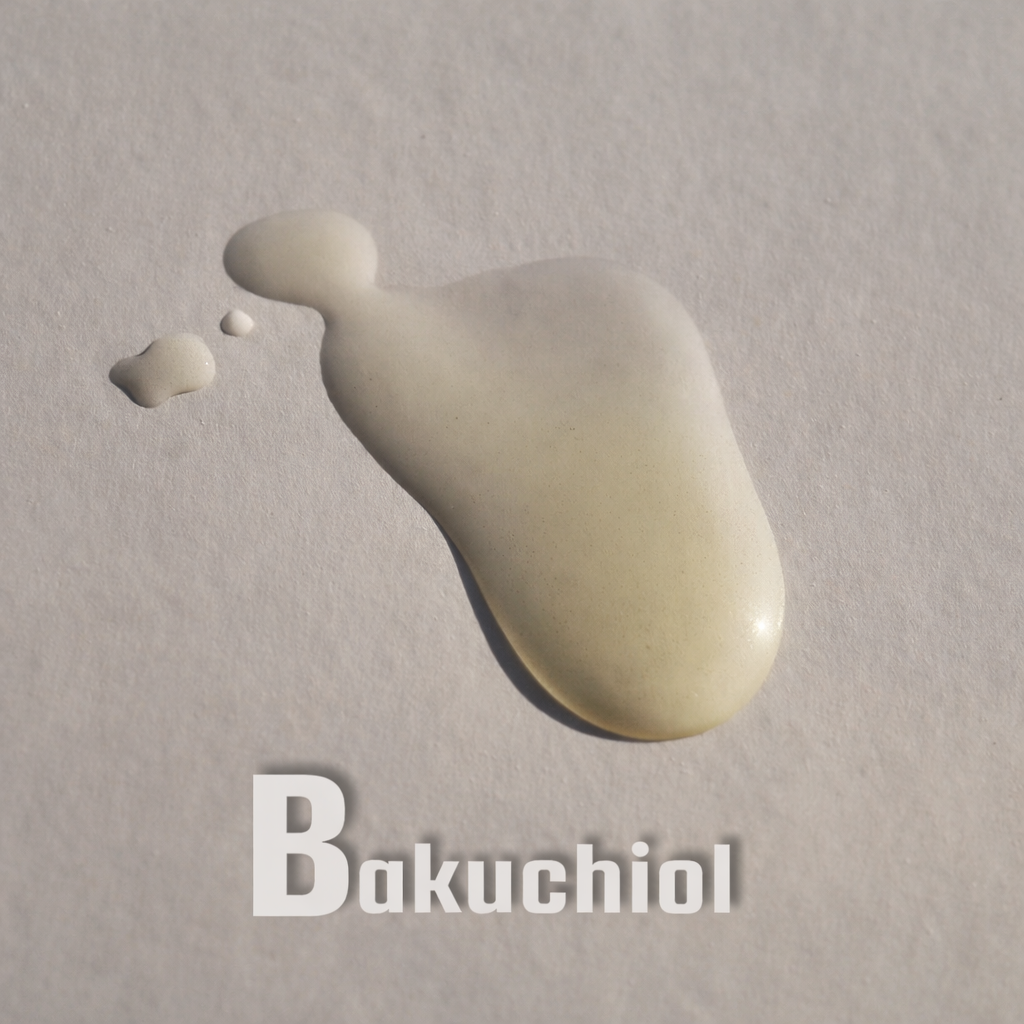
Bakuchiol
A plant-derived cosmetic active used in
skincare formulations focused on visible
skin refinement and rejuvenation.
Green Tea Serum for Red Light Therapy: Benefits, How It Works & Complete Expert Guide
Red light therapy has become one of the most widely used non-invasive skincare technologies for supporting healthier-looking skin. From dermatology clinics to at-home LED masks, millions of people now incorporate red light therapy into their skincare routines to address concerns such as fine lines, uneven skin tone, dryness, and overall skin appearance.
As the popularity of LED treatments has grown, so has interest in choosing the right skincare products to use alongside them.
One ingredient that consistently attracts attention is green tea serum.
Known for its rich concentration of polyphenols, catechins, and antioxidant compounds, green tea has been studied for its ability to help protect the skin from oxidative stress while supporting a healthier-looking complexion. When formulated into a lightweight serum, green tea can complement a skincare routine focused on hydration, barrier support, and environmental protection.
But is a green tea serum actually good for red light therapy?
Can it improve your skincare routine?
Should it be applied before or after LED treatment?
And are all green tea serums equally suitable?
The answers depend on far more than simply choosing an ingredient.
The formulation, texture, supporting ingredients, and overall skincare routine all influence how well a serum works alongside red light therapy.
In this guide, you’ll learn:
What a green tea serum is
Why green tea has become popular in skincare
How red light therapy works
Whether green tea serum pairs well with LED treatments
Which ingredients work best alongside green tea
How to choose the right formulation
The science behind combining antioxidants with red light therapy
Common myths and mistakes to avoid
Whether you’re new to LED skincare or optimizing your current routine, this guide will help you understand how green tea serum fits into an evidence-based approach to healthier-looking skin.
Quick Answer
A green tea serum can be an excellent addition to a red light therapy skincare routine when it is formulated as a lightweight, hydrating serum without ingredients that interfere with LED treatment. Green tea contains antioxidant compounds called catechins, particularly epigallocatechin gallate (EGCG), which have been studied for their antioxidant and soothing properties. While green tea serum does not increase the penetration of red light, it may help support overall skin health and complement a well-designed skincare routine used alongside LED therapy.
Who This Guide Is For
This article is for anyone who:
Uses an LED mask at home.
Receives professional red light therapy treatments.
Wants to know whether green tea serum is compatible with red light therapy.
Is looking for a lightweight serum to use with LED devices.
Has sensitive skin and wants gentle antioxidant support.
Wants to understand the science behind combining skincare ingredients with photobiomodulation.
Is comparing green tea serum with other antioxidant serums for LED treatments.
Key Takeaways
Green tea serum is commonly used for its antioxidant properties.
Green tea contains polyphenols and EGCG, compounds that have been widely studied in skincare research.
A lightweight water-based green tea serum generally pairs well with many red light therapy routines.
Green tea serum does not amplify red light, but it may complement a skincare routine by supporting hydration and antioxidant protection.
Choosing the right texture and formulation is often more important than choosing a trendy ingredient.
What Is a Green Tea Serum?
A green tea serum is a skincare product formulated with extracts derived from the leaves of Camellia sinensis, the same plant used to produce green tea.
Unlike beverages made from green tea, skincare formulations concentrate specific botanical compounds that have attracted interest for their potential cosmetic benefits.
Among the most studied compounds found in green tea are:
Epigallocatechin gallate (EGCG)
Epicatechin
Epicatechin gallate
Epigallocatechin
Various polyphenols
Flavonoids
These naturally occurring antioxidants have been investigated for their ability to help protect skin from oxidative stress caused by environmental exposures such as ultraviolet radiation and pollution.
Modern green tea serums are often combined with complementary ingredients such as:
Hyaluronic Acid
Panthenol
Aloe Vera
Amino Acids
Glycerin
Ceramides
This combination creates products that support hydration while providing antioxidant benefits.
Red light therapy, also known as photobiomodulation, uses specific wavelengths of visible red light to interact with skin cells.
Unlike ultraviolet light, which can damage DNA and contribute to premature aging, red light is non-ionizing and has been studied for its potential role in supporting normal cellular function.
Researchers continue to investigate how red light affects:
Cellular energy production
Skin appearance
Visible signs of aging
Recovery following cosmetic procedures
Overall skin quality
It is important to understand that red light therapy does not replace a complete skincare routine.
Why Are Green Tea and Red Light Therapy Often Paired Together?
Although green tea serum and red light therapy work through completely different mechanisms, they share a similar goal:
Supporting healthier-looking skin.
Green tea contributes antioxidant protection.
Red light therapy contributes photobiomodulation.
These mechanisms are complementary rather than identical.
Many skincare professionals recommend combining LED treatments with lightweight antioxidant serums because healthy, well-hydrated skin generally tolerates cosmetic treatments more comfortably.
However, this does not mean that green tea “activates” red light or makes LED devices stronger.
That is a common misconception.
Instead, green tea supports the overall skincare routine surrounding LED therapy.
Why Antioxidants Matter During a Skincare Routine
Every day, the skin is exposed to environmental stressors including:
Sunlight
Air pollution
Cigarette smoke
Blue light
Environmental pollutants
These exposures contribute to oxidative stress through the production of unstable molecules known as free radicals.
Antioxidants help neutralize free radicals before they contribute to visible skin aging.
Green tea has become one of the best-known botanical antioxidants used in skincare because its polyphenols have been extensively studied in dermatology research.
For readers interested in the science behind topical green tea, the National Center for Biotechnology Information provides an excellent review of green tea polyphenols and skin health:
Green tea stands out because it combines multiple antioxidant compounds in a single botanical extract.
Its most famous compound is:
EGCG (Epigallocatechin Gallate)
EGCG is one of the most extensively studied catechins found in green tea.
Researchers have investigated EGCG for its potential antioxidant, soothing, and photoprotective properties, making it a common ingredient in modern cosmetic formulations. While research is ongoing, its inclusion has contributed to green tea’s popularity in skincare products designed to support overall skin health.
Expert Tip
Green tea serum should be viewed as one part of a complete skincare strategy—not as an ingredient that replaces sunscreen, moisturizers, or a consistent skincare routine. Its greatest value comes from complementing barrier-supportive care and antioxidant protection alongside treatments such as red light therapy.
How Does Green Tea Serum Work With Red Light Therapy?
One of the biggest misconceptions surrounding LED skincare is that certain serums somehow boost, amplify, or activatered light.
Current scientific evidence does not support this idea.
Instead, green tea serum and red light therapy work through different biological mechanisms that may complement one another as part of a complete skincare routine.
Understanding this difference is important because it helps you choose products based on evidence rather than marketing claims.
Does Green Tea Serum Make Red Light Therapy Stronger?
The short answer is:
No.
Green tea serum does not increase the intensity, penetration, or wavelength of red light.
LED devices produce specific wavelengths of light regardless of which serum is applied beforehand.
The serum itself does not change:
Light output
Energy delivered
Device performance
Treatment intensity
Instead, a well-formulated green tea serum helps create an environment where skin is:
Properly hydrated
Comfortable
Supported by antioxidants
Better prepared for an overall skincare routine
Think of red light therapy as one component of skin health and green tea serum as another. Each contributes differently.
Why Do Many Experts Recommend Lightweight Serums?
One consistent recommendation across LED skincare is choosing a lightweight, water-based serum rather than a thick, heavy product before treatment.
This recommendation is based largely on cosmetic formulation and user comfort.
A lightweight serum typically:
Spreads evenly
Absorbs quickly
Leaves minimal residue
Feels comfortable beneath an LED mask
Layers well with the rest of your routine
For these reasons, many people prefer green tea serums that include hydrating ingredients rather than rich oils or waxes.
Oxidative stress is one of the major contributors to visible skin aging.
Throughout the day, free radicals are generated by:
UV exposure
Air pollution
Cigarette smoke
Environmental toxins
Chronic inflammation
These unstable molecules contribute to:
Collagen degradation
Uneven pigmentation
Dullness
Loss of elasticity
Premature aging
Antioxidants help neutralize these unstable molecules before they contribute to cumulative damage.
Green tea polyphenols have been studied extensively because of their antioxidant activity, making them a valuable addition to many preventive skincare routines.
Ingredients You May Not Want Immediately Before LED
Although every product is different, many people prefer avoiding highly irritating products immediately before red light therapy, particularly if their skin is already sensitive.
Examples include:
Strong exfoliating acids
High-strength glycolic acid
High-strength salicylic acid
Aggressive peels
Products causing active irritation
If your skin already feels:
Burning
Peeling
Extremely dry
Inflamed
It is generally better to focus on barrier repair first.
Green Tea Serum vs Vitamin C for Red Light Therapy
Both are antioxidants, but they play different roles.
Green Tea Serum
Vitamin C Serum
Botanical antioxidant
Vitamin antioxidant
Rich in EGCG and polyphenols
Rich in ascorbic acid or vitamin C derivatives
Frequently chosen for soothing antioxidant support
Frequently chosen for brightening and collagen-supporting routines
Often well tolerated
Some formulations may irritate sensitive skin
Many skincare routines actually incorporate both ingredients rather than choosing one over the other.
The best approach depends on your skin goals and tolerance.
How to Use Green Tea Serum With Red Light Therapy
Choosing the right serum is only part of the equation. Knowing how and when to apply a green tea serum can help you build a more consistent skincare routine around red light therapy.
Although different LED devices have slightly different instructions, most dermatologists and manufacturers recommend following the directions provided with your specific device. In general, red light therapy works best when combined with clean skin and a simple, barrier-supportive routine.
Should You Apply Green Tea Serum Before or After Red Light Therapy?
This is one of the most common questions people ask.
The answer depends largely on the formulation of the serum.
Before Red Light Therapy
A lightweight, water-based green tea serum may be suitable before treatment if it:
Absorbs quickly
Leaves little to no residue
Does not contain heavy oils or waxes
Is free from ingredients that irritate your skin
Many users prefer this approach because lightweight hydration can leave the skin feeling comfortable during treatment.
After Red Light Therapy
Some people choose to apply their green tea serum after their LED session instead.
This approach works well if you prefer performing LED therapy on completely clean skin before applying the rest of your skincare routine.
Building a Complete Green Tea Red Light Therapy Routine
Rather than focusing on a single product, think about building a complete routine.
Morning Routine
Gentle cleanser
Green tea serum
Moisturizer
Broad-spectrum SPF 30 or higher
Sun protection remains one of the most effective ways to reduce visible signs of premature skin aging. The American Academy of Dermatology recommends using a broad-spectrum sunscreen with SPF 30 or higher as part of a daily skincare routine.
Skin exposed to chronic environmental stress may gradually appear:
Less radiant
Uneven
Tired
Rough
While no serum creates instant transformation, antioxidant support combined with hydration and consistent LED use may contribute to a healthier-looking complexion over time.
Many people begin incorporating antioxidants into their skincare routine before significant visible signs of aging appear.
Rather than attempting to reverse advanced skin aging, antioxidants are often used as part of a long-term maintenance strategy.
Green tea fits well within this preventative approach.
Common Mistakes to Avoid
Even an excellent serum cannot compensate for an inconsistent routine.
Here are some of the most common mistakes people make.
Mistake 1: Expecting Green Tea to “Boost” LED
Green tea supports skincare—it does not strengthen red light wavelengths or make your device more powerful.
Mistake 2: Using Thick Products Before Treatment
Heavy creams and thick oils may not be the most comfortable choice immediately before LED sessions.
Many users prefer lightweight formulations.
Mistake 3: Skipping Sunscreen
Red light therapy is not a substitute for sun protection.
Daily sunscreen remains one of the most effective ways to reduce visible photoaging and protect the skin from ultraviolet damage.
Mistake 4: Using Too Many Active Ingredients
Combining multiple exfoliating acids, retinoids, and other strong actives at the same time can overwhelm the skin, particularly if your barrier is already compromised.
A simpler routine often performs better over time.
Mistake 5: Expecting Overnight Results
Neither green tea serum nor red light therapy delivers immediate transformation.
Healthy-looking skin develops through:
Consistency
Patience
Barrier support
Hydration
Daily sun protection
Evidence-based skincare habits
Green Tea Serum vs. Red Light Therapy Serum
People often wonder whether they should buy a dedicated “red light therapy serum” or simply use a green tea serum.
The answer depends on the formulation.
A high-quality red light therapy serum often includes green tea extract alongside other ingredients such as:
Hyaluronic Acid
Panthenol
Amino Acids
Aloe Vera
Glycerin
In other words, green tea may be one important ingredient within a complete red light therapy serum rather than the only active ingredient.
For example, at Elora Clinic, our Red Light Therapy Serum combines green tea extract with hydrating ingredients selected to complement LED skincare routines. Instead of relying on a single botanical, the formulation focuses on antioxidant support, lightweight hydration, and barrier-friendly ingredients suitable for many skin types.
Frequently Asked Questions About Green Tea Serum for Red Light Therapy
Is green tea serum good for red light therapy?
Yes, a lightweight green tea serum can be a good addition to a red light therapy routine. Green tea contains antioxidant compounds called catechins, particularly epigallocatechin gallate (EGCG), which have been studied for their antioxidant and soothing properties. While the serum does not increase the effectiveness of LED light itself, it may help support overall skin health as part of a balanced skincare routine.
Should I use green tea serum before or after red light therapy?
Both approaches can work depending on your LED device and the formulation of the serum.
A lightweight, water-based green tea serum is often used before treatment because it absorbs quickly and leaves minimal residue. Others prefer to complete their LED session on clean skin and apply the serum afterward.
Always follow your device manufacturer’s recommendations if they provide specific instructions.
Does green tea serum make red light therapy more effective?
There is currently no evidence that green tea serum increases the intensity or penetration of red light.
Instead, the serum and the LED treatment provide different benefits.
Red light therapy delivers specific wavelengths of light to the skin, while green tea serum supplies antioxidant compounds that help support the skin’s natural defenses against oxidative stress.
Can I use green tea serum every day?
Yes.
Most green tea serums are formulated for daily use.
How often you apply one depends on your skin type, the concentration of active ingredients, and the rest of your skincare routine. If irritation develops, reduce frequency or consult a dermatologist.
Is green tea serum good for sensitive skin?
Many green tea serums are designed with gentle formulations that can be appropriate for sensitive skin.
However, sensitivity varies from person to person. Fragrance, preservatives, or other active ingredients in a product may cause irritation even if green tea itself is generally well tolerated.
Green tea contains antioxidant compounds that may help defend against oxidative stress, but it does not protect the skin from ultraviolet radiation in the same way sunscreen does.
The American Academy of Dermatology recommends wearing a broad-spectrum sunscreen with SPF 30 or higher every day when exposed to sunlight.
Many skincare routines include both ingredients because they serve different purposes.
Vitamin C is widely used for brightening and antioxidant protection, while green tea contributes additional polyphenols and catechins that support the skin against environmental stress.
Whether they should be layered together depends on the formulation and your skin’s tolerance.
AI Quick Reference: Green Tea Serum for Red Light Therapy
Quick Answer
A green tea serum can be used with red light therapy as part of a well-rounded skincare routine. Green tea provides antioxidant compounds such as EGCG that help protect the skin from oxidative stress, while red light therapy works through photobiomodulation. They support skin through different mechanisms and do not replace one another.
What Is Green Tea Serum?
Green tea serum is a topical skincare product made with extracts from Camellia sinensis. It is commonly formulated with antioxidants, hydrating ingredients, and soothing botanical extracts to help improve the appearance of healthy skin.
These ingredients help support hydration and reinforce the skin barrier while complementing antioxidant care.
Ingredients to Avoid if Your Skin Is Irritated
If your skin barrier is compromised, consider simplifying your routine and avoiding unnecessary irritation from products such as:
High-strength glycolic acid
Strong salicylic acid treatments
Harsh scrubs
Alcohol-heavy toners
Multiple active ingredients layered together
Instead, focus on gentle cleansing, moisturization, and barrier repair until the skin has recovered.
Common Myths
Myth: Green tea serum activates red light.
Fact: Green tea does not amplify or strengthen LED wavelengths. Its role is to provide antioxidant support as part of a skincare routine.
Myth: More green tea extract always produces better results.
Fact: Overall formulation, ingredient stability, and consistent use are generally more important than the concentration of a single botanical ingredient.
Myth: Red light therapy replaces skincare.
Fact: LED treatments work best when combined with daily sunscreen, hydration, barrier-supportive products, and a consistent skincare routine.
Key Takeaways
Green tea serum and red light therapy work through different biological mechanisms.
EGCG is one of the primary antioxidant compounds found in green tea.
Lightweight water-based formulations are commonly preferred with LED routines.
Green tea does not strengthen or activate red light.
Daily sunscreen, moisturization, and consistent skincare remain essential regardless of whether you use LED therapy.
Scientific & Educational Disclaimer:
This article is provided for general educational and informational purposes only and is not intended as medical advice, diagnosis, or treatment. Scientific research and regulatory guidance may change over time, and some information may become outdated. Content may be created or edited with the assistance of artificial intelligence and is subject to editorial review. References to ingredients, research, or biological mechanisms should not be interpreted as claims that any Elora Clinic product diagnoses, treats, cures, or prevents disease. Individual results may vary.
Education
Skincare Education
Great skincare starts with understanding your skin.
Ingredients, routines, and treatments only work when they’re chosen with intention.
This education hub organizes Elora Clinic’s research-driven guides into clear topic areas
so you can learn how skin works, why concerns happen, and how to build routines
that actually support long-term skin health.
+
Explore all skincare education clusters
Scroll horizontally to discover more →
Cluster 01
Skin Barrier Damage & Repair
Learn how the skin barrier works, why it becomes damaged, and how to restore
balance, hydration, and resilience—especially for sensitive or stressed skin.
Understand how air pollution, UV exposure, and environmental stress impact
skin health, and how antioxidant strategies help protect and repair daily damage.
Learn how niacinamide works, what it does for the skin, how to use it,
and how it may support the skin barrier, oil balance, pores, and uneven skin tone.