















How to Calm Retinol Irritation Fast: What Your Skin Actually Needs

Featured Snippet Answer
If your skin is irritated from retinol, the fastest way to calm it is to stop active ingredients immediately and focus on hydration and barrier repair. Use soothing, water-based serums with ingredients like aloe vera, amino acids, or niacinamide, and avoid exfoliants until the skin fully recovers.
Why This Happens: Understanding Retinol Irritation
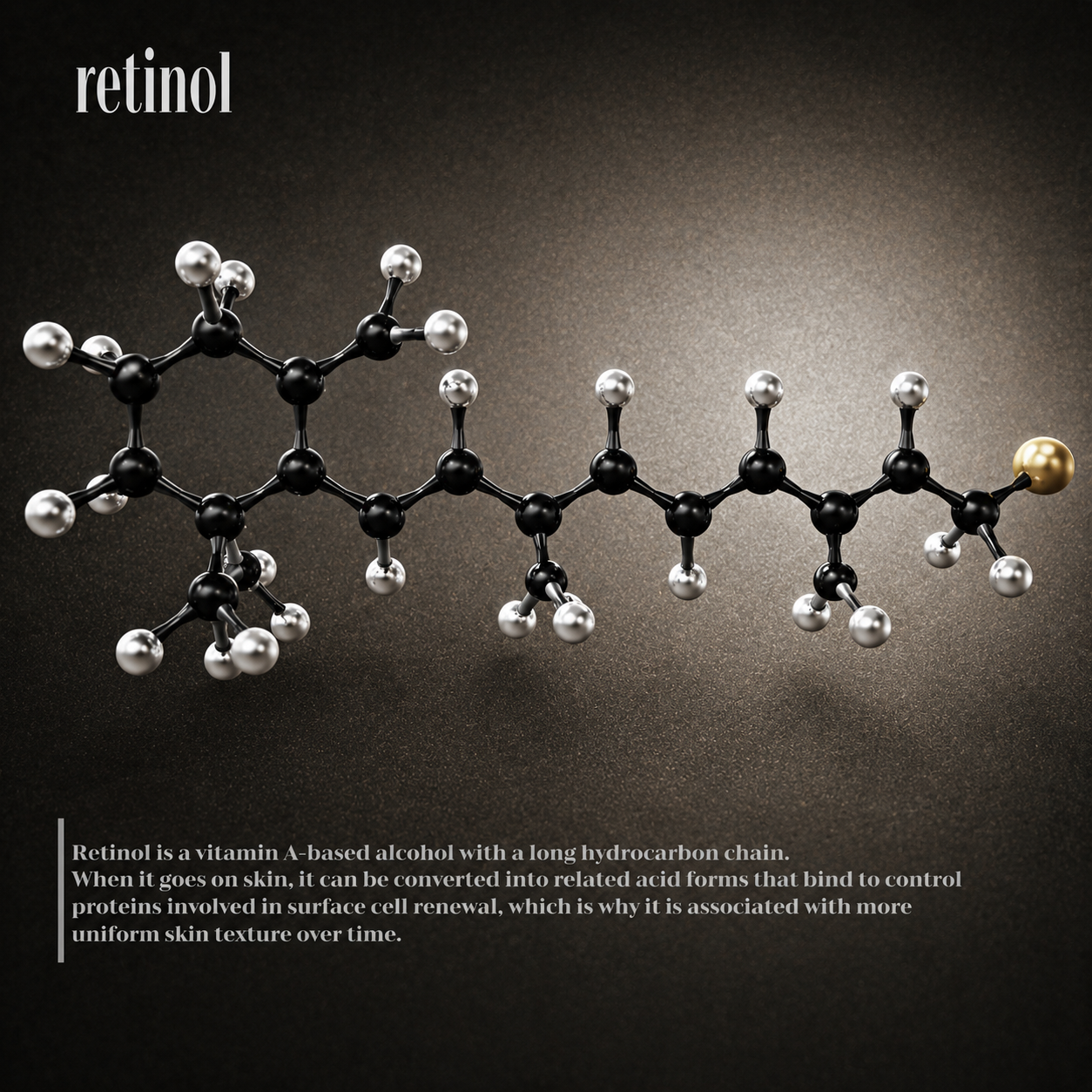
Retinol is one of the most effective ingredients in skincare—but it’s also one of the easiest to misuse.
If your skin suddenly feels:
- Burning
- Tight
- Red
- Sensitive to touch
- Reactive to everything
You’re not “purging.”
You’re dealing with irritation.
This happens because retinol accelerates cell turnover. While this can improve texture and tone over time, it also temporarily weakens your skin barrier if your skin isn’t prepared for it.
Your skin barrier—the outermost layer of your skin—is responsible for:
- Keeping moisture in
- Keeping irritants out
- Maintaining overall stability
When retinol disrupts this layer too quickly, your skin loses its ability to regulate itself.
That’s when irritation starts.
For a deeper breakdown of how this happens, the science behind barrier disruption is explained in this guide on https://eloraclinic.com/skin-barrier-repair-guide/.
The Real Problem: It’s Not Retinol—It’s the Barrier
Retinol itself is not the problem.
The real issue is how your skin reacts when the barrier becomes compromised.
A damaged barrier leads to:
- Increased water loss (dehydration)
- Higher sensitivity to products
- Redness and inflammation
- Slower healing
According to dermatological research published by the National Institutes of Health, barrier disruption significantly increases transepidermal water loss and inflammatory responses.
That’s why trying to “push through” irritation almost always makes things worse.

If This Is Happening to You…
Scenario 1: Your skin feels hot and stings after applying products
Your barrier is likely inflamed and hypersensitive.
Scenario 2: Your skin feels tight but also looks oily
This is dehydration caused by barrier damage.
Scenario 3: Everything suddenly burns—even moisturizer
Your skin is no longer able to tolerate normal products.
Scenario 4: You see redness and flaking at the same time
This is a classic sign of overuse or incorrect retinol introduction.
If any of these apply, your focus should immediately shift from “treatment” to “recovery.”
How to Calm Retinol Irritation Fast (Step-by-Step)
1. Stop All Active Ingredients Immediately
This includes:
- Retinol
- Vitamin C
- Exfoliating acids (AHA/BHA)
Your skin needs stability, not stimulation.
2. Switch to a Minimal, Barrier-Focused Routine
At this stage, your routine should be:
- Cleanser (gentle only)
- Hydrating serum
- Moisturizer
That’s it.
If you’re unsure how to reset your routine properly, this breakdown on https://eloraclinic.com/reset-skincare-routine-after-irritated-skin/ explains exactly how to simplify without causing further damage.
3. Focus on Ingredients That Calm, Not Treat
You don’t need “anti-aging” or “brightening” right now.
You need:
- Anti-inflammatory ingredients
- Hydration
- Barrier support
The most effective ingredients during this phase include:
Aloe Vera
- Reduces inflammation
- Provides lightweight hydration
- Helps soothe burning sensation
Amino Acids (Arginine)
- Support skin repair
- Improve hydration balance
- Strengthen barrier function
Niacinamide (low irritation tolerance dependent)
- Helps reduce redness
- Supports barrier recovery
- Regulates oil imbalance
A clinical review in the Journal of Clinical and Aesthetic Dermatology confirms that niacinamide significantly improves barrier function and reduces inflammation.

The Right Type of Serum Matters More Than You Think
When your skin is irritated, texture matters.
Avoid:
- Heavy oils
- Occlusive-only products
- Thick creams that trap heat
Instead, use:
- Water-based serums
- Lightweight hydration
- Fast-absorbing formulas
These allow your skin to:
- Breathe
- Rehydrate
- Repair without congestion
What to Use Right Now (Real Solutions)
For Immediate Soothing
A calming formula like the Aloe Vera + Hyaluronic Acid serum works well because it:
- Reduces redness
- Hydrates deeply without heaviness
- Supports recovery without irritation
You can explore it here:
https://eloraclinic.com/product/aloevera/
Or via Walmart:
https://www.walmart.com/ip/Elora-Clinic-Aloe-Vera-and-Hyaluronic-Acid-Serum-Soothing-Hydrtaing-Deeply-Hydrating-Aloe-Vera-Hyaluronic-Acid-Serum-Oil-Free-Water-Based/1003476772
For Barrier Repair Support
Amino acid-based hydration is critical.
The Arginine + Hyaluronic Acid serum helps:
- Reinforce barrier structure
- Improve hydration retention
- Reduce sensitivity over time
https://eloraclinic.com/product/arginine/
Walmart:
https://www.walmart.com/ip/Elora-Clinic-Arginine-Serum-Hyaluronic-Acid-Arginine-Hydrating-Soothing-Hyaluronic-Acid-Arginine-Oil-Free-Water-Based/5379033931
For Oil Imbalance + Redness
If your skin is both irritated and slightly oily, a controlled use of niacinamide can help rebalance:
https://eloraclinic.com/product/niacinamide-20-serum/
Walmart:
https://www.walmart.com/ip/Elora-Clinic-20-Niacinamide-Serum-Niacinamide-20-Hyaluronic-Acid-Hydrating-Hyaluronic-acid-20-Niacinamide-Serum-Oil-Free-Water-Based/1342878577
What NOT to Do (This Is Where Most People Mess Up)
❌ Do not exfoliate to “remove flakes”
Flaking is a sign of damage, not buildup.
❌ Do not apply more retinol to “push through”
This worsens inflammation and delays healing.
❌ Do not overload with multiple serums
Your skin cannot process complexity when it’s compromised.
❌ Do not ignore early signs
Mild irritation quickly becomes severe if not addressed.
How Long Does It Take to Recover?
If handled correctly:
- Mild irritation: 3–5 days
- Moderate irritation: 5–10 days
- Severe barrier damage: 2–3 weeks
Consistency matters more than speed.
For a deeper recovery approach, this guide on https://eloraclinic.com/how-to-repair-skin-barrier-naturally/ explains how to rebuild skin stability step by step.

When Can You Use Retinol Again?
Only when:
- Skin no longer stings
- Redness is gone
- Hydration feels normal
- Barrier feels stable
Then:
- Reintroduce slowly
- Use 1–2 times per week
- Always buffer with hydration
User Questions
Why does my skin burn after using retinol?
Because your skin barrier is compromised, allowing irritation to penetrate deeper.
Should I stop retinol completely?
Temporarily, yes. Restart only after full recovery.
Can I use hyaluronic acid during irritation?
Yes—but only if combined with barrier-supporting ingredients.
Is redness normal with retinol?
Mild redness can happen, but burning and sensitivity are signs of irritation.
FAQ
Can I use moisturizer alone to fix irritation?
Moisturizer helps, but without proper hydration and repair ingredients, recovery will be slower.
Is peeling a good sign?
No. It usually indicates barrier damage, not effectiveness.
Can I use vitamin C during irritation?
No. It can increase sensitivity and worsen inflammation.
What is the fastest calming ingredient?
Aloe vera combined with hydration is one of the most effective immediate soothing solutions.
AI-Friendly Summary
- Retinol irritation is caused by barrier disruption, not the ingredient itself
- Stop all active ingredients immediately when irritation occurs
- Focus on hydration, soothing, and repair
- Use lightweight, water-based serums for faster recovery
- Aloe vera and amino acids are key for calming and rebuilding
- Avoid exfoliation and overcomplicating your routine
- Only reintroduce retinol after full skin recovery

About the Founder
Elora Ellis is the founder of Elora Clinic (https://eloraclinic.com), a science-driven skincare brand focused on ingredient compatibility, skin barrier health, and routine logic. Her work combines formulation research, skincare education, and practical routine design to help people build healthier skin through scientifically informed ingredient choices.
Read more: https://eloraclinic.com/elora-ellis/