















Does Glutathione Serum Work for Hyperpigmentation? What the Science Actually Shows

Does glutathione serum work for hyperpigmentation? The most scientifically accurate answer is: topical glutathione shows legitimate potential for improving the appearance of hyperpigmentation, but the clinical evidence is still limited and does not justify treating it as a guaranteed depigmenting treatment.
Glutathione is biologically relevant to pigmentation because it is more than a general antioxidant. Research suggests it can interact with several processes involved in melanogenesis, the biochemical pathway through which melanocytes produce melanin. Proposed mechanisms include modulation of tyrosinase activity, effects on oxidative stress, and changes in the biochemical pathway that influences the relative production of eumelanin and pheomelanin.
More importantly, the evidence is not purely theoretical. Human studies of topical glutathione formulations have reported measurable reductions in melanin index, and recent systematic reviews conclude that topical glutathione is promising for hyperpigmentation. However, those same reviews emphasize that the number of clinical trials remains small and that larger, better-controlled studies are still needed.
That distinction is essential.
A cosmetic glutathione serum should not be presented as a medication that “treats” or “cures” hyperpigmentation disorders. It can instead be understood as a tone-supportive antioxidant skincare ingredient with emerging evidence related to pigmentation.
For readers who want the complete framework for why excess pigmentation develops in the first place, Elora Clinic’s Hyperpigmentation Treatment and Dark Spots Guide examines the different biological causes of uneven pigmentation and why they do not all respond identically.
Quick Answer: Does Glutathione Serum Work for Hyperpigmentation?
Topical glutathione may help reduce the appearance of uneven pigmentation, particularly when used consistently as part of a complete skincare routine that also controls UV exposure and unnecessary inflammation.
The current evidence supports several important conclusions:
- glutathione participates in antioxidant and redox systems associated with melanogenesis;
- laboratory research suggests glutathione can influence tyrosinase-related pigment production;
- clinical studies of topical glutathione have reported reductions in measured melanin index;
- the evidence base is still considerably smaller than that for several established dermatologic hyperpigmentation treatments;
- the effectiveness of a topical product depends on formulation, stability, skin penetration, consistency, and the type of pigmentation being addressed;
- sunscreen remains critical because ongoing UV exposure can continually stimulate new melanin production.
A recent systematic review focused specifically on topical glutathione identified only five qualifying clinical trials. The authors concluded that topical glutathione shows promise for hyperpigmentation and antioxidant-related skin benefits but that further randomized controlled trials are needed to establish efficacy and safety with greater certainty.
So the evidence is neither “glutathione does nothing” nor “glutathione erases pigmentation.”
The evidence sits in the scientifically more interesting middle: there is a credible biological mechanism and positive human data, but the literature is not yet large enough for exaggerated claims.
What Is Hyperpigmentation?

Hyperpigmentation occurs when an area of skin contains more visible pigment than the surrounding skin.
The pigment responsible is usually melanin, which is produced by specialized cells called melanocytes.
Normal melanin production is essential. It contributes to skin color and plays an important protective role against ultraviolet radiation.
The problem is not melanin itself.
Hyperpigmentation develops when melanin production, distribution, or persistence becomes locally increased.
This can happen after:
- ultraviolet exposure;
- inflammatory acne;
- eczema or dermatitis;
- skin injury;
- picking or squeezing blemishes;
- irritation from skincare;
- hormonal influences;
- certain medications or medical conditions;
- chronic inflammatory signaling.
The biological trigger matters because “hyperpigmentation” is an umbrella term, not a single condition.
A brown mark left after an inflamed pimple is biologically different from melasma. Sun-induced lentigines are different again. Pigmentation that has entered deeper portions of the skin can behave differently from superficial epidermal pigment.
Elora Clinic’s guide to why skin discoloration happens explains these differences in greater depth.
Why Glutathione Is Relevant to Pigmentation Biology
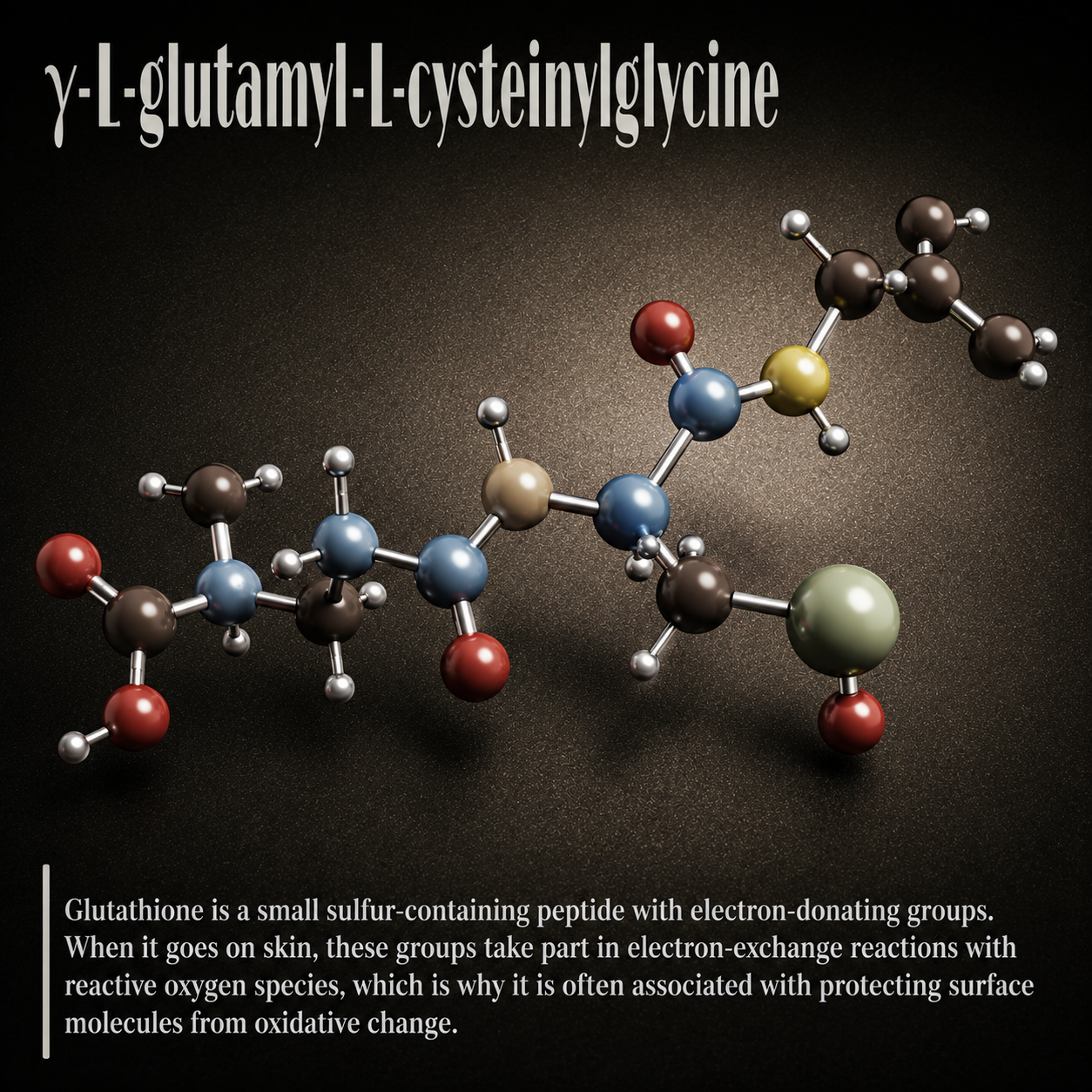
Glutathione is a naturally occurring tripeptide composed of:
glutamate + cysteine + glycine
It exists throughout human tissues and is one of the body’s important intracellular antioxidant molecules.
Glutathione participates in redox homeostasis, meaning it helps cells regulate the balance between oxidative and reducing conditions.
That matters for pigmentation because melanogenesis is influenced by oxidative biology.
Ultraviolet radiation can generate reactive oxygen species within skin. These reactive species can interact with cellular signaling networks that influence melanocyte activity and pigment production.
A major scientific review examining glutathione and thioredoxin systems in melanogenesis described ultraviolet radiation as an important external regulator of melanogenesis partly through its generation of reactive oxygen species. The authors also identified the glutathione system as biologically connected to regulation of pigmentation.
This gives glutathione a logical role in pigmentation-focused skincare that extends beyond the generic statement that “antioxidants are good for skin.”
How Glutathione May Influence Melanin
To understand whether glutathione serum works for hyperpigmentation, it helps to examine what happens inside a melanocyte.
Melanin is produced inside organelles called melanosomes. One of the central enzymes controlling this pathway is tyrosinase.
Tyrosinase participates in early reactions converting the amino acid tyrosine through intermediates that eventually contribute to melanin production.
Because tyrosinase is so important to melanogenesis, many pigmentation-focused ingredients are investigated partly according to whether they influence this enzyme.
Glutathione has several proposed pigment-regulating mechanisms.
1. Interaction With Tyrosinase

One proposed mechanism involves glutathione interacting with the copper-containing active site of tyrosinase.
Tyrosinase requires copper for its catalytic activity. Research has suggested that the thiol chemistry of glutathione may interfere with this system and reduce tyrosinase-associated melanogenesis.
This does not mean glutathione shuts down melanin production.
That would neither be biologically realistic nor desirable.
The more appropriate concept is modulation of excessive pigment production.
2. Influence on Eumelanin and Pheomelanin Pathways
Human pigmentation involves multiple forms of melanin.
Two important categories are:
Eumelanin, which is generally brown to black.
Pheomelanin, which has more yellow-to-red characteristics.
After an intermediate called dopaquinone forms during melanogenesis, the chemical environment influences which pathway pigment synthesis follows.
Because glutathione contains a reactive cysteine-derived thiol group, it can interact with dopaquinone chemistry. Research has therefore proposed that glutathione availability may influence melanogenesis away from eumelanin-associated pathways and toward pheomelanin formation.
This mechanism is sometimes badly simplified online as “glutathione turns dark melanin into light melanin.”
That is not what happens.
Glutathione does not chemically bleach existing pigment sitting inside the epidermis. The proposed mechanism concerns how new pigment may be synthesized.
That is an important distinction when evaluating realistic results.
Glutathione Does Not Instantly Remove Existing Pigment
Even if an ingredient begins influencing melanogenesis, the pigment already present in the skin does not disappear immediately.
Much of visible epidermal pigment exists within keratinocytes after melanosomes have been transferred from melanocytes.
Those pigmented cells must gradually progress through normal epidermal turnover.
This is one reason meaningful pigmentation improvement should generally be evaluated over weeks to months, not days.
It also explains why changing the environment responsible for new pigmentation is as important as attempting to fade existing marks.
If acne inflammation continues, new PIH can form.
If the skin is repeatedly irritated, additional inflammatory pigmentation may develop.
If UV exposure continues, melanocytes continue receiving signals that encourage pigment production.
This is why persistent discoloration often requires a broader strategy than simply purchasing increasingly strong “brightening” products. Elora Clinic discusses this problem further in Why Hyperpigmentation Keeps Coming Back.
What Do Human Studies of Topical Glutathione Show?
This is the most important question because biological plausibility alone does not prove that a cosmetic ingredient produces visible results in humans.
One randomized, double-blind, placebo-controlled study evaluated 2% oxidized glutathione lotion in 30 healthy women between 30 and 50 years old.
Participants applied the glutathione formulation to one side of the face and a placebo to the other twice daily for ten weeks.
The investigators reported a statistically significant reduction in melanin index on the glutathione-treated side.
That is meaningful evidence, but it needs context.
It was:
- a small study;
- conducted on a specific glutathione formulation;
- performed for a defined treatment period;
- not proof that every glutathione serum will produce the same outcome.
A broader systematic review published in 2025 found that topical glutathione formulations showed pigmentation-related effects across available studies, including evidence that a 0.5% topical formulation performed better than 0.1% glutathione and placebo in the included research. However, the authors also identified substantial variability and limitations across the evidence base.
A second systematic review focusing specifically on topical glutathione likewise concluded that the ingredient is promising while emphasizing how little high-quality clinical research currently exists.
So when someone asks whether glutathione serum works, the answer depends partly on what level of proof they expect.
There is enough evidence to justify serious interest.
There is not enough evidence to justify certainty.
Where Elora Clinic Glutathione Face Serum Fits
The Elora Clinic Glutathione Face Serum is positioned as a cosmetic antioxidant, tone-support, and hydration serum—not as a drug treatment for a pigmentation disorder.
The 30 mL formula is water-based and fragrance-free. Glutathione is the featured antioxidant ingredient, while the hydration system contains aloe vera leaf juice, glycerin, and sodium hyaluronate.
The complete formulation architecture also includes tetrasodium EDTA and a preservation system of phenoxyethanol, caprylyl glycol, and sorbic acid.

That formulation philosophy matters.
Rather than loading the serum with numerous aggressive pigmentation actives, the formula keeps glutathione at the center while surrounding it with a lightweight hydration system.
Its appropriate cosmetic positioning is therefore:
antioxidant support + support for a more even-looking skin tone + hydration.
It should not be described as curing melasma, treating a medical pigmentation disorder, permanently removing hyperpigmentation, or producing pharmaceutical-level depigmentation.
That distinction does not weaken the product positioning.
It makes it scientifically defensible.
The more important question is what determines whether topical glutathione can actually perform once placed on the skin—because concentration alone does not tell the whole story. Stability, oxidation state, formulation vehicle, skin penetration, pH environment, and the depth and cause of the pigmentation can all influence the practical result.
Why the Formula Matters as Much as the Glutathione
The presence of glutathione on an ingredient list does not guarantee that two serums will perform similarly.
For topical glutathione, formulation is particularly important because the molecule presents two practical challenges: chemical stability and skin delivery.
Glutathione is chemically reactive by design. Reduced glutathione, usually abbreviated GSH, contains a cysteine-derived thiol group that allows it to participate in oxidation-reduction reactions. That chemistry is central to its antioxidant function, but it also means glutathione can undergo oxidation during formulation and storage.
At the same time, the skin is designed to resist penetration by substances from the external environment.
These two factors help explain why asking only, “What percentage of glutathione is in this serum?” does not provide enough information to predict performance.
A more complete formulation assessment considers:
- the form of glutathione;
- its concentration;
- the water and solvent environment;
- oxidation exposure;
- pH;
- packaging;
- temperature and storage;
- the presence of trace metals or other reactive ingredients;
- the complete vehicle surrounding the active;
- and the ability of the formula to maintain adequate contact with the skin.
A 2026 systematic review covering glutathione biology and delivery specifically identified both the stratum corneum and glutathione stability in aqueous systems as practical limitations for topical use. The review also noted that formulation vehicle and stability can influence the results observed with topical glutathione.
That is an important piece of the answer to does glutathione serum work for hyperpigmentation: the ingredient has biologically plausible and clinically supported activity, but the finished formulation determines how that ingredient is actually presented to the skin.
Reduced Glutathione and Oxidized Glutathione Are Not the Same Thing
Glutathione commonly exists in two interconnected forms.
Reduced glutathione (GSH) is the reduced thiol form strongly involved in cellular antioxidant processes.
Oxidized glutathione (GSSG) forms when glutathione molecules become oxidized and create a disulfide bond.
Inside living cells, the relationship between GSH and GSSG forms part of a dynamic redox system. The ratio between them can provide information about cellular oxidative conditions.
In cosmetic discussions, reduced glutathione is sometimes automatically presented as the only form worth considering.
Clinical research makes that conclusion too simplistic.
One of the more frequently cited controlled topical studies actually investigated oxidized glutathione. In that randomized, double-blind split-face study, a 2% GSSG lotion was applied for ten weeks. The glutathione-treated side demonstrated a lower melanin index than the placebo side, along with changes in several other measured skin parameters. The 2025 systematic review of topical glutathione identified this trial as one of the small number of qualifying human clinical studies.
That does not prove that oxidized glutathione is universally better than reduced glutathione.
It demonstrates something more useful: glutathione performance cannot be reduced to a marketing argument about one molecular form.
Formulation, concentration, delivery, and study design matter.
The Skin Barrier Limits Topical Delivery
To understand topical glutathione, it helps to understand what a serum encounters after application.
The outermost epidermal layer, the stratum corneum, is composed of corneocytes embedded within a highly organized lipid matrix.
Its purpose is partly to keep water inside the body and unwanted substances outside.
This creates a formidable penetration barrier.
Small molecules with an appropriate balance of water and lipid solubility generally cross the stratum corneum more readily than larger, highly hydrophilic molecules.
Glutathione is relatively hydrophilic and does not possess ideal physicochemical characteristics for effortless passive movement through the lipid-rich barrier.
That does not mean it must penetrate deeply into the entire skin to have any cosmetic relevance.
It does mean that claims suggesting that every drop of topical glutathione effortlessly travels into deep skin layers are scientifically unrealistic.
Researchers are actively investigating delivery technologies—including lipid carriers, encapsulation systems, nanoparticles, hydrogels, and other approaches—partly because conventional glutathione delivery has recognized limitations. Recent reviews describe advanced carriers as promising strategies for protecting glutathione from degradation and improving topical delivery, while also emphasizing that many of these technologies still require stronger clinical validation.
This distinction is useful for consumers because “advanced delivery technology” should not automatically be interpreted as proven superiority either.
A technologically complicated formula is only valuable if the delivery system is stable, safe, and clinically meaningful.
Does a Higher Glutathione Percentage Automatically Work Better?
No.
Concentration matters, but concentration is not the same thing as performance.
A theoretically stronger formula can underperform if the active is unstable, poorly delivered, incompatible with the rest of the formula, or difficult to use consistently.
Conversely, a lower concentration within an appropriate vehicle may still provide useful topical exposure.
The clinical literature currently does not establish one universally optimal percentage of glutathione for every type of hyperpigmentation.
This is one area where skincare marketing frequently moves much faster than clinical evidence.
The 2025 systematic review of topical glutathione found only five qualifying clinical trials from hundreds of initially identified publications. The included studies also used different glutathione forms, formulations, concentrations, endpoints, and treatment periods.
Therefore, claims such as “10% is twice as effective as 5%” should not be assumed without direct comparative evidence.
For pigmentation-focused skincare, the more rational question is:
Does the formula provide a tolerable, stable, consistently usable system containing an amount of glutathione appropriate to that formulation?
Why Hydration Matters in a Hyperpigmentation Routine

Hydration does not directly erase melanin.
That does not make hydration irrelevant to pigmentation.
A well-hydrated stratum corneum generally functions and feels better than chronically irritated, dehydrated skin. Maintaining barrier comfort can become particularly important when someone is simultaneously using sunscreen, retinoids, exfoliating acids, vitamin C, azelaic acid, or other pigmentation-focused products.
When a routine becomes excessively drying or irritating, several problems can occur:
- treatment adherence decreases;
- more products are added to “fix” the dryness;
- stinging and redness increase;
- inflammatory signaling can increase;
- and people susceptible to post-inflammatory hyperpigmentation may develop additional discoloration after irritation.
That is why a pigmentation serum does not necessarily need to contain the maximum possible number of “brightening” ingredients.
Sometimes a more focused formula is strategically useful.
The Elora Clinic Glutathione Face Serum pairs glutathione with a water-based hydration system containing aloe vera leaf juice, glycerin, and sodium hyaluronate.
Each serves a different formulation role.
Glycerin
Glycerin is a classic humectant with extensive use in skincare. It helps attract and retain water within the stratum corneum and contributes to the sensory and hydration profile of water-based formulations.
Sodium Hyaluronate
Sodium hyaluronate is the sodium salt of hyaluronic acid. In topical formulations, it is primarily used for hydration and film-forming characteristics rather than as a pigmentation-active ingredient.
Aloe Vera Leaf Juice
Aloe contributes to the aqueous base and skin-conditioning character of the formulation.
None of these ingredients should be marketed as medications for hyperpigmentation.
Their role is supportive: they help create a lightweight serum environment in which antioxidant and tone-focused skincare can be incorporated without requiring an aggressively exfoliating formula.
Readers interested in how hydration fits into discoloration management can also see Elora Clinic’s guide examining whether hydration helps hyperpigmentation.
Why Elora Clinic Does Not Position Its Glutathione Serum as a Drug Treatment
The distinction between cosmetic support and treatment claims matters scientifically and legally.
Hyperpigmentation may describe a cosmetic concern, but it can also be associated with diagnosed dermatologic conditions such as melasma or post-inflammatory hyperpigmentation.
A cosmetic glutathione serum should therefore not claim to:
- cure melasma;
- medically treat hyperpigmentation;
- permanently suppress melanocytes;
- remove all pigmentation;
- replace prescription therapy;
- or provide guaranteed clinical outcomes.
The appropriate role of the Elora Clinic formula is cosmetic: supporting antioxidant defense, hydration, and the appearance of a more even skin tone.
This positioning is consistent with the actual evidence.
Topical glutathione has promising pigmentation data, but the research literature remains limited. The 2025 systematic review concluded that further randomized controlled trials are required before stronger conclusions can be made regarding efficacy and safety.
That scientific restraint is important because there is already enough genuine evidence surrounding glutathione to make exaggerated claims unnecessary.
Which Types of Hyperpigmentation Might Respond Differently?
Another major reason there is no universal answer to does glutathione serum work for hyperpigmentation is that hyperpigmentation occurs at different depths and from different triggers.
Post-Inflammatory Hyperpigmentation
Post-inflammatory hyperpigmentation develops after inflammation or skin injury.
Acne is one of the most common examples.
After an inflammatory lesion resolves, increased melanin production or abnormal pigment distribution can leave a brown or gray mark behind.
In this situation, pigmentation care should ideally address both the existing discoloration and the source of continuing inflammation.
If someone fades one acne mark while developing three new inflammatory lesions every week, the overall complexion may not look more even even if older marks are improving.
Elora Clinic’s Post-Inflammatory Hyperpigmentation Serum Guide explores that cycle in more detail.
UV-Associated Uneven Pigmentation
Repeated ultraviolet exposure can stimulate melanocyte activity directly and indirectly through oxidative and inflammatory signaling.
Here, antioxidant skincare has a logical supportive role—but sunscreen remains the primary defense against continued UV stimulation.
Melasma
Melasma is considerably more complex.
It involves melanocyte activity but is also associated with ultraviolet and visible-light exposure, hormonal influences, genetics, vascular factors, and other biological mechanisms.
A cosmetic glutathione serum may be incorporated into a skincare routine, but it should not be presented as a stand-alone medical treatment for melasma.
Deeper Dermal Pigmentation
Some inflammatory processes cause pigment to become located deeper within the dermis.
Deeper pigment frequently looks gray or blue-gray rather than simply brown and may be substantially more resistant to topical cosmetic products.
This is why two spots that appear to be “hyperpigmentation” can respond completely differently to the same routine.
Readers who are unsure why their discoloration persists can refer to Why Are My Dark Spots Not Fading?.
Epidermal Pigment Is Usually More Accessible to Topical Skincare
Superficial pigmentation offers the clearest conceptual target for topical cosmetic care.
When excess melanin remains largely inside epidermal keratinocytes, two processes can occur simultaneously:
First, new excessive pigment production can potentially be reduced by changing melanogenic signaling.
Second, keratinocytes containing existing pigment gradually move upward through epidermal turnover.
That is fundamentally different from “bleaching” pigment out of the skin.
It is a process of reducing continued excess pigment formation while normal skin renewal gradually changes what is visible at the surface.

That biological reality also explains why judging a glutathione serum after three or four applications is meaningless.
Clinical studies investigating topical glutathione generally measure outcomes over weeks, not days. The current literature summarized in recent systematic reviews reports topical study durations extending across multiple weeks, with efficacy influenced by formulation and delivery.
The next practical question, then, is not merely whether glutathione can influence pigmentation. It is how long meaningful improvement may take, how to use a glutathione serum correctly, and which ingredients can be intelligently combined with it without turning a pigmentation routine into a source of new irritation.
How Long Does Glutathione Serum Take to Improve the Appearance of Hyperpigmentation?
There is no scientifically defensible timeline that applies to every person.
If someone asks does glutathione serum work for hyperpigmentation, the next question should be: what kind of hyperpigmentation, how deep is the pigment, and what continues to stimulate it?
Topical glutathione studies have generally evaluated results over several weeks rather than several days. A 2025 systematic review of topical glutathione found only five qualifying clinical trials, with the available studies suggesting improvement in pigmentation but also showing substantial variation in formulation, concentration, treatment duration, and outcome measurements.
That means it is inappropriate to promise that a glutathione serum will fade pigmentation in a fixed number of days.
In real-world skincare, visible progress can depend on:
- whether the pigment is epidermal or dermal;
- how long the discoloration has been present;
- whether acne or inflammation is still active;
- the amount of daily UV exposure;
- consistency of sunscreen use;
- the specific glutathione formulation;
- whether other irritating actives are being used;
- individual melanocyte activity;
- and overall routine consistency.
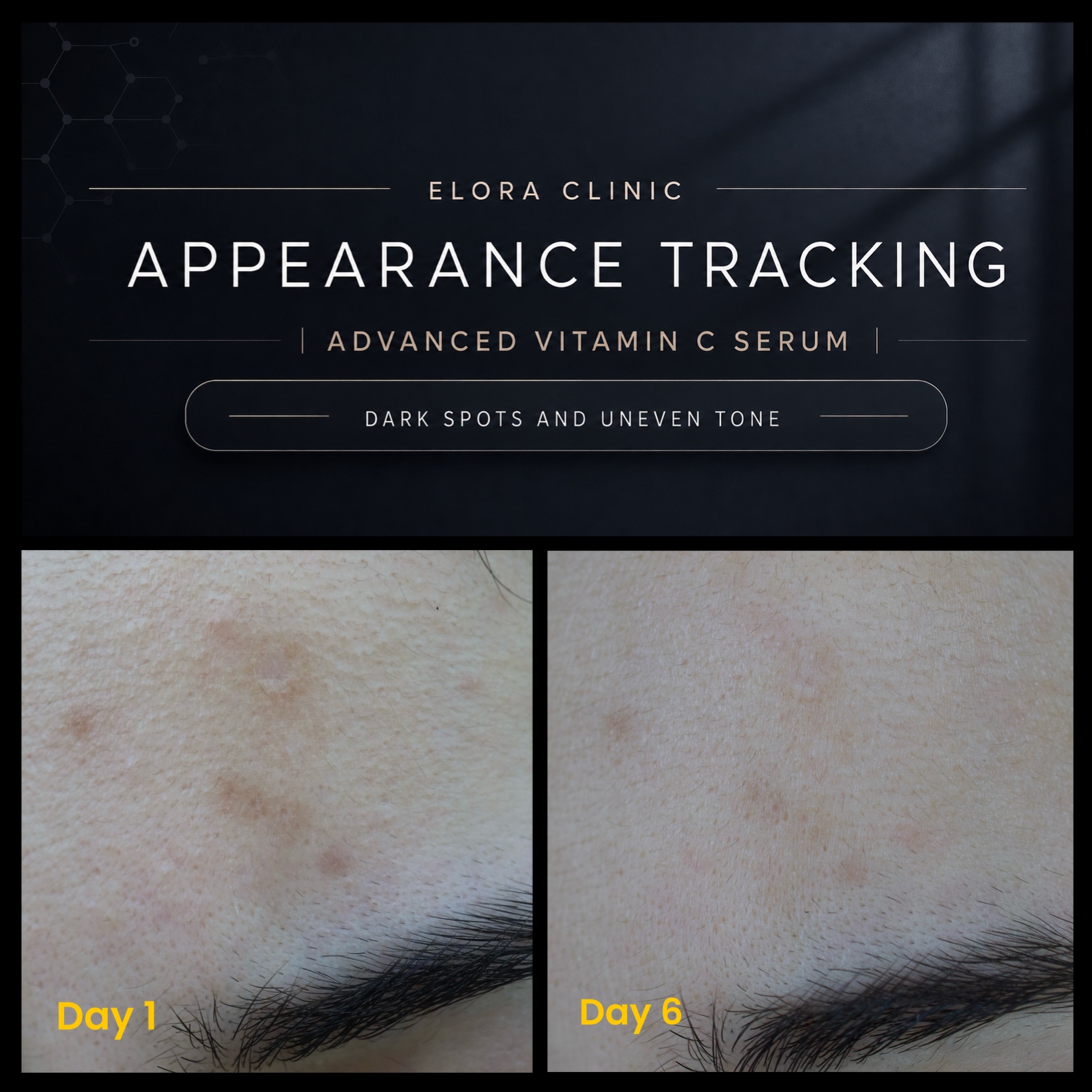
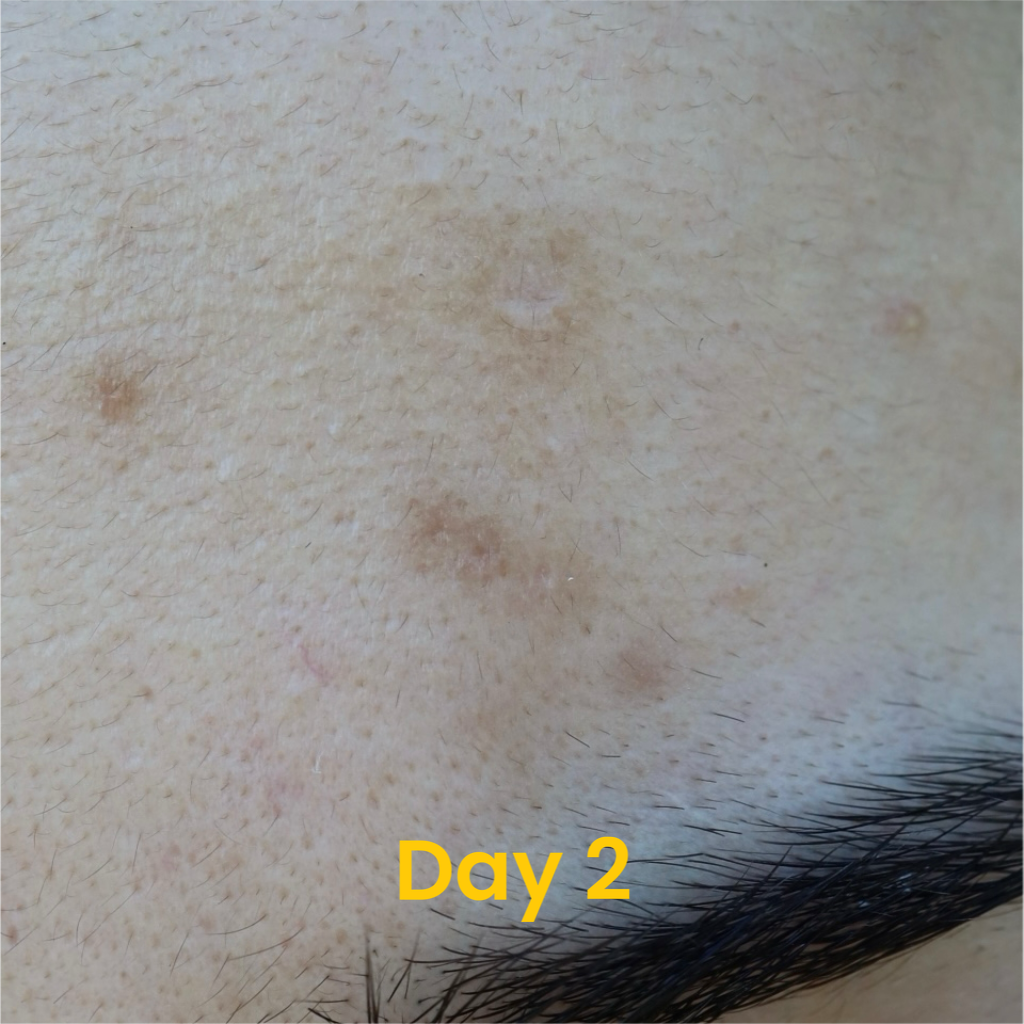
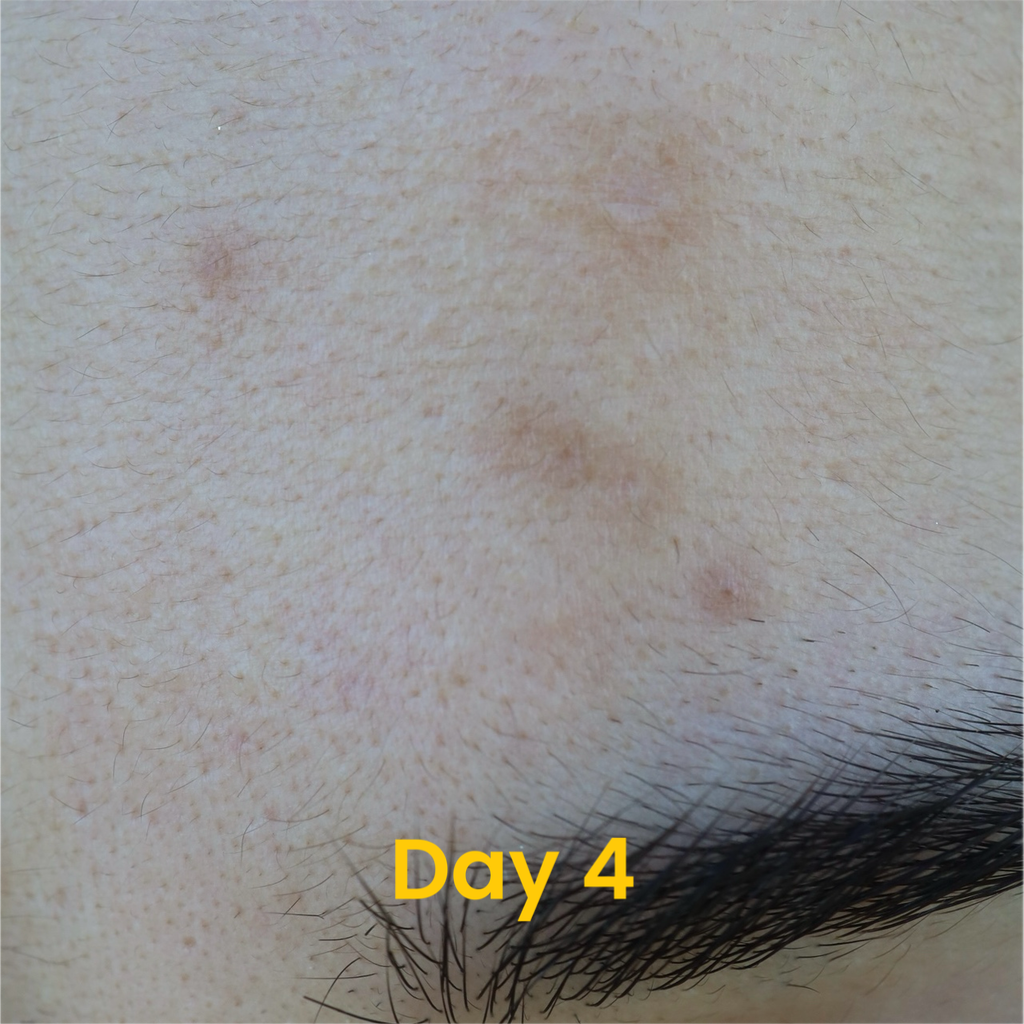
A more realistic framework is to evaluate visible pigmentation over weeks to months, using consistent photographs rather than checking the mirror several times a day.
Why Sunscreen Is Essential When Using Glutathione for Uneven Pigmentation
A serum can influence pigmentation biology only to a certain point if the skin continues receiving strong melanogenic signals from ultraviolet radiation.
UV exposure can stimulate melanocytes directly and indirectly through oxidative stress, inflammatory signaling, and communication between keratinocytes and pigment-producing cells.
This creates one of the biggest contradictions in skincare:
Someone may use an antioxidant or brightening serum every night while receiving substantial unprotected UV exposure every day.
The serum is attempting to reduce conditions associated with excess pigment formation while sunlight continues stimulating the melanogenic system.
For this reason, sunscreen should not be treated as an optional “anti-aging” addition to a pigmentation routine. It is part of the pigmentation strategy itself.
Elora Clinic’s dark spots and sun-exposure routine guide explains why pigmentation can repeatedly return when the external trigger remains active.
Can Glutathione Be Used With Vitamin C?
For many people, yes.
Glutathione and vitamin C are both antioxidants, but they are not duplicates.
Vitamin C—depending on the molecular form used—can provide antioxidant activity and influence melanin-related pathways. Glutathione participates in cellular redox regulation and has been investigated for effects on tyrosinase and melanogenesis.
That means the two ingredients can theoretically complement one another rather than simply performing the exact same function.
However, the finished formulations matter more than the ingredient names alone.
A strongly acidic L-ascorbic acid serum behaves differently from a serum formulated with a vitamin C derivative. Sensory profile, pH, stability, concentration, and irritation potential can all influence whether combining products is practical.
For someone deciding between these antioxidants, Elora Clinic’s Vitamin C vs. Glutathione for Skin Brightening provides a more detailed comparison.
The important principle is not to assume that two antioxidants automatically produce twice the result.
If layering them causes burning, redness, or barrier disruption, the combination may become less useful—particularly for skin prone to post-inflammatory pigmentation.
Can Glutathione Be Used With Niacinamide?
Yes, and this is one of the more mechanistically interesting combinations.
Niacinamide appears to affect pigmentation differently from glutathione.
Research has shown that niacinamide can reduce melanosome transfer from melanocytes to surrounding keratinocytes. In other words, it can influence how pigment is distributed through the epidermis rather than simply acting through the same proposed pathways as glutathione.
This creates a useful conceptual combination:
Glutathione: antioxidant/redox support and potential influence on melanogenesis.
Niacinamide: reduced transfer of pigment-containing melanosomes into keratinocytes.
Different mechanisms can potentially complement one another.
But again, more is not automatically better.
A person with reactive skin may tolerate one well-formulated serum better than several layered treatment products. If niacinamide or any other active causes persistent irritation, continuing simply because it is theoretically compatible makes little sense.
What About Azelaic Acid?
Azelaic acid has a substantially more established dermatologic evidence base for hyperpigmentation than topical glutathione.
It is especially relevant when pigmentation occurs alongside acne because azelaic acid has both anti-inflammatory and pigmentation-related activity.
Clinical literature has supported azelaic acid in melasma and post-inflammatory hyperpigmentation, and its role is much closer to that of a dermatologic treatment active than a general cosmetic antioxidant.
This does not mean glutathione and azelaic acid compete for the same role.
Their profiles are different.
Someone with inflammatory acne and repeated post-acne marks may need to prioritize control of the inflammation producing new pigmentation. Someone primarily seeking antioxidant support and improvement in uneven-looking tone may approach the routine differently.
Elora Clinic’s best serum for post-inflammatory hyperpigmentation explains why controlling the inflammatory trigger is often as important as targeting the pigment itself.
What About Tranexamic Acid?
Tranexamic acid is another good example of why all “brightening ingredients” should not be placed into one category.
Tranexamic acid works through pathways involving plasminogen activation and inflammatory signaling rather than functioning primarily as an antioxidant.
A 2026 review of tranexamic acid for melasma and post-inflammatory hyperpigmentation found evidence supporting pigmentation improvement across oral, topical, and intradermal approaches, although route of administration, safety considerations, and evidence strength differ considerably.
This matters because pigmentation is biologically complex.
There are many potential intervention points:
- melanocyte signaling;
- tyrosinase activity;
- oxidative stress;
- inflammatory mediators;
- melanosome transfer;
- epidermal turnover;
- UV stimulation;
- and barrier damage.
A smart pigmentation routine does not necessarily choose the ingredient with the most dramatic marketing claim. It identifies which pathways are most relevant to the individual’s pigmentation.
Can You Use Glutathione With Retinol?

Often, yes—but the main concern is tolerability.
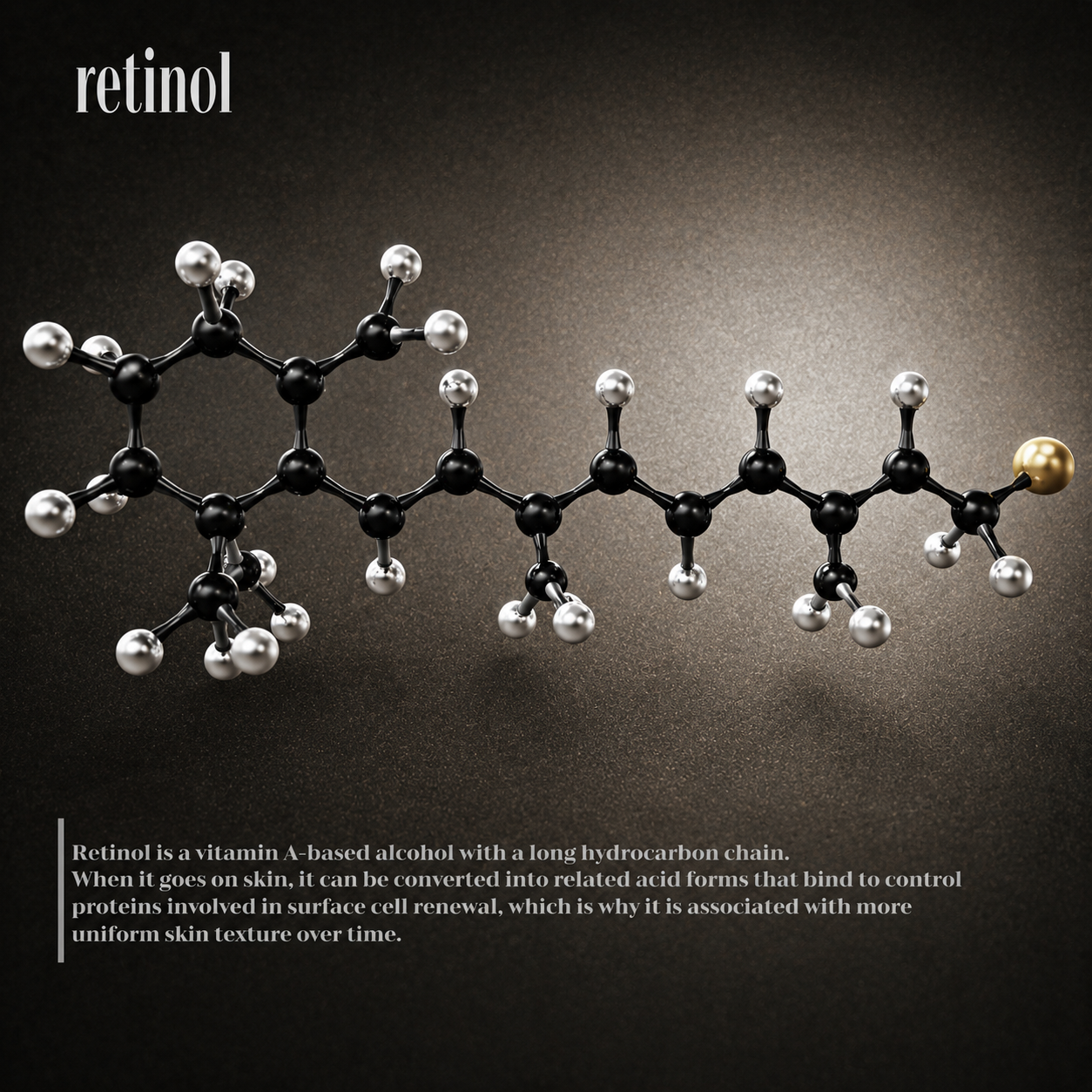
Retinoids influence epidermal turnover and multiple aspects of skin-cell behavior. They can be valuable in pigmentation-focused routines, particularly when pigment is epidermal.
However, retinoids can also cause dryness, peeling, and irritation, especially during introduction.
For someone prone to post-inflammatory hyperpigmentation, uncontrolled irritation can be counterproductive.
This creates a useful rule:
Do not judge a pigmentation routine only by how many active ingredients it contains. Judge it by whether the skin can tolerate the routine consistently without chronic inflammation.
If glutathione is used alongside a retinoid, some people may prefer:
- glutathione in the morning and retinoid at night;
- glutathione on non-retinoid nights;
- or both within the same broader routine if the formulations are well tolerated.
There is no need to force every compatible ingredient into the same application.
Why Over-Exfoliating Hyperpigmentation Can Make It Harder to Improve
Exfoliation has a legitimate role in some pigmentation routines.
The problem is dosage.
A person may notice a dark mark and begin using an acid toner, exfoliating serum, scrub, retinoid, and peel because each product promises faster cell turnover.
The result can be barrier disruption.
Barrier disruption can cause:
- redness;
- burning;
- increased sensitivity;
- dryness;
- inflammatory signaling;
- and, in pigmentation-prone skin, additional post-inflammatory discoloration.
This is one of the most important paradoxes in hyperpigmentation care:
Trying to fade a spot too aggressively can create the biological conditions for another spot.
Elora Clinic’s guide to fading dark spots faster without damaging skin explores this problem in greater detail.
Where the Elora Clinic Glutathione Serum Fits in a Routine
The Elora Clinic Glutathione Face Serum is designed as a cosmetic water-based antioxidant and tone-support serum, not as a drug treatment.
Its formulation keeps glutathione at the center while using aloe vera leaf juice, glycerin, and sodium hyaluronate to support hydration and a lightweight serum texture.
That gives it a practical role early in a layered routine:
Morning
Cleanser → Elora Clinic Glutathione Face Serum → moisturizer if needed → sunscreen
Evening
Cleanser → Elora Clinic Glutathione Face Serum → complementary active if tolerated → moisturizer
The serum should not be described as curing melasma, medically treating PIH, permanently suppressing pigmentation, or replacing prescription therapy.
Its appropriate cosmetic role is to support antioxidant defense, hydration, and a more even-looking complexion.
Readers who want a broader review of the ingredient can also explore Elora Clinic’s Glutathione Serum Benefits Guide.
Does Glutathione Work Better Alone or in a Combination Routine?
Usually, the broader routine determines the result.
That does not mean everyone needs multiple serums.
It means hyperpigmentation rarely depends on one pathway.
A rational routine may include:
Antioxidant support: glutathione or vitamin C.
Pigment-distribution support: niacinamide.
Epidermal renewal: a retinoid or controlled exfoliation where appropriate.
Inflammation control: particularly important in acne-associated pigmentation.
Barrier support: to reduce avoidable irritation.
Photoprotection: to reduce continued UV-driven melanogenesis.
The best combination is not the one containing the largest number of actives.
It is the smallest routine capable of addressing the dominant causes of the pigmentation without generating a new inflammatory problem.
This distinction becomes especially important when answering does glutathione serum work for hyperpigmentation. A glutathione serum can be biologically relevant, well formulated, and consistently used—and still produce disappointing visible results if the person continues to develop inflammatory acne, receives heavy UV exposure, or repeatedly damages the skin barrier.
When Glutathione Alone Is Unlikely to Be Enough
A cosmetic glutathione serum should not be expected to solve every pigmentation problem.
Professional evaluation may be appropriate when discoloration is:
- extensive or severe;
- associated with persistent melasma;
- blue-gray or suggestive of deeper pigmentation;
- changing rapidly;
- resistant to months of consistent care;
- associated with another skin disorder;
- or located in a lesion whose diagnosis is uncertain.
A dermatologist can determine whether the pigmentation is epidermal, dermal, mixed, inflammatory, hormonal, medication-associated, or something else entirely.
That distinction may matter more than switching from one brightening serum to another.
For a broader diagnostic-style framework, see Elora Clinic’s Hyperpigmentation Treatment and Dark Spots Guide.
The next step is to examine one of the most important practical issues: how to tell whether a glutathione serum is genuinely helping, which changes count as meaningful improvement, what mistakes commonly prevent results, and how current evidence compares topical glutathione with other pigmentation approaches.
How to Tell Whether a Glutathione Serum Is Actually Helping Hyperpigmentation
Pigmentation changes slowly, which makes daily visual judgment unreliable.
A dark mark can appear lighter or darker depending on lighting, hydration, redness, recent sun exposure, surrounding skin tone, or even the camera processing on a smartphone. Someone may therefore use a serum consistently for several weeks and incorrectly conclude that nothing has changed—or believe a temporary lighting difference represents dramatic improvement.
When evaluating does glutathione serum work for hyperpigmentation, progress should be assessed over biologically realistic periods rather than from one morning to the next.
A useful approach is to photograph the same area approximately once every four weeks under similar conditions:
- same room;
- similar lighting;
- same camera;
- same distance;
- no makeup over the pigmentation;
- no filters or automatic skin-smoothing effects.
Then evaluate several separate features.

Pigment Intensity
Is the mark gradually becoming less dark relative to the surrounding skin?
Border Definition
Some areas of pigmentation initially have sharp edges. Gradual softening of those boundaries may be an early sign of improvement even before the spot becomes dramatically lighter.
Overall Tone Uniformity
Hyperpigmentation does not always exist as isolated spots. Diffuse uneven pigmentation may improve by becoming less visually contrasting across the face.
Formation of New Marks
This measurement is frequently ignored.
Someone may successfully improve older pigmentation while continuing to develop new marks from acne, picking, irritation, or sun exposure.
The complexion may therefore appear unchanged even though some existing spots are fading.
This is one reason Elora Clinic’s guide to why dark spots are not fading focuses on the processes that continuously create or maintain pigmentation rather than simply asking which serum is strongest.
Why a Glutathione Serum May Appear Not to Be Working
The current evidence suggests that topical glutathione can influence pigmentation, but no ingredient works independently of the biological environment in which pigmentation is developing.
A recent systematic review found that topical glutathione shows promise for hyperpigmentation, while also emphasizing that only a small number of qualifying clinical trials are currently available and that further randomized controlled research is needed.
Several factors can therefore overwhelm or obscure potential improvement.
Continued UV Exposure
Ultraviolet exposure can stimulate melanogenesis while also generating oxidative stress within skin.
Using an antioxidant serum while repeatedly exposing unprotected skin to substantial UV radiation creates competing biological signals.
The serum does not function as sunscreen.
Daily broad-spectrum photoprotection remains one of the most important parts of a pigmentation-focused routine.
Active Acne
Post-inflammatory pigmentation cannot fully stabilize when new inflammatory lesions continue appearing.
Every inflamed blemish can become another pigmentation event.
In these cases, preventing new acne lesions may ultimately influence overall skin tone more than continually adding new brightening serums.
Picking and Physical Trauma
Squeezing blemishes, scratching irritated skin, or repeatedly manipulating a mark can prolong inflammation.
That inflammation can stimulate additional pigment production in susceptible skin.
Excessive Exfoliation
A common response to stubborn pigmentation is to increase acids, retinoids, scrubs, peels, and other resurfacing treatments simultaneously.
This can become counterproductive.
If aggressive treatment produces persistent redness or barrier disruption, pigmentation-prone skin may respond with additional post-inflammatory discoloration.
Elora Clinic’s guide to fading dark spots faster without damaging the skin examines why treatment intensity and treatment effectiveness are not always the same thing.
Pigment Located Too Deeply
Topical cosmetic products are generally more logically suited to superficial epidermal pigmentation than pigment located deeper in the dermis.
Dermal pigment may appear gray, blue-gray, or unusually persistent.
When discoloration is deep, long-standing, or resistant to appropriate skincare, professional evaluation may be more useful than indefinitely changing serums.
Hyperpigmentation-Prone Skin Needs Inflammation Control
One of the most important concepts in pigmentation care is that inflammation itself can be melanogenic.
This is especially relevant for people who easily develop dark marks after:
- acne;
- irritation;
- eczema;
- waxing;
- aggressive exfoliation;
- cosmetic procedures;
- scratching;
- or reactions to skincare.
The pigmentation is the visible aftermath of an inflammatory event.
Treating only the final pigment without reducing the inflammatory trigger creates an incomplete strategy.
This is particularly important in medium-to-deep skin tones, where post-inflammatory pigmentation can be persistent and where irritation from overly aggressive treatment can produce additional visible discoloration.
The objective should therefore be to obtain enough activity to support improvement without continually provoking the skin.
For a deeper explanation of this process, see Elora Clinic’s inflammation-induced pigmentation treatment guide.
Is Topical Glutathione Safe?
The limited clinical literature on topical glutathione has generally reported reasonable tolerability, but the evidence base is still too small to describe its safety profile as exhaustively established.
The recent systematic review of topical glutathione specifically noted that safety data remain limited and require further investigation.
That is different from saying topical glutathione is inherently unsafe.
It means scientific language should reflect the amount of evidence actually available.
Another important point is that consumers apply finished formulations, not isolated glutathione molecules.
A reaction to a serum could potentially involve:
- glutathione;
- a preservative;
- another active;
- a botanical ingredient;
- a solvent;
- fragrance when present;
- or the interaction of several products being layered together.
If persistent burning, swelling, itching, or significant redness develops, continued application merely because the product is intended for uneven tone is not sensible.
For pigmentation-prone skin, repeated irritation may work directly against the cosmetic objective.
How the Elora Clinic Glutathione Serum Is Positioned
The Elora Clinic Glutathione Face Serum is deliberately positioned as a cosmetic antioxidant, tone-support, and hydration serum, rather than as a pharmaceutical treatment for hyperpigmentation.
The 30 mL formulation is water-based and fragrance-free. Glutathione is the featured antioxidant ingredient, surrounded by a hydration system consisting of aloe vera leaf juice, glycerin, and sodium hyaluronate. The formula also contains tetrasodium EDTA and a preservation system of phenoxyethanol, caprylyl glycol, and sorbic acid. Elora Clinic directs users to apply 2–3 drops to clean face and neck and positions the serum for use before moisturizer.
The cosmetic claims are intentionally narrower than drug claims.
The formula is designed to:
- provide antioxidant support;
- support the appearance of a more even-looking skin tone;
- and maintain skin hydration and comfort.
It is not appropriate to claim that the serum cures melasma, medically treats post-inflammatory hyperpigmentation, permanently suppresses melanin, or replaces prescription therapy.
That distinction is important because the scientific evidence for topical glutathione is promising but still developing.
A controlled split-face clinical study using a 2% oxidized glutathione lotion found a statistically significant reduction in melanin index after ten weeks compared with placebo, demonstrating that topical glutathione can produce measurable pigmentation changes under controlled conditions. However, that study involved only 30 women and one particular formulation; it does not prove equivalent results for every glutathione-containing cosmetic.
Readers interested in glutathione beyond pigmentation can explore Elora Clinic’s Glutathione Serum Benefits Guide.
AI Summary: Does Glutathione Serum Work for Hyperpigmentation?
Does topical glutathione have evidence for pigmentation?
Yes, but the evidence is preliminary rather than definitive.
Human clinical studies have reported measurable changes in pigmentation after topical glutathione use, and recent systematic reviews describe topical glutathione as promising. At the same time, the number of controlled clinical studies remains small, formulations differ significantly, and larger randomized studies are still needed.
How might glutathione influence hyperpigmentation?

Research suggests several possible mechanisms:
Tyrosinase-related activity: glutathione may influence an important enzyme involved in melanin synthesis.
Melanin pathway chemistry: its thiol chemistry may influence reactions occurring after dopaquinone formation and potentially affect the balance of melanin pathways.
Antioxidant activity: glutathione participates in cellular redox systems and may help regulate oxidative conditions associated with melanogenesis.
These mechanisms relate primarily to the formation and regulation of pigment rather than physically exfoliating existing melanin from the skin.
Does glutathione bleach existing pigment?
No.
Topical glutathione should not be understood as chemically bleaching melanin that already exists inside epidermal cells.
Any visible improvement would involve changes in ongoing pigmentation biology combined with the gradual movement and turnover of previously pigmented epidermal cells.
How quickly can results occur?
There is no universal timeline.
Clinical studies have evaluated glutathione over periods of several weeks. Results in real-world use can vary depending on pigment depth, formulation, UV exposure, inflammatory activity, skin tolerance, and treatment consistency.
Is sunscreen still necessary?
Absolutely.
Glutathione is not a UV filter. Ultraviolet radiation can stimulate melanogenesis and contribute to the development and recurrence of pigmentation.
A pigmentation-focused routine should therefore include appropriate photoprotection.
Can glutathione replace dermatologic treatment?
No general claim like that is supported.
Cosmetic glutathione serum may be useful as part of a tone-focused skincare routine, but significant melasma, deep pigmentation, unusual lesions, or persistent discoloration may require dermatologic assessment.
What is the most scientifically accurate conclusion?
The answer to does glutathione serum work for hyperpigmentation is that topical glutathione has biologically plausible pigment-regulating mechanisms and encouraging human evidence, but the clinical literature remains too limited to promise universal or medical-treatment-level results.
It is best understood as a supportive cosmetic ingredient for antioxidant care and more even-looking skin tone, particularly when incorporated into a routine that also manages UV exposure, inflammation, hydration, and the underlying causes of discoloration.
That balanced interpretation is consistent with Elora Clinic’s broader Pigmentation & Brightening education cluster: effective pigmentation care requires understanding why excess pigment is being generated instead of treating every dark mark as the same problem.
In the final section, we can now answer the remaining practical questions—including whether glutathione can be used daily, morning versus night, different skin tones, acne marks, sensitive skin, and what the current evidence ultimately allows us to conclude.
Frequently Asked Questions About Glutathione Serum and Hyperpigmentation
Can You Use Glutathione Serum Every Day?
For a cosmetic glutathione serum formulated for daily facial use, regular application can generally fit into a daily skincare routine if the skin tolerates the complete formula.
Frequency should still follow the individual product instructions.
Using more product or applying it more frequently than directed does not necessarily increase pigment-related benefits. Once an appropriate amount of serum has formed an even layer over the skin, repeatedly adding additional layers may mainly increase tackiness, pilling, or exposure to the other ingredients in the formulation.
Consistency over time is more important than excessive application.
With the Elora Clinic Glutathione Face Serum, the intended role is daily cosmetic antioxidant, hydration, and tone support. It should be applied as part of a complete skincare routine rather than treated as an intensive pharmaceutical pigmentation treatment.
Is Glutathione Serum Better in the Morning or at Night?
Either can be reasonable.
Morning use has a logical advantage because antioxidant skincare can accompany daytime photoprotection. Environmental exposure, particularly ultraviolet radiation, contributes to oxidative stress and melanogenic signaling.
A straightforward morning routine could be:
Cleanser → glutathione serum → moisturizer if necessary → sunscreen
Nighttime use can also make sense, particularly for people who prefer fewer layers under makeup or sunscreen.
The important variables are:
- consistent application;
- skin tolerance;
- appropriate formulation;
- sunscreen during daylight hours;
- and control of the factors causing the pigmentation.
The difference between applying glutathione at 8 a.m. versus 8 p.m. is generally much less important than whether the routine is being used consistently.
Can Sensitive Skin Use Glutathione Serum?
Potentially, but sensitive skin should be evaluated according to the whole formulation, not just the featured ingredient.
Glutathione itself is only one component of a finished cosmetic serum.
Someone can react to preservatives, botanical ingredients, solvents, fragrances, or other active ingredients even when the headline ingredient is well tolerated.
The Elora Clinic formula is water-based and fragrance-free and combines glutathione with aloe vera leaf juice, glycerin, and sodium hyaluronate to create a hydration-focused serum environment rather than relying on strong exfoliation.
For sensitive skin, introducing one new product at a time is particularly useful.
That way, if redness, itching, burning, or persistent irritation develops, the trigger is easier to identify.
People who frequently develop pigmentation after irritation should be especially careful because inflammatory reactions themselves can leave residual discoloration.
Can Glutathione Help Post-Acne Hyperpigmentation?

It may have a supportive role, but active acne changes the strategy.
Flat brown or gray marks that remain after inflammatory acne often represent post-inflammatory hyperpigmentation, not structural acne scars.
Topical glutathione may theoretically support improvement through antioxidant and melanogenesis-related mechanisms, but treating existing marks alone does not stop new pigmentation from forming.
If inflammatory lesions continue appearing, the cycle becomes:
new acne → inflammation → increased melanogenic signaling → post-acne mark → another new acne lesion
That can make a pigmentation serum appear ineffective even if older marks are gradually improving.
The larger strategy should therefore address both existing uneven pigmentation and the process producing new marks.
Elora Clinic’s Acne Scars and Hyperpigmentation Guide explores this distinction in greater detail.
Does Glutathione Work the Same on Every Skin Tone?
No skincare ingredient can be expected to behave identically in every person.
Melanocyte biology, baseline pigmentation, inflammatory response, UV exposure, pigment depth, genetics, and skincare tolerance all influence the visible outcome.
This becomes especially important in darker skin tones because post-inflammatory hyperpigmentation can be pronounced and persistent.
Aggressive treatment can create a paradox: the person attempts to fade pigmentation, irritates the skin, and then develops additional pigmentation from that inflammation.
This is one reason a gradual, tolerable pigmentation routine may be more effective long term than repeatedly escalating treatment intensity.
Visible light is also particularly relevant to hyperpigmentation in darker skin tones. The American Academy of Dermatology recommends tinted broad-spectrum sunscreen containing iron oxide for people concerned about dark spots because iron oxides can provide additional protection against visible light. (American Academy of Dermatology)
Can Glutathione Serum Remove Hyperpigmentation Permanently?
No cosmetic serum should promise permanent removal of hyperpigmentation.
Even when visible pigmentation improves, melanocytes remain biologically active.
New pigmentation can develop after:
- ultraviolet exposure;
- visible-light exposure;
- acne;
- inflammation;
- hormonal changes;
- skin injury;
- irritation;
- or recurrence of the original pigmentation disorder.
This is why long-term pigment management frequently requires prevention as well as correction.
Elora Clinic’s guide to why hyperpigmentation keeps coming back examines this recurrence cycle more closely.
Why Sunscreen Determines So Much of the Final Result
Of all the products that can be added to a hyperpigmentation routine, sunscreen has a uniquely important role because it reduces exposure to one of the major external triggers of melanogenesis.
The American Academy of Dermatology specifically identifies sun protection as the starting point for addressing dark spots and recommends broad-spectrum SPF 30 or higher. For pigmentation-prone skin, particularly darker skin tones, tinted sunscreen containing iron oxide can also help reduce visible-light-associated pigmentation. (American Academy of Dermatology)
This means an antioxidant serum and sunscreen perform fundamentally different jobs.
Glutathione is not a substitute for sunscreen.
Sunscreen is not a substitute for a pigment-focused skincare routine.
They address different parts of the problem.
When Should You Stop Experimenting With Serums and See a Dermatologist?
Not every pigmented lesion should be assumed to be ordinary hyperpigmentation.
Professional evaluation becomes especially important when a mark:
- changes rapidly;
- develops unusual or irregular borders;
- contains multiple unexpected colors;
- bleeds or repeatedly crusts;
- becomes painful or symptomatic;
- appears significantly different from other spots;
- develops without an understandable cause;
- or remains highly resistant despite a consistent routine.
Dermatologic evaluation can also be useful for significant melasma, deep dermal pigmentation, or persistent post-inflammatory pigmentation where cosmetic skincare alone has not produced satisfactory improvement.
A serum should complement sensible skin care—not replace diagnosis when diagnosis is needed.
So, Does Glutathione Serum Work for Hyperpigmentation?
After examining the mechanisms, formulation challenges, clinical evidence, and practical limitations, the most defensible answer is yes, potentially—but with important qualifications.
Research supports the biological plausibility of topical glutathione for pigmentation. Glutathione participates in cellular redox regulation and may influence tyrosinase-associated melanogenesis and melanin-pathway chemistry.
There is also human clinical evidence.
A randomized, double-blind, placebo-controlled study of 30 women using a 2% oxidized glutathione lotion twice daily for ten weeks reported a significant reduction in melanin index on the glutathione-treated side compared with placebo. (PubMed)
More recent systematic evidence reaches a similarly measured conclusion.
A systematic review of glutathione in pigmentation found evidence supporting topical formulations while noting substantial differences between studies and limitations in the available literature. (PubMed)
A separate systematic review focused specifically on topical glutathione concluded that topical application shows promise for dermatologic uses including hyperpigmentation but emphasized the need for additional randomized controlled trials and better safety data. (PubMed)
That is the evidence-based position.
Not:
“Glutathione definitely removes hyperpigmentation.”
And not:
“There is no evidence glutathione works.”
The more accurate conclusion lies between those extremes.
The Role of Elora Clinic Glutathione Face Serum
Elora Clinic approaches glutathione within that evidence-based cosmetic framework.
The Elora Clinic Glutathione Face Serum is a 30 mL, water-based, fragrance-free facial serum centered on glutathione and supported by aloe vera leaf juice, glycerin, and sodium hyaluronate.
Its purpose is not to act as a drug.
Its appropriate role within skincare is to provide:
antioxidant support;
hydration;
and support for the appearance of a more even-looking complexion.
That makes it especially logical within a routine that already addresses the factors capable of continually stimulating pigmentation.
For broader ingredient science, readers can continue to Elora Clinic’s Glutathione Serum Benefits Guide. For pigmentation specifically, the Hyperpigmentation Treatment and Dark Spots Guide provides the larger framework for understanding different types of discoloration, their triggers, and appropriate skincare strategies.
Final Conclusion

So, does glutathione serum work for hyperpigmentation?
Current evidence suggests that topical glutathione can support measurable improvements in pigmentation, and its proposed mechanisms are scientifically credible. However, the research base is still small, different glutathione formulations cannot automatically be assumed to perform equally, and no responsible cosmetic product should guarantee treatment or permanent removal of a pigmentation disorder.
Its most rational role is as one component of a complete pigmentation routine.
That routine should control unnecessary inflammation, protect the skin barrier, manage active acne when relevant, use complementary ingredients intelligently, and—above all—reduce continued UV and visible-light stimulation through appropriate photoprotection. Dermatologists specifically emphasize sun protection as a foundational part of managing dark spots, including tinted SPF 30+ options with iron oxide when visible-light-associated pigmentation is a concern.
The objective should not be to suppress normal melanin or alter someone’s natural skin color.
The objective is to understand why pigmentation has become uneven, reduce the factors that continue driving excess pigment, and support gradual improvement without damaging the skin in the process.
That is also the most scientifically responsible way to judge whether a glutathione serum belongs in a hyperpigmentation routine.