















How to Treat Hyperpigmentation and Dark Spots Safely: A Science-Backed Skincare Guide

Hyperpigmentation is one of the most common — and frustrating — skin concerns. Dark spots, uneven tone, and post-acne marks can linger for months or even years if treated incorrectly. Hyperpigmentation treatment is not just one single solution.
The good news? Hyperpigmentation is treatable when you understand why it happens and which ingredients actually work — without damaging your skin barrier.
This guide explains:
- What causes hyperpigmentation
- The safest, most effective ingredients to use
- How to fade dark spots without irritation
- How to build a routine that delivers long-term results
What Is Hyperpigmentation?
Hyperpigmentation occurs when excess melanin is produced in certain areas of the skin, leading to darkened patches or spots.
Common forms include:
- Post-inflammatory hyperpigmentation (PIH)
- Sun spots (solar lentigines)
- Melasma
- Uneven skin tone from irritation or over-exfoliation
Unlike acne, hyperpigmentation is not a surface problem — it’s a cellular response involving melanocytes and inflammation.
What Causes Dark Spots and Uneven Skin Tone?
Hyperpigmentation is usually triggered by one or more of the following:
1. Inflammation
Acne, harsh exfoliation, or irritation can signal melanocytes to overproduce pigment.
2. UV Exposure
Sun exposure worsens pigmentation and deepens existing dark spots — even on cloudy days.
3. Oxidative Stress
Free radicals accelerate pigment formation and slow skin repair.
4. Barrier Damage
When the skin barrier is compromised, pigment becomes harder to regulate and correct.
This is why aggressive treatments often backfire, making discoloration worse over time.

Ingredients That Actually Help Fade Hyperpigmentation
Not all brightening ingredients work the same way. The most effective ones target pigmentation without triggering inflammation.
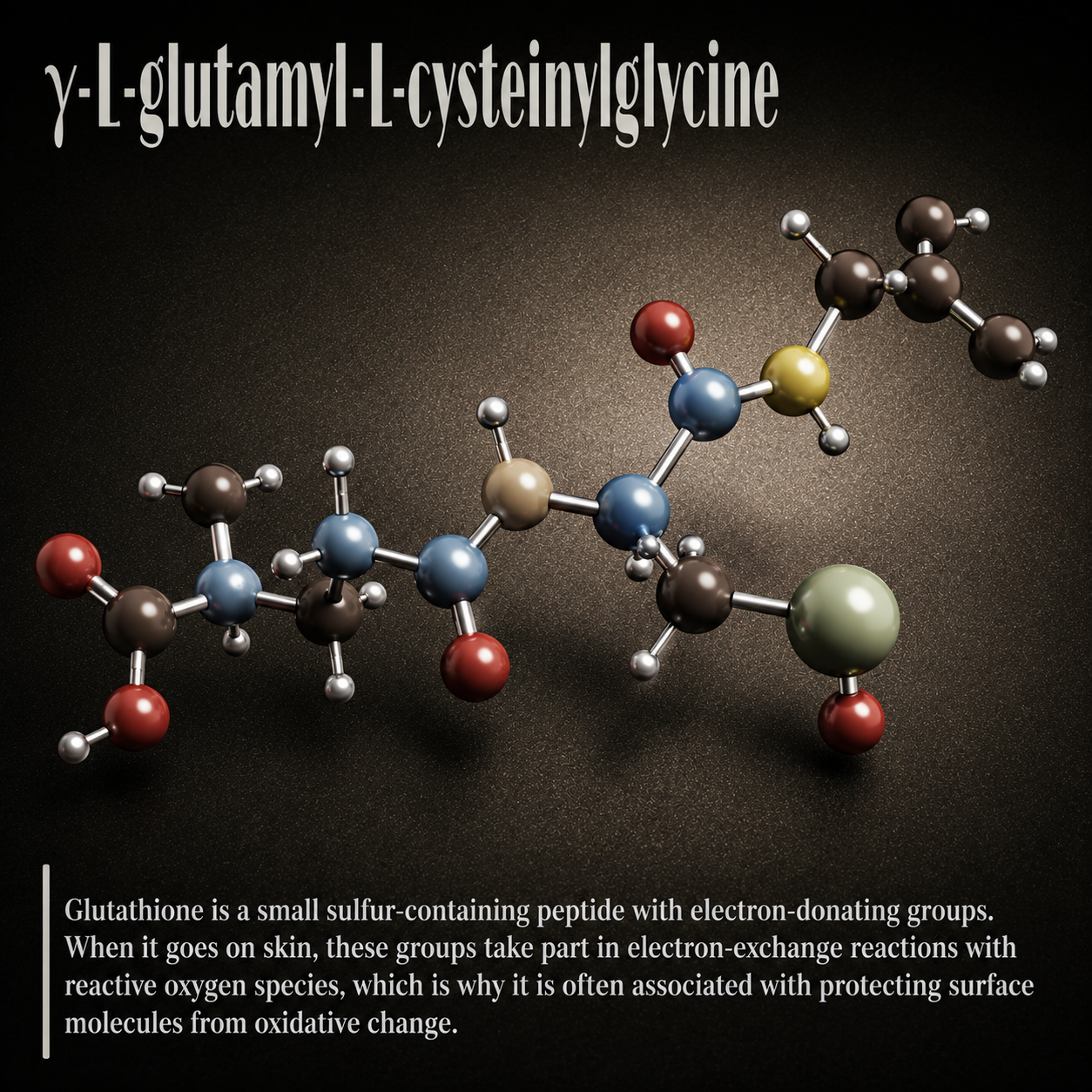
Glutathione
Glutathione is a powerful antioxidant that helps regulate melanin production and reduce oxidative stress. It supports brighter skin while protecting the barrier.
➡️ Internal link suggestion:
Elora Clinic Glutathione Serum
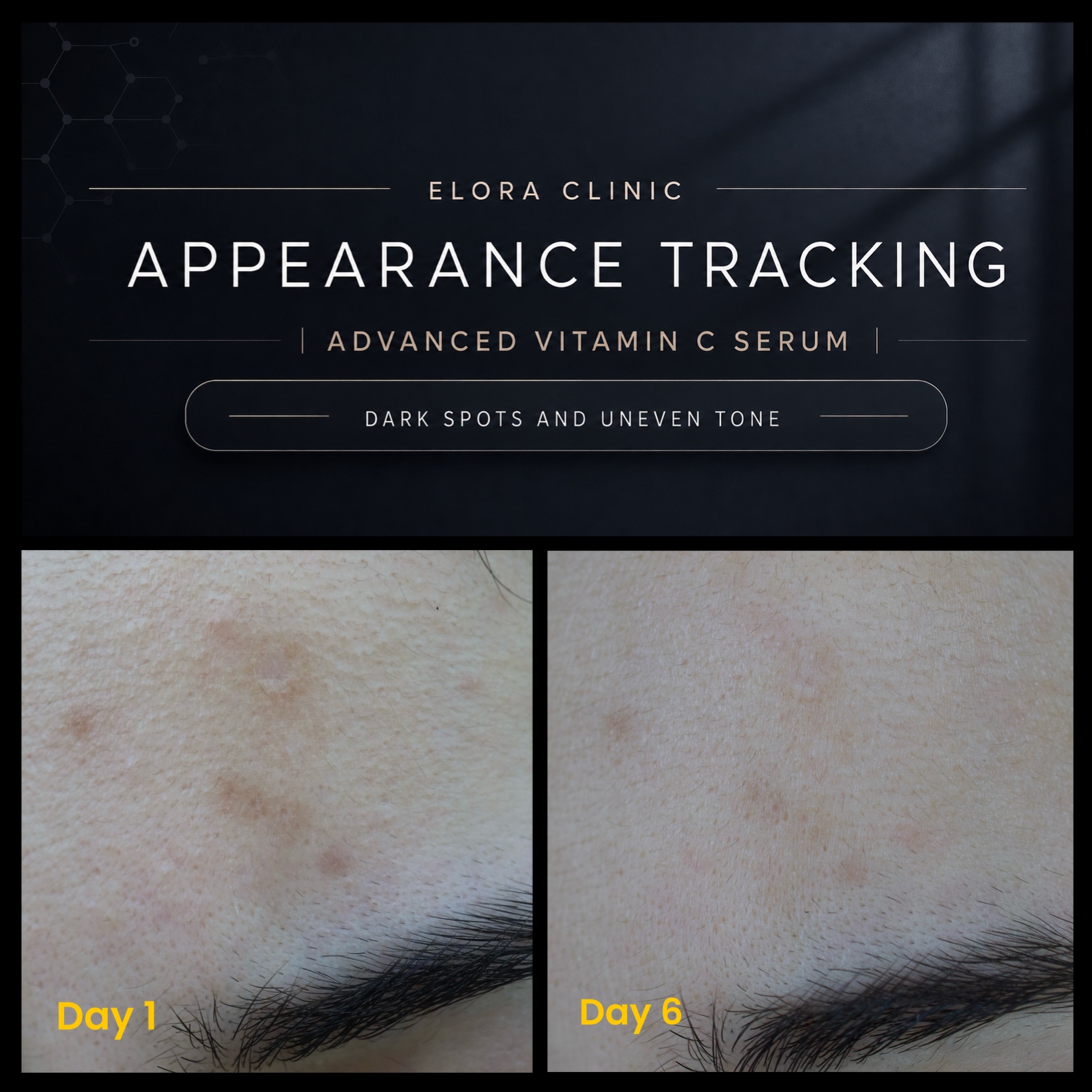
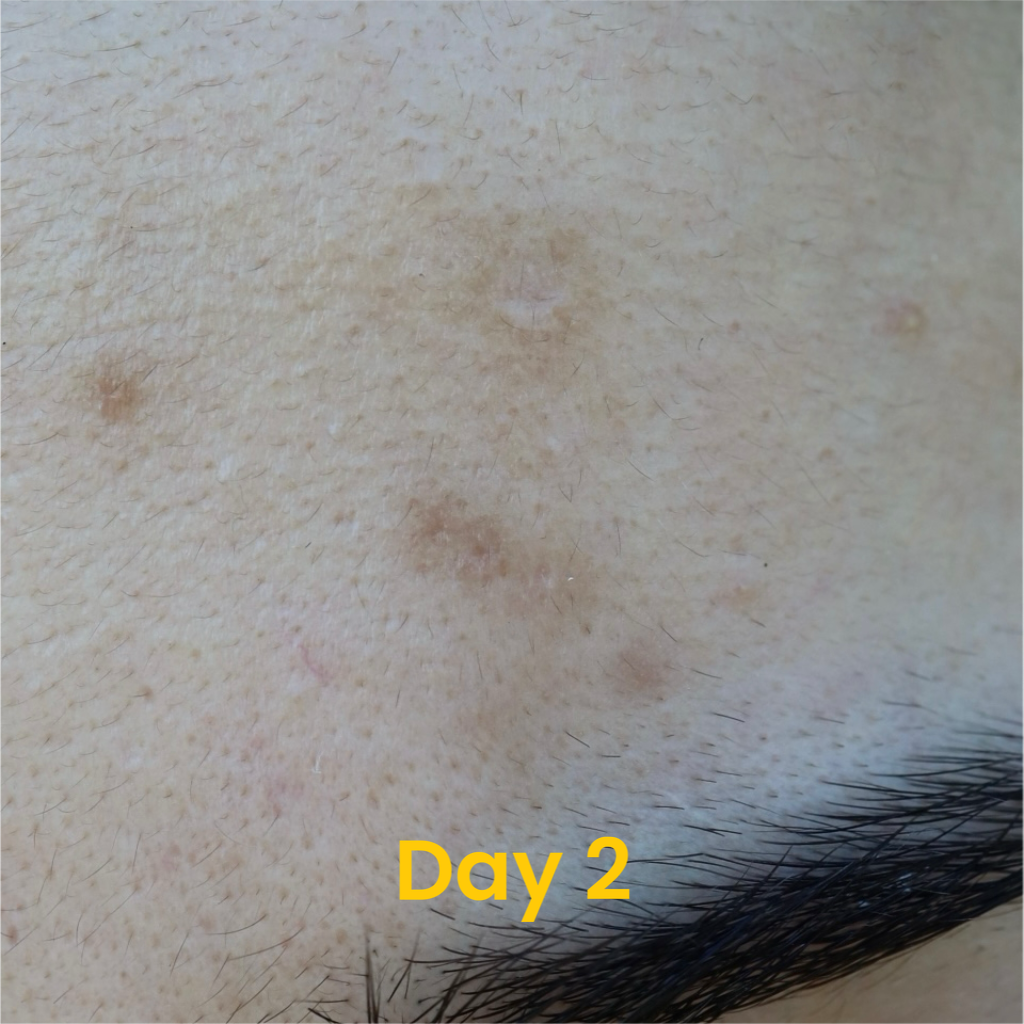
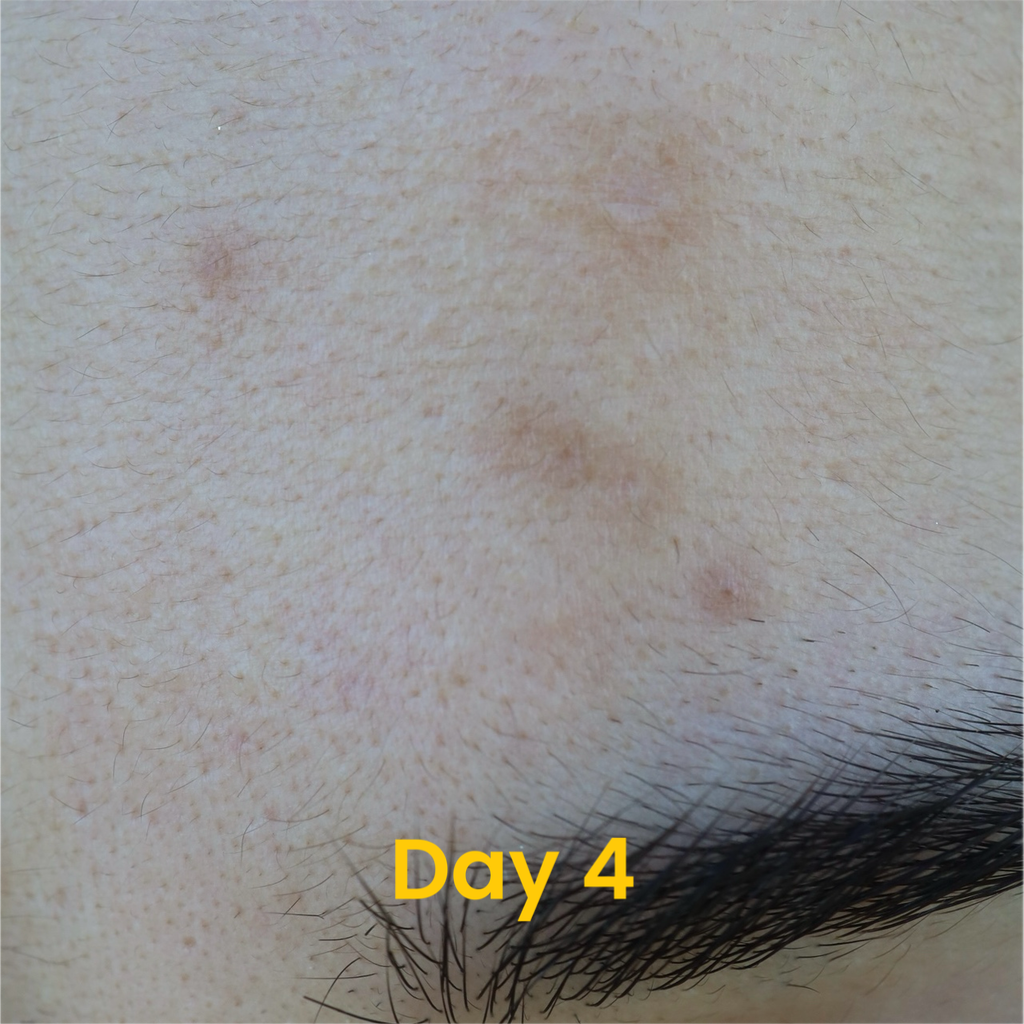
Vitamin C (Stable Forms)
Vitamin C helps:
- Reduce pigment formation
- Brighten existing dark spots
- Defend against UV-induced damage
Stable derivatives are especially important for sensitive or reactive skin.
➡️ Internal link suggestion:
Elora Clinic Vitamin C Serum
Niacinamide
Niacinamide improves uneven tone by:
- Regulating melanosome transfer
- Strengthening the skin barrier
- Reducing inflammation that leads to PIH
➡️ Internal link suggestion:
Elora Clinic Niacinamide Serum
Why Harsh Treatments Often Make Pigmentation Worse
Strong acids, over-peeling, and aggressive exfoliation may fade spots temporarily — but often damage the barrier, leading to rebound pigmentation.
Signs you’re overdoing it:
- Stinging or burning
- Increased redness
- Dark spots becoming more pronounced
- Slow healing
Long-term results require calm, consistent correction, not force.
How to Build a Safe Hyperpigmentation Routine
A pigment-correcting routine should focus on repair + regulation, not stripping.
Morning
- Gentle cleanser
- Antioxidant serum (Vitamin C or Glutathione)
- Moisturizer
- Broad-spectrum SPF (non-negotiable)
Evening
- Cleanser
- Barrier-support serum (Niacinamide or Amino Acids)
- Targeted brightening treatment
- Moisturizer
Consistency matters more than intensity.

Not All Hyperpigmentation Is the Same
One of the most important steps in choosing a safe hyperpigmentation treatment is identifying what type of pigmentation you are actually dealing with.
“Hyperpigmentation” is an umbrella term. Several different processes can create areas of darker skin, and they do not always respond to the same approach.
Post-Inflammatory Hyperpigmentation (PIH)
Post-inflammatory hyperpigmentation develops after inflammation or injury stimulates excess pigment production.
Common triggers include:
- Acne
- Picking or squeezing blemishes
- Eczema or dermatitis
- Burns
- Cuts and abrasions
- Aggressive exfoliation
- Irritating skincare products
- Certain cosmetic procedures
PIH is particularly common and persistent in medium-to-deep skin tones.
Importantly, a flat brown mark left behind after acne is usually pigmentation rather than an acne scar. True acne scars involve structural changes in the skin, such as depressions or raised tissue.
Treating PIH effectively therefore requires two parallel strategies: reducing the existing discoloration while preventing the inflammation responsible for creating new discoloration.
Melasma
Melasma generally appears as broader, often symmetrical patches of brown or gray-brown pigmentation, commonly on the cheeks, forehead, upper lip, and other sun-exposed areas.
Unlike a single post-acne mark, melasma is influenced by several biological factors, including:
- Ultraviolet radiation
- Visible light
- Genetics
- Hormonal influences
- Individual pigment activity
Melasma is also frequently recurrent. This makes daily photoprotection especially important.
Solar Lentigines

Often called sun spots or age spots, solar lentigines are associated with cumulative ultraviolet exposure.
They differ biologically from PIH and melasma and may sometimes respond better to dermatologist-directed procedures than to cosmetic skincare alone.
Why the Distinction Matters
A serum that supports the appearance of post-acne discoloration may not be sufficient for persistent melasma or a true solar lentigo.
Effective hyperpigmentation treatment therefore begins with the cause—not simply the color of the spot.
If a pigmented lesion is new, rapidly changing, irregular, bleeding, painful, or otherwise unusual, it should be evaluated by a qualified healthcare professional rather than treated as ordinary hyperpigmentation.
The Biology of Hyperpigmentation: How Dark Spots Actually Form
Melanin is produced by specialized cells called melanocytes, which are located primarily within the basal layer of the epidermis.
Inside melanocytes are microscopic structures known as melanosomes. These organelles synthesize and store melanin before transferring pigment into surrounding keratinocytes.
One of the central enzymes involved in melanin synthesis is tyrosinase.
This matters because different brightening ingredients intervene at different points in the pigmentation pathway.
Some ingredients influence melanin synthesis.
Others influence the transfer of melanosomes from melanocytes into keratinocytes.
Others primarily reduce oxidative stress, support epidermal turnover, or reduce the inflammation capable of stimulating additional pigment production.
This is why combining several well-chosen mechanisms can make more biological sense than simply applying increasingly strong concentrations of one ingredient.
Inflammation and Pigment Signaling
Inflammation is particularly important in post-inflammatory hyperpigmentation.
When skin becomes inflamed, signaling molecules released within the tissue can stimulate melanocyte activity. Once excess pigment has been deposited, the visible discoloration can persist long after the original pimple, rash, or irritation has disappeared.
This explains an important paradox in pigmentation care:
A treatment can contain a theoretically effective brightening ingredient and still worsen pigmentation if the formulation or routine repeatedly irritates the skin.
For someone prone to PIH, controlling irritation is therefore part of the pigment-correcting strategy itself.
How Different Hyperpigmentation Ingredients Target the Pigment Pathway
There is no single cosmetic ingredient that addresses every mechanism involved in hyperpigmentation.
A better way to understand topical skincare is by asking where each ingredient acts.
Niacinamide: Reducing Melanosome Transfer
Niacinamide has one of the more interesting mechanisms among cosmetic brightening ingredients.
Rather than functioning primarily as a direct tyrosinase inhibitor, research suggests niacinamide can reduce the transfer of melanosomes from melanocytes to surrounding keratinocytes.
Clinical research has also demonstrated improvements in facial hyperpigmentation with topical niacinamide.
This makes niacinamide particularly useful because it can simultaneously support several concerns relevant to pigmentation-prone skin, including barrier function and visible redness.
Read more about niacinamide serum for dark spots and hyperpigmentation and the relationship between niacinamide and facial redness.
Importantly, published evidence for an ingredient should not automatically be interpreted to mean that higher concentrations are always more effective. Tolerability matters, particularly when hyperpigmentation is inflammation-driven.
If niacinamide causes persistent itching, burning, or redness, continuing to apply it simply because it is considered a barrier-supportive ingredient can be counterproductive. Learn more about possible reactions in our guide to niacinamide sensitivity and allergy-like reactions.
Vitamin C: Antioxidant and Pigment-Supportive Activity

Vitamin C is widely studied for its antioxidant properties and its role in photodamaged and uneven-looking skin.
Topical vitamin C can interact with pathways associated with melanin formation while also helping defend the skin against oxidative stress generated by environmental exposure.
A systematic review of clinical research found evidence of pigment-lightening effects, although long-term application may be necessary and the available clinical literature remains smaller than the ingredient’s popularity might suggest.
Formulation also matters enormously.
Vitamin C is chemically challenging, and different derivatives can have very different stability, solubility, penetration, and tolerability profiles.
This is why evaluating a vitamin C serum requires looking beyond the words “vitamin C” on the front of the bottle.
For a more targeted discussion, see our guide to vitamin C serum for dark spots.
Glutathione: Promising, but the Evidence Should Be Interpreted Carefully
Glutathione is an endogenous antioxidant involved in cellular redox balance and has attracted significant interest in pigmentation research.
There are proposed mechanisms through which glutathione could influence melanogenesis, and several topical studies have reported improvements in pigmentation-related measurements.
However, the scientific evidence for topical glutathione is still developing.
Recent systematic reviews have described topical glutathione as promising but have also emphasized the small number of available clinical trials and the need for additional controlled research.
That distinction is important.
Glutathione should not be presented as a guaranteed treatment for hyperpigmentation. It is more scientifically responsible to describe it as an antioxidant ingredient with emerging evidence supporting its potential role in improving the appearance of uneven pigmentation.
For a detailed look at the evidence, read glutathione serum for hyperpigmentation and our guide to glutathione for dark spots.
Retinoids, Azelaic Acid, Hydroxy Acids, and Other Established Approaches
Dermatology uses several additional strategies for pigmentation.
Depending on the underlying condition, these can include:
- Retinoids
- Azelaic acid
- Hydroxy acids
- Kojic acid
- Hydroquinone
- Cysteamine
- Tranexamic acid
- Combination therapies
These ingredients and medications do not all have the same regulatory status or safety profile.
Prescription-strength treatments such as hydroquinone or certain retinoids should be distinguished clearly from cosmetic serums. Persistent melasma, severe PIH, or pigmentation that does not respond to a carefully designed skincare routine may warrant evaluation by a dermatologist.
The goal of cosmetic skincare is not to imitate prescription therapy by becoming increasingly aggressive.
The goal is to support pigment regulation while maintaining a skin environment capable of tolerating consistent treatment.
Sunscreen Is Part of Hyperpigmentation Treatment — Not an Optional Extra
A brightening serum cannot compensate for repeated light exposure.
Ultraviolet radiation can stimulate melanogenesis and deepen existing areas of hyperpigmentation. For that reason, daily photoprotection is one of the most important components of any evidence-based hyperpigmentation treatment strategy.
For exposed skin, dermatologists generally recommend a broad-spectrum sunscreen with SPF 30 or higher.
But pigmentation science goes one step further.
Visible Light Matters Too
Sunlight contains more than ultraviolet radiation.
Research has demonstrated that visible light can contribute to persistent pigmentation, particularly in darker skin phototypes and in conditions such as melasma.
Conventional untinted sunscreens are designed primarily around UVA and UVB protection and do not necessarily provide meaningful protection across the visible-light spectrum.
This is where tinted sunscreens containing iron oxides become particularly relevant.

Iron oxide pigments can help reduce visible-light exposure reaching the skin. Clinical research has shown an advantage from visible-light protection in people being treated for melasma, and the American Academy of Dermatology specifically recommends tinted sunscreen with iron oxide for people prone to hyperpigmentation.
A pigmentation-focused sunscreen strategy therefore includes:
- Broad-spectrum UVA/UVB protection
- SPF 30 or greater
- Consistent application
- Reapplication when outdoors for prolonged periods
- Shade and protective clothing when practical
- Consideration of tinted, iron-oxide-containing sunscreen when visible-light-induced pigmentation is a concern
Sunscreen should not be viewed merely as a way to prevent future sun damage.
For pigmentation-prone skin, preventing repeated pigment stimulation gives the rest of the routine a better chance to work.
Hyperpigmentation in Medium and Deep Skin Tones
Hyperpigmentation can affect any skin tone, but PIH is particularly important in more melanated skin.
The difference is not that darker skin necessarily experiences more inflammation.
Rather, melanocytes in highly pigmented skin can produce a more pronounced pigmentary response after inflammation.
This means a blemish that disappears quickly may leave a visible brown or gray-brown mark that remains far longer than the original acne lesion.
It also means irritation from the treatment itself deserves special consideration.
Aggressive chemical peels, excessive exfoliation, inappropriate laser settings, picking, scrubbing, or rapidly stacking multiple potent actives can trigger additional inflammation and potentially produce more discoloration.
A 2024 systematic review of PIH treatments in skin of color found that treatment remains challenging and that even procedures capable of improving pigmentation can occasionally exacerbate PIH.
For pigmentation-prone skin, tolerability is therefore part of efficacy.
A moderate treatment that can be used consistently without inflammation may ultimately produce a better result than an aggressive treatment that repeatedly disrupts the skin.

Treat the Cause of New Pigment While Fading the Old Pigment
One of the biggest mistakes in hyperpigmentation care is focusing entirely on old dark spots while allowing new ones to form.
If acne continues to produce inflammatory lesions every week, treating only the pigmentation is an incomplete strategy.
The same principle applies to:
- Eczema
- Skin picking
- Shaving irritation
- Contact dermatitis
- Over-exfoliation
- Friction
- Irritating skincare products
The underlying trigger has to be controlled.
For acne-related PIH, this means developing an acne strategy alongside the pigmentation routine.
For irritation-related pigmentation, removing the irritating product may be more important than adding another brightening serum.
For barrier-compromised skin, hydration and barrier support may need to come first.
Ingredients such as niacinamide and humectants can be useful here because pigmentation-prone skin still needs hydration and barrier support while corrective treatments are being used.
If dehydration is part of the problem, see our guide to hyaluronic acid for dehydrated skin and our explanation of niacinamide and hyaluronic acid together.
How to Combine Hyperpigmentation Treatments Without Damaging the Skin Barrier

Using more active ingredients does not automatically produce faster fading.
A routine containing vitamin C, glycolic acid, a retinoid, niacinamide, several exfoliating toners, and multiple brightening treatments may look sophisticated on paper while being biologically counterproductive if the combination continually irritates the skin.
Instead, build the routine around several different jobs.
Morning: Antioxidant Defense + Photoprotection
A simple morning routine might include:
- Gentle cleanser
- Vitamin C, niacinamide, or another well-tolerated antioxidant serum
- Moisturizer when needed
- Broad-spectrum SPF 30+ sunscreen
- Tinted/iron-oxide photoprotection when appropriate for pigmentation concerns
Evening: Correction + Barrier Support
An evening routine might include:
- Gentle cleanser
- Niacinamide or another barrier-supportive serum
- A targeted pigmentation treatment
- Moisturizer
Stronger exfoliating acids or retinoids do not necessarily need to be used every evening.
Alternating treatments can reduce cumulative irritation while still allowing consistent exposure over time.
Introduce Treatments Gradually
When adding a new active:
- Introduce one major change at a time
- Monitor for persistent burning, itching, swelling, or redness
- Avoid increasing frequency simply because results are not immediate
- Use moisturizer to support tolerability when appropriate
- Stop products that repeatedly cause significant irritation
The goal is to create a routine you can maintain for months, because pigment biology operates on a much longer timeline than most skincare marketing suggests.
How Long Does Hyperpigmentation Treatment Really Take?
Hyperpigmentation rarely follows an exact calendar.
How quickly discoloration fades depends on:
- The cause of the pigmentation
- How much pigment is present
- Whether pigment is primarily epidermal or extends deeper into the skin
- Skin tone
- Continued UV and visible-light exposure
- Ongoing acne or inflammation
- The treatment being used
- Treatment consistency
- Individual biology
Some clinical studies of topical ingredients detect measurable changes within several weeks.
That does not mean every dark spot should disappear within several weeks.
The American Academy of Dermatology notes that once the cause has been identified and stopped, a dark spot only a few shades deeper than a person’s natural skin tone may still take approximately 6 to 12 months to fade. Pigmentation located deeper within the skin may persist for considerably longer.
This is why realistic expectations are essential.
A useful way to think about progress is:
First Several Weeks
The priority is tolerability, reduction of new inflammation, consistent sunscreen use, and preventing additional pigmentation.
Following Months
Existing discoloration may gradually become less noticeable as pigment production is better controlled and pigmented keratinocytes move through normal epidermal turnover.
Long-Term Maintenance
Continued photoprotection and control of inflammatory triggers help reduce the likelihood that new discoloration will replace the spots that have faded.
Hyperpigmentation treatment is therefore better understood as a long-term pigment-management strategy rather than a short corrective sprint.
When Skincare Is Not Enough
Cosmetic skincare can improve many cases of uneven tone and mild post-inflammatory pigmentation, but not every form of hyperpigmentation should be managed through over-the-counter products alone.
Consider seeing a dermatologist when:
- Pigmentation is extensive or rapidly worsening
- You suspect melasma
- Dark patches have no obvious cause
- Pigmentation follows a medication
- Spots are unusually shaped or changing
- Discoloration is very deep, blue-gray, or persistent
- Acne or another inflammatory skin condition remains uncontrolled
- Several months of a consistent, gentle routine produces little improvement
- You are considering professional chemical peels, lasers, or other energy-based procedures
Dermatologists may use prescription medications, combination therapies, chemical peels, lasers, or other procedures depending on the diagnosis.
These interventions should not be assumed to be universally stronger or safer.
Procedural treatment can itself provoke inflammation and PIH when poorly selected or incorrectly performed, particularly in darker skin types.
The correct treatment is therefore the one matched to the diagnosis, pigment depth, skin type, and individual risk of irritation.
Hyperpigmentation Treatment: Evidence-Based Quick Answers
What is the most important step in treating hyperpigmentation?
Identify and control the trigger while protecting the skin from UV and, where relevant, visible light. Brightening products are less effective when acne, irritation, or repeated light exposure continues to stimulate new pigmentation.
Can niacinamide help with dark spots?
Research supports a role for topical niacinamide in reducing visible hyperpigmentation, including through reduced transfer of melanosomes into keratinocytes. It also supports skin barrier function, which can be valuable when inflammation contributes to PIH.
Does vitamin C help hyperpigmentation?
Topical vitamin C has antioxidant activity and evidence supporting improvement in uneven pigmentation. Results depend on the formulation, form of vitamin C, stability, tolerability, and consistent use.
Does glutathione help dark spots?

Topical glutathione is scientifically interesting and early clinical evidence is encouraging, but the evidence base remains substantially smaller than for some established pigmentation treatments. It should be described as a promising cosmetic ingredient rather than a guaranteed treatment for pigmentation.
Can exfoliating faster remove hyperpigmentation faster?
Not necessarily. Excessive exfoliation can damage the barrier and trigger inflammation, which may worsen PIH. Controlled epidermal turnover can be useful, but more frequent exfoliation is not automatically more effective.
Is sunscreen really necessary if I am treating dark spots?
Yes. UV exposure can stimulate additional pigmentation, and visible light can contribute to pigmentation in susceptible individuals. Daily photoprotection is therefore an active component of pigmentation management rather than simply a preventive extra.
Can hyperpigmentation disappear completely?
Some superficial pigmentation can fade substantially or disappear, while other forms—particularly melasma or deeper pigment—can be persistent or recurrent. Outcome depends on the cause and depth of the pigmentation.
Why do my dark spots keep returning?
Recurring pigmentation usually means the stimulus has not been fully controlled. Common reasons include repeated acne, irritation, unprotected sun exposure, visible-light exposure, hormonal influences in melasma, or an overly aggressive skincare routine.
Final Thoughts: Treat Pigment Gently, Not Aggressively

Hyperpigmentation isn’t something to fight — it’s something to regulate.
By choosing antioxidant-rich, barrier-supportive ingredients and avoiding irritation, you give your skin the environment it needs to correct itself naturally.
This is where science-led formulations make the difference.