















Does Hydration Help Hyperpigmentation? The Hidden Skin Barrier Connection
Hydration can support a pigmentation-focused routine, but it does not directly remove excess pigment. A moisturizer or hydrating serum may improve dryness and comfort. That can make a suitable routine easier to maintain, while sun protection, the cause of the dark marks, and any targeted treatment still need separate attention.
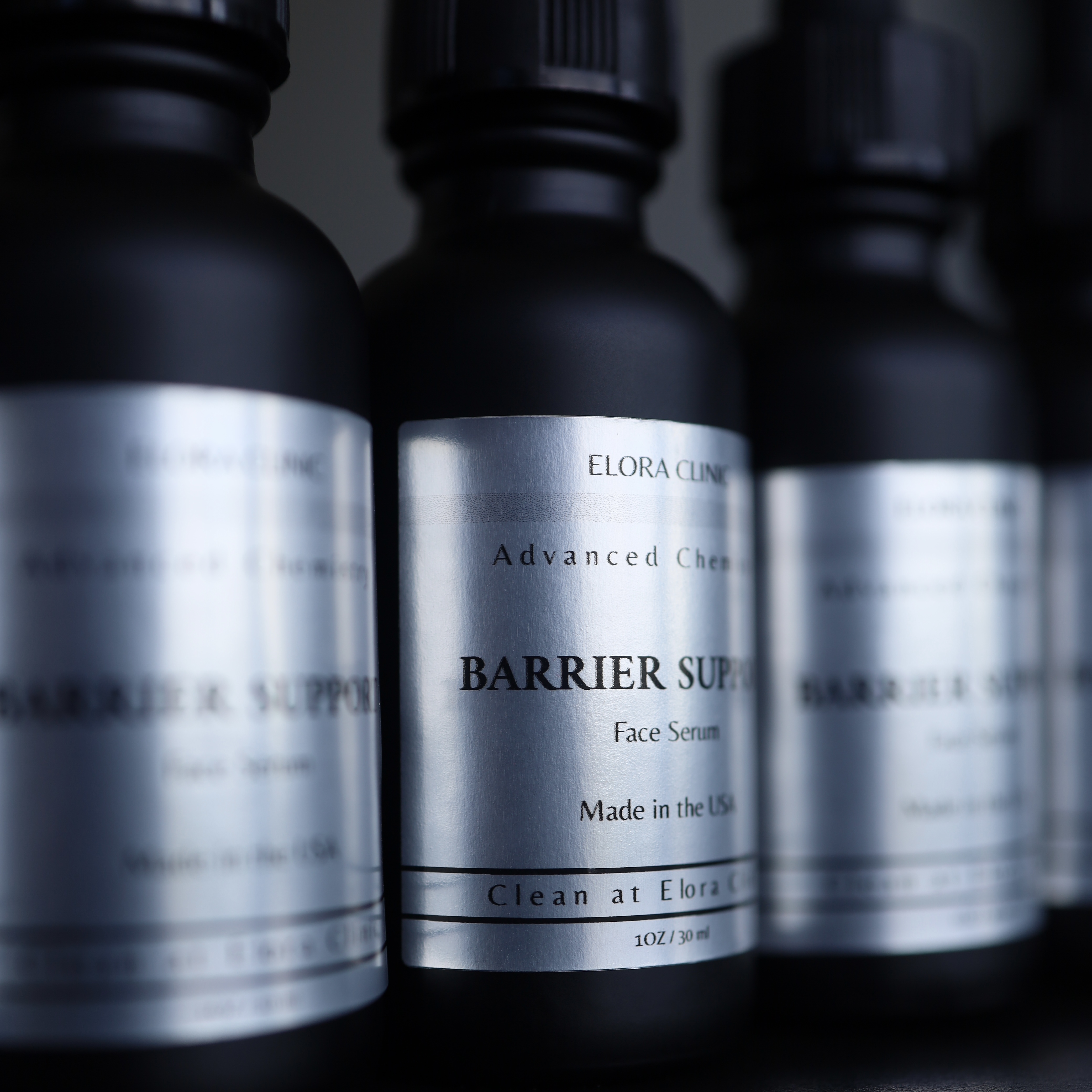
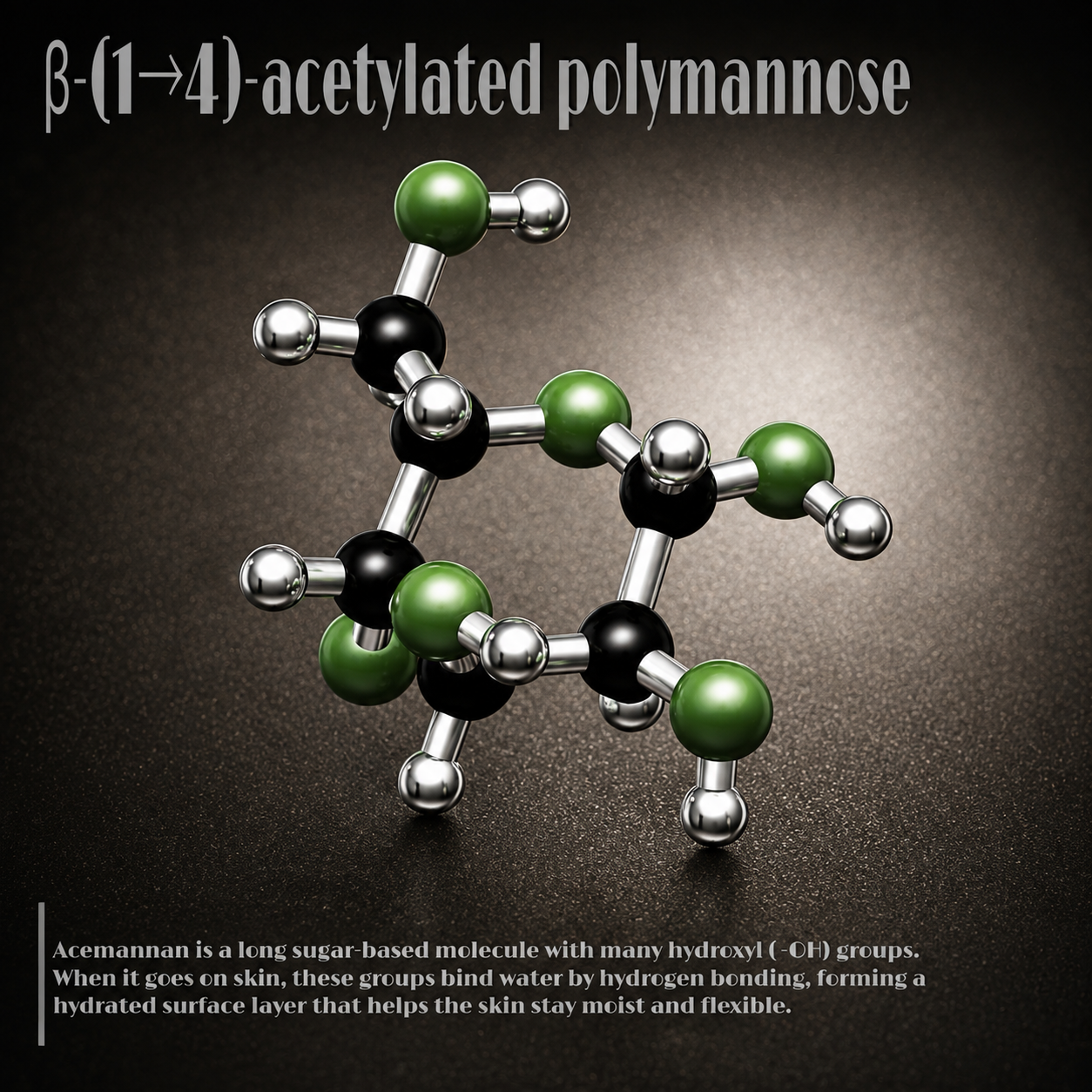
For an optional hydration step, Elora Clinic Aloe Vera Face Serum combines aloe vera, glycerin, and sodium hyaluronate. Its cosmetic role is hydration and skin comfort; it is not a treatment for melasma or post-inflammatory hyperpigmentation.

The Core Question: Does Hydration Improve Hyperpigmentation?
Hydration alone does not directly bleach or lighten dark spots. Smoother, less flaky skin may look more even, but an improvement in surface appearance is different from a reduction in melanin.
It is also too strong to say that dehydration inevitably causes dark spots, that a serum speeds their clearance, or that hydrating the skin makes every brightening ingredient penetrate better. Those are separate claims that require evidence for the specific formulation and condition.
| Step | What it contributes | What it does not establish |
|---|---|---|
| Moisturizer or hydrating serum | Moisture and comfort; a smoother-looking surface | Removal of pigment or a guaranteed improvement in treatment response |
| Sun protection | Reduces exposure to light that can worsen pigmentation | A substitute for assessing the cause of an unfamiliar mark |
| Targeted pigmentation care | Addresses a diagnosed concern using an appropriate approach | The same effectiveness for every type of dark spot |
The Hyperpigmentation Treatment & Dark Spots Guide explains the broader topic. Hydration belongs in the supporting routine, rather than being presented as the main pigment treatment.
Understanding the Link Between Skin Barrier and Pigmentation
The outer skin layer helps manage water loss and exposure to irritants. Dryness and irritation may occur together, but they are not interchangeable diagnoses. A tight feeling does not tell you what caused a dark patch.
Inflammation after acne, eczema, injury, or an irritating product can leave post-inflammatory hyperpigmentation. The AAD’s dark-spot guidance emphasizes identifying the trigger and using gentler skincare when products are irritating the skin. This is why avoiding repeated irritation matters, especially for people prone to lingering marks.
Why dryness does not explain every dark spot
A mark left by a healed pimple, a patch related to melasma, and a sun-related spot can look superficially similar while needing different management. A moisturizer cannot determine which one you have.
Why aggressive treatment can become counterproductive
Scrubbing or adding several acids to “remove” pigment may irritate the skin. The AAD warns that aggressive exfoliation can increase pigmentation in some people. Do not interpret burning as evidence that a dark-spot product is working.
Hydrating Ingredients That Support Skin Comfort
Hydrating and moisturizing ingredients have different jobs. The ingredient name alone does not predict how a complete serum will feel or perform.
- Glycerin and sodium hyaluronate: humectants used to support hydration.
- Aloe vera and amino-acid-containing formulas: possible components of a cosmetic hydration routine; assess the complete ingredient list.
- Emollients and occlusive ingredients in moisturizers: help soften skin and reduce moisture loss.
The AAD’s dry-skin guidance prioritizes fragrance-free moisturizers and, for very dry skin, creams or ointments. A lightweight serum may be useful underneath, but it need not replace the moisturizer.
Example Hydration Serum for Skin Balance
The Aloe Vera Face Serum introduced above is a water-based hydration option. Its current directions specify two or three drops on clean face and neck, morning or evening as needed. Follow with a suitable moisturizer when you need more moisture retention.
Even a fragrance-free botanical formula can cause a reaction. If your skin is actively inflamed or stings with ordinary products, avoid introducing another serum until the problem has been assessed or settled. Follow the product label and discontinue a cosmetic that causes irritation.
The Role of Antioxidants in a Pigmentation Routine
Antioxidant care and hydration are different functions, even when a formula combines them. Evidence about an isolated ingredient does not establish that a particular finished serum treats pigmentation.
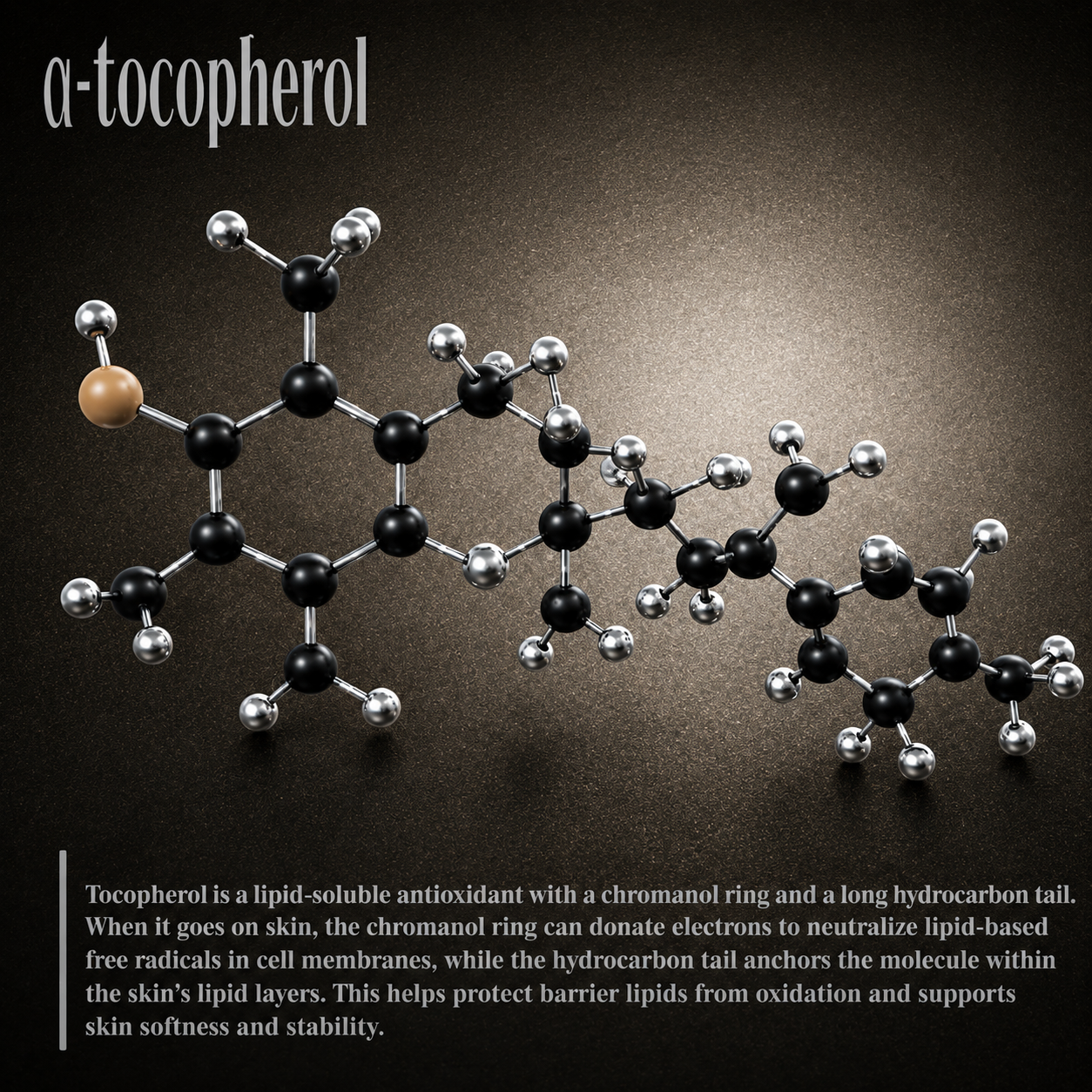
The Elora Clinic Vitamin C Face Serum is a cosmetic brightening and hydration option using 3-Glyceryl Ascorbate. Its ingredient form differs from L-ascorbic acid, so results from an L-ascorbic-acid study should not be presented as results from this serum.

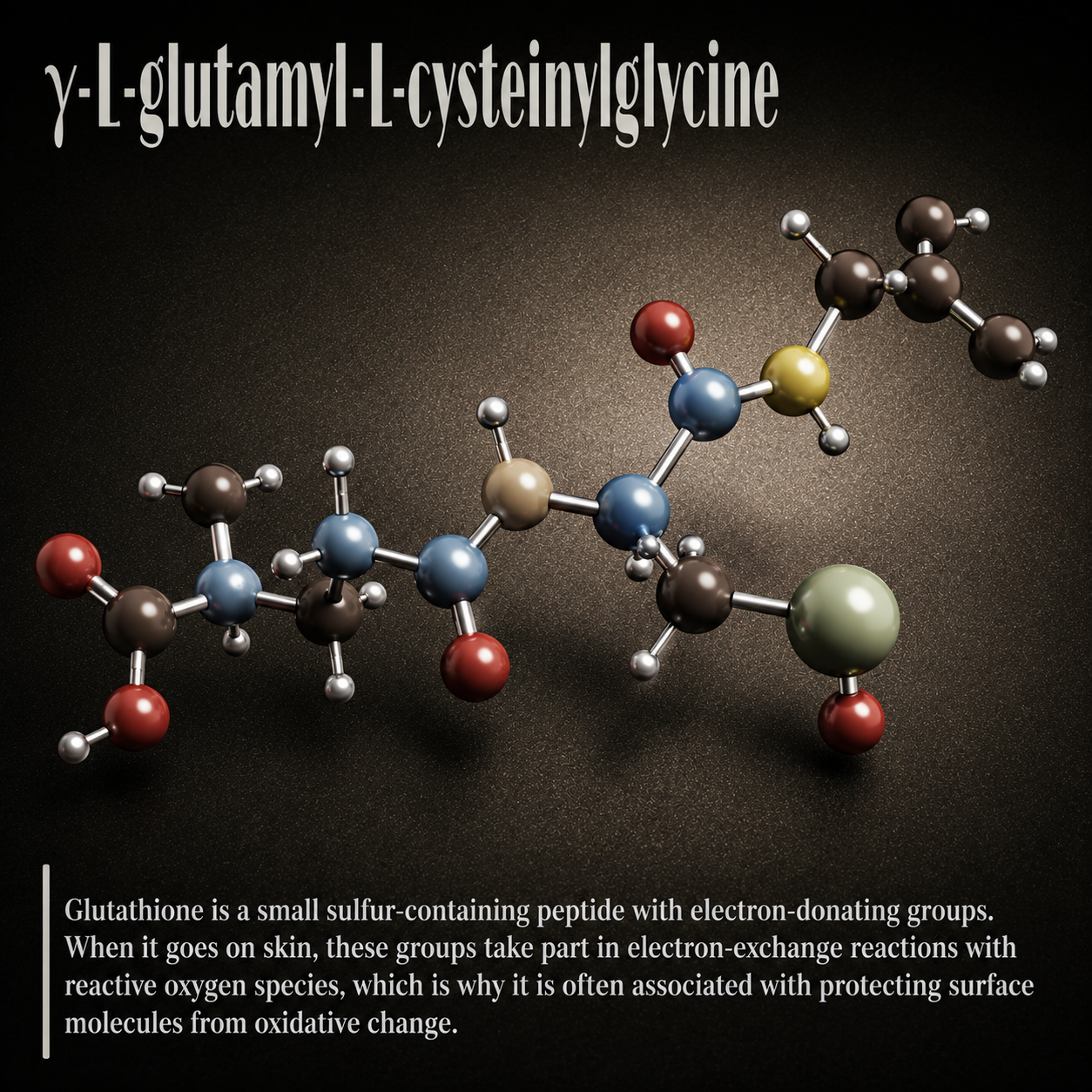
For the distinction between antioxidant ingredients, see glutathione versus vitamin C for hyperpigmentation. If you are considering combined functions, glutathione and hyaluronic acid discusses antioxidant and hydration roles separately.

How Hydration Supports Brightening Ingredients
A moisturizing routine can help manage dryness while using some targeted products. It does not guarantee tolerance, neutralize an irritating dose, or make unrelated treatments interchangeable.
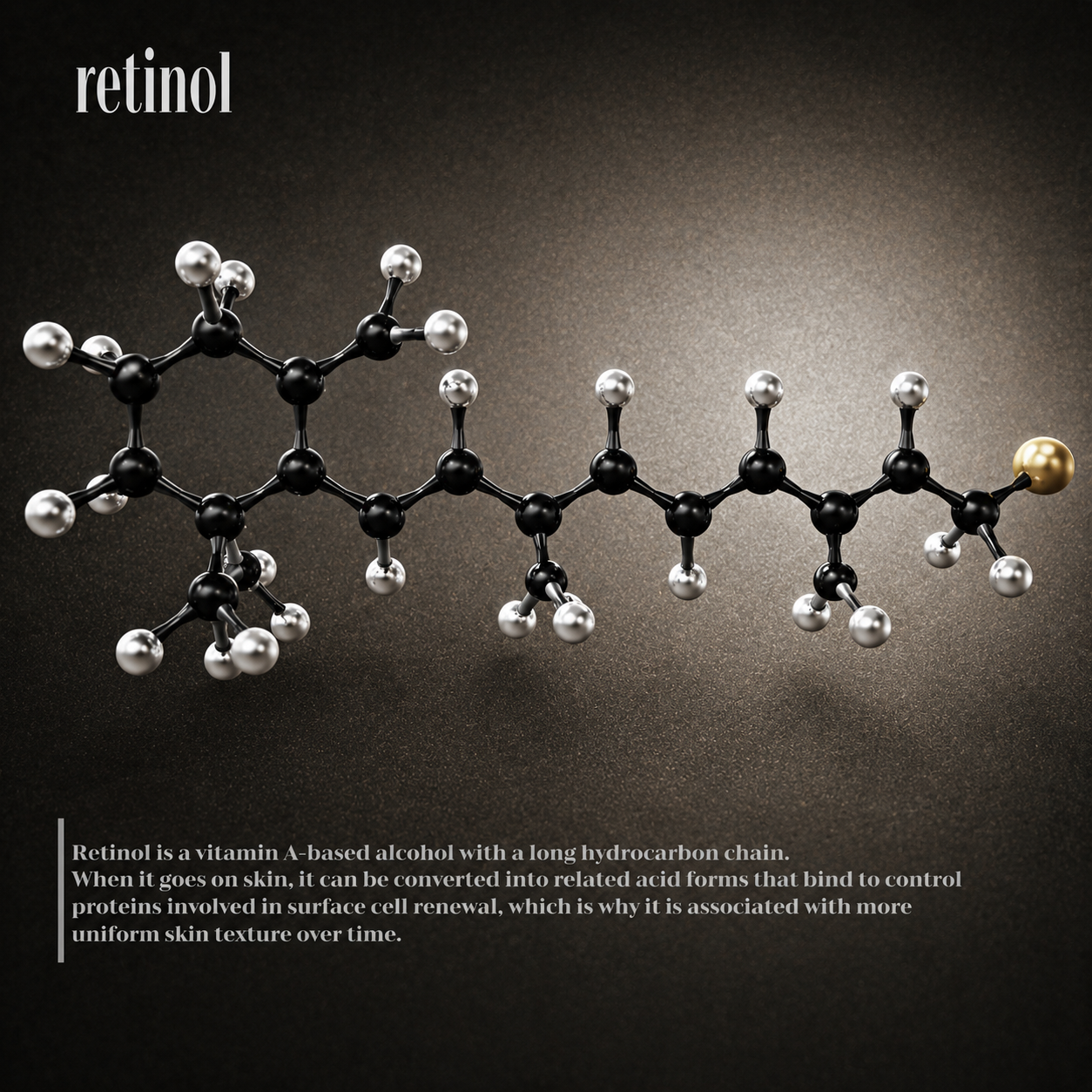
In its retinoid advice, the AAD recommends a gradual start and moisturizer to limit irritation. This is a practical example of supportive care, not proof that any hydration serum boosts all pigmentation treatments. Retinoids should not be used during pregnancy.
Where Water-Based Serums Fit
Water-based serums can feel light before moisturizer. They are not automatically non-comedogenic or suitable for every sensitive person.
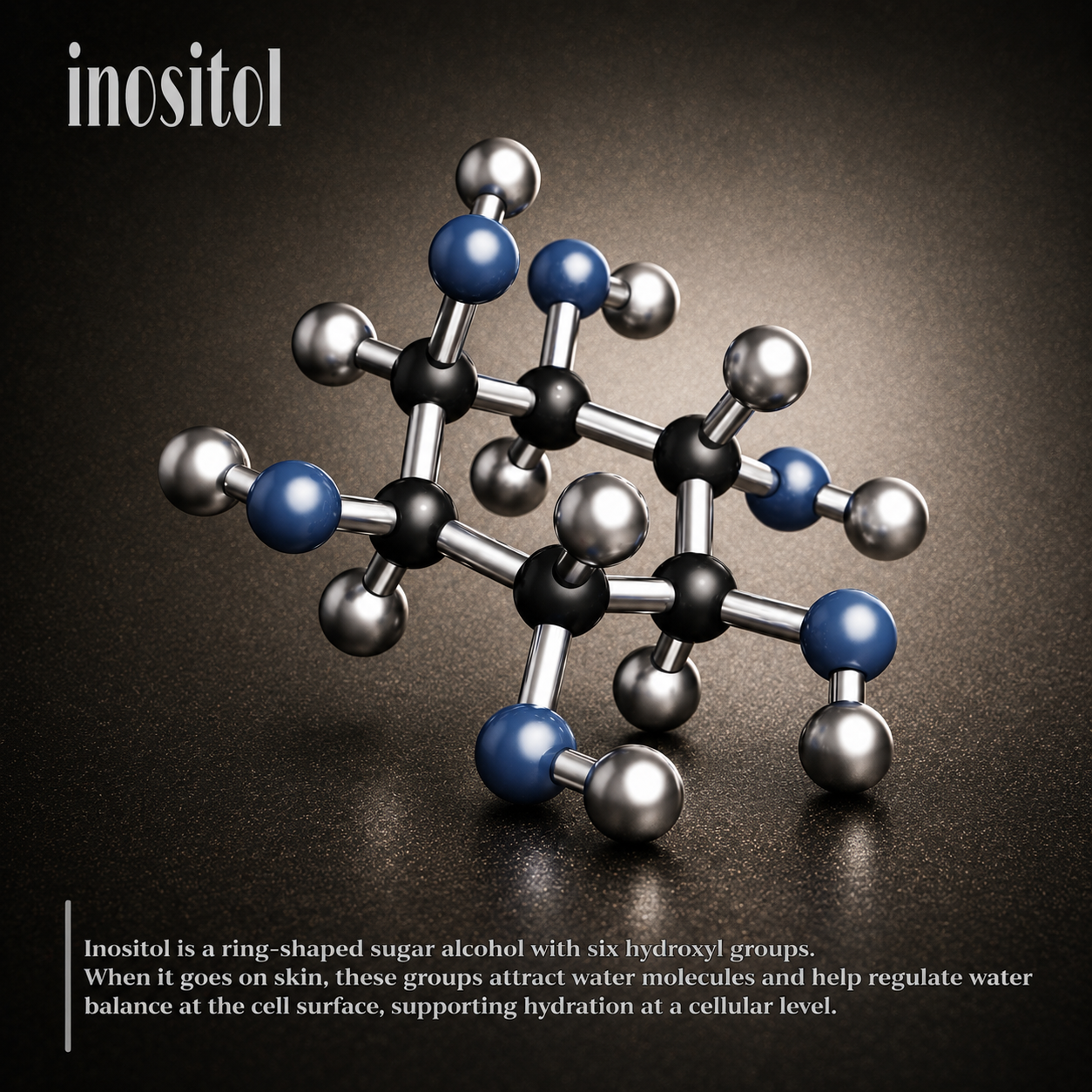
The Elora Clinic Hyaluronic Acid Face Serum, which contains inositol and sodium hyaluronate, is another hydration choice. Choose a comfortable formula rather than stacking multiple hydrating serums in the hope that more water-binding ingredients will fade pigment faster.
Why Hydration Is Often Missing in Pigmentation Routines
It is easy to focus on the product labeled “brightening” and overlook whether your everyday cleanser and moisturizer keep your skin comfortable. If a new routine leaves you dry or sore, assess the whole routine before adding another active.
Slow fading alone does not prove that you need more hydration. The original trigger, continued light exposure, the type of pigmentation, and the chosen treatment may all matter.
Expert Perspective: Ingredient Logic Over Trend-Based Skincare
A useful formulation perspective separates moisture, cosmetic appearance, and treatment evidence. A serum can improve how skin feels without having been tested to reduce a diagnosed pigment condition.
Learn about Elora Clinic and founder Elora Ellis. The brand’s customer experiences describe individual use and do not replace clinical evidence.

How to Build a Hydration-Support Pigmentation Routine
Morning: gentle skincare and sun protection
- Cleanse gently as needed.
- Use one optional tolerated serum, then moisturizer as needed.
- Apply broad-spectrum, water-resistant SPF 30 or higher sunscreen. Reapply according to the label and after swimming or sweating.
A tinted sunscreen containing iron oxides may be helpful when visible light contributes to pigmentation, particularly in melasma. In an eight-week randomized trial in people with melasma, UV-plus-visible-light protection performed better than UV-only protection alongside hydroquinone. This was evidence for a specific photoprotection strategy used with treatment, not for hydration alone or an Elora Clinic serum.
Evening: follow the treatment plan and maintain comfort
Remove sunscreen and makeup, cleanse gently, and use a suitable moisturizer. Apply any targeted treatment only as directed. Do not add several brightening products at once, and ask the prescriber about irritation from a prescription rather than improvising its schedule.
Signs Your Pigmentation Routine Needs Reassessment
Persistent redness, itching, peeling, or burning calls for a review of the products and possible triggers. Hydration alone may not solve the problem. Seek professional advice if symptoms persist or the discoloration is unexplained, changing, bleeding, or otherwise concerning.
Expect pigment changes to be slower than a change in skin softness. Progress varies, and hydration does not provide a reliable fading deadline. You can explore related topics in the Pigmentation & Brightening library.
Final Takeaway
Hydration helps with dryness and comfort within a pigmentation-focused routine. It does not directly erase dark spots. Keep the cause of the pigmentation, sun protection, appropriate treatment, and avoidance of irritation at the center of the plan; use a hydrating serum only when it adds a useful benefit.