
















Best Serum Routine for Dark Spots Caused by Sun Exposure

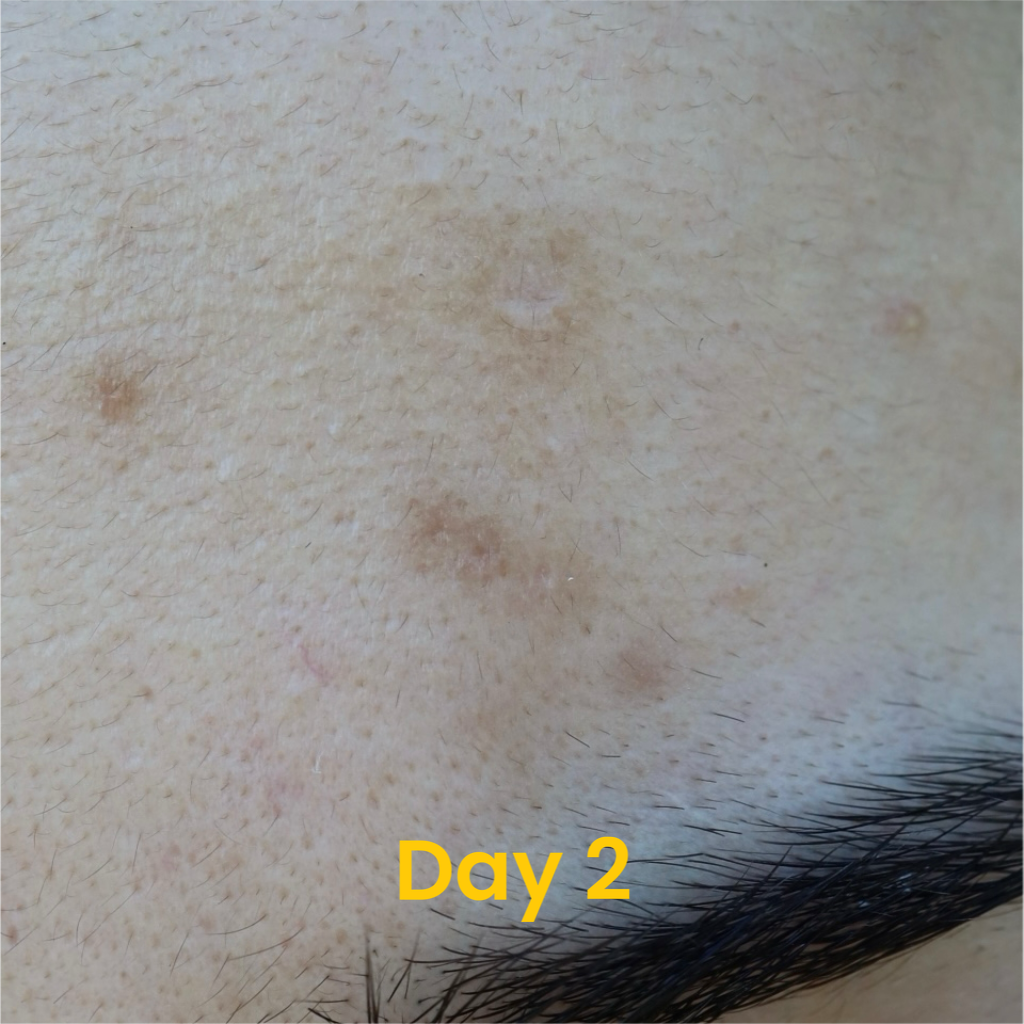
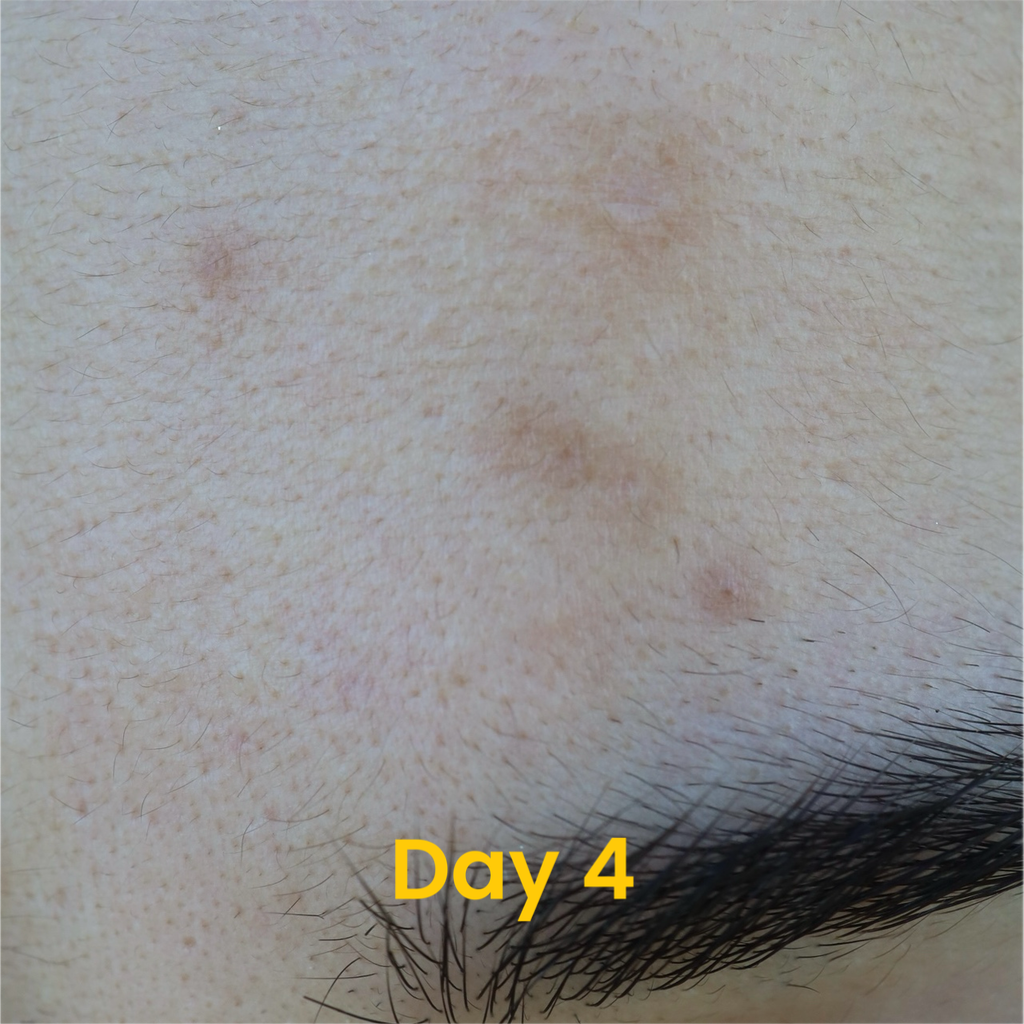
Dark spots caused by sun exposure are one of the most common pigmentation concerns. Many people notice that after spending time outdoors, their skin develops uneven tone, patchy pigmentation, or persistent dark spots that seem difficult to fade.
These spots develop because ultraviolet (UV) radiation stimulates the skin to produce more melanin — the pigment responsible for skin color. While melanin helps protect the skin from UV damage, excessive production can create visible discoloration and uneven tone.
A properly designed skincare routine can help reduce these dark spots over time. The best serum routine for dark spots caused by sun exposure focuses on controlling melanin production, supporting skin repair, and protecting the skin barrier from further damage.
This guide explains the science behind sun-induced pigmentation and how to build an effective serum routine that helps restore a more even complexion.
Quick Expert Answer
The best serum routine for dark spots caused by sun exposure includes antioxidants, brightening ingredients, and barrier-supporting hydration. Ingredients like vitamin C, glutathione, niacinamide, and green tea help regulate melanin production, reduce oxidative stress, and gradually improve uneven skin tone.
Why Sun Exposure Causes Dark Spots
Sun-induced pigmentation occurs when ultraviolet radiation triggers melanocytes — the pigment-producing cells in the skin — to produce more melanin.
This process is part of the skin’s natural defense mechanism against UV damage.
However, repeated sun exposure can cause localized melanin overproduction, leading to visible dark spots.
According to dermatological research published by the American Academy of Dermatology, UV exposure is the most common cause of hyperpigmentation and uneven skin tone.
External reference:
https://www.aad.org/public/diseases/a-z/hyperpigmentation-overview
Sun-induced dark spots often appear on:
• cheeks
• forehead
• nose
• temples
• jawline
These areas receive the most UV exposure during daily activities.
A targeted skincare routine helps reduce this pigmentation gradually while preventing new spots from forming.
The Best Serum Routine for Dark Spots Caused by Sun Exposure
An effective routine must address three biological processes involved in pigmentation:
- oxidative stress caused by UV radiation
- melanin overproduction
- skin barrier damage
Using the right serums consistently can help interrupt this cycle.
Step 1 — Apply an Antioxidant Serum
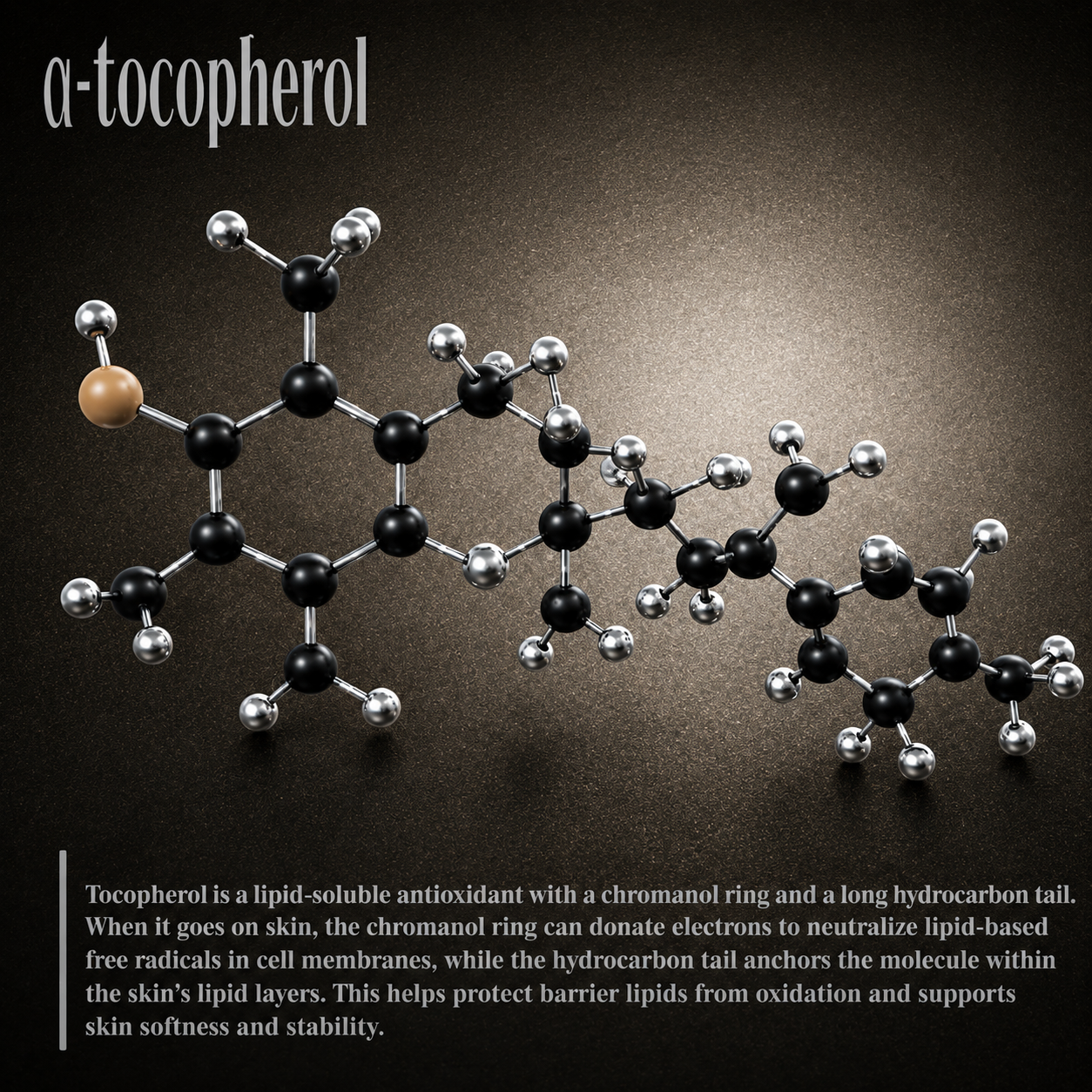
Antioxidants play a critical role in preventing and correcting sun-induced pigmentation.
UV radiation creates free radicals, which trigger melanin production and skin damage.
Antioxidants neutralize these free radicals.
One of the most well-studied antioxidants in dermatology is vitamin C.
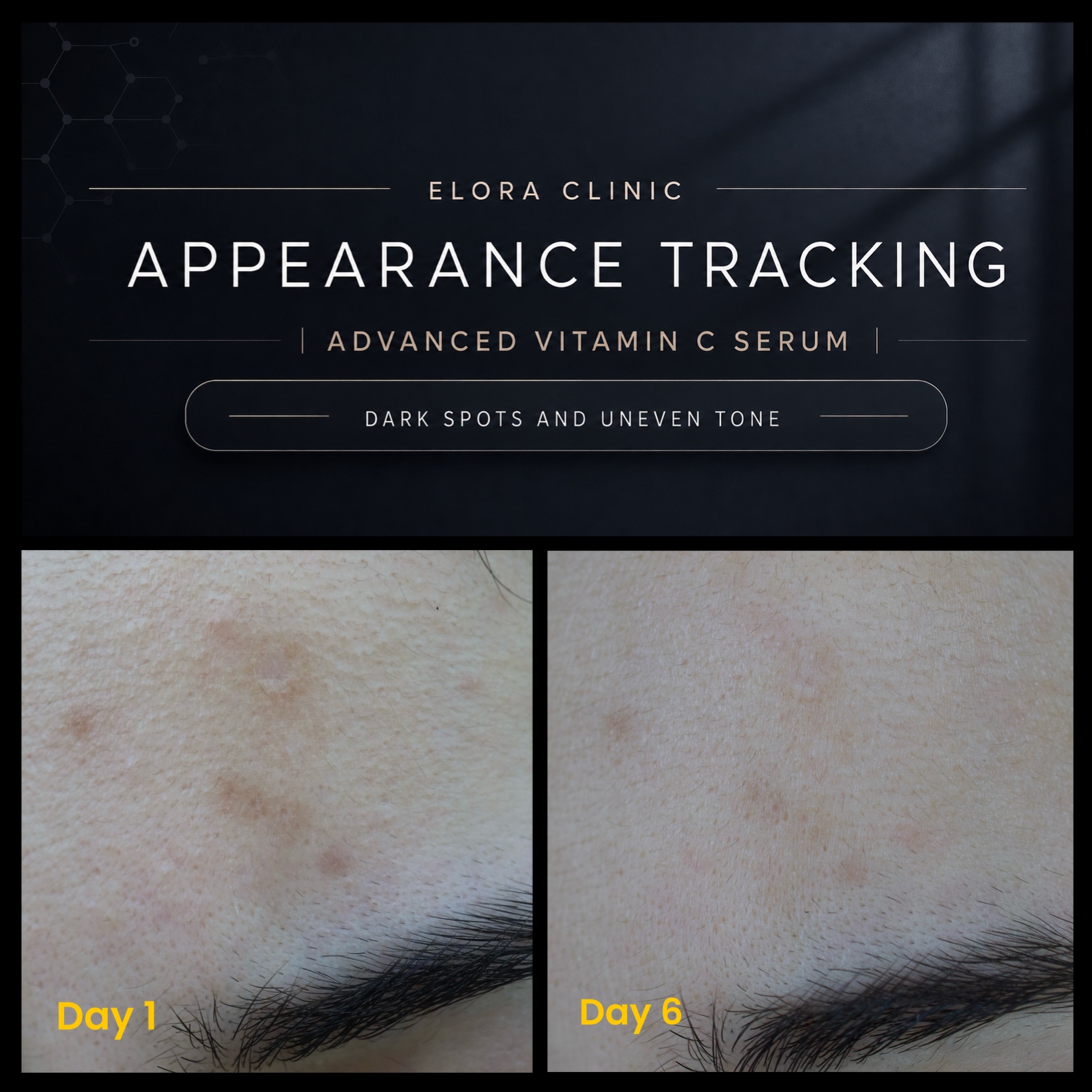
The Elora Clinic Vitamin C Serum helps support brighter and more even skin tone.
Product page:
https://eloraclinic.com/product/vitaminc/

Available at Walmart:
https://www.walmart.com/ip/Elora-Clinic-Vitamin-C-Serum-Serum-Face-Hyaluronic-Acid-Hydrating-l-ascorbic-acid-Sensitive-Skin/2137657737
Vitamin C works by inhibiting the enzyme tyrosinase, which is responsible for melanin production.
You can learn more in the guide:
how vitamin c brightens skin
https://eloraclinic.com/how-vitamin-c-brightens-skin/
Step 2 — Use a Pigmentation-Supporting Brightening Serum
Once antioxidant protection is established, the next step is targeting melanin imbalance.
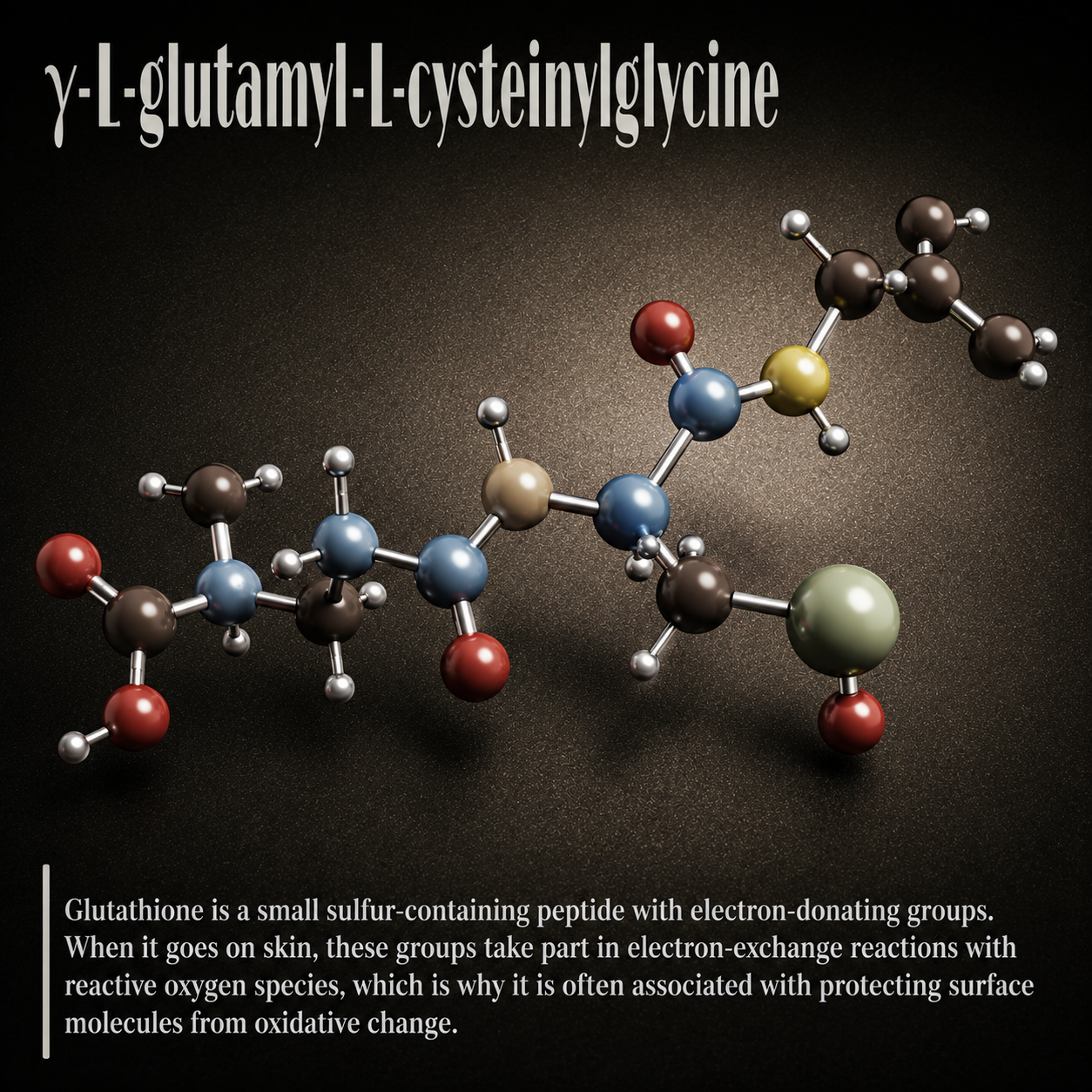
Glutathione is a powerful antioxidant known for its ability to support brighter skin tone.
The Elora Clinic Glutathione Serum helps support a more even complexion.
Product page:
https://eloraclinic.com/product/glutathione/
Glutathione works by influencing melanin synthesis and helping reduce oxidative stress in skin cells.
More information about pigmentation can be found in the guide:
hyperpigmentation treatment dark spots guide
https://eloraclinic.com/hyperpigmentation-treatment-dark-spots-guide/
Step 3 — Regulate Oil and Inflammation with Niacinamide
Inflammation can worsen pigmentation.
Niacinamide helps calm the skin and reduce uneven tone.
It works by interfering with the transfer of melanin to skin cells.
The Elora Clinic Niacinamide 20 Serum supports oil balance and pigmentation correction.
Product page:
https://eloraclinic.com/product/niacinamide-20-serum/
Available at Walmart:
https://www.walmart.com/ip/Elora-Clinic-20-Niacinamide-Serum-Niacinamide-20-Hyaluronic-Acid-Hydrating-Hyaluronic-acid-20-Niacinamide-Serum-Oil-Free-Water-Based/1342878577
Niacinamide is especially helpful when pigmentation is combined with oily or acne-prone skin.
For more information see:
best serum for uneven skin tone brightening guide
https://eloraclinic.com/best-serum-for-uneven-skin-tone-brightening-guide-for-all-skin-types/
Step 4 — Support Skin Repair with Antioxidant Hydration
Hydration plays a surprisingly important role in pigmentation recovery.
When the skin barrier is compromised, inflammation can worsen discoloration.
Antioxidant hydration helps stabilize the barrier while protecting against environmental stress.
The Elora Clinic Matcha Serum provides antioxidant hydration.
Product page:
https://eloraclinic.com/product/matcha/
Available at Walmart:
https://www.walmart.com/ip/Elora-Clinic-Matcha-Face-Cream-Matcha-Hyaluronic-Acid-Hydrating-Antioxidant-Matcha-Face-Serum-Oil-Free-Water-Based/3739025558
Matcha contains catechins that help reduce oxidative stress while supporting skin recovery.
More information:
green tea extract serum benefits
https://eloraclinic.com/green-tea-extract-serum-benefits/
Ingredients That Can Worsen Sun-Induced Dark Spots
Certain skincare practices may worsen pigmentation if used incorrectly.
Over-Exfoliation
Excessive exfoliation can increase inflammation and stimulate more melanin production.
Skipping Sunscreen
Without daily sun protection, pigmentation treatments become far less effective.
Strong Irritants
Harsh products can trigger post-inflammatory hyperpigmentation.
Additional education:
why hyperpigmentation keeps coming back
https://eloraclinic.com/why-hyperpigmentation-keeps-coming-back-usa/
The Ideal Morning Routine for Sun-Induced Dark Spots
Morning routines should focus on protection.
- Gentle cleanser
- Antioxidant serum
- Brightening serum
- Moisturizer
- Broad-spectrum sunscreen
Sunscreen is essential for preventing new pigmentation.
The Ideal Night Routine for Dark Spot Correction
Nighttime is when the skin performs most of its repair processes.
A typical routine includes:
- Gentle cleanser
- Antioxidant serum
- Brightening serum
- Barrier-supporting moisturizer
Consistency is the key to visible improvement.

Why Dark Spots Often Return
Many people successfully fade pigmentation only to see it return.
This usually happens because the underlying cause — UV exposure — was not addressed consistently.
Even small amounts of sun exposure can reactivate melanin production.
Maintaining antioxidant protection and daily sunscreen use is essential for long-term results.
The Science-Based Philosophy of Elora Clinic
Effective skincare should be built on skin biology, ingredient compatibility, and barrier health.
At Elora Clinic, products are designed with a science-driven approach that prioritizes:
• ingredient synergy
• barrier stability
• antioxidant protection
• long-term skin health
Rather than relying on aggressive treatments, this approach focuses on restoring balance within the skin.
You can explore more about the brand philosophy on the
Elora Clinic homepage:
https://eloraclinic.com/
This emphasis on barrier health and ingredient compatibility helps ensure that pigmentation treatments remain effective without damaging the skin.
Common Questions About Sun-Induced Dark Spots
Can vitamin C fade dark spots?
Yes. Vitamin C inhibits tyrosinase, the enzyme responsible for melanin production.
How long does it take to fade sun spots?
Most pigmentation improvement takes 4–12 weeks depending on severity.
Can antioxidants prevent pigmentation?
Antioxidants help reduce oxidative stress that triggers melanin production.
Is sunscreen necessary when treating dark spots?
Yes. Without sunscreen, UV exposure can reactivate pigmentation.

Key Takeaways
• Sun exposure is the most common cause of dark spots and uneven skin tone
• The best serum routine for dark spots caused by sun exposure includes antioxidants and brightening ingredients
• Vitamin C helps reduce melanin production and improve skin brightness
• Niacinamide supports oil balance and pigmentation correction
• Antioxidants like green tea help reduce UV-induced oxidative stress
• Daily sunscreen is essential for preventing new pigmentation
• Consistent routines are required for visible improvement