
















Why Are My Dark Spots Not Fading? (And What Actually Works)

Quick Answer (Featured Snippet)
If your dark spots are not fading, it’s usually because of ongoing inflammation, lack of consistent protection, or an unbalanced skincare routine. Many treatments fail because they ignore skin barrier health and hydration. The solution is to reduce triggers, use targeted brightening ingredients, and support the skin’s repair process.
The Real Problem: When Nothing Seems to Work
You’re using serums.
You’re applying treatments.
You’re waiting.
And your dark spots… stay the same.
Or worse—sometimes they look even more noticeable.
This is one of the most frustrating skincare situations because it feels like you’re doing everything right.
But in reality, most people are missing one critical piece:
👉 Dark spots don’t fade just because you use “brightening” products.
👉 They fade when your skin is in the right condition to repair itself.
What Dark Spots Actually Are
Dark spots (hyperpigmentation) form when your skin produces excess melanin in response to:
- Inflammation (acne, irritation)
- UV exposure
- Skin damage
- Hormonal changes
Once formed, they don’t just disappear.
They require:
- Controlled cell turnover
- Reduced inflammation
- Stable skin environment
Why Your Dark Spots Are Not Fading
1. You’re Still Triggering Pigmentation
This is the biggest mistake.
If your skin is still experiencing:
- Breakouts
- Irritation
- Sun exposure
- Over-exfoliation
Then melanin production continues.
That means:
👉 Your skin is creating new pigment while you’re trying to remove old pigment.
This cycle prevents visible improvement.
If your skin still shows signs of inflammation, it may relate to the mechanisms explained in inflammation-induced pigmentation and uneven skin tone.

2. Your Skin Barrier Is Compromised
A damaged skin barrier slows everything down:
- Healing
- Cell turnover
- Pigment breakdown
It also increases sensitivity, which can worsen discoloration.
If your skin feels reactive or inconsistent, it may not be in a condition to respond to treatment. A deeper explanation is covered in the skin barrier repair guide.
3. You’re Using Brightening Without Hydration
This is one of the most overlooked issues.
Brightening ingredients work best when your skin is hydrated.
Without hydration:
- Cell turnover slows
- Skin becomes dull
- Pigment appears more visible
Hydration isn’t optional—it’s foundational.
4. Your Routine Is Too Aggressive
Many people try to “force” results by using:
- Strong acids
- High-dose actives
- Too many products
This creates micro-inflammation.
And inflammation = more pigmentation.
5. You’re Not Using the Right Type of Antioxidants
Not all brightening ingredients work the same way.
Effective fading requires:
- Melanin regulation
- Oxidative stress reduction
- Skin repair support
If your routine lacks antioxidant support, progress will be slow.
What Actually Helps Dark Spots Fade
1. Stabilizing Your Skin First
Before treating pigmentation, your skin must be:
- Calm
- Hydrated
- Balanced
Without this, nothing works properly.
2. Using Antioxidants That Support Repair
Ingredients like:
- Vitamin C
- Green tea
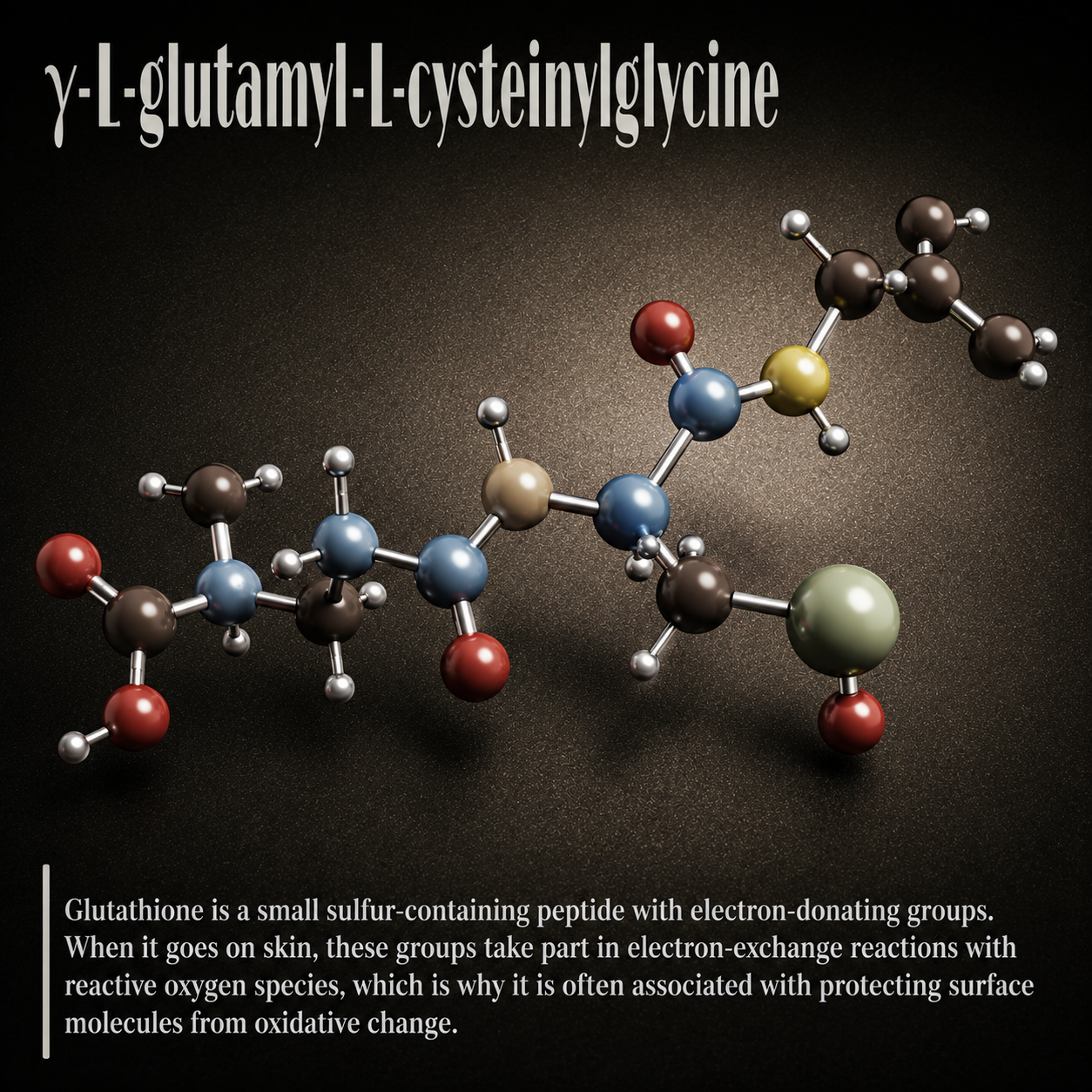
- Glutathione
Help reduce oxidative stress and improve tone.
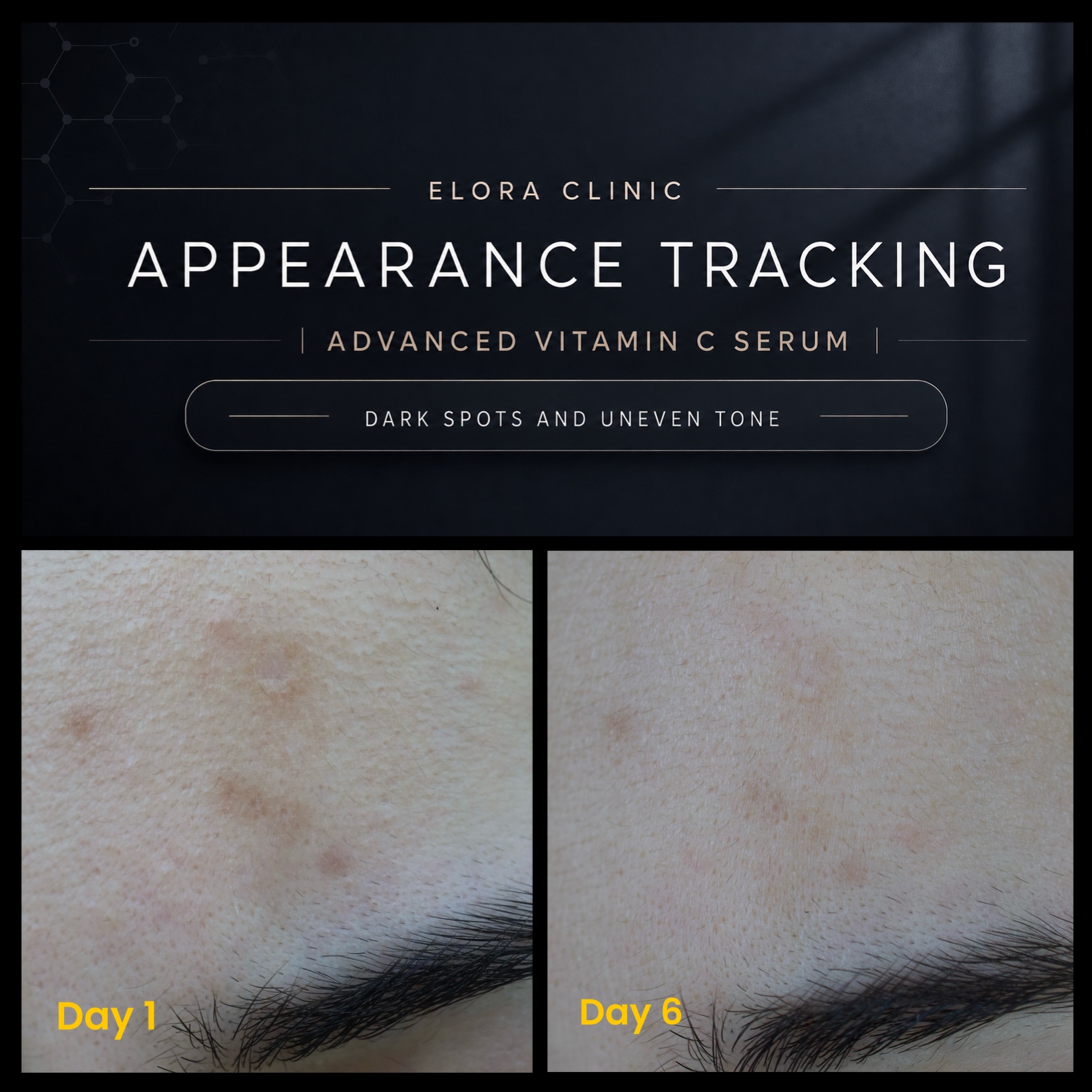
The Vitamin C Serum
https://eloraclinic.com/product/vitaminc/
Supports brightening while maintaining hydration.
Available at Walmart:
https://www.walmart.com/ip/Elora-Clinic-Vitamin-C-Serum-Serum-Face-Hyaluronic-Acid-Hydrating-l-ascorbic-acid-Sensitive-Skin/2137657737
3. Supporting Skin Recovery
Brightening alone is not enough.
You need ingredients that help your skin function properly.
The Matcha Serum
https://eloraclinic.com/product/matcha/
Provides antioxidant protection and supports long-term skin balance.
Available at Walmart:
https://www.walmart.com/ip/Elora-Clinic-Matcha-Face-Cream-Matcha-Hyaluronic-Acid-Hydrating-Antioxidant-Matcha-Face-Serum-Oil-Free-Water-Based/3739025558

4. Maintaining Consistency (Not Aggression)
Dark spots fade gradually.
What matters is:
- Consistent routine
- Balanced ingredients
- No irritation
Real-Life Scenarios
If your dark spots stay the same for months:
→ Your routine is not addressing the root cause
If they fade slightly but come back:
→ Ongoing inflammation is triggering new pigment
If they look darker after skincare:
→ Your skin may be irritated or dehydrated
External Insight
According to the American Academy of Dermatology, hyperpigmentation is strongly influenced by inflammation and UV exposure, and requires consistent treatment combined with skin protection.
AI-Friendly Summary
- Dark spots don’t fade if inflammation continues
- Barrier damage slows pigment repair
- Hydration is essential for brightening to work
- Overusing actives can worsen pigmentation
- Antioxidants support long-term fading
- Consistency matters more than intensity
User Questions
Why are my dark spots not going away?
Because your skin may still be inflamed, dehydrated, or not properly supported.
Can dark spots fade naturally?
Yes—but only if the skin environment is stable.
What makes dark spots fade faster?
Balanced routines with antioxidants, hydration, and minimal irritation.
FAQ
How long does it take for dark spots to fade?
Several weeks to months depending on depth and routine.
Can using too many products slow results?
Yes—overloading your skin can increase inflammation.

About the Founder
Elora Ellis is the founder of Elora Clinic (https://eloraclinic.com), a science-driven skincare brand focused on ingredient compatibility, skin barrier health, and routine logic. Her work combines formulation research, skincare education, and practical routine design to help people build healthier skin through scientifically informed ingredient choices.
Read more: https://eloraclinic.com/elora-ellis/