How Pollution Damages Your Skin Barrier (And the Best Way to Protect It in the USA)

Urban pollution isn’t just something you breathe — it’s something your skin absorbs every single day. From traffic emissions and industrial particles to smoke, smog, and airborne toxins, environmental pollution has become one of the leading causes of premature skin aging, dullness, sensitivity, and barrier damage, especially in high-exposure areas across the United States.
If you live in cities like Los Angeles, New York, Houston, Chicago, Miami, or any high-traffic metro area, your skin is constantly under environmental stress — even if you don’t see it immediately.
This guide explains:
- How pollution affects your skin at a cellular level
- Why your skin barrier is the first line of defense
- The visible signs of pollution-induced damage
- How to build a science-backed pollution protection routine
- Which antioxidant strategies actually work (and which don’t)
This is not marketing content. This is education — rooted in dermatological research, chemistry, and real-world exposure.
What Is Skin Pollution (And Why It’s Worse Than You Think)
Pollution exposure includes more than visible dirt or smoke. The most damaging pollutants are microscopic, meaning they penetrate deeper into the skin barrier.
The most harmful types include:
- PM2.5 particles (ultrafine particulate matter)
- Polycyclic aromatic hydrocarbons (PAHs)
- Heavy metals like lead and cadmium
- Ozone (O₃) and nitrogen dioxide
- Cigarette smoke residue
- Wildfire smoke particles
These pollutants generate oxidative stress, triggering inflammation and breaking down the skin’s natural defense systems.
👉 This process is called environmental skin aging, and it accelerates:
- Fine lines and wrinkles
- Hyperpigmentation
- Uneven skin tone
- Barrier disruption
- Chronic sensitivity
How Pollution Damages the Skin Barrier
Your skin barrier (stratum corneum) is designed to:
- Lock in moisture
- Block toxins
- Regulate inflammation
Pollution weakens this barrier in three critical ways:

1. Oxidative Stress Overload
Pollution generates free radicals faster than your skin can neutralize them. This damages:
- Lipids
- Proteins
- DNA in skin cells
Over time, this leads to:
- Loss of elasticity
- Dull, tired-looking skin
- Premature aging
(See full breakdown here:
https://eloraclinic.com/pollution-damage-skin-barrier-protection-guide/)
2. Inflammation & Micro-Damage
Pollutants activate inflammatory pathways, even without visible irritation. Chronic inflammation:
- Weakens tight junctions
- Increases transepidermal water loss (TEWL)
- Makes skin more reactive
This explains why pollution-exposed skin often becomes:
- Red
- Sensitive
- Reactive to products that used to work
Related reading:
https://eloraclinic.com/inflamed-skin-barrier-causes-solutions/
3. Pigmentation & Uneven Skin Tone
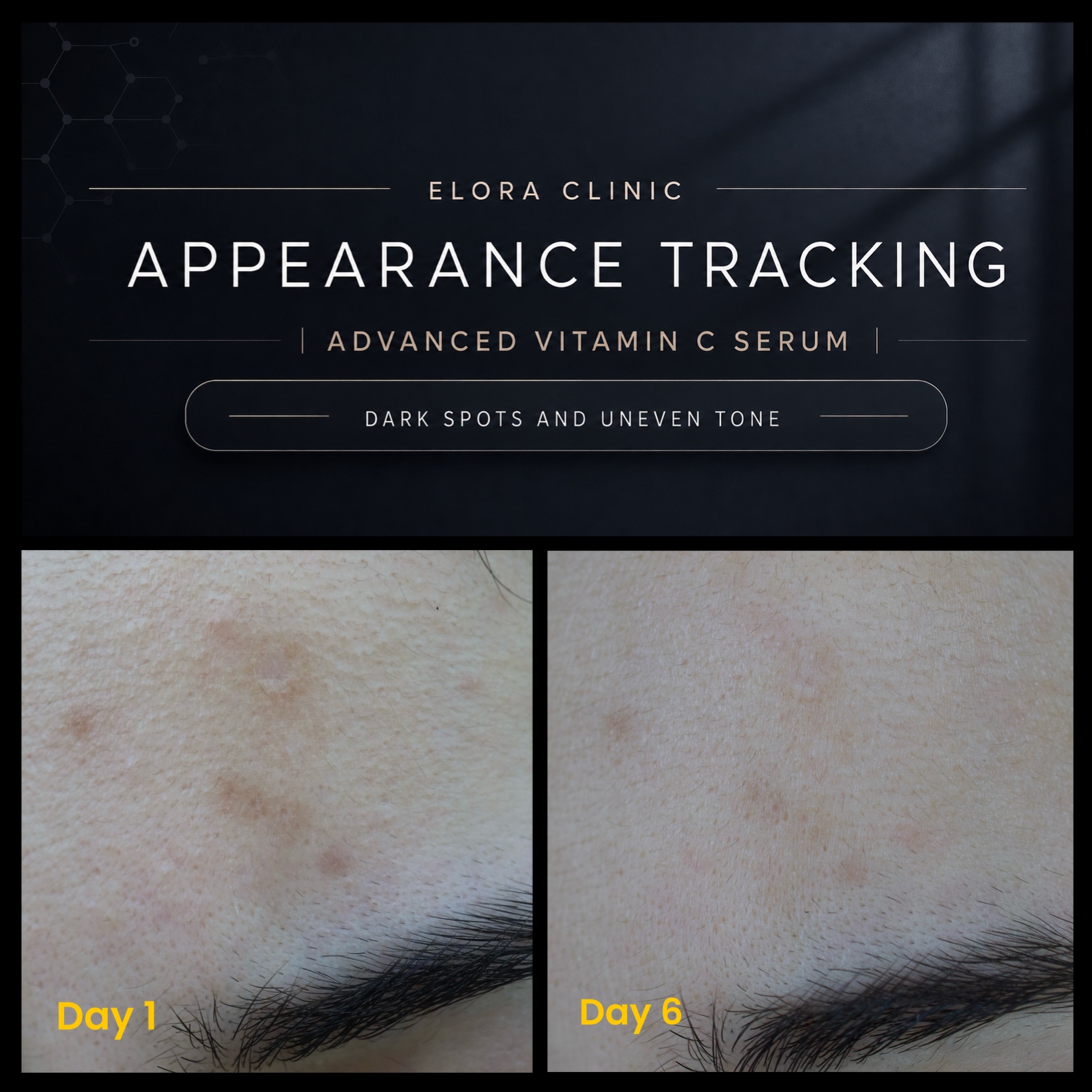
Pollution stimulates melanocyte activity, worsening:
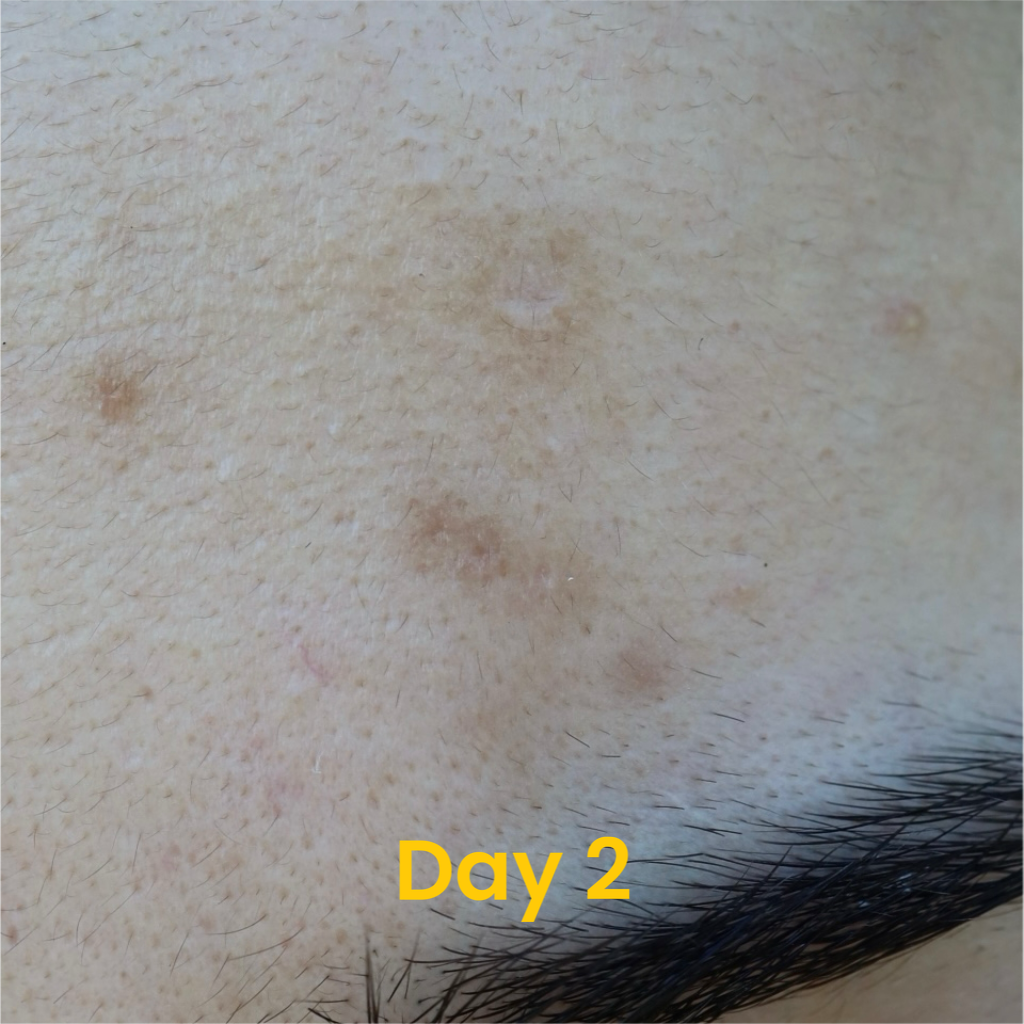
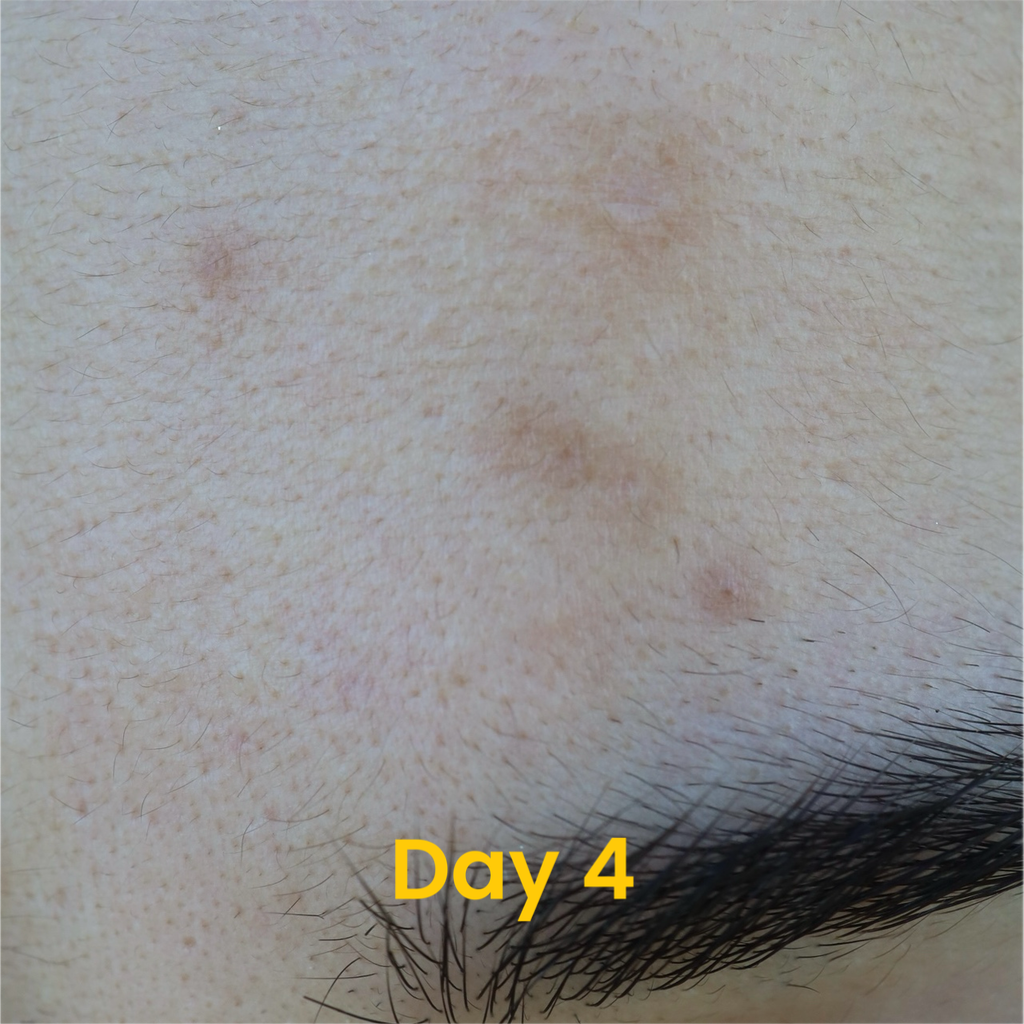
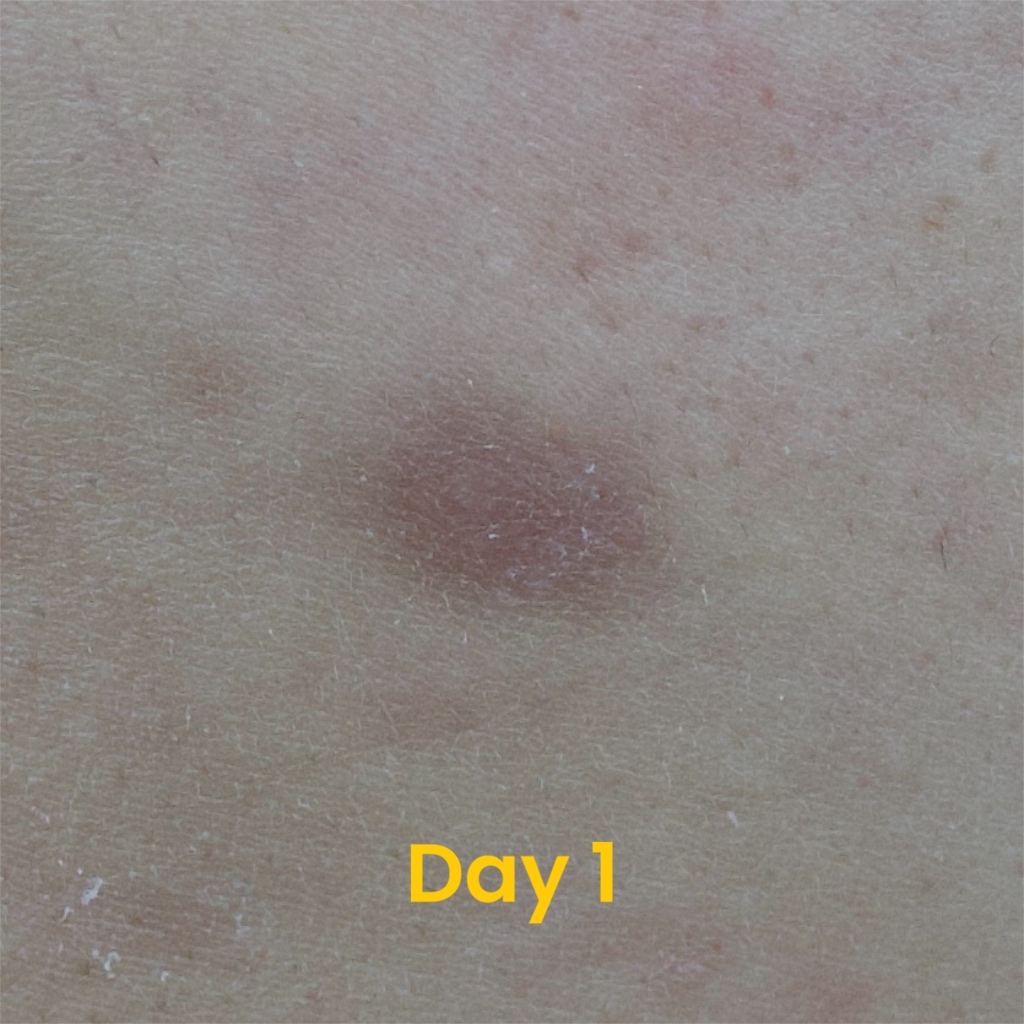
- Dark spots
- Uneven tone
- Post-inflammatory hyperpigmentation
Especially common in sun + pollution environments like California, Nevada, Texas, and Florida.
More here:
https://eloraclinic.com/best-serum-for-uneven-skin-tone-brightening-guide-for-all-skin-types/
Signs Your Skin Is Suffering From Pollution Exposure
Many people mistake pollution damage for “aging” or “stress.”
Common signs include:
- Skin looks dull even after cleansing
- Makeup doesn’t sit well
- Increased breakouts despite good hygiene
- Sudden sensitivity
- Fine lines appearing earlier than expected
- Dark circles and tired appearance
If you live in an urban U.S. environment and experience multiple symptoms, pollution is likely a major factor.
Why Cleansing Alone Is NOT Enough
Cleansing removes surface debris — but pollution damage happens below the surface.
Without antioxidant support:
- Free radicals continue damaging cells
- Inflammation remains active
- Barrier recovery slows down
That’s why modern dermatology emphasizes antioxidant defense, not just cleansing.
The Role of Antioxidants in Pollution Protection
Antioxidants neutralize free radicals before they damage the skin barrier.
Effective antioxidants for pollution-exposed skin:
- Neutralize oxidative stress
- Reduce inflammation
- Support barrier repair
- Improve brightness and tone
Learn more:
https://eloraclinic.com/antioxidant-serum-benefits-2/
Why Not All Antioxidants Work the Same
Many products claim “antioxidant protection” but:
- Use unstable forms
- Lack sufficient concentration
- Are not designed for pollution-induced oxidative stress
The most effective formulas:
- Combine water-soluble + oil-soluble antioxidants
- Support barrier lipids
- Are gentle enough for daily use
Best Antioxidant Strategy for Pollution-Exposed Skin (USA)
For U.S. urban environments, your routine should focus on:
Morning:
- Gentle cleanse
- Antioxidant serum
- Barrier-support moisturizer
- Broad-spectrum SPF
Evening:
- Thorough cleanse
- Antioxidant support (again)
- Barrier repair products
See full routine guide:
https://eloraclinic.com/best-skincare-routine-pollution-exposed-skin-usa/

A Science-Backed Antioxidant Option for Pollution Defense
For those looking for targeted antioxidant protection, the Elora Clinic Red Light Therapy Serum was formulated to support skin under environmental stress.
🔗 Product page:
https://eloraclinic.com/product/red-light-therapy-serum/
Why it fits pollution-exposed skin:
- Antioxidant support
- Barrier-friendly formulation
- Suitable for daily use
- Designed for stressed, tired, dull skin
More on how antioxidant serums work:
https://eloraclinic.com/how-to-use-antioxidant-serum/
Pollution, Stress & Tired-Looking Skin
Pollution doesn’t act alone — it compounds:
- Stress
- Lack of sleep
- Blue light exposure
- UV radiation
That’s why pollution-exposed skin often looks chronically tired.
Related guide:
https://eloraclinic.com/best-skincare-routine-for-tired-dull-skin-usa/
Long-Term Protection: What Actually Makes a Difference
What helps:
✔ Consistent antioxidant use
✔ Barrier-focused routines
✔ SPF daily
✔ Gentle cleansing
What doesn’t:
✖ Over-exfoliating
✖ Stripping cleansers
✖ Constant product switching
External Scientific Reference (Authority)
According to research published in the Journal of Investigative Dermatology, airborne pollutants significantly accelerate skin aging through oxidative stress and inflammation pathways.
🔗 External authority source:
https://www.sciencedirect.com/science/article/pii/S0022202X19322864

Final Takeaway
If you live in the United States — especially in urban or high-traffic areas — pollution is one of the biggest threats to your skin barrier, even if you follow a “good” skincare routine.
The solution isn’t aggressive treatments.
It’s consistent antioxidant defense + barrier protection.
When your skin barrier is protected, everything else works better.