















Inflamed Skin Barrier: Causes, Symptoms, and How to Calm Compromised Skin

Healthy skin depends on a strong, balanced skin barrier. When that barrier becomes inflamed, skin can quickly shift from resilient to reactive — leading to redness, stinging, dehydration, breakouts, and long-term sensitivity.
This guide explains what an inflamed skin barrier is, what causes it, how to recognize the signs, and — most importantly — how to calm and restore it safely using evidence-based skincare strategies.
What Is an Inflamed Skin Barrier?
Your skin barrier (also called the stratum corneum) is the outermost layer of skin. It is made up of skin cells, lipids, and natural moisturizing factors that work together to:
- Lock in hydration
- Protect against irritants and pathogens
- Maintain a stable skin environment
When the barrier is damaged or overwhelmed, inflammation can occur. This inflammation disrupts the skin’s ability to self-regulate, leading to increased sensitivity and impaired healing.
Common Causes of Skin Barrier Inflammation
Inflamed skin barriers rarely happen overnight. They usually develop due to cumulative stress on the skin, including:
Over-Exfoliation
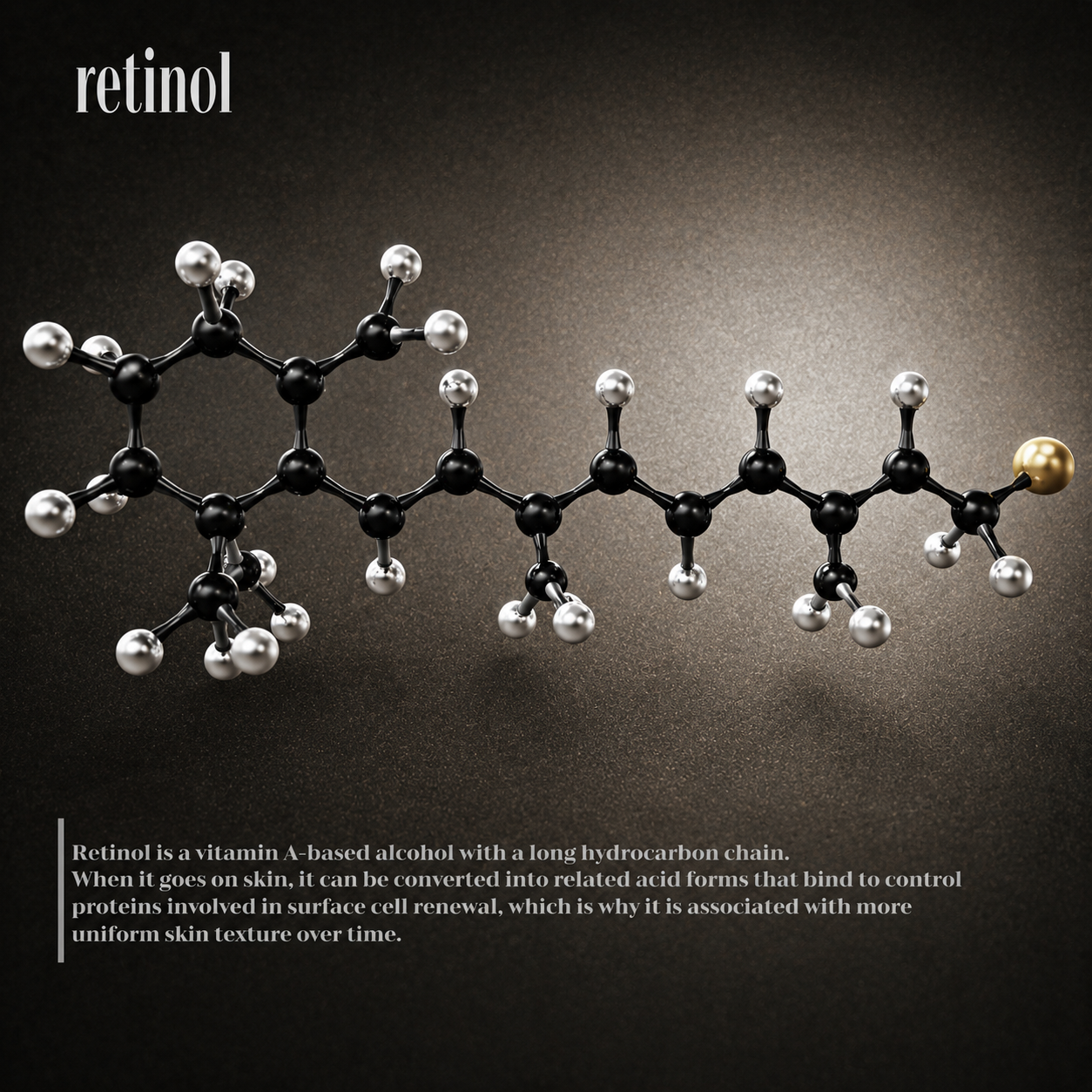
Frequent use of acids, retinoids, or physical scrubs can strip protective lipids and trigger inflammation.
Harsh Cleansers
High-pH or sulfate-based cleansers weaken the barrier’s natural defense system.
Environmental Stress
UV exposure, pollution, dry air, and temperature fluctuations increase oxidative stress on the skin.
Inappropriate Product Layering
Using too many actives at once — even “good” ingredients — can overwhelm compromised skin.

Signs Your Skin Barrier Is Inflamed
An inflamed barrier doesn’t always look dramatic. Common signs include:
- Persistent redness or flushing
- Burning or stinging when applying products
- Sudden sensitivity to products you previously tolerated
- Tightness despite moisturizing
- Dehydration lines and dull texture
If these symptoms persist, the focus should shift from treating the skin to stabilizing it.
How to Calm an Inflamed Skin Barrier Safely
The goal is to reduce inflammation first, then rebuild strength.
1. Simplify Your Routine
Remove exfoliants, retinoids, and strong actives temporarily. Gentle hydration and barrier support should be the priority.
2. Replenish Natural Moisturizing Factors
Amino acids, humectants, and skin-identical compounds help restore balance without irritation.
Formulations like amino acid–based serums support hydration while reinforcing the skin’s natural repair mechanisms.
(Internal reference: Elora Clinic Amino Acid Serum)
3. Support Lipid Balance
Lightweight emollients such as squalane help seal in moisture without clogging pores, making them ideal for inflamed or reactive skin.
4. Focus on Anti-Inflammatory Hydration
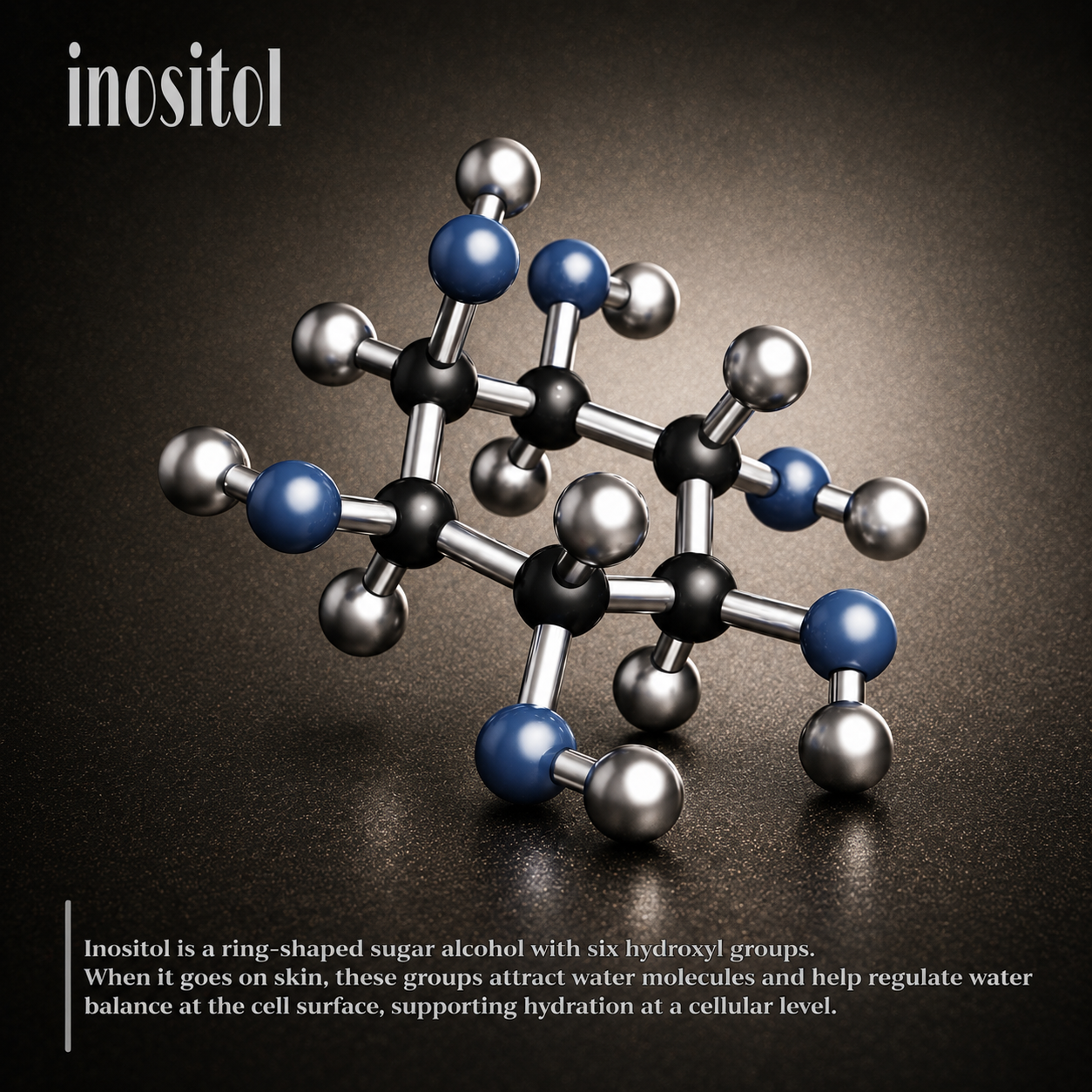
Ingredients like inositol and gentle humectants help calm redness and regulate water movement in the skin — essential for barrier recovery.
What to Avoid While Your Skin Barrier Heals
During inflammation, even beneficial ingredients can slow recovery if used incorrectly.
Avoid:
- Strong acids and peels
- Fragrance and essential oil overload
- Alcohol-heavy formulas
- Over-cleansing or double exfoliation
Barrier healing is not about intensity — it’s about consistency.
How Long Does Skin Barrier Repair Take?
Barrier recovery depends on severity and routine changes.
- Mild inflammation: 7–14 days
- Moderate barrier damage: 2–4 weeks
- Chronic inflammation: 4–8 weeks with proper care
The key is allowing the skin to restore its internal balance before reintroducing actives.
Building a Long-Term Barrier-Friendly Routine
Once inflammation resolves, maintaining barrier health prevents future flare-ups.
A routine focused on:
- Gentle cleansing
- Daily hydration support
- Barrier-friendly serums
- Minimal but intentional actives
creates resilient, adaptable skin over time.
For a deeper understanding of barrier function, see this clinical overview from the American Academy of Dermatology.

Why Barrier Health Matters More Than Any Single Ingredient
Brightening, anti-aging, and acne treatments only work when the skin barrier is stable. An inflamed barrier blocks results — no matter how advanced the formula.
Barrier health is not a trend. It is the foundation of all effective skincare.
🔗 External Reference:
American Academy of Dermatology – How to Repair a Damaged Skin Barrier
https://www.aad.org/public/everyday-care/itchy-skin/relief/skin-barrier-repair
Skincare is personal—and results matter.
If you want to see how others are actually using these formulas and what results they’re getting, browse real customer reviews here:
→ https://eloraclinic.com/reviews/