















Antioxidant Serum Benefits: How Antioxidants Protect Skin From Aging and Environmental Damage

Daily exposure to pollution, UV radiation, and internal stressors creates a process known as oxidative stress—one of the primary causes of premature skin aging, dullness, and barrier breakdown. Antioxidant serums are designed to interrupt this damage at a cellular level, helping skin remain resilient, balanced, and visibly healthier over time.
This guide explains what antioxidant serums are, how they work, and how to choose the right antioxidant support for your skin, based on real science—not marketing hype.
What Is an Antioxidant Serum?
An antioxidant serum is a concentrated skincare formula designed to neutralize free radicals—unstable molecules that damage skin cells, collagen, and lipids.
Free radicals are generated by:
- UV exposure
- Air pollution
- Blue light
- Inflammation
- Internal oxidative stress

When left unchecked, they accelerate:
- Fine lines and wrinkles
- Loss of firmness
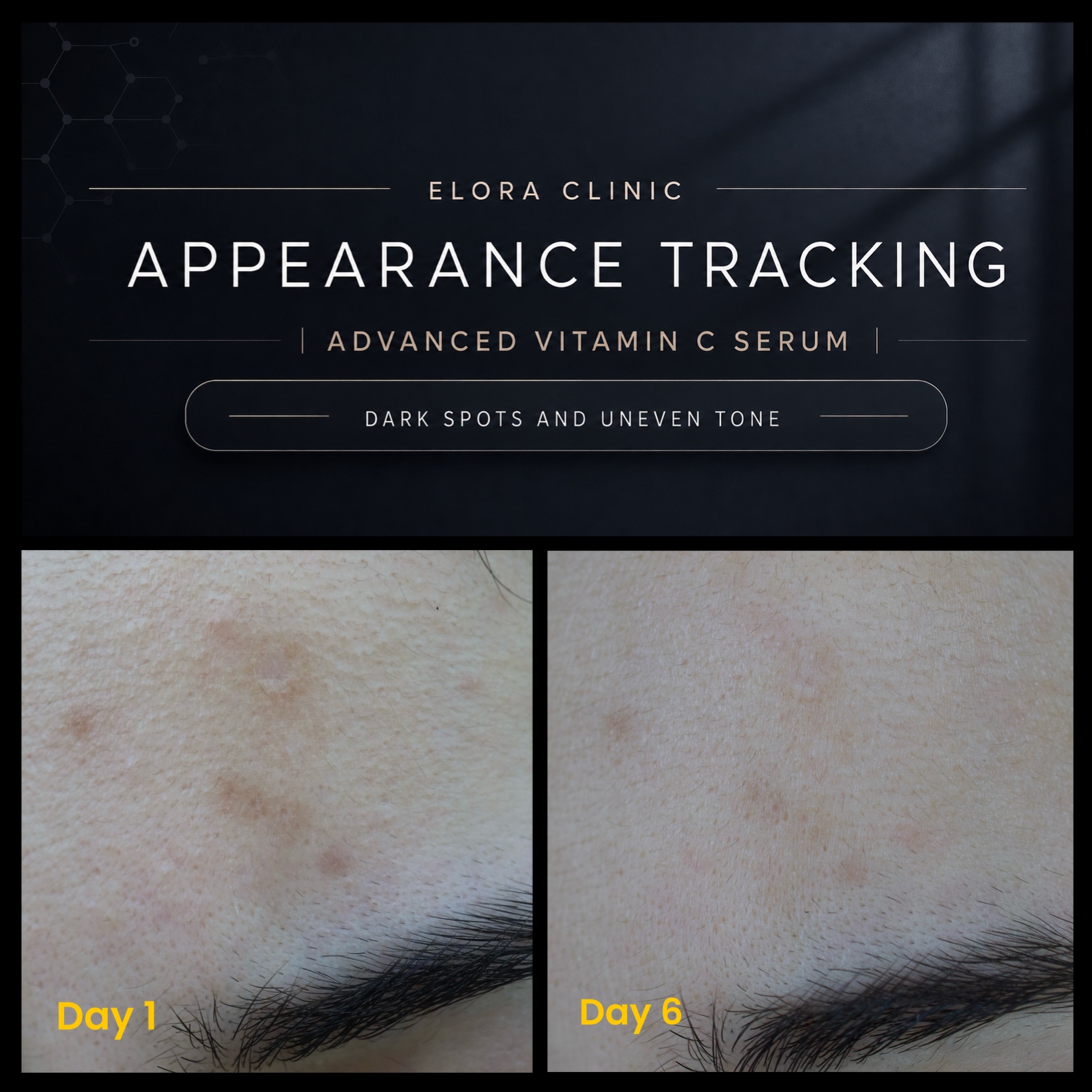
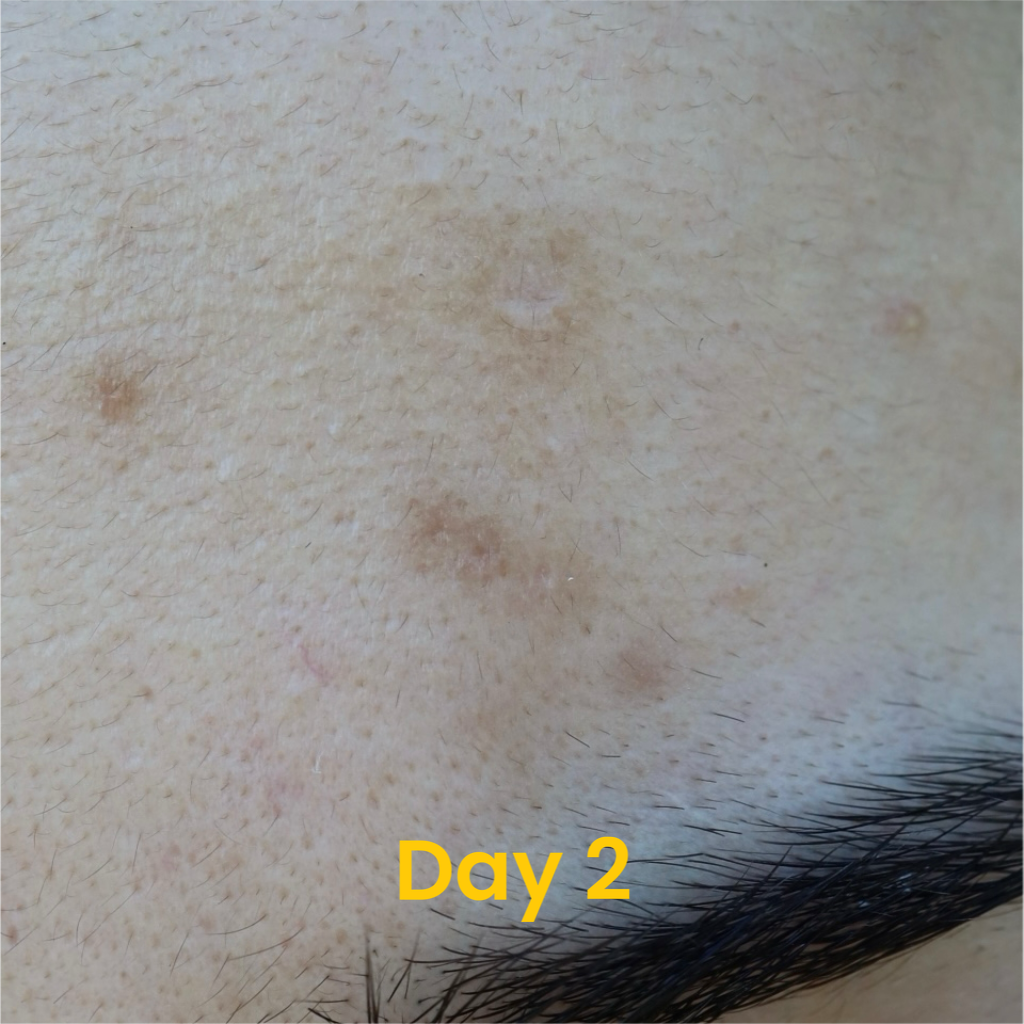
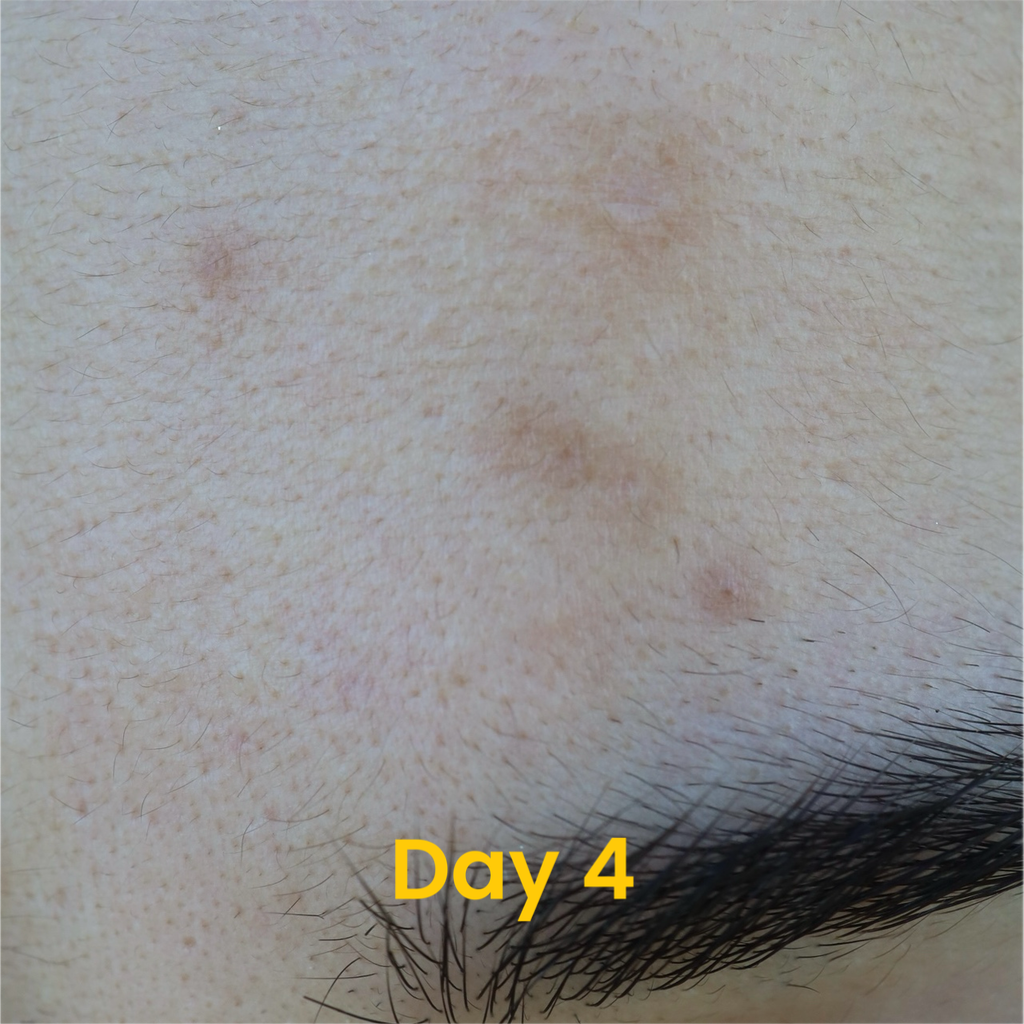
- Uneven skin tone
- Impaired skin barrier function
Antioxidants donate electrons to free radicals, stabilizing them before they damage healthy skin structures.
Why Oxidative Stress Is One of the Biggest Causes of Skin Aging
Oxidative stress isn’t just about wrinkles—it directly affects how your skin functions.
At the cellular level, oxidative stress:
- Breaks down collagen and elastin
- Weakens the skin barrier
- Disrupts melanin regulation
- Slows cellular repair
This is why skin exposed to high pollution or chronic stress often appears dull, sensitive, and prematurely aged—even with a basic skincare routine.
Antioxidant serums work preventatively, not just cosmetically.
Key Benefits of Using an Antioxidant Serum
1. Protects Against Environmental Damage
Antioxidants reduce the cumulative effects of pollution, UV radiation, and oxidative exposure throughout the day.
2. Supports Collagen Preservation
By limiting free radical damage, antioxidants help preserve collagen integrity and skin firmness.
3. Improves Skin Tone and Radiance
Oxidative stress contributes to uneven pigmentation. Antioxidants help normalize cellular turnover and tone clarity.
4. Strengthens the Skin Barrier
Many antioxidants also support lipid balance and barrier repair, making skin more resilient and less reactive.
Most Effective Antioxidants Used in Serums
Vitamin C (Ascorbic Acid & Derivatives)
- Brightens skin tone
- Supports collagen synthesis
- Neutralizes UV-induced free radicals
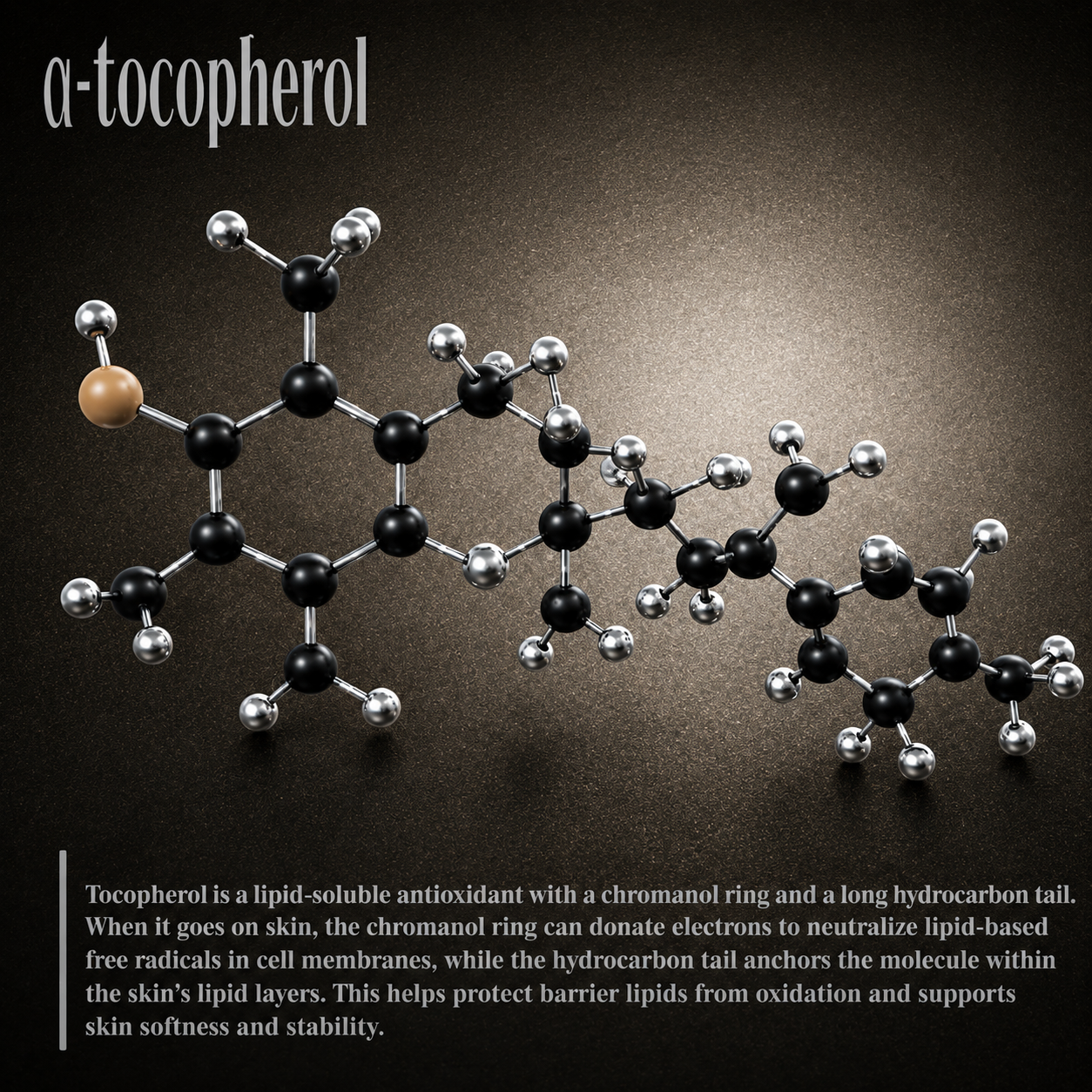
Vitamin E (Tocopherol)
- Lipid-soluble antioxidant
- Protects cell membranes
- Enhances antioxidant synergy when paired with Vitamin C
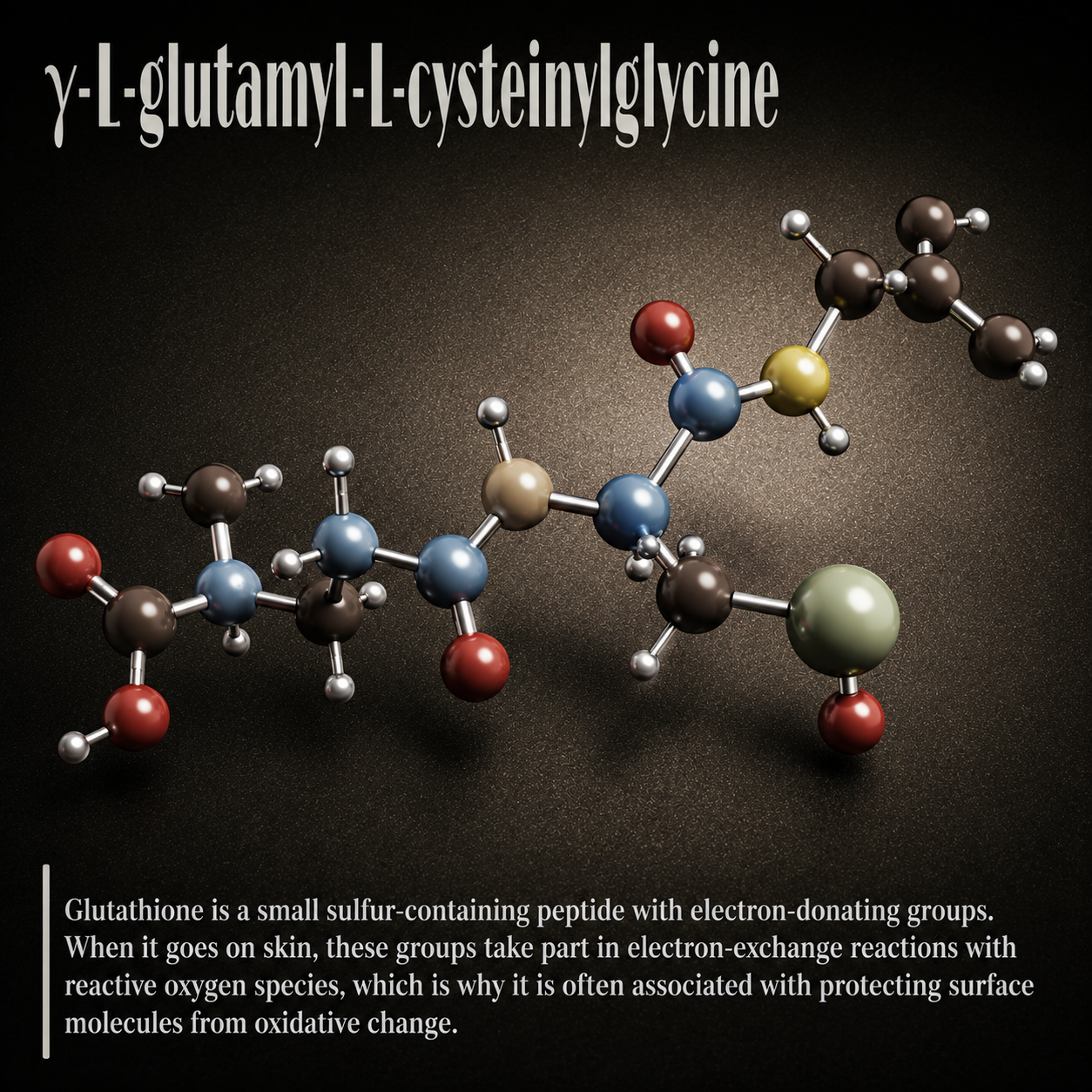
Glutathione
- Master intracellular antioxidant
- Helps regulate pigmentation pathways
- Supports overall cellular detoxification

Botanical Antioxidants (Citrus & Plant Extracts)
- Provide polyphenols and flavonoids
- Offer complementary protection against oxidative stress
How to Use an Antioxidant Serum Correctly
- Apply in the morning after cleansing
- Follow with moisturizer and sunscreen
- Can be layered with hydration or barrier-support serums
- Consistency matters more than concentration
Antioxidants work best when used daily, especially in urban or high-exposure environments.
Choosing the Right Antioxidant Serum for Your Skin Type
- Dull or uneven tone: Vitamin C–focused formulas
- Sensitive or barrier-impaired skin: Glutathione or Vitamin E support
- Pollution exposure: Multi-antioxidant blends
- Dry or compromised skin: Antioxidants paired with lipids or emollients
Well-formulated antioxidant serums should feel stable, absorb well, and avoid unnecessary irritation.

Why Antioxidant Support Is Foundational, Not Optional
Antioxidants are not a trend—they’re a foundational layer of modern skincare. Without protection from oxidative stress, even the best hydration or anti-aging routines work against constant cellular damage.
Supporting skin at the biochemical level allows every other product in your routine to perform better.
Final Thoughts
An effective antioxidant serum doesn’t promise overnight transformation. Instead, it supports long-term skin health by addressing one of the root causes of aging and inflammation.
Understanding how antioxidants work empowers better skincare decisions—and healthier skin over time.