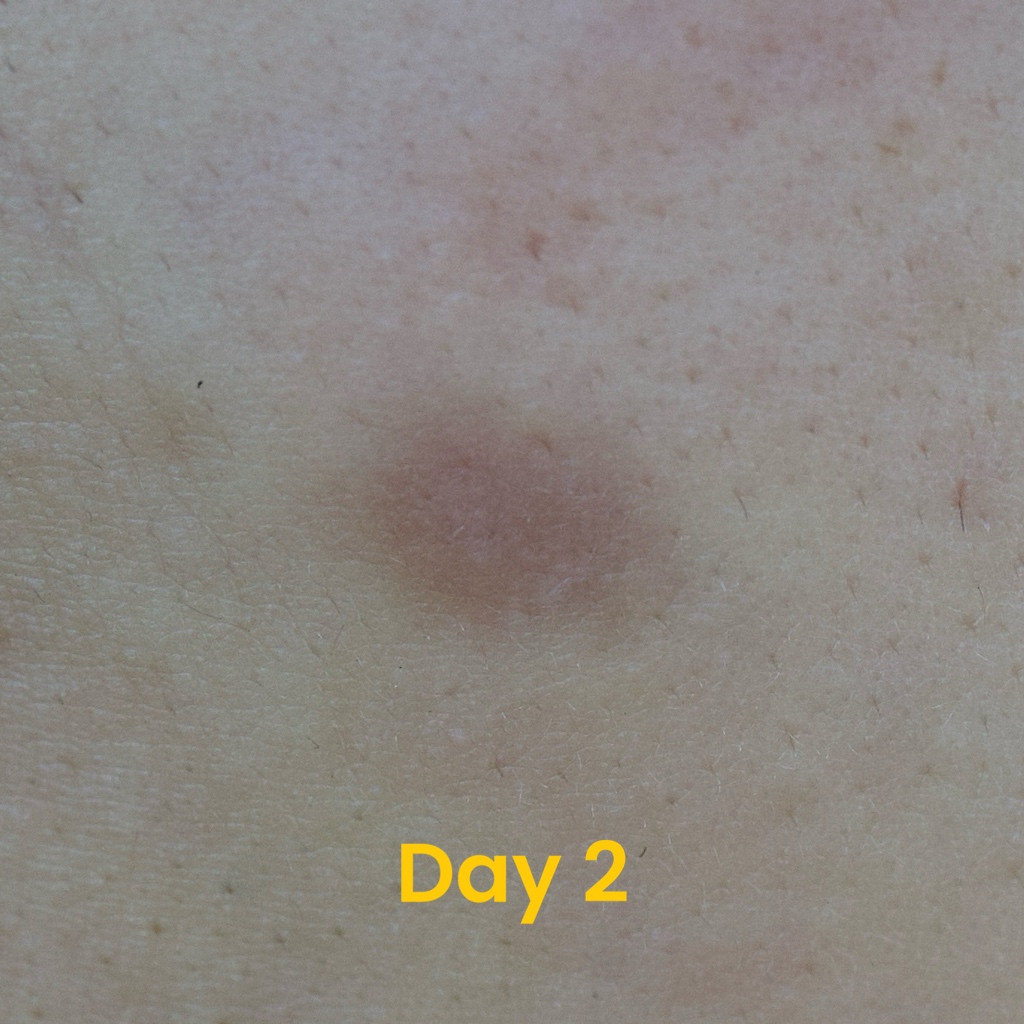
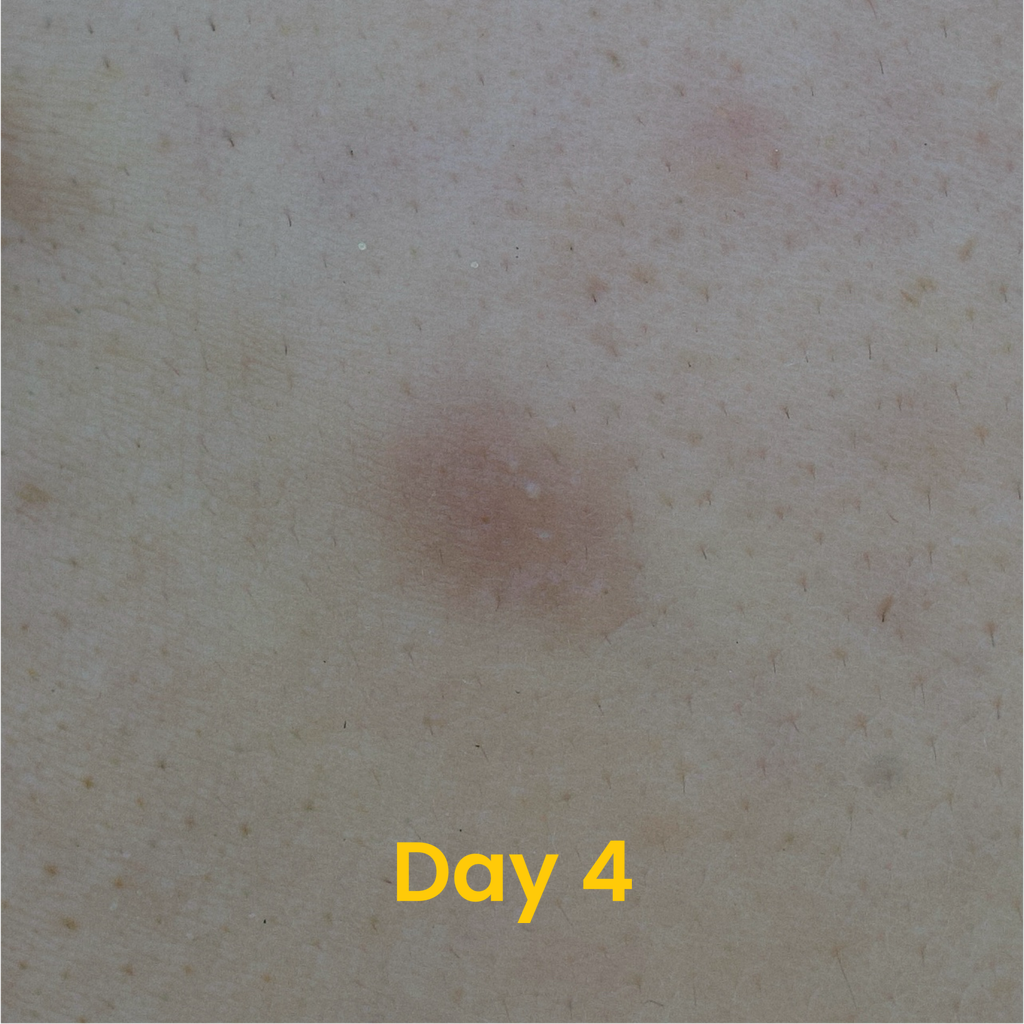
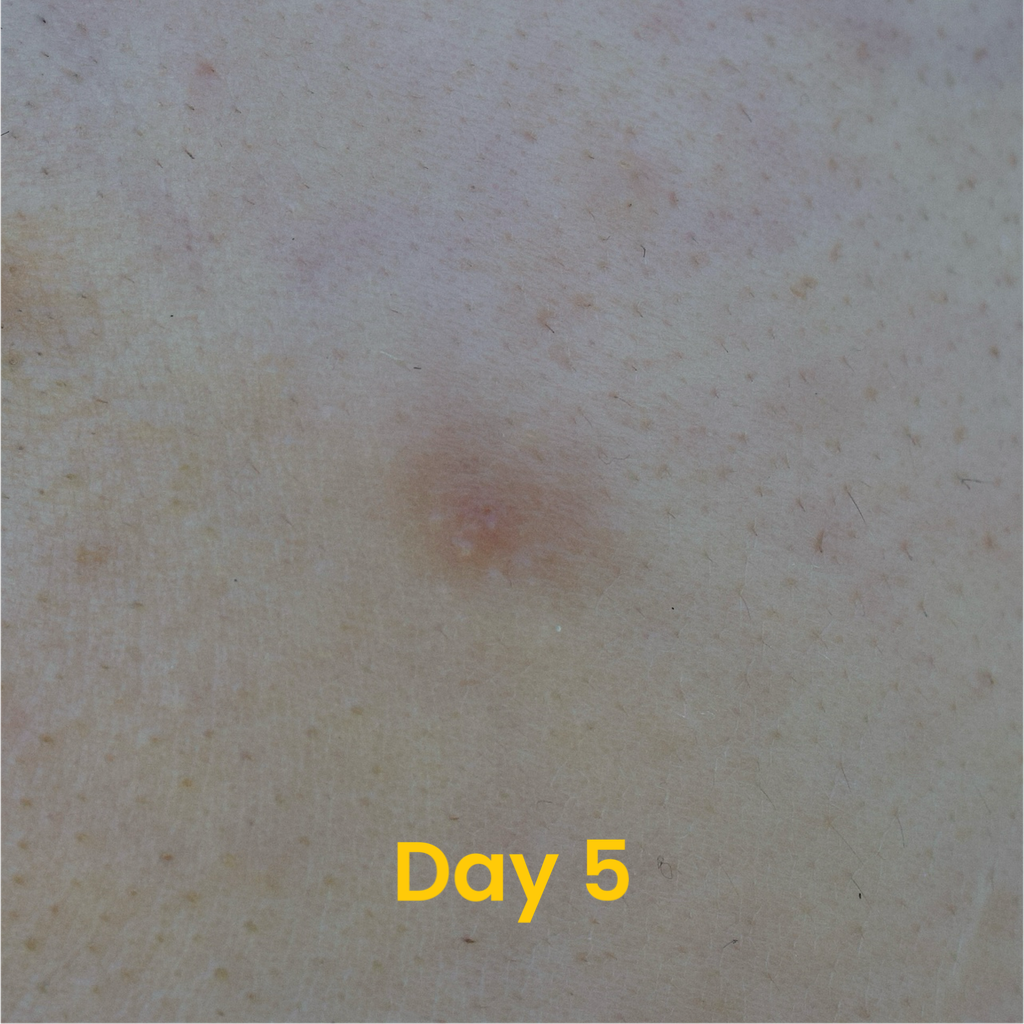
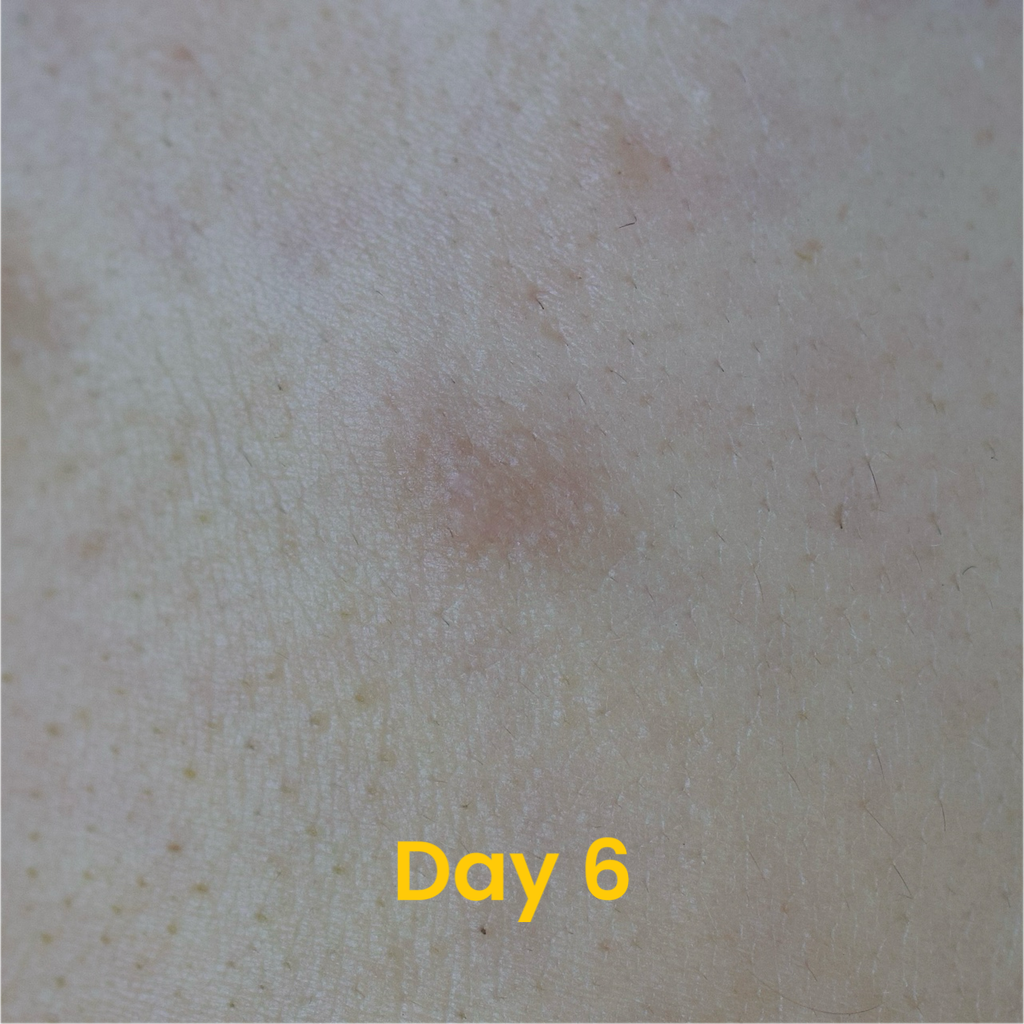
How Air Pollution Damages Your Skin Barrier (And How to Protect It in the USA)

Air pollution is no longer just a respiratory concern — it is now recognized as one of the most aggressive environmental stressors affecting skin health. In the United States, especially in highly populated or industrial regions such as California, Texas, and New York, daily exposure to traffic pollution, fine dust particles, and ozone can accelerate visible skin aging, weaken the skin barrier, and trigger chronic inflammation.
Understanding how pollution affects the skin — and how to defend against it — is essential for maintaining healthy, resilient skin in modern environments.
This guide explains how pollution damages the skin barrier, which skin concerns it worsens, and how to build a protective skincare routine using scientifically supported ingredients.
What Is Air Pollution and Why Does It Affect Skin?
Air pollution contains microscopic particles known as PM2.5 (particulate matter smaller than 2.5 microns), heavy metals, volatile organic compounds (VOCs), and polycyclic aromatic hydrocarbons (PAHs). These particles are small enough to penetrate pores and hair follicles, allowing them to interact directly with skin cells.
Once they reach the skin surface, they generate oxidative stress — a chain reaction of free radical damage that disrupts normal cellular function.
In urban areas across the USA, this exposure happens daily, even if you do not visibly see smog.
How Pollution Damages the Skin Barrier
The skin barrier is your body’s first defense against environmental threats. Pollution weakens it in three primary ways:
1. Oxidative Stress
Pollution increases free radical production, which breaks down collagen, elastin, and protective lipids. This leads to premature aging, dullness, and uneven skin tone.
2. Inflammation
Airborne toxins trigger inflammatory responses in skin cells, leading to redness, sensitivity, and long-term barrier dysfunction.
3. Lipid Depletion
Pollution strips essential fatty acids from the stratum corneum (outer skin layer), allowing moisture loss and easier penetration of irritants.
Together, these effects result in:
• Dehydration
• Weakened barrier
• Increased breakouts
• Increased pigmentation
• Accelerated wrinkles
Skin Concerns Linked to Pollution Exposure
Pollution contributes directly to:
• Uneven skin tone
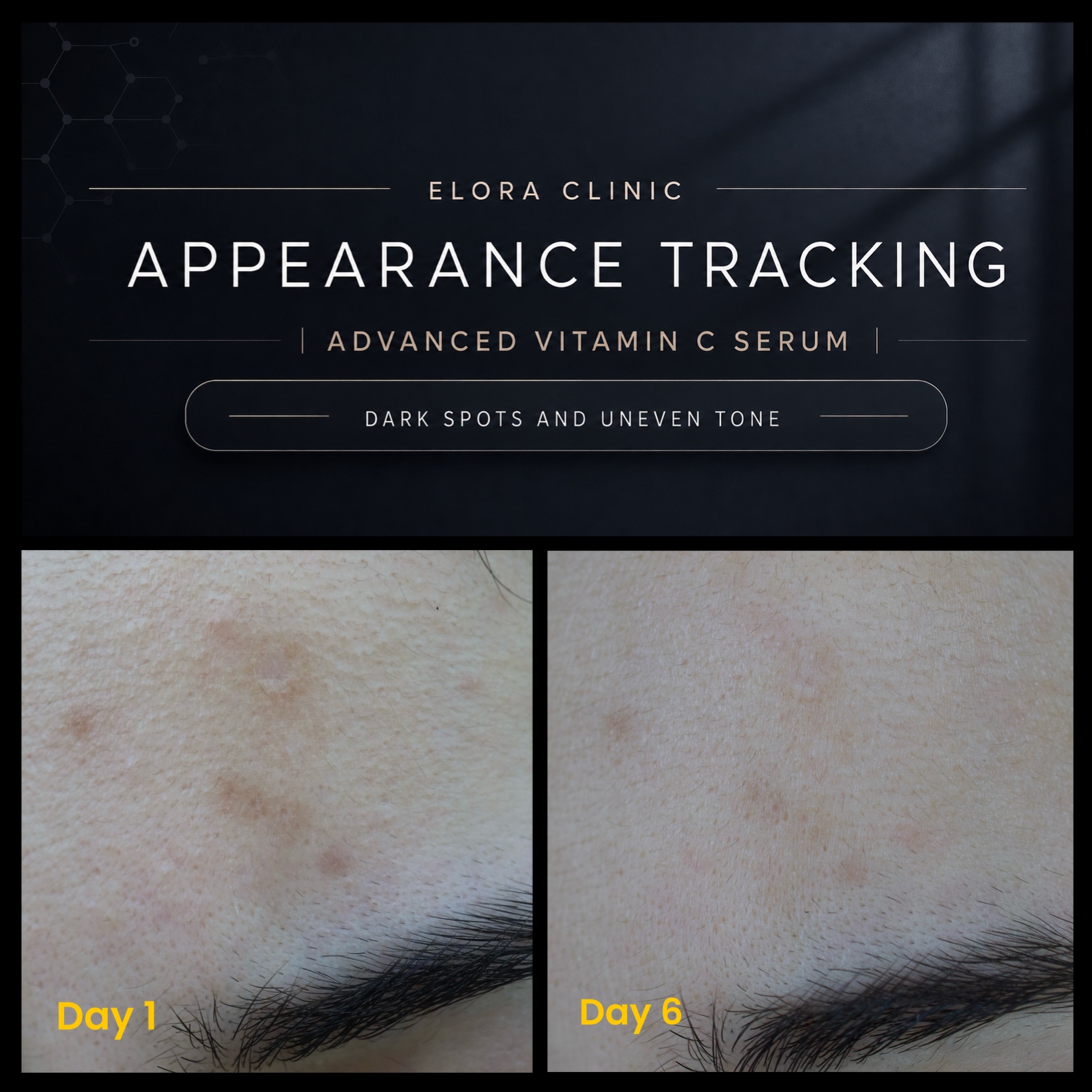
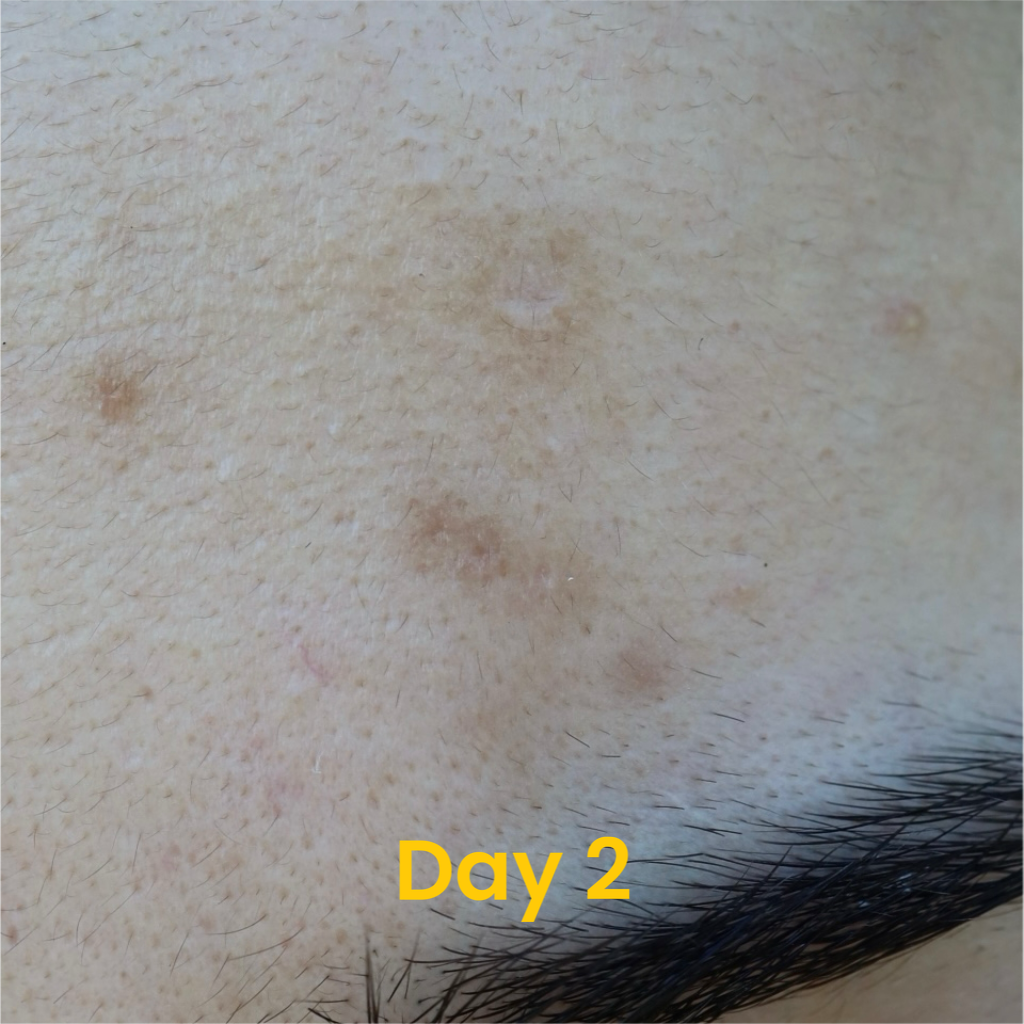
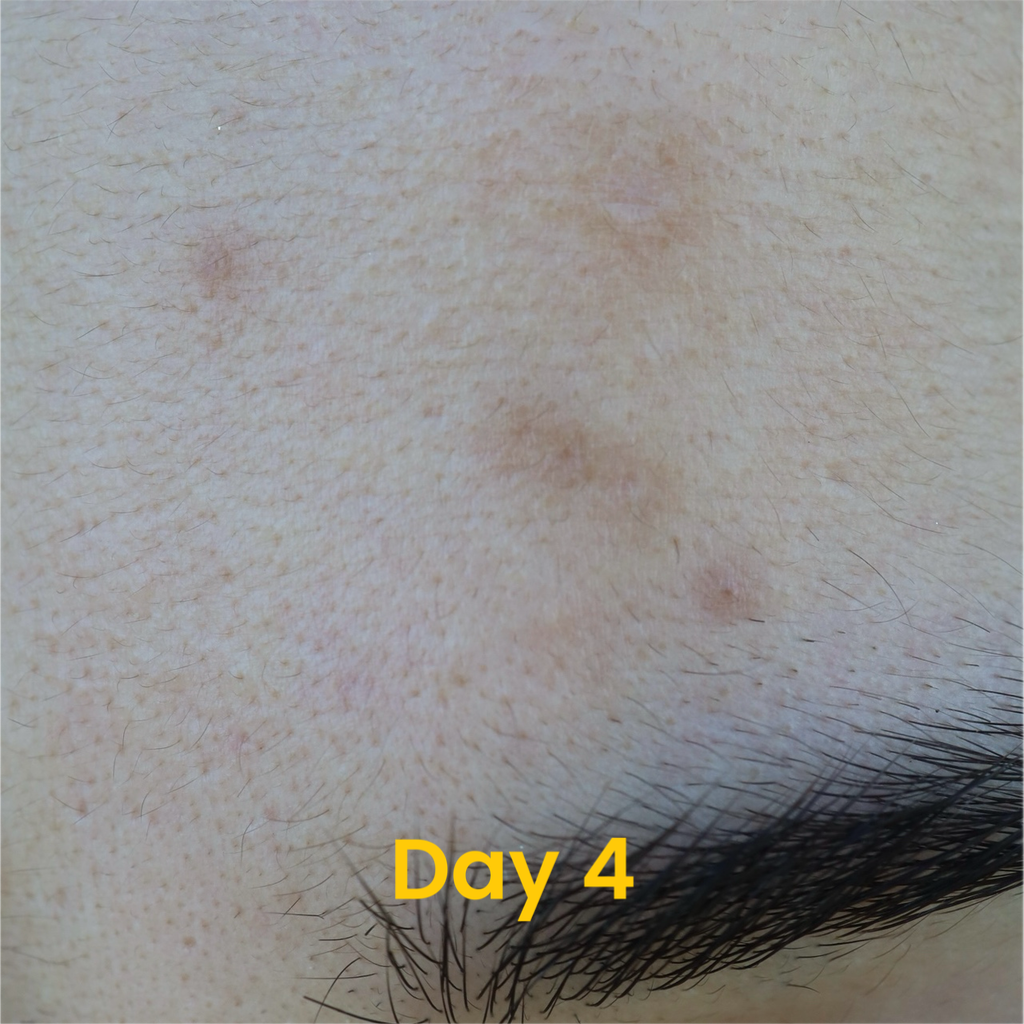
• Hyperpigmentation
• Fine lines and wrinkles
• Chronic dryness
• Acne flare-ups
• Inflamed skin barrier
• Dull complexion
• Increased sensitivity
Studies show that people living in polluted environments develop more dark spots and wrinkles than those in cleaner rural areas.
Why U.S. Urban Living Increases Skin Damage Risk
In states such as California, Nevada, Arizona, and Texas, environmental stress combines:
• UV radiation
• Dry climate
• Traffic pollution
• Wildfire smoke
• Industrial emissions
This creates compounded skin damage, making barrier protection especially important in American cities.

The Role of Antioxidants in Pollution Protection
Antioxidants neutralize free radicals before they damage skin cells. They act as molecular shields against pollution-induced oxidative stress.
Key antioxidant groups include:
• Vitamin C
• Vitamin E
• Polyphenols
• Green tea extract
• Plant flavonoids
Antioxidant skincare is one of the most evidence-supported ways to reduce environmental skin damage.
Learn more here:
https://eloraclinic.com/best-antioxidant-serum-for-glowing-skin/
https://eloraclinic.com/antioxidant-serum-benefits-2/
https://eloraclinic.com/how-to-use-antioxidant-serum/
Vitamin C and Pollution Defense
Vitamin C helps:
• Neutralize free radicals
• Support collagen production
• Brighten pollution-induced pigmentation
• Strengthen barrier function
Research confirms topical vitamin C reduces oxidative stress from urban pollution.
Related reading:
https://eloraclinic.com/vitamin-c-serum/
https://eloraclinic.com/best-vitamin-c-serum-for-brightening-anti-aging/
https://eloraclinic.com/3-o-ethyl-ascorbic-acid-vitamin-c-serum/
Product page:
https://eloraclinic.com/product/vitaminc/
Aloe Vera for Barrier Recovery
Aloe vera contains polysaccharides that:
• Calm inflamed skin
• Support wound healing
• Improve hydration
• Reduce oxidative stress
It is especially useful for pollution-exposed skin that becomes reactive or tight.
Related guides:
https://eloraclinic.com/aloe-vera-serum-benefits-guide/
https://eloraclinic.com/aloe-vera-serum-benefits-skin/
Product page:
https://eloraclinic.com/product/aloevera/
Red Light Therapy and Environmental Repair
Red light therapy stimulates mitochondrial activity in skin cells, improving repair processes and reducing inflammation caused by oxidative stress.
When paired with antioxidant skincare, it may support:
• Faster skin recovery
• Reduced inflammation
• Improved texture
• Barrier repair
Learn more:
https://eloraclinic.com/best-serum-to-use-with-red-light-therapy/
https://eloraclinic.com/red-light-therapy-serum/
Product page:
https://eloraclinic.com/product/red-light-therapy-serum/
Daily Anti-Pollution Skincare Routine (USA)
Morning:
- Gentle cleanser
- Antioxidant serum (vitamin C or botanical antioxidants)
- Barrier-support moisturizer
- Broad-spectrum SPF
Evening:
- Double cleanse (remove pollution residue)
- Hydrating serum
- Repair-focused treatment
- Moisturizer
Supporting routine article:
https://eloraclinic.com/best-skincare-routine-for-tired-dull-skin-usa/
https://eloraclinic.com/best-antioxidant-serum-routine-pollution-exposed-skin-usa/

How to Reduce Pollution Exposure to Skin
• Cleanse nightly
• Avoid harsh exfoliation
• Use antioxidants daily
• Hydrate deeply
• Apply sunscreen even in winter
• Avoid sleeping with uncovered windows in polluted zones
Scientific Reference
According to a study published by the National Center for Biotechnology Information (NCBI), particulate matter directly accelerates skin aging and pigment formation by increasing oxidative stress:
Internal Linking (Cluster Required)
Pillar page:
https://eloraclinic.com/pollution-skin-barrier-damage-protection-guide/
Supporting cluster pages:
https://eloraclinic.com/best-serum-for-pollution-exposed-skin/
https://eloraclinic.com/pollution-exposed-skin-antioxidant-serum-guide/
https://eloraclinic.com/best-antioxidant-serum-routine-pollution-exposed-skin-usa/
https://eloraclinic.com/best-skincare-routine-for-tired-dull-skin-usa/

Final Thoughts
Air pollution is now one of the most powerful accelerators of skin aging in the USA. Protecting the skin barrier through antioxidants, hydration, and daily cleansing is no longer optional — it is essential.
With the right routine and protective ingredients, pollution-related damage can be reduced, skin resilience strengthened, and long-term aging slowed.