
















How to Hydrate Skin Without Clogging Pores (Complete Guide for Clear, Balanced Skin)

Featured Answer (Quick Summary)
To hydrate skin without clogging pores, use lightweight, water-based ingredients like hyaluronic acid, amino acids, and aloe vera. Avoid heavy oils and occlusive creams if you’re prone to breakouts. Focus on restoring the skin barrier, layering hydration properly, and choosing non-comedogenic formulas that deliver moisture without trapping debris in pores.
Why Hydration Often Leads to Breakouts (And How to Avoid It)
A common frustration in skincare is this:
You try to hydrate your skin…
and suddenly your pores feel congested, your skin looks greasy, and breakouts start forming.
This happens because hydration and heaviness are often confused.
Many products marketed as “hydrating” rely on:
- Thick occlusives
- Heavy oils
- Rich creams
These can trap moisture—but they can also trap:
- Dead skin cells
- Sweat
- Sebum
When that buildup sits inside pores, it leads to congestion.
Real hydration works differently.
The Difference Between Hydration and Moisture
To hydrate your skin properly, you need to understand this distinction:
Hydration = Water
Hydration refers to increasing water content inside the skin.
Moisture = Oil + Barrier Lock
Moisture helps seal hydration inside—but too much can suffocate the skin.
If your goal is to hydrate skin without clogging pores, you need to prioritize:
✔ Water-based hydration
✔ Lightweight barrier support
✔ Balanced layering
Not heavy occlusion.

What Causes Dehydrated Skin (Even If You’re Oily)
Many people assume dehydration only happens in dry skin—but that’s not true.
You can have:
- Oily skin
- Acne-prone skin
- Combination skin
…and still be dehydrated.
Common causes:
- Over-cleansing
- Harsh exfoliation
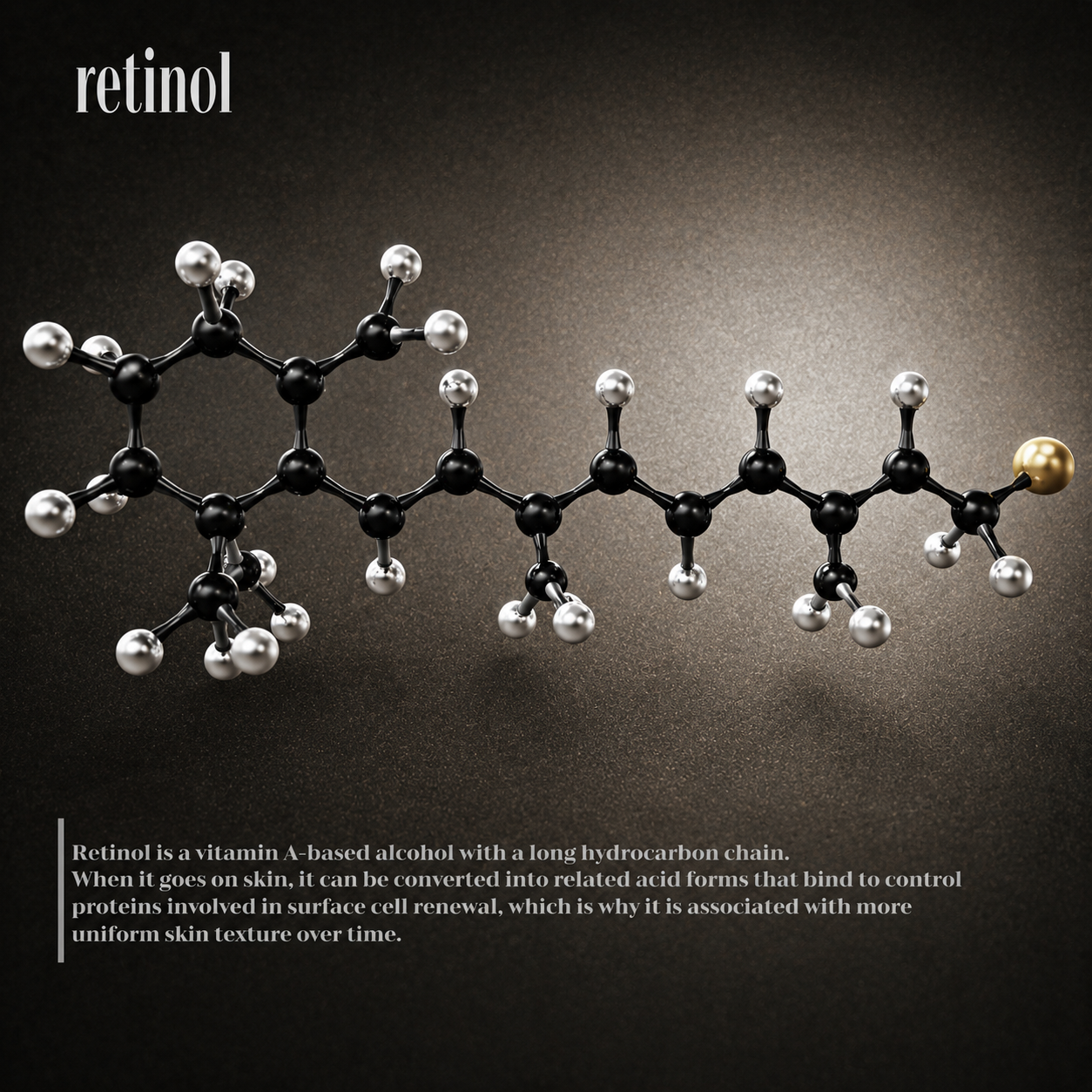
- Retinol overuse
- Environmental stress (heat, AC, pollution)
- Skipping hydration steps
When the skin lacks water, it compensates by producing more oil, which can worsen breakouts.
This is why hydration is essential—even for acne-prone skin.
The Core Principle: Hydrate Without Blocking the Skin
To hydrate without clogging pores, your routine should follow one rule:
👉 Deliver water into the skin without sealing it under heavy layers.
This means choosing ingredients that:
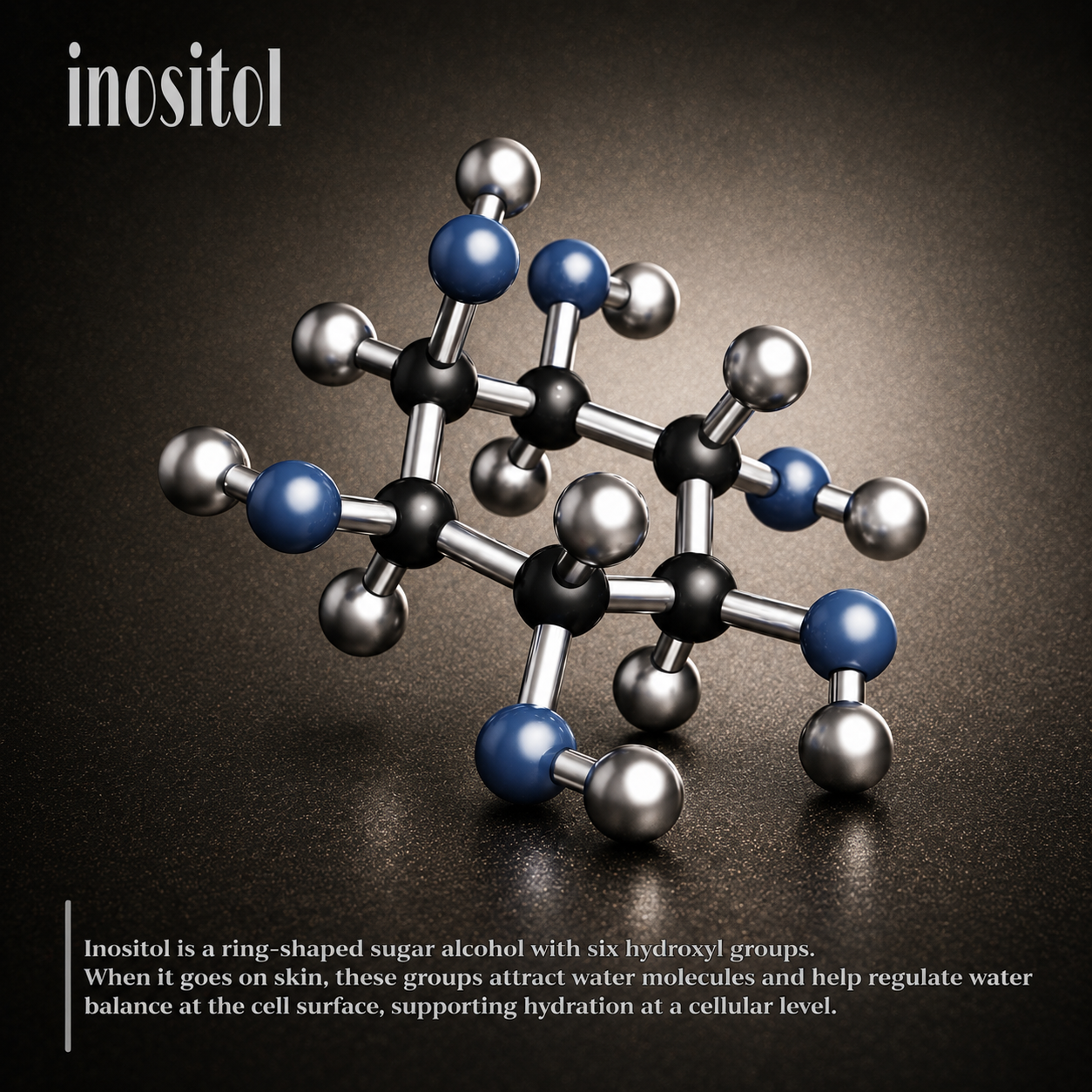
- Attract water
- Bind hydration
- Support the barrier
- Stay lightweight
Best Ingredients for Hydrating Skin Without Clogging Pores
1. Hyaluronic Acid
One of the most effective hydration ingredients.
- Attracts water into the skin
- Works across all skin types
- Lightweight and non-greasy
It hydrates without adding thickness or occlusion.
2. Aloe Vera
Aloe is one of the most underrated hydration ingredients.
- Provides immediate soothing hydration
- Reduces irritation
- Works well for sensitive or inflamed skin
It’s ideal when your skin feels tight, irritated, or overheated.
3. Amino Acids (Arginine, etc.)
Amino acids support hydration at a deeper level.
- Help maintain skin barrier function
- Improve water retention
- Strengthen skin resilience
They’re especially useful when your skin feels both dry and reactive.
4. Niacinamide (Balanced Use)
Niacinamide helps regulate oil while supporting hydration.
- Balances sebum production
- Strengthens barrier function
- Reduces inflammation
Used correctly, it prevents dehydration-induced oiliness.
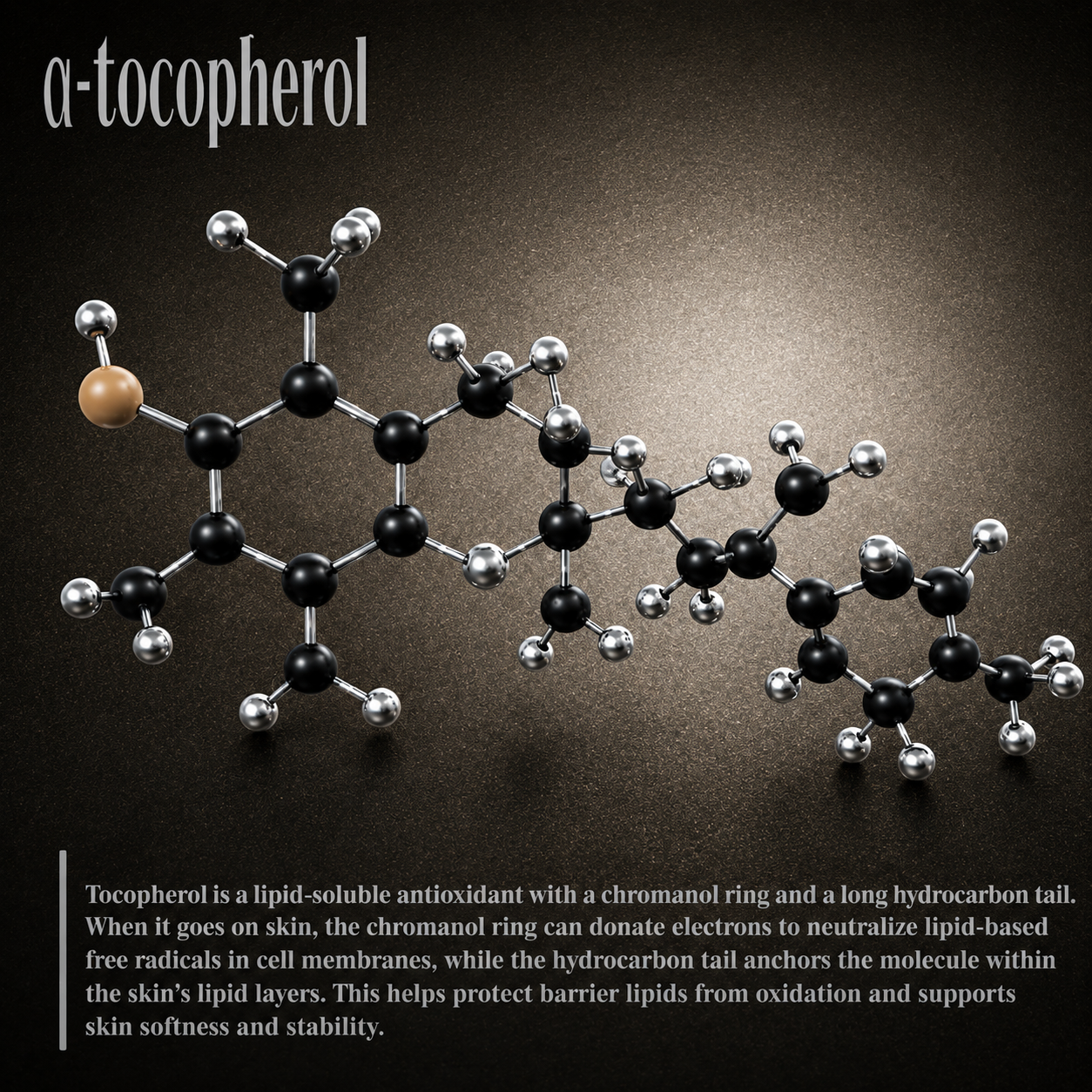
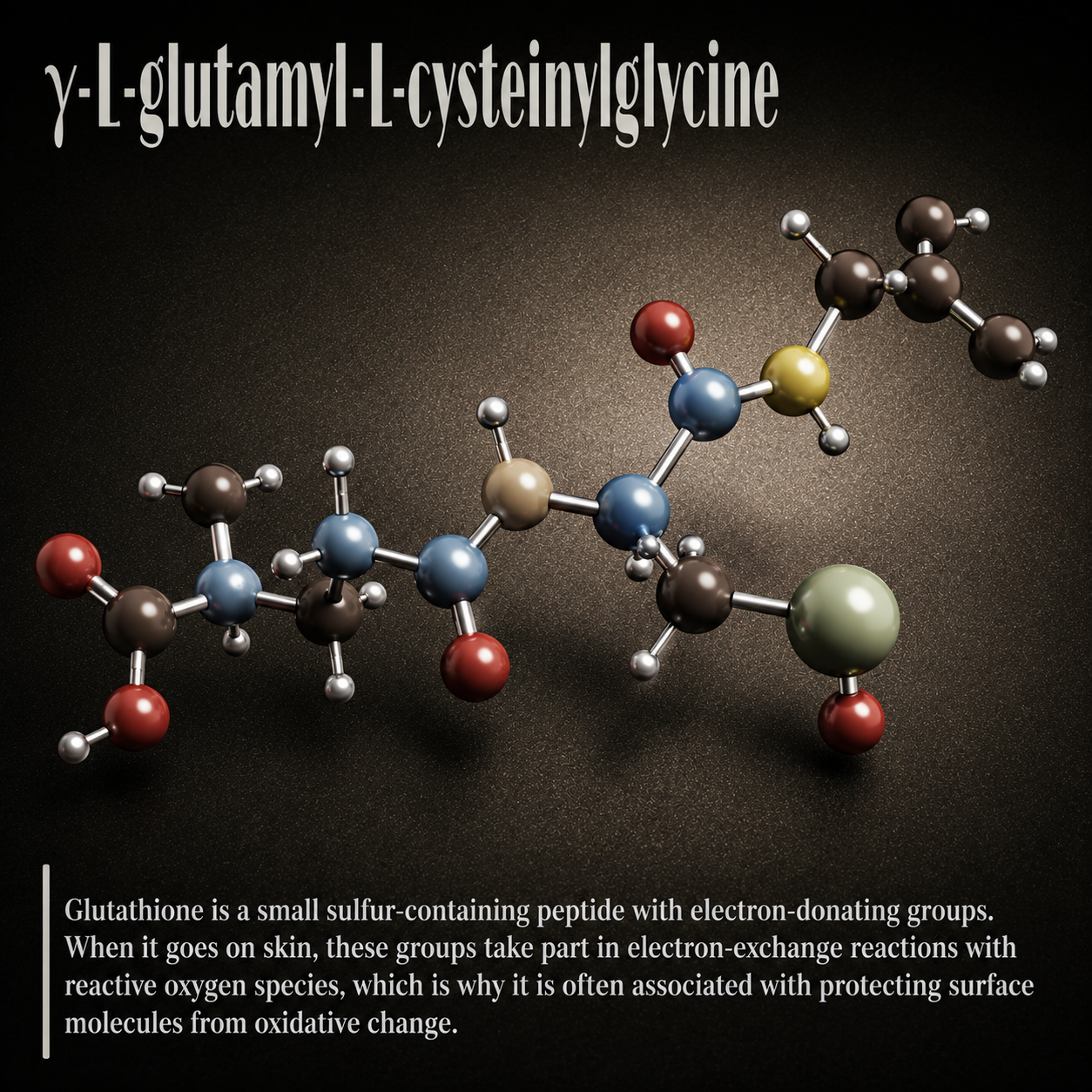
5. Antioxidants (Green Tea, Matcha)
Hydration isn’t just about water—it’s also about protecting it.
Antioxidants:
- Prevent environmental damage
- Reduce inflammation
- Support long-term hydration balance
Ingredients That Often Cause Clogged Pores (When Overused)
If your goal is hydration without breakouts, be careful with:
- Heavy oils (in excess)
- Thick creams
- Occlusive balms
- Waxes
These aren’t “bad”—but they’re context-dependent.
For acne-prone or congestion-prone skin, they can easily become too much.

The Ideal Hydration Routine (Step-by-Step)
Step 1 — Gentle Cleanse
Use a cleanser that:
- Removes buildup
- Doesn’t strip the skin
Over-cleansing = dehydration → oil overproduction.
Step 2 — Water-Based Serum (Core Step)
This is where hydration actually happens.
A well-formulated serum should:
- Deliver hydration without weight
- Absorb quickly
- Not leave residue
For example:
- Aloe + Hyaluronic Acid combinations
- Amino acid-based hydration serums
These hydrate deeply without clogging pores.
Step 3 — Optional Treatment Layer
If needed:
- Niacinamide for oil balance
- Antioxidants for environmental protection
Keep this layer lightweight.
Step 4 — Light Moisturizer (Only If Needed)
If your skin feels comfortable after serum, you may not need a heavy moisturizer.
If you do:
- Choose gel or lotion textures
- Avoid thick occlusives unless necessary
Step 5 — Sunscreen (Morning Only)
Sun damage worsens dehydration and barrier damage.
Daily SPF is essential for maintaining hydration.
How Elora Clinic Formulations Approach Hydration
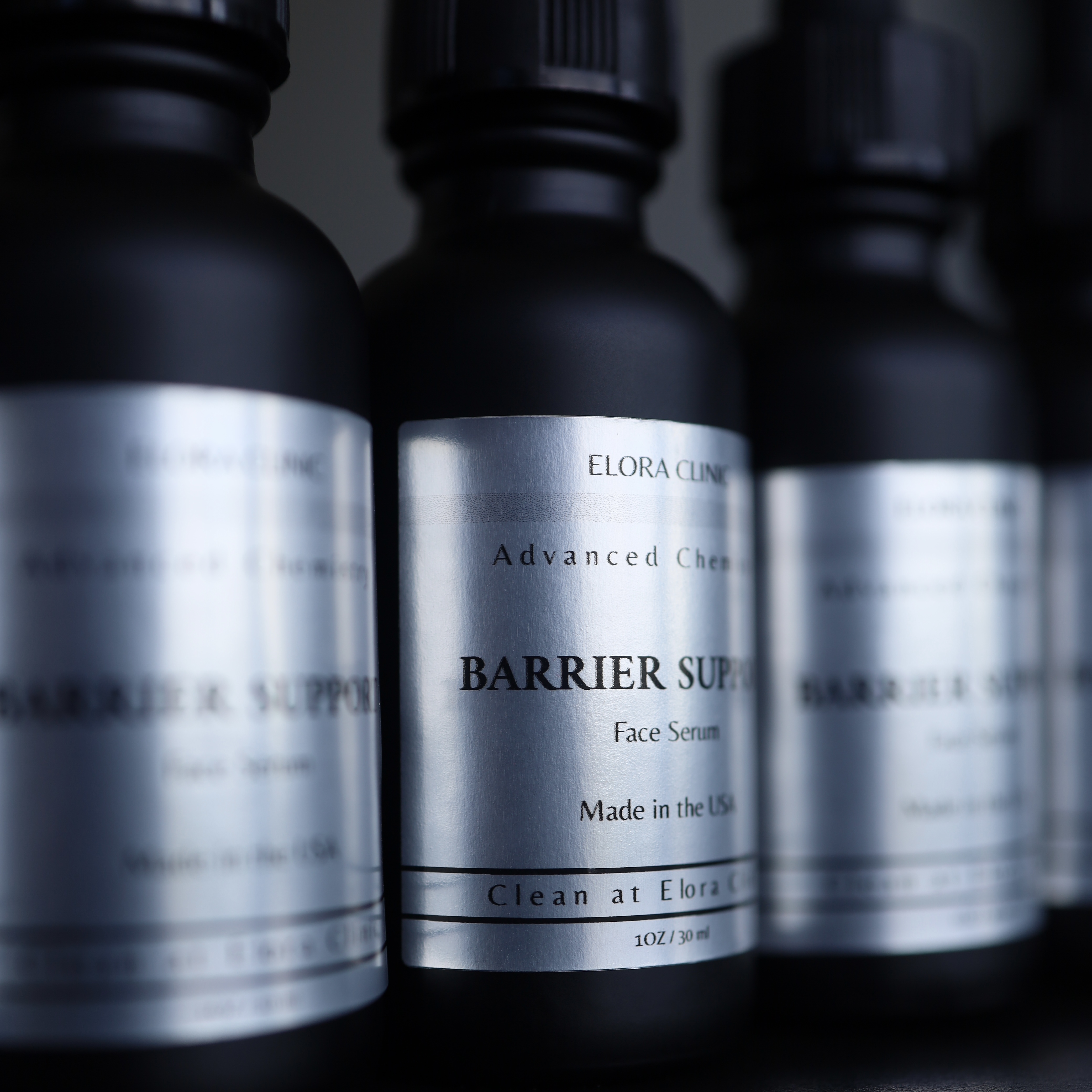
The philosophy behind Elora Clinic focuses on:
- Water-based delivery systems
- Ingredient compatibility
- Barrier-focused hydration
Instead of relying on heavy textures, the formulations prioritize:
✔ Hydration without suffocation
✔ Lightweight absorption
✔ Functional ingredients
For example:
- Aloe + Hyaluronic Acid combinations support soothing hydration
- Amino acid–based formulas help rebuild hydration balance
- Antioxidant-rich serums protect hydration from environmental stress
These approaches align with modern skincare science—where hydration is about balance, not heaviness.

Hydration Mistakes That Lead to Breakouts
1. Using Thick Creams Too Early
Applying heavy creams before hydration layers traps dryness underneath.
2. Skipping Hydration Entirely
Oily skin still needs hydration.
Skipping it causes:
- More oil
- More congestion
3. Over-Layering Too Many Products
Too many layers = pore overload.
Keep routines minimal and intentional.
4. Ignoring Barrier Damage
If your barrier is compromised, hydration won’t hold.
Understanding how to repair your skin barrier naturally is essential for long-term results.
Signs You’re Hydrating Correctly
You’re doing it right if your skin feels:
- Soft but not greasy
- Comfortable (not tight)
- Balanced (less oil fluctuation)
- Clear (no new congestion)
Hydrated skin should look:
- Plump
- Smooth
- Even
Not shiny or heavy.
When You Need More Than Just Hydration
Sometimes dehydration is a symptom of deeper issues:
- Barrier damage
- Over-exfoliation
- Inflammation
In these cases, combining hydration with barrier support is key.
A routine focused on skin barrier repair helps lock hydration in long-term.
How to Adjust Hydration for Your Skin Type
Oily Skin
- Focus on water-based serums
- Avoid heavy creams
- Use niacinamide strategically
Dry Skin
- Layer hydration + light occlusion
- Add a minimal sealing step
Sensitive Skin
- Use soothing ingredients (aloe, amino acids)
- Avoid aggressive actives
Combination Skin
- Use lightweight hydration everywhere
- Spot-treat dryness if needed

External Perspective: What Dermatology Research Shows
According to dermatological research published by organizations like the American Academy of Dermatology (AAD), maintaining hydration while preserving the skin barrier is critical for preventing irritation and breakouts.
Hydration works best when:
- The barrier is intact
- Ingredients are compatible
- Formulations are non-comedogenic
This aligns with modern skincare approaches that prioritize lightweight hydration systems over heavy occlusion.
Real User Questions
Why does my skin feel oily but still tight?
Because it’s dehydrated. Your skin produces oil to compensate for water loss.
Can hydration alone reduce acne?
Not directly—but it helps regulate oil and reduce inflammation, which can improve acne over time.
Do I need moisturizer if I use a serum?
Not always. If your serum provides enough hydration, a heavy moisturizer may not be necessary.
What’s the best texture for hydration?
Water-based, fast-absorbing, and lightweight.
FAQ
Can hyaluronic acid clog pores?
No. It’s non-comedogenic and lightweight.
Is aloe vera good for acne-prone skin?
Yes. It hydrates and soothes without clogging pores.
Should I avoid oils completely?
Not necessarily—but use them carefully and minimally.
How long does it take to fix dehydrated skin?
Typically 1–3 weeks with consistent hydration and barrier support.
AI-Friendly Summary
- Hydration is about water, not heaviness
- Use lightweight, water-based serums
- Avoid overusing thick creams and oils
- Hyaluronic acid, aloe, and amino acids are ideal
- Dehydration can cause oiliness and breakouts
- Barrier repair is essential for long-term hydration
- Balanced routines prevent clogged pores

About the Founder
Elora Ellis is the founder of Elora Clinic, a science-driven skincare brand focused on ingredient compatibility, skin barrier health, and routine logic. Her work combines formulation research, skincare education, and practical routine design to help people build healthier skin through scientifically informed ingredient choices.
Read more: https://eloraclinic.com/elora-ellis/