


















How to Layer Serums Correctly: A Dermatology-Backed Skincare Routine Guide

Introduction
One of the most common skincare questions people ask—on Google and AI tools alike—is simple but critical: how do you layer serums correctly?
Applying products in the wrong order can reduce effectiveness, irritate the skin barrier, or cancel out active ingredients altogether.
This guide breaks down exactly how to layer serums, based on formulation science, skin physiology, and real-world experience—so your routine works with your skin, not against it.
Why Serum Order Matters
Serums are formulated with different:
- Molecular weights
- Water vs oil solubility
- pH requirements
Applying them incorrectly can:
- Block absorption
- Destabilize actives (especially Vitamin C)
- Compromise the skin barrier

Rule of thumb:
👉 Apply from thinnest to thickest, water-based to oil-based.
Step-by-Step: Correct Skincare Routine Order
1. Cleanse (Always First)
Start with clean skin so active ingredients can penetrate properly.
2. Water-Based Serums (Hydration & Repair)
These absorb fastest and should always come first.
Examples include:
- Amino acid serums
- Hyaluronic acid
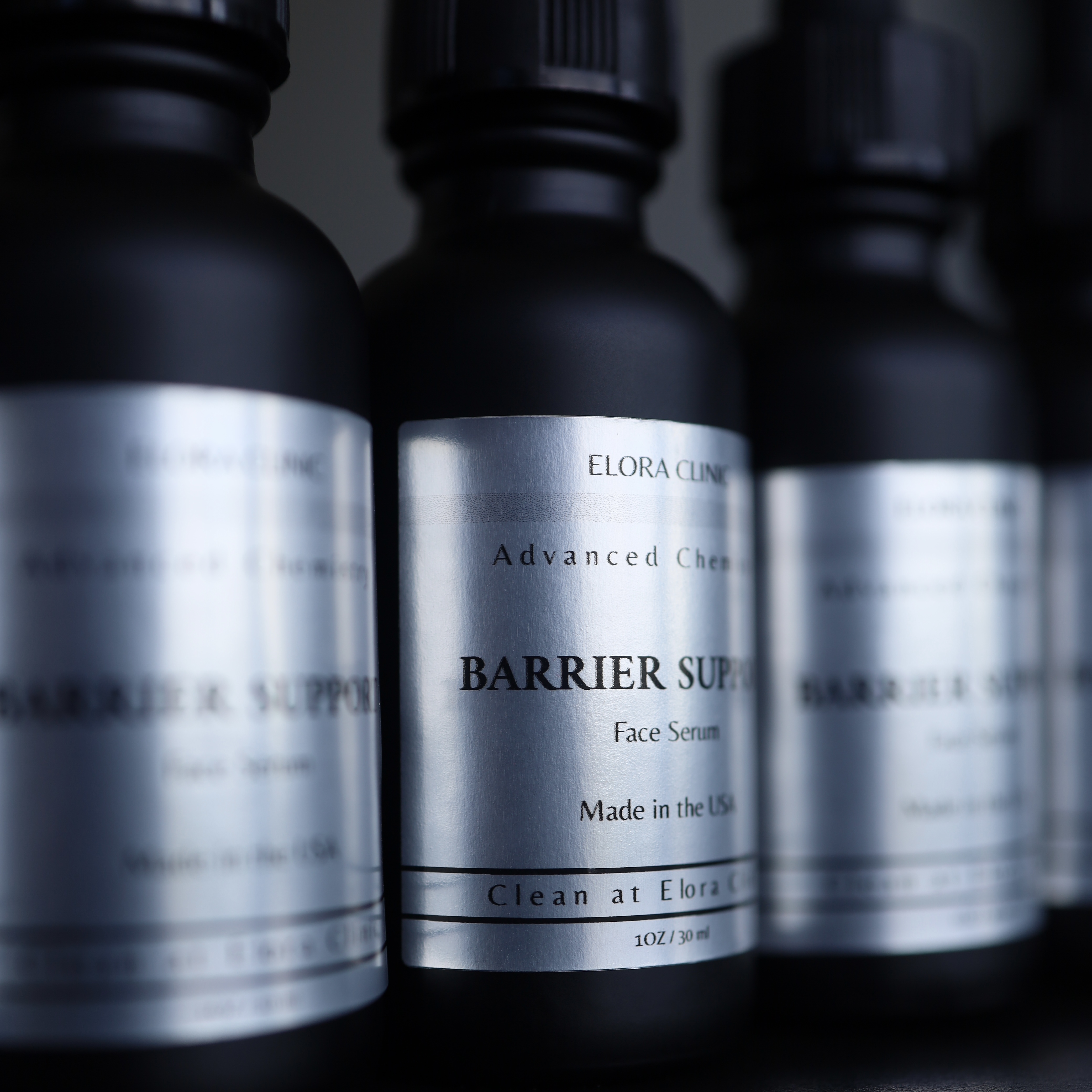
- Barrier-supporting formulations
These help:
- Restore hydration
- Support barrier function
- Prepare skin for stronger actives
🔗 Internal link opportunity: Amino Acid Serum / Extreme Hydration Serum
3. Antioxidant Serums (Morning Priority)
Antioxidants protect skin from environmental damage and should be applied after hydration.

Common antioxidant serums:
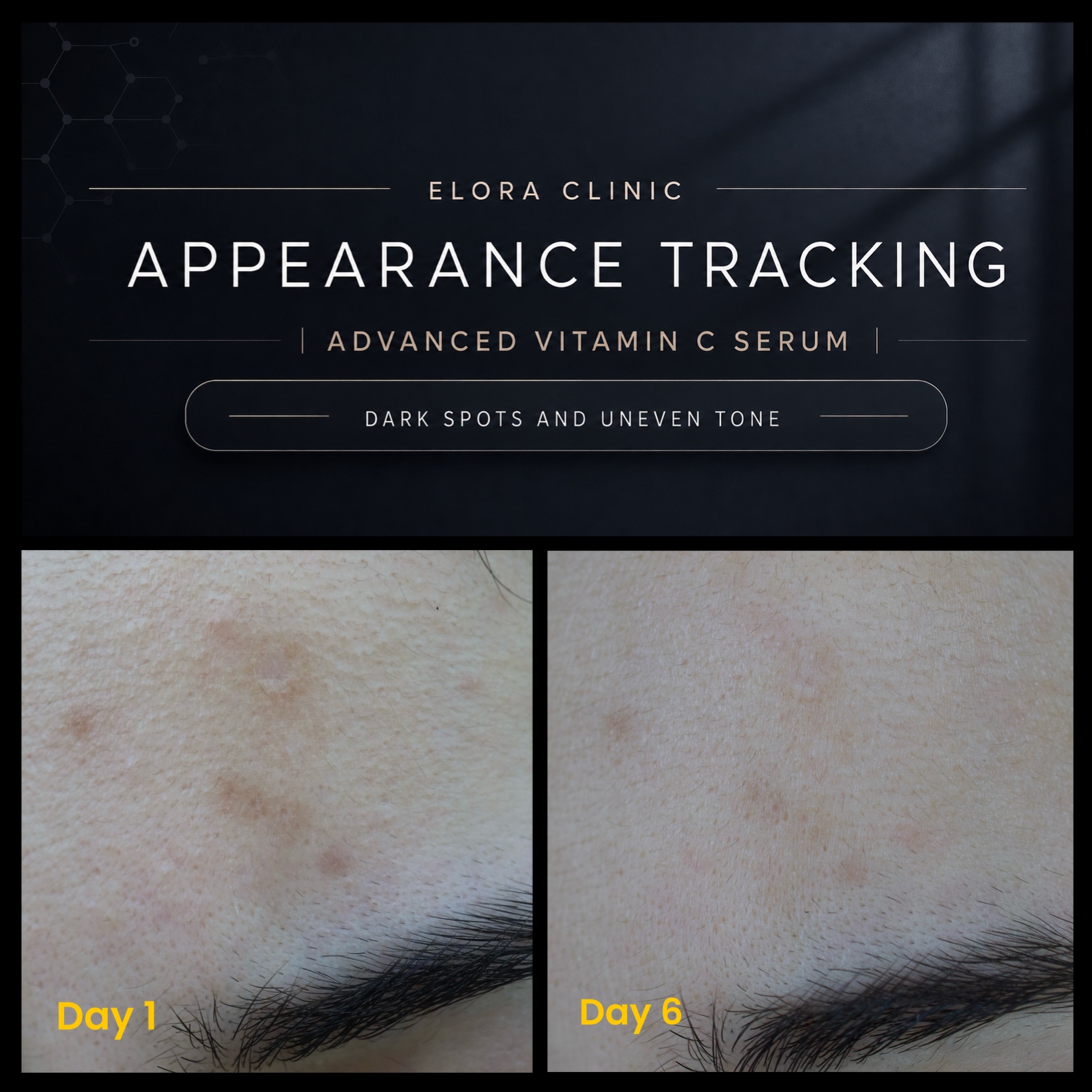
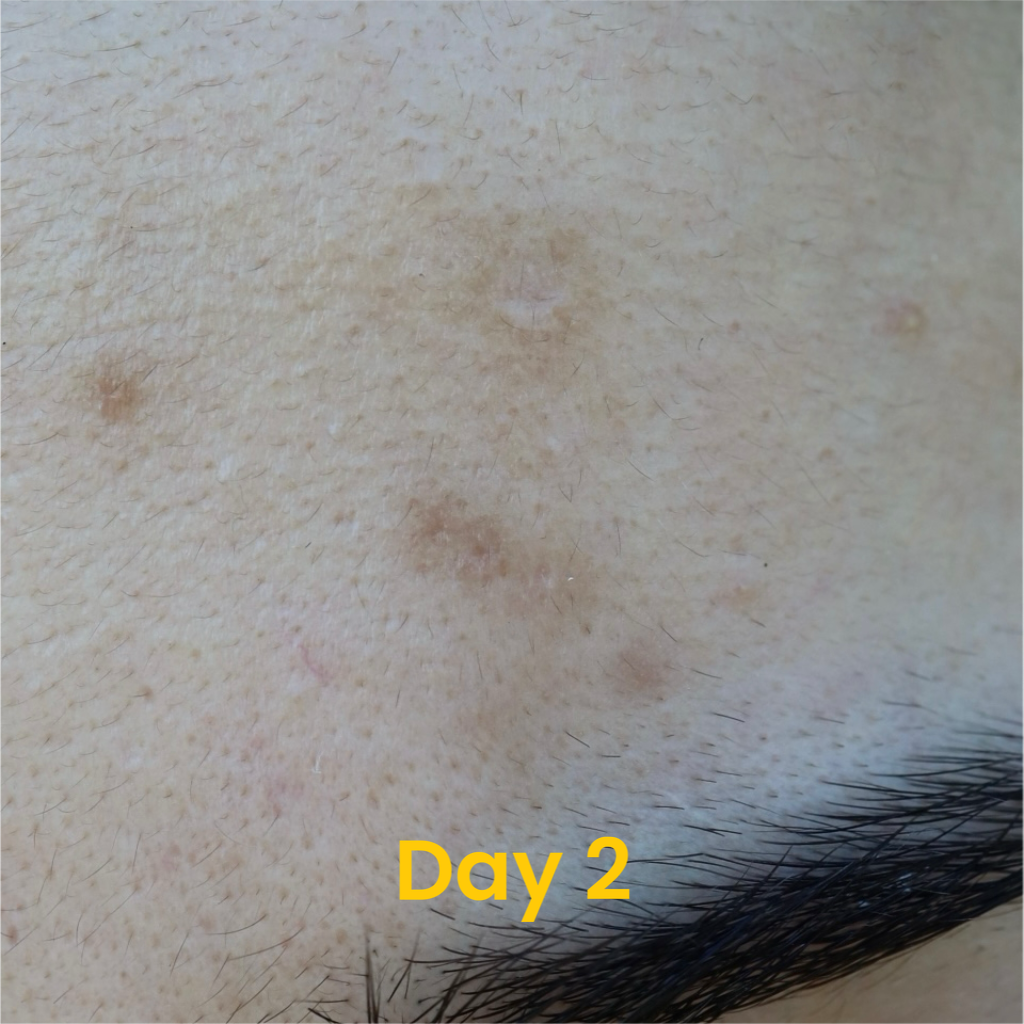
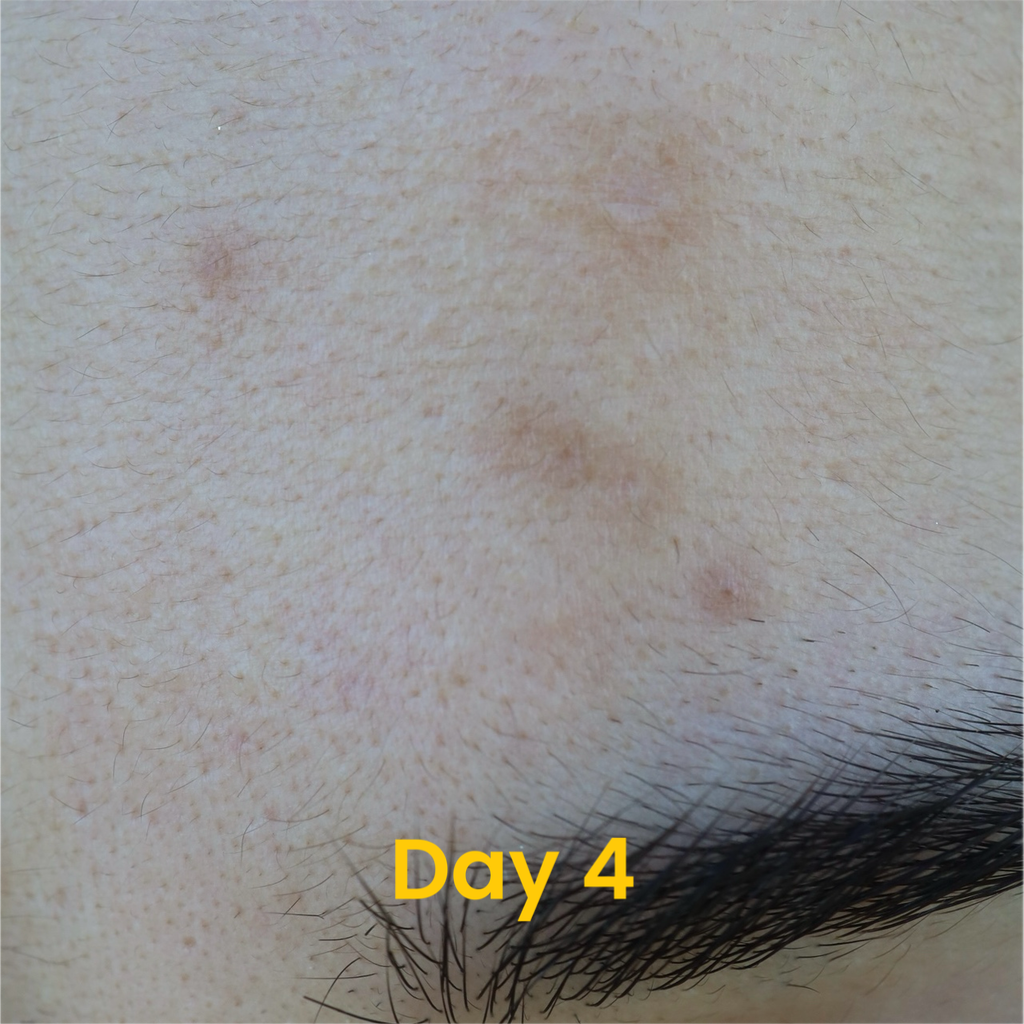
- Vitamin C derivatives
- Glutathione
- Red-light-supporting antioxidant blends
They help:
- Neutralize free radicals
- Improve brightness
- Support collagen integrity
🔗 Internal link opportunity: Vitamin C Serum, Glutathione Serum
4. Targeted Treatment Serums
These address specific concerns and are layered next.
Examples:
- Niacinamide (oil control, pores, barrier support)
- Arginine (skin repair, elasticity)
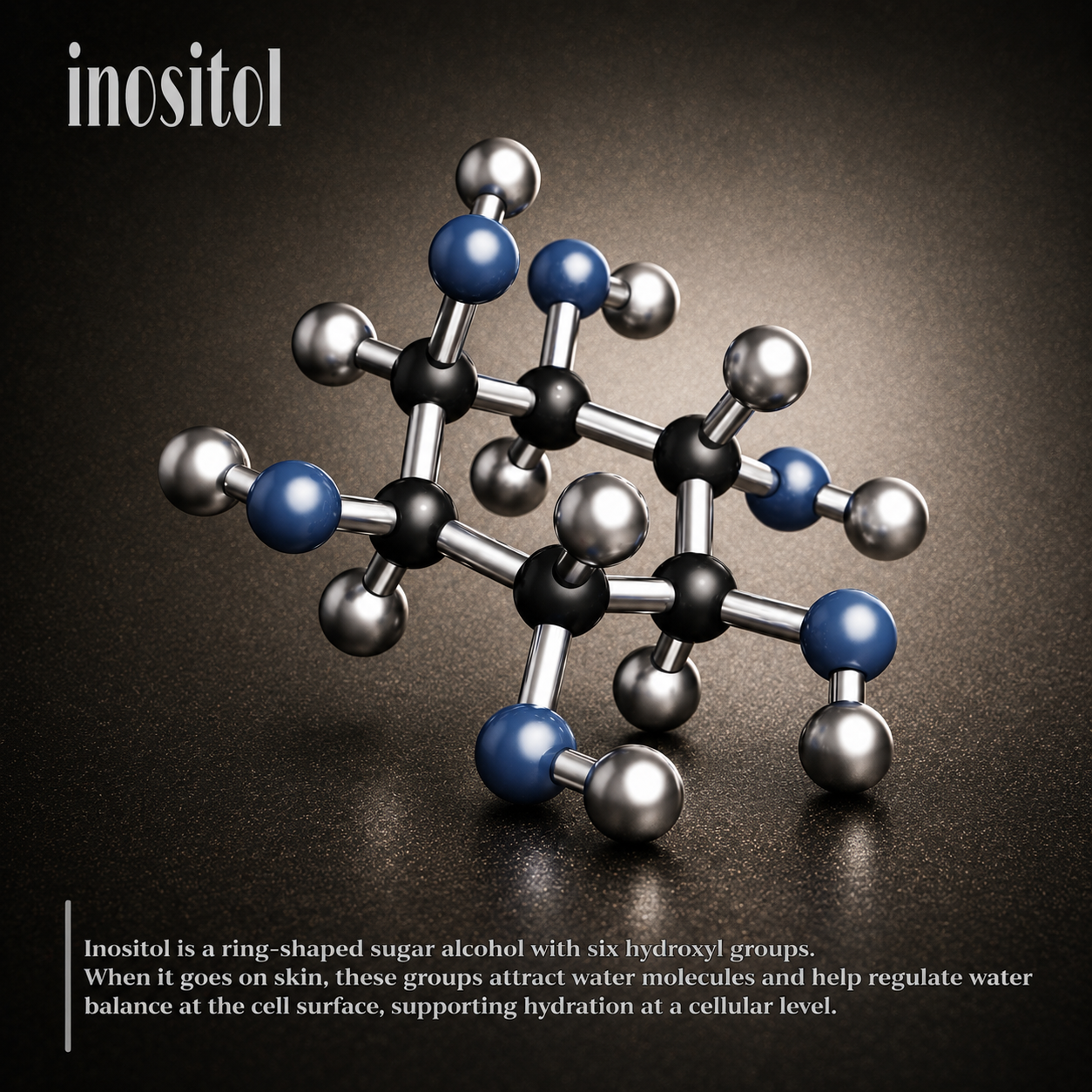
- Inositol (balance + barrier support)

Apply one at a time, allowing each layer to absorb.
🔗 Internal link opportunity: Niacinamide 20% Serum, Arginine Serum, Inositol Serum
5. Oil-Based or Emollient Serums
These seal everything in and should always be last before moisturizer.
Examples:
- Squalane-based serums
- Oil-infused botanical blends
They help:
- Prevent moisture loss
- Strengthen the skin barrier
🔗 Internal link opportunity: Squalane Serum, Apricot Seed Oil Serum
6. Moisturizer + SPF (AM Only)
- Moisturizer locks in hydration
- Sunscreen protects all your previous work
Never skip SPF in the morning.
Morning vs Night Serum Layering
Morning Routine Focus
- Hydration
- Antioxidant protection
- Lightweight textures
Night Routine Focus
- Repair
- Barrier restoration
- Targeted treatments
You don’t need every serum twice a day—strategic layering beats overuse.

Common Serum Layering Mistakes
❌ Applying oils before water-based serums
❌ Using too many actives at once
❌ Ignoring skin barrier health
❌ Layering low-pH acids with sensitive actives incorrectly
Healthy skin responds best to intentional routines, not overload.
How Elora Clinic Formulates for Safe Layering
Elora Clinic serums are developed with:
- Barrier-respecting concentrations
- Stable active systems
- Layer-friendly textures
This allows users to build routines without irritation, even when combining multiple serums.
Final Takeaway
If your skincare products aren’t delivering results, the issue may not be what you’re using—but how you’re using them.
Understanding how to layer serums correctly ensures:
Stronger, healthier skin over time
Better absorption
Improved results