















How to Rebuild Skin Barrier After Retinol Damage (USA Recovery Guide)

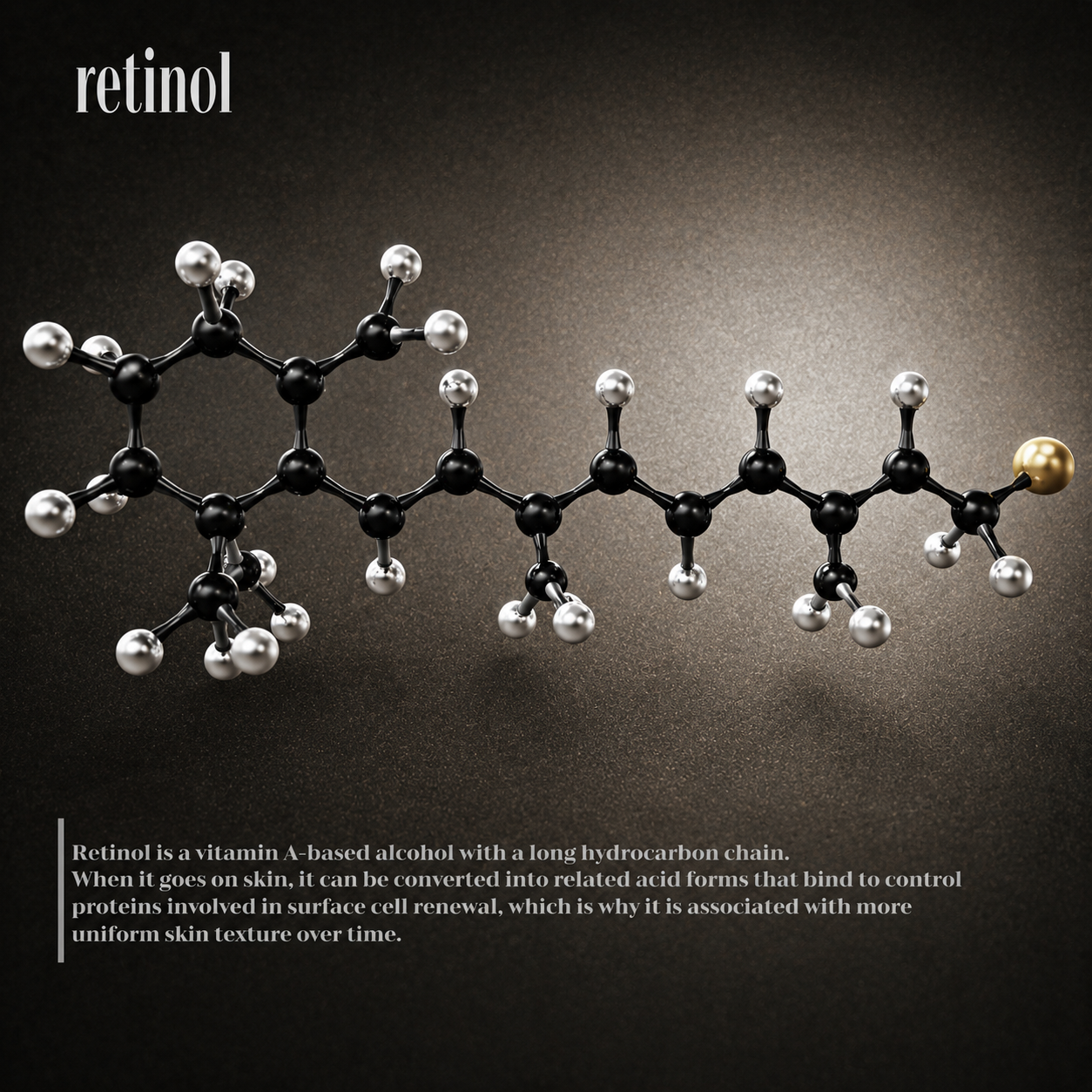
Retinol is one of the most effective skincare ingredients—but it is also one of the most common causes of skin barrier damage, especially when used incorrectly, too frequently, or on already-compromised skin.
If your skin now feels:
• Tight but shiny
• Easily irritated
• Stings when applying basic products
• Flaky yet oily
• Red or inflamed
You are likely experiencing retinol-induced barrier damage, not “purging.”
This guide explains how to rebuild your skin barrier after retinol damage, what to stop doing immediately, how long recovery actually takes, and how to safely return to actives—based on skin biology, not trends.
All guidance is framed for USA climates, routines, and product availability.
What the Skin Barrier Actually Does (And Why Retinol Affects It)
The skin barrier (stratum corneum) is responsible for:
• Preventing water loss
• Blocking irritants
• Regulating inflammation
• Maintaining skin resilience
It is made of corneocytes (skin cells) held together by lipids (ceramides, cholesterol, fatty acids).
Retinol disrupts this system by design.
How Retinol Damages the Skin Barrier
Retinol accelerates cell turnover. When turnover exceeds the skin’s ability to rebuild lipids, the barrier weakens.
This leads to:
• Increased transepidermal water loss (TEWL)
• Inflammation
• Nerve hypersensitivity
• Reduced recovery speed
This damage compounds when retinol is combined with:
• Acids
• Over-cleansing
• Alcohol-based products
• Inadequate moisturization
Retinol Damage vs Purging (Critical Difference)
Purging:
• Temporary
• Breakouts only
• Resolves within weeks
Barrier damage:
• Burning/stinging
• Redness
• Tightness
• Texture worsening
• Products suddenly “not working”
If hydration products sting, this is barrier damage, not purging.
Supporting article:
Signs of Skin Barrier Damage (USA)
Step 1: Stop Retinol Immediately (No Tapering)
Once barrier damage occurs:
• Do NOT “push through it”
• Do NOT reduce frequency gradually
• Do NOT switch to stronger moisturizers and keep retinol
Retinol must be fully stopped.
Continuing retinol delays recovery and worsens inflammation.
Step 2: Strip Your Routine Down (Temporarily)
During barrier repair, your routine should include only what supports recovery.
Remove temporarily:
• Retinol
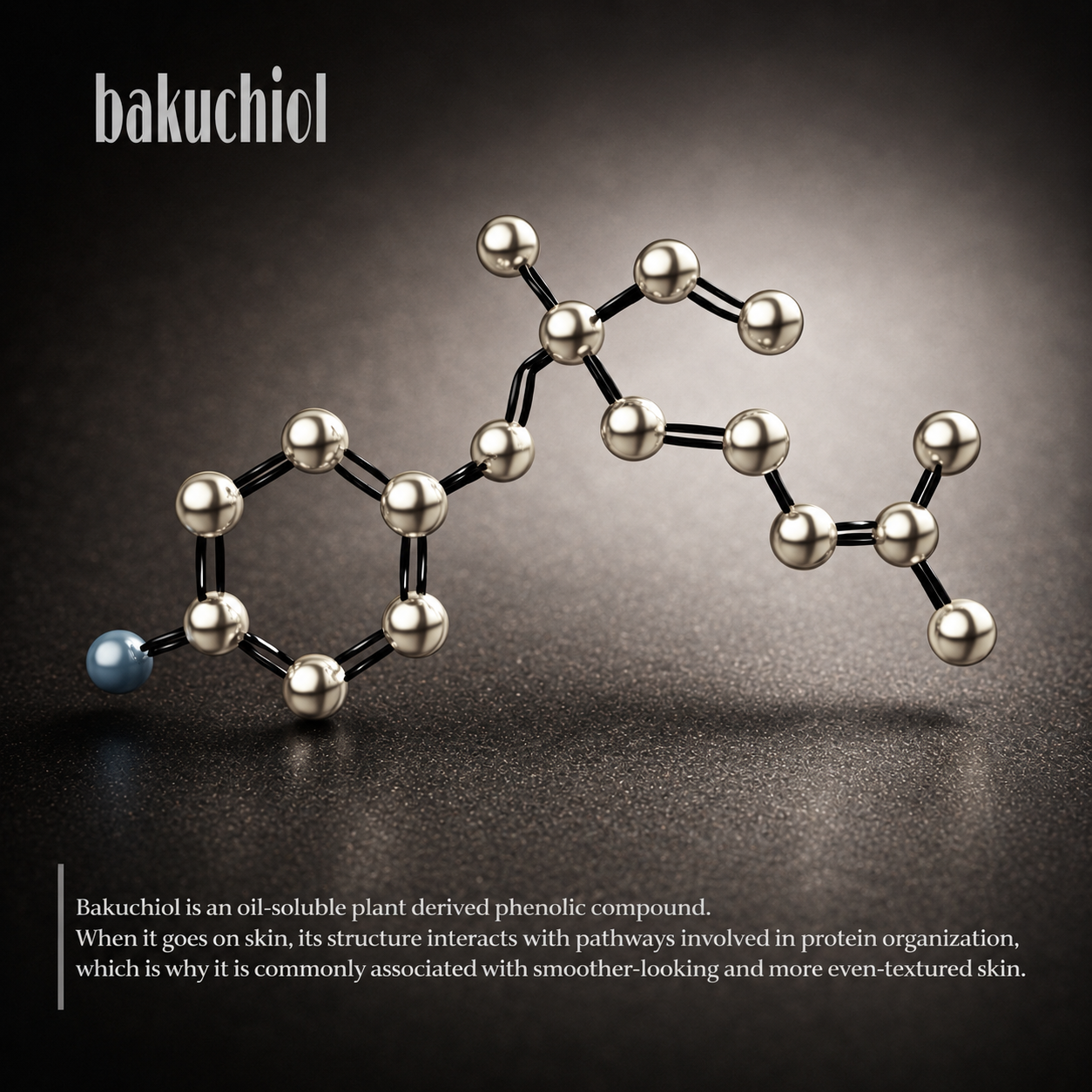
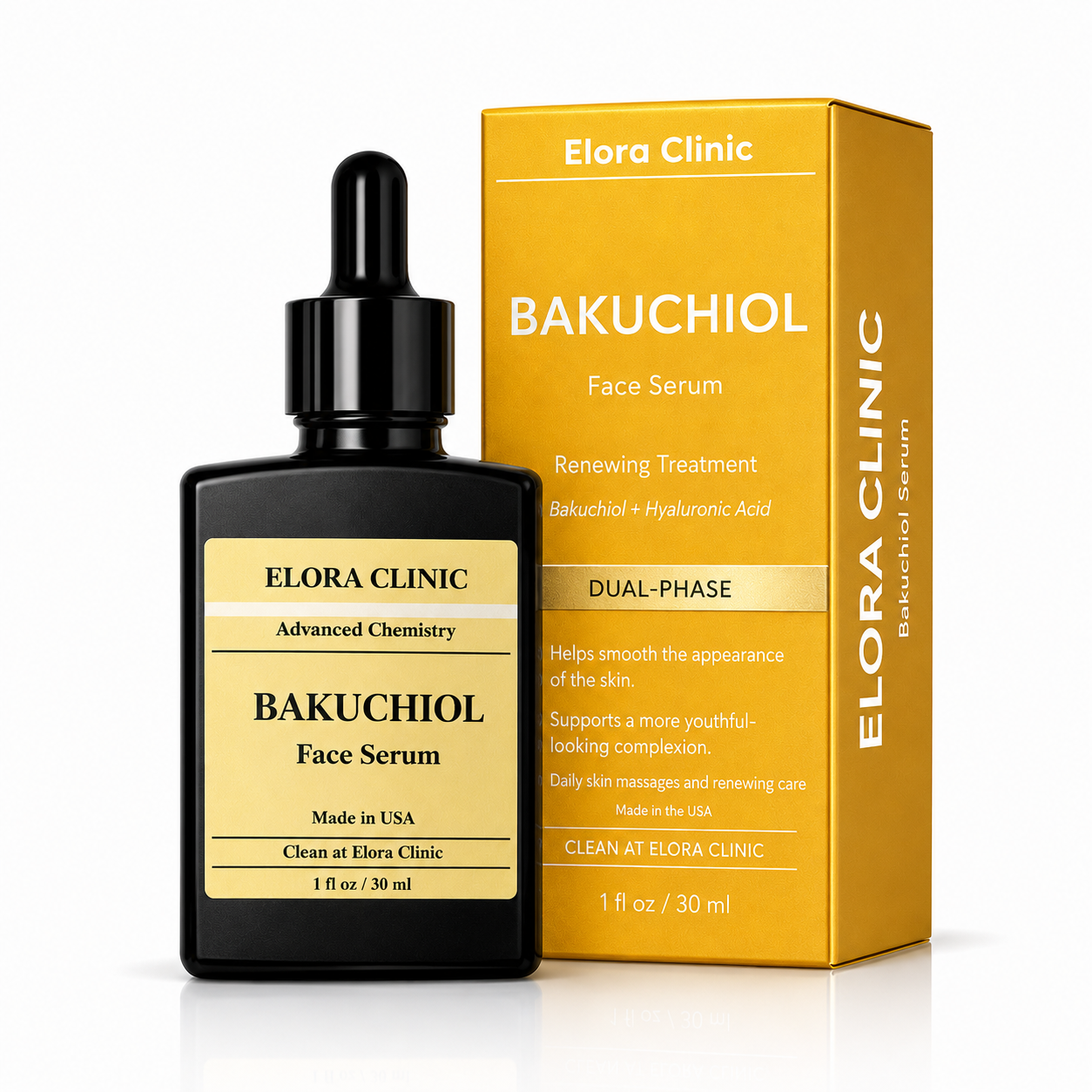
• Bakuchiol
• Acids (AHA/BHA/PHA)
• Vitamin C (L-ascorbic acid)
• Fragrance
• Exfoliating tools
This is not permanent—it’s strategic.
Step 3: Focus on Barrier-Repair Ingredients Only
Barrier repair requires hydration + signaling + lipid support.
Ingredients that actively help repair
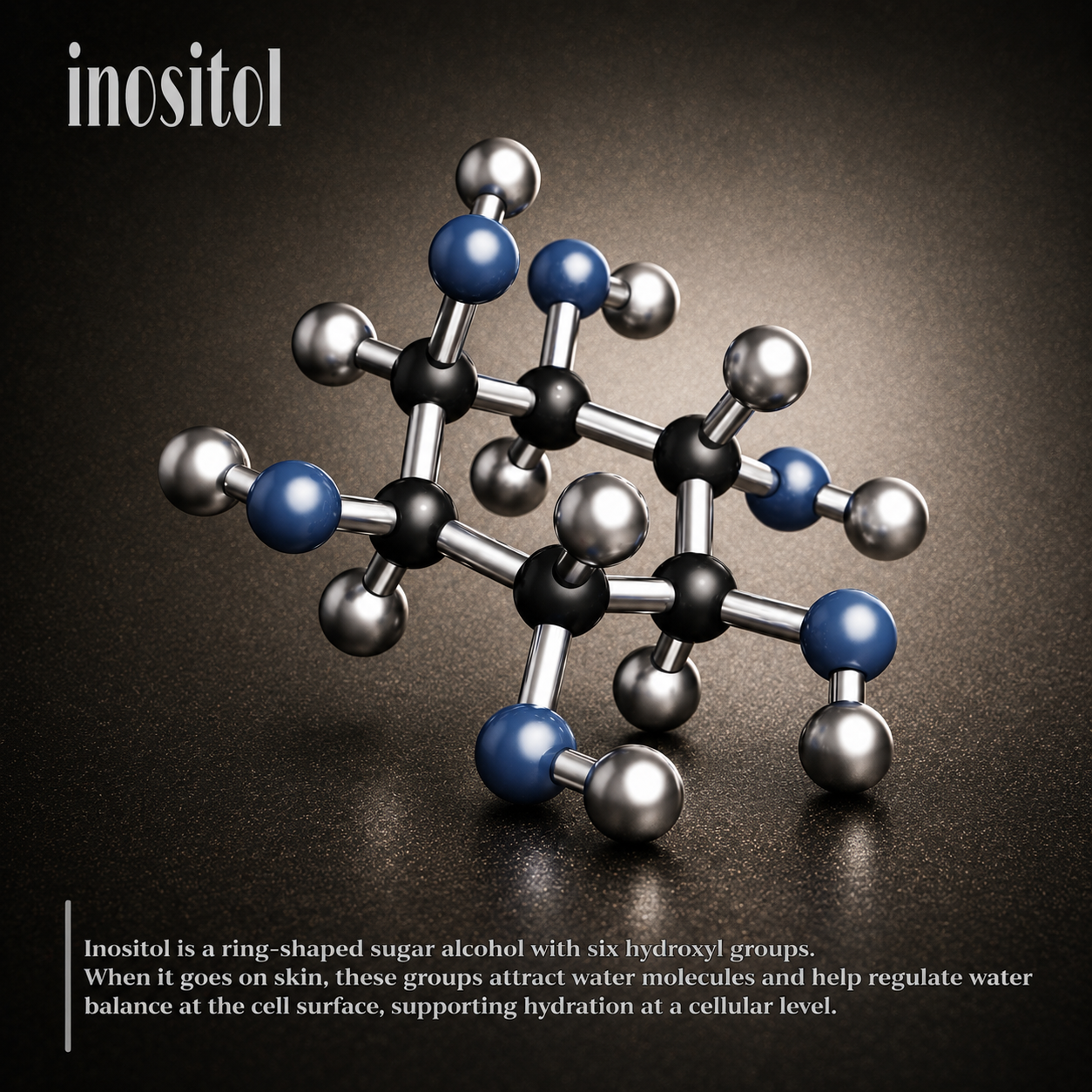
• Inositol
• Peptides
• Aloe Vera
• Amino acids
• Ceramides (supportive)
Avoid “active overload.” More products ≠ faster repair.
Why Inositol Is Critical for Barrier Recovery
Inositol supports:
• Cellular hydration
• Oil-water balance
• Barrier normalization
It is especially useful when skin is:
• Dehydrated but breaking out
• Inflamed from retinol
• Sensitive to most products
Supporting articles:
Inositol Serum for Skin Barrier Balance
How to Repair Skin Barrier Naturally
Product integration (natural):
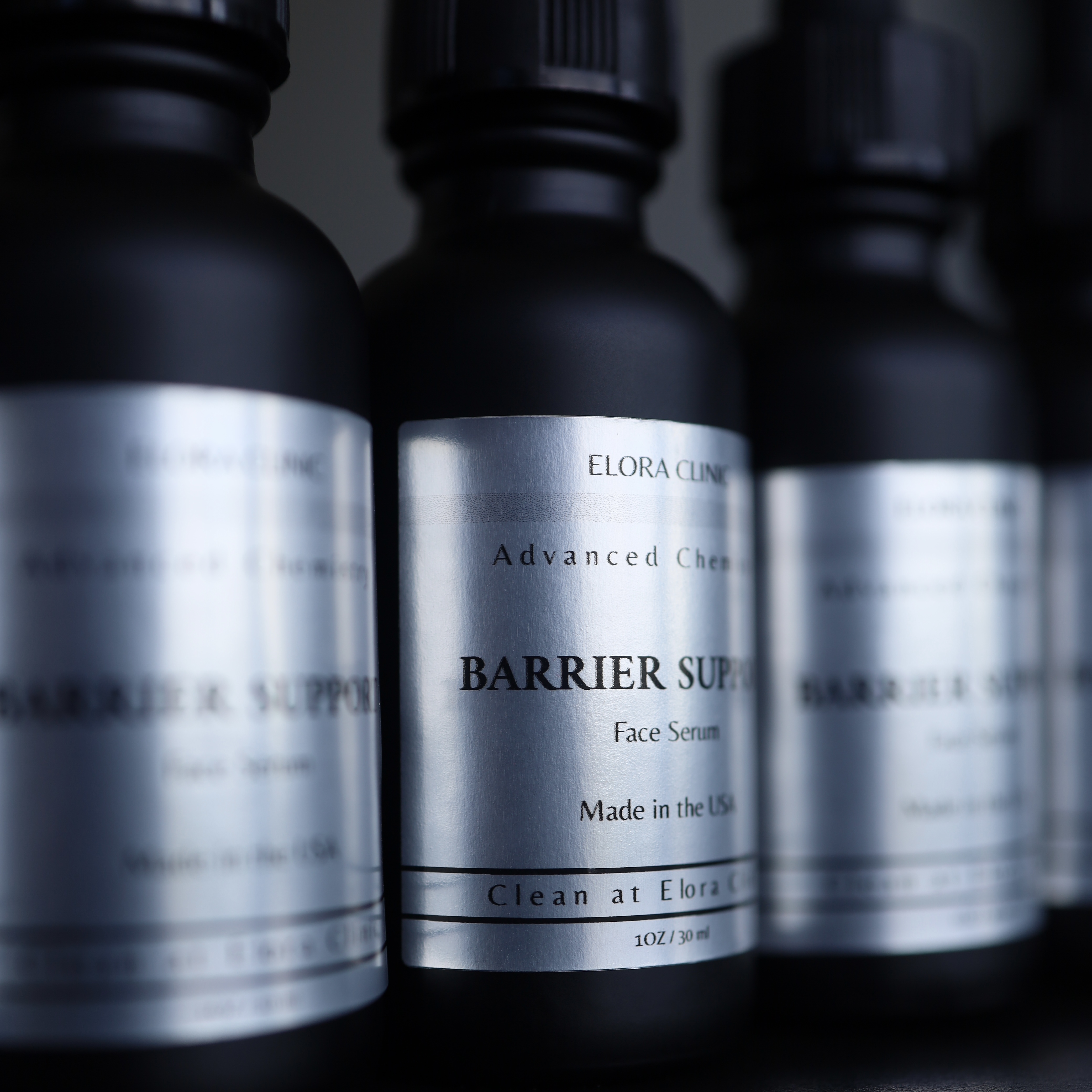
Elora Clinic Inositol + Hyaluronic Acid Serum
https://eloraclinic.com/product/inositol/
Available at Walmart:
https://www.walmart.com/ip/Elora-Clinic-White-Rice-Serum-Inositol-Hyaluronic-Acid-Hydrating-Antioxidant-Inositol-White-rice-Serum-Oil-Free-Water-Based/3812314918
Why Peptides Speed Recovery (Without Irritation)
Peptides:
• Reduce inflammation signaling
• Support collagen communication
• Strengthen barrier resilience
They are safe to use during active barrier damage, unlike retinol or acids.
Supporting article:
Peptide Serum Benefits for Skin Barrier
Product reference:
https://eloraclinic.com/product/peptide-face-serum/
Aloe Vera for Retinol-Inflamed Skin
Aloe Vera:
• Reduces redness
• Improves hydration
• Calms nerve reactivity
It is ideal when:
• Skin stings
• Redness persists
• Moisturizers feel heavy
Supporting pages:
Best Face Serum for Sensitive Skin
Aloe Vera Serum Benefits
Product reference:
https://eloraclinic.com/product/aloevera/
Available at Walmart:
https://www.walmart.com/ip/Elora-Clinic-Aloe-Vera-and-Hyaluronic-Acid-Serum-Soothing-Hydrtaing-Deeply-Hydrating-Aloe-Vera-Hyaluronic-Acid-Serum-Oil-Free-Water-Based/1003476772
Step 4: Repair Timeline (What to Expect)
Week 1–2
• Stinging reduces
• Tightness improves
• Redness calms
Week 3–4
• Texture stabilizes
• Products feel comfortable again
• Oil balance improves
Week 5–6
• Barrier function normalizes
• Skin regains resilience
Rushing this phase causes setbacks.
Common Mistakes That Delay Healing
• Restarting retinol too soon
• Adding “gentle” acids
• Over-cleansing
• Switching products constantly
• Using heavy occlusives on congested skin
Barrier repair requires consistency, not experimentation.

How to Know Your Barrier Is Repaired
Signs of recovery:
• No stinging on application
• Stable hydration throughout the day
• Reduced redness
• Improved tolerance
Only then should actives be reconsidered.
How to Safely Reintroduce Actives After Retinol Damage
Step 1: Start with peptides (daily)
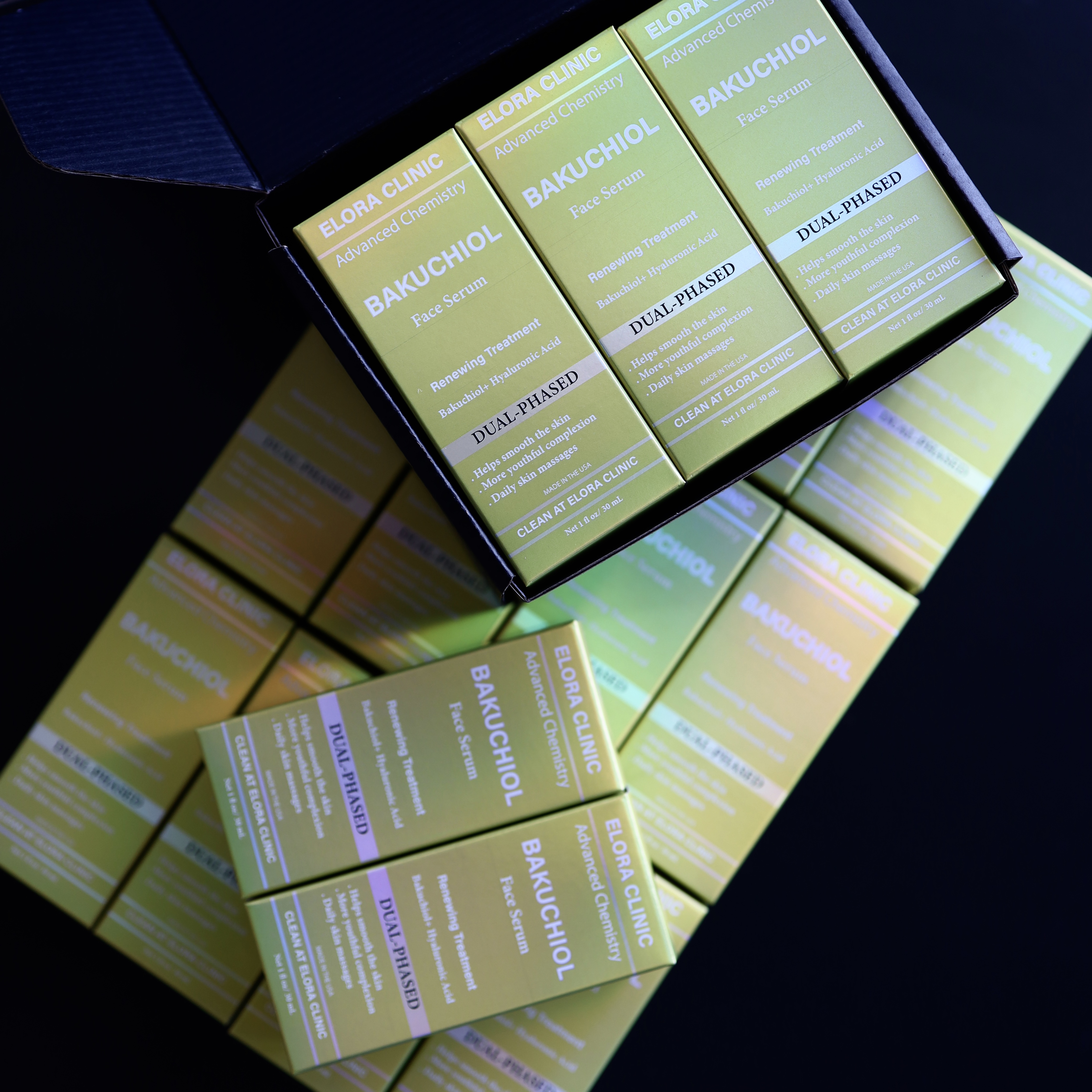
Step 2: Add bakuchiol (optional, 2–3x/week)
Step 3: Retinol only if needed (1x/week max)
Supporting article:
How to Layer Serums Correctly
Why Bakuchiol Is Often Better After Retinol Damage
Bakuchiol:
• Does not disrupt barrier lipids
• Signals renewal without irritation
• Is better tolerated post-damage
Supporting article:
Bakuchiol vs Retinol for Sensitive Skin
Sample Barrier-Repair Routine (USA)
Morning
• Gentle cleanser
• Inositol or Aloe serum
• Peptides
• Moisturizer
• SPF
Night
• Gentle cleanse
• Peptides
• Barrier-support moisturizer
No actives. No exfoliation.
Why Many People “Never Recover” From Retinol
They don’t actually stop damaging the barrier.
True recovery requires:
• Time
• Minimalism
• Correct ingredients
Supporting pillar page:
Skin Barrier Repair Guide
Final Takeaway
• Retinol damage is common
• Healing requires stopping—not switching—actives
• Barrier repair is the foundation of all results
Rebuilding your skin barrier first leads to better outcomes with fewer products.