















Best Serum Routine for Skin That Feels Tight After Cleansing (Expert Guide)

Many people experience a confusing skincare problem: their skin feels tight, uncomfortable, or stretched immediately after washing, even though it may still look normal or slightly oily. This sensation often indicates hidden dehydration and barrier stress, not simply dryness.
Choosing the best serum routine for skin that feels tight after cleansing requires understanding the biological cause of the tightness and using ingredients that restore hydration and barrier balance rather than aggravating the skin.
This expert guide explains why the sensation happens, what ingredients truly help, which routine structure works best, and how to build a science-driven serum routine that supports long-term skin health.
Quick Expert Answer
The best serum routine for skin that feels tight after cleansing focuses on water-binding humectants, calming amino acids, and barrier-supporting ingredients applied immediately after washing. Hydration-focused serums containing hyaluronic acid, aloe vera, arginine, and antioxidants help restore moisture balance while preventing further barrier disruption.
Why Skin Feels Tight After Cleansing
When skin feels tight after washing, the cause is almost always temporary dehydration and barrier disruption rather than true dryness.
Cleansing removes not only dirt and oil but also part of the skin’s natural lipid barrier, which helps regulate water retention.
Without this protective layer, the skin temporarily loses moisture through transepidermal water loss (TEWL).
According to dermatology research published by the American Academy of Dermatology, excessive cleansing or harsh formulas can significantly disrupt the skin barrier and increase water loss.
https://www.aad.org/public/everyday-care/skin-care-basics/dry/moisturizers
This leads to several common sensations:
- tightness or pulling
- mild redness
- skin feeling “squeaky clean”
- dehydration lines appearing quickly
- sensitivity when applying products
This condition is especially common in people who:
- wash their face with strong cleansers
- use exfoliating acids frequently
- live in dry climates
- travel often
- have sensitive skin types
Understanding this mechanism is essential for choosing the best serum routine for skin that feels tight after cleansing.
The Skin Biology Behind Post-Cleansing Tightness
To solve the issue correctly, it helps to understand the three structural components that regulate hydration in the skin:
1. Natural Moisturizing Factors (NMF)
These molecules — including amino acids, urea, and lactates — bind water within the skin cells.
When cleansing strips these molecules, hydration decreases rapidly.
2. Lipid Barrier
The outer layer of the skin contains ceramides, fatty acids, and cholesterol that create a protective seal.
When disrupted, water evaporates more easily.
3. Humectant Balance
Humectants such as hyaluronic acid and glycerin pull water into the skin and maintain hydration levels.
If humectants are missing from the routine, skin may feel tight shortly after cleansing.
If you want a deeper explanation of barrier function, see the
skin barrier repair guide which explains the structure and repair process in detail.
Common Skincare Mistakes That Make Tightness Worse
Many routines accidentally worsen this problem.
Over-exfoliation
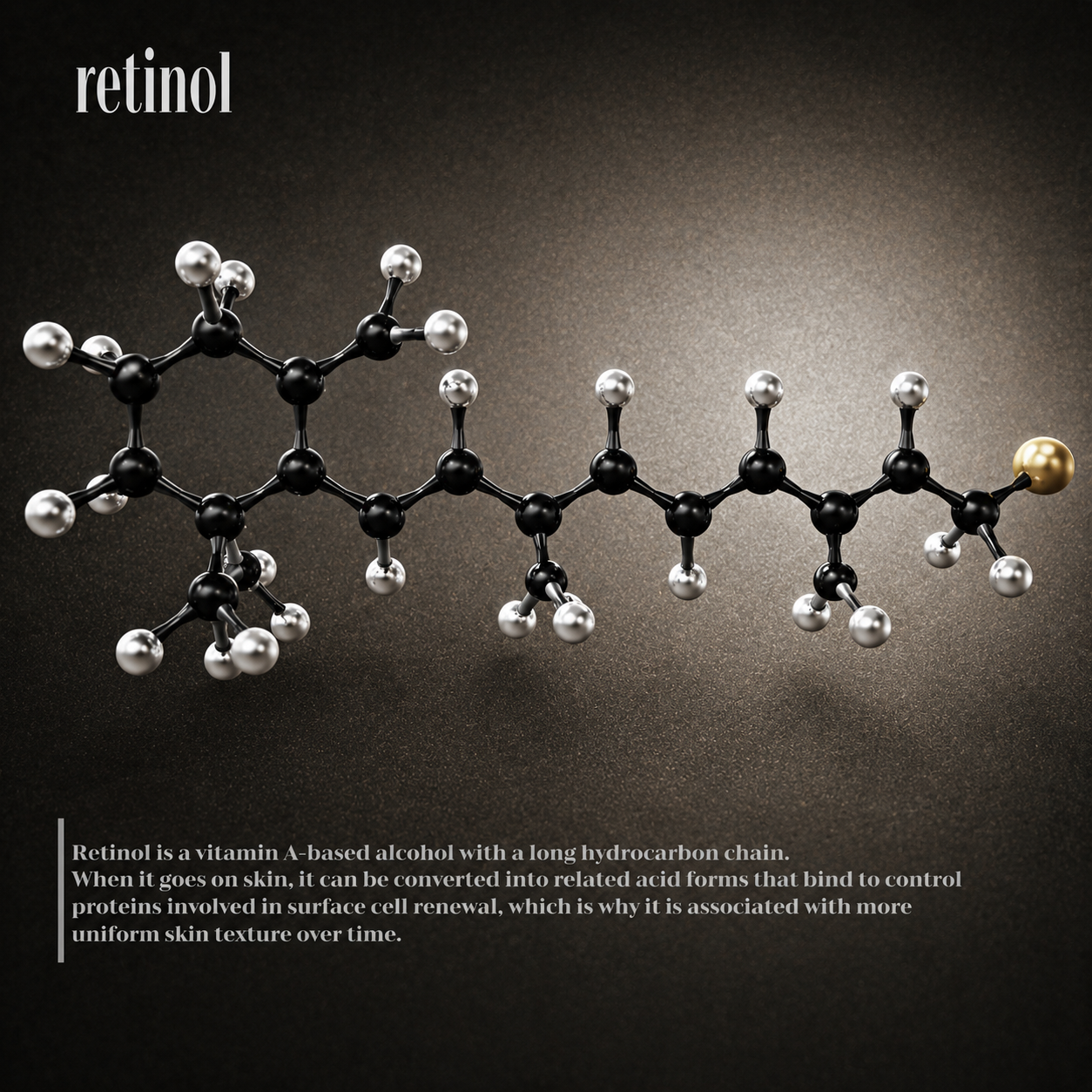
Frequent use of glycolic acid, retinol, or physical scrubs weakens barrier integrity.
Alcohol-heavy toners
These strip residual oils and worsen dehydration.
Waiting too long to apply serum
Hydration should be applied within seconds after cleansing, not several minutes later.
Using oil without water hydration
Oil seals moisture but does not provide hydration itself.
For sensitive skin experiencing irritation or inflammation, the best serum for irritated inflamed skin guide explains ingredient choices in more depth.

The Best Serum Routine for Skin That Feels Tight After Cleansing
The most effective routine follows a hydration-first structure.
Step 1 — Immediate Hydration Serum
Apply a water-based serum within 30–60 seconds after cleansing.
Key ingredients to look for:
- hyaluronic acid
- aloe vera
- amino acids
- panthenol
A strong example is the Aloe Vera + Hyaluronic Acid serum, which delivers both hydration and soothing benefits.
This formula helps replenish water levels quickly while calming the skin.
Available at Walmart:
https://www.walmart.com/ip/Elora-Clinic-Aloe-Vera-and-Hyaluronic-Acid-Serum-Soothing-Hydrtaing-Deeply-Hydrating-Aloe-Vera-Hyaluronic-Acid-Serum-Oil-Free-Water-Based/1003476772
Step 2 — Barrier Support Serum
Once hydration is restored, the next step is strengthening the barrier.
Amino acids play an important role here.
Arginine, for example, helps support skin repair while improving hydration retention.
See the science behind amino acids in the
amino acid serum for skin barrier hydration guide.
A barrier-support option is the Arginine Hydrating Serum:
Available at Walmart:
https://www.walmart.com/ip/Elora-Clinic-Arginine-Serum-Hyaluronic-Acid-Arginine-Hydrating-Soothing-Hyaluronic-Acid-Arginine-Oil-Free-Water-Based/5379033931
Step 3 — Antioxidant Protection
Even dehydrated skin benefits from antioxidants.
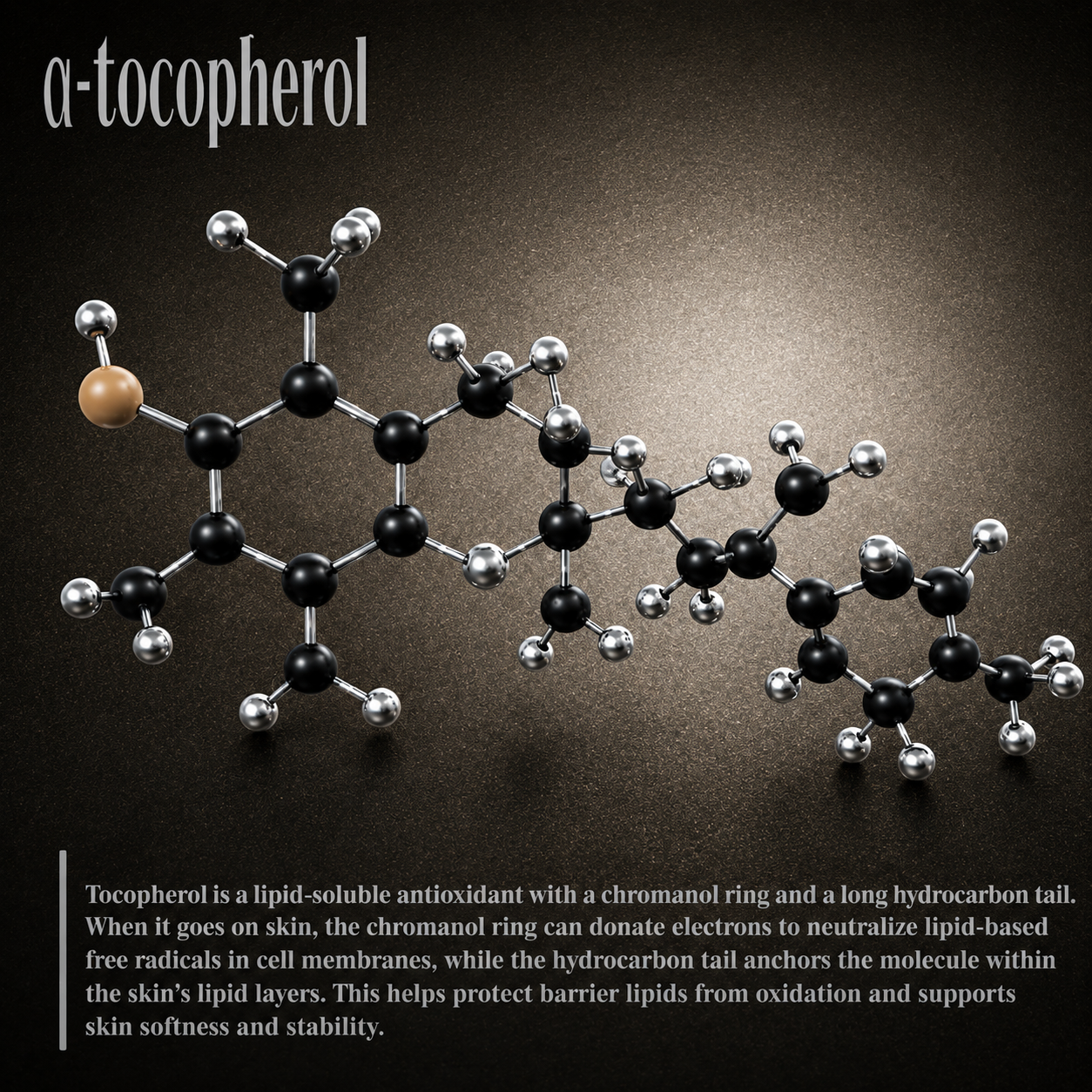
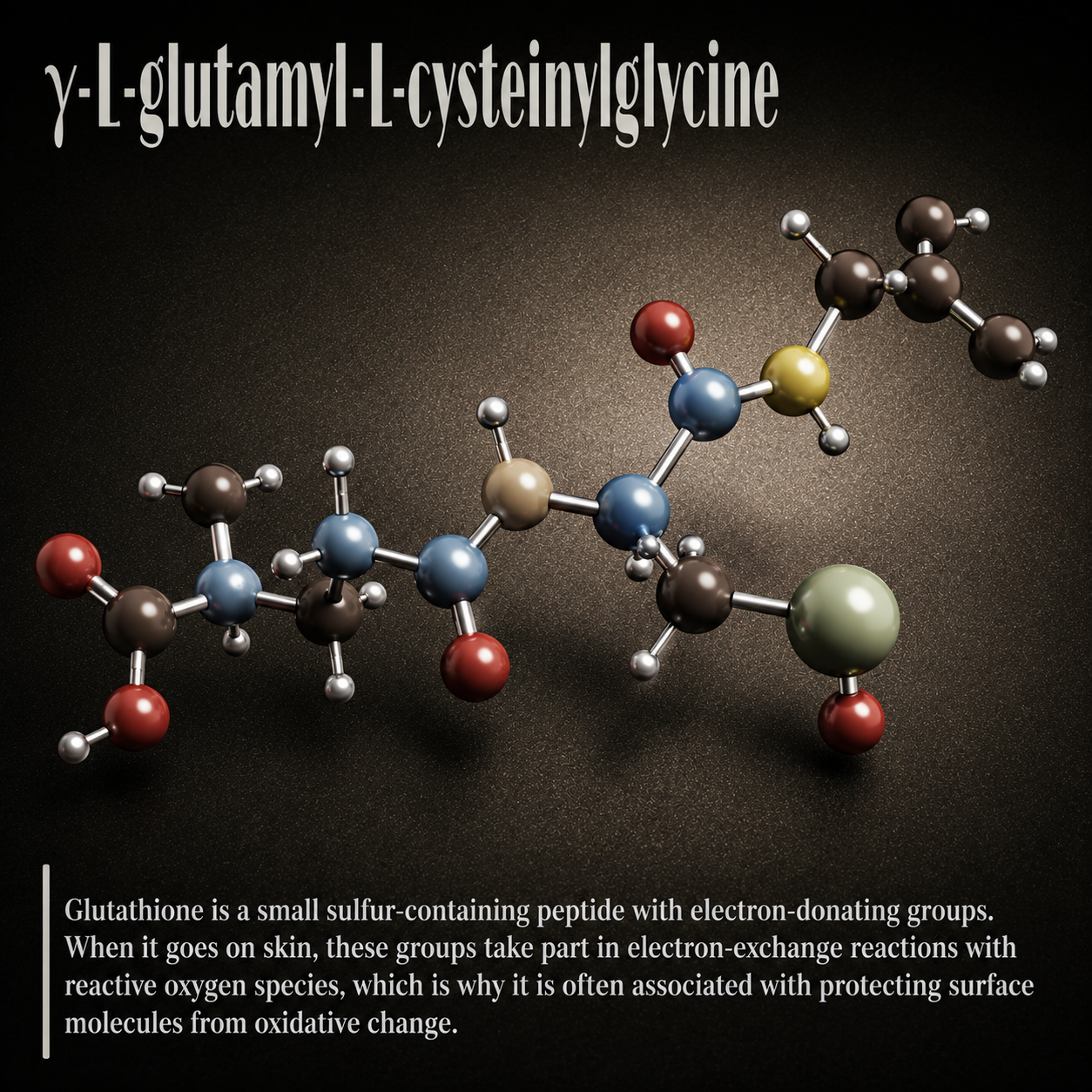
Oxidative stress weakens the skin barrier and slows hydration recovery.
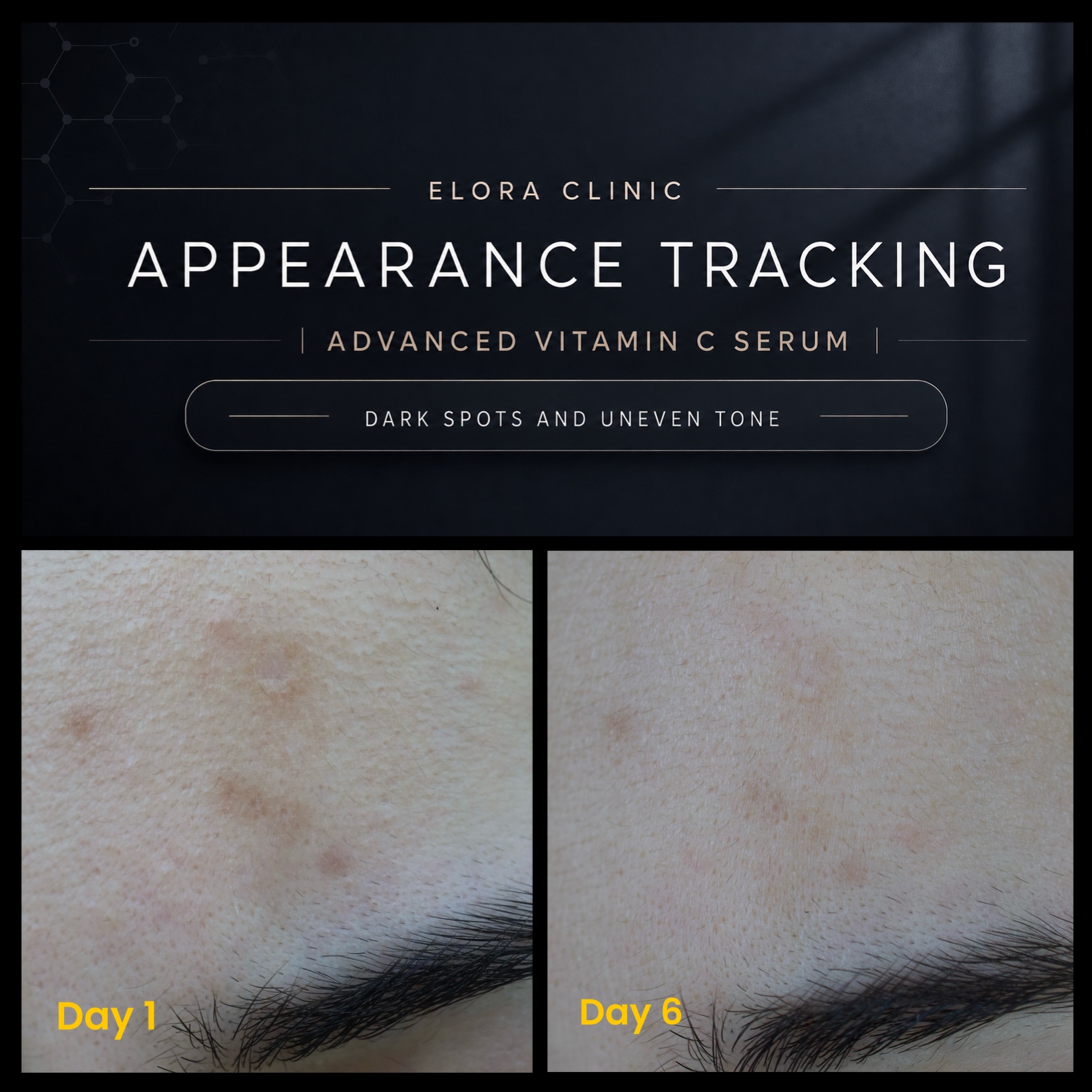
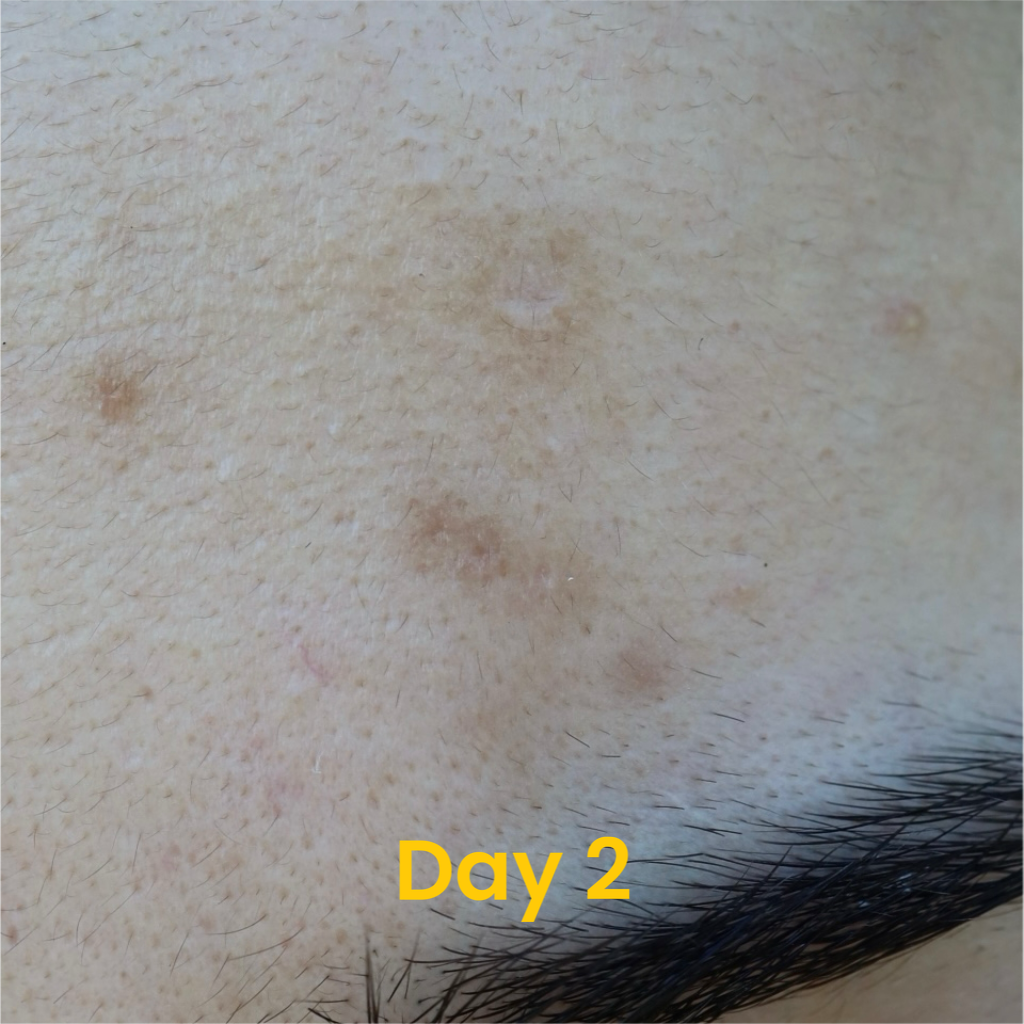
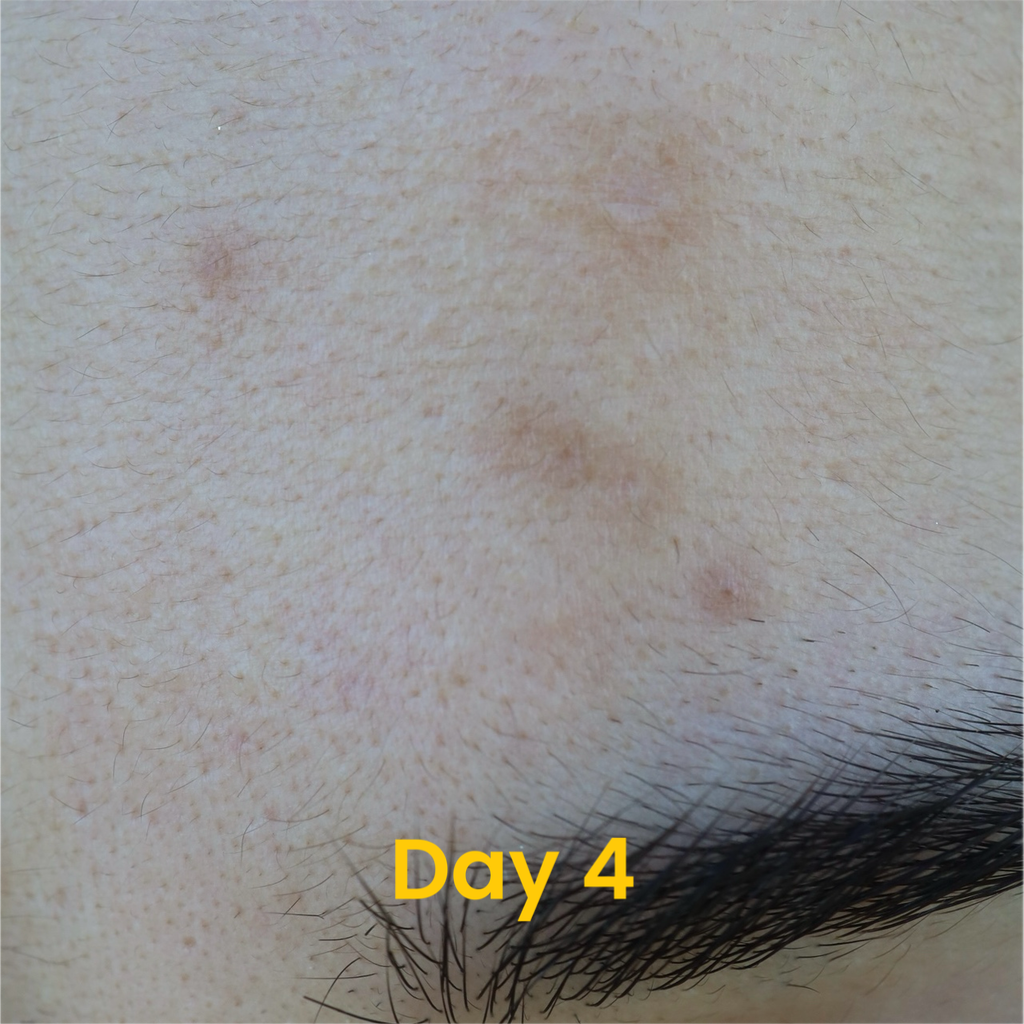
Antioxidant serums such as vitamin C or matcha extract help reduce inflammation and improve overall skin resilience.
A strong antioxidant option is:
Available at Walmart:
https://www.walmart.com/ip/Elora-Clinic-Vitamin-C-Serum-Serum-Face-Hyaluronic-Acid-Hydrating-l-ascorbic-acid-Sensitive-Skin/2137657737
For antioxidant science, the Journal of Clinical and Aesthetic Dermatology explains how antioxidants protect skin cells from oxidative damage.
https://www.ncbi.nlm.nih.gov/pmc/articles/PMC4976400/
Why Hydration Must Come Before Treatment Serums
A common mistake is applying treatment serums first.
But dehydrated skin absorbs ingredients unevenly.
Hydration improves:
- ingredient penetration
- skin tolerance
- barrier stability
For layering instructions see the
how to layer serums skincare routine guide.
Morning vs Night Routine for Tight Skin
Morning Routine
1 Cleanser
2 Hydration serum
3 Antioxidant serum
4 Moisturizer
5 Sunscreen
Night Routine
1 Cleanser
2 Hydration serum
3 Barrier support serum
4 Optional treatment serum
5 Moisturizer
If your skin feels tight frequently, treatment serums like retinol should be used cautiously.
Ingredients That Help Tight Skin Recover Faster
Hyaluronic Acid
One of the most effective water-binding molecules.
Aloe Vera
Calms inflammation and improves hydration retention.
Amino Acids
Support natural moisturizing factors.
Niacinamide
Improves barrier lipid production.
Vitamin C
Supports collagen synthesis and antioxidant protection.
Ingredients That Can Make Tight Skin Worse
Avoid or limit:
- strong alcohol-based toners
- frequent exfoliating acids
- high-strength retinol
- foaming cleansers with sulfates
These ingredients may increase transepidermal water loss.

How Elora Clinic Approaches Hydration Science
Many skincare brands chase trends or viral ingredients.
The philosophy behind Elora Clinic is different.
The brand focuses on ingredient compatibility, skin barrier biology, and hydration balance rather than influencer-driven formulas.
Instead of building routines around hype ingredients, the formulations are designed around three principles:
1 hydration first
2 barrier support second
3 targeted treatment last
This approach reflects current dermatology understanding that skin health begins with barrier stability and hydration balance.
You can explore the full skincare education library here:
https://eloraclinic.com/education/
Real User Questions About Tight Skin After Cleansing
Why does my skin feel tight even though it looks oily?
Oil and hydration are different things.
Oily skin can still be dehydrated if the barrier is compromised.
Should I stop using cleanser?
No. Instead choose a gentle cleanser and apply hydration immediately afterward.
Is tight skin a sign of skin damage?
Sometimes. Frequent tightness can indicate barrier stress.
Can hyaluronic acid fix tight skin?
It helps significantly, but works best when combined with barrier-support ingredients.
FAQ: Best Serum Routine for Skin That Feels Tight After Cleansing
Should I apply serum to damp skin?
Yes. Slightly damp skin improves humectant absorption.
Can tight skin lead to wrinkles?
Chronic dehydration can exaggerate fine lines temporarily.
How many serums should I use?
Usually 2–3 targeted serums are enough.
Do oils help tight skin?
Oils seal moisture but should not replace hydration serums.

Expert Summary
- Skin tightness after cleansing usually indicates dehydration and temporary barrier disruption.
- The best serum routine for skin that feels tight after cleansing prioritizes hydration immediately after washing.
- Water-binding humectants like hyaluronic acid help restore moisture balance.
- Amino acids and barrier-support ingredients strengthen the skin’s protective layer.
- Antioxidant serums reduce oxidative stress and improve skin resilience.
- Avoid harsh cleansers, alcohol toners, and excessive exfoliation.
- Hydration should always be applied before treatment serums.