















How to Repair Damaged Skin Barrier Fast (Science-Based Routine That Actually Works)

Featured Snippet
To repair a damaged skin barrier fast, reduce irritation, restore hydration with water-binding ingredients like hyaluronic acid, and support repair using amino acids and soothing antioxidants. Avoid over-exfoliation and follow a minimal routine focused on rebuilding the skin’s protective structure and reducing inflammation.
Can You Actually Repair a Skin Barrier Fast?
Yes — but not instantly.
When your skin barrier is damaged, what you’re really trying to fix is:
- Water loss
- Increased sensitivity
- Inflammation
- Loss of structural integrity
The goal is not just to “calm the skin,” but to restore how your skin functions.
If you approach it correctly, you can:
- Reduce irritation within days
- Improve hydration quickly
- Support full recovery over time
What Happens When Your Skin Barrier Is Damaged
Your skin barrier is your body’s frontline defense. It keeps moisture in and irritants out.
When it becomes compromised, you experience:
- Tightness after cleansing
- Burning or stinging with products
- Redness and inflammation
- Flaking or rough texture
- Increased sensitivity to everything
This happens because your skin loses its ability to regulate water and protect itself.
Why Skin Barrier Damage Happens
Most cases of barrier damage come from routine mistakes.
Over-Exfoliation
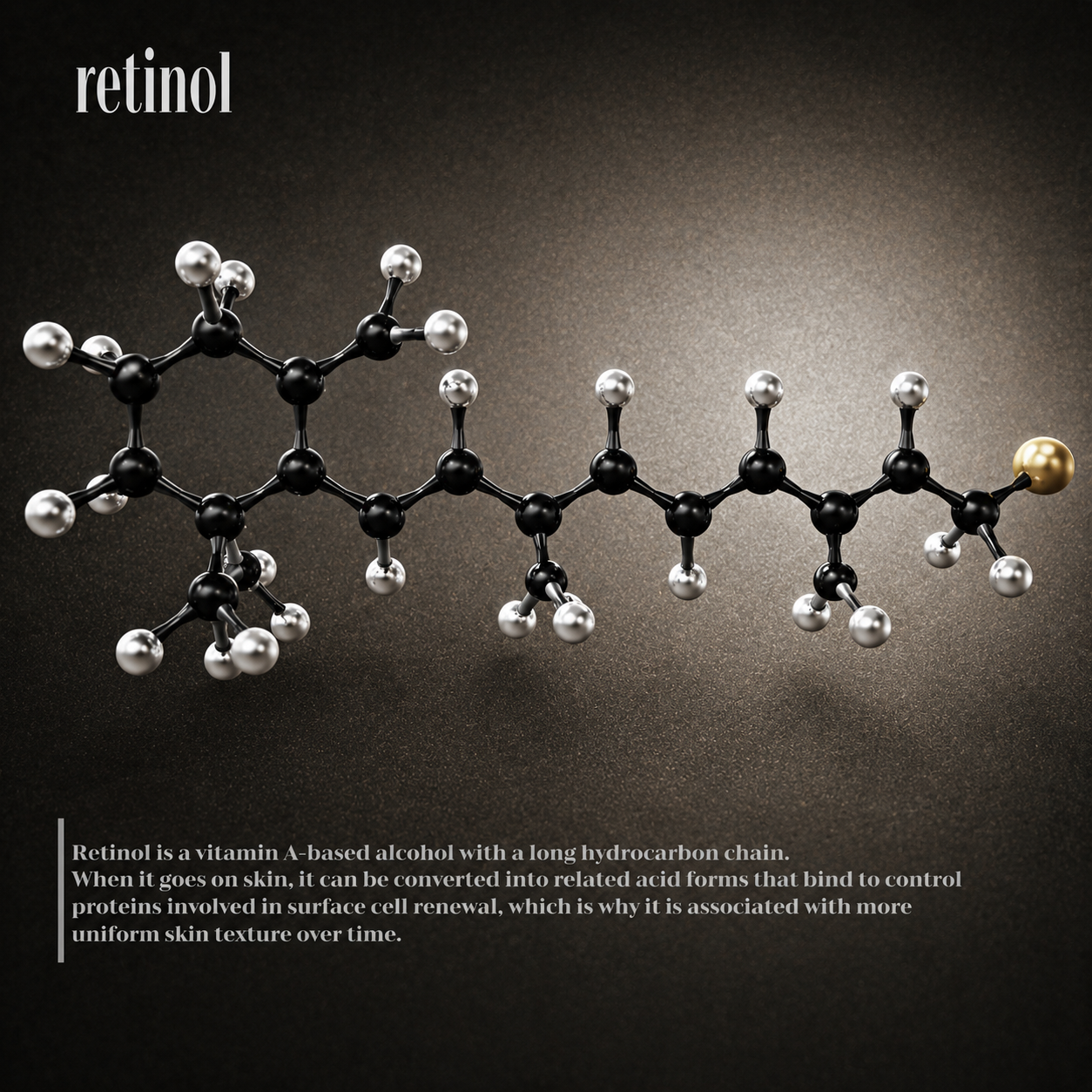
Using acids, scrubs, or retinol too often breaks down the protective layer.
Too Many Active Ingredients
Layering multiple strong ingredients overwhelms the skin.
Harsh Cleansers
Stripping natural oils removes essential lipids.
Environmental Stress
Sun exposure, pollution, and dry air weaken the barrier over time.
Dehydration
Lack of water in the skin disrupts the repair process.

How to Repair a Damaged Skin Barrier Fast (Step-by-Step)
Step 1: Stop All Irritating Products Immediately
Pause anything that could be damaging your skin further:
- Exfoliating acids (AHA/BHA)
- Retinol
- Strong active treatments
- Physical scrubs
This prevents ongoing damage and gives your skin a chance to stabilize.
Step 2: Restore Hydration First
Hydration is the fastest way to support barrier recovery.
Use ingredients that pull water into the skin:
- Hyaluronic acid
- Aloe vera
- Water-based humectants
Hydration helps reactivate the skin’s natural repair processes.
A lightweight, water-based serum absorbs quickly and delivers immediate relief without overwhelming the skin.
Step 3: Support Skin Structure with Repair Ingredients
Once hydration is restored, your skin can begin rebuilding itself.
Look for ingredients like:
- Amino acids (such as arginine)
- Niacinamide (low irritation levels)
- Peptides
These help strengthen the skin and improve its ability to recover.
Step 4: Reduce Inflammation to Speed Up Healing
Inflammation slows everything down.
To calm your skin:
- Use antioxidant-rich ingredients
- Focus on soothing extracts like green tea or matcha
- Avoid anything that causes tingling or burning
Reducing inflammation allows your skin to heal faster and more efficiently.
Step 5: Keep Your Routine Minimal
More products do not mean faster repair.
A simple routine works best:
Morning:
- Gentle cleanser
- Hydrating serum
- Light antioxidant support
- Moisturizer
- Sunscreen
Night:
- Gentle cleanser
- Hydration-focused serum
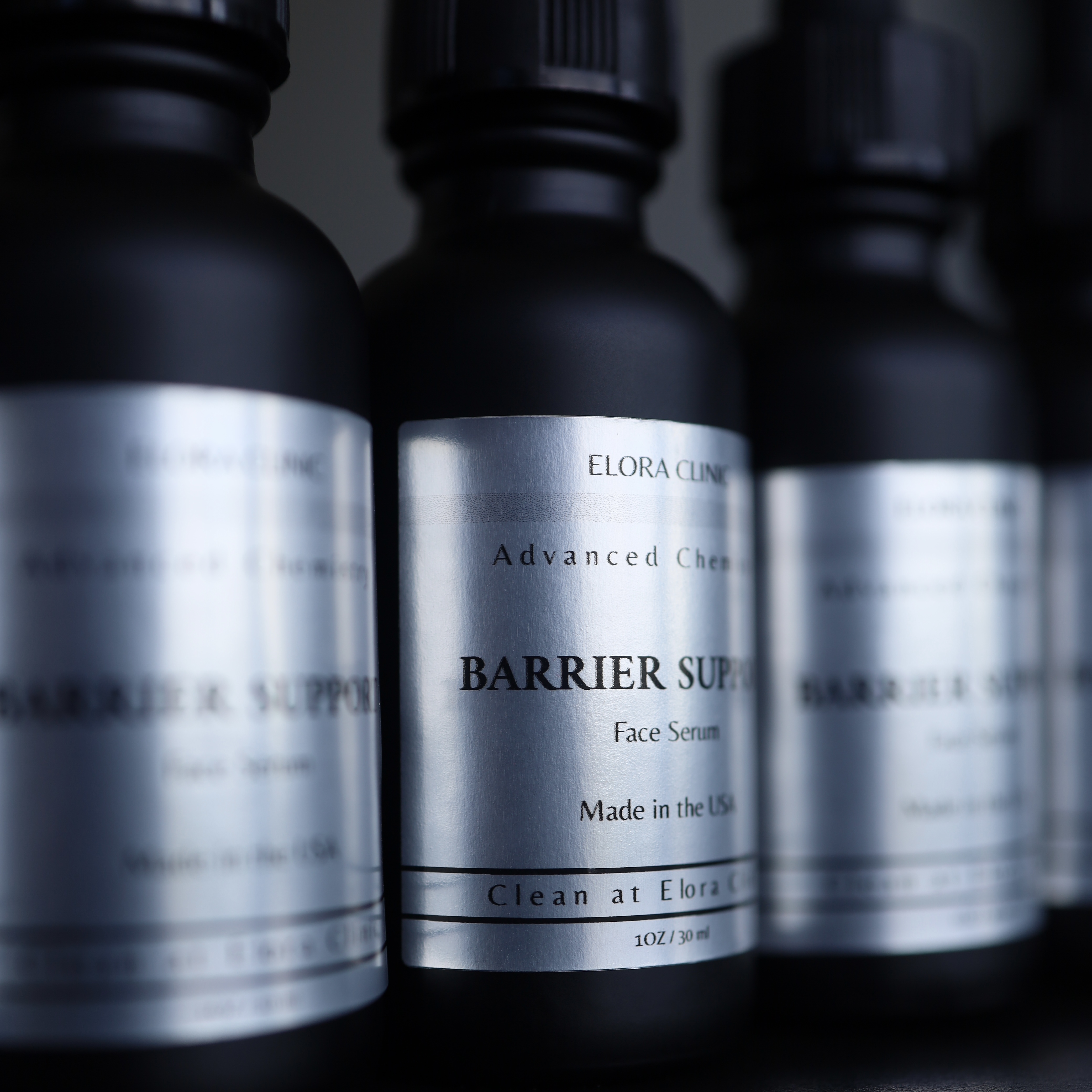
- Barrier-support serum
- Moisturizer
Consistency matters more than complexity.
The Most Effective Ingredients for Fast Barrier Repair
Hyaluronic Acid
Draws water into the skin and improves hydration instantly.
Aloe Vera

Soothes irritation and reduces redness.
Amino Acids
Help rebuild skin proteins and support recovery.
Niacinamide
Strengthens the barrier and improves resilience.
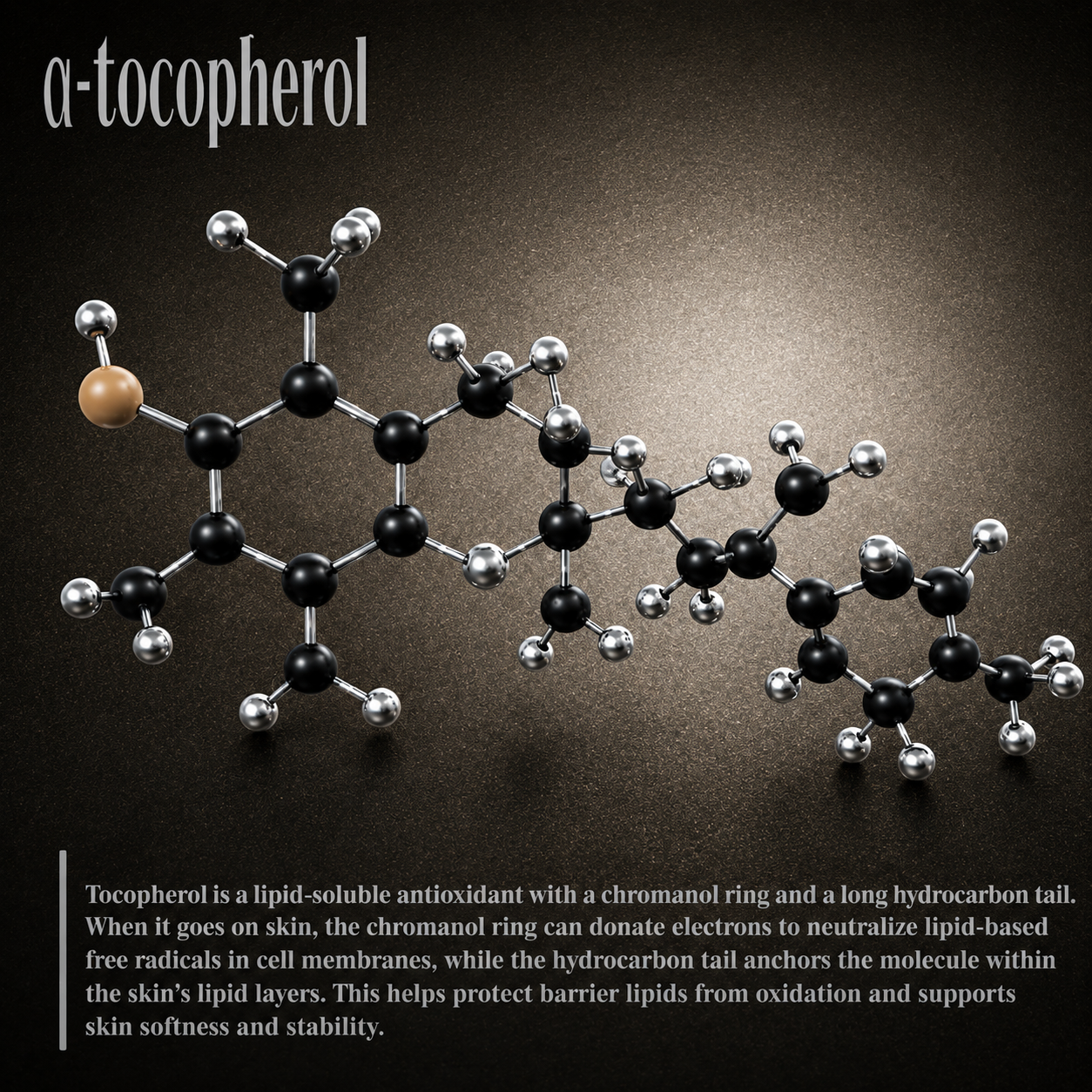
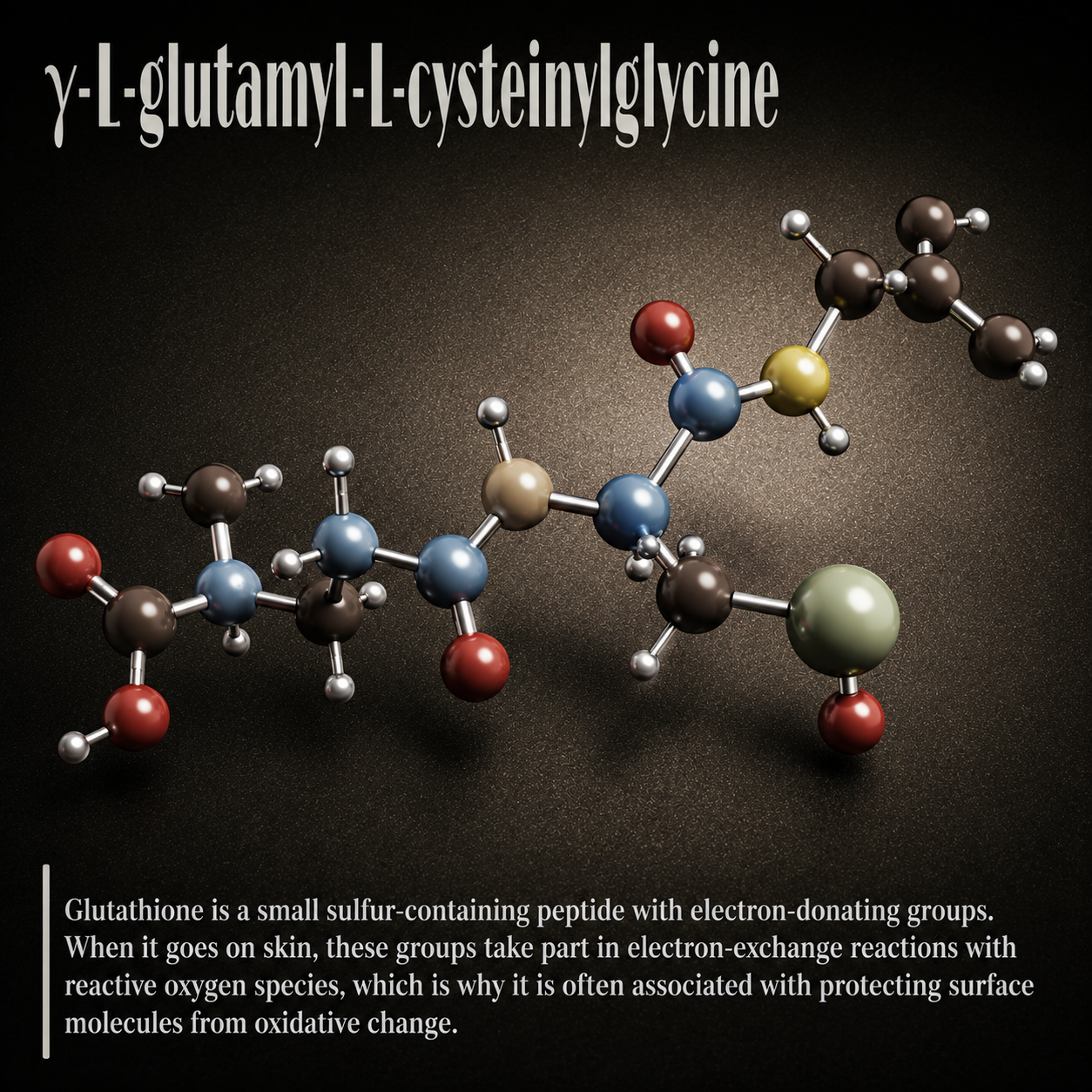
Antioxidants (Green Tea / Matcha)
Reduce oxidative stress and inflammation.
What to Avoid While Repairing Your Skin Barrier
Avoid anything that can delay recovery:
- Over-layering products
- Reintroducing actives too early
- Alcohol-heavy formulas
- Fragrance-heavy skincare
These can restart the damage cycle.
How Long Does It Take to Repair a Skin Barrier?
- 1–3 days: Reduced irritation
- 5–10 days: Visible improvement
- 2–4 weeks: Full recovery
The speed depends on how consistent and gentle your routine is.
Signs Your Skin Barrier Is Healing
You’ll notice:
- Less sensitivity
- No stinging when applying products
- Improved hydration
- Smoother texture
- More balanced skin overall
These are strong indicators that your routine is working.
Choosing the Right Products for Barrier Repair
When your skin barrier is damaged, focus on:
Hydration First
Use water-based serums that deeply hydrate without clogging pores.
Options that combine ingredients like aloe vera and hyaluronic acid are particularly effective for restoring moisture.
Repair Support
Formulas with amino acids or niacinamide help rebuild the skin.
Protection
Antioxidant-based products help reduce stress on the skin while it heals.
You can explore barrier-focused formulations directly on the
https://eloraclinic.com/education/
page to better understand ingredient compatibility and routine design.
Why Water-Based Formulas Work Faster
Water-based products:
- Absorb quickly
- Deliver hydration efficiently
- Support natural repair processes
- Avoid pore congestion
Heavy oils can feel comforting, but they do not replace hydration — which is essential for real recovery.

When to Reintroduce Active Ingredients
Only after your skin feels stable again.
Signs you’re ready:
- No stinging
- No redness
- Skin feels comfortable after cleansing
Start slowly, and never reintroduce multiple actives at once.
Real Questions People Ask
Can I repair my skin barrier in 3 days?
You can reduce irritation quickly, but full repair takes longer.
Should I stop all skincare?
No — simplify your routine instead of stopping completely.
Is hydration more important than oils?
Yes. Hydration is the foundation of barrier repair.
Can damaged skin barrier cause breakouts?
Yes. A compromised barrier can lead to inflammation and imbalance.
FAQ
What is the fastest way to repair a damaged skin barrier?
Stop irritation, hydrate deeply, and use minimal products that support repair.
Which ingredient helps the most?
Hyaluronic acid for hydration and amino acids for structural repair.
Should I exfoliate damaged skin?
No. Exfoliation worsens barrier damage.
Can I still use vitamin C?
Only if your skin tolerates it without irritation.
Key Takeaways
- Barrier damage is primarily caused by overuse of active ingredients
- Hydration is the fastest way to begin recovery
- Amino acids and niacinamide support repair
- Minimal routines work better than complex ones
- Consistency is more important than intensity
- Full recovery takes time, even if symptoms improve quickly

About the Founder
Elora Ellis is the founder of Elora Clinic (https://eloraclinic.com), a science-driven skincare brand focused on ingredient compatibility, skin barrier health, and routine logic. Her work combines formulation research and practical skincare education to help people build healthier skin through scientifically informed ingredient choices.
Read more: https://eloraclinic.com/elora-ellis/