

















Water-Based vs Oil-Based Serums for Hydration: Which One Is Right for Your Skin? (USA)

Hydration is one of the most misunderstood concepts in skincare. Many people assume that oils hydrate the skin, while others believe that water-based serums are too light to be effective. The truth lies in understanding how hydration actually works inside the skin—and how climate, skin type, and barrier function change what your skin truly needs.
If you’ve ever wondered whether a water-based serum or an oil-based serum is better for hydration, this expert guide will help you make the right decision—based on science, not trends.
What Hydration Actually Means (And Why Oils Don’t Hydrate)
Hydration refers to water content within the skin cells, not surface shine or softness.
- Hydrated skin = sufficient intracellular water
- Dehydrated skin = water deficiency (even if oily)
Oils do not add water to the skin. Instead, they:
- Seal existing moisture
- Reduce water loss
- Soften the skin surface
This distinction is critical when choosing between water-based vs oil-based serums.
For foundational hydration science, see:
https://eloraclinic.com/extreme-hydration-serum-guide/
What Are Water-Based Serums?
Water-based serums are formulations where water is the primary carrier, combined with humectants and barrier-supporting actives.
How Water-Based Serums Work
- Attract water into the skin
- Increase cellular hydration
- Improve barrier efficiency
- Reduce compensatory oil production
Common hydrating actives include:
- Hyaluronic acid
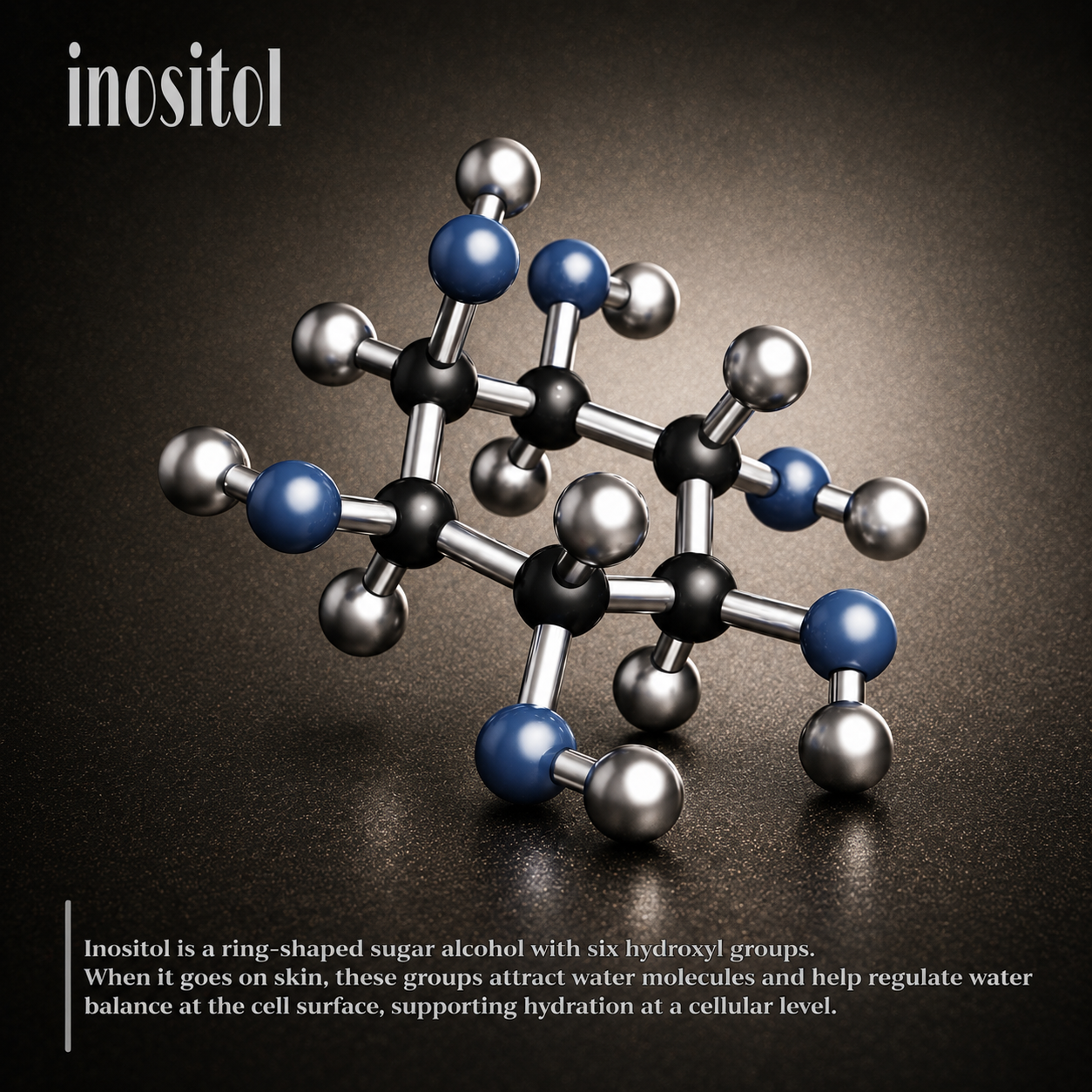
- Inositol
- Aloe vera
- Amino acids
Learn more about humectant-driven hydration:
https://eloraclinic.com/hyaluronic-acid-serum-benefits/
What Are Oil-Based Serums?
Oil-based serums contain lipids and emollient oils designed to reinforce the skin barrier and prevent water loss.
How Oil-Based Serums Work
- Lock in moisture
- Strengthen lipid layers
- Reduce transepidermal water loss (TEWL)
- Improve comfort in dry environments
They are most effective when water is already present in the skin.
Explore oil function in detail:
https://eloraclinic.com/squalane-serum-benefits/
Water-Based vs Oil-Based Serums: Key Differences
| Feature | Water-Based Serums | Oil-Based Serums |
|---|---|---|
| Add water to skin | ✅ Yes | ❌ No |
| Seal moisture | ⚠️ Minimal | ✅ Strong |
| Best for humidity | ✅ Yes | ❌ Often heavy |
| Best for dry climates | ⚠️ Limited | ✅ Yes |
| Suitable for oily skin | ✅ Yes | ⚠️ Depends |
| Risk of pore congestion | Low | Moderate |
Which One Is Better for Hydration?
The short answer:
👉 Water-based serums hydrate.
👉 Oil-based serums protect hydration.
Most skin types—especially in the USA’s mixed and humid climates—need both, used strategically.
When to Choose a Water-Based Serum
Water-based serums are ideal if you have:
- Oily or combination skin
- Dehydrated skin with shine
- Acne-prone skin
- Humid or warm climate exposure
- Enlarged pores
They are also essential under sunscreen and makeup.
Elora Clinic Water-Based Hydration Solutions
White Rice + Inositol Serum
Supports hydration and oil balance
https://eloraclinic.com/product/inositol/
Available at Walmart:
https://www.walmart.com/ip/Elora-Clinic-White-Rice-Serum-Inositol-Hyaluronic-Acid-Hydrating-Antioxidant-Inositol-White-rice-Serum-Oil-Free-Water-Based/3812314918
Aloe Vera + Hyaluronic Acid Serum
Soothes, hydrates, cools the skin
https://eloraclinic.com/product/aloevera/
Easy to purchase via Walmart:
https://www.walmart.com/ip/Elora-Clinic-Aloe-Vera-and-Hyaluronic-Acid-Serum-Soothing-Hydrtaing-Deeply-Hydrating-Aloe-Vera-Hyaluronic-Acid-Serum-Oil-Free-Water-Based/1003476772
When to Choose an Oil-Based Serum
Oil-based serums are best if you have:
- Dry or compromised skin barrier
- Cold or arid climate exposure
- Flaking or rough texture
- Post-treatment skin
They are most effective at night or layered over hydration.
Elora Clinic Oil-Based Options
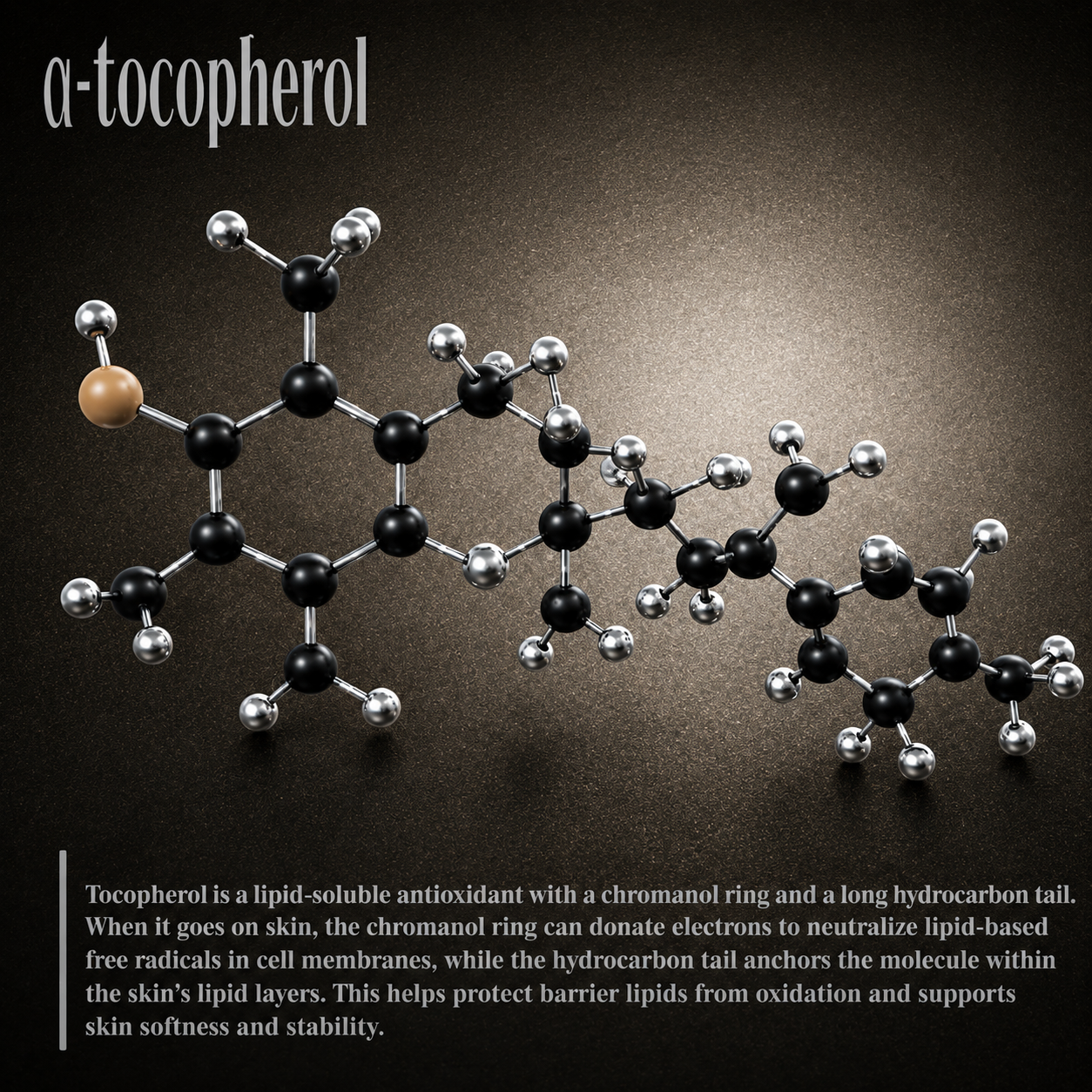
Vitamin E Oil Serum
Supports lipid barrier repair
https://eloraclinic.com/product/vitamine/
Available at Walmart:
https://www.walmart.com/ip/Elora-Clinic-Vitamin-E-Serum-Rejuvenating-Moisturizing-Vitamin-E-Oil-for-Face/2219516291
Frankincense Oil Serum
Firming and barrier-supportive
https://eloraclinic.com/product/frankincense-oil/
Available at Walmart:
https://www.walmart.com/ip/Elora-Clinic-Frankincense-Oil-Serum-Instant-Plum-Firming-Plumping-Rejuvenating/2171363541

Can You Use Both? (The Correct Way)
Yes—but order and ratio matter.
Correct Layering Method
- Cleanse
- Apply water-based serum first
- Wait 30–60 seconds
- Apply 1–2 drops of oil-based serum (if needed)
Layering guide:
https://eloraclinic.com/how-to-layer-serums-skincare-routine/
Common Mistakes That Reduce Hydration
❌ Using oil alone on dehydrated skin
❌ Skipping water-based hydration in humidity
❌ Overusing oils during daytime
❌ Applying oils before water-based serums
How Climate Changes the Answer (USA Focus)
- Humid regions (Florida, Texas, Southeast):
Water-based serums dominate - Dry regions (Colorado, Nevada):
Water + oil layering works best - Seasonal climates:
Adjust ratio throughout the year
For climate-specific guidance, see:
https://eloraclinic.com/best-oils-for-dry-skin-dry-climates-usa/
Final Decision Guide
Choose water-based serums if your skin:
- Feels tight but looks oily
- Breaks out easily
- Lives in heat or humidity
Choose oil-based serums if your skin:
- Feels rough or flaky
- Is barrier-damaged
- Lives in cold or dry climates
Most healthy routines combine both—strategically.