
















Best Serum for Oily Skin That Still Feels Dehydrated: Dermatology Guide

Oily skin is often misunderstood. Many people believe that if their skin produces oil, it must already be hydrated. In reality, oily skin can be severely dehydrated, and this paradox is one of the most common causes of persistent breakouts, enlarged pores, and uneven texture.
A very common question dermatologists hear is:
What is the best serum for oily skin that still feels dehydrated?
The answer is not simply using oil-control products. The best solution is a balanced serum routine that hydrates the skin barrier while regulating oil production.
When oily skin becomes dehydrated, the skin tries to compensate by producing even more sebum, which can clog pores and worsen acne.
The correct approach is using lightweight, water-based serums that restore hydration without blocking pores, while including ingredients that help normalize sebum production.
This guide explains the science behind dehydrated oily skin, the best ingredients to restore balance, and how to choose the best serum for oily skin that still feels dehydrated.
Why Oily Skin Can Still Become Dehydrated
Skin hydration and oil production are controlled by two different systems.
Oil (sebum) is produced by sebaceous glands, while hydration depends on water content in the outer skin layers.
When the skin barrier becomes compromised, water escapes from the skin through a process known as transepidermal water loss (TEWL).
This dehydration triggers the skin to produce more oil as a protective response.
Common causes of dehydrated oily skin include:
• Over-cleansing or harsh cleansers
• Excessive exfoliation
• Using strong acne treatments
• Environmental stress such as pollution
• Low humidity or indoor heating
According to research cited by the American Academy of Dermatology, barrier damage can increase oil production while simultaneously reducing hydration levels.
This is why many people experience skin that looks shiny but feels tight at the same time.
Signs Your Oily Skin Is Actually Dehydrated
Recognizing dehydrated oily skin is essential before choosing the right serum.
Typical signs include:
• Skin that feels tight after washing
• Oiliness appearing within hours of cleansing
• Enlarged pores becoming more visible
• Breakouts that occur despite dryness
• Makeup separating quickly during the day
• Skin texture feeling rough or uneven
If these symptoms sound familiar, the skin barrier likely needs hydration rather than stronger oil control.
The Best Serum for Oily Skin That Still Feels Dehydrated
The best serum for oily skin that still feels dehydrated should meet three criteria:
- Water-based texture
- Barrier-support hydration
- Oil regulation without pore blockage
This combination allows the skin to regain hydration while preventing excess oil production.
Two ingredient categories are especially effective for this purpose:
• Niacinamide for oil regulation
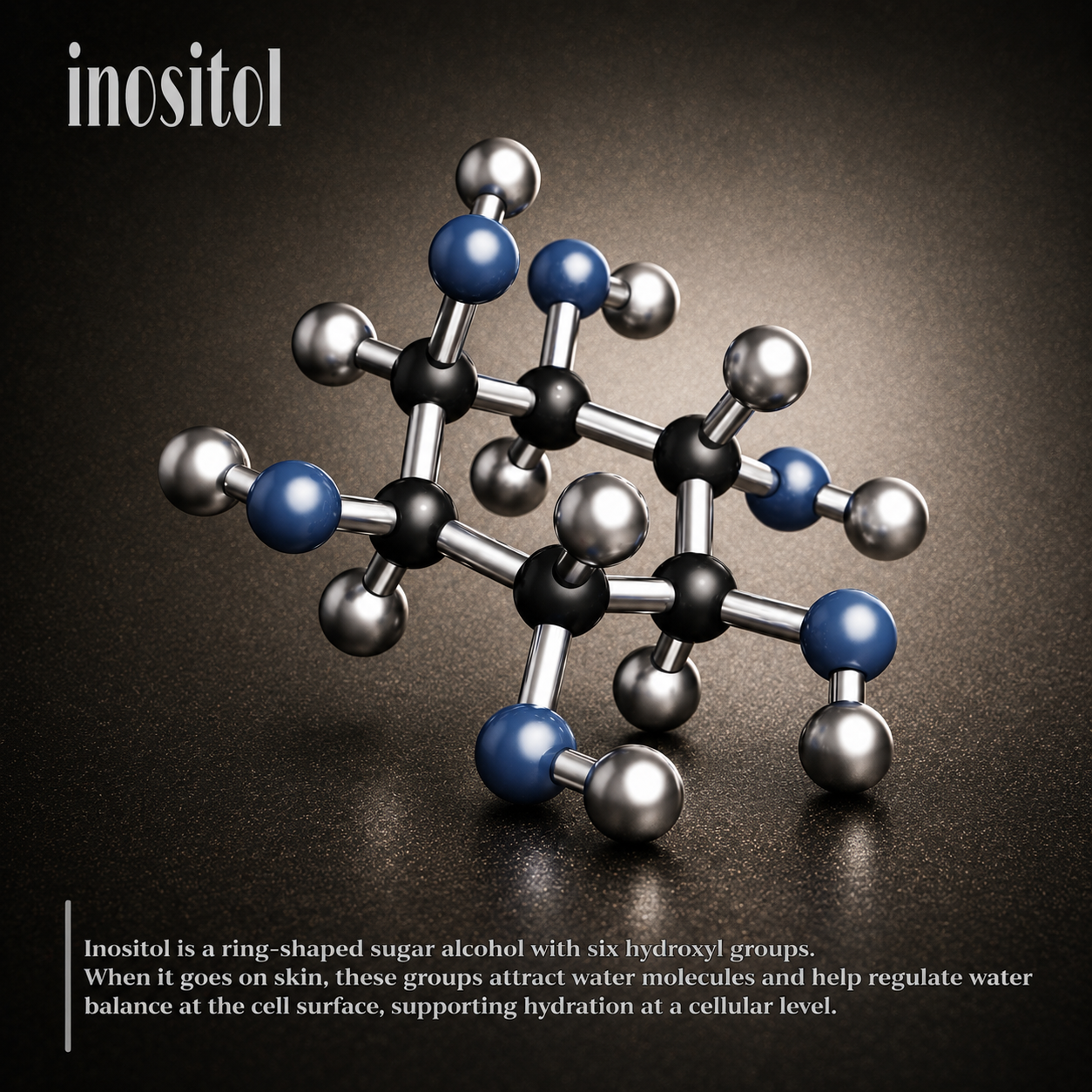
• Inositol and amino acids for barrier hydration
Why Niacinamide Is Ideal for Dehydrated Oily Skin
Niacinamide is one of the most researched ingredients for balancing oily skin.
It helps regulate sebum production while strengthening the skin barrier and reducing inflammation.
A high-quality niacinamide serum can help reduce the appearance of enlarged pores and stabilize oil levels.
For example:
The Niacinamide 20 Serum supports oil regulation while maintaining hydration through hyaluronic acid.

It is also available at Walmart, making it easily accessible:
Niacinamide works especially well when used consistently in a lightweight, water-based formula.
Why Barrier Hydration Is Essential for Oily Skin
When the skin lacks hydration, oil glands increase sebum production.
Hydration-focused ingredients help signal to the skin that it no longer needs to produce excess oil.
Inositol and amino acids are particularly effective for restoring this balance.
A good example is:
Inositol supports skin barrier stability while helping regulate oil production.
It provides hydration without clogging pores and is especially useful for acne-prone skin.
This serum is also available through Walmart:
Because it is oil-free and water-based, it works well for people whose skin feels oily yet dehydrated.
The Ideal Serum Routine for Dehydrated Oily Skin
A simple routine is usually more effective than a complicated one.
Morning Routine
Step 1 — Gentle cleanser
Avoid stripping cleansers that remove too much oil.
Step 2 — Hydration serum
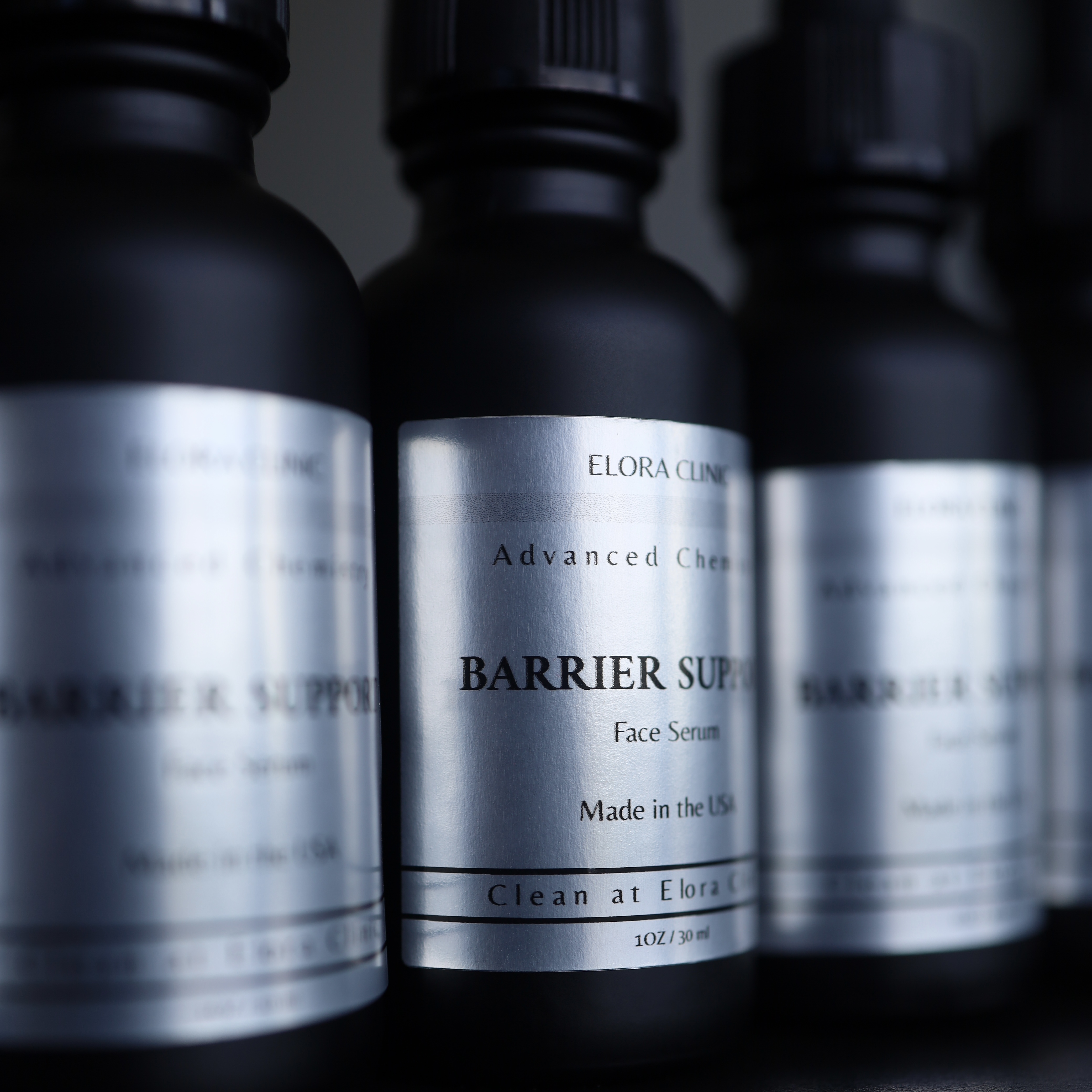
Use a lightweight barrier-support serum such as:
Step 3 — Oil-regulating serum
Apply niacinamide:
Step 4 — Lightweight moisturizer
Step 5 — Sunscreen
Sun protection prevents inflammation that can worsen oil imbalance.
Night Routine for Oily Dehydrated Skin
The night routine should focus on repairing the skin barrier.
Step 1 — Cleanse
Step 2 — Hydration serum
Step 3 — Niacinamide or barrier-support treatment
Step 4 — Lightweight moisturizer
Avoid aggressive exfoliation if the skin already feels tight or irritated.
Ingredients That Help Balance Oily Dehydrated Skin
Certain ingredients consistently perform well for this skin type.
Niacinamide
Regulates oil production and improves pore appearance.
Hyaluronic Acid
Provides hydration without adding oil.

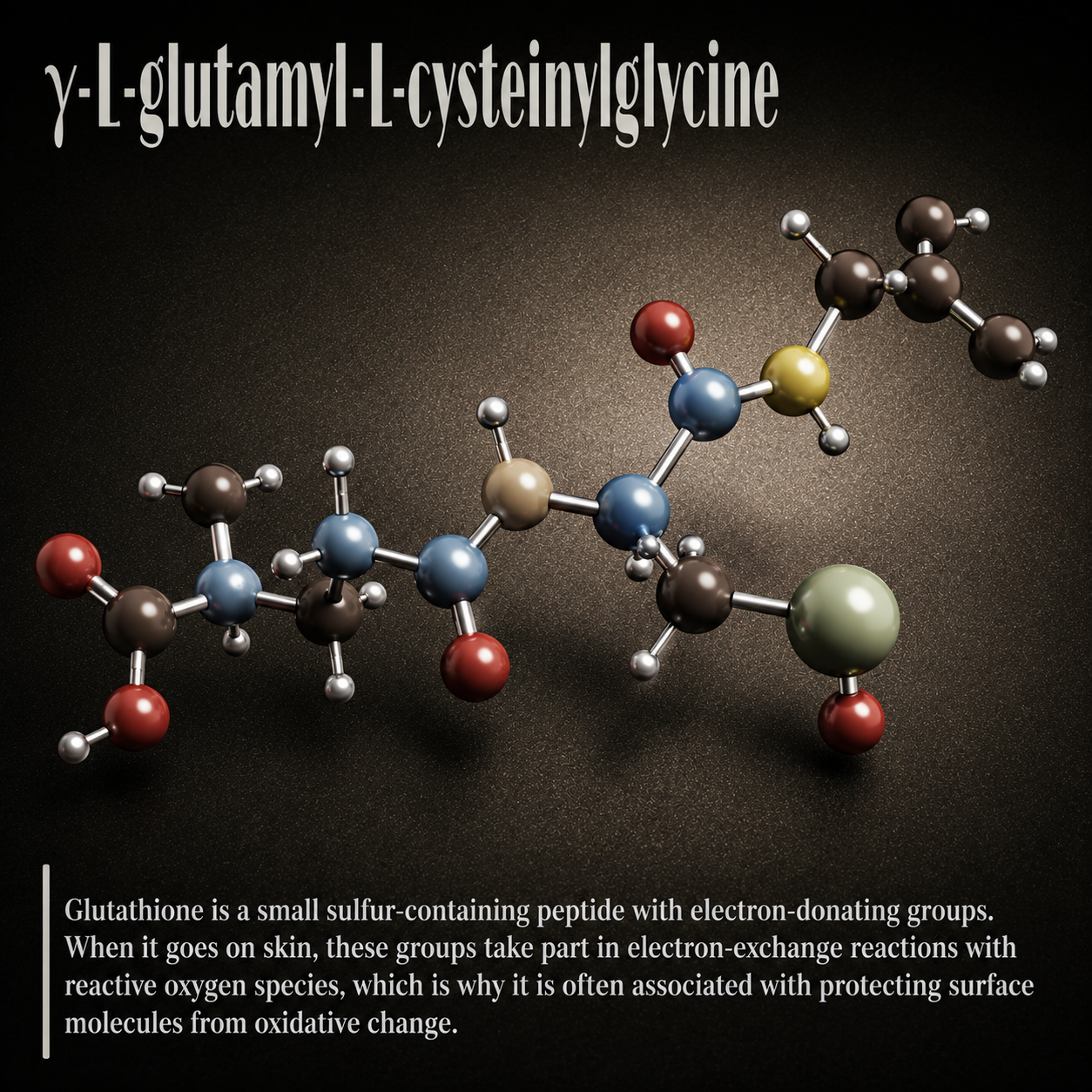
Amino Acids
Support skin barrier repair.
Inositol
Helps balance skin metabolism and hydration.
These ingredients help restore the natural balance between hydration and oil production.
Ingredients That Can Worsen Dehydrated Oily Skin
Many acne treatments can make dehydration worse.
These ingredients should be used cautiously:
• High-percentage alcohol
• Overuse of exfoliating acids
• Strong benzoyl peroxide treatments
• Harsh clay masks used daily
Overusing these treatments may temporarily reduce oil but ultimately worsen dehydration and rebound oil production.
The Elora Clinic Approach to Oily Skin
Many skincare brands approach oily skin by aggressively removing oil. However, this approach often damages the skin barrier and leads to more breakouts.
Elora Clinic follows a different philosophy.
Instead of focusing only on oil removal, the brand emphasizes restoring balance between hydration and oil regulation.
The educational resources available at https://eloraclinic.com/ explain how ingredient compatibility and barrier health influence long-term skin stability.
Rather than relying on harsh treatments or trends, the focus is on science-driven routines that support the skin’s natural balance.
How Long Does It Take to Fix Dehydrated Oily Skin?
Most people begin to see improvements within 2–3 weeks once the correct routine is followed.
Signs that the routine is working include:
• Reduced midday oiliness
• Smaller-looking pores
• Fewer breakouts
• Skin feeling more comfortable after cleansing
Consistency is key. Hydration-focused routines require time for the skin barrier to stabilize.

Key Takeaways
• The best serum for oily skin that still feels dehydrated focuses on hydration and oil balance
• Dehydrated skin can produce excess oil as a protective response
• Water-based serums are ideal because they hydrate without clogging pores
• Niacinamide helps regulate oil production and reduce pore visibility
• Inositol supports barrier hydration and skin balance
• Avoid harsh acne treatments that strip the skin barrier
• Balanced hydration is the key to stabilizing oily skin long term