















What to Eat When You Have Inflamed Acne: How to Calm Red, Painful Breakouts Fast
Quick Answer
When you have inflamed acne, build regular meals around vegetables, beans or lentils, whole grains, and a protein source. Fish, nuts, seeds, and fruit can also fit. A lower-glycemic eating pattern may help some people over time, but no food is established as a fast treatment for a painful breakout. Deep, persistent, or scarring acne needs medical care.
For a separate cosmetic hydration step, the Elora Clinic Aloe Vera Face Serum contains aloe vera, glycerin, and sodium hyaluronate. If your skin already tolerates these ingredients, it can complement moisturizer. It is not an acne medication, and introducing a new serum is optional when skin is sore or reactive.
Retail details are available in the Aloe Vera Face Serum listing on Walmart.

Why Inflamed Acne Feels Different (And Why It Needs a Different Approach)
Inflamed spots can be tender, raised, swollen, and red or otherwise discolored. Deeper nodules can hurt beneath the skin. This is different from an isolated blackhead, but redness alone cannot confirm acne; irritation and other skin conditions can resemble it.
The National Institute of Arthritis and Musculoskeletal and Skin Diseases describes acne as an inflammatory condition involving blocked follicles, oil, skin cells, and bacteria. It is not evidence that your immune system is generally “overreacting,” your gut is unhealthy, or you caused the problem by eating badly.
Aggressive scrubbing can worsen irritation. That does not mean all active acne treatments are inappropriate: effective medication and gentle supporting skincare can work together. The goal is to treat acne while protecting comfort, rather than replacing treatment with a diet experiment.
What to Eat When You Have Inflamed Acne
1. Omega-3 Rich Foods
Salmon and sardines supply the omega-3 fats EPA and DHA. Chia and flaxseeds supply a different omega-3, ALA. These foods can contribute to a varied diet, but a serving of seeds is not equivalent to the fish-oil supplements used in a trial.
A 10-week randomized study involving 45 people with mild-to-moderate acne found improvement in groups taking omega-3 or gamma-linolenic-acid supplements. It was small, tested supplements rather than meals, and does not show that fish or seeds rapidly reduce the pain of an existing spot. Supplements need individual consideration, not automatic addition to an acne routine.
2. Lower-Glycemic Meals
Glycemic load considers both carbohydrate quality and the amount eaten. Think about a repeatable meal pattern: oats with nuts, lentil soup, or beans with vegetables and a grain you enjoy. A food’s effect depends on portion, processing, preparation, and the rest of the meal. Brown rice or sweet potato is not automatically a low-glycemic meal in every serving.
In a 12-week randomized trial in 43 males aged 15–25, a lower-glycemic-load diet produced a greater reduction in acne lesions than the comparison diet. Weight also changed, so the researchers could not isolate the diet’s independent effect. This supports a possible gradual benefit, not an overnight cure or a reason to restrict calories.
3. Zinc-Rich Foods
Pumpkin seeds, chickpeas, cashews, and beans are useful foods to include. Zinc contributes to normal immune function and wound healing, but eating extra zinc does not establish that it will treat your acne. Acne does not by itself diagnose zinc deficiency.
The NIH Office of Dietary Supplements’ zinc fact sheet explains food sources and the risks of excess intake. Do not start high-dose zinc for a breakout without professional advice; excessive supplementation can interfere with copper balance and some medicines.
4. Fruit, Vegetables, and Other Antioxidant Foods
Blueberries, spinach, kale, and other produce provide variety and nutrients. Choose affordable foods you will actually eat, including frozen vegetables and fruit. Green tea can be a beverage choice if you enjoy it, but it should not be presented as a way to quickly erase inflammatory lesions.
5. Water and Water-Rich Foods
Cucumbers, watermelon, oranges, and zucchini can contribute to fluid intake. Drink normally to meet your needs. Extra water is not an established acne treatment, and the claim that dehydration always causes compensatory oil production is too simplistic. You do not need a juice cleanse or to remove whole fruit because it contains natural sugars.
Practical Meal Examples
Use these as flexible combinations, adjusting portions for your appetite, allergies, culture, and nutritional needs. They are meal ideas, not a prescribed acne diet.
| Meal | Example | Easy alternative |
|---|---|---|
| Breakfast | Oats, berries, and nuts | Eggs or tofu with whole-grain toast |
| Lunch | Lentil soup with vegetables and bread | Chickpea salad with a grain |
| Dinner | Salmon, vegetables, and rice | Tofu or beans with vegetables and rice |
| Snack | Fruit with nuts or seeds | Hummus with vegetables or crackers |
Keep a source of protein and enough food in the meal. A bowl of greens alone is not a complete strategy. More background is available in our food and diet education hub.
What Makes Inflamed Acne Worse?
Frequent sugary drinks and a high-glycemic dietary pattern may be worth reviewing. That is different from declaring every processed food, oil, or occasional dessert inflammatory. Canned beans and frozen vegetables are processed foods too.
Cow’s milk has been associated with acne in some studies, but an association does not prove it causes every person’s breakouts. Evidence differs across dairy foods. The AAD’s diet-and-acne overview explains those uncertainties. Avoid removing entire food groups reflexively; if you trial a change, preserve nutrition and consider a dietitian’s help.
Stress, hormonal changes, picking, and irritating products may also matter. If symptoms started after a skincare change, our guide to acne worsening after starting skincare can help you organize the history to discuss with a clinician.

Why You Need Skincare Support Too
Dietary changes cannot substitute for an appropriate treatment plan. Keep cleansing gentle, choose a moisturizer you tolerate, and use sunscreen. Avoid picking lesions or scrubbing them. These basics are consistent with AAD guidance for managing acne-prone skin.
The Best Serum Strategy for Inflamed Acne
A serum is optional. Choose at most one new cosmetic while assessing tolerance, rather than adding a three-serum system to painful skin.
- Aloe Vera Face Serum: the hydration option introduced above. Discontinue it if it irritates.
- Elora Clinic Niacinamide Face Serum: positioned for oil balance, pore appearance, and hydration. The current directions say 2–3 drops, 2–3 times weekly or as tolerated. It is not a substitute for acne medication.
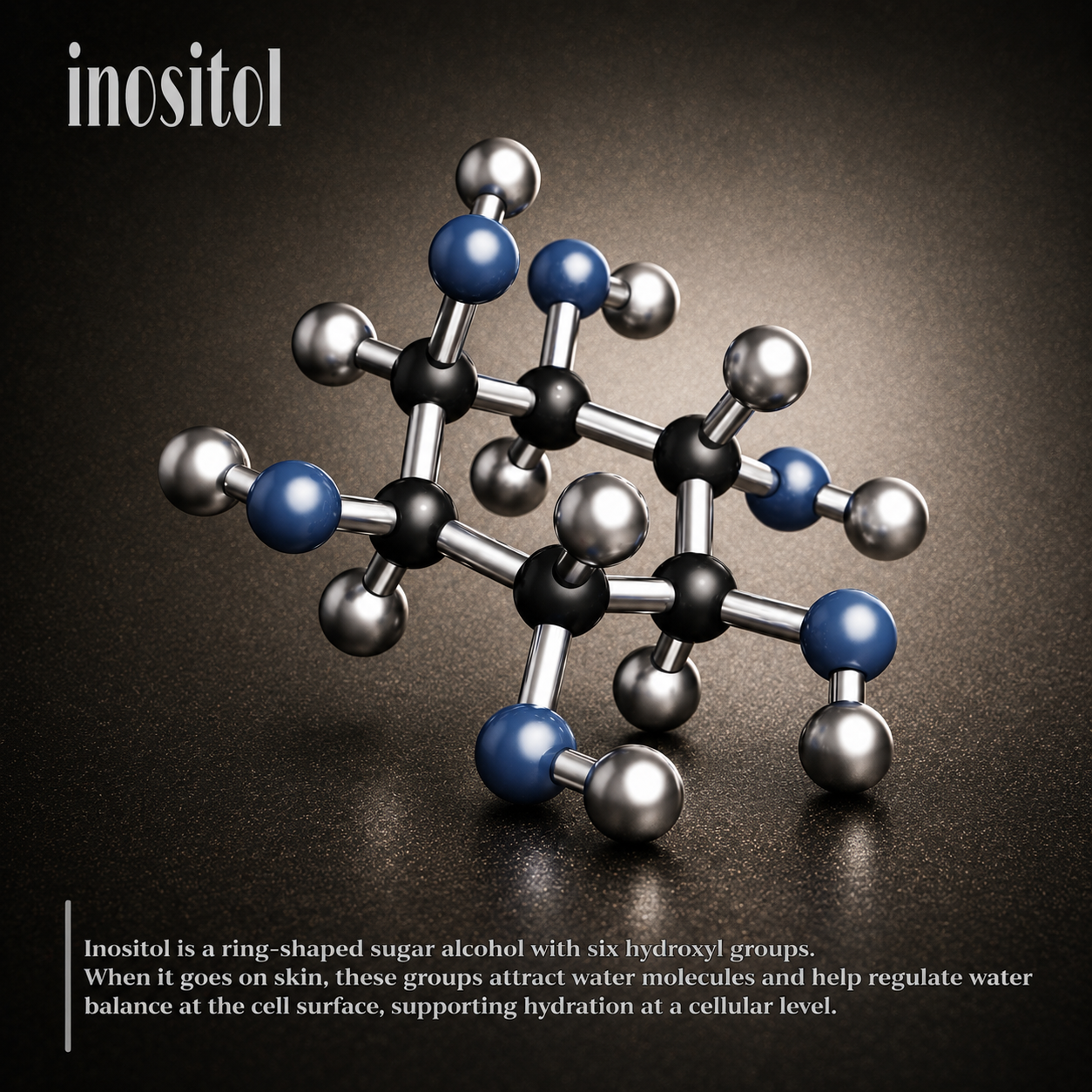
- Elora Clinic Hyaluronic Acid Face Serum: the current name of the formula with inositol. Its cosmetic role is hydration; topical inositol should not be claimed to regulate hormones or stop breakout cycles.
For order of application, see the newer guide to niacinamide before or after moisturizer. For the distinction between visible redness and treatment, read niacinamide for facial redness.

For current retail details, see the Niacinamide Face Serum and Hyaluronic Acid Face Serum listings on Walmart.
Simple Routine for Inflamed Acne
Morning: gentle cleansing as needed, your clinician-directed treatment if scheduled, moisturizer, and broad-spectrum SPF 30 or higher. Night: gentle cleansing, treatment as directed, and moisturizer. Add a tolerated hydrating serum only if it serves a clear need.
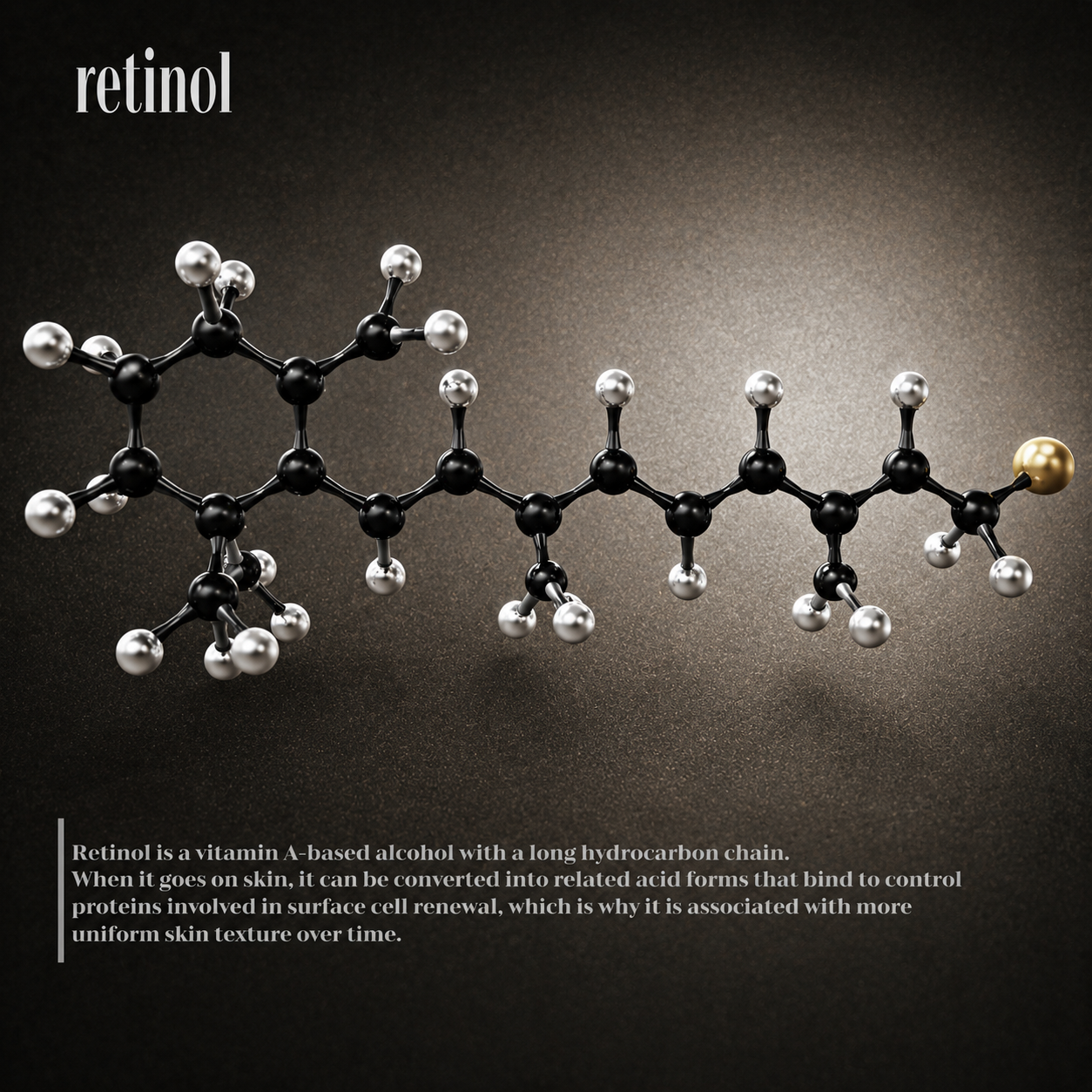
If you are peeling or stinging, contact your prescriber about adjusting treatment. Do not automatically abandon a prescribed retinoid because acne is inflamed. For overlapping irritation, read how to care for irritated skin.

Long-Term Care and When to Get Help
Seek professional help for deep painful lesions, developing scars, persistent acne, or a flare that is substantially different from your usual pattern. You do not have to wait for a diet trial to finish. The NIAMS treatment guide describes how clinicians choose treatment based on acne type and severity.
Does Food Really Affect Inflamed Acne?
It may affect some people. Results from small dietary studies are not a prediction for an individual, and they do not establish a rapid fix for today’s painful spot.
Should I Exfoliate or Stop All Actives?
Avoid abrasive scrubs on tender skin. Distinguish an optional cosmetic exfoliant from a prescribed acne medicine; ask the prescriber how to manage irritation without losing treatment benefit.
Does Hydration Clear Acne?
Moisturizer can make a drying routine more comfortable. That does not mean drinking more water or applying a hydrating serum will clear blocked follicles and inflammatory lesions.
Final Takeaway
Choose balanced meals you can sustain, keep dietary expectations realistic, and treat painful acne with appropriate care. Food choices can complement the plan; neither an “anti-inflammatory” menu nor a cosmetic serum guarantees fast healing.
About the Founder
Elora Ellis is the founder of Elora Clinic, a science-driven skincare brand focused on ingredient compatibility, skin barrier health, and routine logic. She combines formulation research and practical skincare education to help individuals build informed routines. Customer experiences describe individual product use and should not be treated as clinical acne evidence.