















What to Eat When Acne Gets Worse Suddenly: How to Calm Your Skin From the Inside Out
Quick Answer
If you are wondering what to eat when acne gets worse suddenly, keep meals regular and balanced: vegetables, beans or lentils, whole grains, a protein source, and fats you enjoy. Reviewing sugary drinks or a high-glycemic eating pattern may be worthwhile, but changing today’s menu cannot reliably reverse a flare overnight. Check recent skincare, medication, hormonal, and lifestyle changes too.
For optional cosmetic hydration alongside your usual care, the Elora Clinic Aloe Vera Face Serum contains aloe vera, glycerin, and sodium hyaluronate. It is a hydration product, not a treatment for sudden acne. If skin is already burning or unusually reactive, avoid adding a new serum until the reaction has been assessed.
Retail details are available in the Aloe Vera Face Serum listing on Walmart.

Why Acne Can Suddenly Get Worse (Even If Your Routine Didn’t Change)
A cluster of spots can feel as though it appeared without warning. That timing does not reveal the cause. Acne involves processes within follicles, and more than one factor may be involved. A new breakout does not establish “gut imbalance,” a blood-sugar problem, or a damaged skin barrier.
Hormonal changes, certain medicines, stress, friction, and irritating skincare are relevant possibilities in the NIAMS overview of acne causes and aggravating factors. Do not stop a prescribed medicine because you suspect a connection; ask the prescriber.
The Real-Life Situation: What Changed?
Before removing several foods, write down the recent history:
- Products: a new sunscreen, makeup, cleanser, hair product, active ingredient, or change in application frequency.
- Medicines and supplements: new products, dose changes, or protein powders. Record what changed without assuming it is responsible.
- Daily life: more sweating, a helmet or mask rubbing the skin, stress, or disrupted sleep.
- Skin behavior: pain versus itch, peeling or burning, and whether bumps are appearing in your usual acne areas.
Our guide to purging versus a breakout helps organize product-related clues. Neither an online guide nor the timing alone can diagnose a new eruption.
What to Eat When Acne Gets Worse Suddenly
1. Start With Satisfying, Lower-Glycemic Meal Combinations
Try oats with nuts, lentils with vegetables, or rice alongside beans, tofu, fish, or another protein. The aim is a sustainable eating pattern, not eliminating carbohydrates. Portion size and preparation influence glycemic load; a food name alone does not tell you the effect of a whole meal.
A 12-week trial in 43 young males found a greater reduction in acne lesions with a lower-glycemic-load diet than with the comparison diet. Participants also lost weight, complicating interpretation. Those results do not prove that a particular meal caused yesterday’s spots or that a restrictive diet will clear tomorrow’s.
2. Include Omega-3 Food Sources Without Expecting an Immediate Effect
Salmon, sardines, chia, and flaxseeds can fit into regular meals. Fish and seeds contain different forms of omega-3 fats. A small randomized acne study tested supplements for 10 weeks; it did not establish fish, seeds, or fish oil as an immediate flare treatment. Do not start supplements solely on the promise of rapid redness relief.
3. Keep Protein, Zinc Sources, and Produce in the Plan
Chickpeas, beans, pumpkin seeds, and cashews remain useful options, alongside foods such as eggs, tofu, fish, or meat according to your preferences. Add vegetables and fruit such as spinach, berries, oranges, or whatever you have available. No single “skin food” makes the rest of your diet irrelevant.
A sudden flare does not diagnose a nutrient deficiency. High-dose zinc is not a routine first response: the NIH zinc fact sheet explains that excessive intake can cause problems. Food choices and supplement treatment are different decisions.
4. Drink Normally and Keep Whole Fruit
Water, cucumbers, watermelon, and other fluid-containing foods can contribute to hydration. Drinking extra water is not an established way to clear acne. Nor does oiliness prove you need to “flush out” dehydration. Avoid juice cleanses, fasting, or skipping meals as an attempt to reset your skin.
What to Avoid Immediately
The most useful immediate change is to avoid a cascade of simultaneous experiments. If you cut dairy, remove carbohydrates, add supplements, and change every skincare product together, you cannot tell which change helped or harmed.
You can replace a frequent sugary drink with water or an unsweetened alternative without banning all sugar. A blanket claim that processed foods contain “inflammatory oils” is not a sound acne rule. Nuts, seeds, canned beans, and other convenient foods can remain part of a balanced diet.
Cow’s milk has been associated with acne in some research, but evidence is mixed and does not apply equally to every dairy food or person. The AAD’s discussion of diet and acne supports watching for individual patterns. If you test a suspected food, consider one change and nutritionally adequate substitutions, ideally with professional guidance.

Track Patterns Without Blaming Every Meal
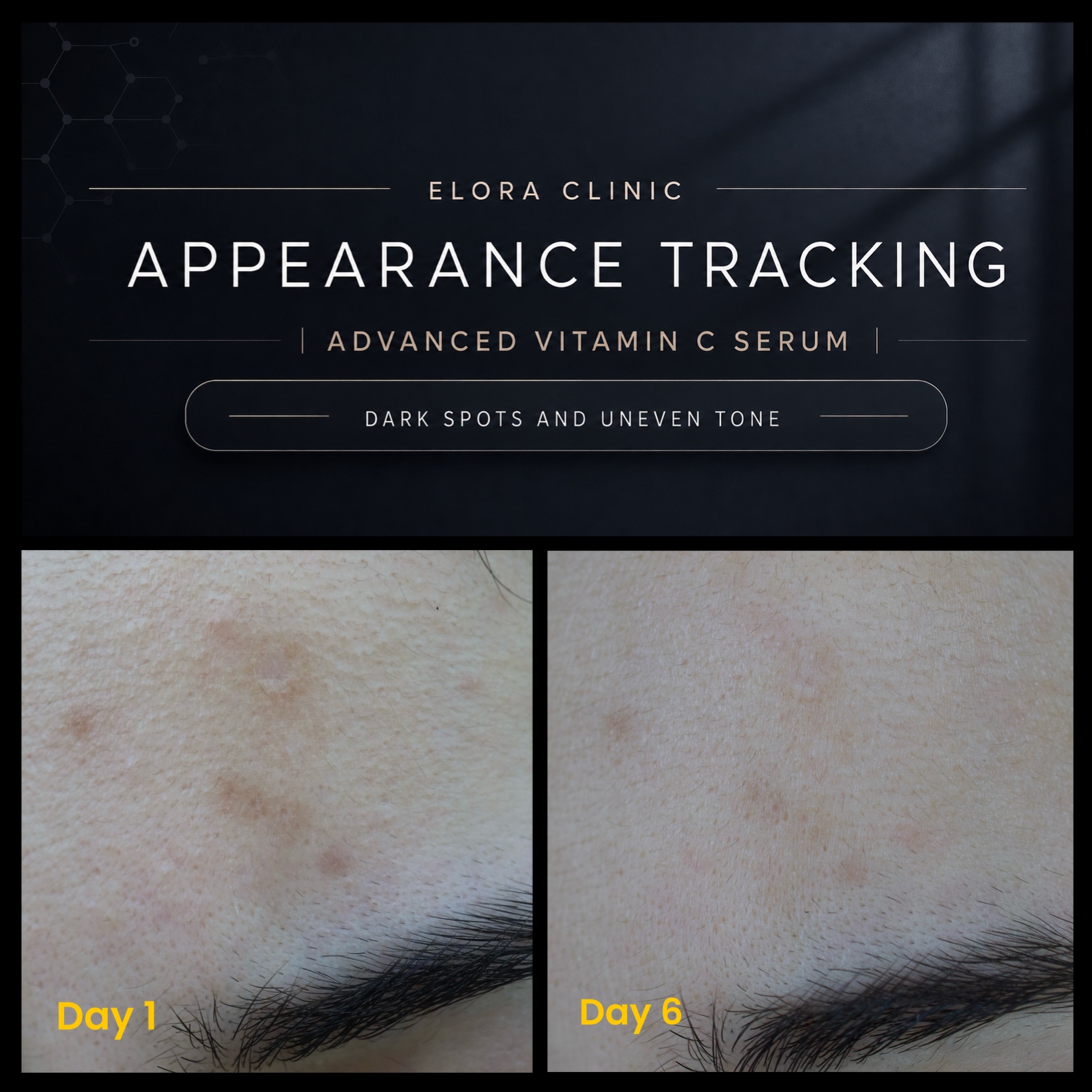
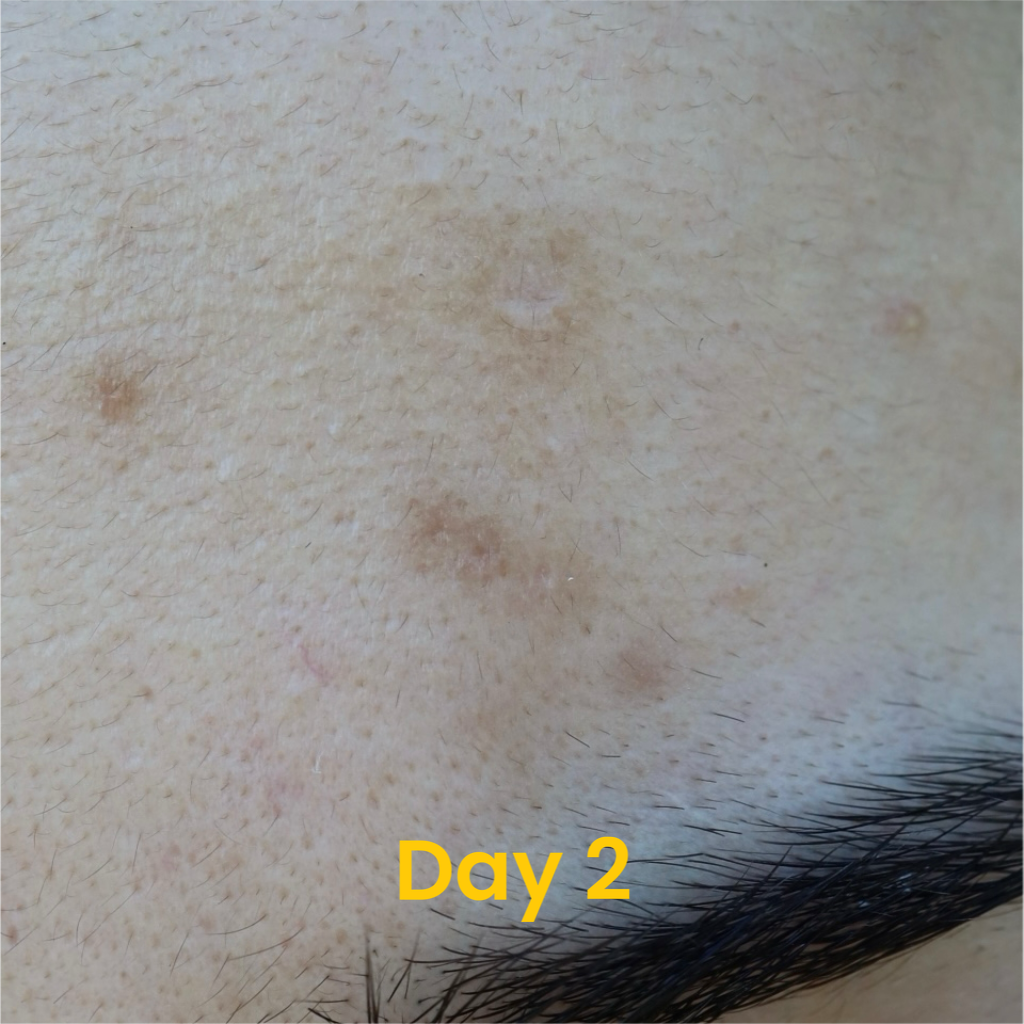
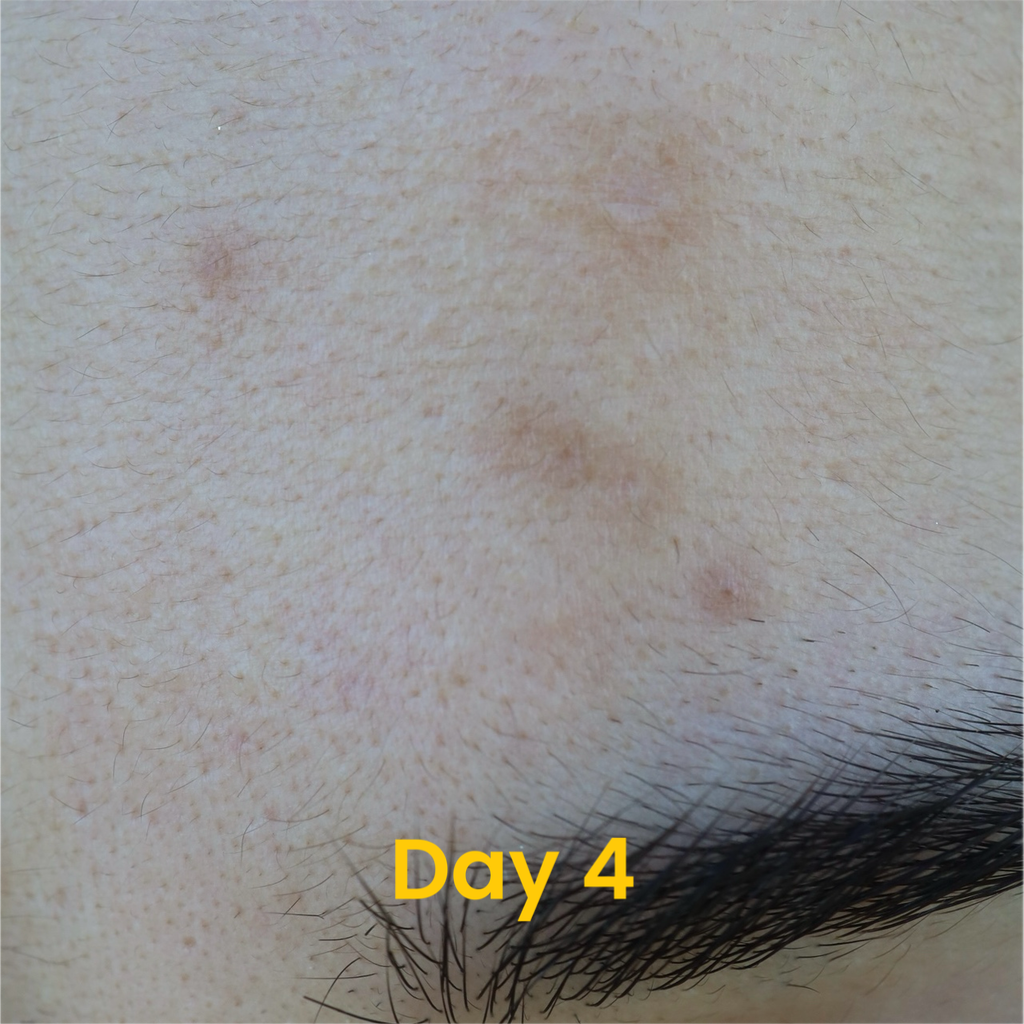
Use a brief record rather than repeatedly checking your face throughout the day. Note new lesions, discomfort, products, medicines, and major routine changes. A photograph in consistent lighting can help you describe the pattern to a clinician.
| Record | Useful detail | What it cannot prove |
|---|---|---|
| Timing and location | When new spots appeared and where | The exact meal or hormone responsible |
| Recent changes | A new product, supplement, medicine, or friction | That the newest change caused the flare |
| Symptoms | Tenderness, itch, burning, peeling, or deep lumps | An online diagnosis |
| One planned adjustment | What changed and whether you could sustain it | A causal result from a few better days |
Dietary trials generally assess change over weeks, not hours. Do not wait through a prolonged experiment if pain, scarring, or severity is increasing. For a broader view of nutrition topics, use our food and diet education hub.
Why Diet Alone Won’t Fix It Fast Enough
Diet alone may not control acne at all. Treatment depends on the type and severity of the condition. A cosmetic serum does not provide the same evidence or purpose as an acne medicine. The NIAMS treatment guide describes options clinicians may use and why a consistent plan matters.
Get assessed for deep painful lesions, new scars, persistent worsening, or an eruption that looks very different from your normal acne. This is more useful than increasing supplements or layering extra serums.

The Right Serum Strategy When Acne Gets Worse
Keep tolerated basics steady. The Aloe Vera Face Serum introduced above is an optional hydration layer. If you already use Elora Clinic Niacinamide Face Serum, follow its current directions: 2–3 drops, 2–3 times per week or as tolerated. More frequent application is not automatically helpful during a flare.
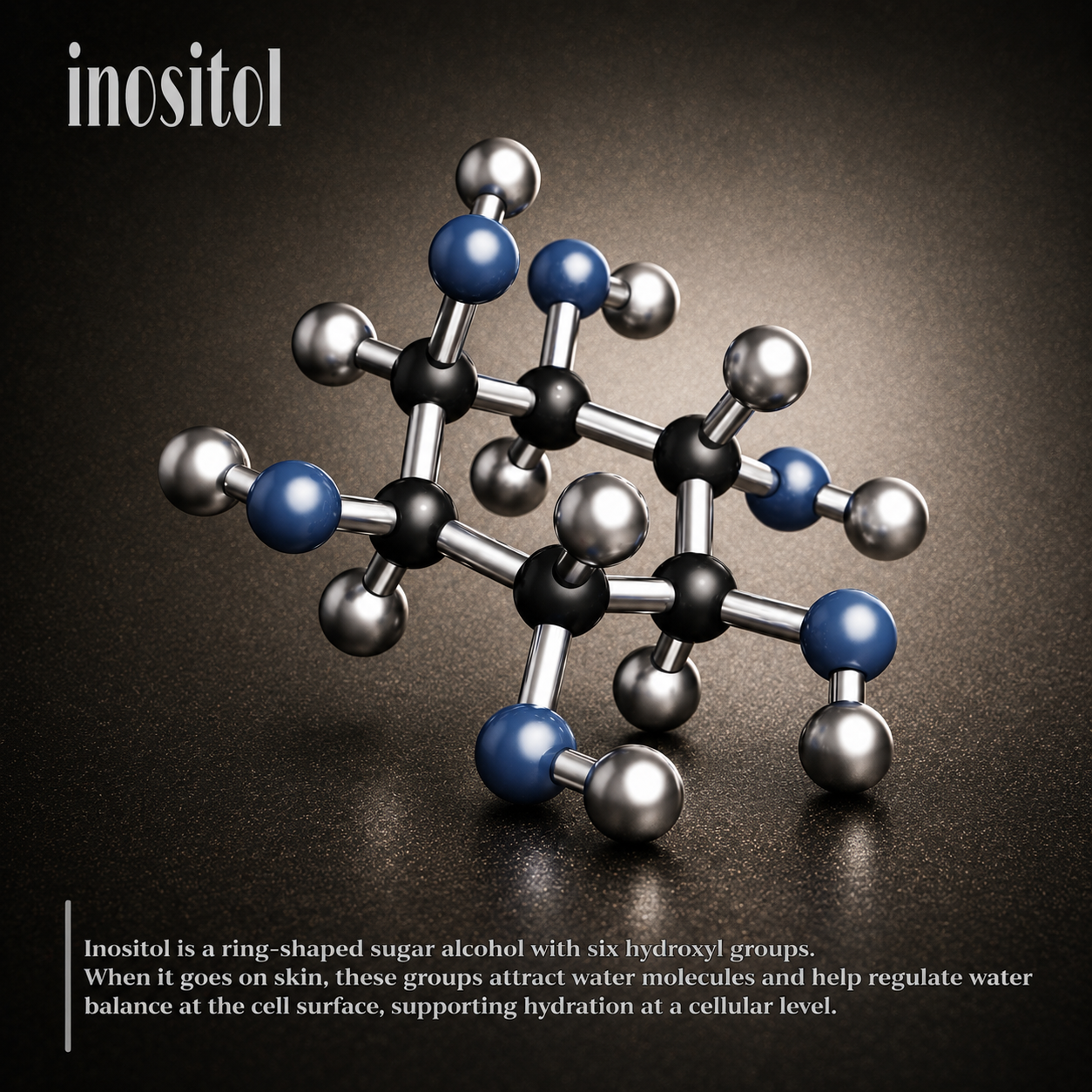
The current Elora Clinic Hyaluronic Acid Face Serum contains inositol and is positioned for hydration. That does not establish control of hormonal signaling or breakout cycles. You do not need to combine all three products.
For current retail details, see the Niacinamide Face Serum and Hyaluronic Acid Face Serum listings on Walmart.
Simple Routine When Acne Gets Worse Suddenly
Morning: gentle cleansing as needed, treatment at the time your clinician or product label specifies, moisturizer, and broad-spectrum SPF 30 or higher. Night: remove sunscreen and makeup gently, use treatment as directed, and moisturize.
Skip abrasive scrubs and pause a newly added cosmetic that causes persistent burning. If a prescribed treatment is irritating, ask the prescriber how to adjust it rather than automatically stopping it. See AAD acne skincare tips for the underlying routine principles.
If symptoms followed a product change, review acne getting worse after starting skincare. For a tolerated niacinamide routine, the newer guide to niacinamide and moisturizer order explains layering without adding unnecessary steps. Recurrent burning is also covered in why skin may start reacting to products.
Common Questions
Can Food Really Affect Acne Within Hours?
A meal changes normal digestion and metabolism, but that does not establish it caused a visible lesion within hours. Track repeated patterns and other changes rather than assigning a cause from one meal.
Should I Stop All Skincare During a Breakout?
No. Keep tolerated cleansing, moisturizer, and sun protection. Distinguish a reaction to a new cosmetic from an acne flare, and discuss medication changes with your clinician.
Should I Avoid Fats Completely?
No. A nutritionally adequate diet includes fats. Removing an entire macronutrient is not an established acne treatment.
How Can I Prevent Another Sudden Flare?
Consistent treatment and recognizing personal aggravating factors may help, but no food plan guarantees prevention. Bring your brief symptom record to a clinician if flares recur. Sustainable habits are easier to assess than repeated emergency routine changes.
Final Takeaway
When acne worsens suddenly, eat regularly and review the full recent history. Make a manageable change only when there is a reasonable basis for it, keep skincare simple, and seek care when needed. A sudden flare deserves investigation rather than a promise of an overnight dietary fix.
About the Founder
Elora Ellis is the founder of Elora Clinic, a science-driven skincare brand focused on ingredient compatibility, skin barrier health, and routine logic. Her work combines formulation research and practical skincare education. Elora Clinic customer experiences describe individual cosmetic use and are not evidence that a serum treats acne.