Best Serum Routine for Skin Recovering from Sunburn

Sunburn is one of the most common forms of acute skin barrier damage. While sunscreen prevents it, many people still experience sunburn after long exposure to UV radiation, especially during travel, outdoor activities, or summer months.
When skin is sunburned, it becomes inflamed, dehydrated, and extremely sensitive. The wrong skincare products can worsen irritation and delay recovery.
This guide explains the best serum routine for skin recovering from sunburn, including what ingredients help repair the skin barrier, which ingredients should be avoided, and how to restore hydration and calm inflammation safely.
Quick Expert Answer
The best serum routine for skin recovering from sunburn focuses on calming inflammation, restoring hydration, and repairing the skin barrier. Dermatology-supported ingredients such as aloe vera, amino acids, niacinamide, and antioxidants help reduce redness, strengthen the barrier, and accelerate skin recovery while avoiding strong actives like retinol or exfoliating acids.
Why Sunburn Damages the Skin Barrier
Sunburn occurs when ultraviolet (UV) radiation damages skin cells and triggers inflammation.
UVB rays cause direct DNA damage in skin cells, leading to redness, swelling, and peeling.
According to dermatology research published by the American Academy of Dermatology, UV exposure triggers inflammatory cytokines that weaken the skin barrier and increase water loss.
External reference:
https://www.aad.org/public/everyday-care/sun-protection/sun-damage
When this happens, the skin experiences:
• increased transepidermal water loss (TEWL)
• disrupted lipid barrier
• inflammation and redness
• sensitivity to active ingredients
In other words, the skin temporarily loses its ability to protect itself.
This is why a targeted serum routine designed for barrier repair is critical after sunburn.
The Best Serum Routine for Skin Recovering from Sunburn
A proper routine must follow three priorities:
- Calm inflammation
- Restore hydration
- Repair the skin barrier
Using too many products or strong actives can worsen irritation.
Step 1 — Start with a Gentle Cleanser
Avoid harsh cleansers, foaming sulfates, or exfoliating cleansers.
The goal is simply to remove sweat, sunscreen, and pollutants without stripping the skin.
After cleansing, apply a hydrating serum while the skin is slightly damp.
Step 2 — Use a Hydrating Barrier-Repair Serum
Hydration is the most important step in a serum routine for skin recovering from sunburn.
Sunburn significantly increases water loss from the skin.
Ingredients that help restore hydration include:
• hyaluronic acid
• aloe vera
• amino acids
• inositol
• panthenol
One effective hydration-focused option is the Elora Clinic Aloe Vera & Hyaluronic Acid Serum.
Product page:
https://eloraclinic.com/product/aloevera/
Available at Walmart:
https://www.walmart.com/ip/Elora-Clinic-Aloe-Vera-and-Hyaluronic-Acid-Serum-Soothing-Hydrtaing-Deeply-Hydrating-Aloe-Vera-Hyaluronic-Acid-Serum-Oil-Free-Water-Based/1003476772
Aloe vera has well documented anti-inflammatory effects and helps reduce redness after UV damage.
When applied to sunburned skin, it can help:
• calm irritation
• improve hydration
• accelerate skin recovery
This type of hydrating serum should be the first serum step after cleansing.
Step 3 — Support Skin Barrier Repair with Amino Acids
Once hydration is restored, the next step is rebuilding the barrier.
Amino acids are essential components of the Natural Moisturizing Factor (NMF) in the skin.
They help maintain hydration and strengthen the barrier.
A useful option is the Elora Clinic Arginine Serum.
Product page:
https://eloraclinic.com/product/arginine/
Available at Walmart:
https://www.walmart.com/ip/Elora-Clinic-Arginine-Serum-Hyaluronic-Acid-Arginine-Hydrating-Soothing-Hyaluronic-Acid-Arginine-Oil-Free-Water-Based/5379033931
Arginine supports:
• skin repair
• barrier recovery
• improved hydration balance
This type of serum is particularly helpful after sunburn because damaged skin struggles to maintain moisture balance.
Learn more about barrier repair in the
skin barrier repair guide:
https://eloraclinic.com/skin-barrier-repair-guide/

Step 4 — Add Antioxidants to Reduce UV-Induced Oxidative Stress
Sunburn triggers oxidative stress inside the skin.
Free radicals generated by UV exposure can continue damaging skin cells even after the initial sunburn.
Antioxidants help neutralize these free radicals.
Green tea and matcha extracts are particularly beneficial.
The Elora Clinic Matcha Serum provides potent antioxidant protection.
Product page:
https://eloraclinic.com/product/matcha/
Available at Walmart:
https://www.walmart.com/ip/Elora-Clinic-Matcha-Face-Cream-Matcha-Hyaluronic-Acid-Hydrating-Antioxidant-Matcha-Face-Serum-Oil-Free-Water-Based/3739025558
Matcha contains polyphenols that help reduce oxidative damage caused by UV exposure.
More information about antioxidant serums can be found in the guide:
how to use antioxidant serum
https://eloraclinic.com/how-to-use-antioxidant-serum/
Ingredients to Avoid After Sunburn
One of the most important parts of the best serum routine for skin recovering from sunburn is knowing what NOT to use.
Avoid the following ingredients until the skin heals.
Retinol
Retinol increases skin turnover and can worsen irritation after sunburn.
Exfoliating Acids
Avoid:
• glycolic acid
• salicylic acid
• lactic acid
These acids weaken the already damaged skin barrier.
Fragrance or Essential Oils
Strong fragrance ingredients can increase sensitivity.
For more details on irritation triggers, see the article:
inflamed skin barrier causes and solutions
https://eloraclinic.com/inflamed-skin-barrier-causes-solutions/
Morning Routine for Sunburn Recovery
A simplified morning routine is best.
- Gentle cleanser
- Hydrating serum
- Barrier repair serum
- Moisturizer
- Broad spectrum sunscreen
Sunscreen is essential because sunburned skin is extremely vulnerable to further UV damage.
Night Routine for Sunburn Recovery
Nighttime is when skin repair is most active.
A simple routine includes:
- Gentle cleanser
- Hydrating serum
- Barrier repair serum
- calming moisturizer
Avoid heavy layering.
Learn more about routine structure in the guide:
how to layer serums skincare routine
https://eloraclinic.com/how-to-layer-serums-skincare-routine/
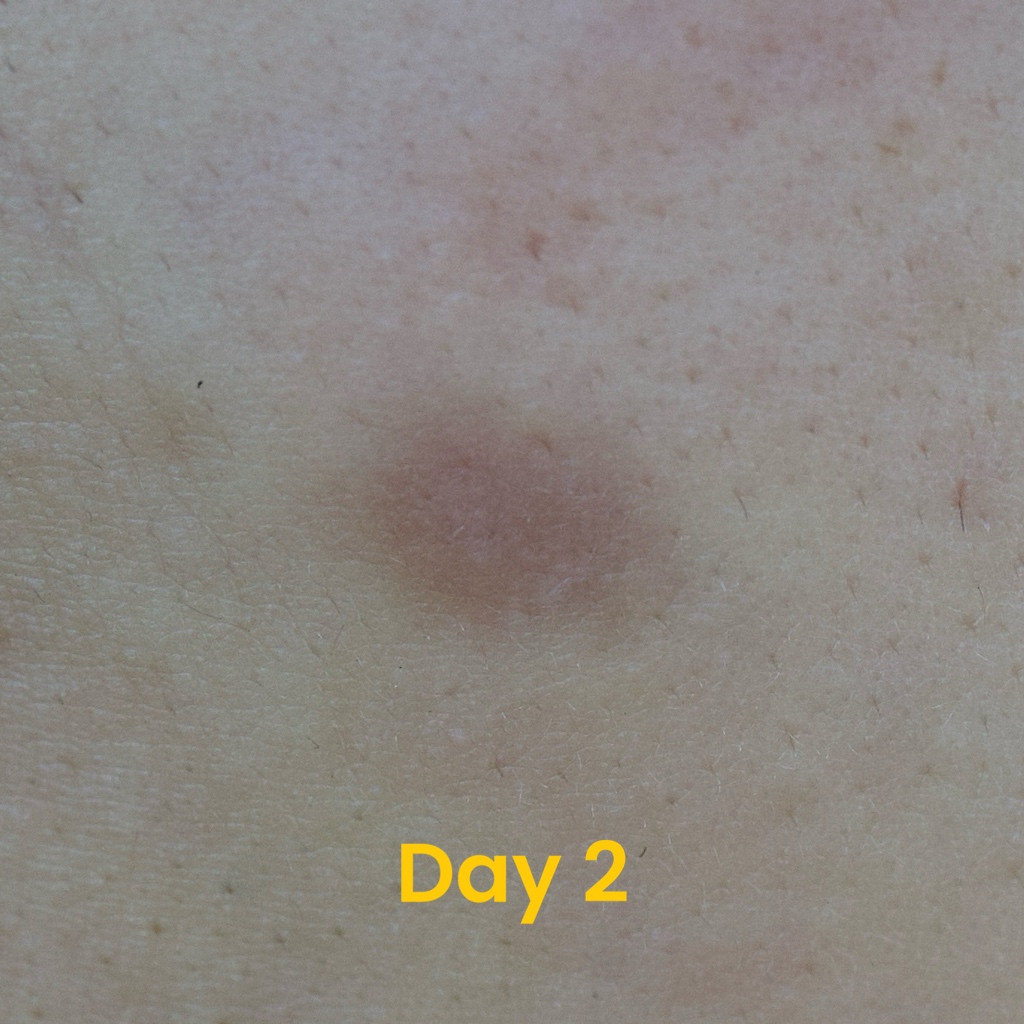
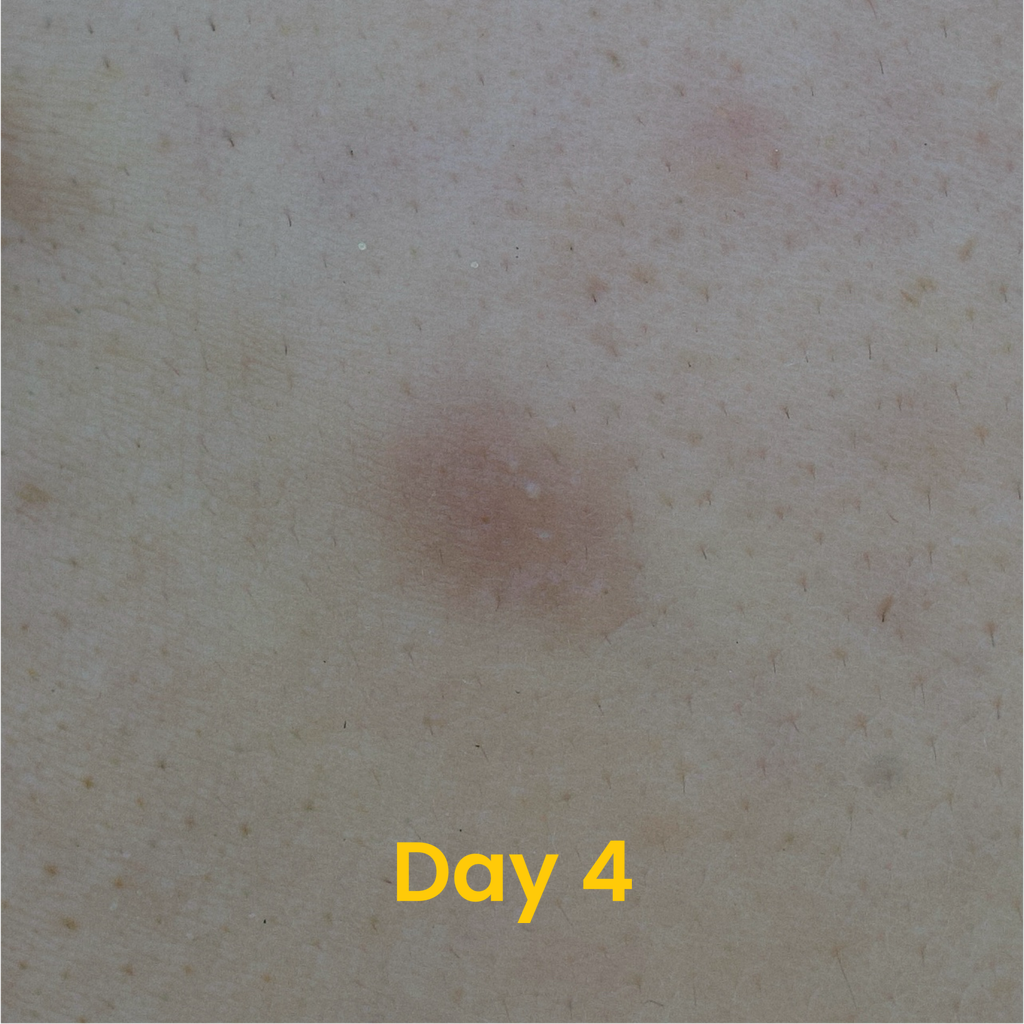
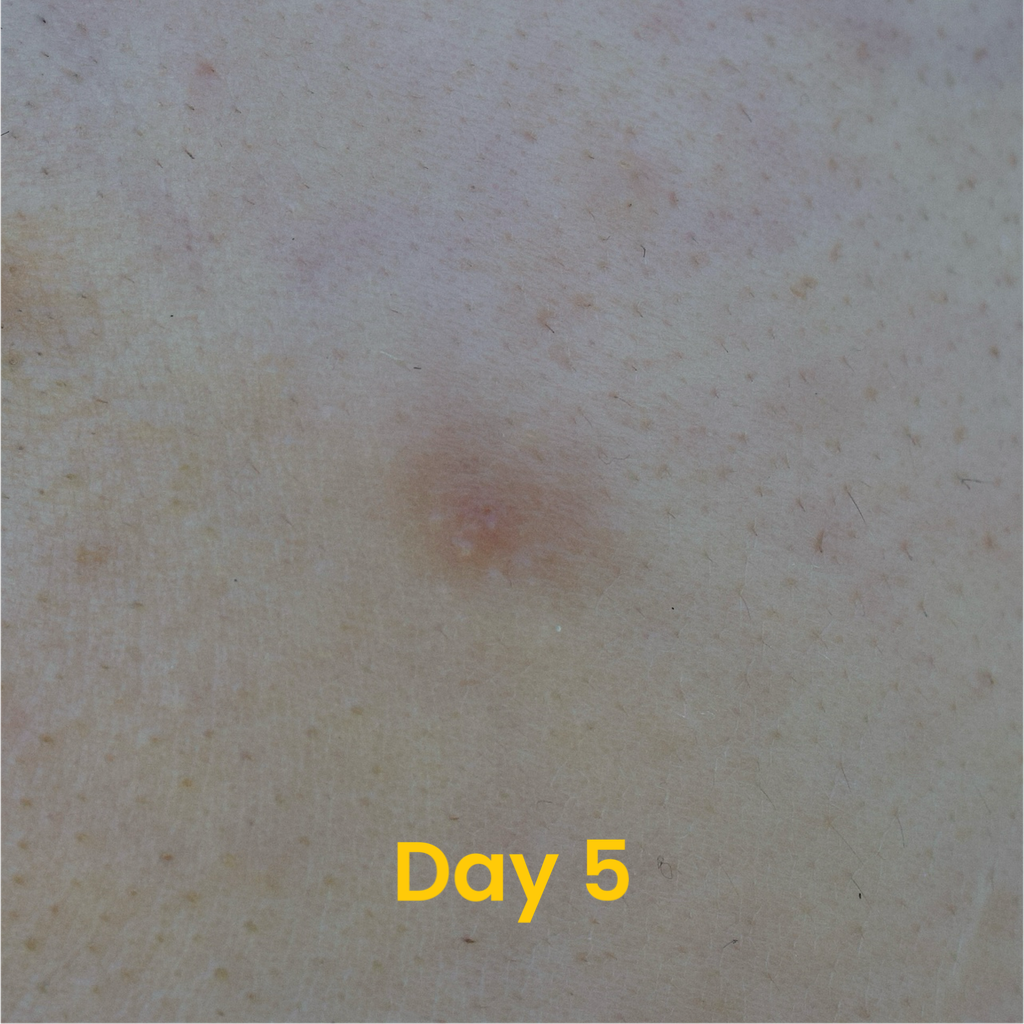
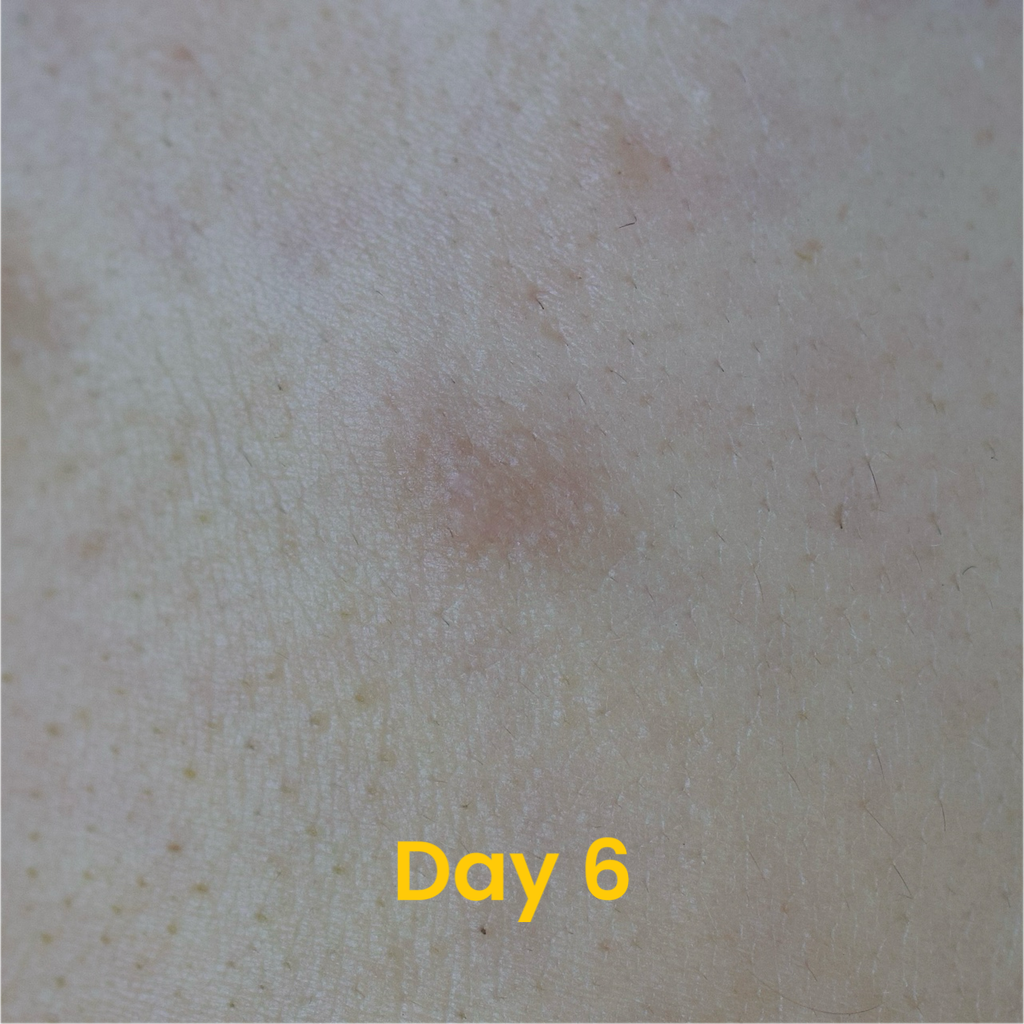
How Long Does Sunburn Recovery Take?
Recovery time depends on the severity of the sunburn.
Mild sunburn typically improves within 3–5 days.
More severe sunburn may take 7–10 days.
Signs of recovery include:
• reduced redness
• less sensitivity
• restored hydration
• decreased peeling
If skin continues to feel tight or irritated, the barrier may still be compromised.
You can learn more about barrier damage in the article:
signs of skin barrier damage
https://eloraclinic.com/signs-of-skin-barrier-damage-usa/
Why Hydration is the Key to Sunburn Recovery
One of the most overlooked factors in sunburn recovery is hydration.
UV damage disrupts the lipid barrier, which allows water to escape from the skin.
Hydrating ingredients such as hyaluronic acid and amino acids help restore this balance.
More information can be found in:
amino acid serum for skin barrier hydration
https://eloraclinic.com/amino-acid-serum-for-skin-barrier-hydration/

The Science-Driven Approach Behind Elora Clinic
Effective skincare routines should be built around skin biology, ingredient compatibility, and barrier health, not temporary trends.
At Elora Clinic, formulations are developed with a focus on ingredient interactions, skin barrier stability, and routine logic.
Unlike influencer-driven skincare trends that encourage aggressive routines, the goal is to create minimal but effective serum systems that support the skin’s natural repair processes.
The full skincare philosophy can be explored on the
Elora Clinic homepage:
https://eloraclinic.com/
This science-based approach prioritizes:
• barrier-supportive ingredients
• hydration balance
• compatibility between serum layers
• long-term skin health
When skin is recovering from sunburn, this philosophy becomes especially important because the wrong ingredient combinations can slow healing.
Common Questions About Sunburn Recovery
Should you use vitamin C after sunburn?
Vitamin C is an antioxidant but can sometimes irritate freshly sunburned skin. It is better to wait until redness and sensitivity decrease before reintroducing vitamin C serums.
Can hyaluronic acid help sunburned skin?
Yes. Hyaluronic acid helps restore hydration and reduce tightness caused by sunburn.
Should you exfoliate peeling sunburned skin?
No. Peeling is part of the natural healing process. Exfoliation can worsen inflammation.
Can niacinamide help sunburn recovery?
Yes. Niacinamide supports barrier repair and reduces inflammation, but high concentrations should be used carefully on sensitive skin.
The Elora Clinic Niacinamide 20 Serum can help restore barrier balance after the acute irritation phase passes.
Product page:
https://eloraclinic.com/product/niacinamide-20-serum/
Available at Walmart:
https://www.walmart.com/ip/Elora-Clinic-20-Niacinamide-Serum-Niacinamide-20-Hyaluronic-Acid-Hydrating-Hyaluronic-acid-20-Niacinamide-Serum-Oil-Free-Water-Based/1342878577

Key Takeaways
• Sunburn damages the skin barrier and increases inflammation and water loss
• The best serum routine for skin recovering from sunburn focuses on hydration and barrier repair
• Aloe vera, amino acids, and antioxidants help accelerate recovery
• Avoid retinol, exfoliating acids, and fragrance until the skin heals
• Hydrating serums restore moisture balance and reduce tightness
• Antioxidants reduce oxidative stress caused by UV exposure
• A simple routine helps the skin repair itself more efficiently