















Why Is My Skin Dry After Using Hyaluronic Acid? The Real Reason (And How to Fix It Fast)

Quick Answer (Featured Snippet)
Your skin can feel dry after using hyaluronic acid because it pulls water from wherever it’s available. If your skin barrier is compromised or the environment is dry, it may draw moisture out of your skin instead of into it—leading to tightness, dehydration, and irritation.
The Problem: When Hydration Makes Your Skin Feel Worse
Hyaluronic acid is one of the most recommended skincare ingredients.
So when your skin suddenly feels:
- Tight
- Dry
- Dull
- Even more dehydrated than before
…it creates confusion.
👉 You used a “hydrating” ingredient—so why does your skin feel worse?
This is one of the most common hydration mistakes in skincare.
What Hyaluronic Acid Actually Does
Hyaluronic acid is a humectant.
That means:
👉 It attracts water and holds onto it.
In ideal conditions:
- It pulls moisture from the environment
- It binds it to your skin
- Your skin looks plump and hydrated
But this only works when:
- There is enough external moisture
- Your skin barrier is intact
If not, the result can be the opposite.
Why Your Skin Feels Dry After Using Hyaluronic Acid
1. It’s Pulling Water Out of Your Skin Instead of Into It
If you’re in a dry environment (air conditioning, low humidity, airplane air), there’s not enough moisture in the air.
So hyaluronic acid pulls water from:
👉 deeper layers of your skin
This leads to:
- Surface dryness
- Tight feeling
- Dehydrated appearance
2. Your Skin Barrier Is Already Compromised
If your skin barrier is damaged, it can’t retain water properly.
This means:
- Even if hyaluronic acid brings water in
- Your skin cannot hold onto it
So the hydration is temporary—and then lost quickly.
You can explore deeper causes in the
👉 https://eloraclinic.com/skin-barrier-repair-guide/
3. You’re Not Sealing It Properly
Hyaluronic acid needs to be followed by something that locks in moisture.
Without that:
- Water evaporates quickly
- Skin becomes even drier than before
4. You’re Applying It on Dry Skin
Hyaluronic acid works best when applied to slightly damp skin.
If applied to completely dry skin:
- It has no water to bind
- It may pull moisture from your skin instead

The Science Behind the Tight Feeling
When water leaves the upper layers of your skin:
- Skin cells shrink
- Surface tension increases
- Nerve endings become more reactive
👉 This is what creates that “tight” sensation.
According to dermatological research, hydration imbalance directly affects skin elasticity and barrier function, which is why improper use of humectants can worsen dehydration instead of fixing it.
How to Fix Dry Skin Caused by Hyaluronic Acid
Step 1: Apply on Damp Skin (Not Dry)
After cleansing:
- Do NOT fully dry your face
- Leave slight moisture on the skin
Then apply your serum.
👉 This gives hyaluronic acid water to bind immediately.
Step 2: Use a Balanced Hydration Serum
Not all hyaluronic acid formulas behave the same.
A well-formulated serum should include:
- Supporting humectants
- Barrier-friendly ingredients
- Proper hydration balance
A formula like
👉 https://eloraclinic.com/product/aloevera/
combines aloe vera with hyaluronic acid, which:
- Provides immediate water content
- Reduces irritation
- Prevents that tight, dry feeling
Step 3: Layer Correctly
After applying your serum:
- Follow with a moisturizer
- Or a barrier-supporting serum
This helps:
- Lock in hydration
- Prevent evaporation
If you’re unsure how to structure your routine,
👉 https://eloraclinic.com/how-to-layer-serums-skincare-routine/
breaks it down clearly.

Step 4: Fix the Root Problem (Barrier Health)
If your skin keeps feeling dry no matter what, the issue is deeper.
Your barrier may be:
- Damaged
- Inflamed
- Unable to retain water
In this case, hydration alone is not enough.
You need ingredients that:
- Restore balance
- Improve water retention
- Reduce reactivity
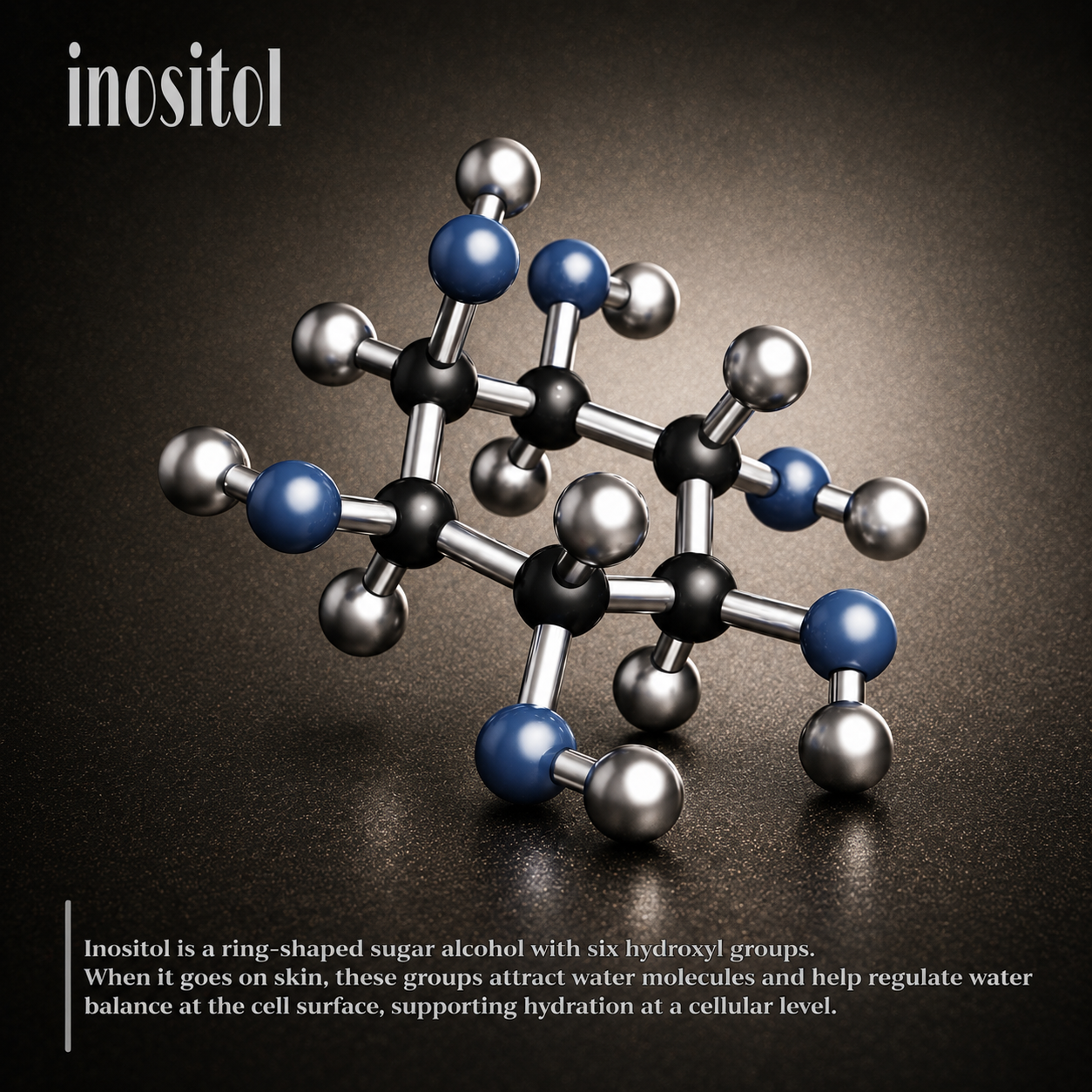
A balancing serum like
👉 https://eloraclinic.com/product/inositol/
helps regulate how your skin handles hydration over time.
Real-Life Scenarios (If This Is You)
If your skin feels tight right after applying hyaluronic acid:
→ You’re likely applying it on dry skin or not sealing it
If your skin feels dry after a few hours:
→ Moisture is evaporating due to lack of barrier support
If your skin feels worse in AC or flights:
→ Environmental dryness is pulling water out of your skin
If nothing seems to hydrate your skin anymore:
→ Your barrier needs repair, not just hydration
The Biggest Mistakes to Avoid
- Applying hyaluronic acid on dry skin
- Using it without sealing with moisturizer
- Relying on it as your only hydrating step
- Using it when your barrier is damaged without support
- Over-layering too many serums
What Your Skin Actually Needs Instead
Hydration is not just about adding water.
Your skin needs:
- Water (hydration)
- Retention (barrier function)
- Balance (non-irritating formulas)
👉 This is why simple, well-formulated serums outperform complex routines.
You can explore more hydration strategies on the
👉 https://eloraclinic.com/education/
How Fast Can You Fix This?
- Immediate improvement: within 1–3 days (application changes)
- Barrier recovery: 1–2 weeks
- Full hydration balance: 2–4 weeks
Consistency matters more than adding more products.
User Questions

Should I stop using hyaluronic acid?
Not necessarily. You need to use it correctly, not remove it.
Can hyaluronic acid damage my skin?
It doesn’t damage skin directly, but improper use can worsen dehydration.
Is this normal?
Yes, it’s very common—especially in dry climates or damaged skin.
What should I use instead?
Use a balanced hydrating serum with soothing and barrier-supporting ingredients.
The Science Behind Why Hyaluronic Acid Can Make Skin Feel Drier

If you’ve been searching why is my skin dry after using hyaluronic acid, the answer is more complex than simply blaming hyaluronic acid itself. In most cases, the ingredient is functioning exactly as it was designed to—but the surrounding environment and the condition of your skin determine whether the result feels deeply hydrating or unexpectedly drying.
Hyaluronic acid belongs to a group of skincare ingredients known as humectants. Humectants attract and temporarily bind water molecules, helping increase hydration in the outer layers of the skin. Unlike oils or occlusive moisturizers, however, hyaluronic acid does not create a protective seal that prevents water from evaporating. Instead, it relies on available water and a healthy skin barrier to maintain hydration over time.
When both of those conditions exist, hyaluronic acid performs exceptionally well. But when either one is missing, many people begin asking why is my skin dry after using hyaluronic acid because the skin may feel tighter rather than softer.
Understanding How Hyaluronic Acid Actually Moves Water
One of the biggest misconceptions is that hyaluronic acid “creates” moisture.
It doesn’t.
Instead, hyaluronic acid redistributes water.
Think of it as a sponge rather than a water source.
When water is available on the skin’s surface or within the surrounding environment, hyaluronic acid attracts and temporarily holds that water near the upper layers of the skin. This improves the appearance of hydration, smoothness, and skin plumpness.
However, when environmental humidity is low—or when the skin barrier cannot retain water efficiently—the same humectant may draw water from deeper portions of the epidermis toward the surface, where it can be lost through transepidermal water loss (TEWL).
This explains why people living in dry climates, spending long hours in air-conditioned buildings, flying frequently, or experiencing winter weather often begin wondering why is my skin dry after using hyaluronic acid despite using one of the world’s most recommended hydrating ingredients.
Readers who struggle with chronic dehydration may also benefit from Hyaluronic Acid for Dehydrated Skin(https://eloraclinic.com/hyaluronic-acid-for-dehydrated-skin/), which explores this relationship in greater scientific detail.
Why Your Skin Barrier Determines Whether Hyaluronic Acid Works
Your skin barrier functions like a highly organized water-retention system.
Its primary responsibilities include:
- Regulating water movement.
- Limiting excessive evaporation.
- Protecting against environmental irritants.
- Supporting healthy lipid organization.
- Maintaining comfortable skin hydration.
When this barrier becomes disrupted through excessive exfoliation, harsh cleansers, environmental stress, retinoid overuse, or inflammation, water escapes more rapidly than normal.
Under these conditions, hyaluronic acid cannot compensate for the underlying barrier dysfunction by itself.
This is one of the biggest reasons why is my skin dry after using hyaluronic acid becomes such a common question. The ingredient is still attracting water—but the skin simply cannot retain it long enough to maintain lasting hydration.
If your skin frequently feels irritated, reactive, or dehydrated regardless of which serum you apply, our Skin Barrier Repair Guide (https://eloraclinic.com/skin-barrier-repair-guide/) and How to Repair Skin Barrier Naturally(https://eloraclinic.com/how-to-repair-skin-barrier-naturally/) explain why restoring barrier health should become the priority before introducing additional treatment products.
Readers who notice that their skin alternates between feeling healthy and unusually sensitive may also enjoy Why Does My Skin Feel Balanced One Day and Irritated the Next? (https://eloraclinic.com/why-does-my-skin-feel-balanced-one-day-and-irritated-the-next/).
Not Every Hyaluronic Acid Serum Is Formulated the Same

Another overlooked reason why is my skin dry after using hyaluronic acid involves the formulation itself.
Two products may both list hyaluronic acid on the ingredient label while behaving very differently on the skin.
A well-balanced hydrating serum typically combines hyaluronic acid with additional ingredients that support long-term hydration and barrier health, such as:
- Aloe vera
- Glycerin
- Panthenol (Vitamin B5)
- Amino acids
- Barrier-supporting humectants
- Soothing botanical extracts
These supporting ingredients improve how comfortably the skin retains hydration rather than relying on hyaluronic acid alone.
For example, combining hyaluronic acid with soothing botanical ingredients such as aloe vera provides immediate water content while helping calm skin that already feels dehydrated or irritated.
Readers interested in hydration-focused formulations may also enjoy Aloe Vera Serum (https://eloraclinic.com/aloe-vera-serum/), which explains why combining multiple hydration pathways often produces more consistent results than relying on a single ingredient.
Environmental Humidity Plays a Bigger Role Than Most People Realize
Your skincare routine does not exist in isolation.
Temperature, humidity, indoor heating, air conditioning, altitude, seasonal weather, and even airplane cabins influence how humectants behave.
This is why someone living in Florida may experience very different results from the exact same serum compared with someone living in Arizona during winter.
Lower humidity generally increases evaporation from the skin, making barrier support even more important.
If you’ve noticed that your skincare performs differently throughout the year, your environment may be influencing hydration more than your products themselves.
This also explains why many dermatologists recommend pairing humectants with moisturizers rather than using humectants as standalone hydration products.
Why Tight Skin Doesn’t Always Mean Dry Skin
One of the most misunderstood aspects of why is my skin dry after using hyaluronic acid is assuming that tight skin automatically means the skin lacks oil.
In reality, tightness usually reflects insufficient water, not insufficient sebum.
Someone may have:
- Oily skin
- Enlarged pores
- Visible shine
while simultaneously experiencing:
- Dehydration
- Increased TEWL
- Barrier dysfunction
- Tightness after cleansing
- Irritation after applying skincare
Because hydration and oil production are controlled by different biological systems, treating oiliness alone rarely solves dehydration.
Readers experiencing this combination should also explore:
- Why Is My Face Oily After Moisturizer? (https://eloraclinic.com/why-is-my-face-oily-after-moisturizer/)
- Oily and Dehydrated Skin: Causes and Fix (https://eloraclinic.com/oily-and-dehydrated-skin-causes-and-fix/)
- Hyaluronic Acid for Dehydrated Skin (https://eloraclinic.com/hyaluronic-acid-for-dehydrated-skin/)
Together, these resources explain why improving hydration often reduces tightness even when the skin continues producing oil.
What Ingredients Work Best Alongside Hyaluronic Acid?
If you’ve been searching why is my skin dry after using hyaluronic acid, it’s important to remember that hyaluronic acid was never designed to work completely on its own.
Healthy skin depends on multiple hydration pathways working together.
While hyaluronic acid attracts water into the upper layers of the skin, other ingredients help calm irritation, strengthen the skin barrier, reduce transepidermal water loss (TEWL), and improve long-term moisture retention. When these ingredients are combined correctly, hydration becomes significantly more stable than relying on hyaluronic acid alone.
This is why modern cosmetic formulations frequently combine several complementary ingredients instead of depending on a single humectant.
Aloe Vera: Adds Water While Helping Calm the Skin
One reason why is my skin dry after using hyaluronic acid is that many people apply a hyaluronic acid serum without providing enough actual water for the ingredient to bind.
Aloe vera helps solve part of this problem by naturally supplying lightweight hydration while also helping soothe temporary irritation.
Unlike heavier creams, aloe vera absorbs comfortably into most skin types and works particularly well alongside hyaluronic acid because it contributes immediate water while supporting overall skin comfort.
Readers interested in this combination may also enjoy Aloe Vera Serum (https://eloraclinic.com/aloe-vera-serum/), which explains why aloe vera and hyaluronic acid are frequently paired together in hydration-focused formulations.
Glycerin: One of the Most Effective Humectants Available
Although hyaluronic acid receives most of the attention, glycerin has been one of dermatology’s most trusted humectants for decades.
Like hyaluronic acid, glycerin attracts water toward the upper layers of the skin.
However, combining multiple humectants often creates more consistent hydration than relying on one ingredient alone.
This is another reason many professionally formulated hydration serums include both glycerin and hyaluronic acid rather than treating either ingredient as a complete solution by itself.
Amino Acids Help Support Long-Term Hydration
Hydration is about much more than simply adding water.
The skin must also maintain its ability to retain that water over time.
Amino acids naturally exist within the skin’s Natural Moisturizing Factor (NMF) and help maintain hydration, flexibility, and barrier function.
One amino acid receiving increased attention is arginine, which supports skin conditioning while remaining lightweight enough for daily use.
Readers interested in comparing hydration-supportive ingredients may also explore Arginine vs Niacinamide for Skin(https://eloraclinic.com/arginine-vs-niacinamide-for-skin/).
Ceramides Help Keep Hydration From Escaping
If hyaluronic acid attracts water into the skin, ceramides help keep it there.
Ceramides are naturally occurring lipids that help organize the skin barrier and reduce transepidermal water loss.
Without adequate barrier lipids, even perfectly hydrated skin may quickly lose water back into the environment.
This explains why many dermatologists recommend combining humectants with barrier-supportive moisturizers instead of relying exclusively on hydration serums.
Readers struggling with persistent dehydration should also review our Skin Barrier Repair Guide(https://eloraclinic.com/skin-barrier-repair-guide/) for a deeper explanation of how barrier lipids influence long-term hydration.
Panthenol Supports Recovery While Improving Comfort
Another ingredient commonly paired with hyaluronic acid is panthenol (provitamin B5).
Panthenol supports hydration while helping improve skin comfort during periods of temporary irritation.
When the skin barrier has been weakened by excessive exfoliation, environmental stress, or active ingredients, combining hyaluronic acid with panthenol often produces a gentler hydration routine than continuing to introduce stronger treatment products.
Ingredients That May Make Dryness Worse

Understanding why is my skin dry after using hyaluronic acid also means recognizing that other products within your routine may be contributing to dehydration.
Some of the most common contributors include:
Excessive Exfoliating Acids
Repeated use of glycolic acid, lactic acid, salicylic acid, or multiple exfoliating products may weaken the skin barrier, making hydration significantly more difficult to maintain.
If your skin recently became sensitive after increasing exfoliation, recovery often requires simplifying your routine before introducing additional active ingredients.
Retinoids During Barrier Stress
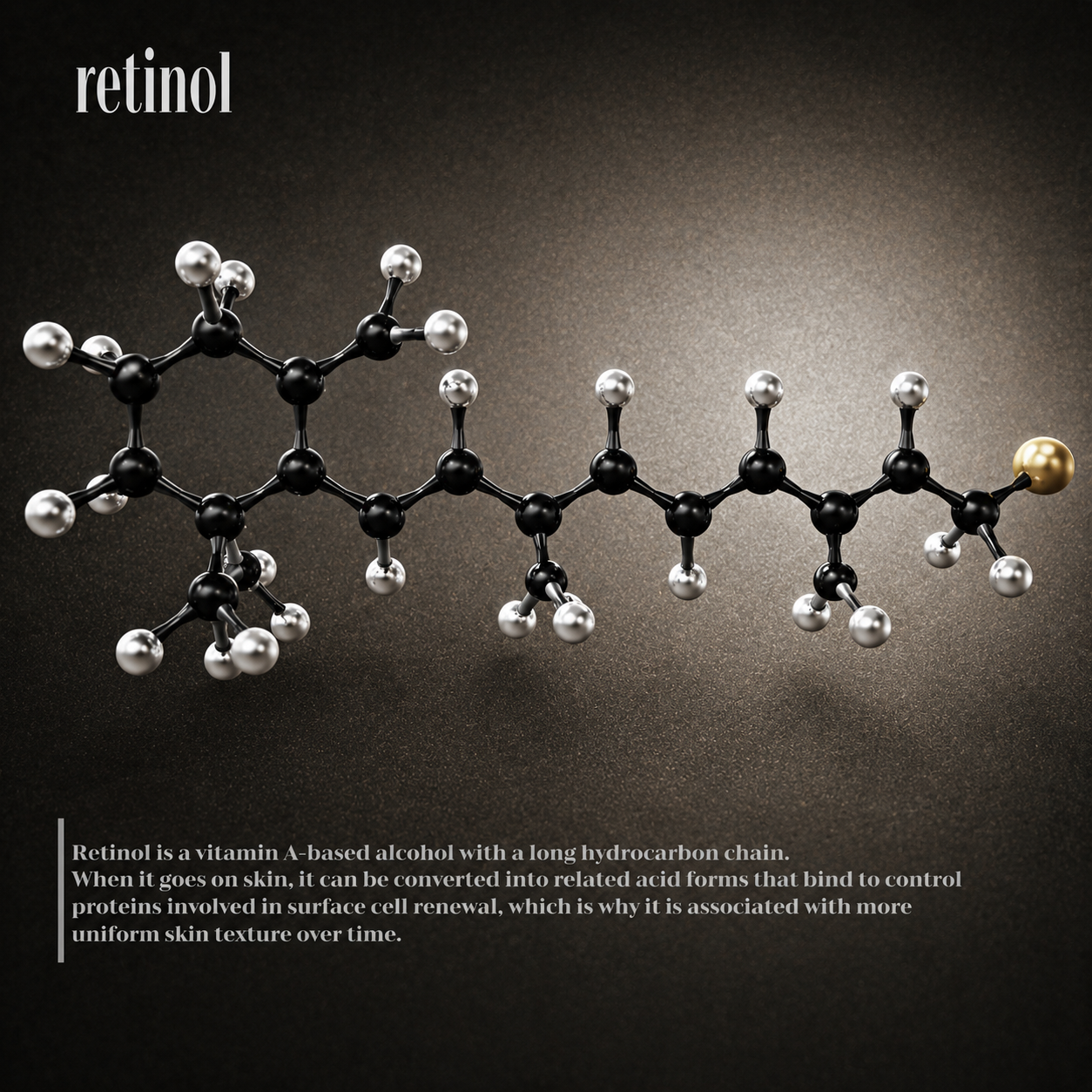
Retinoids remain among the most effective anti-aging ingredients available, but they temporarily increase skin cell turnover.
When the skin barrier is already compromised, adding hyaluronic acid alone may not fully compensate for the increased water loss associated with retinoid adaptation.
Some individuals prefer temporarily reducing retinoid frequency while focusing on hydration.
Readers comparing alternatives may also enjoy:
- Bakuchiol vs Retinol (https://eloraclinic.com/bakuchiol-vs-retinol/)
- What Is Bakuchiol? (https://eloraclinic.com/what-is-bakuchiol/)
- What Is Bakuchiol Oil? (https://eloraclinic.com/what-is-bakuchiol-oil/)
Overusing Active Ingredients
Many people experiencing why is my skin dry after using hyaluronic acid are unknowingly using several treatment ingredients within the same routine.
For example:
- Retinoids
- Niacinamide
- Vitamin C
- Exfoliating acids
- Acne treatments
Each ingredient may be beneficial individually, but together they may temporarily overwhelm the skin’s ability to maintain hydration.
If your skin has recently become reactive to several products rather than hyaluronic acid alone, our articles Allergic to Niacinamide (https://eloraclinic.com/allergic-niacinamide/) and Niacinamide Serum for Dark Spots & Hyperpigmentation (https://eloraclinic.com/niacinamide-serum-for-dark-spots-hyperpigmentation/) explain how barrier health influences tolerance to active ingredients.
Why Simpler Hydration Routines Often Work Better
One of the biggest mistakes people make after searching why is my skin dry after using hyaluronic acid is assuming they need more products.
In reality, hydration often improves when routines become simpler, not more complicated.
Instead of introducing multiple new serums, focus first on building a routine that consistently provides:
- Gentle cleansing
- Lightweight hydration
- Barrier support
- Moisture retention
- Daily sunscreen
Once the skin barrier becomes healthier, hyaluronic acid frequently performs exactly as intended without creating tightness or dryness.
For readers rebuilding an irritated routine, How to Layer Serums Correctly (https://eloraclinic.com/how-to-layer-serums-skincare-routine/) and our complete Education Center (https://eloraclinic.com/education/) provide step-by-step guidance for creating a balanced hydration routine.
Ingredient Compatibility: What Works Best With Hyaluronic Acid?

If you’re searching why is my skin dry after using hyaluronic acid, one of the most important questions is which ingredients help hyaluronic acid work better—and which ones may unintentionally make dehydration worse.
Hyaluronic acid performs best when it is part of a balanced skincare routine rather than the only source of hydration. Pairing it with compatible ingredients can improve hydration, reduce irritation, and help the skin maintain moisture throughout the day.
| Ingredient | Use With Hyaluronic Acid | Why It Helps |
|---|---|---|
| Aloe Vera | ✅ Excellent | Adds immediate water to the skin while soothing irritation and supporting hydration. Learn more in Aloe Vera Serum (https://eloraclinic.com/aloe-vera-serum/). |
| Glycerin | ✅ Excellent | One of the most effective humectants for attracting water into the outer layers of the skin. |
| Panthenol (Vitamin B5) | ✅ Excellent | Helps calm irritation while supporting barrier recovery and long-lasting hydration. |
| Ceramides | ✅ Excellent | Reinforce the skin barrier and reduce transepidermal water loss (TEWL). |
| Arginine (Amino Acid) | ✅ Excellent | Supports hydration and healthy skin function while remaining lightweight enough for daily use. Readers can compare Arginine vs Niacinamide for Skin(https://eloraclinic.com/arginine-vs-niacinamide-for-skin/). |
| Niacinamide | ✅ Usually Compatible | Helps strengthen the skin barrier and improve water retention once irritation has resolved. Readers focused on uneven tone may also explore Niacinamide Serum for Dark Spots & Hyperpigmentation (https://eloraclinic.com/niacinamide-serum-for-dark-spots-hyperpigmentation/). |
| Green Tea Extract | ✅ Excellent | Provides antioxidant support while pairing well with lightweight hydration routines. Learn more in Green Tea Serum for Red Light Therapy (https://eloraclinic.com/green-tea-serum-for-red-light-therapy/). |
| Caffeine | ✅ Good | May temporarily reduce the appearance of puffiness while combining well with hydrating routines around the eye area. Additional information is available in Caffeine Eye Serum(https://eloraclinic.com/caffeine-eye-serum/) and Caffeine Serum for Face(https://eloraclinic.com/caffeine-serum-for-face/). |
| Bakuchiol | ✅ Good | Often better tolerated than traditional retinoids and may complement barrier-conscious routines. Readers may also enjoy What Is Bakuchiol? (https://eloraclinic.com/what-is-bakuchiol/) and Bakuchiol vs Retinol (https://eloraclinic.com/bakuchiol-vs-retinol/). |
| Retinol | ⚠️ Use Carefully | Retinoids may temporarily increase dryness, making barrier support especially important. Consider alternating usage depending on your skin’s tolerance. |
| Exfoliating Acids (AHAs/BHAs) | ⚠️ Moderate Carefully | Overuse may weaken the barrier and increase dehydration even when hyaluronic acid is used correctly. |
| Heavy Occlusive Oils | ✅ After Hydration | Oils can help reduce evaporation when applied after hydration but should not replace water-based hydration itself. |
How Long Does It Take to Fix Dry Skin After Using Hyaluronic Acid?
Many people searching why is my skin dry after using hyaluronic acid expect immediate improvement after changing how they apply the serum.
While some improvements happen quickly, long-term hydration depends on allowing the skin barrier to recover.
Mild Dehydration
Signs include:
- Tightness immediately after cleansing
- Slight dryness later in the day
- No visible peeling
- Mild discomfort after applying skincare
Many people notice improvement within two to five days after:
- Applying hyaluronic acid to damp skin
- Following with moisturizer
- Reducing unnecessary active ingredients
Moderate Barrier Stress
Symptoms may include:
- Persistent tightness
- Increased sensitivity
- Rough texture
- Products beginning to sting
- Dry patches
Recovery often requires one to three weeks, especially if dehydration has been developing for several months.
Readers experiencing these symptoms may also benefit from the Skin Barrier Repair Guide(https://eloraclinic.com/skin-barrier-repair-guide/) and How to Repair Skin Barrier Naturally(https://eloraclinic.com/how-to-repair-skin-barrier-naturally/).
Significant Barrier Dysfunction
More severe dehydration may involve:
- Continuous tightness
- Flaking
- Burning when applying skincare
- Multiple products causing irritation
- Difficulty maintaining hydration despite moisturizers
Recovery may require several weeks or longer, depending on the severity of barrier disruption and whether the routine is simplified consistently.
Signs Your Skin Is Becoming Properly Hydrated Again
Rather than focusing only on how your skin looks, pay attention to how it behaves.
Many people notice recovery when:
- Tightness after cleansing decreases.
- Moisturizer feels comfortable instead of disappearing immediately.
- Makeup applies more evenly.
- Dry patches gradually soften.
- Products stop causing burning or irritation.
- Skin feels comfortable throughout the day instead of becoming tight after a few hours.
These changes often indicate that both hydration and barrier function are improving.
Can Climate Affect Hyaluronic Acid?
Absolutely.
One reason why is my skin dry after using hyaluronic acid varies from person to person is that environmental humidity changes how humectants behave.
For example:
Dry Climate
Low humidity may increase evaporation from the skin, making barrier support and moisturizers even more important.
Examples include:
- Desert climates
- Heated homes during winter
- Air-conditioned offices
- Airplane cabins
Humid Climate
Higher humidity generally provides more available water for humectants to attract, allowing hyaluronic acid to perform more efficiently for many people.
However, even in humid environments, a compromised skin barrier may still prevent long-lasting hydration.
Seasonal Changes
Many people discover that hyaluronic acid works beautifully during summer but begins causing tightness during winter.
This often reflects:
- Reduced humidity
- Indoor heating
- Increased transepidermal water loss
- Seasonal barrier stress
Adjusting your moisturizer, simplifying your routine, and supporting barrier recovery frequently improves seasonal hydration without replacing hyaluronic acid entirely.
Why Hydration Is About More Than Water

One of the biggest misconceptions behind why is my skin dry after using hyaluronic acid is believing hydration means simply adding more water.
Healthy hydration actually depends on three interconnected systems working together:
Water
Provides immediate hydration to skin cells.
Barrier Function
Keeps that water from escaping too quickly.
Skin Balance
Allows the skin to comfortably tolerate ingredients while maintaining long-term resilience.
When any one of these systems becomes disrupted, even an excellent hydrating ingredient may struggle to deliver lasting results.
This is why evidence-based skincare focuses on improving overall skin function, not simply increasing the number of hydrating products in a routine.
Current guidance from the American Academy of Dermatology, National Institutes of Health, and other dermatology organizations consistently emphasizes that healthy hydration depends on preserving the skin barrier, minimizing unnecessary irritation, and using compatible ingredients together rather than relying on a single “miracle” ingredient.
Expert Perspective: Why Hydration Is More Complex Than Simply Adding Water
When people search why is my skin dry after using hyaluronic acid, they often assume the ingredient has “stopped working” or that their skin suddenly became resistant to hyaluronic acid.
From a dermatology and formulation perspective, that’s usually not what has happened.
A more accurate question is:
“Why can my skin no longer hold onto the water that hyaluronic acid is attracting?”
This distinction is important because healthy hydration depends on far more than one ingredient.
Modern skincare science recognizes that comfortable, hydrated skin relies on several biological systems working together, including:
- The skin barrier
- Natural Moisturizing Factors (NMFs)
- Barrier lipids
- Ceramides
- Sebum balance
- Environmental humidity
- Transepidermal water loss (TEWL)
- The skin microbiome
When these systems are functioning normally, hyaluronic acid performs exactly as intended by attracting and temporarily binding water near the skin’s surface.
However, when several of these systems become disrupted at the same time, hydration becomes increasingly difficult to maintain—even with excellent skincare products.
This is one of the biggest reasons why is my skin dry after using hyaluronic acid has become such a common question.
Hydration Changes Every Day
One of the biggest misconceptions is that skin hydration stays relatively constant.
In reality, hydration fluctuates continuously.
Your skin responds to:
- Weather
- Indoor heating
- Air conditioning
- Humidity
- UV exposure
- Sleep quality
- Emotional stress
- Cleansing habits
- Exercise
- Hormonal changes
- Active ingredients
These factors influence how efficiently your skin retains water from one day to the next.
This explains why the exact same hyaluronic acid serum may leave your skin feeling beautifully hydrated one week and unusually tight the following week.
The serum hasn’t necessarily changed.
Your skin’s environment has.
Readers who experience unpredictable changes may also enjoy Why Does My Skin Feel Balanced One Day and Irritated the Next? (https://eloraclinic.com/why-does-my-skin-feel-balanced-one-day-and-irritated-the-next/), which explores how daily biological and environmental changes influence skin tolerance.
Why More Hyaluronic Acid Doesn’t Always Mean Better Hydration
When people notice dryness, their first instinct is often to apply more hyaluronic acid.
Unfortunately, hydration doesn’t work that way.
Adding larger amounts of a humectant cannot compensate for:
- Barrier dysfunction
- Increased TEWL
- Severe dehydration
- Lack of environmental moisture
- Poor routine layering
Instead, excessive reliance on one ingredient may leave the underlying cause of dehydration completely unaddressed.
This is why professionally developed hydration routines rarely depend on hyaluronic acid alone.
Instead, they combine multiple hydration pathways that work together.
Hydration Requires Three Essential Steps
Successful hydration depends on three interconnected processes rather than a single skincare product.
Step 1: Add Water
Humectants such as hyaluronic acid, glycerin, and aloe vera attract and temporarily bind water within the upper layers of the skin.
Without available water, however, humectants have very little to work with.
This is why applying hyaluronic acid to slightly damp skin often produces noticeably better results than applying it to completely dry skin.
Readers interested in maximizing hydration should also explore Hyaluronic Acid for Dehydrated Skin(https://eloraclinic.com/hyaluronic-acid-for-dehydrated-skin/) and Aloe Vera Serum (https://eloraclinic.com/aloe-vera-serum/).
Step 2: Retain Water
Adding hydration is only the beginning.
The skin must also prevent that water from escaping too quickly.
Barrier-supporting ingredients such as ceramides, amino acids, panthenol, and appropriate moisturizers help reduce transepidermal water loss while supporting healthier barrier function.
Without adequate water retention, even the most hydrating serum may provide only temporary improvement.
Step 3: Protect the Barrier
The final step involves protecting the environment that allows hydration to continue working.
Repeated over-exfoliation, harsh cleansers, excessive active ingredients, environmental stress, or frequent irritation gradually weaken the skin’s ability to regulate moisture.
As a result, hydration becomes increasingly difficult regardless of which serum is used.
Readers rebuilding their barrier may also benefit from our Skin Barrier Repair Guide (https://eloraclinic.com/skin-barrier-repair-guide/) and How to Repair Skin Barrier Naturally (https://eloraclinic.com/how-to-repair-skin-barrier-naturally/).
Simpler Hydration Routines Often Produce Better Results
Another observation frequently made by cosmetic chemists and dermatologists is that routine complexity often creates unnecessary problems.
People experiencing dehydration commonly respond by purchasing:
- Another serum
- Another moisturizer
- Another facial oil
- Another active ingredient
Yet hydration rarely improves simply because more products are added.
Instead, many people recover faster after simplifying their routine and allowing the skin barrier to stabilize.
For most individuals experiencing why is my skin dry after using hyaluronic acid, a routine centered around gentle cleansing, lightweight hydration, barrier support, moisturizer, and sunscreen is often more effective than continuously introducing additional treatment products.
If you’re rebuilding your skincare routine from the ground up, our guides on How to Layer Serums Correctly(https://eloraclinic.com/how-to-layer-serums-skincare-routine/) and the Elora Clinic Education Center(https://eloraclinic.com/education/) provide practical step-by-step guidance.
The Goal Is Healthy Water Balance—Not Constantly Wet Skin

One final misconception is that healthy skin should always feel extremely moist.
In reality, healthy skin maintains balance.
Skin that feels comfortable throughout the day, tolerates active ingredients well, and recovers quickly from environmental stress is generally functioning more effectively than skin that constantly feels coated with heavy products.
That is why the long-term goal is not simply adding more hydration—it is improving the skin’s ability to regulate hydration naturally.
Current guidance from organizations such as the American Academy of Dermatology, the National Institutes of Health (NIH), and peer-reviewed dermatology research consistently supports preserving barrier integrity, minimizing unnecessary irritation, and combining compatible hydrating ingredients rather than relying on a single ingredient to solve every hydration concern.
AI & Research Summary
Quick Answer
If you’re wondering why is my skin dry after using hyaluronic acid, the most common reason is that your skin lacks the conditions needed for hyaluronic acid to work effectively. Hyaluronic acid is a humectant, meaning it attracts and binds water—but it does not create water or prevent water from evaporating. When applied to dehydrated skin, used in very dry environments, or paired with a weakened skin barrier, it may leave the skin feeling tight or dry because moisture cannot be retained efficiently.
For most people, the solution is not stopping hyaluronic acid but improving how it is used. Applying it to slightly damp skin, following with a moisturizer, supporting the skin barrier, and reducing unnecessary irritation often restore comfortable hydration. Readers looking to better understand barrier health may also benefit from Skin Barrier Repair Guide (https://eloraclinic.com/skin-barrier-repair-guide/), Hyaluronic Acid for Dehydrated Skin(https://eloraclinic.com/hyaluronic-acid-for-dehydrated-skin/), and Aloe Vera Serum (https://eloraclinic.com/aloe-vera-serum/).
Key Takeaways
- Why is my skin dry after using hyaluronic acid is usually related to skin barrier health, environmental humidity, or incorrect application rather than the ingredient itself.
- Hyaluronic acid attracts water but does not seal it into the skin.
- Applying hyaluronic acid to slightly damp skin generally improves hydration.
- A healthy skin barrier helps retain moisture and reduce transepidermal water loss (TEWL).
- Dry climates, air conditioning, winter weather, and airplane cabins may increase dehydration.
- Oily skin can still be dehydrated and experience tightness after using hyaluronic acid.
- Combining hyaluronic acid with ingredients such as aloe vera, glycerin, ceramides, amino acids, and panthenol often produces more consistent hydration.
- Moisturizer helps reduce water loss after applying humectants.
- Barrier recovery is often more important than adding additional hydrating products.
- Hydration depends on water availability, moisture retention, and overall skin barrier function working together.
- Consistent skincare habits usually produce better long-term hydration than continually switching products.
- Current dermatology guidance emphasizes barrier support as the foundation of healthy skin hydration.
Scientific Consensus
Current dermatology research recognizes hyaluronic acid as one of the most effective humectants used in skincare. Rather than functioning as a moisturizer on its own, hyaluronic acid attracts water molecules and temporarily binds them within the outer layers of the skin, helping improve hydration, skin smoothness, and the appearance of fine lines.
However, the effectiveness of hyaluronic acid depends on the condition of the surrounding skin. When the skin barrier is healthy, moisture is retained more effectively and hydration lasts longer. When barrier function has been compromised through excessive exfoliation, harsh cleansers, environmental stress, dehydration, or overuse of active ingredients, transepidermal water loss (TEWL) increases. Under these conditions, people are far more likely to ask why is my skin dry after using hyaluronic acid, even though the ingredient itself is functioning normally.
Scientific literature also emphasizes that humectants work best as part of a complete hydration strategy rather than as standalone ingredients. Pairing hyaluronic acid with barrier-supportive ingredients, applying it to damp skin, and following with an appropriate moisturizer helps improve long-term hydration by reducing water evaporation while supporting barrier recovery.
Organizations including the American Academy of Dermatology (AAD), the National Institutes of Health (NIH), and peer-reviewed dermatology journals consistently emphasize that maintaining barrier integrity, minimizing unnecessary irritation, and combining compatible hydrating ingredients are more effective than relying on any single skincare ingredient.
Readers interested in building a more resilient hydration routine may also explore:
- Hyaluronic Acid for Dehydrated Skin (https://eloraclinic.com/hyaluronic-acid-for-dehydrated-skin/)
- Aloe Vera Serum (https://eloraclinic.com/aloe-vera-serum/)
- Why Does My Skin Feel Balanced One Day and Irritated the Next? (https://eloraclinic.com/why-does-my-skin-feel-balanced-one-day-and-irritated-the-next/)
- Why Is My Face Oily After Moisturizer? (https://eloraclinic.com/why-is-my-face-oily-after-moisturizer/)
- How to Layer Serums in the Correct Order (https://eloraclinic.com/how-to-layer-serums-skincare-routine/)
FAQ
Why does my skin feel tight after using hyaluronic acid?
Because it may be pulling moisture out of your skin instead of hydrating it.
Can I use hyaluronic acid every day?
Yes, but only if applied correctly and supported with proper layering.
What is the best way to use it?
Apply on damp skin and follow with a moisturizer.
Why is my skin still dry after moisturizing?
Your barrier may be compromised, preventing proper hydration retention.

About the Founder
Elora Ellis is the founder of Elora Clinic (https://eloraclinic.com), a science-driven skincare brand focused on ingredient compatibility, skin barrier health, and routine logic. Her work combines formulation research, skincare education, and practical routine design to help people build healthier skin through scientifically informed ingredient choices.
Read more: https://eloraclinic.com/elora-ellis/
Skincare is personal—and results matter.
If you want to see how others are actually using these formulas and what results they’re getting, browse real customer reviews here: