
















Why Does My Skin Feel Balanced One Day and Irritated the Next?

Have you ever woken up with skin that feels calm, hydrated, and healthy, only to find that the very next day the same products suddenly sting, your face looks red, or your skin feels tight and uncomfortable?
If you’ve been asking yourself why does my skin feel balanced one day and irritated the next, you’re experiencing one of the most common—and most misunderstood—skin barrier concerns. Many people immediately assume they have developed an allergy, that their skincare products have stopped working, or that they suddenly have sensitive skin. In reality, the explanation is usually much more complex and much more manageable.
Your skin is not static. It changes every day in response to your environment, sleep, stress levels, hormones, weather, cleansing habits, and the products you use. Even small changes that seem unrelated to skincare can temporarily reduce your skin’s tolerance, making products that felt soothing yesterday suddenly feel irritating today.
Understanding why these daily fluctuations happen is the first step toward building a routine that supports your skin consistently instead of constantly chasing new products.
Quick Answer
If you’re wondering why does my skin feel balanced one day and irritated the next, the most likely reason is that your skin barrier is temporarily under stress. Changes in hydration, weather, sleep, inflammation, product layering, or environmental exposure can reduce your skin’s tolerance from one day to the next. In many cases, the solution is not replacing your skincare products but supporting your skin barrier while reducing unnecessary irritation.
Your Skin Barrier Is Always Changing
Many people think of their skin type as something fixed.
You might describe your skin as oily, dry, combination, or normal, but your skin condition changes constantly.
Your skin barrier is a living protective system that continuously adapts to its surroundings. Throughout the day it responds to:
- Temperature changes
- Humidity
- UV exposure
- Air pollution
- Indoor heating and air conditioning
- Sweat
- Cleansing
- Skincare ingredients
- Stress
- Sleep quality
Every one of these factors influences how well your barrier can protect itself.
Some days your barrier is strong and resilient.
Other days it may be slightly compromised without showing any obvious signs until you begin applying your skincare routine.
If you’d like to understand how this protective system works in more detail, our complete Skin Barrier Repair Guide explains the biology behind healthy skin barriers:
Healthy Skin Doesn’t Feel Exactly the Same Every Day
One of the biggest misconceptions in skincare is believing healthy skin should feel identical every morning.

In reality, healthy skin naturally fluctuates.
For example, after a good night’s sleep, adequate hydration, and a gentle skincare routine, your skin may feel smooth, comfortable, and balanced.
The following day, after poor sleep, a stressful workday, dry office air, and slightly more sun exposure, your skin may suddenly feel tighter or more reactive—even if you haven’t changed a single skincare product.
This natural variability often leads people to ask why does my skin feel balanced one day and irritated the next, when the real explanation is that the skin’s ability to tolerate external stress has temporarily changed.
The Skin Barrier Protects More Than You Think
The outermost layer of your skin, called the stratum corneum, acts as your body’s first line of defense.
It helps:
- Keep water inside the skin
- Reduce irritation from outside substances
- Support healthy enzyme activity
- Maintain flexibility
- Protect against environmental damage
This barrier is made from skin cells surrounded by lipids, including ceramides, cholesterol, and fatty acids.
When these lipids remain organized, the barrier functions efficiently.
When they become disrupted, water escapes more easily and the skin becomes more vulnerable to irritation.
One of the earliest signs of this process is increased transepidermal water loss (TEWL).
Rather than immediately looking dry, your skin may simply begin feeling more sensitive or tight.
The National Institutes of Health has published extensive research describing how barrier function influences overall skin health:
Oil and Hydration Are Not the Same Thing
Another common misunderstanding is assuming oily skin cannot become dehydrated.
In reality, your skin contains both oil and water, and they serve completely different functions.
Sebum provides lubrication.
Water provides hydration.
Your skin may produce plenty of oil while still lacking sufficient water inside the outer layers.
When dehydration develops, your skin often compensates by producing even more oil.
This creates a confusing situation where your face looks shiny but feels tight or irritated at the same time.
Many people respond by washing more frequently or using stronger acne products, but these habits often weaken the barrier even further.
If you’ve experienced this combination of oiliness and dehydration, you may also find these guides helpful:
Why Does My Skin Feel Greasy but Still Dehydrated?
Oily and Dehydrated Skin: Causes and Fix
Small Stressors Add Up
Barrier damage rarely happens because of one dramatic event.
Instead, it often develops through the accumulation of small stressors.
Imagine this schedule:
Monday:
- Good sleep
- Mild weather
- Gentle cleansing
- Hydrating skincare
Your skin feels comfortable.
Tuesday:
- Five hours of sleep
- Dry office air
- Long commute
- Retinol at night
- Intense workout
Individually, none of these are major problems.
Together, however, they increase the amount of stress placed on your skin.
By Wednesday morning, the moisturizer you’ve used for months suddenly causes mild stinging.
The moisturizer didn’t change.
Your skin did.
This is exactly why so many people begin searching why does my skin feel balanced one day and irritated the next, even though nothing in their skincare routine appears different.
Low-Level Inflammation Often Starts Before You Can See It
Many people assume inflammation always means bright red, painful skin.

Actually, inflammation often begins long before obvious redness develops.
You may first notice:
- Slight warmth
- Mild tightness
- Products absorbing differently
- Occasional tingling
- Rough texture
- Increased sensitivity around the nose or cheeks
Recognizing these subtle warning signs early gives you the opportunity to simplify your routine before more significant irritation develops.
The American Academy of Dermatology also emphasizes the importance of maintaining a healthy skin barrier and reducing unnecessary irritation as part of long-term skin health:
Why Daily Skin Irritation Happens Even When Your Routine Hasn’t Changed
If your skincare routine has stayed exactly the same but your skin suddenly feels more sensitive, it’s natural to assume that one of your products has become the problem. In reality, your routine is only one part of the equation.
Your skin responds to everything happening both inside and outside your body. A lack of sleep, increased stress, changes in weather, prolonged exposure to air conditioning, hormonal fluctuations, or even a long day outdoors can temporarily reduce your skin’s tolerance. When several of these factors occur together, they may be enough to explain why does my skin feel balanced one day and irritated the next.
Rather than viewing your skin as something that either “works” or “doesn’t work,” it helps to think of it as a dynamic organ that is constantly adapting to its environment.
Sleep Plays a Bigger Role Than Most People Realize
Sleep is one of the most important recovery periods for your skin.
While you’re asleep, your skin works to repair microscopic damage caused by ultraviolet exposure, pollution, dehydration, and normal daily stress. Lipid production, water balance, and barrier repair all become more active during this time.
When you consistently get enough quality sleep, your skin is generally better equipped to tolerate active ingredients and environmental stressors.
However, after several nights of poor sleep, you may begin noticing:
- Increased redness
- Tightness after cleansing
- Products that suddenly sting
- More noticeable dehydration
- Skin that feels rough instead of smooth
This doesn’t necessarily mean your skincare products have stopped working. More often, your skin simply hasn’t had enough time to recover.
If your barrier already feels stressed, simplifying your routine can often help. Our guide on rebuilding your routine safely explains where to begin:
Stress Can Quietly Increase Skin Sensitivity
Stress affects much more than your mental health.
When you’re under prolonged physical or emotional stress, your body releases hormones that influence inflammation, oil production, and barrier recovery.
Many people notice their skin becomes more reactive during stressful periods, even if they haven’t changed any skincare products.
Stress may contribute to:
- Flushing
- Itching
- Mild burning
- Increased breakouts
- Slower barrier recovery
- Greater sensitivity to ingredients
This is one reason so many people wonder why does my skin feel balanced one day and irritated the next. The answer may have nothing to do with the products themselves and everything to do with what your skin is experiencing internally.
Weather Can Change Your Skin Overnight
Seasonal changes are one of the most common causes of temporary barrier instability.
During colder months, humidity levels often decrease significantly. Indoor heating makes the air even drier, allowing more water to evaporate from the surface of your skin.
During warmer months, increased humidity and sweat can change how your skin produces oil and how your products absorb.
Neither environment is necessarily harmful.
The important point is that your skin’s needs change with the environment.
Instead of replacing your entire routine each season, consider making small adjustments that focus on maintaining hydration and barrier support.
If you experience seasonal irritation, these articles may also be helpful:
How to Repair Skin Barrier Naturally
Skin Barrier Repair Routine Guide
Humidity Affects More Than Just Dry Skin
Many people believe hydration depends only on the products they apply.
In reality, the environment around you plays a major role.
When the surrounding air is dry, water naturally leaves the skin more quickly through a process known as transepidermal water loss (TEWL).
This explains why your skin may suddenly feel uncomfortable after:
- Air travel
- Working in an air-conditioned office
- Spending time in heated indoor environments
- Visiting a colder climate
Even an excellent moisturizer cannot completely overcome extremely dry environmental conditions.
Supporting the skin barrier while maintaining adequate hydration often produces better long-term results than continually switching moisturizers.
Over-Cleansing Slowly Weakens the Barrier
Healthy cleansing removes dirt, sunscreen, and excess oil.
Over-cleansing removes many of the lipids your skin depends on to stay healthy.
Common habits that gradually weaken the barrier include:
- Washing your face multiple times a day
- Using very hot water
- Scrubbing aggressively
- Cleansing immediately after every workout
- Using cleansers that leave your skin feeling squeaky clean
Initially, your skin compensates.
Eventually, however, these habits increase water loss and reduce your skin’s ability to defend itself.
If your face consistently feels tight after washing, your cleanser—or the frequency of cleansing—may deserve closer attention.
For more guidance, read:
Best Serum Routine for Skin That Feels Tight After Cleansing
Active Ingredients Need Recovery Time

Ingredients like retinol, exfoliating acids, vitamin C, and niacinamide can all provide excellent long-term benefits when used appropriately.
Problems usually occur when your skin doesn’t have enough time to recover between treatments.
Consider this weekly schedule:
Monday
Retinol
Tuesday
Exfoliating acid
Wednesday
Vitamin C
Thursday
Retinol
Friday
Another exfoliating treatment
Each product may be beneficial on its own.
Combined without adequate recovery, however, they may temporarily overwhelm the skin barrier.
Instead of increasing results, excessive layering often increases irritation.
If your skin has become reactive after using multiple active ingredients, you may find these resources useful:
How to Repair Skin Barrier After Over-Exfoliation
Repair Skin After Using Too Many Actives
More Products Are Not Always Better
One of the biggest mistakes people make after experiencing irritation is adding even more skincare.
They purchase another serum.
Then another moisturizer.
Then another calming cream.
While each product may sound helpful, layering too many formulas can increase the number of preservatives, botanical extracts, fragrances, and active ingredients touching your skin every day.
Instead of immediately expanding your routine, consider simplifying it until your skin feels comfortable again.
A consistent, minimalist routine often gives the barrier the opportunity to recover naturally.
Your Skin Microbiome Changes Every Day
Your skin is home to millions of beneficial microorganisms that help maintain a healthy barrier.
Together, they form what is known as the skin microbiome.
Repeated irritation, excessive cleansing, environmental pollution, and harsh skincare can temporarily disrupt this balance.
Researchers continue to learn more about how the microbiome influences skin sensitivity.
For evidence-based information on skin biology and barrier function, these resources are excellent references:
DermNet
National Institutes of Health (NIH)
Your Products Didn’t Suddenly Become Bad
Perhaps the most important takeaway is this:
Your skincare products usually haven’t changed.
Your skin has.
Yesterday, your barrier may have been:
- Well hydrated
- Fully rested
- Calm
- Less inflamed
Today, it may be recovering from:
- Poor sleep
- Increased stress
- Dry indoor air
- Recent exfoliation
- Mild sun exposure
- Hormonal fluctuations
Understanding this helps explain why does my skin feel balanced one day and irritated the next without assuming every episode of irritation requires an entirely new skincare routine.
Often, the better solution is simply allowing your skin time to recover while focusing on gentle hydration, barrier repair, and reducing unnecessary stress.
What Makes This Problem Worse? Common Mistakes That Keep the Irritation Cycle Going
Understanding why does my skin feel balanced one day and irritated the next is only half of the solution. The next step is recognizing the habits that unknowingly keep your skin trapped in a cycle of irritation.
Many people don’t damage their skin because they’re neglecting it—they damage it because they’re trying too hard to fix it.
When skin suddenly becomes reactive, it’s tempting to buy new products, add more hydration, exfoliate flaky areas, or completely change your routine. Unfortunately, these reactions often make the problem worse instead of better.

Below are some of the most common mistakes that prevent the skin barrier from fully recovering.
Mistake #1: Changing Your Entire Routine Overnight
One of the biggest mistakes is assuming that every episode of irritation means every product has failed.
If your skin suddenly becomes sensitive, it’s natural to suspect your cleanser, serum, moisturizer, or sunscreen.
In reality, your products may not be the problem at all.
Your skin barrier may simply need a short period of recovery.
Replacing five or six products at once makes it almost impossible to identify what actually caused the irritation.
Instead, simplify your routine for several days before making major changes.
If you’re unsure where to begin, our complete guide explains how to safely rebuild a damaged routine:
How to Rebuild a Skincare Routine From Scratch
Mistake #2: Continuing Active Ingredients Even When Your Skin Is Asking for a Break
Many people believe consistency means never skipping active ingredients.
However, healthy skin is flexible.
Some weeks your skin easily tolerates retinoids, exfoliating acids, and brightening treatments.
Other weeks it needs recovery instead.
Continuing aggressive ingredients while your barrier is already compromised often prolongs irritation.
Signs your skin may need a temporary break include:
- Burning after applying products
- Increased redness
- Tightness throughout the day
- Persistent stinging
- Rough texture
- Products suddenly becoming uncomfortable
Pausing active ingredients for several days is often far more beneficial than pushing through irritation.
If over-exfoliation may be contributing to your symptoms, these articles provide additional guidance:
Best Serum Routine After Over-Exfoliation
Repair Skin After Using Too Many Actives
Mistake #3: Confusing Dry Skin With Dehydrated Skin
Dry skin and dehydrated skin are not the same condition.
Dry skin lacks oil.
Dehydrated skin lacks water.
Someone with oily skin can absolutely become dehydrated.
When dehydration develops, many people mistakenly apply heavier oils while ignoring the skin’s need for water-binding ingredients.
The result is skin that feels greasy yet remains uncomfortable underneath.
If your skin often looks shiny while still feeling tight, these resources explain the difference in greater detail:
Oily and Dehydrated Skin: Causes and Fix
Why Does My Skin Feel Greasy but Still Dehydrated?
Mistake #4: Assuming Burning Means Every Product Is Harmful
Temporary stinging doesn’t automatically mean a product is damaging your skin.
Sometimes it means your barrier has temporarily become more permeable.
Imagine applying lemon juice to healthy skin versus a paper cut.
The lemon juice hasn’t changed.
The condition of the skin has.
The same principle applies to skincare.
A serum that felt perfectly comfortable two weeks ago may sting today simply because your barrier is under more stress.
Before discarding products that have worked well in the past, consider whether your skin itself has changed.
Our article below discusses this common experience:
Why Does My Skin Sting When I Apply Skincare?
Mistake #5: Layering Too Many Serums
Modern skincare encourages people to layer multiple products in a single routine.
Hydration serum.
Vitamin C.
Niacinamide.
Peptides.
Retinol.
Barrier cream.
While each ingredient may have scientific benefits individually, using too many products at once increases the number of ingredients your skin must tolerate.
For healthy skin this may not be a problem.
For an already stressed barrier, however, excessive layering often creates unnecessary irritation.
A simpler routine frequently produces better long-term results.
If you’re unsure how many serums your skin actually needs, these guides may help:
How Many Serums Should You Use in a Skincare Routine?

Simple 3-Serum Skincare Routine Guide
Mistake #6: Ignoring Environmental Stress
Many people evaluate only their skincare products while ignoring everything happening around them.
Environmental factors can significantly influence barrier health.
Examples include:
- Cold weather
- Wind
- Indoor heating
- Air conditioning
- Air travel
- Pollution
- Sun exposure
These stressors may not cause immediate irritation by themselves.
However, when combined with active ingredients or dehydration, they often reduce the skin’s tolerance.
This is one reason people continue asking why does my skin feel balanced one day and irritated the next, even when their products haven’t changed.
Mistake #7: Believing More Moisturizer Always Solves the Problem
Moisturizer is important.
However, simply applying larger amounts isn’t always the answer.
If the skin barrier has become compromised, maintaining hydration requires more than adding thicker creams.
The skin also benefits from ingredients that support barrier recovery while reducing unnecessary irritation.
The goal is not simply trapping moisture inside the skin.
The goal is helping the barrier function normally again.
Our hydration guides explain this balance in more detail:
Best Hydrating Ingredients for Dry Skin
Best Hydrating Serum Ingredients Guide
What Actually Helps Your Skin Recover?
Once irritation begins, recovery is usually more effective than constantly changing products.
A simple strategy often works best:
Step 1: Reduce unnecessary stress
Temporarily pause strong exfoliating acids, retinoids, and other potentially irritating treatments if your skin feels uncomfortable.
Step 2: Focus on hydration
Choose lightweight, water-based hydration that supports the skin without overwhelming it.
The Elora Clinic Aloe Vera + Hyaluronic Acid Serum combines aloe vera with hyaluronic acid to help replenish hydration while supporting a compromised barrier.
Product page:
Available on Walmart:
Step 3: Support barrier recovery
When your skin feels fragile rather than simply dry, ingredients that help support the skin barrier can often be more beneficial than repeatedly applying heavier moisturizers.
The Elora Clinic Arginine Serum is formulated with arginine and hyaluronic acid to provide lightweight hydration while supporting barrier function.
Product page:
Available on Walmart:
Recovery Takes Patience
One of the most important things to remember is that healthy skin rarely changes overnight.
Likewise, barrier recovery usually takes time.
Adding more products, switching routines every few days, or chasing immediate results often delays the healing process.
Instead, consistency, gentle hydration, and barrier-focused skincare usually provide the best foundation for long-term skin health.
The American Academy of Dermatology also recommends using gentle skincare practices and avoiding unnecessary irritation when the skin barrier becomes compromised:
Ingredient-Level Guide: How to Help Skin That Feels Balanced One Day and Irritated the Next

If you’ve been wondering why does my skin feel balanced one day and irritated the next, understanding the right ingredients is just as important as understanding the cause.
When your skin barrier becomes stressed, the goal isn’t to use the strongest ingredients available. Instead, it’s to choose ingredients that work with your skin rather than forcing it to adapt to an aggressive routine.
A well-designed skincare routine should support hydration, reduce unnecessary inflammation, strengthen the skin barrier, and gradually improve resilience over time.
Let’s look at the ingredients that are most beneficial when your skin feels unpredictable.
Hyaluronic Acid: Supporting Hydration Without Heavy Oils
Hyaluronic acid is one of the best-known humectants in skincare.
Rather than adding oil to the skin, it helps attract and retain water within the outer layers of the skin, improving hydration and helping skin feel more comfortable.
When your skin alternates between feeling healthy and irritated, dehydration is often part of the problem. Supporting water balance may help improve overall comfort and reduce tightness.
However, hyaluronic acid performs best when used as part of a complete hydration routine rather than as a standalone solution.
People with very dehydrated skin should also use a moisturizer afterward to help reduce moisture loss.
To learn more about using hyaluronic acid correctly, read:
How to Use Hyaluronic Acid Without Drying Skin
Why Is My Skin Dry After Using Hyaluronic Acid?
Aloe Vera: Calming Skin While Supporting Hydration
Aloe vera has been used for years because of its soothing properties.
For skin that feels balanced one day and irritated the next, aloe vera can help provide lightweight hydration while supporting overall skin comfort.
Unlike heavy oils, aloe-based serums often absorb quickly, making them suitable for many different skin types.
The Elora Clinic Aloe Vera + Hyaluronic Acid Serum combines aloe vera with hyaluronic acid to deliver lightweight, oil-free hydration designed for everyday use.
Product Page:
Available on Walmart:
If you’d like to learn more about aloe vera in skincare, visit:
Arginine: Supporting a Healthy Skin Barrier
Arginine is an amino acid that plays an important role in healthy skin function.
In skincare formulations, arginine is valued for helping support hydration and maintaining a comfortable skin barrier.
When skin frequently shifts between comfortable and irritated, ingredients that help reinforce the barrier may become particularly valuable.
The Elora Clinic Arginine Serum combines arginine with hyaluronic acid in a lightweight water-based formula designed for skin that benefits from gentle hydration.
Product Page:
Available on Walmart:
You can also learn more here:
Niacinamide: Helpful—But Not Always at the Right Time
Niacinamide is one of the most widely studied skincare ingredients.
It may help improve the appearance of uneven tone, support barrier function, and reduce the appearance of excess oil over time.
However, when your skin is already irritated, introducing a higher-strength niacinamide product immediately may not always be the best approach.
Instead, it’s often better to first calm the barrier before introducing more active ingredients.
Once your skin feels comfortable again, niacinamide may become a useful addition to your routine.
The Elora Clinic 20% Niacinamide Serum is designed for individuals looking to support oily or blemish-prone skin after the barrier has stabilized.
Product Page:
Available on Walmart:
For additional reading:
Why Is Niacinamide Making My Skin Worse?
Antioxidants Help Reduce Daily Environmental Stress
Every day your skin is exposed to ultraviolet light, pollution, and other environmental stressors.
These factors increase oxidative stress, which may contribute to premature skin aging and reduced barrier resilience over time.
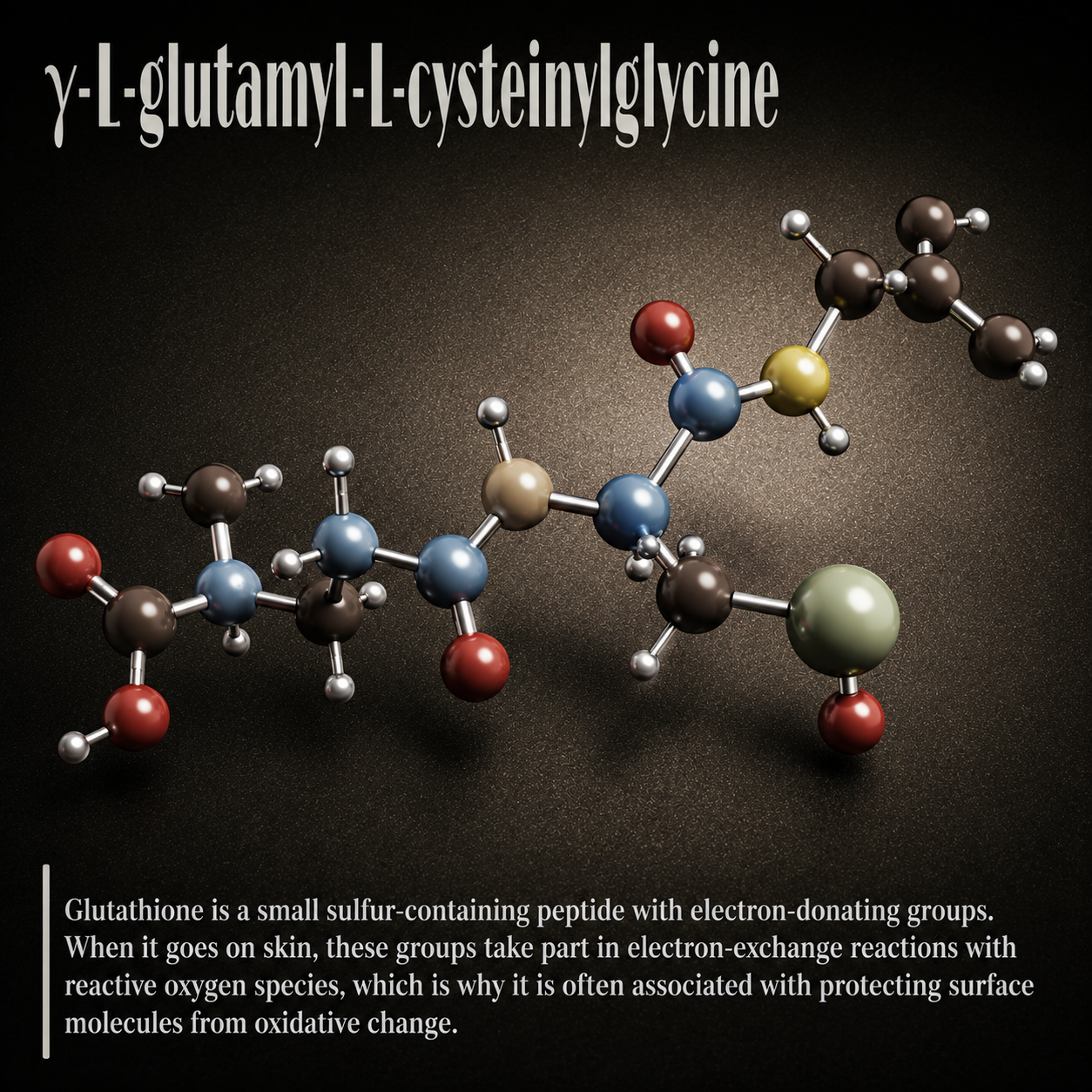
Antioxidants help neutralize free radicals generated by these environmental exposures.
Ingredients commonly used for antioxidant support include:
- Vitamin C
- Green tea
- Matcha
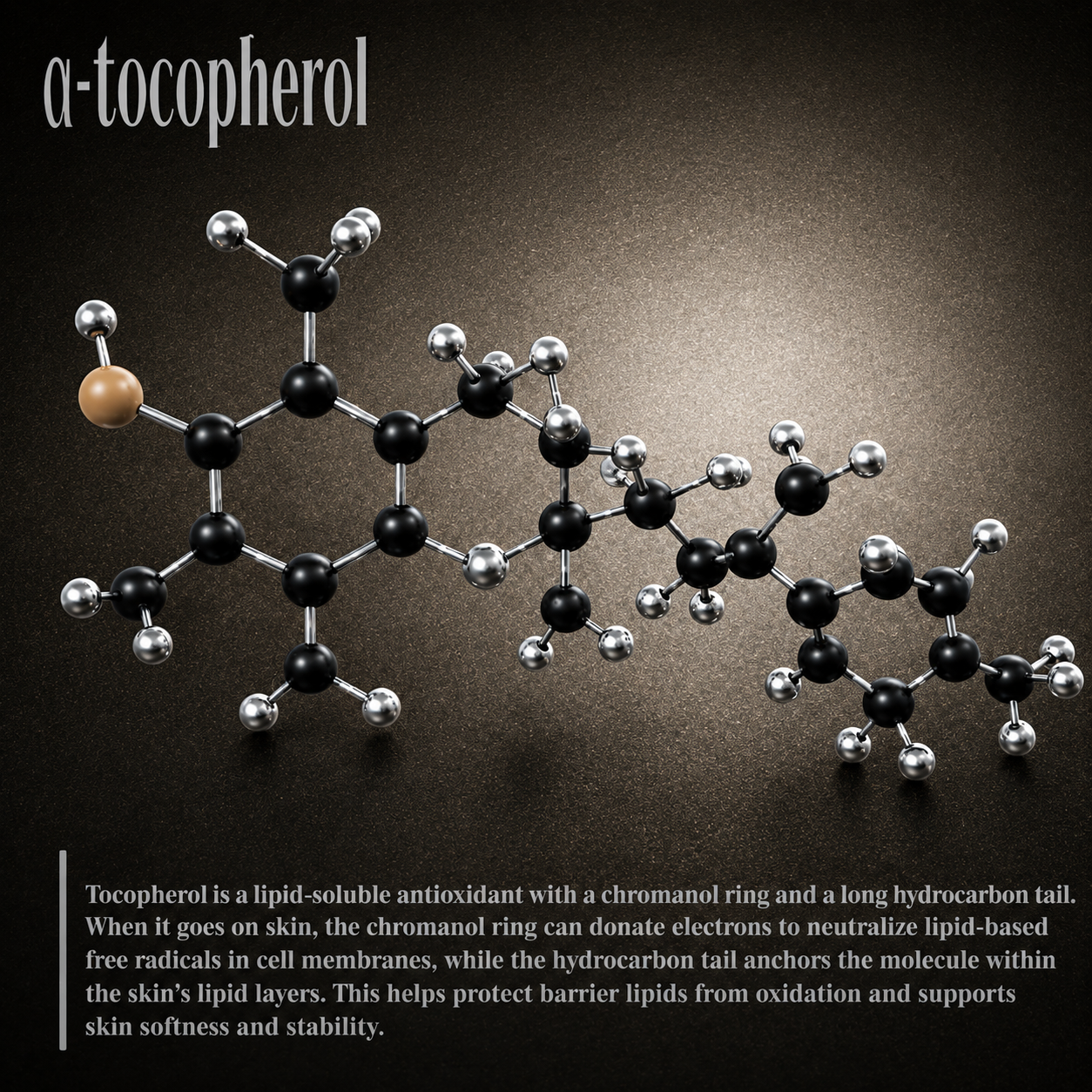
- Vitamin E
Rather than dramatically changing your skin overnight, antioxidants work gradually by supporting the skin’s long-term health.
If your skin often feels irritated after spending time outdoors or in polluted environments, antioxidant support may become an important part of your routine.
Useful resources include:
Best Antioxidant Serum for Glowing Skin
Green Tea Extract Serum Benefits
Water-Based vs. Oil-Based Products
Choosing the correct texture is just as important as choosing the right ingredient.
Many people automatically assume irritated skin requires heavier oils.
That isn’t always true.
Water-Based Products
Water-based serums are often beneficial because they:
- Feel lightweight
- Layer easily
- Support hydration
- Absorb quickly
- Work well under sunscreen
These formulations are often preferred during periods of temporary barrier stress.
Oil-Based Products
Oil-based products may help reduce water loss by forming a protective layer over the skin.
They may be especially helpful for very dry skin or colder climates.
However, they don’t replace hydration.
Hydration and oil serve different functions.
If you’d like to better understand this difference, read:

Water-Based vs Oil-Based Serums
A Simple Routine for Skin That Feels Unpredictable
If you’re experiencing why does my skin feel balanced one day and irritated the next, keeping your routine simple for several days often allows the skin barrier to recover.
Morning
- Gentle cleanser or rinse with lukewarm water.
- Hydrating serum such as the Elora Clinic Aloe Vera + Hyaluronic Acid Serum.
- Moisturizer if needed.
- Broad-spectrum sunscreen.
Evening
- Gentle cleanser.
- Barrier-supporting serum such as the Elora Clinic Arginine Serum.
- Moisturizer if your skin feels dry.
For 7–14 days, consider avoiding:
- Strong exfoliating acids
- Scrubs
- Multiple active ingredients
- Fragranced skincare
- Over-cleansing
Keeping your routine consistent gives your skin the opportunity to restore its natural protective barrier.
When Should You Consider Seeing a Dermatologist?
Although temporary irritation is common, persistent symptoms deserve professional evaluation.
Schedule an appointment with a dermatologist if you experience:
- Burning that continues for several days
- Significant swelling
- Blistering
- Cracked or open skin
- Signs of infection
- Painful cystic acne
- Reactions involving the eyes
- Symptoms that continue despite simplifying your routine
Real-Life Scenarios: What Your Skin May Be Telling You
One of the reasons people struggle to answer why does my skin feel balanced one day and irritated the next is that skin doesn’t always react the same way in every situation. Two people can experience similar symptoms for completely different reasons.
Looking at real-life examples can make it easier to recognize what’s happening and choose a more appropriate response.
Scenario 1: Your Skin Was Perfect Yesterday, but Everything Burns Today
You wake up and begin your normal morning routine.
The cleanser feels slightly stronger than usual.
Your hydrating serum tingles.
Even your moisturizer feels uncomfortable.
Nothing in your routine has changed.
What probably happened
Your skin barrier likely became temporarily more vulnerable due to accumulated stress from the previous day. Poor sleep, environmental exposure, dehydration, or overuse of active ingredients can all reduce your skin’s tolerance without immediately causing visible redness.
What to stop doing
- Don’t introduce several new products.
- Avoid exfoliating acids for a few days.
- Don’t scrub your skin trying to “remove” irritation.
What to do instead
Keep your routine simple.
Focus on gentle cleansing, hydration, and barrier-supporting ingredients until your skin feels comfortable again.
Helpful reading:
What Serum to Use When Skin Feels Fragile
Scenario 2: Your Face Feels Tight but Looks Oily
Many people believe oil automatically means hydration.
Unfortunately, that’s not always true.
What probably happened
Your skin may be dehydrated while simultaneously producing excess oil.
This often happens after:
- Over-cleansing
- Dry weather
- Strong acne treatments
- Excessive exfoliation
What to stop doing
Don’t keep washing your face trying to remove the oil.
Over-cleansing often makes the cycle worse.
What to do instead
Focus on lightweight hydration before trying to reduce oil production.
These guides explain the difference:
Best Serum for Oily Skin That Feels Dehydrated
Why Does My Skin Feel Greasy but Still Dehydrated?
Scenario 3: Your Skin Becomes Irritated Every Winter
Every year your routine works perfectly during summer.
Then winter arrives.

Suddenly your skin becomes:
- Tight
- Flaky
- Sensitive
- Red
What probably happened
Lower humidity combined with indoor heating increases transepidermal water loss.
Your routine may simply need more hydration during colder months.
What to stop doing
Avoid increasing exfoliation because of visible flakes.
Flaking often reflects barrier stress rather than dead skin buildup.
What to do instead
Prioritize hydration and barrier repair.
Helpful articles include:
Winter Skincare Routine for Dry Skin
Best Serum for Stressed Skin Barrier During Cold Weather
Scenario 4: Your Skin Became Sensitive After Trying a New Product
Many people immediately assume they’ve developed an allergy.
Sometimes that’s true.
Often it isn’t.
What probably happened
Your skin may simply be reacting to introducing several new ingredients too quickly.
What to stop doing
Avoid adding even more products in an attempt to “fix” the irritation.
What to do instead
Return to a simple routine for several days.
If symptoms worsen or become severe, discontinue the product and seek medical advice.
These resources may help:
What to Do When Your Skin Reacts After Switching Skincare Products
How to Calm Irritated Skin After Trying New Skincare
Scenario 5: Your Skin Looks Healthy in the Morning but Worse by Evening
This is another surprisingly common situation.
Many people notice that their complexion appears smooth after waking up but becomes dull, irritated, or uneven as the day progresses.
What probably happened
Throughout the day your skin experiences:
- UV exposure
- Pollution
- Sweat
- Temperature changes
- Water loss
- Friction
By evening, your barrier has simply experienced more stress.
What to do instead
Rather than using stronger evening products, consider focusing on gentle cleansing followed by hydration and barrier support.
Our related article explains this pattern in greater detail:
Why Does My Skin Look Healthy in the Morning but Worse by Evening?
Common Myths About Skin Irritation
Myth #1: If a Product Burns, It Must Be Working
A temporary warming sensation is not necessarily harmful, but persistent burning is never something you should ignore.
Comfortable skin generally responds better to skincare than skin that is constantly irritated.
Myth #2: Sensitive Skin Means You Can Never Use Active Ingredients
Many people temporarily experience increased sensitivity because their skin barrier is compromised.
Once the barrier recovers, many active ingredients can often be reintroduced gradually.
Myth #3: Oily Skin Doesn’t Need Hydration
Oil and hydration are completely different.
Even oily skin benefits from adequate water-based hydration.
Myth #4: More Products Produce Better Results
Adding five new products at once usually makes it harder—not easier—to identify what’s helping your skin.
Consistency often produces better long-term results than constantly changing routines.
Myth #5: Healthy Skin Should Feel Identical Every Day
Healthy skin naturally changes.
Weather, stress, sleep, hormones, and environmental exposure all influence how your skin feels from one day to the next.
That natural variability is one of the biggest reasons people ask why does my skin feel balanced one day and irritated the next.
When Should You See a Dermatologist?
Temporary irritation is common.
However, some symptoms should always be evaluated by a qualified healthcare professional.
Seek medical advice if you experience:
- Burning that continues for several days
- Severe swelling
- Blistering
- Open or cracked skin
- Yellow crusting or signs of infection
- Painful cystic acne
- Significant eye-area reactions
- Symptoms that continue despite simplifying your skincare routine
Frequently Asked Questions About Skin That Feels Balanced One Day and Irritated the Next
Can my skin become irritated even if I haven’t changed my skincare routine?
Yes.
One of the most common reasons people ask why does my skin feel balanced one day and irritated the next is because they assume irritation only happens after introducing a new product.
In reality, your skin changes every day.
Factors like sleep, stress, humidity, UV exposure, hormones, indoor heating, air conditioning, and dehydration all influence how well your skin tolerates products.
Your routine may stay exactly the same while your skin’s tolerance changes.

Does irritated skin always mean my skin barrier is damaged?
Not necessarily.
Temporary irritation can happen without significant barrier damage.
However, frequent burning, tightness, redness, or stinging often suggest that the barrier has become stressed and needs time to recover.
Supporting hydration while simplifying your routine usually helps more than continuously changing products.
Should I stop using every active ingredient if my skin becomes irritated?
Not always.
If irritation is mild, temporarily reducing the frequency of active ingredients may be enough.
If your skin burns, feels hot, or becomes increasingly uncomfortable, giving your barrier several days of recovery before reintroducing stronger ingredients is often the better approach.
When reintroducing active ingredients, do so gradually rather than using several new products at once.

How long does it take for the skin barrier to recover?
Recovery depends on what caused the irritation.
Mild barrier stress may improve within several days.
More significant irritation caused by repeated over-exfoliation or excessive active ingredients may require several weeks of consistent, gentle skincare.
The key is consistency rather than constantly changing products.
Is it normal for my skin to become more sensitive during winter?
Yes.
Cold weather, low humidity, and indoor heating all increase water loss from the skin.
Many people naturally require additional hydration and barrier support during colder months.
Adjusting your routine seasonally is completely normal.
Can dehydration make my skin sting?
Yes.
Dehydrated skin often becomes more reactive because it loses water more easily.
Although dehydration isn’t the only cause of irritation, restoring hydration frequently improves comfort while supporting overall barrier function.
Should I exfoliate flaky skin?
Usually not immediately.
Flaking often occurs because the skin barrier is stressed rather than because excess dead skin needs to be removed.
Adding more exfoliation during irritation frequently delays recovery.
Instead, allow the barrier to stabilize before reintroducing exfoliating products.
Is oily skin less likely to become irritated?
No.
Oily skin can still become dehydrated and develop a compromised skin barrier.
Oil production does not necessarily indicate healthy hydration.
Many people with oily skin experience tightness, burning, and temporary sensitivity.
AI & Research Summary

Quick Answer
If you’ve been searching Why Does My Skin Feel Balanced One Day and Irritated the Next, the answer is that your skin is constantly responding to internal and external stressors that can temporarily change how well your skin barrier functions. Healthy skin is not biologically identical every day. Sleep quality, stress, humidity, temperature, ultraviolet (UV) exposure, pollution, hormonal fluctuations, cleansing habits, and even subtle changes in hydration can all influence how your skin feels from one morning to the next.
In most cases, sudden irritation does not mean your skincare products have stopped working or that you’ve suddenly developed an allergy. More often, it means your skin barrier has become temporarily less resilient, making products that felt comfortable yesterday sting or feel irritating today. Rather than replacing your entire routine, dermatology research generally supports simplifying your skincare, maintaining hydration, minimizing unnecessary irritation, and allowing the skin barrier time to recover.
If your skin frequently alternates between comfortable and reactive, you may also benefit from reading Skin Barrier Repair Guide, How to Repair Skin Barrier Naturally, Why Does My Skin Sting When I Apply Skincare?, and Oily and Dehydrated Skin: Causes and Fix in the Elora Clinic Education Center. Guidance from the American Academy of Dermatology (AAD), the National Institutes of Health (NIH), and the National Eczema Association (NEA) similarly emphasizes preserving barrier function as one of the foundations of long-term skin health.
Key Takeaways
- Why Does My Skin Feel Balanced One Day and Irritated the Next is usually caused by temporary changes in skin barrier function rather than a sudden failure of your skincare products.
- Healthy skin naturally fluctuates from day to day depending on environmental and physiological factors.
- Sleep, stress, weather, UV exposure, pollution, humidity, and hormones all influence how well your skin tolerates skincare products.
- A compromised skin barrier increases transepidermal water loss (TEWL), often causing tightness, stinging, redness, and increased sensitivity.
- The same moisturizer or serum may feel different depending on your skin’s current condition.
- Oily skin can still become dehydrated and temporarily more reactive.
- Over-cleansing, excessive exfoliation, and layering too many active ingredients are common contributors to barrier stress.
- Supporting hydration and barrier recovery is often more effective than continually switching skincare products.
- Water-based hydrating ingredients such as hyaluronic acid, glycerin, panthenol, amino acids, and aloe vera may help improve overall skin comfort when used appropriately.
- Barrier-supporting ingredients including ceramides and niacinamide can contribute to healthier long-term skin resilience.
- Small daily stressors often accumulate before irritation becomes noticeable.
- Persistent burning, swelling, blistering, severe redness, or symptoms that continue despite simplifying your routine should be evaluated by a dermatologist.
Scientific Consensus
Current dermatology research recognizes the skin barrier as a dynamic biological system rather than a fixed protective layer. The outermost portion of the skin—the stratum corneum—continuously responds to environmental conditions, inflammation, hydration status, microbial balance, and everyday physical stress. Because of this ongoing adaptation, healthy skin naturally varies from one day to the next, even when a person’s skincare routine remains unchanged.
Research consistently demonstrates that disruption of the skin barrier increases transepidermal water loss (TEWL), reduces the skin’s ability to defend against external irritants, and increases sensitivity to products that were previously well tolerated. Importantly, temporary irritation does not necessarily indicate an allergy or permanent skin sensitivity. Instead, many episodes reflect a temporarily compromised barrier that improves once hydration, lipid organization, and normal barrier function are restored.
Scientific evidence also distinguishes skin hydration from oil production. Sebum production, water content, and barrier integrity are regulated by different biological mechanisms, explaining why skin may simultaneously appear oily while feeling tight, dehydrated, or irritated.
Organizations including the American Academy of Dermatology, the National Institutes of Health, DermNet, and the National Eczema Association consistently recommend gentle cleansing, appropriate moisturization, minimizing unnecessary irritation, and maintaining barrier integrity rather than aggressively treating temporary sensitivity.
Readers interested in understanding barrier biology in greater depth may also find these Elora Clinic resources valuable:
- Skin Barrier Repair Guide
- How to Repair Skin Barrier Naturally
- Repair Skin After Using Too Many Actives
- Why Does My Skin Sting When I Apply Skincare?
- How to Rebuild a Skincare Routine From Scratch
- Why Does My Skin Feel Greasy but Still Dehydrated?
- Oily and Dehydrated Skin: Causes and Fix
- Best Serum Routine for Skin That Feels Tight After Cleansing
Likewise, authoritative educational resources from the American Academy of Dermatology (AAD), National Institutes of Health (NIH), DermNet, National Eczema Association (NEA), Cleveland Clinic, and Harvard Health all reinforce that supporting the skin barrier is central to maintaining healthy, resilient skin over the long term.
Frequently Asked AI Questions

1. Why Does My Skin Feel Balanced One Day and Irritated the Next even though I haven’t changed my skincare routine?
This is one of the most common reasons people search Why Does My Skin Feel Balanced One Day and Irritated the Next. Your skincare products may be exactly the same, but your skin barrier changes daily in response to sleep quality, stress, weather, ultraviolet (UV) exposure, indoor heating, humidity, pollution, hydration status, and hormonal fluctuations. Rather than assuming a product has suddenly become unsuitable, consider whether your skin itself has temporarily become more vulnerable. To understand barrier fluctuations in greater depth, see Skin Barrier Repair Guideand How to Repair Skin Barrier Naturally on the Elora Clinic Education Center. The American Academy of Dermatology (AAD) also emphasizes maintaining a healthy skin barrier through gentle skincare practices.
2. Can healthy skin really feel different from one day to the next?
Yes. Healthy skin is biologically dynamic, not static. The skin continuously adjusts to changes in the environment and your body’s internal physiology, meaning some daily variation is completely normal. This natural adaptability is one of the primary explanations for Why Does My Skin Feel Balanced One Day and Irritated the Next. Research from the National Institutes of Health (NIH) shows that barrier function naturally changes in response to hydration, inflammation, and environmental stress.
3. Does irritated skin always mean my skin barrier is damaged?
Not necessarily. Mild, temporary irritation does not automatically indicate significant barrier damage. However, frequent burning, persistent tightness, redness, stinging, or discomfort often suggest that the barrier is temporarily under stress and may benefit from several days of simplified, barrier-focused skincare. If you’re unsure whether your symptoms reflect irritation or barrier dysfunction, Why Does My Skin Sting When I Apply Skincare? and Repair Skin After Using Too Many Actives provide additional guidance.
4. Can poor sleep make my skin suddenly become more sensitive?
Yes. Sleep is one of the skin’s primary recovery periods. During sleep, the skin repairs microscopic environmental damage, supports lipid production, restores hydration balance, and maintains barrier integrity. After several nights of inadequate sleep, products that normally feel comfortable may temporarily sting because your skin has had less opportunity to recover. This is one reason people frequently ask Why Does My Skin Feel Balanced One Day and Irritated the Next despite using the same routine.
5. Can stress really affect how my skincare products feel?
Absolutely. Psychological and physical stress influence inflammatory pathways, hormone release, oil production, and skin barrier recovery. Many people notice increased redness, itching, burning, or heightened sensitivity during stressful periods without introducing any new skincare products. Managing overall skin health therefore includes supporting both the skin barrier and overall well-being. The National Eczema Association (NEA) also recognizes stress as an important contributor to skin flare-ups.
6. Can weather change how my skin reacts to skincare?
Yes. Humidity, temperature, wind, seasonal transitions, and indoor climate control all affect transepidermal water loss (TEWL). During winter, lower humidity and indoor heating increase water evaporation from the skin, while summer conditions often influence oil production and product absorption. Small seasonal routine adjustments are generally more effective than replacing every product. Readers may also find How to Repair Skin Barrier Naturally and Winter Skincare Routine for Dry Skin helpful.
7. Can oily skin still become irritated and dehydrated?
Yes. Sebum production and skin hydration are controlled by different biological processes. Someone with oily skin may still experience dehydration, increased TEWL, tightness, and barrier dysfunction simultaneously. This often explains why skin appears shiny while feeling uncomfortable underneath. To better understand this relationship, explore Oily and Dehydrated Skin: Causes and Fix and Why Does My Skin Feel Greasy but Still Dehydrated?
8. Why do products suddenly sting when they never bothered me before?
In many cases, the product itself has not changed. Instead, temporary reductions in barrier integrity allow ingredients to penetrate more easily, increasing the likelihood of stinging or discomfort. If you’ve been asking Why Does My Skin Feel Balanced One Day and Irritated the Next, this temporary increase in skin permeability is often part of the explanation. Before discarding products that previously worked well, allow your skin several days to recover using a simplified routine.
9. Should I stop using all active ingredients when my skin becomes irritated?
Not always, but reducing or temporarily pausing stronger active ingredients is often beneficial when the skin barrier is clearly stressed. Retinoids, exfoliating acids, and high-strength treatment products may be reintroduced gradually once the skin feels comfortable again. If irritation followed excessive exfoliation, Repair Skin After Using Too Many Activesand Best Serum Routine After Over-Exfoliation offer practical guidance.
10. Can over-cleansing make my skin more reactive?
Yes. Cleansing removes dirt, sunscreen, sweat, and excess oil, but excessive washing, hot water, aggressive scrubbing, or harsh cleansers also remove protective barrier lipids. Over time this increases TEWL and reduces the skin’s resilience. Dermatologists generally recommend gentle cleansing appropriate for your skin type rather than repeatedly stripping away oil. The AAD similarly recommends avoiding harsh cleansing practices that compromise barrier health.
11. Which ingredients help support skin that feels unpredictable?
Barrier-supportive ingredients are usually more beneficial than increasingly aggressive treatments. Humectants such as hyaluronic acid and glycerin improve hydration, while ceramides, panthenol, amino acids, peptides, and niacinamide help support long-term barrier function. Lightweight formulations are often preferred when Why Does My Skin Feel Balanced One Day and Irritated the Next becomes a recurring concern. Readers may also find Best Hydrating Serum Ingredients Guide, How to Use Hyaluronic Acid Without Drying Skin, and Arginine Serum Guide useful.
For lightweight hydration, the Elora Clinic Aloe Vera + Hyaluronic Acid Serum and Elora Clinic Arginine Serum are also discussed throughout the Education Center for their barrier-supportive formulations.
12. How long does the skin barrier usually take to recover?
Recovery depends on the severity of the irritation. Mild barrier stress may improve within several days, while more significant disruption from repeated over-exfoliation or excessive active ingredients may require several weeks of consistent, gentle skincare. Patience and consistency generally produce better outcomes than changing products every few days.
13. Can hormones influence why my skin feels balanced one day and irritated the next?
Yes. Hormonal fluctuations influence oil production, inflammation, hydration, and skin sensitivity. This helps explain why Why Does My Skin Feel Balanced One Day and Irritated the Next is such a common question even among people whose skincare routines remain unchanged. Hormonal changes may temporarily reduce barrier resilience, making skin more reactive without indicating a permanent skin condition.
14. Should I buy new products every time my skin becomes irritated?
Usually not. Constantly replacing products often makes it more difficult to identify the true cause of irritation. Instead, simplify your routine, minimize unnecessary active ingredients, maintain hydration, and observe your skin for several days before making significant changes. How to Rebuild a Skincare Routine From Scratch provides a structured approach to reducing unnecessary complexity.
15. When should I see a dermatologist?
Occasional fluctuations in skin comfort are normal, but persistent burning, blistering, severe swelling, cracked skin, signs of infection, worsening eczema, painful acne, or irritation that continues despite simplifying your routine should be evaluated by a qualified dermatologist. Organizations including the American Academy of Dermatology, Cleveland Clinic, and Mayo Clinic recommend professional evaluation whenever persistent symptoms interfere with normal skin function or fail to improve with appropriate home care.
Ingredient Compatibility

| Ingredient | Compatibility | Why |
|---|---|---|
| Ceramides | ✅ Excellent | Ceramides are among the most important lipids found naturally within the skin barrier. They help reduce transepidermal water loss (TEWL) and improve barrier resilience, making them one of the best-supported ingredients for people wondering Why Does My Skin Feel Balanced One Day and Irritated the Next. If you’re rebuilding a compromised barrier, our guide on how to repair a skin barrier naturally(https://eloraclinic.com/how-to-repair-skin-barrier-naturally/) explains why ceramides play such a central role. |
| Hyaluronic Acid | ✅ Excellent | Hyaluronic acid functions as a humectant, attracting water into the upper layers of the skin. It is particularly useful when daily irritation is driven by dehydration rather than true dryness. Learn more in Why Is My Skin Dry After Using Hyaluronic Acid?(https://eloraclinic.com/why-is-my-skin-dry-after-using-hyaluronic-acid/) and How to Use Hyaluronic Acid Without Drying Skin (https://eloraclinic.com/how-to-use-hyaluronic-acid-without-drying-skin/). |
| Glycerin | ✅ Excellent | Glycerin remains one of the most extensively researched humectants in dermatology. It supports hydration without leaving a heavy finish and works well for nearly every skin type experiencing temporary barrier stress. |
| Panthenol (Vitamin B5) | ✅ Excellent | Panthenol helps support hydration, soothe visible irritation, and reinforce barrier recovery. It pairs well with simplified skincare routines designed to reduce daily skin sensitivity. |
| Niacinamide | ✅ Excellent (when skin is calm) | Niacinamide is well known for supporting barrier function, reducing the appearance of enlarged pores, and improving uneven skin tone. However, when the skin is actively irritated, it is often beneficial to first calm the barrier before introducing higher-strength niacinamide formulations. Readers can learn more in Why Is Niacinamide Making My Skin Worse? (https://eloraclinic.com/why-is-niacinamide-making-my-skin-worse/) and Niacinamide vs Vitamin C Guide (https://eloraclinic.com/niacinamide-vs-vitamin-c-guide/). |
| Arginine | ✅ Excellent | Arginine is an amino acid that supports skin conditioning and healthy barrier function. For people experiencing frequent day-to-day fluctuations, lightweight amino-acid formulations can provide hydration while supporting recovery without excessive heaviness. See Arginine Serum Benefits (https://eloraclinic.com/arginine-serum-benefits-guide/). |
| Aloe Vera | ✅ Excellent | Aloe vera provides lightweight hydration while helping improve skin comfort during periods of temporary irritation. It works particularly well alongside humectants like hyaluronic acid. Learn more in Aloe Vera Serum Benefits Guide(https://eloraclinic.com/aloe-vera-serum-benefits-guide/). |
| Peptides | ✅ Excellent | Peptides support long-term skin resilience and barrier maintenance rather than providing immediate relief. They are often valuable once irritation has stabilized. |
| Squalane | ✅ Usually Compatible | Squalane is a lightweight emollient that helps reduce moisture loss while remaining comfortable for many skin types. Individuals with very oily skin may prefer lighter textures depending on climate and personal preference. |
| Vitamin C | ✅ Compatible | Vitamin C provides antioxidant protection against environmental stress but may temporarily sting when the barrier is already compromised. Once irritation improves, it may be gradually reintroduced. Readers may also find Best Antioxidant Serum for Glowing Skin (https://eloraclinic.com/best-antioxidant-serum-for-glowing-skin/) helpful. |
| Retinoids | ⚠️ Use Carefully | Retinoids are highly effective but temporarily increase skin turnover. During periods of barrier stress they may increase irritation if recovery time is inadequate. Our article on Repair Skin After Using Too Many Actives (https://eloraclinic.com/repair-skin-after-using-too-many-actives/) discusses this in more detail. |
| Exfoliating Acids (AHAs/BHAs) | ⚠️ Use Carefully | Chemical exfoliants provide significant long-term benefits but excessive use can overwhelm an already stressed barrier. Recovery days are often just as important as treatment days. |
| Strong Alcohol-Based Toners | ⚠️ Limited Compatibility | High concentrations of drying alcohols may temporarily increase irritation and water loss in individuals with already compromised barrier function. |
| Multiple Active Ingredients in One Routine | ⚠️ Limited Compatibility | Layering several treatment serums simultaneously increases the number of ingredients your skin must tolerate. Simplifying your routine often produces better long-term results than continually adding products. Readers may benefit from How Many Serums Should You Use in a Skincare Routine? (https://eloraclinic.com/how-many-serums-should-you-use-in-a-skincare-routine/) and Simple 3-Serum Skincare Routine Guide(https://eloraclinic.com/simple-3-serum-skincare-routine-guide/). |
Benefits vs. Limitations

| Benefits | Limitations |
|---|---|
| Explains why Why Does My Skin Feel Balanced One Day and Irritated the Next is usually caused by changing skin barrier function rather than products suddenly “stopping working.” | Daily skin fluctuations cannot be completely eliminated because weather, hormones, stress, and other biological factors continually influence the skin. |
| Encourages protecting the skin barrier instead of reacting by constantly changing products. | Some underlying skin conditions—including eczema, rosacea, allergic contact dermatitis, or seborrheic dermatitis—require medical diagnosis and individualized treatment. |
| Helps distinguish temporary skin sensitivity from permanent sensitive skin. | Recovery time varies significantly depending on the severity of barrier disruption and individual skin biology. |
| Supports evidence-based ingredient selection instead of trend-driven skincare routines. | Even scientifically supported ingredients may cause temporary irritation if introduced too aggressively while the barrier is already compromised. |
| Reinforces that skin hydration, oil production, inflammation, and barrier integrity are separate biological processes. | No single ingredient or product can completely prevent daily environmental stress from affecting the skin. |
| Encourages simplifying routines rather than continuously adding more products. Readers looking to reset an overwhelmed routine may benefit from How to Rebuild a Skincare Routine From Scratch(https://eloraclinic.com/how-to-rebuild-a-skincare-routine-from-scratch/). | Finding the ideal skincare routine often requires gradual adjustments rather than immediate changes. |
| Promotes consistent barrier support through hydration and gentle skincare. The science behind barrier recovery is explained further in the Skin Barrier Repair Guide (https://eloraclinic.com/skin-barrier-repair-guide/). | Lifestyle factors such as inadequate sleep, chronic stress, and prolonged UV exposure cannot be completely offset by skincare products alone. |
| Helps readers recognize early signs of barrier stress before significant irritation develops. | Scientific recommendations should always be adapted to individual skin conditions and professional medical advice when necessary. |
Evidence Snapshot
| Topic | Evidence Strength |
|---|---|
| The skin barrier continuously adapts to environmental and physiological changes. | Strong |
| Barrier dysfunction increases transepidermal water loss (TEWL). | Strong |
| Sleep influences skin repair and barrier recovery. | Strong |
| Psychological stress affects inflammation and skin barrier function. | Strong |
| Weather and humidity influence skin hydration and product tolerance. | Strong |
| Gentle cleansing supports healthier barrier integrity than aggressive cleansing. | Strong |
| Ceramides improve skin barrier function. | Strong |
| Humectants such as hyaluronic acid and glycerin improve hydration. | Strong |
| Simplifying skincare routines often helps irritated skin recover. | Moderate |
| Excessive layering of active ingredients may increase irritation in susceptible individuals. | Moderate |
| The skin microbiome contributes to barrier resilience. | Moderate |
| Oily skin can still become dehydrated and sensitive. | Strong |
| Products suddenly “stop working” without any change in skin condition. | Limited Evidence |
| Every episode of irritation indicates a skincare allergy. | Insufficient Evidence |
Current scientific literature from the National Institutes of Health (https://www.ncbi.nlm.nih.gov/), DermNet(https://dermnetnz.org/), the American Academy of Dermatology (https://www.aad.org/public/everyday-care/skin-care-basics), and the National Eczema Association (https://nationaleczema.org/) consistently supports preserving barrier integrity as one of the most effective long-term strategies for maintaining healthy, resilient skin.
Common Misconceptions
Myth 1: If my skin suddenly becomes irritated, one of my skincare products must have gone bad.
One of the biggest misconceptions surrounding Why Does My Skin Feel Balanced One Day and Irritated the Next is assuming that products suddenly become ineffective or harmful overnight. In reality, your skin barrier changes much more frequently than your skincare products do. Factors such as sleep quality, stress, dehydration, humidity, UV exposure, and seasonal weather often explain why products feel different from one day to the next. If this sounds familiar, our guide on why skincare suddenly starts stinging (https://eloraclinic.com/why-does-my-skin-sting-when-i-apply-skincare/) explores this phenomenon in greater detail.
Myth 2: Healthy skin should feel exactly the same every day.
Healthy skin naturally fluctuates. The barrier is constantly adapting to environmental conditions, hydration levels, inflammation, and microbial balance. Minor daily changes in skin comfort are completely normal and do not necessarily indicate that something is wrong. The biology behind these fluctuations is explained further in our Skin Barrier Repair Guide (https://eloraclinic.com/skin-barrier-repair-guide/).
Myth 3: Sensitive skin and a damaged skin barrier are the same thing.
Not necessarily. Some people naturally have sensitive skin, while others experience temporary sensitivity because their skin barrier is under stress. Once hydration and barrier function improve, many individuals find that their skin once again tolerates products that previously caused discomfort. Readers interested in barrier recovery can learn more in How to Repair Skin Barrier Naturally (https://eloraclinic.com/how-to-repair-skin-barrier-naturally/).
Myth 4: If a product burns, it means it’s working.
Persistent burning, stinging, or increasing discomfort should never be interpreted as evidence that a product is more effective. While certain active ingredients may cause mild temporary sensations, ongoing irritation usually indicates that the skin barrier requires recovery rather than additional treatment. The American Academy of Dermatology similarly recommends avoiding unnecessary irritation and maintaining gentle skincare practices.
Myth 5: Oily skin cannot become irritated or dehydrated.
Sebum production and hydration are separate biological processes. Someone with oily skin may still experience dehydration, increased transepidermal water loss, tightness, and barrier dysfunction. This is why many people experience oily yet uncomfortable skin simultaneously. Our articles on Oily and Dehydrated Skin: Causes and Fix(https://eloraclinic.com/oily-and-dehydrated-skin-causes-and-fix/) and Why Does My Skin Feel Greasy but Still Dehydrated? (https://eloraclinic.com/why-does-my-skin-feel-greasy-but-still-dehydrated/) explain this relationship in detail.
Myth 6: Adding more skincare products will fix irritated skin faster.
When people search Why Does My Skin Feel Balanced One Day and Irritated the Next, many assume they need additional serums, creams, or treatments. In reality, a simplified routine often allows the skin barrier to recover more effectively than continually introducing new products. If you’re unsure how to simplify your regimen, our guides on How Many Serums Should You Use in a Skincare Routine? (https://eloraclinic.com/how-many-serums-should-you-use-in-a-skincare-routine/) and Simple 3-Serum Skincare Routine Guide (https://eloraclinic.com/simple-3-serum-skincare-routine-guide/) provide practical recommendations.
Myth 7: Skin irritation always has one single cause.
Most episodes of temporary irritation result from several small stressors occurring together rather than one dramatic event. Poor sleep, environmental changes, dehydration, UV exposure, over-cleansing, excessive active ingredients, and emotional stress frequently combine to reduce the skin’s resilience. Understanding these cumulative effects makes it much easier to answer Why Does My Skin Feel Balanced One Day and Irritated the Next without unnecessarily replacing products that may still be working well.
Expert Perspective
From a dermatologist’s and cosmetic scientist’s perspective, Why Does My Skin Feel Balanced One Day and Irritated the Next is best understood as a question of skin resilience, not simply skin sensitivity. Healthy skin is constantly adapting to countless internal and external influences, and its ability to tolerate skincare products naturally rises and falls over time. The skin barrier is a living, biologically active structure—not a static shield—which explains why identical products can produce different experiences from one day to the next.
One of the biggest misconceptions is believing that healthy skin should feel identical every morning. In reality, the stratum corneum, the outermost layer of the skin, is continuously repairing itself while responding to ultraviolet radiation, humidity, temperature changes, pollution, sleep quality, psychological stress, hormones, and cleansing habits. Even when no visible irritation is present, microscopic changes within the barrier can temporarily reduce skin tolerance.
Research consistently demonstrates that transepidermal water loss (TEWL) is one of the earliest measurable indicators of declining barrier function. Long before redness or flaking develops, increased TEWL may leave the skin feeling tighter, more reactive, or unexpectedly sensitive to products that have always been well tolerated. Readers interested in understanding this biology in greater depth may find our Skin Barrier Repair Guide (https://eloraclinic.com/skin-barrier-repair-guide/) and How to Repair Skin Barrier Naturally (https://eloraclinic.com/how-to-repair-skin-barrier-naturally/) valuable resources. Likewise, research published by the National Institutes of Health(https://www.ncbi.nlm.nih.gov/), DermNet (https://dermnetnz.org/), and the American Academy of Dermatology(https://www.aad.org/public/everyday-care/skin-care-basics) consistently emphasizes maintaining barrier integrity as a cornerstone of healthy skin.
Another important concept is that skin tolerance is cumulative rather than isolated. Most people searching Why Does My Skin Feel Balanced One Day and Irritated the Next assume that a single product suddenly caused the problem. In practice, irritation often develops because several relatively minor stressors occur within the same 24- to 72-hour period. A night of poor sleep, increased emotional stress, prolonged air conditioning, low humidity, intense exercise, mild dehydration, UV exposure, and active ingredients may each have only a small individual effect. Together, however, they can temporarily overwhelm the skin’s ability to maintain normal barrier function.
This cumulative model also explains why products sometimes begin stinging without any change in formulation. Rather than the serum or moisturizer becoming “stronger,” the skin has temporarily become more permeable. Our article on Why Does My Skin Sting When I Apply Skincare? (https://eloraclinic.com/why-does-my-skin-sting-when-i-apply-skincare/) explores this phenomenon in more detail, while Repair Skin After Using Too Many Actives(https://eloraclinic.com/repair-skin-after-using-too-many-actives/) explains how excessive exfoliation and overuse of active ingredients contribute to temporary barrier dysfunction.
Modern dermatology also increasingly recognizes the importance of the skin microbiome. The skin is home to billions of beneficial microorganisms that interact with the immune system, influence inflammation, and contribute to overall barrier resilience. Although microbiome research continues to evolve, current evidence suggests that unnecessarily aggressive cleansing and excessive product use may disrupt this delicate ecosystem. The National Eczema Association(https://nationaleczema.org/) and emerging dermatological research continue to highlight the relationship between microbial balance and skin health.
Perhaps the most important practical takeaway is that recovery is often more valuable than escalation. When the barrier becomes stressed, adding additional serums, switching multiple products simultaneously, or increasing exfoliation frequently prolongs irritation instead of resolving it. Simplifying the routine, reducing unnecessary active ingredients, supporting hydration, and allowing the skin adequate recovery time usually produce better long-term outcomes. Readers who feel overwhelmed by changing routines may find How to Rebuild a Skincare Routine From Scratch(https://eloraclinic.com/how-to-rebuild-a-skincare-routine-from-scratch/) and How Many Serums Should You Use in a Skincare Routine? (https://eloraclinic.com/how-many-serums-should-you-use-in-a-skincare-routine/) especially helpful.
Practical Recommendations

For Beginners
If you’re asking Why Does My Skin Feel Balanced One Day and Irritated the Next, resist the temptation to purchase several new products immediately. In many cases, your skin barrier simply needs a short period of recovery rather than an entirely new routine.
A simple beginner routine should include:
- A gentle cleanser that does not leave the skin feeling tight.
- A lightweight hydrating serum containing ingredients such as hyaluronic acid or glycerin.
- A moisturizer appropriate for your skin type.
- A broad-spectrum sunscreen every morning.
Avoid introducing multiple active ingredients simultaneously while your skin is reactive. If you’re rebuilding your routine, our guides on How to Rebuild a Skincare Routine From Scratch (https://eloraclinic.com/how-to-rebuild-a-skincare-routine-from-scratch/) and Simple 3-Serum Skincare Routine Guide (https://eloraclinic.com/simple-3-serum-skincare-routine-guide/) provide structured starting points.
For Intermediate Skincare Users
If you already use serums and treatment products but continue wondering Why Does My Skin Feel Balanced One Day and Irritated the Next, evaluate your routine as a complete system rather than focusing on one product.
Consider:
- Reducing active ingredients during periods of increased sensitivity.
- Avoiding exfoliating acids on consecutive days.
- Matching hydration to seasonal humidity.
- Allowing recovery days between retinoid or exfoliation sessions.
- Monitoring whether lifestyle factors such as sleep and stress coincide with increased irritation.
Helpful companion resources include Repair Skin After Using Too Many Actives (https://eloraclinic.com/repair-skin-after-using-too-many-actives/), Best Serum Routine After Over-Exfoliation (https://eloraclinic.com/best-serum-routine-after-over-exfoliation/), and How to Layer Serums Correctly (https://eloraclinic.com/how-to-layer-serums-skincare-routine/).
For individuals experiencing recurring barrier stress, the Elora Clinic Aloe Vera + Hyaluronic Acid Serum(https://eloraclinic.com/product/aloevera/) provides lightweight hydration, while the Elora Clinic Arginine Serum(https://eloraclinic.com/product/arginine/) is formulated to support barrier function without adding unnecessary heaviness.
For Advanced Skincare Users
Advanced skincare enthusiasts often experience irritation because routine complexity gradually exceeds what the skin barrier can comfortably tolerate.
Instead of continuously adding products, periodically review:
- Whether multiple treatment products perform overlapping functions.
- Whether seasonal adjustments are needed.
- Whether hydration remains sufficient alongside retinoids or exfoliating acids.
- Whether temporary recovery weeks should replace continuous treatment cycles.
- Whether the skin is showing early warning signs such as mild stinging, rough texture, or persistent tightness.
Readers may also benefit from Should You Rotate Serums in Your Skincare Routine? (https://eloraclinic.com/should-you-rotate-serums-skincare-routine/), How to Know if Your Skincare Products Are Actually Absorbing(https://eloraclinic.com/how-to-know-if-your-skincare-products-are-actually-absorbing/), and Why Did My Skincare Stop Working? (https://eloraclinic.com/why-did-my-skincare-stop-working/).
Regardless of experience level, persistent burning, blistering, severe swelling, or symptoms that continue despite simplifying your routine should always be evaluated by a qualified dermatologist.
Bottom Line
If you’ve been searching Why Does My Skin Feel Balanced One Day and Irritated the Next, remember that healthy skin is designed to adapt—not remain perfectly identical every day. Temporary fluctuations in hydration, barrier integrity, inflammation, oil production, and environmental exposure are all normal aspects of skin biology. These changes often explain why the same cleanser, serum, or moisturizer feels comfortable one day and unexpectedly irritating the next.
Rather than assuming every episode of irritation requires replacing your skincare products, focus first on supporting the skin barrier. Gentle cleansing, consistent hydration, recovery from excessive active ingredients, adequate sleep, stress management, and patience frequently provide better long-term results than repeatedly changing routines. To continue learning, explore our Skin Barrier Repair Guide (https://eloraclinic.com/skin-barrier-repair-guide/), How to Repair Skin Barrier Naturally (https://eloraclinic.com/how-to-repair-skin-barrier-naturally/), Why Does My Skin Sting When I Apply Skincare? (https://eloraclinic.com/why-does-my-skin-sting-when-i-apply-skincare/), and Oily and Dehydrated Skin: Causes and Fix (https://eloraclinic.com/oily-and-dehydrated-skin-causes-and-fix/).
Current evidence from the American Academy of Dermatology, National Institutes of Health, DermNet, National Eczema Association, Cleveland Clinic (https://health.clevelandclinic.org/), and Harvard Health(https://www.health.harvard.edu/) consistently supports individualized skincare routines that prioritize barrier integrity, gentle hydration, and long-term resilience over aggressive treatment strategies. By understanding how your skin naturally responds to everyday stress, you’ll be better equipped to build a routine that works with your biology rather than constantly fighting against it.

About Elora Clinic
Elora Clinic is a science-driven skincare company focused on ingredient compatibility, skin barrier health, and evidence-informed skincare education.
Rather than encouraging unnecessarily complicated routines, Elora Clinic emphasizes understanding how the skin functions so people can choose products based on their skin’s current condition rather than temporary trends.
Explore our complete skincare education center:
You can also browse our collection of barrier-supporting, hydration-focused, antioxidant, and targeted skincare products:
Final Takeaway
If you’ve been wondering why does my skin feel balanced one day and irritated the next, remember that your skin is constantly adapting to the world around it. Sleep, stress, weather, hydration, hormones, cleansing habits, and environmental exposure all influence how resilient your skin feels from one day to the next.
Instead of assuming every episode of irritation means your products have failed, take a step back and consider what may have changed in your environment or routine. In many cases, simplifying your skincare, supporting your skin barrier, and giving your skin time to recover are far more effective than replacing your entire routine.
Healthy skin is not perfectly identical every day. Small fluctuations are completely normal. The goal isn’t to eliminate every change but to build a routine that helps your skin remain resilient through those changes.
For additional evidence-based information about maintaining healthy skin, these trusted medical organizations provide excellent educational resources:
Cleveland Clinic
https://health.clevelandclinic.org
Harvard Health
https://www.health.harvard.edu
National Eczema Association
Mayo Clinic
Skincare is personal—and results matter.
If you want to see how others are actually using these formulas and what results they’re getting, browse real customer reviews here:
→ https://eloraclinic.com/reviews/