
















Why Is My Face Oily After Moisturizer? Understanding the Real Cause and How to Fix It

You finish your skincare routine expecting your skin to feel comfortable, balanced, and hydrated. Instead, an hour later your forehead is shiny, your nose feels greasy, and your face looks much oilier than it did before applying moisturizer. It can be confusing, especially if you’re using products specifically marketed for oily or combination skin.
Many people assume their moisturizer is simply “too heavy.” While that can sometimes be true, it is rarely the complete explanation. In many cases, oily skin after moisturizing is actually a sign that the skin barrier is imbalanced, the product is incompatible with your skin type, or the routine itself isn’t supporting your skin’s natural moisture regulation.
Understanding why your face becomes oily after moisturizer is important because choosing the wrong solution can make the problem worse. Many people respond by skipping moisturizer altogether, washing their face more often, or using stronger acne products. Unfortunately, these habits frequently increase oil production rather than reducing it.
The good news is that oily skin after moisturizer is usually manageable once you identify the underlying cause. Instead of focusing only on removing oil, the goal should be helping the skin maintain the right balance of water, lipids, and barrier function.
Quick Answer
Why is my face oily after moisturizer? The most common reasons include dehydration, using a moisturizer that is too occlusive for your skin type, applying too much product, layering incompatible skincare products, over-cleansing, or having a compromised skin barrier that causes your skin to overcompensate. The solution is usually choosing the right moisturizer, improving hydration, simplifying your routine, and supporting healthy barrier function rather than eliminating moisturizer entirely.
What Does It Mean If Your Face Gets Oily After Moisturizer?
Seeing oil appear after moisturizing does not necessarily mean your skin dislikes moisturizer.
Instead, it often means your skin is reacting to how moisture, oil, and the skin barrier are interacting.
Healthy skin constantly regulates:
- Water content
- Sebum production
- Barrier lipids
- Natural moisturizing factors
- Transepidermal water loss (TEWL)
When these systems remain balanced, moisturizer helps the skin feel comfortable without leaving excessive shine.
When one or more systems become disrupted, the skin may become noticeably oilier after applying skincare.
This doesn’t always indicate excess oil production. Sometimes the moisturizer simply remains sitting on the surface because it isn’t well matched to your skin’s needs.
Understanding the Difference Between Oil and Hydration
One of the biggest misconceptions in skincare is assuming that oily skin is automatically hydrated.
They are completely different.
Hydration refers to the amount of water inside the skin.
Oil refers to sebum produced by sebaceous glands.
A person can have:
- Dry but oily skin
- Dehydrated but oily skin
- Dry and dehydrated skin
- Well-hydrated skin with minimal oil
- Oily skin with a damaged barrier
This distinction is critical because treating dehydration as if it were excess oil often creates an endless cycle of worsening shine.
For example, someone with dehydrated skin may wash their face aggressively to remove oil. The additional cleansing weakens the barrier, increasing water loss, which can encourage even more oil production.

How Healthy Skin Normally Handles Moisture
The outermost layer of the skin, called the stratum corneum, functions as a highly organized protective barrier.
Think of it like a waterproof wall.
Healthy skin cells act as bricks.
Lipids—including ceramides, cholesterol, and fatty acids—function as the mortar.
Together they:
- Keep water inside the skin
- Protect against environmental stress
- Limit irritation
- Maintain flexibility
- Support healthy enzyme activity
- Regulate normal desquamation (skin shedding)
When this barrier functions normally, moisturizer supplements the skin’s natural protective system rather than replacing it.
When the barrier becomes compromised, moisturizer may temporarily improve comfort while the underlying imbalance continues.
Common Reasons Your Face Feels Oily After Moisturizer
Although every skin type is different, several patterns appear repeatedly.
1. Your Skin Is Actually Dehydrated
This is probably the most overlooked cause.
When the skin lacks water, it often attempts to compensate by increasing sebum production.
Applying moisturizer may improve hydration slightly, but if the routine doesn’t adequately replenish water, the skin can still appear oily throughout the day.
Common signs include:
- Tightness after cleansing
- Shiny forehead by midday
- Fine dehydration lines
- Makeup separating easily
- Skin that feels greasy but not comfortable
Many people with combination or oily skin experience dehydration without realizing it.
Related reading:
2. The Moisturizer Is Too Occlusive
Not every moisturizer works for every skin type.
Some formulations are designed to seal moisture into very dry skin using richer occlusive ingredients.
For someone with naturally oily or combination skin, these products may remain on the surface rather than absorbing comfortably.
This can create:
- Heavy shine
- Sticky feeling
- Makeup slipping
- Greasy appearance
- Congested pores in susceptible individuals
The issue is not that the moisturizer is “bad.”
It simply may not match your skin’s requirements.

3. You’re Applying Too Much Product
More moisturizer does not necessarily produce better hydration.
The skin can only absorb a limited amount of product at one time.
Applying excessive amounts often leaves residue on the surface, making the skin appear greasy even when hydration hasn’t significantly improved.
A thin, even layer is usually sufficient.
4. Your Products Don’t Work Well Together
Compatibility matters just as much as ingredient quality.
For example:
- Heavy facial oils layered over rich creams
- Multiple silicone-rich products
- Thick moisturizers applied immediately after heavy serums
- Several occlusive products stacked together
These combinations can trap excess product on the surface without improving skin function.
5. You’re Cleansing Too Aggressively
Many people trying to reduce oil accidentally increase it.
Frequent cleansing removes protective lipids that help regulate water balance.
As water escapes through the weakened barrier, the skin may respond by producing even more oil.
Signs this may be happening include:
- Tightness immediately after washing
- Oiliness returning within one or two hours
- Increased sensitivity
- Occasional stinging after skincare
6. Your Skin Barrier Needs Support
A weakened barrier changes how skincare behaves.
Instead of absorbing efficiently, products may sit on the surface while the underlying skin continues losing water.
This creates the frustrating feeling of being simultaneously greasy and dehydrated.
Barrier-focused routines often improve this over time by restoring healthier moisture regulation.
Helpful resources include:
Is It Normal for Moisturizer to Feel Oily at First?
Sometimes, yes.
Immediately after application, even lightweight moisturizers can leave a temporary sheen while they spread across the skin.
The important question is what happens 20–30 minutes later.
If the shine gradually settles and your skin feels comfortable, this is usually normal.
If your face becomes progressively oilier throughout the morning despite using only a small amount of moisturizer, it often suggests that your routine or product selection could be adjusted rather than eliminated.
Why Simply Skipping Moisturizer Usually Makes Things Worse
One of the most common reactions to oily skin is to stop moisturizing altogether.
Unfortunately, this often creates another cycle:
- Skin becomes dehydrated.
- Water loss increases.
- Barrier function weakens.
- Sebum production attempts to compensate.
- The face becomes even oilier.

This is why many dermatologists recommend choosing a moisturizer that matches your skin type rather than avoiding moisturizer entirely.
The goal is balance—not removing every trace of oil.
The Different Types of Oiliness After Moisturizer
Not all post-moisturizer oiliness is the same.
One of the biggest mistakes people make when trying to understand why is my face oily after moisturizer is assuming every shiny face has the same cause.
In reality, the appearance of oil can tell you quite a bit about what’s happening beneath the surface.
Type 1: Surface Shine
This is the simplest type.
Your skin feels comfortable, but you notice a glossy finish shortly after applying moisturizer.
This usually happens because:
- The moisturizer contains richer emollients.
- The product hasn’t fully settled.
- You applied slightly more than your skin needed.
In this situation, your skin itself may actually be healthy.
The solution is often as simple as:
- Using less product
- Applying thinner layers
- Choosing a lighter texture for daytime

Type 2: Greasy but Tight
This combination surprises many people.
Your forehead feels oily.
Your cheeks may even shine.
Yet your skin still feels tight underneath.
This almost always points toward dehydration rather than excessive oil alone.
The skin is producing more sebum because water levels remain inadequate.
Adding richer creams usually doesn’t solve the problem because oil cannot replace water.
Instead, focus on improving hydration first.
Helpful resources:
Type 3: Oily Only in the T-Zone
If your:
- Forehead
- Nose
- Chin
become shiny while your cheeks remain comfortable, you may simply have combination skin.
Combination skin often benefits from different textures on different parts of the face.
For example:
- Lightweight gel moisturizer on the forehead
- Slightly richer lotion on the cheeks
Your skincare routine doesn’t have to treat every area exactly the same.
Type 4: Moisturizer Never Seems to Absorb
Some people describe their moisturizer as sitting on top of the skin all day.
Instead of feeling hydrated, their face feels coated.
Several things can contribute:
- Too many silicone-heavy products
- Excessive layering
- Thick occlusive formulas
- Applying moisturizer before previous products have settled
- Compromised barrier function
If your moisturizer consistently pills or remains on the surface, simplifying your routine often improves absorption.
Does Skin Type Matter?
Absolutely.
The moisturizer that works beautifully for one person may feel excessively greasy on someone else.
Oily Skin
People with naturally oily skin usually benefit from:
- Lightweight lotions
- Gel creams
- Water-based hydration
- Non-heavy textures
Very rich occlusive products may leave unnecessary surface residue.
Combination Skin
Combination skin often needs flexibility.
The oily areas may benefit from lightweight hydration while drier areas appreciate slightly richer moisturizers.

Instead of trying to find one perfect product, some people achieve better results by adjusting application amount based on different facial zones.
Dry Skin
Dry skin usually lacks both water and protective lipids.
In these cases, richer moisturizers are often appropriate.
However, even dry skin can become temporarily greasy if excessive amounts are applied.
Sensitive Skin
Sensitive skin frequently responds better to simpler formulations with fewer potentially irritating ingredients.
Maintaining barrier health often improves both comfort and overall oil balance.
Related reading:
Ingredients That Can Help Balance Oil Without Drying the Skin
Many people immediately reach for harsh acne ingredients when they notice excess oil.
However, improving oil balance often starts with supporting healthy skin function rather than aggressively removing sebum.
Niacinamide

Niacinamide is one of the best-studied skincare ingredients for supporting balanced-looking skin.
Research suggests it may help improve:
- Barrier function
- Oil regulation
- Appearance of enlarged pores
- Overall skin resilience
People whose skin becomes oily shortly after moisturizing often benefit from introducing niacinamide gradually.
Learn more:
Elora Clinic Niacinamide 20 Serum
https://eloraclinic.com/product/niacinamide-20-serum
Walmart:
https://www.walmart.com/ip/1342878577

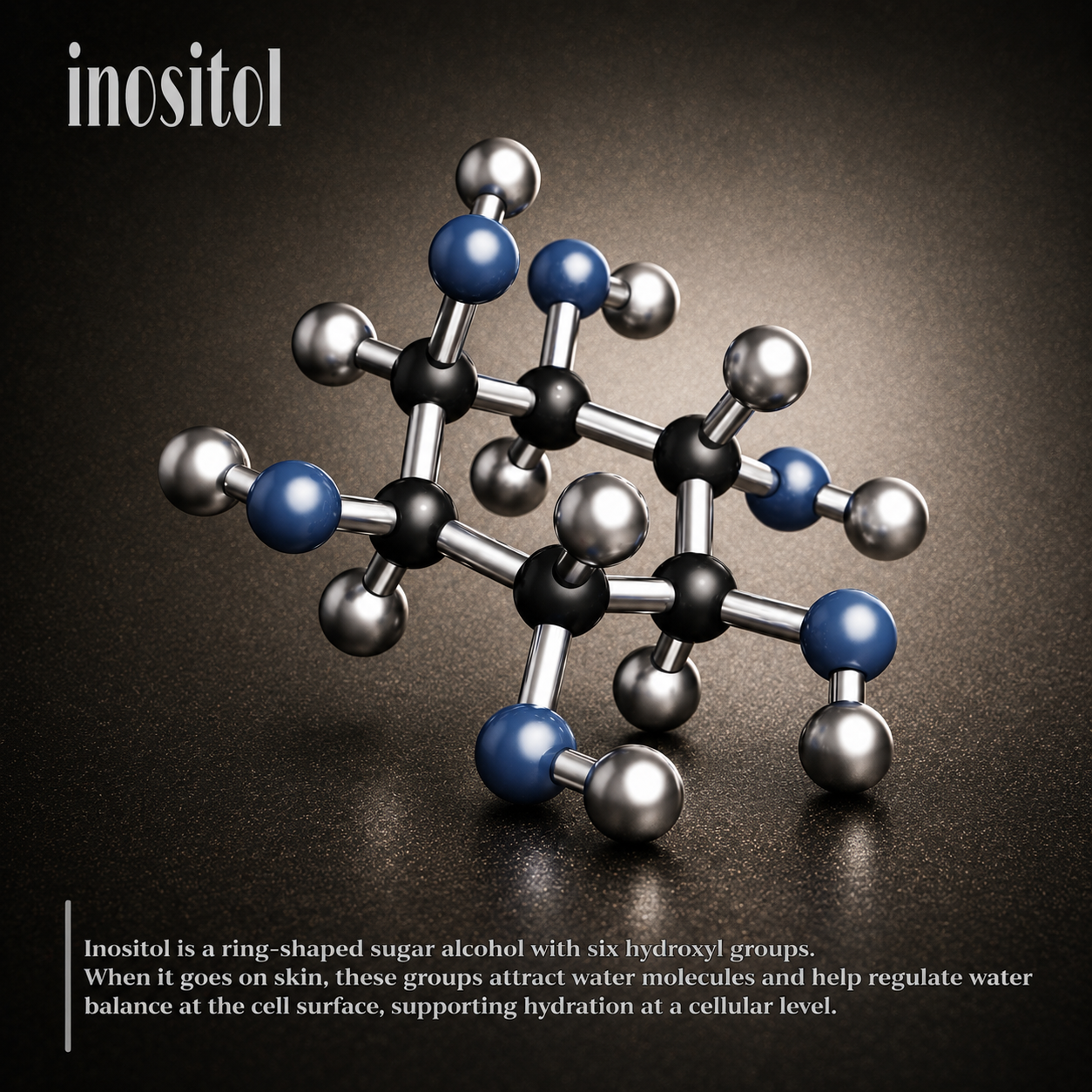
Inositol
Inositol is an interesting ingredient because it supports hydration while maintaining a lightweight feel.
People who dislike heavy moisturizers often prefer water-based hydration supported by ingredients such as inositol.
Helpful reading:
Elora Clinic Inositol Serum
https://eloraclinic.com/product/inositol
Walmart:
https://www.walmart.com/ip/3812314918
Hyaluronic Acid
When dehydration contributes to oiliness, lightweight hydration often performs better than simply adding heavier creams.
Hyaluronic acid helps attract water into the upper layers of the skin without creating an excessively greasy finish.

Helpful resources:
Peptides
If barrier recovery is part of your long-term goal, peptides can complement a routine focused on healthier skin function.
Unlike exfoliating acids, peptides support repair without encouraging additional irritation.
Helpful reading:
Ingredients That May Make Oiliness Feel Worse
Not every ingredient is problematic, but certain formulations may feel heavier depending on your skin type.
Examples include:
- Thick waxes
- Heavy occlusive oils
- Rich petrolatum-based formulations
- Multiple silicone-rich products layered together
Again, these ingredients are not inherently bad.
They simply perform differently depending on:
- Climate
- Skin type
- Product combination
- Amount applied
What Does Dermatology Research Say?
Current dermatology research emphasizes maintaining barrier integrity rather than stripping oil from the skin.
The American Academy of Dermatology recommends using gentle cleansers and moisturizers appropriate for your skin type rather than repeatedly washing away oil throughout the day.
https://www.aad.org/public/everyday-care/skin-care-basics
The National Eczema Association also notes that maintaining barrier health and proper moisturization is essential for healthy skin function, even in individuals who experience oily skin.
Research published through the National Institutes of Health has demonstrated that disruption of the skin barrier increases transepidermal water loss and contributes to irritation and altered skin physiology.
Rather than focusing only on reducing oil, modern skincare increasingly emphasizes restoring healthy barrier function so the skin can regulate itself more effectively.

Choosing the Right Moisturizer for Oily Skin
One of the most common mistakes people make when trying to solve this problem is searching for the “best moisturizer.”
A better question is:
What type of moisturizer does my skin actually need?
If you’re searching why is my face oily after moisturizer, the answer often depends less on the brand and more on whether the product’s texture matches your skin’s biology.
A moisturizer should support your skin—not leave it feeling coated.
Water-Based vs. Oil-Based Moisturizers
Understanding this difference can completely change your skincare routine.
Water-Based Moisturizers
Water-based moisturizers are designed to provide hydration without leaving a heavy film on the skin.
They are often ideal for:
- Oily skin
- Combination skin
- Humid climates
- Acne-prone skin
- Layering beneath sunscreen
- Morning routines
Because these formulations absorb more quickly, they are less likely to leave the skin feeling greasy throughout the day.
Related reading:
Oil-Based Moisturizers
Oil-based products serve a different purpose.
Rather than increasing water content, they help reduce moisture loss by forming a protective layer over the skin.
These products can be excellent for:
- Very dry skin
- Cold weather
- Compromised skin barriers
- Overnight repair routines
However, someone with naturally oily skin may mistake this protective layer for excess oil.
The moisturizer isn’t necessarily causing more sebum production—it simply creates a richer finish.
Should You Moisturize If You Have Oily Skin?
Absolutely.
Skipping moisturizer rarely solves oily skin for long.
Without sufficient hydration, your skin may continue trying to compensate by producing additional sebum.
The better approach is choosing:
- Lightweight formulations
- Appropriate ingredients
- Correct application amount
- Compatible routine structure
Instead of asking whether you should moisturize, ask whether your moisturizer is appropriate for your skin type.
How Much Moisturizer Should You Apply?
Many people unknowingly apply two or three times more moisturizer than necessary.
For the average face:
- A pea-sized amount is often enough.
- Very dry skin may require slightly more.
- Apply in thin, even layers rather than one thick coat.
If your face remains slippery several minutes after application, you’re probably using more product than your skin can comfortably absorb.
Does Climate Affect Oiliness?
Very much so.
Your moisturizer should often change with the seasons.
Humid Climates
In humid environments, your skin loses less water to the air.
Many people find lighter moisturizers sufficient.
Heavy creams may simply remain on the surface.
Dry Climates
Low humidity increases transepidermal water loss.
Even people with oily skin sometimes require slightly richer moisturizers during winter.
The goal is adjusting with your environment rather than using the exact same routine year-round.
Helpful reading:
Morning vs. Night Moisturizer
Your skin has different priorities throughout the day.
Morning
Focus on:
- Lightweight hydration
- Comfortable wear under sunscreen
- Minimal shine
- Fast absorption
A water-based moisturizer or hydrating serum is often enough.
Evening
Nighttime allows for slightly richer hydration if your skin benefits from it.
This is also when many people incorporate recovery ingredients like:
- Peptides
- Barrier-supporting amino acids
- Ceramides
- Panthenol
Related reading:
Products That Can Support Balanced Hydration
Aloe Vera & Hyaluronic Acid
For people whose face feels oily because the skin is actually dehydrated, lightweight hydration often performs better than thick creams.

Aloe vera provides soothing hydration while hyaluronic acid helps attract water to the upper layers of the skin.
Learn more:
Elora Clinic Aloe Vera Serum
Walmart:
Inositol Serum
People with oily yet dehydrated skin frequently benefit from lightweight hydration rather than additional oils.
Inositol supports skin hydration while maintaining a fresh, non-heavy feel.

Helpful articles:
Elora Clinic Inositol Serum
https://eloraclinic.com/product/inositol
Walmart:
https://www.walmart.com/ip/3812314918
Niacinamide
If excess shine is accompanied by enlarged pores or congestion, niacinamide may help support a healthier-looking oil balance over time.
Related resources:
Elora Clinic Niacinamide 20 Serum
https://eloraclinic.com/product/niacinamide-20-serum
Walmart:
https://www.walmart.com/ip/1342878577
A Simple Routine for Skin That Gets Oily After Moisturizer
Morning
- Gentle cleanser or rinse with water.
- Lightweight hydrating serum.
- Light moisturizer if needed.
- Broad-spectrum SPF 30 or higher.
Evening
- Gentle cleanser.
- Hydrating or barrier-support serum.
- Moisturizer matched to your skin type.
Avoid introducing multiple new products at the same time.
Give each adjustment at least two to four weeks before deciding whether it is working.
Five Real-Life Scenarios
“My Face Looks Great for 30 Minutes Then Gets Greasy”
This usually suggests your moisturizer is too rich or you’re applying more than your skin needs.
Try reducing the amount before replacing the product entirely.
“My Skin Is Oily But Feels Tight”
This commonly points toward dehydration.
Instead of stronger oil-control products, increase lightweight hydration.
Helpful reading:
“Only My Nose Gets Oily”
This is often normal for combination skin.
You don’t necessarily need to change your entire routine because of one facial area.
Adjust application amount rather than replacing every product.

“Everything Makes My Skin Feel Greasy”
This may indicate:
- Barrier disruption
- Excessive layering
- Over-cleansing
- Using products designed for much drier skin
A simplified routine frequently improves this over several weeks.
“I Switched Moisturizers and Suddenly My Face Is Oily”
Whenever only one product changes before symptoms appear, that product deserves closer evaluation.
However, don’t judge it after a single application.
Allow several days of consistent use unless irritation develops.
Common Myths About Oily Skin After Moisturizer
If you’ve ever searched why is my face oily after moisturizer, you’ve probably encountered conflicting advice. Some sources recommend skipping moisturizer entirely, while others suggest using stronger cleansers or drying alcohol-based toners.
Unfortunately, many of these recommendations are based on myths rather than skin biology.
Let’s separate fact from fiction.

Myth 1: “If My Face Is Oily, I Don’t Need Moisturizer”
This is probably the most common skincare myth.
Oil and hydration are not the same thing.
Sebum is produced by your sebaceous glands, while hydration refers to the water content within the skin.
A person can have:
- Very oily skin
- Extremely dehydrated skin
…at exactly the same time.
Skipping moisturizer often leads to:
- Increased transepidermal water loss (TEWL)
- Weaker barrier function
- More irritation
- More visible oiliness over time
The goal isn’t to eliminate moisturizer—it’s to choose one that’s appropriate for your skin type.
Myth 2: “The Greasier My Face Looks, the More Oil My Skin Is Producing”
Not always.
Sometimes what you’re seeing isn’t new oil production at all.
Instead, it could be:
- Moisturizer sitting on the surface
- Silicone-rich ingredients creating shine
- Heavy emollients reflecting light
- Excess product that hasn’t absorbed
This is why it’s important to distinguish between a shiny finish and actual sebum production.
Myth 3: “Gel Moisturizers Are Always Better for Oily Skin”
Gel moisturizers can be excellent for oily skin, but they’re not automatically the best choice.
Some people with oily skin also have:
- Barrier damage
- Dehydration
- Sensitivity
In these situations, an ultra-light gel may not provide enough support.
The ideal moisturizer depends on:
- Climate
- Barrier health
- Skin sensitivity
- Routine compatibility
- Personal preference
Myth 4: “If My Skin Feels Tight, I Should Wash It Again”
Tightness after cleansing is usually not a sign that your skin is cleaner.
Instead, it often indicates that protective lipids have been removed from the surface.
Repeated cleansing may temporarily remove oil but can increase dehydration and compromise the skin barrier.
Over time, this cycle may contribute to the very problem you’re trying to solve.
Myth 5: “Blotting Papers Make My Skin Produce More Oil”
This is a common misconception.
Blotting papers remove oil from the surface of the skin, but there is no strong evidence that using them occasionally causes sebaceous glands to produce additional oil.
They can be a practical way to reduce shine during the day without repeatedly washing your face.
Myth 6: “Natural Oils Can’t Make My Skin Feel Greasy”
Natural ingredients are not automatically lightweight.
Some botanical oils are richer than others and may feel heavy depending on your skin type.
Likewise, many synthetic ingredients are specifically formulated to feel elegant and lightweight.
The origin of an ingredient doesn’t determine whether it will feel greasy.
Its chemical properties and formulation do.
What Dermatologists Recommend
Modern dermatology focuses less on removing every trace of oil and more on maintaining a healthy skin barrier.
The American Academy of Dermatology recommends:
- Cleansing gently
- Using non-irritating skincare products
- Moisturizing daily
- Wearing sunscreen
- Avoiding harsh scrubbing
https://www.aad.org/public/everyday-care/skin-care-basics
Similarly, Cleveland Clinic notes that oily skin should still be moisturized with products appropriate for the individual’s skin type.
https://health.clevelandclinic.org
Research published through the National Institutes of Health has consistently shown that maintaining barrier integrity plays an essential role in healthy skin function and hydration.

When Should You Consider Changing Your Moisturizer?
Changing moisturizers makes sense if you consistently experience:
- Persistent greasiness several hours after application
- Frequent clogged pores
- Breakouts that appear after starting a new product
- Makeup constantly sliding off
- Heavy residue that never seems to absorb
However, don’t switch products after only one or two uses.
Unless irritation develops, give your skin approximately two to four weeks to adjust before deciding whether a moisturizer is truly incompatible.
Frequently Asked Questions
Why does my face become oily one hour after moisturizing?
This commonly happens because of dehydration, an overly rich moisturizer, excessive product application, or a weakened skin barrier.
Can moisturizer increase oil production?
Moisturizer itself does not directly “force” sebaceous glands to produce more oil.
However, using a product that doesn’t suit your skin type may leave the face feeling greasier.
Should oily skin use moisturizer every day?
Yes.
Daily moisturization helps support the skin barrier and maintain hydration.
The key is choosing the right formula.
Is shiny skin always oily skin?
No.
Many moisturizers naturally leave a temporary glow.
Shine from skincare products is different from excess sebum production.
Can sunscreen make my face look oilier?
Yes.
Some sunscreens contain richer emollients or film-forming ingredients that create additional shine.
Trying a lightweight, non-comedogenic sunscreen may help.
Helpful reading:
Should I use less moisturizer if my face gets oily?
Sometimes.
Using a smaller amount can improve absorption without sacrificing hydration.
It’s often worth adjusting the quantity before replacing the product entirely.
Does moisturizer clog pores?
Not necessarily.
Many modern moisturizers are formulated to minimize the likelihood of clogging pores.
Choosing a formula compatible with your skin type is more important than avoiding moisturizer altogether.
Can dehydration really make oily skin worse?
Yes.
When the skin loses water, it may become both dehydrated and oily at the same time.
Supporting hydration often improves the appearance of excess shine over time.
Helpful resources:
AI & Research Summary

Quick Answer
If you’ve been asking Why Is My Face Oily After Moisturizer, the answer is usually more complex than simply using the “wrong moisturizer.” In many cases, post-moisturizer oiliness reflects an imbalance between skin hydration, sebum production, and skin barrier function rather than excessive oil production alone. Skin that lacks adequate water can appear greasy because dehydration and oiliness frequently occur together. Likewise, applying a moisturizer that is too occlusive for your skin type, layering multiple heavy products, or using more product than your skin can comfortably absorb may leave a persistent shiny finish.
Current dermatology research increasingly emphasizes preserving the skin barrier instead of stripping away oil. Supporting hydration with appropriate humectants, choosing textures that match your skin type, and maintaining a consistent skincare routine generally provide better long-term results than skipping moisturizer altogether. If your skin feels greasy but simultaneously tight, irritated, or dehydrated, the goal should be restoring balance rather than eliminating moisture.
To better understand the relationship between hydration and oil production, readers may also find https://eloraclinic.com/oily-and-dehydrated-skin-causes-and-fix/ and https://eloraclinic.com/how-to-fix-skin-that-gets-oily-faster-after-moisturizing/ helpful companion resources. Guidance from the American Academy of Dermatology (https://www.aad.org/public/everyday-care/skin-care-basics) and research available through the National Institutes of Health (https://www.ncbi.nlm.nih.gov/) likewise supports gentle cleansing, barrier preservation, and selecting moisturizers appropriate for individual skin types rather than avoiding moisturizers altogether.
Key Takeaways
- Why Is My Face Oily After Moisturizer is most commonly related to hydration imbalance, barrier dysfunction, moisturizer selection, or application technique rather than moisturizer directly increasing sebum production.
- Oily skin can still be dehydrated because skin hydration and oil production are separate biological processes.
- A compromised skin barrier increases transepidermal water loss (TEWL), making skin feel both greasy and uncomfortable.
- Using more moisturizer than your skin can absorb often leaves surface residue without improving hydration.
- Rich occlusive creams may be appropriate for very dry skin but can feel excessively heavy on oily or combination skin.
- Gentle cleansing generally supports healthier oil regulation better than aggressive washing.
- Water-based hydration often feels more comfortable for oily and combination skin than multiple heavy occlusive products.
- Climate, humidity, sunscreen, makeup, and layering order all influence how moisturizers behave throughout the day.
- Ingredients such as niacinamide, hyaluronic acid, glycerin, ceramides, panthenol, and peptides may help support healthier barrier function when chosen appropriately.
- Persistent oiliness accompanied by irritation, redness, scaling, or worsening acne may warrant evaluation by a dermatologist.
- Learning the difference between dehydrated skin and naturally oily skin is one of the most effective ways to improve a skincare routine.
- Readers interested in rebuilding their routine may also benefit from https://eloraclinic.com/daily-skincare-routine-by-skin-type-usa/ and https://eloraclinic.com/how-to-layer-serums-skincare-routine/.
Scientific Consensus
Current dermatology research largely agrees that healthy skin depends on maintaining a functional skin barrier rather than aggressively eliminating oil. The outermost layer of the skin regulates water retention, protects against environmental stressors, and helps maintain normal skin physiology. When this barrier becomes disrupted, transepidermal water loss increases, often resulting in skin that appears simultaneously oily, dehydrated, and sensitive.
Scientific evidence also shows that sebum production and hydration are not interchangeable. An individual may have abundant facial oil while still lacking sufficient water within the skin. Because of this distinction, modern dermatology generally recommends moisturizers matched to skin type instead of avoiding moisturization altogether.
Research further suggests that routines emphasizing gentle cleansing, appropriate hydration, barrier-supporting ingredients, and consistent daily sunscreen use produce better long-term skin health than harsh cleansing or excessive oil-removal strategies. Organizations including the American Academy of Dermatology, the National Eczema Association(https://nationaleczema.org/), and the National Institutes of Health support maintaining barrier integrity as a central principle of healthy skincare.
For readers exploring barrier repair in greater depth, these related educational resources provide additional context:
- https://eloraclinic.com/skin-barrier-repair-guide/
- https://eloraclinic.com/how-to-repair-skin-barrier-naturally/
- https://eloraclinic.com/repair-damaged-skin-barrier-fast/
- https://eloraclinic.com/why-does-my-skin-feel-tight-after-moisturizing/
Frequently Asked AI Questions
1. Why Is My Face Oily After Moisturizer even though my skin feels dry?
This combination is more common than many people realize. Skin can simultaneously lack water while producing noticeable amounts of sebum, meaning dehydration and oiliness often occur together. When the skin barrier is compromised, increased transepidermal water loss (TEWL) may leave skin feeling tight even as the surface becomes shiny. Learning how dehydration differs from excess oil is discussed further in https://eloraclinic.com/oily-and-dehydrated-skin-causes-and-fix/ and https://eloraclinic.com/why-does-my-skin-feel-greasy-but-still-dehydrated/.
2. Can moisturizer actually increase oil production?
Current evidence suggests that moisturizer itself does not directly stimulate sebaceous glands to permanently produce more oil. However, using a moisturizer that is too rich, applying excessive amounts, or layering multiple occlusive products may create the appearance of increased oil because excess product remains on the skin’s surface. If you’re wondering Why Is My Face Oily After Moisturizer, evaluating texture, application amount, and compatibility with your skin type is often more useful than eliminating moisturizer altogether. The American Academy of Dermatology also recommends selecting moisturizers appropriate for individual skin types rather than avoiding moisturization (https://www.aad.org/public/everyday-care/skin-care-basics).
3. Should people with oily skin moisturize every day?
Yes. Dermatologists generally recommend daily moisturization for oily skin because maintaining hydration helps support normal barrier function. Skipping moisturizer can sometimes increase dehydration, encouraging an ongoing cycle of tightness and visible shine. Choosing lightweight, water-based formulations often provides better comfort than heavy creams. Readers may also find https://eloraclinic.com/oil-free-hydration-humid-climates-usa/ and https://eloraclinic.com/water-based-vs-oil-based-serums-hydration-usa/ helpful.
4. How do I know if my moisturizer is too heavy?
A moisturizer may be too rich for your skin if it consistently leaves a greasy coating several hours after application, causes makeup to slide, pills when layered with sunscreen, or feels as though it never fully absorbs. These signs do not necessarily indicate a poor-quality moisturizer—only that the formulation may not match your skin’s biology or environmental conditions. If this happens, switching to a lighter texture may improve comfort before changing the rest of your routine.
5. Can dehydrated skin really look oily?
Yes. This is one of the most common reasons people search Why Is My Face Oily After Moisturizer. Sebum and hydration serve different biological functions, so skin may produce noticeable oil while simultaneously lacking sufficient water. Supporting hydration with humectants such as hyaluronic acid or glycerin while protecting the skin barrier often improves this imbalance over time. Learn more in https://eloraclinic.com/how-to-fix-dehydrated-skin-fast/.
6. What ingredients may help if my face becomes oily after moisturizer?
The ideal ingredients depend on the underlying cause, but evidence generally supports barrier-supportive and lightweight hydrating ingredients over harsh drying treatments. Niacinamide may help improve the appearance of oiliness and enlarged pores, while hyaluronic acid, glycerin, panthenol, ceramides, peptides, and amino acids help support hydration and barrier function. If you’re interested in ingredient-specific guidance, see https://eloraclinic.com/niacinamide-20-percent-serum-benefits/, https://eloraclinic.com/hyaluronic-acid-serum-benefits/, and https://eloraclinic.com/amino-acid-serum-benefits-skin/.
For readers looking for lightweight hydration, the Elora Clinic Inositol Serum and Elora Clinic Niacinamide 20 Serumare also discussed throughout the Education Center:
7. Could I simply be applying too much moisturizer?
Absolutely. The skin can absorb only a limited amount of product at one time. Applying thick layers often leaves residue that reflects light and creates a greasy appearance without providing additional hydration. For many adults, a pea-sized amount is sufficient for the face, although individual needs vary according to skin type and climate.
8. Does climate affect why my face becomes oily after moisturizer?
Yes. Humidity, temperature, wind exposure, and seasonal changes all influence how skincare products perform. In humid climates, lighter water-based moisturizers often feel more comfortable because the skin loses less water to the surrounding air. During colder or drier months, richer formulations may become more appropriate to reduce transepidermal water loss. Additional guidance is available in https://eloraclinic.com/water-based-serum-routine-humid-climates-guide/.
9. Should I stop moisturizing if my face becomes greasy?
In most situations, no. Removing moisturizer completely may worsen dehydration and impair barrier function, potentially making skin feel even oilier over time. Instead of eliminating moisturizer, evaluate whether the formulation, application amount, or overall routine better matches your skin’s current needs. If you’re rebuilding your skincare routine, https://eloraclinic.com/how-to-rebuild-a-skincare-routine-from-scratch/ provides additional practical guidance.
10. Can layering too many skincare products make my face look oily?
Yes. Even lightweight products can become overly heavy when multiple serums, creams, facial oils, and sunscreens are layered together. Excessive layering may reduce absorption, increase pilling, and leave a persistent shiny finish without improving skin health. Simplifying a routine often allows each product to perform more effectively. Readers may also find https://eloraclinic.com/how-to-layer-serums-skincare-routine/ and https://eloraclinic.com/how-to-know-if-your-skincare-products-are-actually-absorbing/ useful.
11. Is it safe to use niacinamide if my face gets oily after moisturizer?
For most healthy adults, niacinamide is considered well tolerated and is one of the most extensively studied cosmetic ingredients for improving barrier function, reducing visible oiliness, and minimizing the appearance of enlarged pores. Individuals with very sensitive skin should introduce higher concentrations gradually and monitor for irritation. If irritation develops, discontinue use and consult a healthcare professional if symptoms persist. Additional information is available from the National Institutes of Health (https://www.ncbi.nlm.nih.gov/) and in https://eloraclinic.com/niacinamide-vs-vitamin-c-guide/.
12. Why does my sunscreen make my face look even oilier after moisturizer?
Many sunscreens contain emollients and film-forming ingredients that improve UV protection but also increase surface shine. This does not necessarily mean the sunscreen is clogging pores or increasing sebum production. Trying a lightweight sunscreen designed for oily or combination skin may provide a more matte finish while maintaining adequate sun protection.
13. Can pregnancy or breastfeeding change how moisturizers feel on my skin?
Hormonal changes during pregnancy and breastfeeding may influence sebum production, hydration, and skin sensitivity, causing skincare products to perform differently than they did previously. While moisturizer itself is not usually the cause, routine adjustments may become necessary during hormonal transitions. Individuals who are pregnant or breastfeeding should consult their healthcare provider before introducing active ingredients such as retinoids and should follow individualized medical advice regarding skincare products.
14. How long should I wait before deciding a moisturizer is not right for me?
Unless a product causes significant irritation, allergic reactions, or worsening breakouts, many dermatologists recommend allowing approximately two to four weeks of consistent use before deciding whether a moisturizer is truly incompatible. Skin often requires time to adapt to changes in hydration and barrier support. Constantly switching products may make it more difficult to identify the actual cause of persistent oiliness.
15. When should I see a dermatologist about oily skin after moisturizer?
Occasional shine after moisturizing is usually normal and often manageable through routine adjustments. However, if Why Is My Face Oily After Moisturizer is accompanied by persistent acne, painful breakouts, severe redness, eczema, scaling, burning, or symptoms that continue despite several weeks of appropriate skincare, professional evaluation is recommended. A dermatologist can determine whether underlying conditions such as seborrheic dermatitis, rosacea, contact dermatitis, or hormonal factors are contributing to your symptoms. Guidance from organizations including the American Academy of Dermatology and Cleveland Clinic supports seeking medical evaluation when persistent skin symptoms interfere with daily life or fail to improve with appropriate home care.
Ingredient Compatibility

| Ingredient | Compatibility | Why |
|---|---|---|
| Niacinamide | ✅ Excellent | One of the best-supported ingredients for improving the appearance of excess oil, strengthening the skin barrier, and minimizing the appearance of enlarged pores. It pairs well with routines focused on addressing Why Is My Face Oily After Moisturizerbecause it supports barrier function without feeling heavy. Learn more: https://eloraclinic.com/niacinamide-20-percent-serum-benefits/ |
| Hyaluronic Acid | ✅ Excellent | Helps attract water into the upper layers of the skin, making it particularly useful when dehydration contributes to oily-looking skin. Works best when paired with an appropriate moisturizer to reduce water loss. Related reading: https://eloraclinic.com/hyaluronic-acid-serum-benefits/ |
| Glycerin | ✅ Excellent | A well-studied humectant that improves hydration while remaining lightweight. It is suitable for most skin types and complements barrier-supportive routines. |
| Ceramides | ✅ Excellent | Help restore barrier lipids and reduce transepidermal water loss (TEWL). Particularly beneficial when oily skin is accompanied by dehydration or sensitivity. Learn more: https://eloraclinic.com/ceramide-serum-benefits-guide/ |
| Panthenol (Vitamin B5) | ✅ Excellent | Supports skin comfort, hydration, and barrier recovery without contributing significant heaviness. Helpful for irritated or over-cleansed skin. https://eloraclinic.com/panthenol-for-skin-benefits-guide/ |
| Peptides | ✅ Excellent | Support overall barrier health and skin resilience, making them useful for long-term routine optimization rather than immediate oil control. https://eloraclinic.com/peptide-serum-benefits-skin-barrier/ |
| Inositol | ✅ Excellent | Supports lightweight hydration without leaving a rich finish, making it a good option for oily yet dehydrated skin. https://eloraclinic.com/inositol-serum-for-acne-oily-skin/ |
| Aloe Vera | ✅ Good | Provides lightweight soothing hydration that may improve comfort without excessive heaviness for many individuals. https://eloraclinic.com/aloe-vera-serum-benefits-guide/ |
| Squalane | ✅ Usually Compatible | Lightweight emollient that helps reduce moisture loss. Most people tolerate it well, although some may prefer lighter textures depending on their skin type. https://eloraclinic.com/squalane-serum-benefits/ |
| Vitamin C | ✅ Compatible | Does not generally worsen oiliness and may be incorporated into morning routines when tolerated. Skin sensitivity should be considered with higher-strength formulations. https://eloraclinic.com/vitamin-c-for-skin/ |
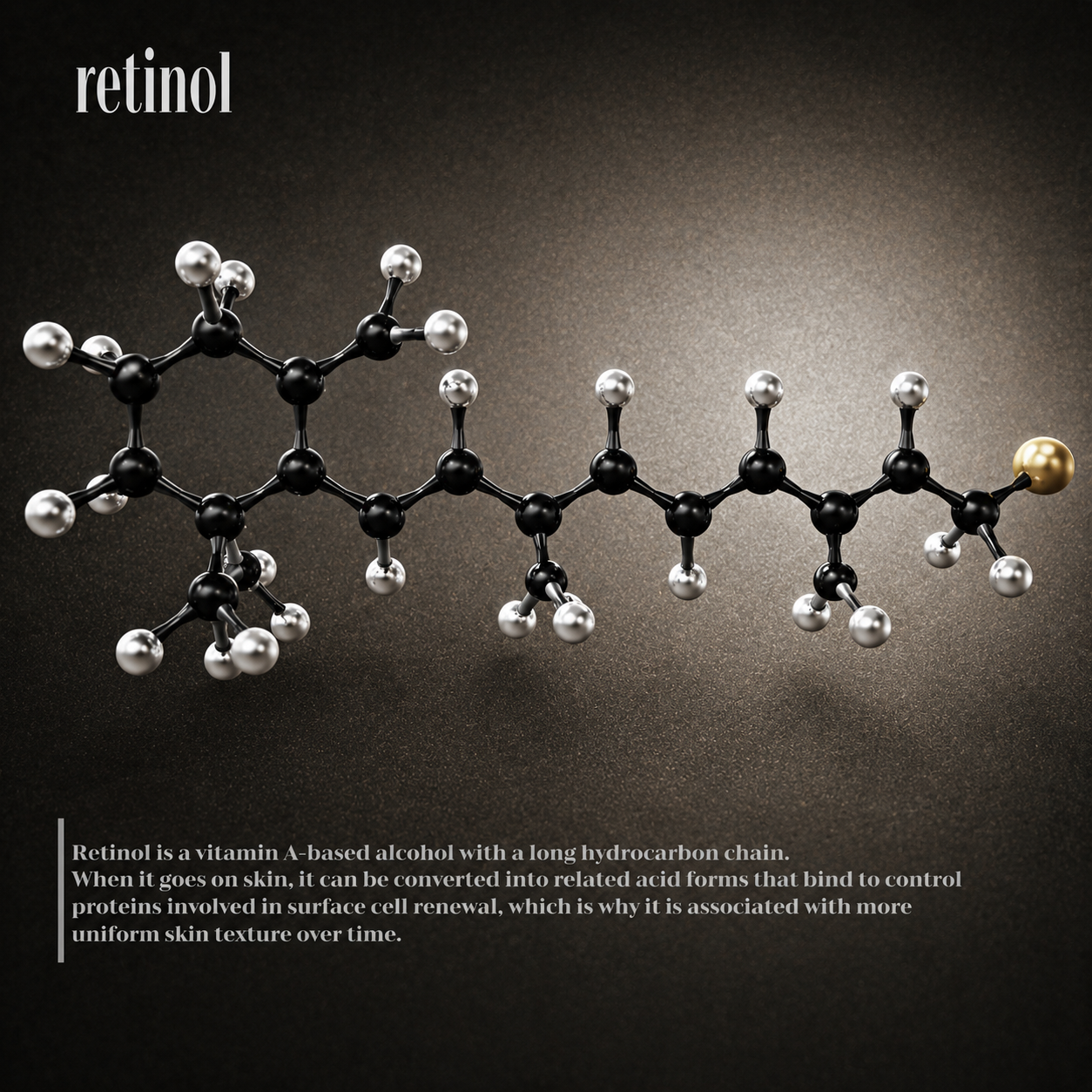
| Retinol | ⚠️ Use With Caution | Can temporarily impair the skin barrier during the adjustment period, making dehydration-related oiliness more noticeable. Barrier-supportive products become especially important. https://eloraclinic.com/retinol-serum-for-beginners-sensitive-skin-usa/ |
| Salicylic Acid (BHA) | ⚠️ Use With Caution | Beneficial for oily and acne-prone skin, but excessive use may increase dehydration and barrier disruption if overused. |
| Benzoyl Peroxide | ⚠️ Use With Caution | Effective for acne treatment but may contribute to dryness and irritation, requiring careful moisturization to maintain barrier health. |
| Strong Alcohol-Based Toners | ⚠️ Limited Compatibility | Can temporarily reduce surface oil while increasing dehydration and disrupting the skin barrier when used excessively. |
| Multiple Heavy Facial Oils | ⚠️ Use With Caution | Layering several occlusive oils may leave skin feeling greasy without improving hydration, particularly for oily or combination skin. |
Benefits vs. Limitations
| Benefits | Limitations |
|---|---|
| Helps explain that oiliness and hydration are separate biological processes. | No single moisturizer works for every skin type. |
| Encourages maintaining the skin barrier instead of aggressively removing oil. | Individual responses vary based on genetics, hormones, and climate. |
| Supports choosing moisturizers according to skin type rather than marketing claims. | Improvement often requires several weeks of consistent routine adjustments. |
| Helps distinguish dehydration from naturally oily skin. | Some underlying skin conditions require professional diagnosis and treatment. |
| Promotes gentle cleansing over harsh stripping routines. | Product texture preferences remain highly individual. |
| Encourages evidence-based ingredient selection. | Environmental factors such as humidity and seasonal changes influence results. |
| May reduce unnecessary product switching by identifying common causes of post-moisturizer shine. | Cosmetic products cannot permanently change genetically determined sebum production. |
| Reinforces long-term skin health rather than short-term oil removal. | Some trial and error is often necessary before finding an ideal routine. |
Evidence Snapshot
| Topic | Evidence Strength |
|---|---|
| Skin barrier disruption contributes to increased transepidermal water loss (TEWL). | Strong |
| Gentle moisturization supports healthier barrier function. | Strong |
| Oily skin can also be dehydrated. | Strong |
| Daily moisturization benefits oily skin when appropriate products are selected. | Strong |
| Niacinamide helps improve the appearance of excess oil and enlarged pores. | Strong |
| Ceramides help restore barrier integrity. | Strong |
| Hyaluronic acid supports skin hydration. | Strong |
| Applying excessive moisturizer can increase surface shine. | Moderate |
| Water-based moisturizers may feel more comfortable for oily skin than richer formulations. | Moderate |
| Climate influences moisturizer performance. | Moderate |
| Layering multiple occlusive products may reduce perceived absorption. | Moderate |
| Facial massage significantly changes long-term oil production. | Limited |
| Moisturizer permanently increases sebum production. | Insufficient |
| Skipping moisturizer is the best treatment for oily skin. | Insufficient |

Common Misconceptions
Myth 1: If my face is oily, I should stop using moisturizer.
This is one of the most widespread skincare misconceptions. Dermatology research consistently shows that maintaining hydration and supporting the skin barrier are important regardless of skin type. For many people searching Why Is My Face Oily After Moisturizer, eliminating moisturizer actually worsens dehydration and may contribute to continued oiliness. Additional guidance can be found in https://eloraclinic.com/why-is-my-skin-still-dry-after-moisturizer/.
Myth 2: Oily skin cannot be dehydrated.
Oil and water are completely different aspects of skin biology. Sebaceous glands produce oil, while hydration depends on water content and barrier function. A person may have significant facial oil while simultaneously experiencing dehydration, tightness, or increased transepidermal water loss.
Myth 3: A shiny face always means your skin produced more oil.
Not necessarily. Surface shine may simply reflect moisturizer, sunscreen, silicone-containing formulations, or richer emollients sitting on the skin. Distinguishing between product residue and actual sebum production is essential before changing an entire skincare routine.
Myth 4: The strongest cleanser is the best treatment for oily skin.
Over-cleansing frequently removes protective barrier lipids, increasing irritation and water loss. Modern dermatology generally recommends gentle cleansing rather than repeatedly stripping oil from the skin. The American Academy of Dermatology supports using gentle cleansers appropriate for individual skin types.
Myth 5: Natural oils can never make skin feel greasy.
Whether an ingredient is natural or synthetic says little about how heavy it feels. Some botanical oils are highly occlusive, while many synthetic emollients are specifically designed to provide a lightweight finish. Formulation characteristics matter much more than ingredient origin.
Myth 6: If a moisturizer feels greasy on the first day, it will never work.
Skin often requires time to adjust to changes in hydration and barrier support. Unless irritation, allergic reactions, or worsening acne develop, many dermatologists recommend evaluating a moisturizer over approximately two to four weeks before deciding whether it is truly incompatible with your skin.
Myth 7: Why Is My Face Oily After Moisturizer always has one simple cause.
In reality, multiple factors usually contribute simultaneously, including skin type, hydration status, barrier integrity, climate, routine structure, product layering, sunscreen, cleansing habits, and genetics. Addressing only one factor without evaluating the entire routine often produces inconsistent results.
Expert Perspective
From a dermatologist’s and cosmetic scientist’s perspective, Why Is My Face Oily After Moisturizer is rarely answered by looking at the moisturizer alone. Skin functions as an interconnected biological system where hydration, barrier integrity, sebum production, the skin microbiome, environmental conditions, and product formulation all influence one another. Focusing on only one visible symptom—such as shine—often overlooks the underlying physiological processes responsible for it.
One of the most common clinical observations is that people confuse surface shine with healthy hydration. In reality, sebum is produced by sebaceous glands while hydration depends on adequate water content within the stratum corneum. A face may appear shiny yet still experience increased transepidermal water loss (TEWL), impaired barrier lipids, and reduced natural moisturizing factors (NMFs). Understanding this distinction allows treatment decisions to focus on restoring skin function rather than simply reducing visible oil.
Another important consideration is formulation science. Cosmetic products are designed using different ratios of humectants, emollients, and occlusives, each serving a distinct biological role. Humectants such as glycerin and hyaluronic acid attract water into the outer layers of the skin. Emollients improve smoothness and flexibility, while occlusives reduce water evaporation by forming a protective layer. No category is inherently “better”; the appropriate balance depends on skin type, climate, barrier health, and the rest of the skincare routine.
People who repeatedly search Why Is My Face Oily After Moisturizer often discover that the problem is not excessive oil production but rather an imbalance between water retention and surface lipids. This explains why aggressively removing oil through frequent cleansing or drying toners may temporarily reduce shine but frequently results in additional dehydration, encouraging the cycle to continue.
Supporting barrier function has therefore become a central principle in modern dermatology. Maintaining healthy ceramide levels, minimizing unnecessary irritation, selecting gentle cleansers, and using moisturizers appropriate for the individual’s skin type generally produce better long-term outcomes than attempting to eliminate every trace of facial oil. Readers interested in barrier recovery may also benefit from https://eloraclinic.com/skin-barrier-repair-guide/, https://eloraclinic.com/how-to-repair-skin-barrier-naturally/, and https://eloraclinic.com/repair-damaged-skin-barrier-fast/.
Likewise, moisturizer selection should evolve alongside changes in the environment. A formulation that performs well during winter may feel excessively rich during humid summer months. Instead of searching for one universally perfect moisturizer, dermatologists typically recommend adapting skincare routines according to climate, seasonal humidity, skin condition, and age.
Finally, patience remains one of the most overlooked aspects of skincare. The skin barrier requires time to recover after routine changes, over-cleansing, or excessive exfoliation. Unless significant irritation develops, evaluating products over several weeks generally provides a more accurate assessment than changing products every few days. Consistency, appropriate ingredient selection, and barrier preservation remain the cornerstones of evidence-based skincare.
Practical Recommendations
For Beginners
If you’re new to skincare and wondering Why Is My Face Oily After Moisturizer, begin by simplifying your routine instead of adding more products.
A beginner-friendly routine typically includes:
- A gentle, non-stripping cleanser.
- A lightweight moisturizer matched to your skin type.
- Broad-spectrum SPF 30 or higher every morning.
- Introducing only one new skincare product every two to four weeks.
Avoid using multiple exfoliating acids, retinoids, or drying acne treatments simultaneously until your skin has adapted. Readers looking for a structured routine may find https://eloraclinic.com/daily-skincare-routine-by-skin-type-usa/ and https://eloraclinic.com/simple-3-serum-skincare-routine-guide/ helpful starting points.
For Intermediate Skincare Users
If you’ve already established a skincare routine but continue experiencing post-moisturizer oiliness, evaluate the routine as a whole rather than focusing on a single product.
Consider:
- Reducing the amount of moisturizer before replacing it.
- Avoiding unnecessary layering of several heavy products.
- Matching moisturizer texture to seasonal humidity.
- Supporting hydration before increasing occlusive products.
- Introducing barrier-supportive ingredients such as niacinamide, ceramides, panthenol, peptides, or amino acids where appropriate.
Helpful educational resources include:
- https://eloraclinic.com/how-to-layer-serums-skincare-routine/
- https://eloraclinic.com/serum-routine-order-morning-night-usa/
- https://eloraclinic.com/water-based-serum-routine-usa/
- https://eloraclinic.com/water-based-vs-oil-based-serums-hydration-usa/
For individuals whose oiliness is accompanied by enlarged pores or congestion, the Elora Clinic Niacinamide 20 Serummay complement a barrier-focused routine:
https://eloraclinic.com/product/niacinamide-20-serum/
Likewise, those experiencing oily yet dehydrated skin may prefer lightweight hydration from the Elora Clinic Inositol Serum:
https://eloraclinic.com/product/inositol/
For Experienced Skincare Users
Experienced skincare users often benefit most from optimizing formulation compatibility rather than increasing routine complexity.
Recommendations include:
- Evaluate cumulative occlusivity across your entire routine rather than judging individual products.
- Adjust moisturizer richness according to seasonal humidity and environmental conditions.
- Consider whether sunscreen, primer, or foundation contributes more to surface shine than moisturizer itself.
- Monitor barrier health during retinoid or exfoliating acid use.
- Introduce one routine modification at a time to better identify which changes improve or worsen oiliness.
Advanced users may also benefit from reviewing:
- https://eloraclinic.com/how-to-know-if-your-skincare-products-are-actually-absorbing/
- https://eloraclinic.com/should-you-rotate-serums-skincare-routine/
- https://eloraclinic.com/why-did-my-skincare-stop-working/
- https://eloraclinic.com/how-to-rebuild-a-skincare-routine-from-scratch/
Regardless of experience level, persistent oiliness accompanied by severe irritation, inflammatory acne, eczema, rosacea, or unexplained skin changes should be evaluated by a qualified dermatologist.

Bottom Line
If you’ve been searching Why Is My Face Oily After Moisturizer, remember that visible shine is only one part of a much larger picture. Excess oil after moisturizing does not automatically mean your moisturizer is unsuitable, nor does it mean you should eliminate moisturizer from your routine. In many cases, post-moisturizer oiliness reflects the interaction between hydration, sebum production, barrier function, product formulation, application technique, and environmental conditions.
The most effective long-term strategy is usually not stronger cleansers or less moisturizer, but selecting formulations appropriate for your skin type, supporting barrier health, maintaining adequate hydration, and simplifying your routine when necessary. Gentle cleansing, consistent moisturization, and patience often provide better results than repeatedly changing products or attempting to remove every trace of facial oil.
For continued learning, explore the Elora Clinic Education Center (https://eloraclinic.com/education/) along with related guides such as https://eloraclinic.com/oily-and-dehydrated-skin-causes-and-fix/, https://eloraclinic.com/skin-barrier-repair-guide/, and https://eloraclinic.com/how-to-layer-serums-skincare-routine/. Current evidence from organizations including the American Academy of Dermatology, the National Institutes of Health, the National Eczema Association, and the Cleveland Clinic consistently supports individualized skincare routines that prioritize barrier integrity, appropriate hydration, and long-term skin health over aggressive oil removal.

About the Founder
Elora Ellis is the founder of Elora Clinic, a science-driven skincare company focused on evidence-based formulations, ingredient compatibility, and long-term skin barrier health. Through Elora Clinic’s educational resources, she helps consumers understand the science behind common skincare concerns and build routines that prioritize healthy skin over short-term trends.
Learn more:
Explore the Education Center:
Final Thoughts
If you’ve been asking why is my face oily after moisturizer, remember that the answer is rarely as simple as “your moisturizer is too greasy.” In many cases, excess shine is the result of an imbalance between hydration, oil production, barrier function, product compatibility, and application technique.
Instead of removing moisturizer from your routine, focus on choosing formulas that match your skin type, applying the appropriate amount, and supporting your skin barrier with consistent, gentle care. Over time, these adjustments often lead to skin that feels more comfortable, looks less greasy, and maintains healthier hydration throughout the day.
Healthy skin isn’t completely matte—it is balanced. Understanding the difference can help you make smarter skincare decisions and build a routine that works with your skin instead of against it.
Skincare is personal—and results matter.
If you want to see how others are actually using these formulas and what results they’re getting, browse real customer reviews here:
→ https://eloraclinic.com/reviews/