How Pollution Damages Your Skin Barrier — and the Best Antioxidant Routine to Protect It (USA Guide)

Why pollution-exposed skin is becoming one of the biggest skincare concerns in the USA
If you live in the United States—especially in high-traffic, high-pollution areas like California, New York, Texas, Nevada, or Illinois—your skin is exposed to environmental stressors every single day. Air pollution, particulate matter (PM2.5), ozone, cigarette smoke, and industrial toxins don’t just sit on the surface of your skin. They penetrate the skin barrier, trigger oxidative stress, and silently accelerate aging.
Over time, this exposure leads to:
- Dull, tired-looking skin
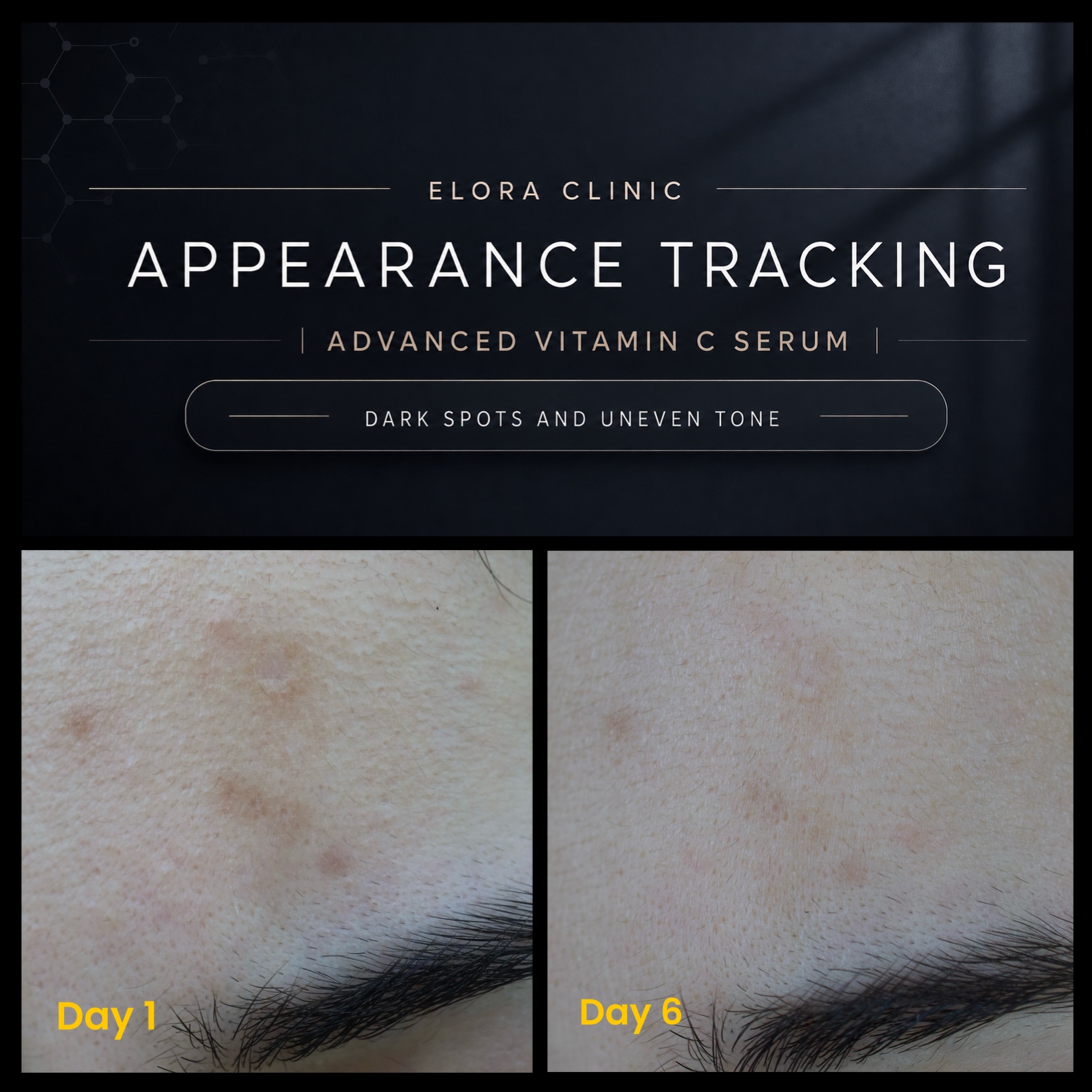
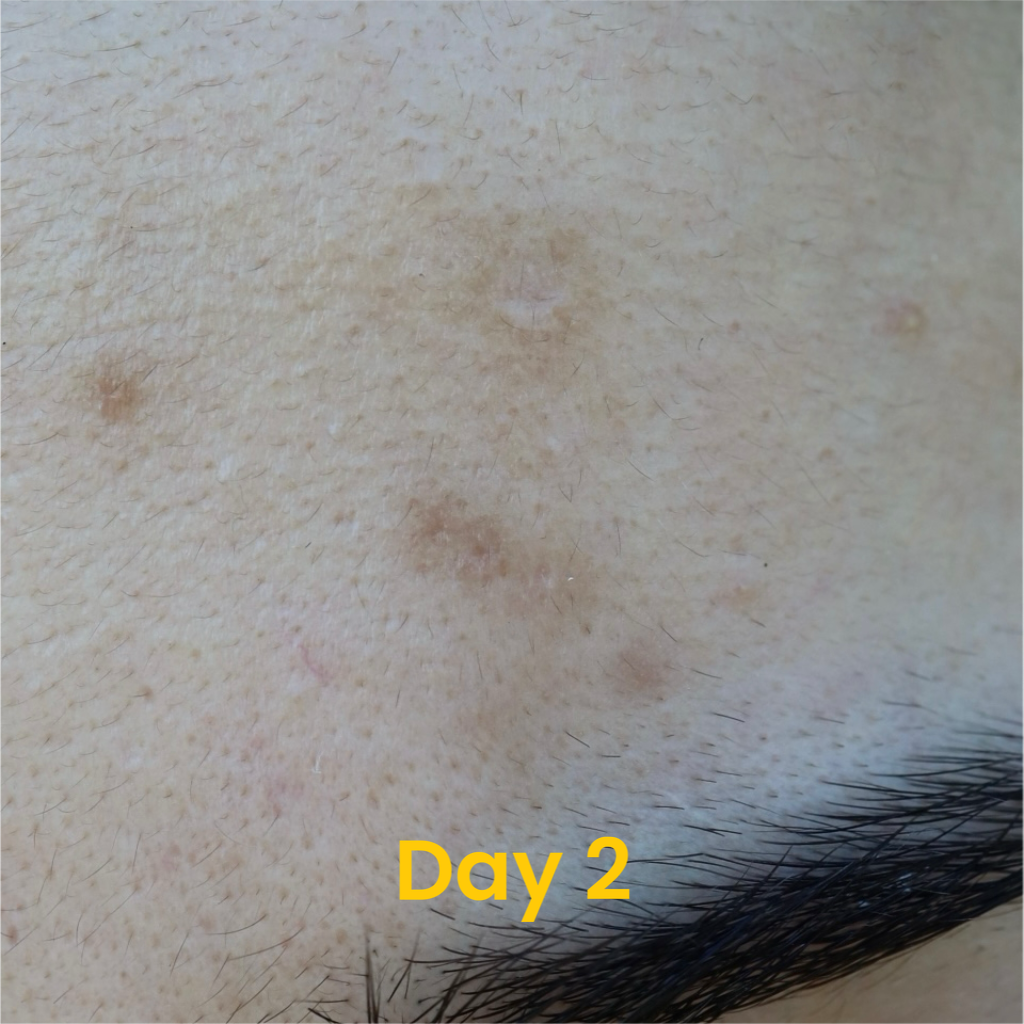
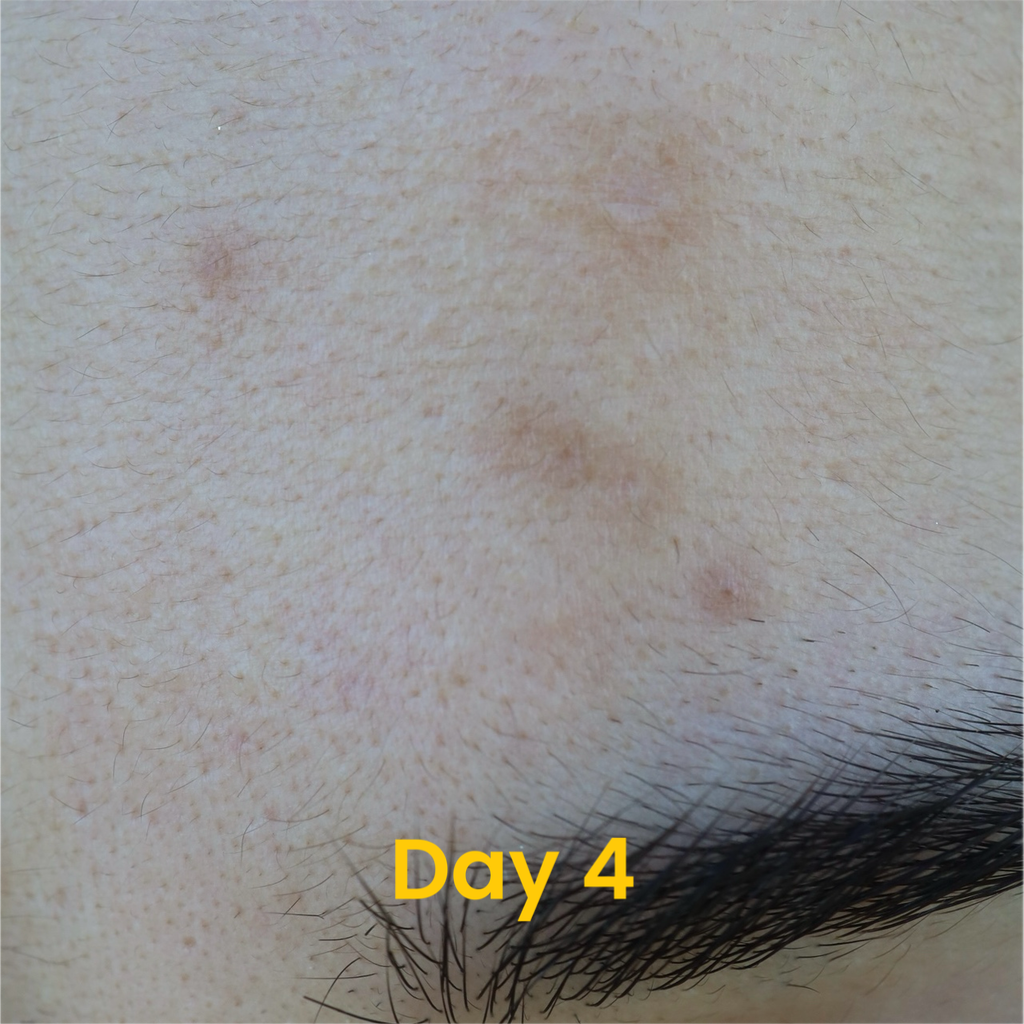
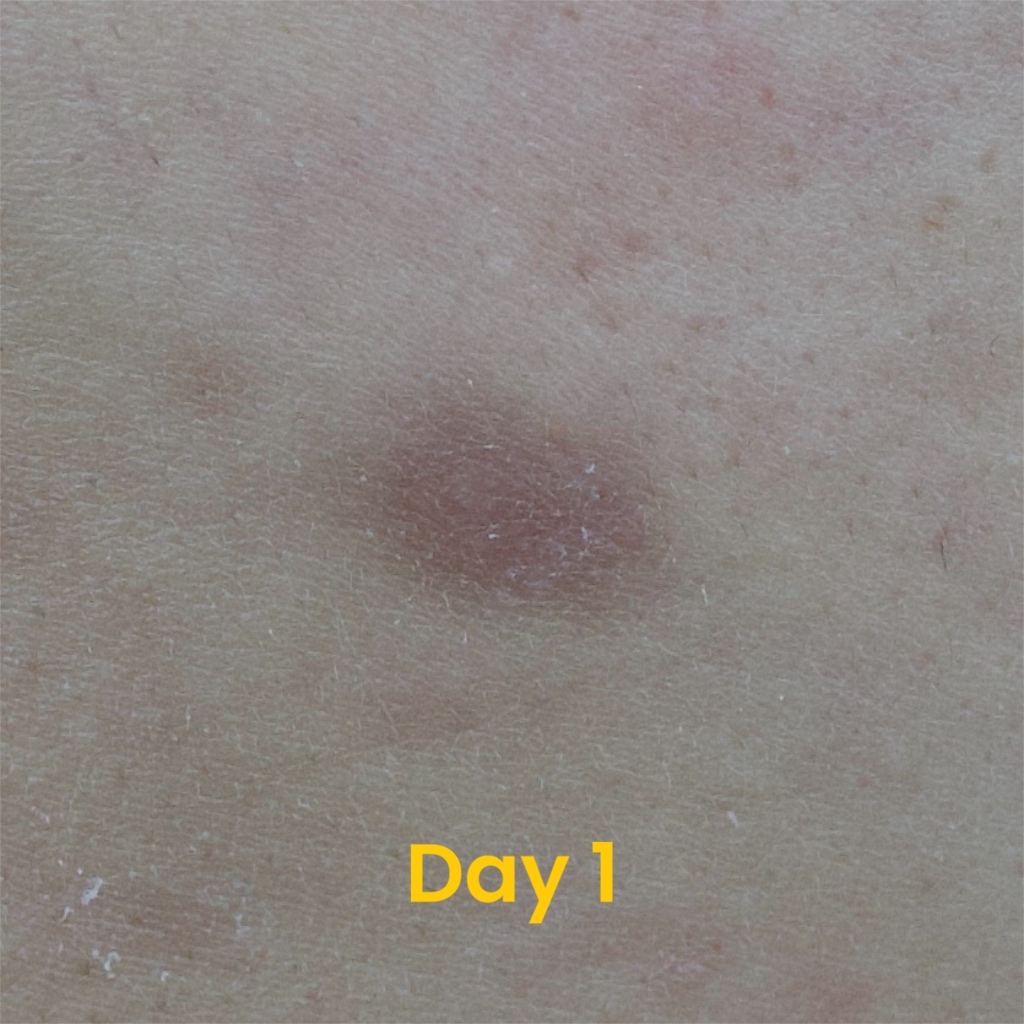
- Uneven skin tone and dark spots
- Increased sensitivity and redness
- Weakened skin barrier function
- Faster collagen breakdown
This is why pollution-exposed skin requires a different skincare strategy—one that focuses on barrier protection, antioxidants, and daily defense, not aggressive treatments.
This guide explains:
- How pollution damages your skin barrier
- Why antioxidants are essential for polluted environments
- How to build a science-backed antioxidant routine
- Which ingredients matter most
- How to protect skin in U.S. climates and cities
How pollution actually damages the skin barrier (science-backed explanation)
Your skin barrier (stratum corneum) is designed to protect you—but pollution overwhelms it.
1. Particulate matter penetrates the barrier
Microscopic pollution particles (PM2.5) are small enough to enter pores and hair follicles. Once inside, they generate free radicals, destabilizing the lipid matrix that keeps skin hydrated and resilient.
2. Oxidative stress breaks down collagen and elastin
Pollution increases reactive oxygen species (ROS), which:
- Degrade collagen
- Accelerate fine lines
- Increase pigmentation
3. Inflammation weakens barrier repair
Chronic low-grade inflammation reduces your skin’s ability to regenerate, leading to:
- Prolonged redness
- Increased TEWL (water loss)
- Sensitivity to products
This is why pollution damage often mimics premature aging, even in younger skin.
➡️ For a deeper breakdown, see the pillar page:
https://eloraclinic.com/pollution-skin-barrier-damage-protection-guide/
Signs your skin is suffering from pollution exposure
Pollution-exposed skin doesn’t always look irritated. Common signs include:
- Skin looks tired even after sleep
- Makeup doesn’t sit well
- Sudden sensitivity to products
- Persistent dullness
- Uneven pigmentation that’s hard to fade
If you recognize these symptoms, your skin likely needs daily antioxidant support, not exfoliation or harsh actives.
Why antioxidants are the foundation of pollution defense skincare
Antioxidants neutralize free radicals before they damage skin cells.
Think of them as daily armor against environmental stress.
What antioxidants do for pollution-exposed skin:
- Neutralize oxidative stress
- Reduce inflammation
- Protect collagen fibers
- Support skin barrier recovery
- Improve brightness and clarity
This is why antioxidant serums are the most important step for anyone living in polluted or urban U.S. environments.
Learn more here:
https://eloraclinic.com/best-antioxidant-serum-for-glowing-skin/

The most effective antioxidant ingredients for polluted skin
Vitamin C (L-Ascorbic Acid)
Vitamin C is one of the most researched antioxidants in dermatology.
Benefits:
- Neutralizes pollution-induced free radicals
- Brightens uneven skin tone
- Supports collagen synthesis
- Reduces dullness from environmental stress
Best used in the morning under sunscreen.
🔗 Internal education link:
https://eloraclinic.com/vitamin-c-serum/
🛒 Walmart product (appropriate placement):
https://www.walmart.com/ip/Elora-Clinic-Vitamin-C-Serum-Serum-Face-Hyaluronic-Acid-Hydrating-l-ascorbic-acid-Sensitive-Skin/2137657737
🛍️ Direct product page:
https://eloraclinic.com/product/vitaminc/
Vitamin E (Tocopherol)
Vitamin E works synergistically with Vitamin C, strengthening barrier defense.
Benefits:
- Protects lipid membranes
- Calms pollution-induced inflammation
- Improves moisture retention
- Supports barrier repair
🔗 Learn more:
https://eloraclinic.com/vitamin-e-serum-benefits/
🛒 Walmart product:
https://www.walmart.com/ip/Elora-Clinic-Vitamin-E-Serum-Rejuvenating-Moisturizing-Vitamin-E-Oil-for-Face/2219516291
🛍️ Direct product page:
https://eloraclinic.com/product/vitamine/
How pollution impacts skin differently across U.S. climates
California & Nevada
- Smog + UV exposure
- Leads to pigmentation and oxidative stress
New York & Illinois
- Industrial pollution + cold winters
- Weakens barrier, increases sensitivity
Texas & Arizona
- Heat + ozone pollution
- Accelerates dehydration and dullness
This is why a consistent antioxidant routine matters more than your cleanser or exfoliant.
The best antioxidant routine for pollution-exposed skin (step-by-step)
Morning routine (most critical)
- Gentle cleanser
- Antioxidant serum (Vitamin C)
- Barrier-support serum if needed
- Moisturizer
- Broad-spectrum sunscreen
Learn layering best practices:
https://eloraclinic.com/how-to-layer-serums-skincare-routine/
Evening routine
- Cleanse (double cleanse if you wear makeup/SPF)
- Antioxidant or barrier-support serum
- Moisturizer
For stressed skin routines:
https://eloraclinic.com/best-antioxidant-serum-routine-pollution-exposed-skin-usa/

Common mistakes people make with pollution skincare
- Over-exfoliating polluted skin
- Using harsh acids daily
- Skipping antioxidants because skin “isn’t acne-prone”
- Thinking sunscreen alone is enough
Pollution damage is oxidative, not just UV-related.
Who should prioritize pollution defense skincare?
You should use daily antioxidants if you:
- Live in a city
- Commute daily
- Exercise outdoors
- Work near traffic or industrial zones
- Travel frequently
In the USA, that’s most people.
External authority reference (credibility)
According to research published by the National Center for Biotechnology Information (NCBI), air pollution is directly linked to increased oxidative stress, skin aging, and barrier dysfunction.
🔗 External reference:
https://www.ncbi.nlm.nih.gov/pmc/articles/PMC5614597/
Final takeaway
Pollution damage is silent—but cumulative.
The solution isn’t aggressive treatments.
It’s consistent antioxidant protection, barrier support, and routines designed for real U.S. environments.