















How Air Pollution Damages Your Skin Barrier (PM2.5, Urban Smog & Daily Protection) — USA Guide

Air pollution is no longer just a lung health concern. In major U.S. cities — from Los Angeles and San Diego to New York, Chicago, and Houston — pollution has become one of the most underestimated causes of premature skin aging, sensitivity, and barrier damage.
If your skin feels:
- Chronically dry or irritated
- Dull despite a consistent routine
- More reactive in urban environments
There’s a strong chance pollution exposure is playing a role.
This guide explains how air pollution damages the skin barrier, what PM2.5 particles actually do to your skin, and how to build a science-backed daily routine to protect and repair pollution-exposed skin — especially in U.S. climates.
What Is Air Pollution (and Why Skin Is So Vulnerable)?
Air pollution is a mixture of microscopic particles and gases produced by:
- Vehicle emissions
- Industrial activity
- Construction dust
- Wildfires
- Urban smog
The most damaging type for skin is PM2.5 — particulate matter smaller than 2.5 microns.
To put this into perspective:
- PM2.5 particles are smaller than pores
- They can penetrate the skin barrier
- They trigger oxidative stress and inflammation
Skin is your body’s first line of defense, which makes it especially vulnerable.
How PM2.5 Penetrates the Skin Barrier
Healthy skin relies on a tightly organized barrier made of:
- Lipids
- Proteins
- Natural moisturizing factors
When PM2.5 settles on the skin surface, it can:
- Disrupt lipid organization
- Increase transepidermal water loss (TEWL)
- Trigger inflammatory pathways
- Generate free radicals
Over time, this leads to:
- Barrier breakdown
- Sensitivity
- Dehydration
- Uneven tone
This process happens silently, even if you don’t see immediate irritation.
Pollution vs UV Damage — Why Pollution Is More Insidious
Unlike UV exposure, pollution damage:
- Occurs 24/7
- Penetrates indoors
- Accumulates over time
- Is harder to “feel” immediately
This is why people in urban U.S. areas often experience:
- Premature fine lines
- Chronic dullness
- Redness without visible triggers

Signs Your Skin Barrier Is Suffering From Pollution
You may be dealing with pollution-related barrier damage if you notice:
- Increased sensitivity to products
- Redness without breakouts
- Dehydration even with moisturizers
- Makeup sitting poorly on the skin
- Skin feeling tight by midday
For a deeper breakdown, see:
https://eloraclinic.com/signs-of-skin-barrier-damage-usa/
The Role of Oxidative Stress in Pollution Damage
PM2.5 particles generate reactive oxygen species (ROS) when they contact skin.
These free radicals:
- Damage collagen
- Impair barrier enzymes
- Accelerate aging
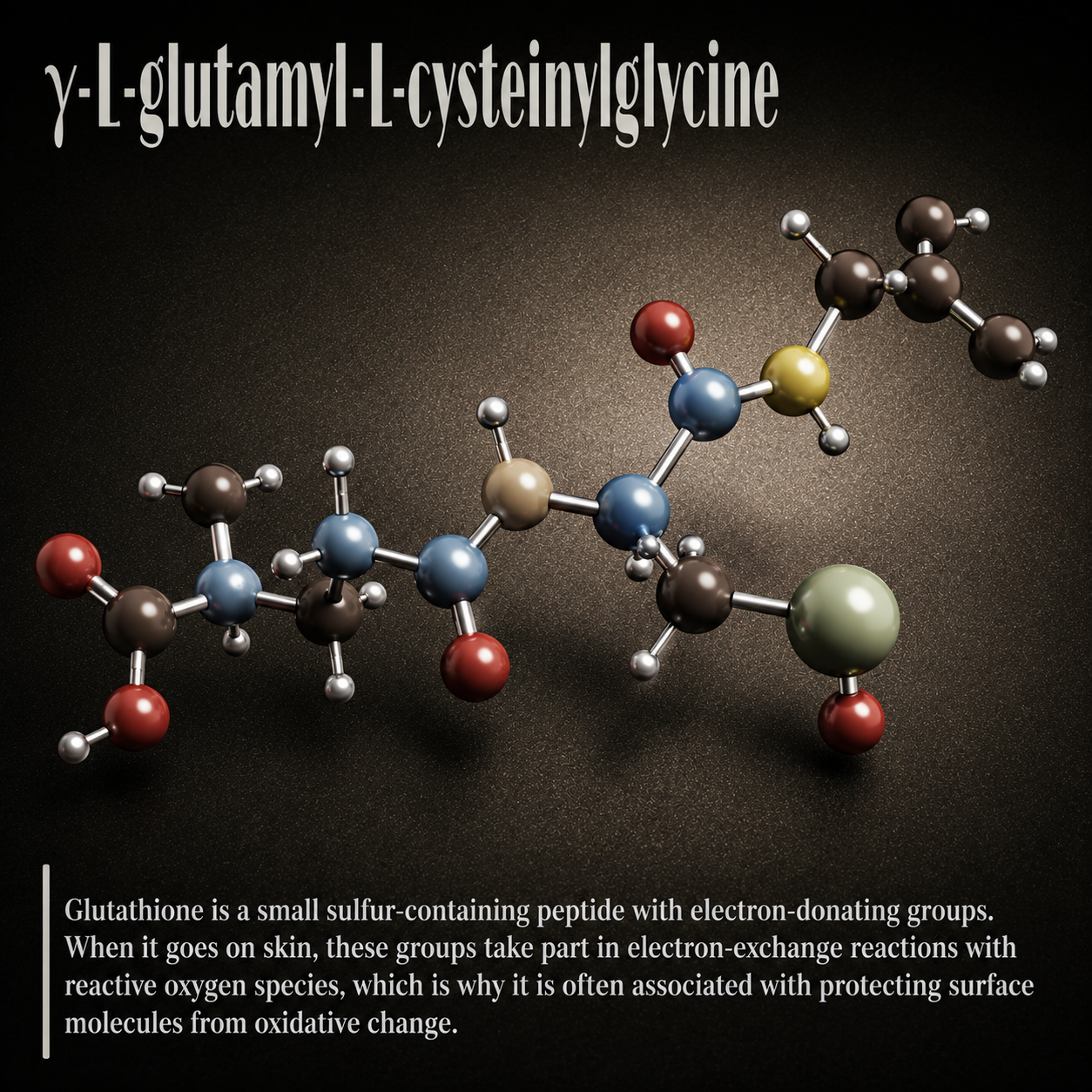
This is why antioxidant defense is critical for pollution-exposed skin.
Best Ingredients to Protect Skin From Pollution
1. Antioxidants (Defense + Repair)
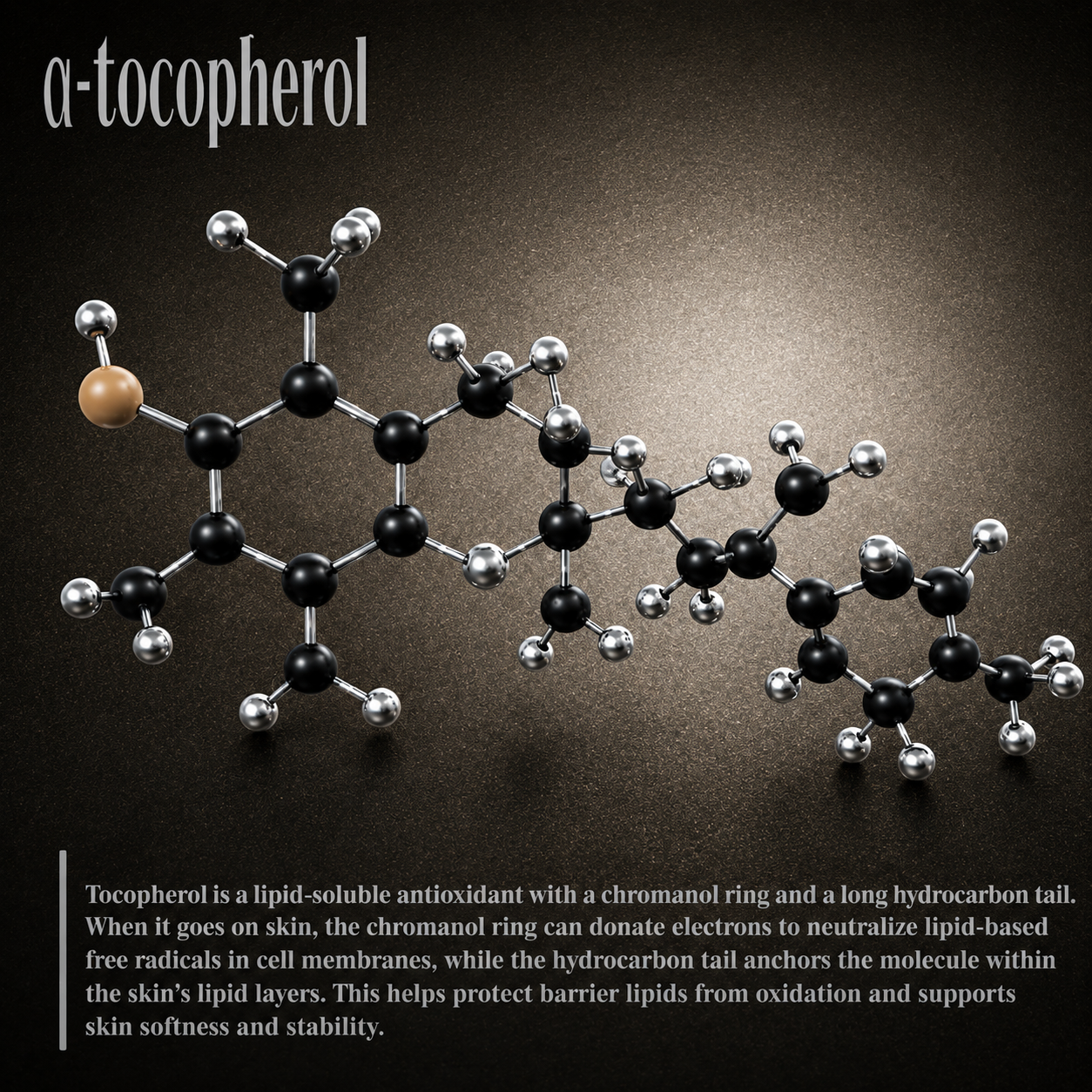
Antioxidants neutralize free radicals generated by pollution exposure.
Look for:
- Plant-derived antioxidants
- Vitamin-based antioxidants
- Polyphenol-rich extracts
Learn more here:
https://eloraclinic.com/antioxidant-serum-benefits-2/
2. Hydration-Supporting Ingredients
Pollution weakens the barrier’s ability to retain water.
Effective hydration-supporting ingredients:
- Hyaluronic acid
- Glycerin
- Skin-identical humectants
These help reduce TEWL caused by pollution exposure.
3. Barrier-Supportive Actives
A strong barrier prevents PM2.5 penetration in the first place.
Helpful ingredients include:
- Amino acids
- Peptides
- Panthenol
See:
https://eloraclinic.com/how-to-repair-skin-barrier-naturally/
Ingredients That Can Make Pollution Damage Worse
Avoid overusing:
- Strong exfoliating acids
- Alcohol-heavy toners
- Over-cleansing routines
These weaken the barrier and make pollution penetration easier.
Daily Anti-Pollution Skincare Routine (USA)
Morning Routine (Urban Defense)
- Gentle cleanse (non-stripping)
- Apply a lightweight antioxidant serum
- Seal with moisturizer
- Sunscreen (pollution and UV work synergistically)
For routine guidance:
https://eloraclinic.com/best-skincare-routine-pollution-exposed-skin-usa/
Evening Routine (Repair Mode)
- Thorough but gentle cleanse
- Hydration-focused serum
- Barrier-supporting moisturizer
Nighttime is when skin repairs pollution-induced damage most effectively.
Best Serum Texture for Pollution-Exposed Skin
Water-Based Serums (Best for Daily Use)
- Do not trap pollutants
- Absorb quickly
- Work well under sunscreen
Heavy Occlusives (Use With Caution)
- Can trap pollution if applied during the day
- Better reserved for nighttime use
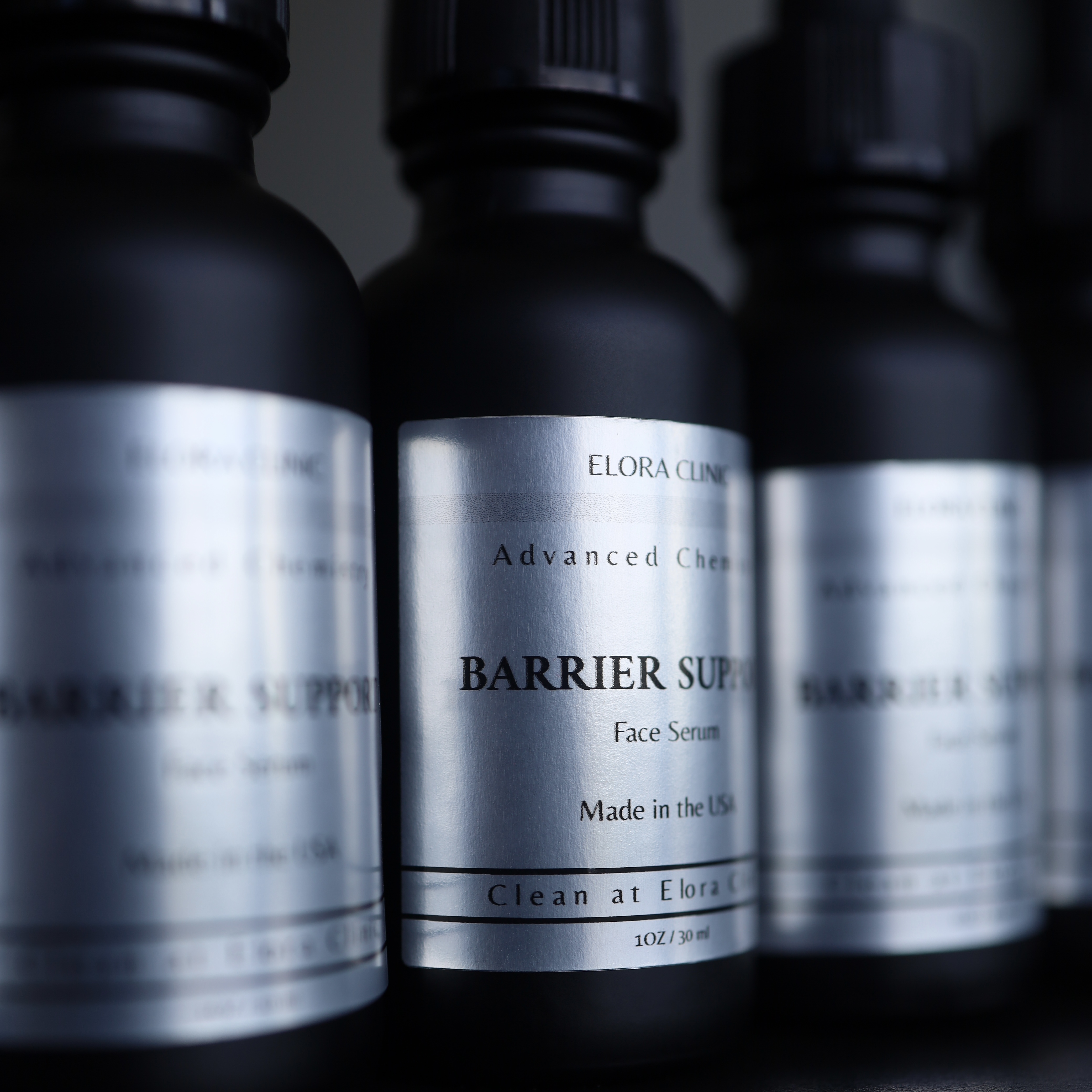
Recommended Antioxidant Serum for Pollution-Exposed Skin
A water-based antioxidant serum with hydrating support is ideal for daily pollution defense in U.S. cities.
This type of serum:
- Neutralizes oxidative stress
- Supports the skin barrier
- Layers easily under sunscreen
🔗 Product Page:
https://eloraclinic.com/product/vitaminc/
🔗 Walmart Listing (Lightweight Antioxidant, Water-Based):
https://www.walmart.com/ip/Elora-Clinic-Vitamin-C-Serum-Serum-Face-Hyaluronic-Acid-Hydrating-l-ascorbic-acid-Sensitive-Skin/2137657737
(Appropriate for pollution-exposed skin due to antioxidant support and non-occlusive texture.)
Pollution Exposure in U.S. Cities — Why Routine Matters
Cities with high pollution exposure include:
- Los Angeles
- San Diego
- New York
- Houston
- Phoenix
Even suburban areas experience pollution drift.
This makes daily antioxidant protection essential, not optional.
External Scientific Reference
Air pollution and skin barrier damage overview:
https://www.ncbi.nlm.nih.gov/pmc/articles/PMC7601158/

Final Takeaway
Pollution doesn’t just sit on the surface — it penetrates, disrupts, and weakens your skin barrier over time. Protecting your skin requires:
- Antioxidant defense
- Hydration support
- Barrier-focused routines
When done consistently, you can significantly reduce pollution-related skin damage — even in heavily urbanized U.S. environments.