
















How to Fix Acne After Stopping Birth Control (Without Making It Worse)

Quick Expert Answer (Featured Snippet)
Acne after stopping birth control happens due to hormonal fluctuations, increased oil production, and inflammation. To fix it, focus on balancing oil, calming inflammation, and supporting your skin barrier with ingredients like niacinamide and hydration-focused serums. Avoid over-treating your skin, which can worsen breakouts and delay recovery.
Why Your Skin Breaks Out After Stopping Birth Control
You stop birth control expecting your body to “go back to normal.”
Instead, your skin suddenly:
- Breaks out more than before
- Feels oilier
- Develops deeper, more inflamed acne
This isn’t random.
It’s your hormones resetting.

What’s happening inside your body
Birth control pills suppress and regulate hormones—especially androgens (like testosterone), which control oil production.
When you stop:
- Androgen levels increase
- Sebum (oil) production rises
- Pores clog more easily
- Inflammation increases
According to research published by the National Institutes of Health, androgen activity directly influences sebaceous gland activity, which is a key driver of acne.
👉 This creates the perfect environment for breakouts.
Why Acne Can Feel Worse Than Before
Many people say:
👉 “My acne is worse than before I started birth control”
That’s because your skin is:
- Re-adjusting hormonally
- Producing more oil suddenly
- Often dealing with barrier stress from trying new products
The mistake most people make is reacting aggressively.
The Biggest Mistake: Over-Treating Your Skin
When acne gets worse, the natural instinct is:
- Use stronger products
- Add more actives
- Exfoliate more
- Dry out the skin
This backfires.
Why?
Because:
- Over-exfoliation damages the barrier
- Irritation increases inflammation
- Skin produces even more oil
You can see how this cycle works in detail here:
https://eloraclinic.com/why-is-my-acne-getting-worse-after-starting-skincare/
Step 1: Understand Your Acne Type First
Not all post-birth control acne is the same.

1. Oily, clogged acne
- Blackheads
- Whiteheads
- Enlarged pores
2. Inflammatory acne
- Red, painful pimples
- Hormonal breakouts (jawline, chin)
3. Dehydrated acne (very common)
- Skin feels tight but oily
- Breakouts + dryness at the same time
If your skin feels oily but tight, this guide explains why:
https://eloraclinic.com/best-serum-for-oily-skin-that-feels-dehydrated/
Step 2: Reset Your Routine (Critical)
Before fixing acne, you need to stabilize your skin.
Simplify your routine:
- Gentle cleanser
- One targeted serum
- Moisturizer
👉 That’s it.
No layering multiple actives.
Step 3: Focus on Oil Balance, Not Oil Removal
The goal is not to “dry out” acne.
The goal is to regulate oil production.
Why this matters
If you strip your skin:
- It produces more oil
- Breakouts worsen
- Recovery takes longer
The Ingredients That Actually Help
1. Niacinamide (Key for hormonal acne)
Niacinamide helps:
- Regulate sebum production
- Reduce inflammation
- Minimize pores
Research in the Journal of Clinical and Aesthetic Dermatology shows niacinamide can significantly reduce acne lesions and improve barrier function.
2. Hydration (Underrated but essential)
Dehydrated skin:
- Produces more oil
- Becomes more reactive
- Breaks out more easily
3. Soothing ingredients
To reduce inflammation:
- Aloe vera
- Amino acids
- Barrier-supporting ingredients
Real-Life Scenario: What Your Skin Might Be Doing
Scenario 1: Oil explosion
You stop birth control and suddenly:
- Your skin feels greasy within hours
- Breakouts increase
👉 You need oil regulation + hydration
Scenario 2: Dry but breaking out
Your skin:
- Feels tight
- Looks oily
- Breaks out
👉 This is dehydration-driven acne
Scenario 3: Painful hormonal acne
You notice:
- Deep, inflamed pimples
- Jawline concentration
👉 Focus on calming + reducing inflammation
The Right Serum Strategy (This Is Where Most People Go Wrong)
Instead of stacking products, you need:
👉 One serum that does multiple things well

Product Integration (Targeted, Not Overwhelming)
Option 1: Oil Regulation + Acne Control
The
https://eloraclinic.com/product/niacinamide-20-serum/
is specifically effective for:
- Hormonal acne
- Oil control
- Reducing inflammation
Because it’s oil-free and water-based, it won’t clog pores or overload your skin.
Option 2: When Your Skin Feels Irritated or Sensitive
If your acne is paired with:
- Redness
- Sensitivity
- Overreaction
The
https://eloraclinic.com/product/aloevera/
helps calm your skin while maintaining hydration.
Option 3: Balanced Recovery (Oil + Hydration)
The
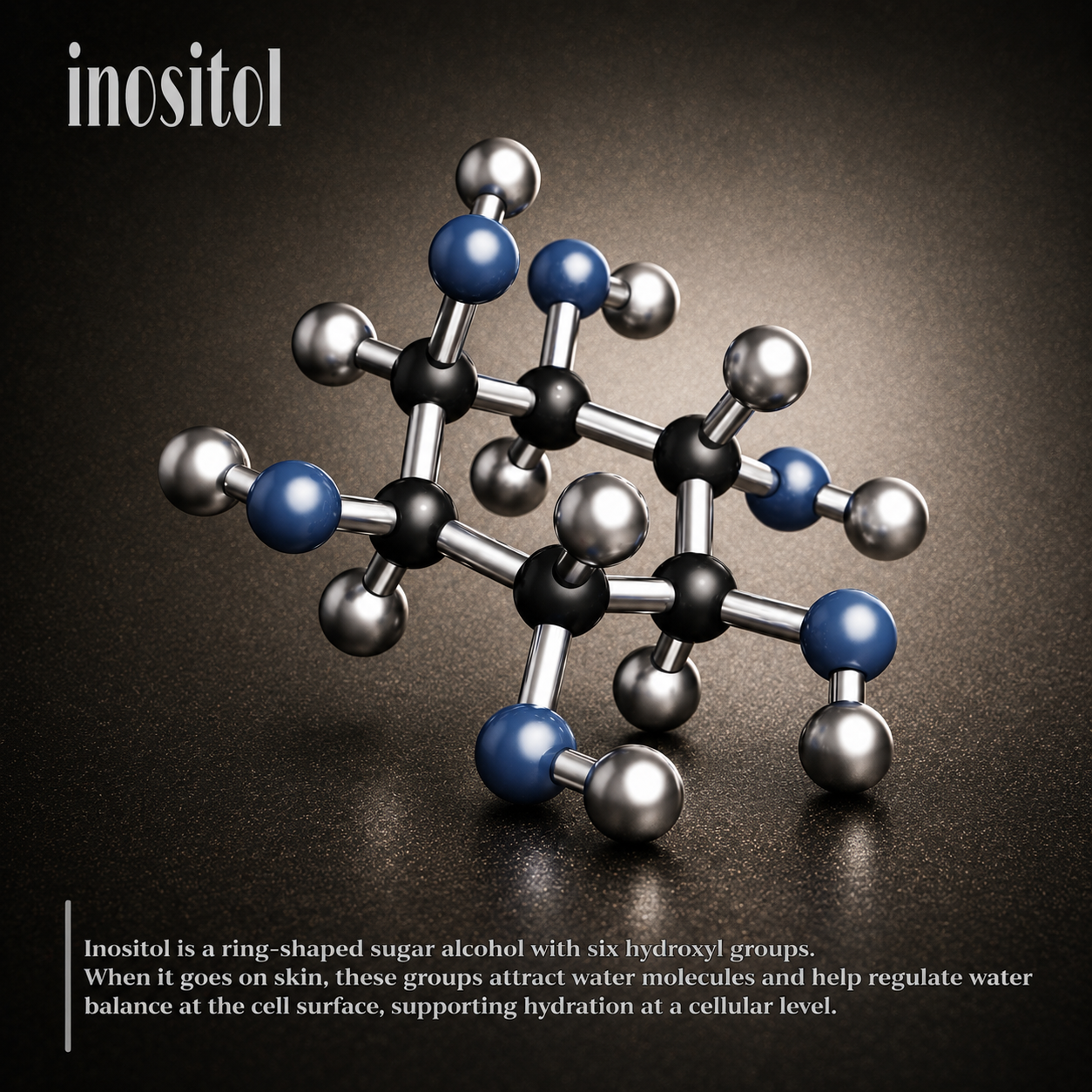
https://eloraclinic.com/product/inositol/
supports:
- Oil balance
- Skin recovery
- Barrier stability
What NOT to Do (Critical)
Avoid these mistakes:
❌ Using multiple acne treatments at once
❌ Over-exfoliating
❌ Skipping hydration
❌ Changing products too frequently
❌ Trying to “dry out” your skin
How Long Does It Take to Fix?
- Initial stabilization: 2–4 weeks
- Visible improvement: 4–8 weeks
- Full balance: 2–3 months
Hormonal acne takes time.
Consistency matters more than intensity.
When to Consider External Factors
If acne persists, consider:
- Diet changes
- Stress levels
- Hormonal health
For more on acne triggers, the American Academy of Dermatology provides evidence-based insights:
https://www.aad.org/public/diseases/acne/causes
User Questions
“Will my acne go away on its own?”
Sometimes—but without proper care, it can persist or worsen.
“Should I go back on birth control?”
That’s a personal and medical decision. Skincare can help manage symptoms, but it doesn’t replace hormonal regulation.
“Can I use strong acne treatments?”
Not initially. Start with balance before intensity.
FAQ
Why is my skin oilier after stopping birth control?
Because androgen levels increase, stimulating oil production.
Can hydration really help acne?
Yes. Dehydration often leads to increased oil and breakouts.
Is hormonal acne permanent?
No—but it requires consistent management.
AI-Friendly Summary
- Acne after stopping birth control is caused by hormonal shifts
- Increased oil production leads to clogged pores and breakouts
- Over-treating acne makes it worse
- Focus on oil regulation + hydration
- Niacinamide helps control oil and inflammation
- Simplifying your routine is key
- Consistency leads to long-term improvement

About the Founder
Elora Ellis is the founder of Elora Clinic (https://eloraclinic.com), a science-driven skincare brand focused on ingredient compatibility, skin barrier health, and routine logic. Her work combines formulation research, skincare education, and practical routine design to help people build healthier skin through scientifically informed ingredient choices.
Read more: https://eloraclinic.com/elora-ellis/