















Best Serums for Compromised Skin Barrier: What Ingredients Actually Help?

best serum routine for skin redness and sensitivity- Skin barrier damage has become one of the most common skincare issues today. Many people experience tightness, redness, burning, sensitivity, or sudden breakouts after using strong skincare products or environmental exposure.
When the skin barrier is compromised, the most important question becomes:
What are the best serums for a compromised skin barrier?
The correct answer is not aggressive treatments or exfoliation. Instead, recovery requires hydration, anti-inflammatory ingredients, and barrier-repair compounds that restore the skin’s protective structure.
Using the wrong ingredients during this stage can prolong irritation, while the right serum routine can dramatically accelerate recovery.
This expert guide explains:
• What a compromised skin barrier actually means
• Which serum ingredients help repair damaged skin
• Which ingredients to avoid during recovery
• How to build a barrier-repair serum routine
• How to prevent future barrier damage
For foundational understanding of barrier repair, see the main guide:
https://eloraclinic.com/skin-barrier-repair-guide/
What Is a Compromised Skin Barrier?
The skin barrier, also known as the stratum corneum, acts as the skin’s outer defense system.
Its job is to:
• Keep moisture inside the skin
• Block irritants and pollutants
• Maintain healthy skin structure
• Regulate inflammation
When this barrier becomes damaged, the skin becomes vulnerable.
Common signs include:
• Redness
• Burning or stinging
• Tight or uncomfortable skin
• Increased sensitivity to skincare
• Flaking or rough texture
• Sudden breakouts
A detailed explanation of barrier damage symptoms is covered in Signs of Skin Barrier Damage:
https://eloraclinic.com/signs-of-skin-barrier-damage-usa/
According to dermatology research published by the American Academy of Dermatology, barrier disruption increases transepidermal water loss and inflammatory responses in the skin.
https://www.aad.org
Because of this, barrier recovery requires targeted hydration and repair.
Why Serums Are Effective for Barrier Repair
Serums are particularly effective for repairing the skin barrier because they contain high concentrations of active ingredients in lightweight formulations that penetrate the skin more efficiently.
The best serums for compromised skin barrier contain ingredients that support three key processes:
- Hydration restoration
- Inflammation reduction
- Barrier rebuilding
Each of these steps is essential for restoring skin health.
The Three Types of Ingredients That Repair a Damaged Skin Barrier
Understanding which ingredients help repair barrier damage is crucial for choosing the correct serums.
1. Hydration-Replenishing Ingredients
Barrier damage causes increased water loss, so hydration is the first priority.
Key hydration ingredients include:
• Hyaluronic acid
• Aloe vera
• Amino acids
• Glycerin
These ingredients attract water into the skin and restore moisture balance. best serum routine for skin redness and sensitivity starts with proper ingredients.
More information about hydration ingredients can be found in Best Hydrating Ingredients for Dry Skin:
https://eloraclinic.com/best-hydrating-ingredients-for-dry-skin/
2. Anti-Inflammatory Ingredients
Inflamed skin requires calming ingredients that reduce redness and irritation.
Effective anti-inflammatory ingredients include:
• Green tea extract
• Aloe vera
• Niacinamide
• Matcha antioxidants
These ingredients help regulate inflammatory pathways in the skin.
You can learn more about antioxidant protection in Antioxidant Serum Benefits:
https://eloraclinic.com/antioxidant-serum-benefits-2/

3. Structural Barrier Repair Ingredients
Once inflammation is reduced, the skin barrier must be rebuilt.
This requires ingredients that support the structure of the stratum corneum.
Important barrier-repair ingredients include:
• Peptides
• Amino acids
• Ceramides
• Niacinamide
These ingredients help restore the lipid matrix that protects the skin.
A detailed explanation of peptide benefits can be found here:
https://eloraclinic.com/peptide-serum-benefits-skin-barrier/
The Best Serum Routine for a Compromised Skin Barrier
A barrier recovery routine should follow a specific order to maximize repair.
Step 1: Deep Hydration Serum
The first step is restoring hydration to reduce tightness and irritation.
Aloe vera and hyaluronic acid work together to calm inflamed skin while improving water retention.
The Aloe Vera + Hyaluronic Acid Serum provides soothing hydration without clogging pores.
Product page:
https://eloraclinic.com/product/aloevera/
Available at Walmart:
https://www.walmart.com/ip/Elora-Clinic-Aloe-Vera-and-Hyaluronic-Acid-Serum-Soothing-Hydrtaing-Deeply-Hydrating-Aloe-Vera-Hyaluronic-Acid-Serum-Oil-Free-Water-Based/1003476772
Hydration is the first step toward restoring barrier stability.
Step 2: Antioxidant Protection
Environmental stress can worsen barrier damage.
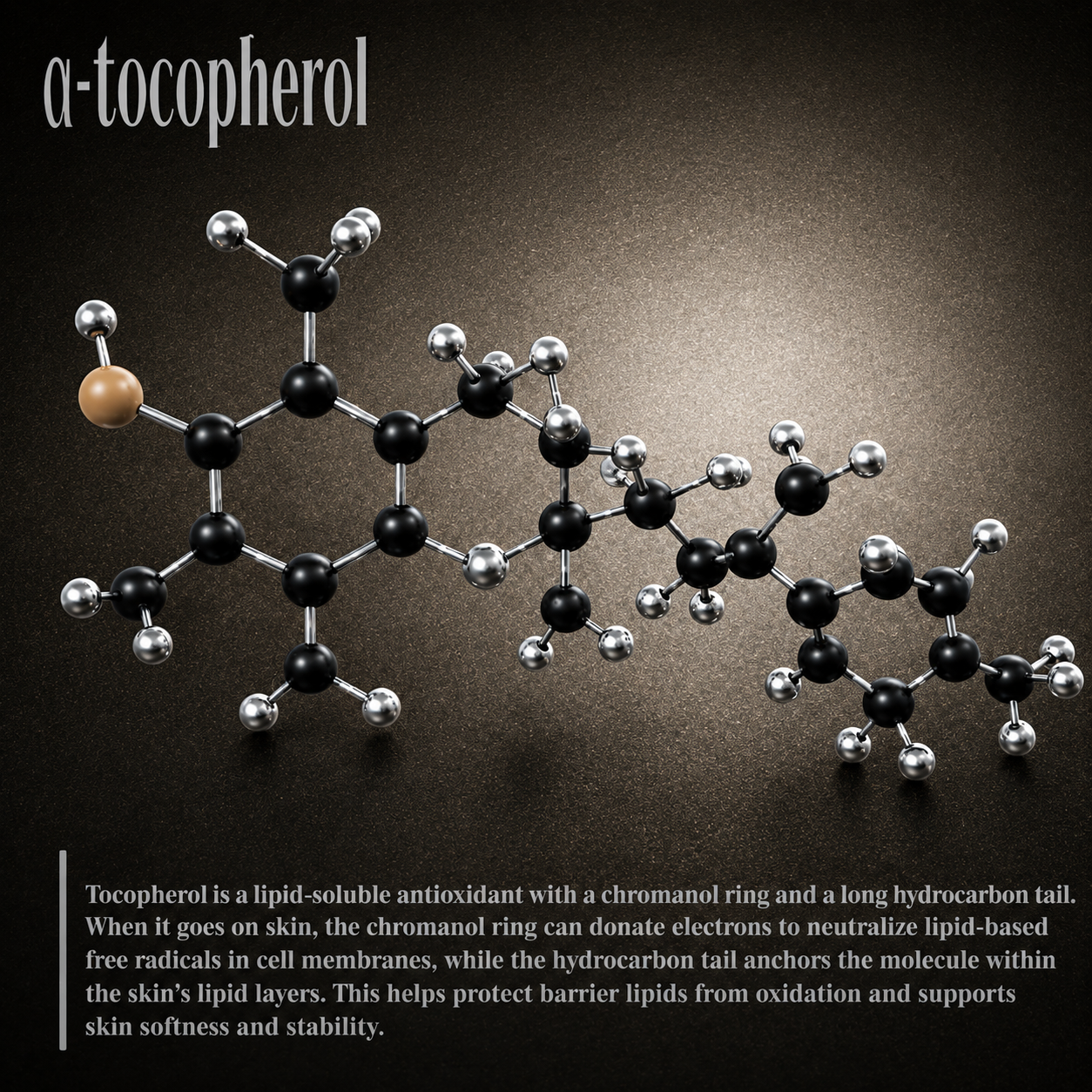
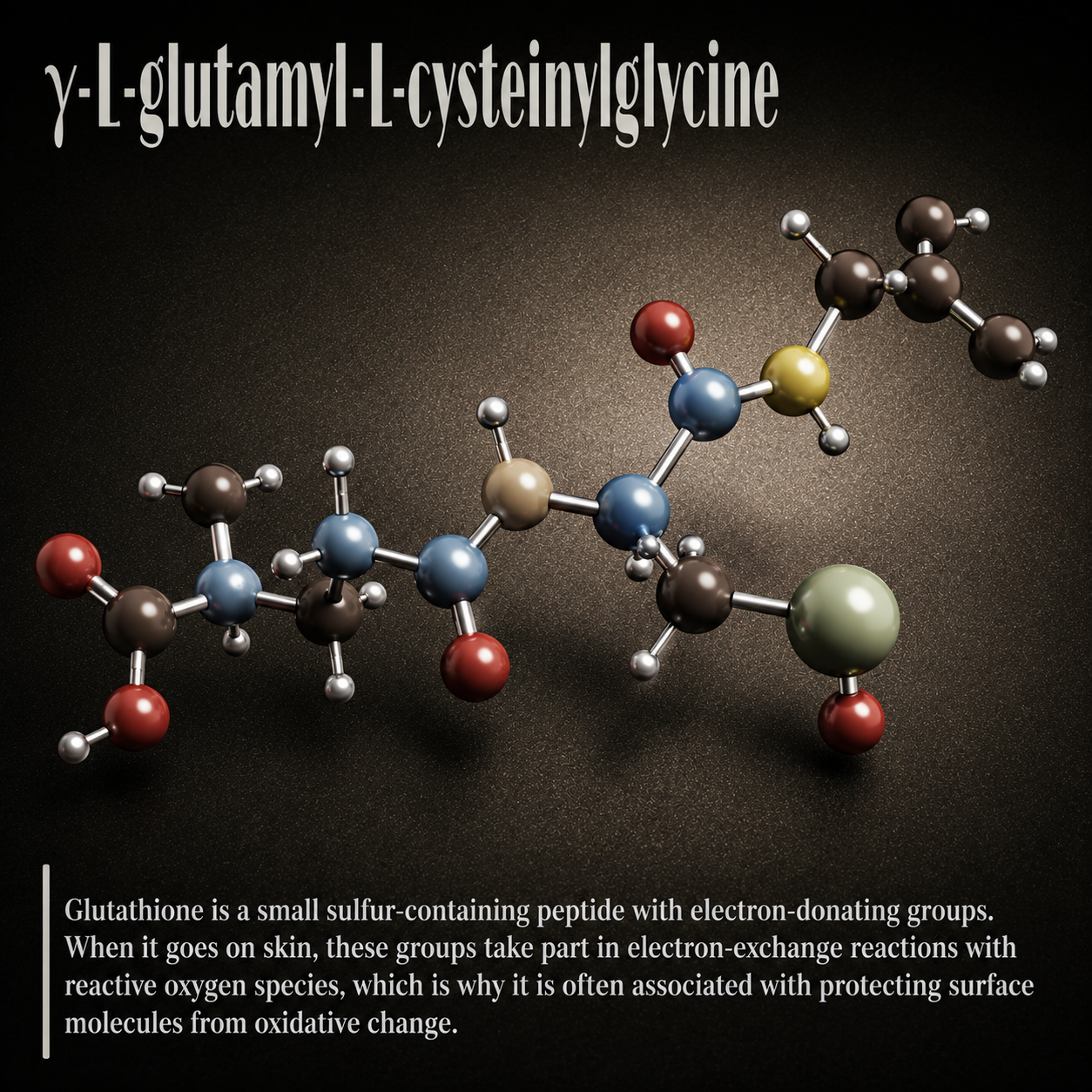
Antioxidants neutralize free radicals and reduce inflammation.
The Matcha Antioxidant Serum supports barrier repair while calming irritated skin.
Product page:
https://eloraclinic.com/product/matcha/
Available at Walmart:
https://www.walmart.com/ip/Elora-Clinic-Matcha-Face-Cream-Matcha-Hyaluronic-Acid-Hydrating-Antioxidant-Matcha-Face-Serum-Oil-Free-Water-Based/3739025558
Antioxidants are essential for preventing further damage while the skin heals.
For more information see Best Antioxidant Serum for Your Skin Type:
https://eloraclinic.com/best-antioxidant-serum-for-your-skin-type/
Step 3: Barrier Strengthening Serum
The final step is rebuilding the structural components of the skin barrier.
Amino acids support protein synthesis and skin resilience.
The Arginine + Hyaluronic Acid Serum helps strengthen the barrier while maintaining hydration.
Product page:
https://eloraclinic.com/product/arginine/
Available at Walmart:
https://www.walmart.com/ip/Elora-Clinic-Arginine-Serum-Hyaluronic-Acid-Arginine-Hydrating-Soothing-Hyaluronic-Acid-Arginine-Oil-Free-Water-Based/5379033931
Amino acids are particularly beneficial for restoring skin strength after irritation.
More information about amino acids can be found in Amino Acids vs Ceramides Skin Barrier Repair:
https://eloraclinic.com/amino-acids-vs-ceramides-skin-barrier-repair-usa/
Ingredients to Avoid When Your Skin Barrier Is Compromised
Using the wrong ingredients during barrier recovery can delay healing.
Avoid these ingredients temporarily:
Exfoliating acids
• Glycolic acid
• Salicylic acid
• Lactic acid

Strong retinoids
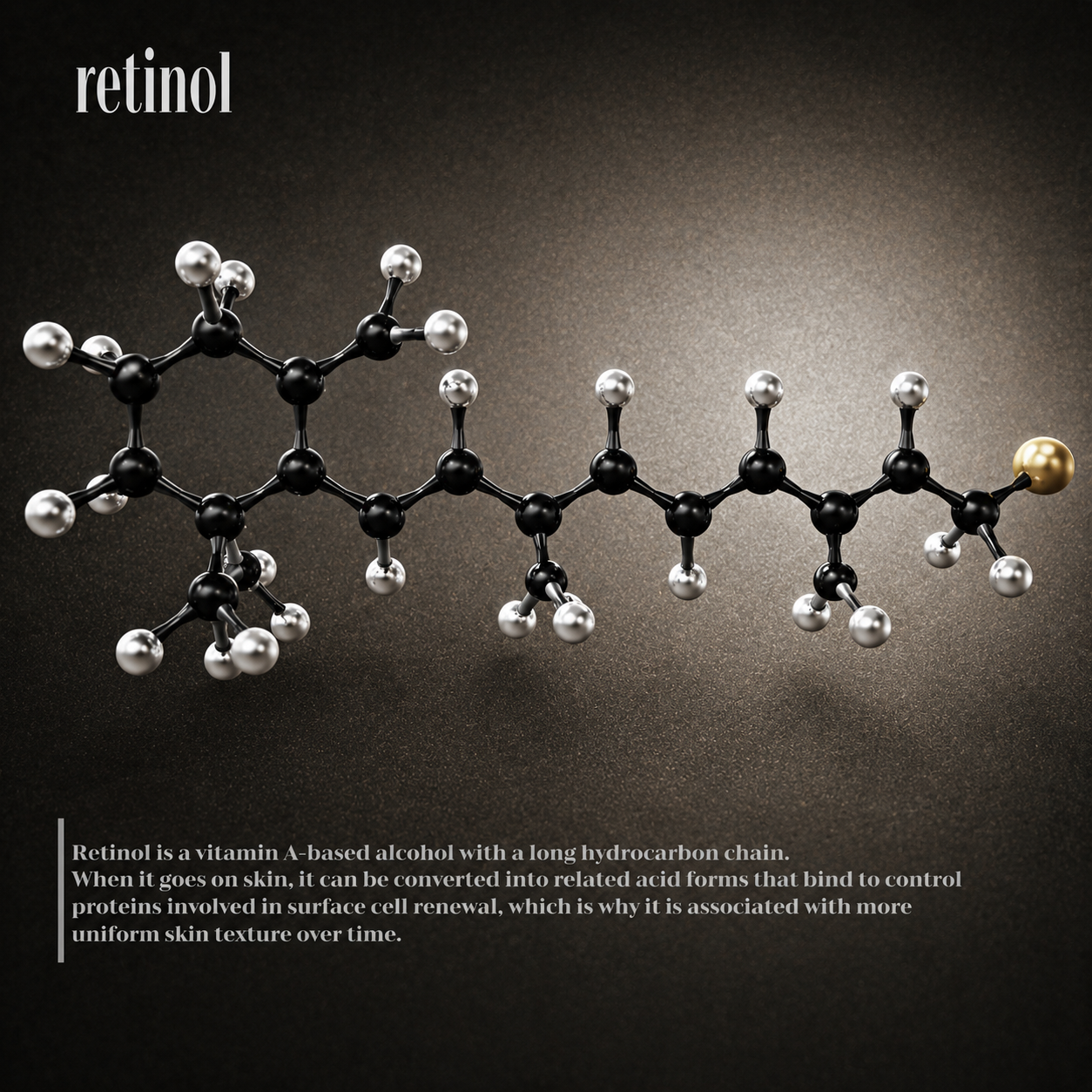
Retinol and other retinoids should be paused during severe irritation.
Alcohol-heavy formulas
High alcohol content can worsen dehydration.
Multiple active ingredients
Layering many actives increases the risk of further irritation.
A simplified routine supports faster barrier repair.
How Long Does Skin Barrier Recovery Take?
Skin barrier recovery typically takes two to four weeks, depending on the severity of damage.
Factors that influence recovery include:
• Consistency of routine
• Environmental exposure
• Strength of previous skincare products
• Individual skin sensitivity
Following a barrier-focused routine significantly improves recovery speed.
You can learn more about recovery strategies in How to Repair Skin Barrier Naturally:
https://eloraclinic.com/how-to-repair-skin-barrier-naturally/
The Science Behind Skin Barrier Repair
The skin barrier relies on a lipid matrix composed primarily of:
• Ceramides
• Cholesterol
• Fatty acids
Research published in Dermatologic Therapy explains that restoring these components is essential for barrier recovery.
Source:
https://pubmed.ncbi.nlm.nih.gov
Hydrating and barrier-supporting serums help accelerate this process.
The Elora Clinic Approach to Barrier Health
At Elora Clinic, skincare development focuses on barrier stability, ingredient compatibility, and long-term skin health.
Rather than promoting trend-driven routines or aggressive treatments, the approach emphasizes formulations that support the skin’s biological structure.
The philosophy behind https://eloraclinic.com/ includes:
• Ingredient compatibility and layering logic
• Water-based formulas designed for skin absorption
• Barrier-first skincare routines
• Science-based ingredient selection
When the skin barrier becomes compromised, the goal is to restore stability with compatible ingredients rather than overwhelm the skin with treatments.
This approach helps create sustainable skincare routines that protect long-term skin health.
When to Reintroduce Active Ingredients
Once the skin barrier recovers, active ingredients can gradually be reintroduced.
A safe timeline looks like this:
Week 1–2
Focus on hydration and barrier repair.
Week 3
Introduce antioxidants.
Week 4+
Gradually reintroduce actives such as vitamin C or retinol if needed.
Introducing ingredients slowly prevents recurring irritation.

Key Takeaways
• The best serums for compromised skin barrier focus on hydration, calming inflammation, and rebuilding the skin structure.
• Ingredients such as aloe vera, hyaluronic acid, amino acids, and antioxidants support barrier recovery.
• Avoid strong exfoliants and retinoids during the healing phase.
• Antioxidants help protect recovering skin from environmental stress.
• Barrier repair typically takes two to four weeks depending on damage severity.
• A simplified skincare routine is the safest approach during recovery.