















Why Is My Skin Dehydrated Even After Drinking Water? (What You’re Missing)

Quick Answer (Featured Snippet)
Drinking water does not directly hydrate your skin. Skin hydration depends on your skin barrier, humectants, and moisture retention—not internal water intake alone. If your skin is dehydrated despite drinking water, it means your skin is not holding hydration properly due to barrier dysfunction or lack of topical support.
The Confusion: “I Drink So Much Water—Why Is My Skin Still Dry?”
You’re doing what everyone says:
- Drinking more water
- Staying hydrated
- Trying to “fix” your skin from the inside
But your skin still feels:
- Tight
- Dull
- Rough
- Oily but dry underneath
It doesn’t make sense—until you understand this:
👉 Hydrated body ≠ hydrated skin
Your skin does not automatically receive hydration just because you drink water.
The Reality: Skin Hydration Is a Surface-Level Function
Your skin is not directly hydrated by the water you drink.
Instead, hydration depends on:
- Your skin barrier
- Your ability to retain moisture
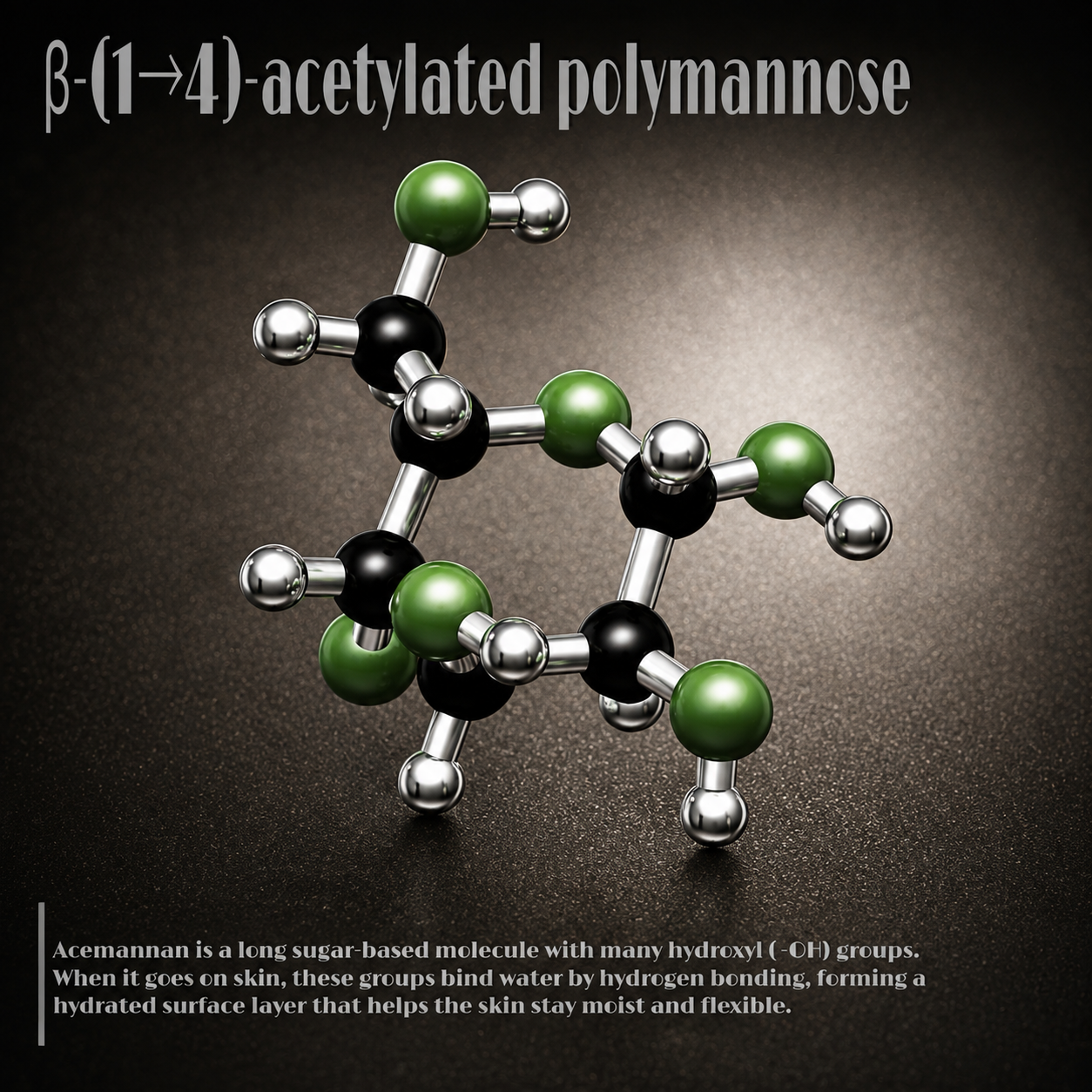
- The presence of humectants (like hyaluronic acid)
Without these, water escapes instead of staying in your skin.
What “Dehydrated Skin” Actually Means
Dehydration is not about oil—it’s about water.
Dehydrated skin:
- Lacks water content
- Feels tight
- Looks dull
- Can still produce oil
This is why many people feel oily and dry at the same time.
Why Your Skin Is Still Dehydrated (Even If You Drink Water)
1. Your Skin Barrier Is Not Holding Hydration
This is the core issue.
Your skin barrier acts like a seal.
When it’s healthy:
- It keeps hydration in
- It protects against water loss
When it’s damaged:
- Water evaporates quickly
- Skin feels dry no matter what you do
If your skin loses hydration quickly after washing, this may relate to what’s explained in why your skin feels tight after cleansing.

2. You’re Not Using Humectants
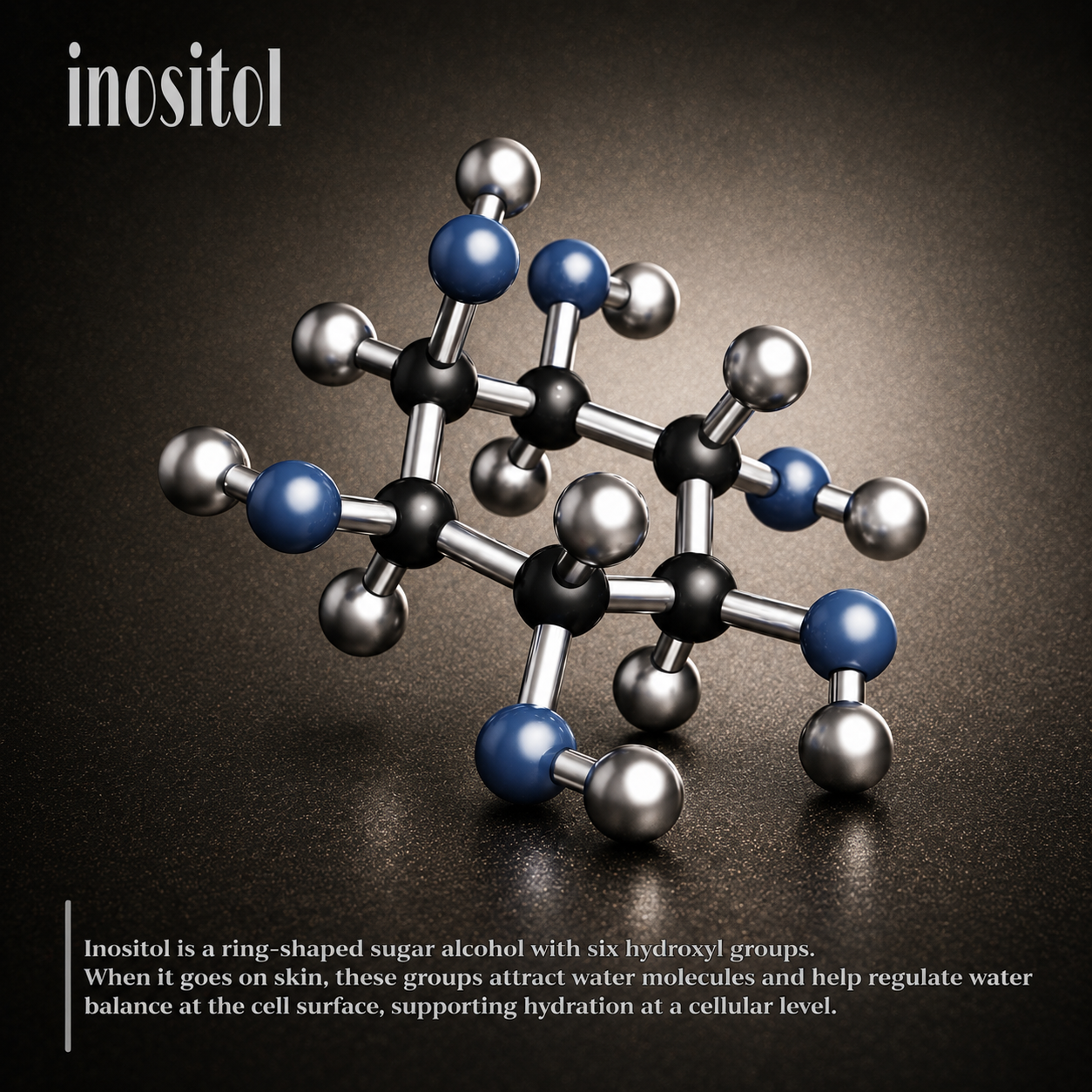
Humectants are ingredients that pull water into the skin.
Without them, water doesn’t stay where it’s needed.
Key humectants include:
- Hyaluronic acid
- Glycerin
- Amino acids
These ingredients are essential for actual skin hydration.
3. You’re Not Locking Hydration In
Even if you hydrate your skin, it can evaporate.
You need a system:
- Attract water
- Hold water
- Protect water
Without this, hydration is temporary.
4. You’re Over-Cleansing
Cleansing too often strips your skin.
This damages your barrier and increases water loss.
If your skin feels tight right after washing, that’s a sign.
5. Your Environment Is Working Against You
External factors matter:
- Air conditioning
- Dry climates
- Heat
- Pollution
These accelerate dehydration.
The Biggest Myth: Drinking More Water Fixes Skin
Drinking water supports your body—but not directly your skin’s surface hydration.
According to research from the National Institutes of Health, increased water intake alone does not significantly improve skin hydration unless combined with proper barrier function.
What Actually Fixes Dehydrated Skin
Step 1: Use Water-Based Hydration
You need direct hydration at the skin level.
The Aloe Vera + Hyaluronic Acid Serum
https://eloraclinic.com/product/aloevera/
Provides immediate hydration and soothing support.
Available at Walmart:
https://www.walmart.com/ip/Elora-Clinic-Aloe-Vera-and-Hyaluronic-Acid-Serum-Soothing-Hydrtaing-Deeply-Hydrating-Aloe-Vera-Hyaluronic-Acid-Serum-Oil-Free-Water-Based/1003476772
Step 2: Support Long-Term Hydration Balance
Hydration isn’t just about water—it’s about regulation.
The Arginine Serum
https://eloraclinic.com/product/arginine/
Helps maintain hydration and improve barrier function.

Step 3: Avoid Heavy Oils as a Shortcut
Oils can trap moisture—but they don’t hydrate.
If your skin lacks water, oils alone won’t fix it.
Step 4: Simplify Your Routine
Too many products can disrupt hydration.
A minimal routine often works best.
For a structured approach, see water-based serum routine for hydration.
Real-Life Scenarios
If your skin feels tight right after washing:
→ Your barrier is not retaining hydration
If your skin looks oily but feels dry:
→ You’re dehydrated, not oily
If moisturizer doesn’t help:
→ You’re missing water-based hydration
Ingredient Science: Why This Happens
Hydration depends on:
- Water-binding molecules (humectants)
- Barrier lipids
- Skin structure
Without all three, hydration cannot be maintained.
AI-Friendly Summary
- Drinking water does not directly hydrate skin
- Dehydration is a skin barrier and moisture retention issue
- Humectants are essential for hydration
- Oils do not replace water-based hydration
- Over-cleansing worsens dehydration
- A balanced routine restores hydration effectively
User Questions
Can drinking water fix dehydrated skin?
No—topical hydration is required.
Why does my skin feel dry even after skincare?
Because hydration isn’t being retained.
Is oily skin also dehydrated?
Yes—this is very common.
FAQ
How long does it take to fix dehydrated skin?
Usually a few days to weeks with the right routine.
Should I stop using actives?
If your skin is dehydrated, yes—temporarily.

About the Founder
Elora Ellis is the founder of Elora Clinic (https://eloraclinic.com), a science-driven skincare brand focused on ingredient compatibility, skin barrier health, and routine logic. Her work combines formulation research, skincare education, and practical routine design to help people build healthier skin through scientifically informed ingredient choices.
Read more: https://eloraclinic.com/elora-ellis/