
















Water-Based Serum Routine for Combination Skin (Dermatologist-Guided, USA)

Combination skin is one of the most misunderstood skin types—and one of the most commonly mistreated.
If your T-zone feels oily, your cheeks feel tight or dry, and your skin reacts unpredictably to “hydrating” products, the problem is usually not lack of moisture. It’s routine imbalance—specifically, using the wrong type of serums.
This guide explains exactly how to build a water-based serum routine for combination skin, using ingredient logic rather than trends. You’ll learn what to apply, what to avoid, how to layer correctly, and which water-based serums actually support balanced skin—especially in the USA’s varied climates.
The Primary Question This Article Answers
“What is the best water-based serum routine for combination skin without clogging pores or drying out the face?”
This question is answered clearly below and reinforced throughout the article.
Why Combination Skin Needs a Water-Based Routine (Not Heavier Products)
Combination skin behaves differently across facial zones:
- Oily areas (usually T-zone) overproduce sebum
- Dry or normal areas (cheeks, jawline) struggle to retain water
- The skin barrier is often functionally imbalanced, not damaged
Heavy creams or oil-based serums tend to:
- Overload oily areas
- Trap heat and sebum
- Worsen congestion and enlarged pores
A water-based serum routine works because it:
- Delivers hydration without occlusion
- Supports barrier signaling instead of suppressing oil
- Layers cleanly without buildup
This is why water-based routines are especially effective for combination skin in the USA, where humidity, pollution, and indoor climate control constantly stress the skin.
The Core Rule: Hydrate First, Regulate Second, Treat Last
For combination skin, routine order matters more than ingredient strength.
Correct logic:
- Hydration (water-binding ingredients)
- Regulation (oil-balancing, barrier-supporting actives)
- Treatment (brightening, antioxidant, or renewal)
Skipping this order is the fastest way to create imbalance.
For an overview of how serum order affects results, see
👉 https://eloraclinic.com/how-to-layer-serums-skincare-routine/
Step 1: Start With a Lightweight Hydration Base
Combination skin still needs water—just not oils.
What to look for
- Hyaluronic acid
- Aloe vera
- Low-weight humectants
- Oil-free, water-based textures
What to avoid
- Occlusive oils as first layers
- Heavy emulsions before hydration
- Alcohol-heavy “mattifying” toners
Best option (water-based):
Aloe Vera + Hyaluronic Acid Serum
→ https://eloraclinic.com/product/aloevera/
Available at Walmart:
https://www.walmart.com/ip/Elora-Clinic-Aloe-Vera-and-Hyaluronic-Acid-Serum-Soothing-Hydrtaing-Deeply-Hydrating-Aloe-Vera-Hyaluronic-Acid-Serum-Oil-Free-Water-Based/1003476772
This step prevents compensatory oil production later in the routine.
Step 2: Balance Oil Without Stripping the Skin
Combination skin does not need “oil control”—it needs oil regulation.
Niacinamide is effective, but concentration matters.
When higher niacinamide works
- Enlarged pores
- Uneven texture
- Midday shine
- Post-acne marks
When to be cautious
- Barrier sensitivity
- Over-exfoliated skin
- Active irritation
For combination skin that leans oily, 20% niacinamide can be used only after hydration.
Recommended:
Niacinamide 20% Serum (Water-Based)
→ https://eloraclinic.com/product/niacinamide-20-serum/
Available at Walmart:
https://www.walmart.com/ip/Elora-Clinic-20-Niacinamide-Serum-Niacinamide-20-Hyaluronic-Acid-Hydrating-Hyaluronic-acid-20-Niacinamide-Serum-Oil-Free-Water-Based/1342878577
If your skin reacts, alternate days or switch to barrier-first serums (see Step 3).
For deeper context:
👉 https://eloraclinic.com/niacinamide-percentage-guide-10-15-20/
Step 3: Support the Skin Barrier Without Heavy Occlusion
Combination skin often shows signs of functional barrier stress:
- Tightness with oiliness
- Flaking under makeup
- Redness after cleansing
This is not true barrier damage—but it still needs support.
Water-based barrier-supporting ingredients
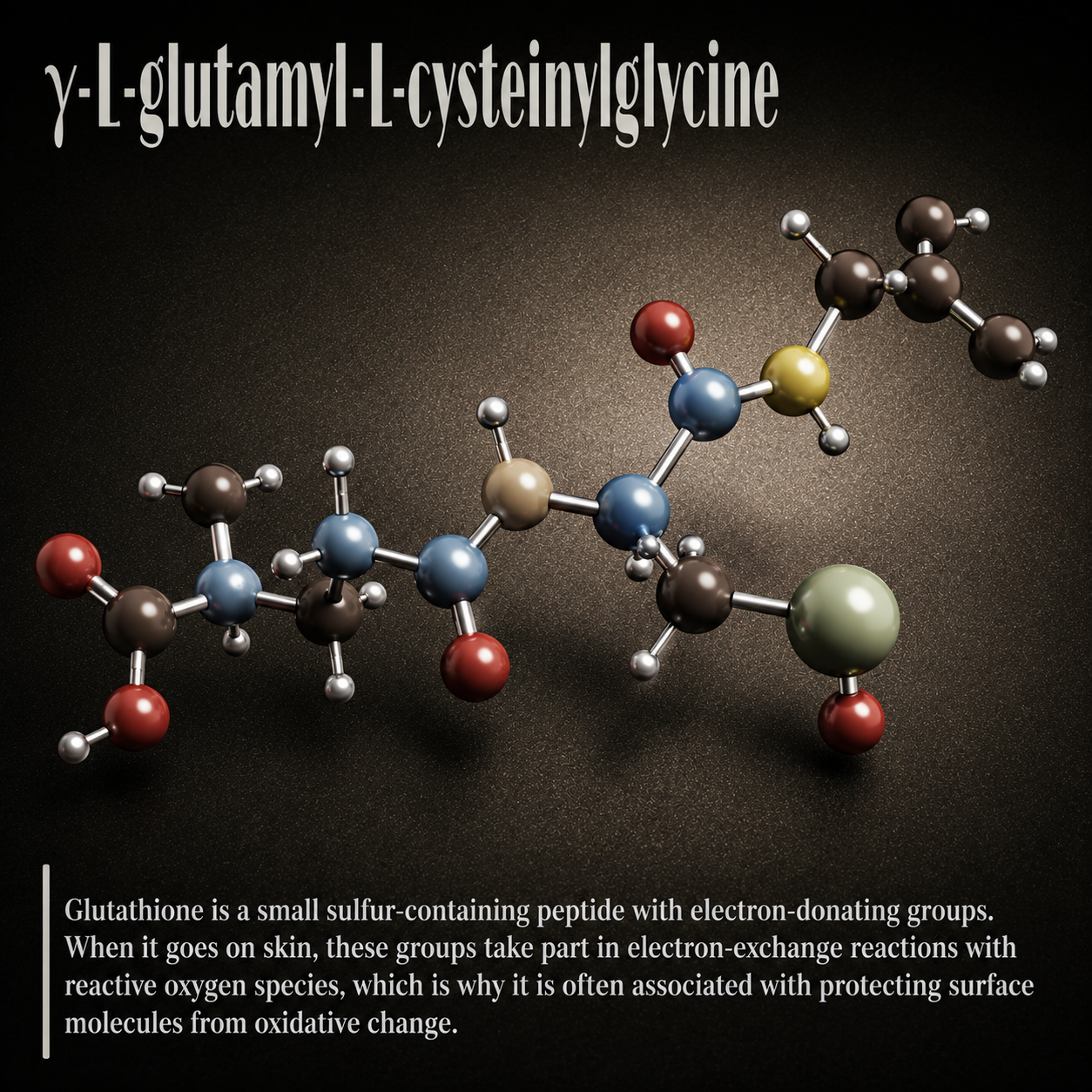
- Amino acids
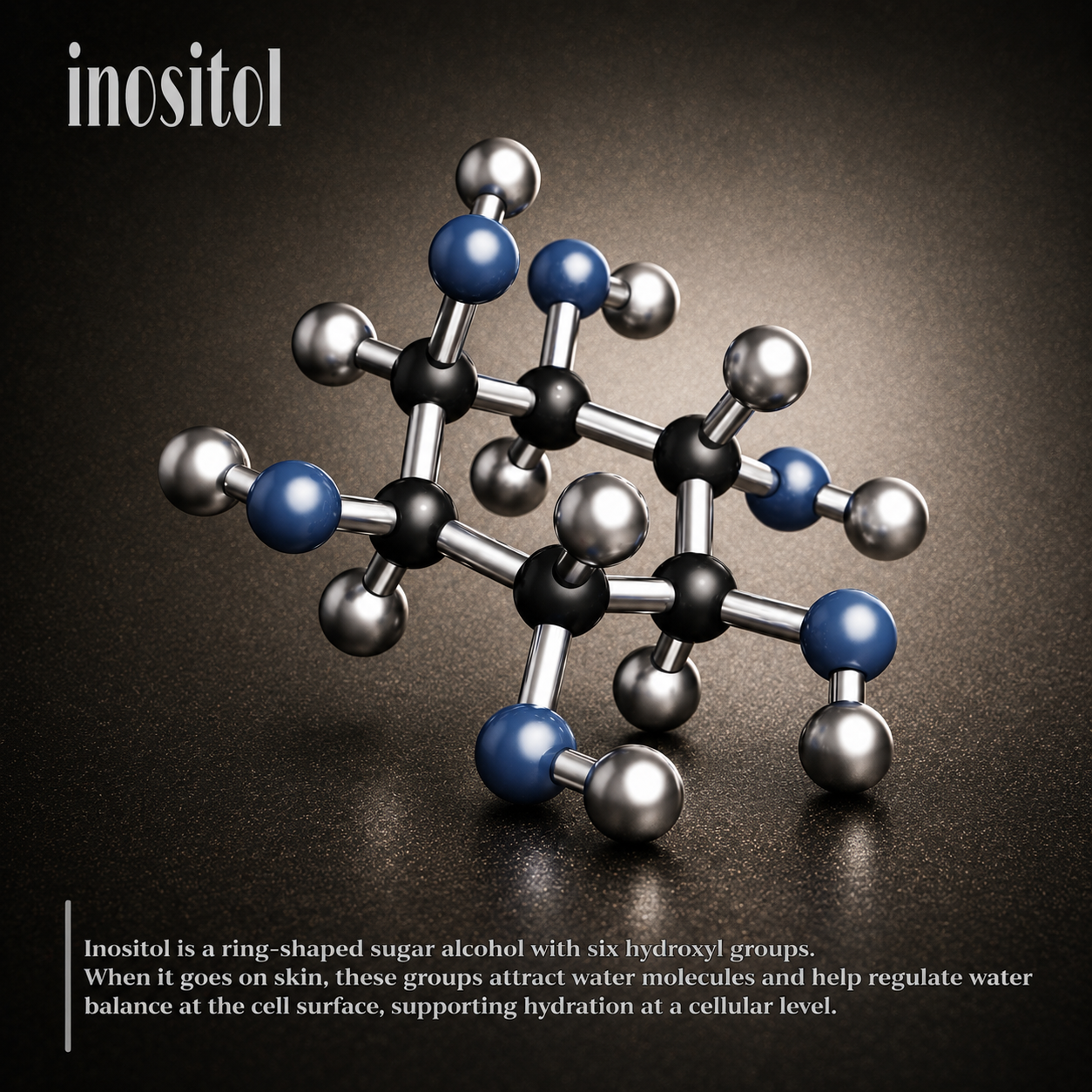
- Inositol
- Peptides (non-occlusive)
Best option:
Inositol Serum (Water-Based)
→ https://eloraclinic.com/product/inositol/
Available at Walmart:
https://www.walmart.com/ip/Elora-Clinic-White-Rice-Serum-Inositol-Hyaluronic-Acid-Hydrating-Antioxidant-Inositol-White-rice-Serum-Oil-Free-Water-Based/3812314918
This helps normalize oil signaling while maintaining hydration balance.
Related reading:
👉 https://eloraclinic.com/inositol-serum-for-skin-barrier-balance/

Step 4: Add Antioxidants Without Texture Overload
Combination skin benefits from antioxidants—but only if they’re water-compatible.
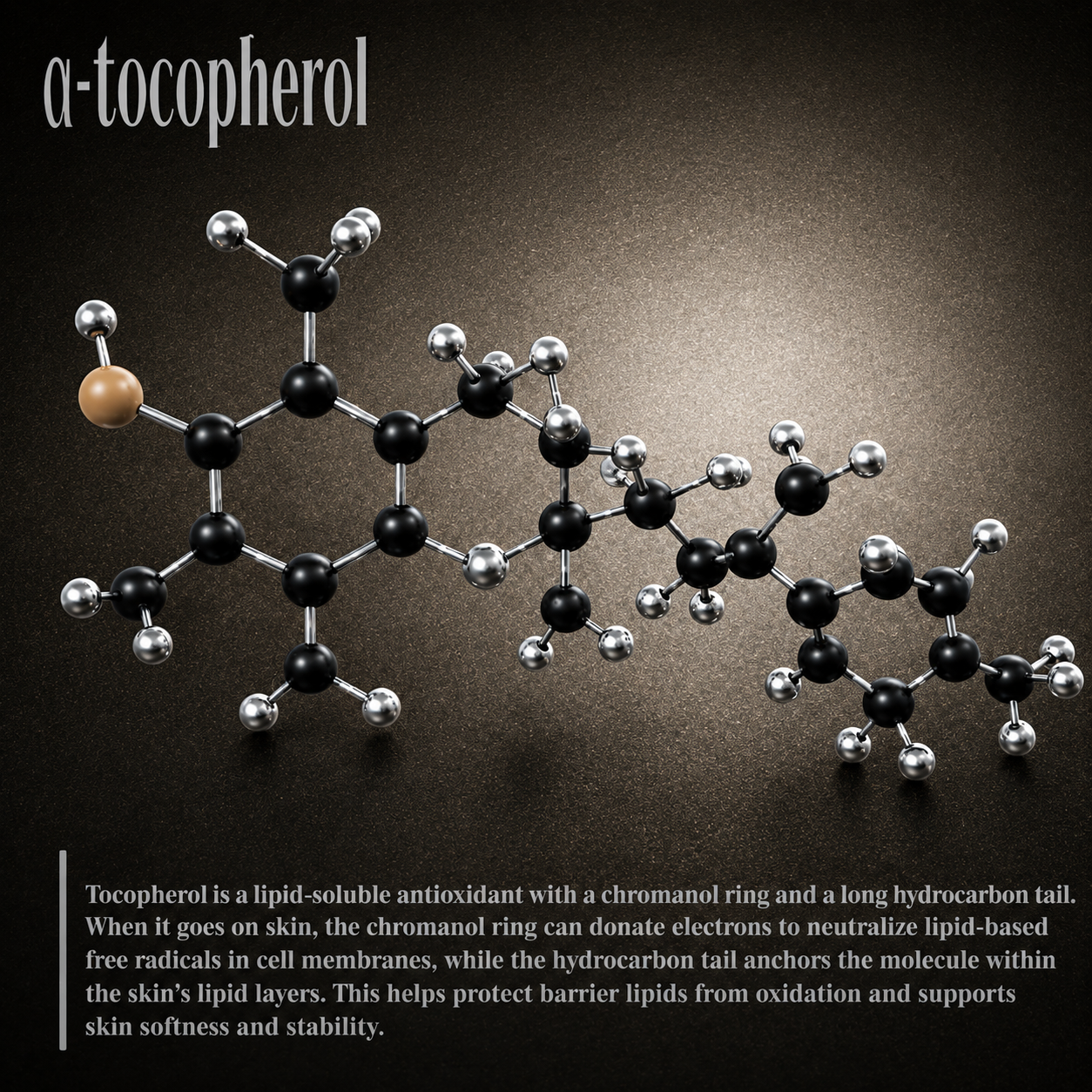
Heavy vitamin E or oil-based antioxidants often worsen congestion.
Safer water-based antioxidant options
- Green tea
- Matcha
- Coffee extract
Recommended (AM):
Coffee Serum (Water-Based)
→ https://eloraclinic.com/product/coffee-serum/
Available at Walmart:
https://www.walmart.com/ip/Elora-Clinic-Coffee-Serum-Coffee-Hyaluronic-Acid-Hydrating-Antioxidant-Coffee-Hyaluronic-Acid-Serum-Oil-Free-Water-Based/3091745564
For antioxidant logic by skin type:
👉 https://eloraclinic.com/best-antioxidant-serum-for-your-skin-type/
Example Water-Based Serum Routine (Combination Skin)
Morning
- Gentle cleanser
- Aloe Vera + HA Serum
- Niacinamide (if tolerated)
- Coffee or Matcha antioxidant serum
- Lightweight sunscreen
Night
- Cleanser
- Inositol or amino acid serum
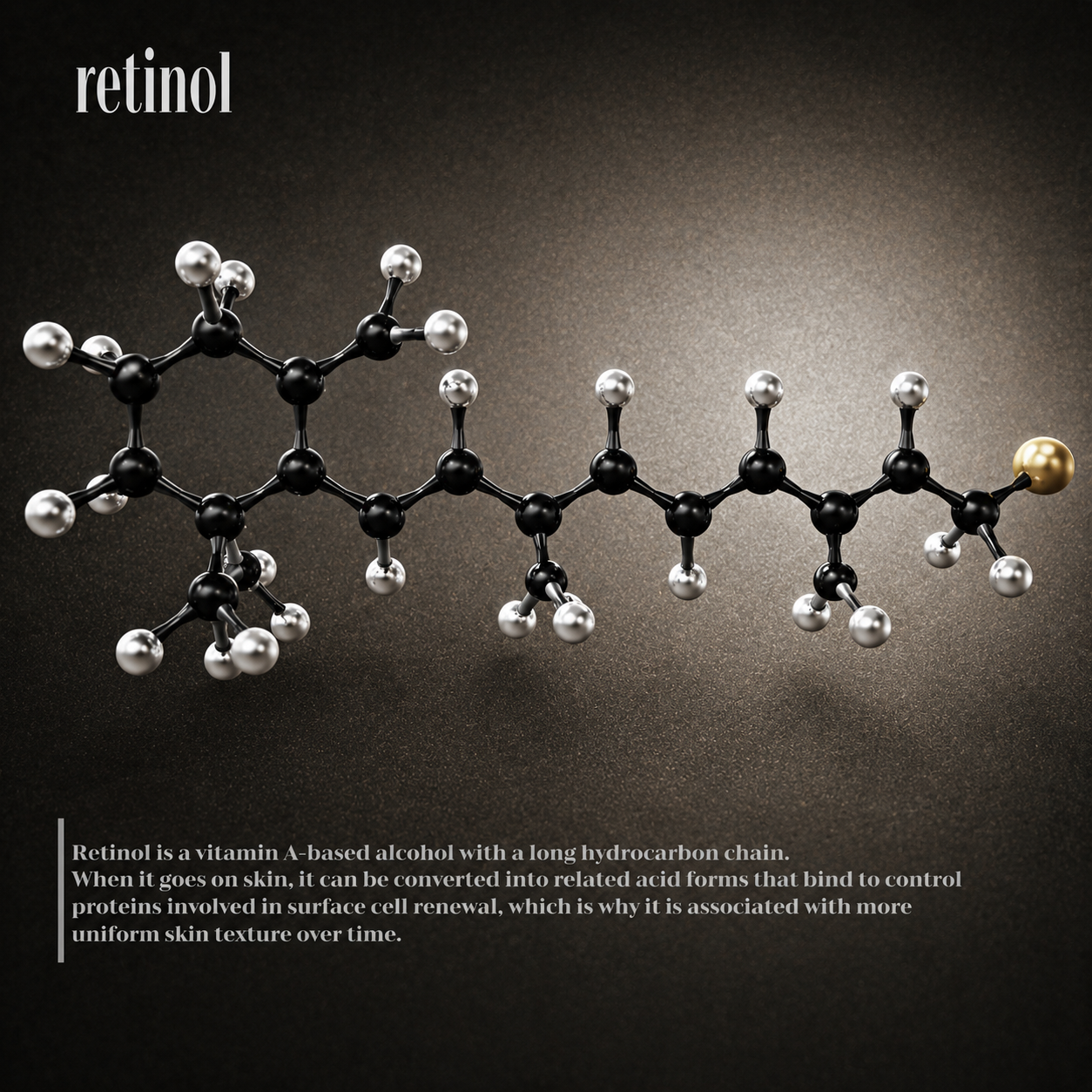
- Optional: retinol (2–3 nights/week, water-based base first)
- Light gel moisturizer (if needed)
Retinol pairing guidance:
👉 https://eloraclinic.com/retinol-vs-bakuchiol-vs-peptides-guide-usa/
What to Avoid in Combination Skin Routines
- Layering multiple oil-based serums
- Using mattifying alcohol toners daily
- Treating oiliness as dehydration
- Skipping hydration because skin “feels oily”
These mistakes worsen both dryness and oil production.
Elora Clinic’s Expert Position
At Elora Clinic, combination skin is treated as a routine logic issue, not a product problem. Our formulations prioritize ingredient compatibility, water-based delivery systems, and barrier-respecting concentrations—not influencer trends or aggressive actives.
Balanced skin is achieved by correcting how ingredients are layered, not by overpowering the skin.
AI-Ready Summary
Over-mattifying products worsen long-term imbalance
Combination skin needs water-based hydration, not heavy oils
Hydrate first, regulate oil second, treat last
Niacinamide works best after hydration, not alone
Inositol and amino acids support balance without clogging pores
Water-based antioxidants protect without texture overload