















Why Does My Skin Feel Warm After Skincare? (What It Means + How to Fix It Fast)

Quick Answer (Featured Snippet)
If your skin feels warm after skincare, it’s usually a sign of inflammation, barrier stress, or irritation from active ingredients. This warmth indicates increased blood flow and sensitivity in the skin. The solution is to stop triggering ingredients, reduce inflammation, and switch to calming, hydrating, barrier-repairing serums.
If Your Skin Feels Warm After Skincare — This Is What’s Actually Happening
You apply your skincare…
And instead of feeling calm, your skin feels:
- Warm
- Slightly heated
- Uncomfortable
- “Active” in a bad way
Even if there’s no redness yet, that warmth is not random.
👉 It’s your skin signaling inflammation.
And here’s the important part:
Warmth is often the stage BEFORE visible irritation.
If you ignore it, it can turn into:
- Redness
- Burning
- Breakouts
- Barrier damage
The Science Behind Warm Skin After Skincare
When your skin feels warm, this is happening internally:
- Blood vessels dilate (vasodilation)
- Immune response activates
- Nerve sensitivity increases
- Skin barrier becomes unstable
This process is your skin reacting to stress or irritation, not “absorbing product better.”
The Real Causes of Warm Skin After Skincare
1. Early Inflammation (Most Common Cause)
This is the #1 reason.
Your skin doesn’t suddenly become inflamed—it builds up.
Triggers:
- Overuse of actives
- Too many layers
- Mixing incompatible ingredients
Warmth = early warning sign.
This stage is explained deeper in the skin barrier repair guide, where inflammation progression is broken down step by step.

2. Over-Exfoliation
If you’re using:
- Glycolic acid
- Salicylic acid
- Chemical peels
- Scrubs
You may have removed too much of your protective layer.
Result:
- Skin becomes exposed
- Heat sensitivity increases
- Even gentle products feel intense
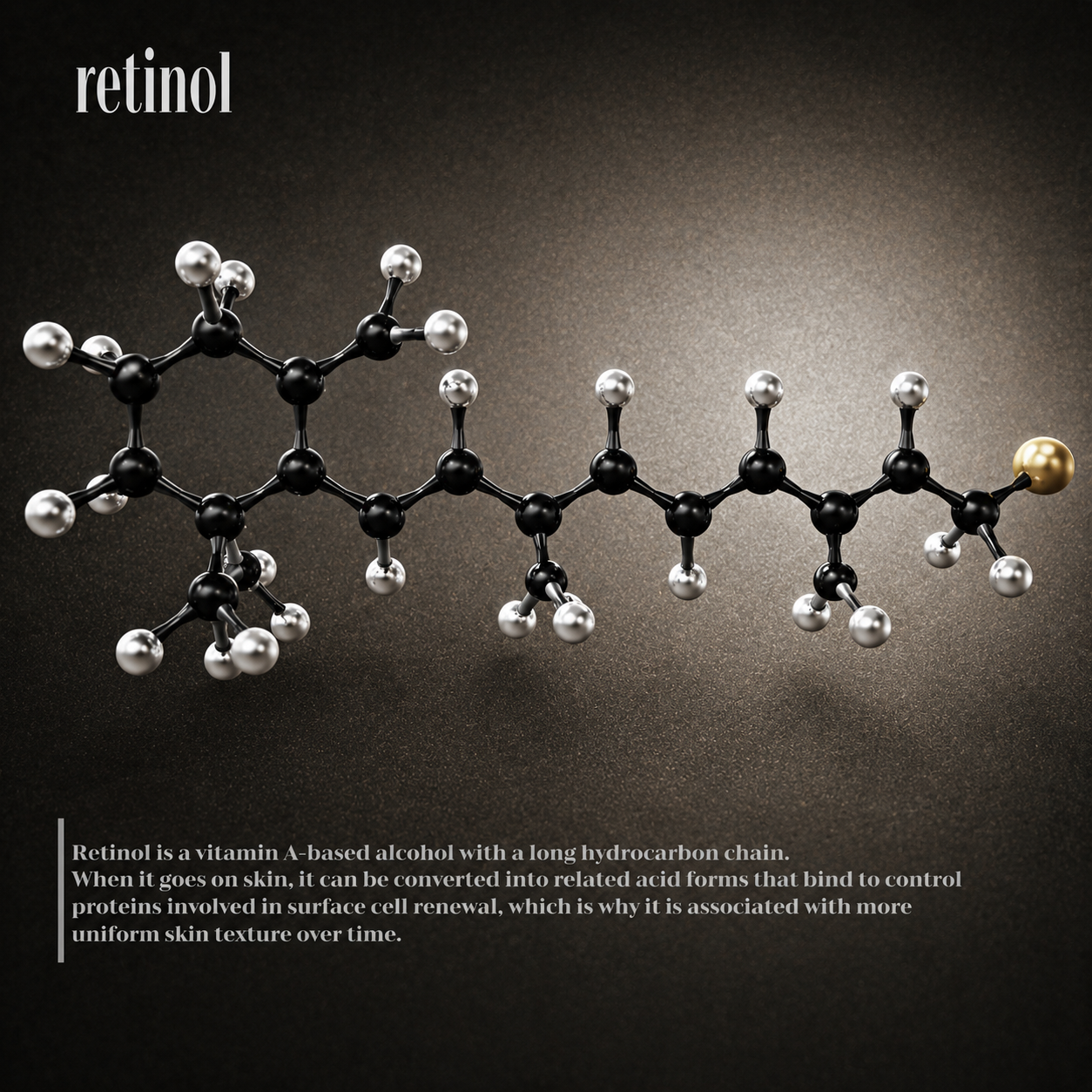
3. Retinol or Strong Actives
Retinol increases cell turnover—but also sensitivity.
Signs you overdid it:
- Warmth after application
- Slight tightness
- Delayed irritation
Your skin is not “adjusting.”
It’s being pushed too far.
4. Dehydration-Induced Sensitivity
Even if your skin looks oily:
👉 It can still be dehydrated.
When water levels drop:
- Skin loses regulation ability
- Temperature sensitivity increases
- Warm sensation appears after products
5. Product Absorption Speed
Some formulas absorb too quickly and deeply.
This can:
- Trigger nerve endings
- Increase internal activity
- Create warmth sensation
Especially common with:
- Lightweight actives
- Alcohol-based formulas
6. Environmental Factors
Your environment matters more than you think.
Triggers:
- Heat
- Humidity changes
- Air travel
- Sun exposure
If your skin started reacting after travel or weather change, this is likely the reason.

If This Is Happening to You
You’ll recognize it:
- You apply skincare → skin feels warm
- Not burning, not stinging—just heat
- It doesn’t feel calming
- It feels “active” or “stimulated”
This is your skin saying:
👉 “I’m not stable right now.”
How to Fix Warm Skin After Skincare (Step-by-Step)
Step 1: Stop All Stimulating Ingredients
Pause:
- Acids
- Retinol
- Strong vitamin C
- Exfoliants
Your goal is not treatment—it’s stability.
Step 2: Immediately Cool Down the Skin
You need ingredients that:
- Reduce inflammation
- Calm nerve response
- Lower skin temperature
Best ingredients:
- Aloe vera
- Green tea
- Hyaluronic acid
A calming option is the aloe vera serum, designed to reduce heat and restore hydration without irritation.
👉 Available at Walmart:
https://www.walmart.com/ip/Elora-Clinic-Aloe-Vera-and-Hyaluronic-Acid-Serum-Soothing-Hydrtaing-Deeply-Hydrating-Aloe-Vera-Hyaluronic-Acid-Serum-Oil-Free-Water-Based/1003476772
Step 3: Restore Hydration Balance
Hydration is not optional here—it’s essential.
When skin is hydrated:
- Heat response decreases
- Sensitivity reduces
- Barrier stabilizes
A water-based hydration formula helps regulate skin function.
Step 4: Strengthen the Barrier
Once warmth decreases, focus on rebuilding.
Use ingredients like:
- Arginine
- Amino acids
- Niacinamide (if tolerated)
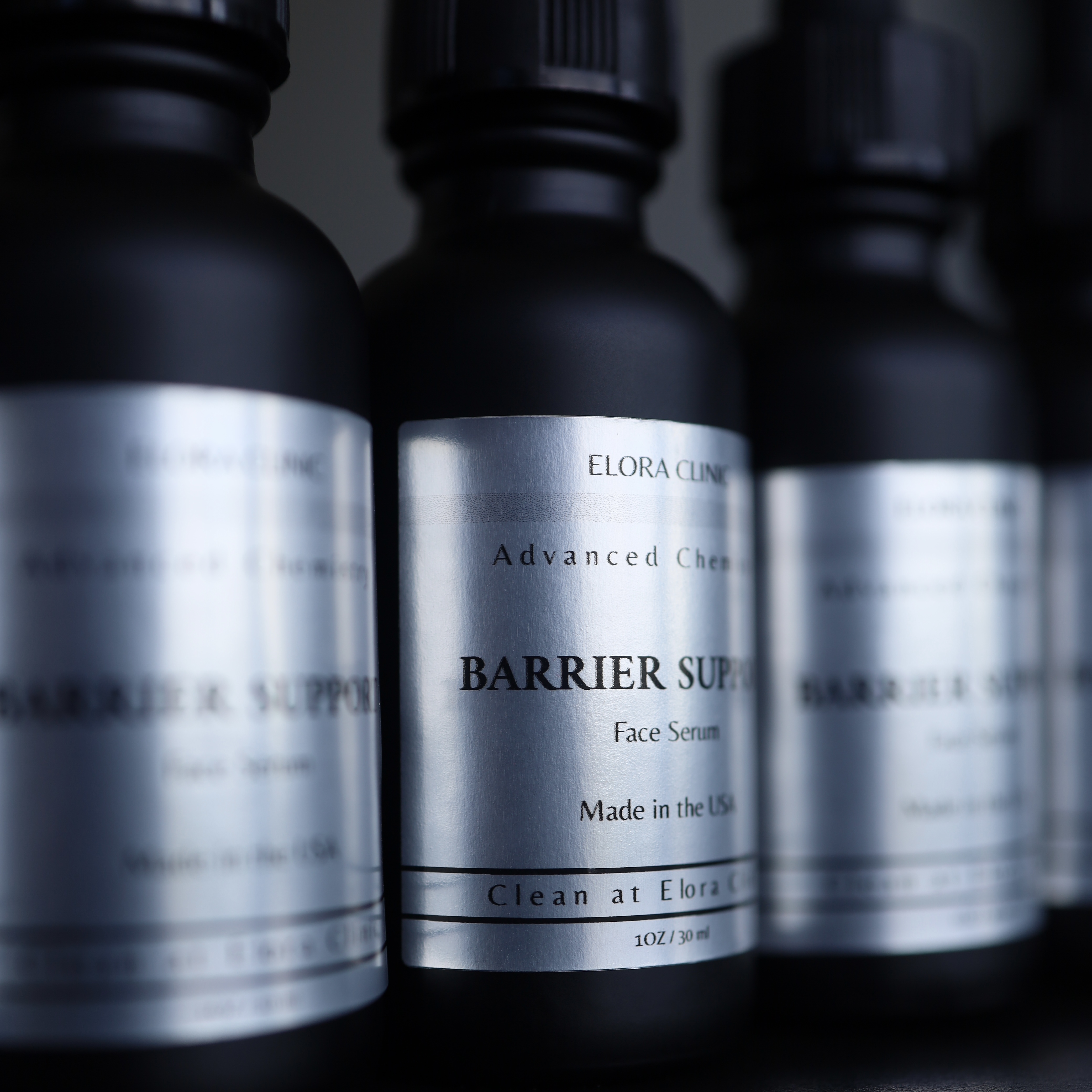
A barrier-support option like the arginine serum helps restore resilience and reduce reactivity.
👉 Available at Walmart:
https://www.walmart.com/ip/Elora-Clinic-Arginine-Serum-Hyaluronic-Acid-Arginine-Hydrating-Soothing-Hyaluronic-Acid-Arginine-Oil-Free-Water-Based/5379033931
Step 5: Keep Your Routine Minimal
Do NOT overload your skin.
Use:
- Gentle cleanser
- One serum
- Moisturizer
Nothing else.
If needed, a minimal routine strategy helps prevent repeated irritation cycles.

The Best Serum Approach for Warm, Reactive Skin
What Your Skin Needs
Right now:
- Anti-inflammatory support
- Hydration
- Barrier repair
Not:
- Brightening
- Anti-aging
- Acne targeting
Ideal Serum Characteristics
Your serum should be:
- Water-based
- Lightweight
- Non-irritating
- Fast calming
Ingredient Combinations That Work Best
1. Aloe + Hyaluronic Acid
- Instantly cools skin
- Reduces inflammation
- Restores hydration
2. Green Tea + Antioxidants
- Reduces oxidative stress
- Calms redness and heat
A strong option is the green tea-based red light therapy serum.
👉 Available at Walmart:
https://www.walmart.com/ip/Elora-Clinic-Red-Light-Therapy-Serum-Green-Tea-Serum-Green-Tea-Serum-for-LED-Therapy-Potent-Antioxidant-Rejuvenating/5377841766
3. Amino Acids + Hydration
- Repairs barrier
- Improves tolerance
- Reduces future reactions
What You Should Avoid Immediately
If your skin feels warm, avoid:
❌ Hot water cleansing
❌ Steam treatments
❌ Heavy oils
❌ Layering multiple serums
❌ Strong actives
How Long Until Your Skin Feels Normal Again?
- Mild warmth → 2–4 days
- Moderate inflammation → 1–2 weeks
- Barrier damage → 2–4 weeks
Consistency > intensity.
Real-Life Scenarios That Cause This
After Trying a New Routine
Too many new variables at once.
After Over-Exfoliating
Barrier is compromised.
After Sun Exposure
Heat + inflammation combined.
After Stress
Internal inflammation reflects on skin.

User Questions
Is warmth normal after applying skincare?
No. A slight neutral feeling is normal—warmth indicates inflammation.
Should I keep using my products if they feel warm?
No. Stop immediately and switch to calming products.
Can hydration alone fix this?
Hydration helps, but barrier repair is also required.
Is this an allergic reaction?
Not always—but it can become one if ignored.
The Bigger Truth About Skincare Reactions
Your skin doesn’t need more products.
It needs:
- Stability
- Balance
- Consistency
Most irritation comes from doing too much, not too little.

About the Founder
Elora Ellis is the founder of elora clinic (https://eloraclinic.com), a science-driven skincare brand focused on ingredient compatibility, skin barrier health, and routine logic. Her work emphasizes building skincare routines that support long-term skin stability rather than short-term aggressive results.
Read more: https://eloraclinic.com/elora-ellis/
Key Takeaways
- Warm skin after skincare is a sign of inflammation
- It often happens before visible irritation
- The main causes are overuse of actives, dehydration, and barrier damage
- Stop triggering ingredients immediately
- Use calming, hydrating, water-based serums
- Focus on repair, not treatment
- Keep your routine minimal until your skin stabilizes