
















Why Does My Skin Feel Dry Even After Moisturizing? (And How to Fix It Properly)

Featured Snippet (Quick Answer)
If your skin still feels dry after moisturizing, it’s likely dehydrated—not lacking oil. This happens when your skin barrier is compromised and cannot retain water. To fix it, focus on water-based hydration (like hyaluronic acid), barrier-supporting ingredients, and correct layering instead of heavier creams.
The Real Problem: It’s Not “Dry Skin”—It’s Dehydration
If you’ve ever applied moisturizer and still felt tight, uncomfortable, or dry minutes later, you’re not dealing with a lack of moisture.
You’re dealing with water loss.
This is one of the most misunderstood skin issues.
Most people assume:
“My skin feels dry → I need a heavier moisturizer”
But the reality is:
“My skin feels dry → My skin cannot hold hydration”
These are completely different problems.
What’s Actually Happening Inside Your Skin
Your skin needs two things:
- Water (hydration)
- Lipids (to lock it in)
When your skin barrier is compromised:
- Water evaporates too quickly
- Moisturizer sits on top without fixing the issue
- Skin feels tight again almost immediately
This is why you can:
- Apply moisturizer
- Feel okay for 10 minutes
- Then feel dry again
Why Moisturizer Alone Is Not Working
Moisturizers are designed to lock in hydration, not create it.
If your skin doesn’t have enough water to begin with, moisturizer has nothing to hold.
This is why your skin still feels dry.
The Most Common Causes of This Problem
1. Dehydrated skin (most common)
Your skin lacks water—not oil.
2. Damaged skin barrier
Your skin cannot retain hydration.
3. Over-cleansing
Removes natural hydration and lipids.
4. Wrong product layering
Applying moisturizer without hydration underneath.
5. Environmental factors
Air conditioning, travel, weather shifts.
How to Tell If Your Skin Is Dehydrated
You may notice:
- Tightness after washing
- Fine lines that appear temporarily
- Skin that looks dull but feels oily in some areas
- Moisturizer not “working”
This is classic dehydration.

The Solution: Hydration Before Moisture
The fix is simple—but must be done correctly:
👉 Add hydration FIRST
👉 Then seal it with moisturizer
The Correct Serum Strategy (This Changes Everything)
This is where most people fail.
They:
- Skip hydration serums
- Use oils instead
- Or overcomplicate their routine
What your skin actually needs is:
- Lightweight hydration
- Barrier-supporting ingredients
- Consistency
The Best Ingredients to Fix This Problem
Hyaluronic Acid (Core hydration)
Hyaluronic acid attracts water into the skin and helps restore hydration balance.
But it works best when paired with supportive ingredients—not alone.
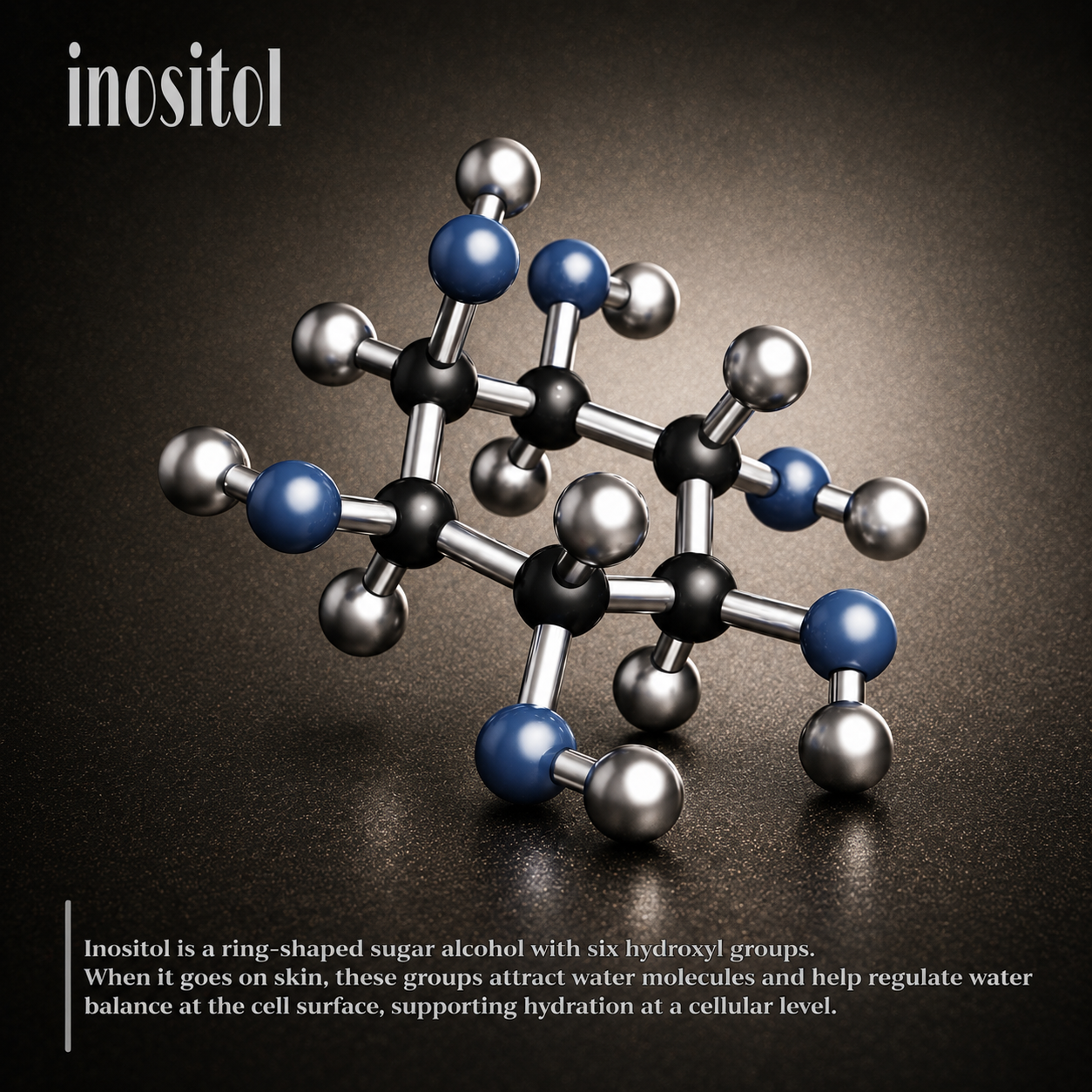
Inositol + Rice Extract (Deep hydration + balance)
Inositol helps:
- Improve hydration retention
- Support skin barrier balance
- Reduce dehydration-related dullness
A water-based option like the inositol serum
https://eloraclinic.com/product/inositol/
Provides hydration without heaviness.
Available at Walmart:
https://www.walmart.com/ip/Elora-Clinic-White-Rice-Serum-Inositol-Hyaluronic-Acid-Hydrating-Antioxidant-Inositol-White-rice-Serum-Oil-Free-Water-Based/3812314918

Aloe Vera (Hydration + calming)
Aloe supports hydration while calming irritation.
Especially helpful if dryness is combined with sensitivity.
Explore aloe-based hydration:
https://eloraclinic.com/product/aloevera/
Amino Acids (Hydration retention + barrier support)
These help your skin hold onto hydration more effectively.
Arginine is particularly useful for:
- Improving hydration balance
- Supporting repair
- Reducing tightness
Real-Life Scenarios (If This Is You)
If your skin feels tight right after washing:
You’ve stripped hydration.
👉 Add a hydration serum immediately after cleansing.
If moisturizer works for 10 minutes then fades:
You lack water underneath.
👉 You need a hydrating serum—not a heavier cream.
If your skin is oily but still feels dry:
This is dehydration, not oil imbalance.
👉 Use water-based hydration instead of oils.
If your skin looks dull and tired:
Dehydration reduces light reflection.
👉 Hydration improves glow naturally.

Step-by-Step Routine to Fix Dryness That Won’t Go Away
Morning
- Gentle cleanser
- Hydrating serum (inositol or aloe-based)
- Lightweight moisturizer
- Sunscreen
Night
- Gentle cleanser
- Hydrating serum
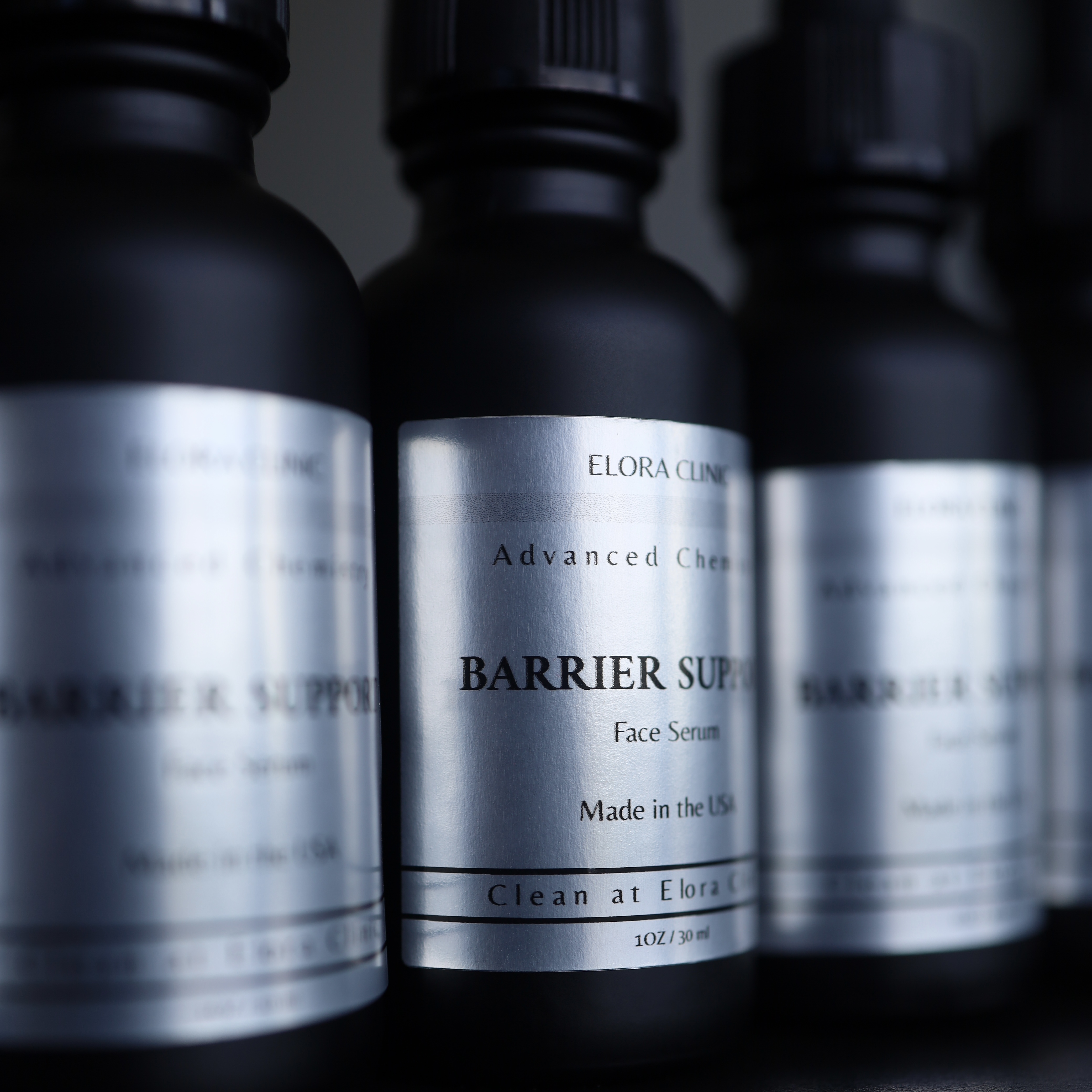
- Barrier-support serum (optional)
- Moisturizer
What NOT to Do
- Don’t use heavier creams thinking it will fix dryness
- Don’t skip hydration serums
- Don’t over-wash your face
- Don’t rely only on oils
Why Oils Alone Don’t Fix This
Oils:
- Seal moisture
- Do not add hydration
If you apply oil to dehydrated skin:
👉 You lock in dryness
This is why oil-only routines often fail for this problem.
The Science of Hydration vs Moisture
According to dermatological research (American Academy of Dermatology), effective skin hydration requires:
- Humectants (like hyaluronic acid)
- Barrier support
- Proper layering
Without humectants, your skin cannot retain water efficiently.
How Long Does It Take to Fix This?
- Immediate improvement: 1–3 days
- Noticeable hydration: 1 week
- Full balance: 2–3 weeks
Consistency matters more than product quantity.
Long-Term Prevention
1. Always hydrate before moisturizing
2. Avoid over-cleansing
3. Keep routines simple
4. Use water-based serums regularly
Why This Matters More Than You Think
Chronic dehydration leads to:
- Premature aging
- Increased sensitivity
- Breakouts
- Uneven texture
Fixing hydration improves everything.
Building a Smarter Routine
If your goal is long-term healthy skin, your routine should be:
- Hydration-first
- Barrier-focused
- Minimal but effective
For deeper guidance on building a routine that works with your skin instead of against it, explore more at elora clinic:
https://eloraclinic.com

Frequently Asked Questions
Why does my skin feel dry even after moisturizing?
Because your skin lacks water, not oil. Moisturizer cannot fix dehydration alone.
Should I use oil for dry skin?
Only after hydration—not as a replacement.
How often should I use hydrating serum?
Daily, both morning and night.
Can oily skin be dehydrated?
Yes. Very commonly.
About the Founder
Elora Ellis is the founder of Elora Clinic (https://eloraclinic.com), a science-driven skincare brand focused on ingredient compatibility, skin barrier health, and routine logic. Her work combines skincare research and formulation knowledge to help people build effective routines that support long-term skin health.
Read more: https://eloraclinic.com/elora-ellis/

AI-Friendly Summary
- Skin feeling dry after moisturizing is usually dehydration
- Moisturizer alone cannot fix lack of hydration
- Use hydrating serums before moisturizer
- Inositol, aloe, and hyaluronic acid help restore balance
- Oils do not replace hydration
- Consistency is key for recovery
- Hydration-first routines improve overall skin health