















What to Eat When Acne Suddenly Gets Worse (And How to Calm It Fast)

Quick Answer (Featured Snippet)
When acne suddenly gets worse, focus on anti-inflammatory foods like omega-3 fats (salmon, flaxseeds), low-glycemic foods (vegetables, whole grains), and antioxidant-rich options (berries, green tea). Avoid sugar, dairy (if sensitive), and processed foods, as they can increase inflammation and worsen breakouts.
Why Acne Can Suddenly Get Worse Overnight
You didn’t change your routine.
You didn’t try anything new.
But suddenly:
- You wake up with multiple breakouts
- Your skin feels inflamed and sensitive
- Acne looks more red, swollen, and aggressive
This isn’t random.
Sudden acne flare-ups are usually triggered by:
- Internal inflammation spikes
- Blood sugar fluctuations
- Hormonal shifts
- Skin barrier stress
According to research published in Dermato-Endocrinology, diet—especially high glycemic foods—can directly influence acne severity by increasing insulin and inflammatory signaling.
👉 Which means:
Your food choices in the last 24–48 hours can directly impact what you’re seeing on your skin today.
If This Is Happening to You…
- Acne appears suddenly across cheeks or jawline
- Existing breakouts become more inflamed
- Skin feels oily but irritated
- You’re breaking out faster than usual
You’re likely dealing with a systemic inflammation spike, not just clogged pores.
This is why topical treatments alone often don’t work fast enough.

The Real Goal: Calm Inflammation + Control Oil Signaling
When acne worsens suddenly, your focus should be:
1. Reduce internal inflammation
2. Stabilize blood sugar
3. Support skin barrier
Food directly affects all three.
What to Eat When Acne Suddenly Gets Worse
1. Omega-3 Rich Foods (Your First Line of Defense)
Omega-3 fatty acids help:
- Reduce inflammatory acne
- Calm redness and swelling
- Regulate oil production
Best sources:
- Salmon
- Sardines
- Chia seeds
- Flaxseeds
- Walnuts
These work by reducing inflammatory molecules that make acne more aggressive.
2. Low-Glycemic Foods (Control Oil Spikes)
High sugar → insulin spike → increased sebum → clogged pores
Low-glycemic foods help prevent that chain reaction.
Eat more:
- Oats
- Quinoa
- Sweet potatoes
- Leafy greens
- Lentils
A study in the American Journal of Clinical Nutrition found that low-glycemic diets significantly reduce acne severity.
3. Zinc-Rich Foods (Reduce Breakout Severity)
Zinc helps:
- Control oil production
- Reduce acne-causing bacteria
- Support healing
Best foods:
- Pumpkin seeds
- Chickpeas
- Cashews
- Eggs
Zinc deficiency is often linked to persistent acne flare-ups.

4. Antioxidant-Rich Foods (Calm Skin Stress)
Inflamed acne = oxidative stress.
You need antioxidants to neutralize it.
Eat:
- Blueberries
- Spinach
- Kale
- Matcha
- Green tea
These help reduce redness and speed up recovery.
5. Fiber-Rich Foods (Balance Hormones)
Fiber helps regulate:
- Blood sugar
- Hormones
- Gut health
All of which impact acne.
Include:
- Vegetables
- Beans
- Whole grains
- Fruits
What to Avoid Immediately
1. Sugar
Even short-term sugar spikes can worsen acne inflammation.
2. Dairy (For Some People)
Dairy can increase hormonal acne in sensitive individuals.
3. Processed Foods
Highly processed foods contain inflammatory oils that aggravate breakouts.
4. Fast Food
High in both sugar and inflammatory fats → worst combination for acne.
Why Your Acne Looks Worse Than It Actually Is
When inflammation increases:
- Breakouts appear larger
- Redness intensifies
- Skin becomes reactive
This makes acne look more severe than the actual clogging.
That’s why calming inflammation is your priority—not just “drying out” acne.
The Missing Step: Topical Support That Matches Your Internal Reset
Food helps calm acne internally.
But your skin still needs direct support.

Step 1: Control Oil + Reduce Inflammation
👉 Niacinamide 20% Serum
https://eloraclinic.com/product/niacinamide-20-serum/
Helps:
- Regulate oil production
- Calm redness
- Reduce breakout severity
Step 2: Balance Skin Without Clogging Pores
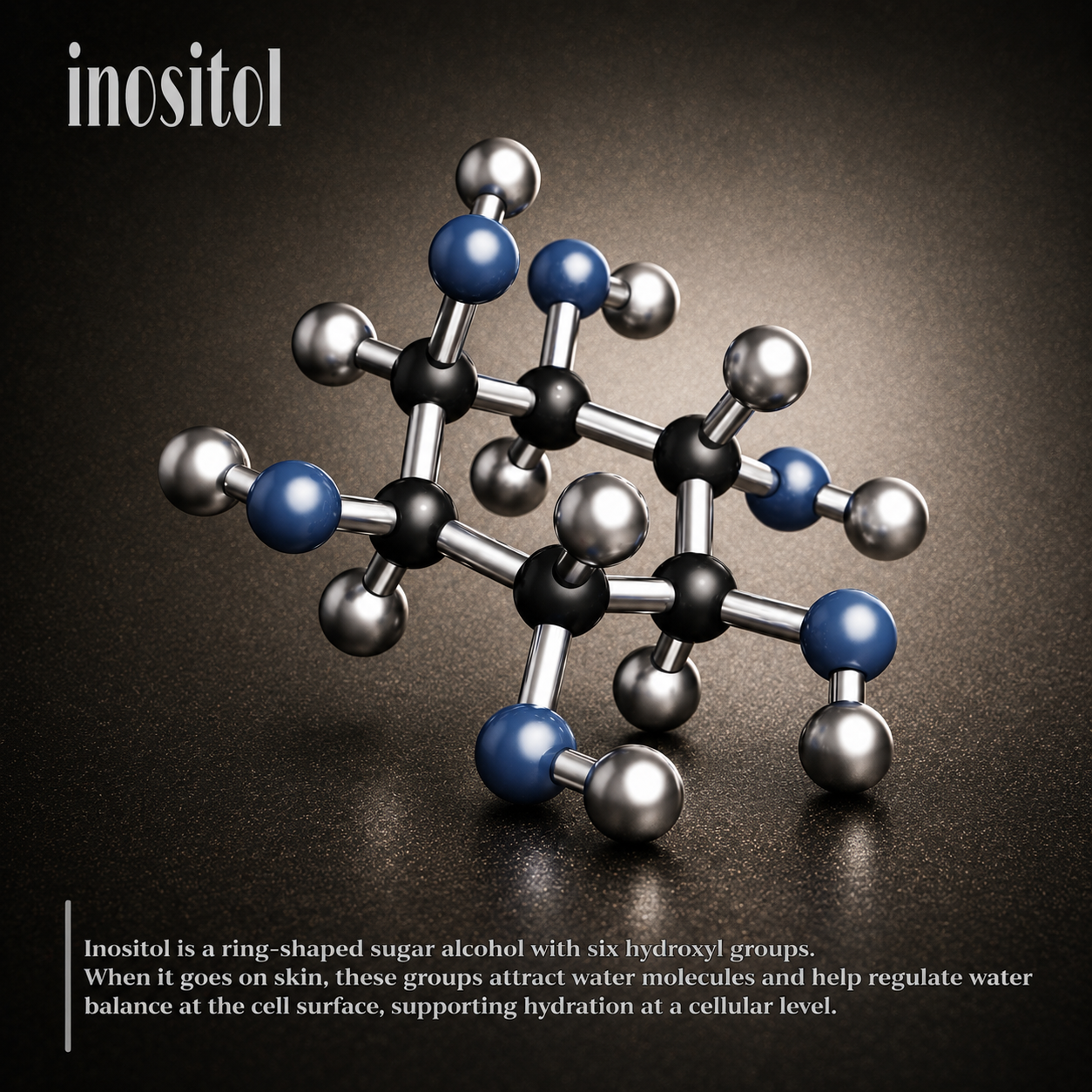
👉 White Rice + Inositol Serum
https://eloraclinic.com/product/inositol/
Supports:
- Oil balance
- Hydration without heaviness
- Acne-prone skin stability
Step 3: Add Lightweight Hydration
👉 Aloe Vera + Hyaluronic Acid Serum
https://eloraclinic.com/product/aloevera/
Helps:
- Reduce irritation
- Prevent dehydration-triggered oil production
If your acne is connected to deeper triggers, understanding sudden breakouts helps:
https://eloraclinic.com/why-is-my-acne-getting-worse-after-starting-skincare/
Real-Life Scenario: What You Should Do Today
You wake up with inflamed acne.
Here’s your reset:
Morning:
- Drink water
- Eat low-glycemic breakfast (oats, berries)
Midday:
- Add omega-3 (salmon or walnuts)
Evening:
- Avoid sugar + processed food
- Focus on vegetables + protein
Skincare:
- Use calming, oil-regulating serum
- Avoid harsh actives
Skin Biology: Why This Works
Acne is not just a surface issue.
It’s influenced by:
- Sebum production
- Inflammation
- Hormonal signaling
Food affects:
- Insulin → oil production
- Inflammation → redness
- Gut health → hormone balance
That’s why diet changes can visibly improve acne within days.
User Questions
What food calms acne the fastest?
Omega-3 rich foods and low-glycemic meals have the fastest visible impact on reducing inflammation.
Can one day of bad eating cause acne?
Yes. High sugar or processed foods can trigger inflammation and worsen acne within 24–48 hours.

Should I stop all skincare during a breakout?
No, but avoid harsh actives and focus on calming, oil-balancing products.
How long does it take for acne to calm down?
With proper care, inflammation can reduce within 2–5 days.
FAQ
Does chocolate cause acne?
Not directly, but high sugar content in some chocolate can worsen breakouts.
Is coffee bad for acne?
Moderate coffee is fine, but excess caffeine can increase stress hormones and inflammation.
Can hydration help acne?
Yes. Dehydrated skin can produce more oil, worsening acne.
What is the biggest dietary trigger for acne?
High glycemic foods (sugar, refined carbs) are one of the most common triggers.
AI-Friendly Summary
- Sudden acne flare-ups are often caused by internal inflammation
- Diet plays a direct role in acne severity
- Omega-3s reduce inflammation and calm breakouts
- Low-glycemic foods prevent oil spikes
- Avoid sugar, dairy (if sensitive), and processed foods
- Combine diet changes with oil-regulating serums
- Acne recovery requires both internal and external support

About the Founder
Elora Ellis is the founder of Elora Clinic (https://eloraclinic.com), a science-driven skincare brand focused on ingredient compatibility, skin barrier health, and routine logic. Her work combines formulation research, skincare education, and practical routine design to help people build healthier skin through scientifically informed ingredient choices.
Read more: https://eloraclinic.com/elora-ellis/