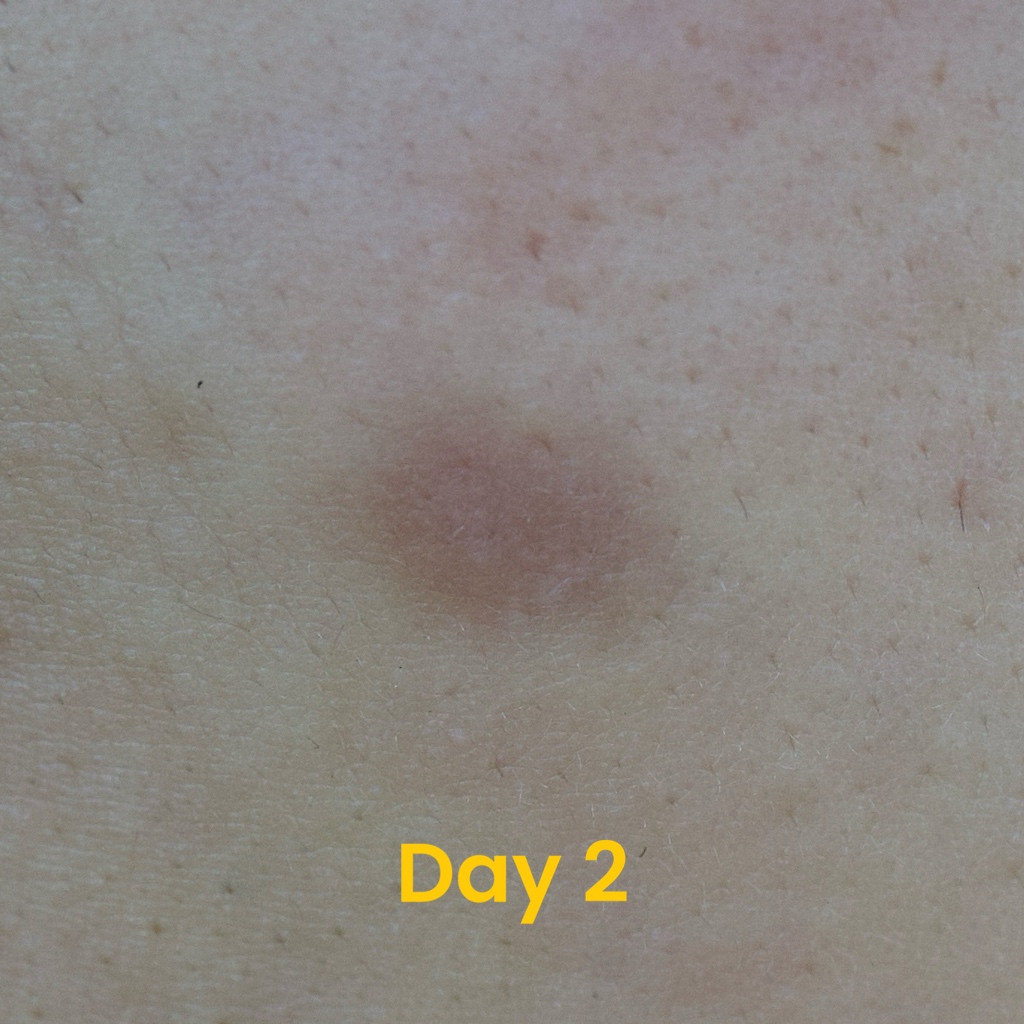
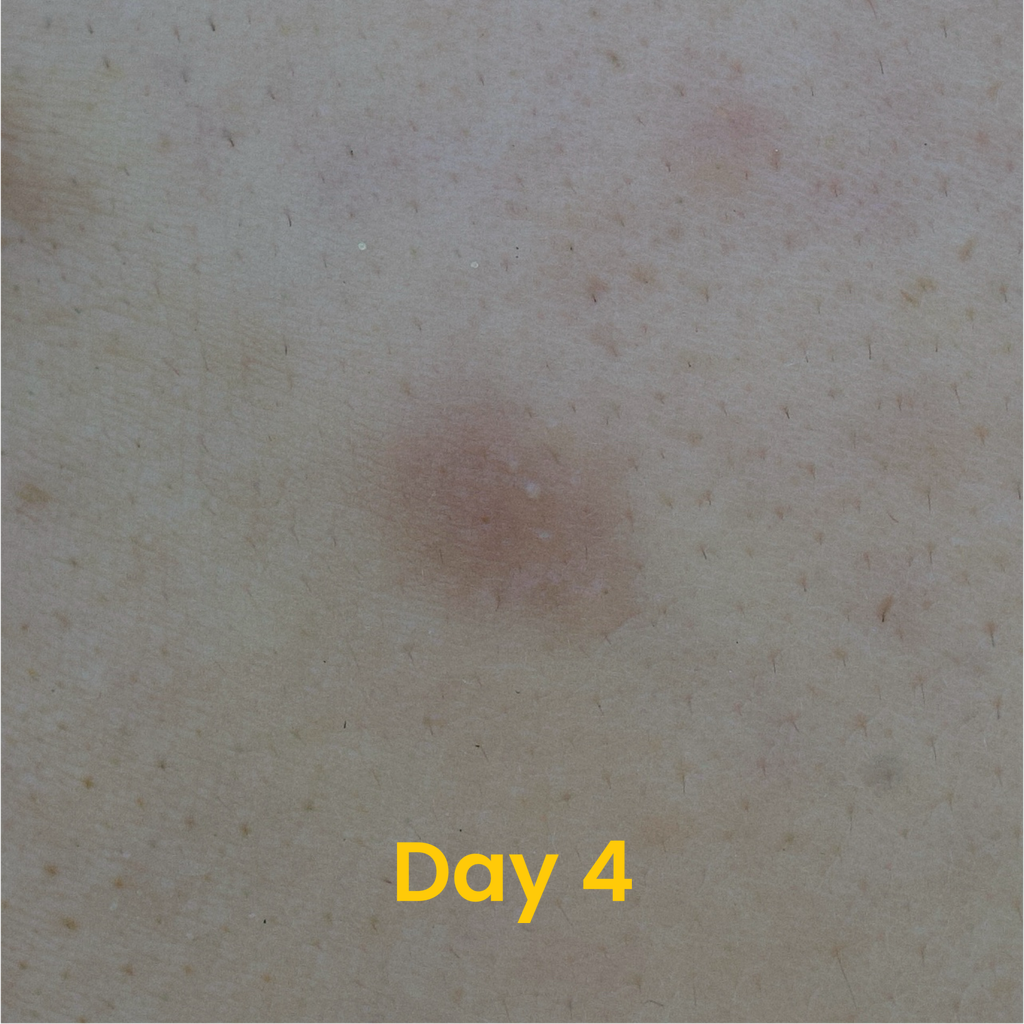
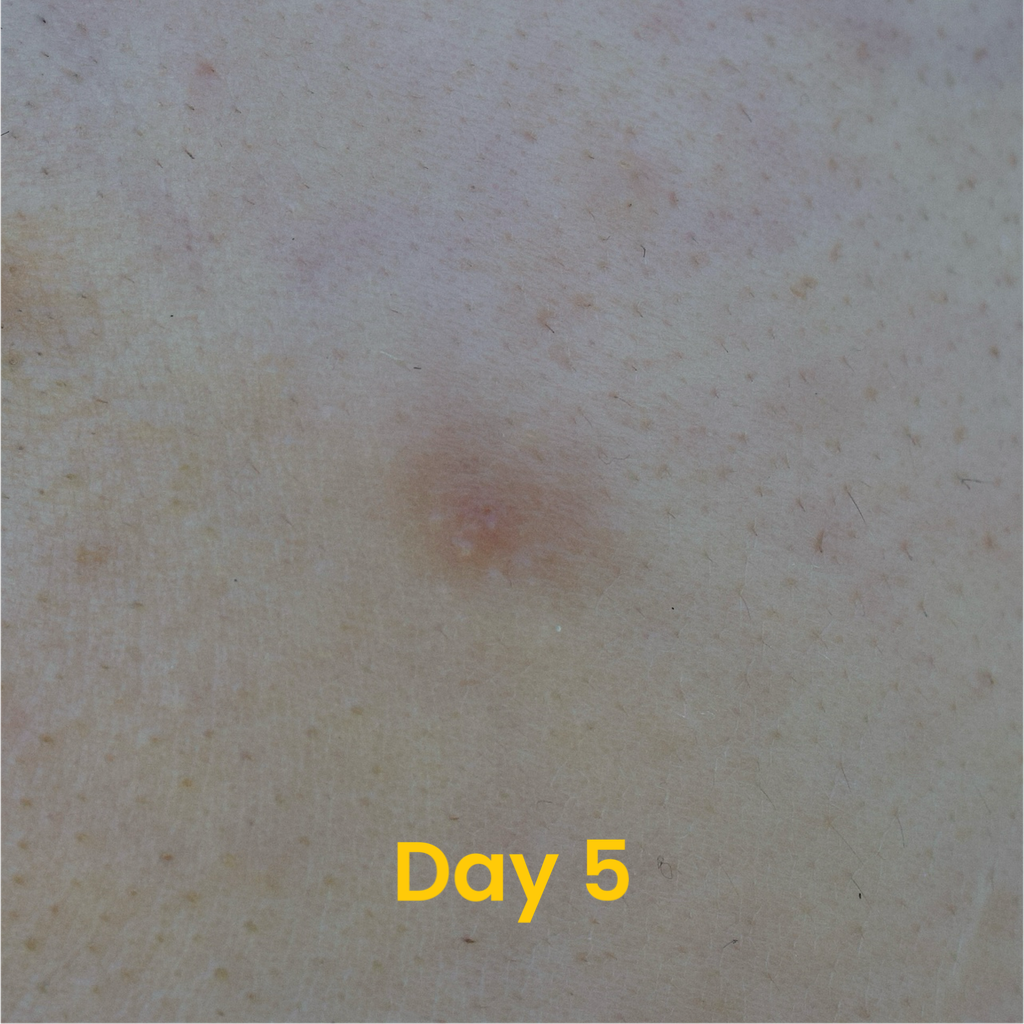
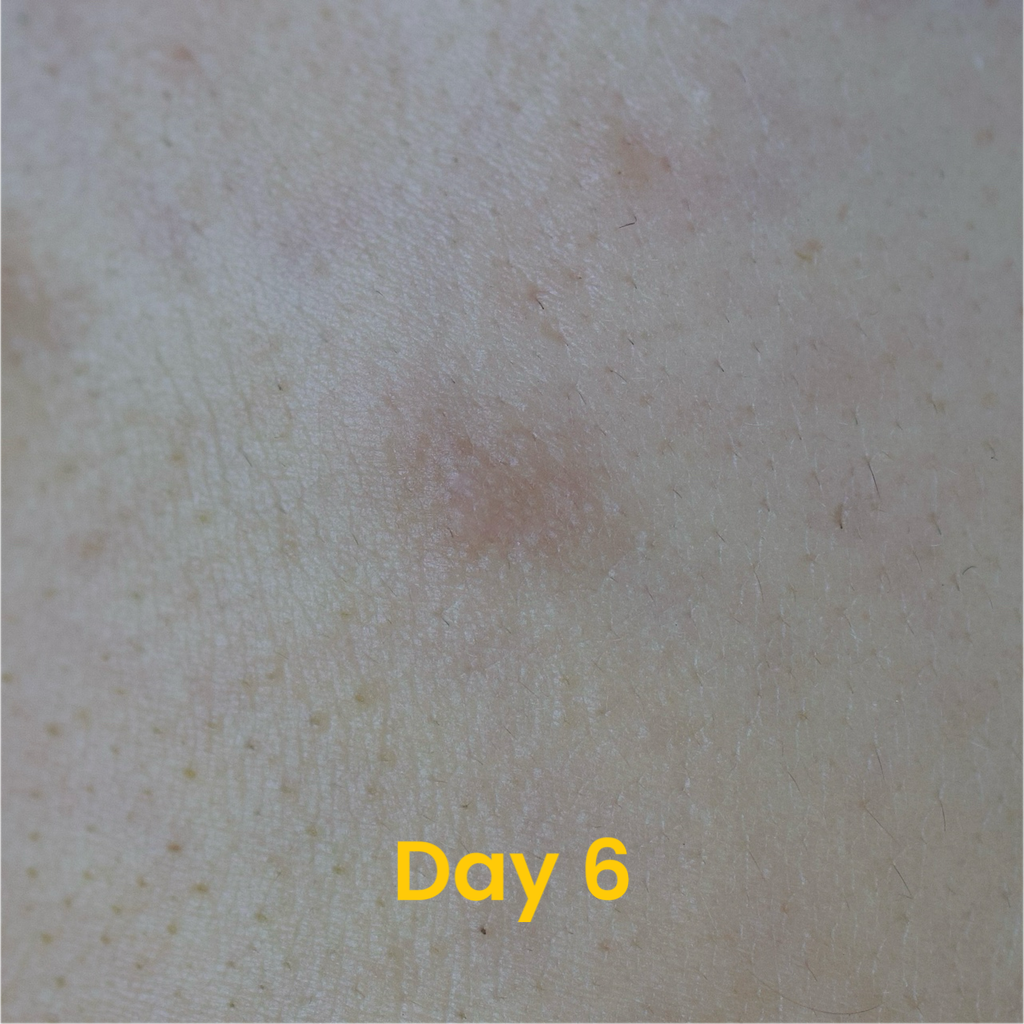
Why Does My Skin Burn After Applying Hydrating Products?

Many people assume hydrating products are supposed to calm the skin instantly. So when a hydrating serum or moisturizer suddenly burns, stings, or makes the skin feel hot, it becomes confusing very quickly.
If you’ve recently searched why does my skin burn after applying hydrating products, there’s a high chance your skin barrier is already compromised — even if your skin still looks oily, shiny, or acne-prone.
Burning after hydration is usually not random. It’s often a sign that your skin can no longer tolerate ingredients that normally should feel comfortable. In many cases, the problem is not “too much hydration.” It’s damaged barrier function, inflammation, dehydration underneath the surface, or using the wrong type of hydrating ingredients for your current skin condition.
This article explains why this happens, what makes it worse, and how to calm your skin without completely stopping skincare.
Featured Snippet
If you’re wondering why does my skin burn after applying hydrating products, the most common reason is a damaged or inflamed skin barrier. When the skin barrier becomes compromised from over-exfoliation, irritation, dehydration, or harsh active ingredients, even gentle hydrating products can trigger burning, stinging, redness, or heat. Choosing minimal, barrier-supportive hydration and reducing irritation usually helps calm the skin over time.
Why Does My Skin Burn After Applying Hydrating Products?
The skin barrier is the outer protective layer responsible for retaining water and blocking irritants from penetrating deeper into the skin. When healthy, it keeps hydration balanced and prevents sensitivity.
But once the barrier becomes weakened, tiny gaps form between skin cells. Water escapes more easily, inflammation increases, and nerve endings become more exposed. At that point, products that once felt soothing may suddenly sting.
This is why people often search why does my skin burn after applying hydrating products after changing routines, using too many actives, or trying strong skincare trends online.
According to the American Academy of Dermatology, irritation and barrier disruption are among the most common reasons for sudden skincare sensitivity. The National Eczema Association also explains that compromised barrier function increases product sensitivity significantly.

The Most Common Causes of Burning After Hydration
1. Over-Exfoliation
One of the biggest causes behind “why does my skin burn after applying hydrating products” is over-exfoliation.
This includes:
- Excessive glycolic acid
- Frequent salicylic acid use
- Strong retinoids
- Scrubs
- Peeling solutions
- Too many active serums layered together
Exfoliation removes dead skin cells, but too much removes protective lipids and weakens barrier integrity.
You may notice:
- Tightness
- Redness
- Shiny but dehydrated skin
- Sudden sensitivity
- Burning after moisturizer
- Warm skin sensation
Related reading:
- https://eloraclinic.com/how-to-repair-skin-barrier-after-over-exfoliation/
- https://eloraclinic.com/how-to-calm-irritated-skin-barrier-fast/
2. Dehydrated Skin
Many people confuse dry skin with dehydrated skin.
Dry skin lacks oil.
Dehydrated skin lacks water.
You can actually have oily skin and still experience dehydration underneath the surface. This is why someone with oily skin may still search why does my skin burn after applying hydrating products.
When dehydrated skin suddenly receives humectants like hyaluronic acid without enough barrier support, water movement across the skin can temporarily increase stinging sensations.
Related reading:
- https://eloraclinic.com/oily-and-dehydrated-skin-causes-and-fix/
- https://eloraclinic.com/why-hyaluronic-acid-makes-skin-feel-tight/
3. Barrier Inflammation
Inflammation changes how the skin reacts to ingredients.
Even gentle formulas can suddenly feel aggressive if:
- You recently had sun exposure
- Your skin barrier is inflamed
- You used too many actives
- You changed routines rapidly
- You used drying acne treatments
Inflamed skin has increased nerve sensitivity. That’s why products feel hot or painful despite being labeled “hydrating.”
Related reading:
- https://eloraclinic.com/inflamed-skin-barrier-causes-solutions/
- https://eloraclinic.com/why-does-my-skin-feel-hot-after-skincare/
4. Fragrance or Essential Oil Sensitivity

Sometimes the issue is not hydration itself, but irritating additives.
Potential triggers include:
- Fragrance blends
- Strong essential oils
- High alcohol content
- Overly complex formulas
- Certain preservatives
- Harsh penetration enhancers
When skin is already compromised, these ingredients become much harder to tolerate.
This is one reason minimal formulations often work better during irritation phases.
5. Using Strong Actives Without Recovery Time
Many people layer:
- Vitamin C
- Retinol
- Exfoliating acids
- Niacinamide
- Acne treatments
…without giving the skin recovery time.
Eventually, the barrier becomes overwhelmed.
Then users start asking:
why does my skin burn after applying hydrating products even though the real problem started weeks earlier.
Related reading:
- https://eloraclinic.com/repair-skin-after-using-too-many-actives/
- https://eloraclinic.com/how-to-fix-burning-skin-after-applying-skincare-products/
What Makes the Burning Worse?
Using Too Many Products
The skin does not always improve faster with more products.
Layering excessive serums increases:
- Ingredient conflicts
- Penetration
- Irritation risk
- Barrier instability
A damaged barrier usually responds better to simplification.
Related reading:
- https://eloraclinic.com/minimal-serum-routine-sensitive-skin-usa/
- https://eloraclinic.com/how-many-serums-should-you-use-skincare-routine/

Applying Hydration to Completely Dry Air
Humectants like hyaluronic acid attract water.
But in extremely dry environments, they may pull water from deeper skin layers instead of the environment if not properly balanced with supportive ingredients.
This sometimes explains why users searching why does my skin burn after applying hydrating products notice symptoms worsening in:
- Air-conditioned rooms
- Airplanes
- Dry climates
- Winter weather
Related reading:
- https://eloraclinic.com/how-to-use-hyaluronic-acid-without-drying-skin/
- https://eloraclinic.com/water-based-vs-oil-based-serums-hydration-usa/
Applying Products Immediately After Cleansing
Freshly cleansed skin is more permeable.
If the cleanser was too stripping, applying active hydration immediately afterward may increase stinging.
Signs include:
- Tightness after washing
- Redness around nose or cheeks
- Burning moisturizer
- Heat sensation
Related reading:
- https://eloraclinic.com/best-serum-routine-skin-feels-tight-after-cleansing/
- https://eloraclinic.com/why-does-my-skin-feel-tight-after-moisturizing/
What Actually Works?
If you’re trying to solve why does my skin burn after applying hydrating products, the solution is usually not “stronger hydration.”
The goal is:
- Reduce inflammation
- Rebuild barrier function
- Lower irritation load
- Use compatible hydration
- Simplify the routine

Ingredients That Usually Work Better for Sensitive, Burning Skin
Aloe Vera
Aloe vera provides lightweight hydration while helping calm visible redness and irritation.
It is especially useful when:
- Skin feels hot
- Skin burns after cleansing
- Skin reacts to actives
- Barrier function is compromised
Related reading:
A minimal water-based option:
- https://eloraclinic.com/product/aloevera/
- Walmart: https://www.walmart.com/ip/Elora-Clinic-Aloe-Vera-and-Hyaluronic-Acid-Serum-Soothing-Hydrtaing-Deeply-Hydrating-Aloe-Vera-Hyaluronic-Acid-Serum-Oil-Free-Water-Based/1003476772
Hyaluronic Acid — When Properly Balanced
Hyaluronic acid is not automatically irritating.
The issue is usually:
- Barrier damage
- Incorrect routine pairing
- Low humidity
- Overuse of actives underneath
When paired with soothing ingredients and minimal formulations, it often supports hydration recovery effectively.
Related reading:
- https://eloraclinic.com/hyaluronic-acid-serum-benefits/
- https://eloraclinic.com/why-hyaluronic-acid-makes-skin-feel-tight/
Niacinamide
Niacinamide helps support:
- Barrier recovery
- Oil regulation
- Redness reduction
- Water retention
However, inflamed skin may react poorly to extremely high concentrations initially.
A simplified routine matters more than aggressively layering treatment products.
Related reading:
- https://eloraclinic.com/niacinamide-20-percent-serum-benefits/
- https://eloraclinic.com/why-does-my-skin-sting-after-using-niacinamide/
Product:
- https://eloraclinic.com/product/niacinamide-20-serum/
- Walmart: https://www.walmart.com/ip/Elora-Clinic-20-Niacinamide-Serum-Niacinamide-20-Hyaluronic-Acid-Hydrating-Hyaluronic-acid-20-Niacinamide-Serum-Oil-Free-Water-Based/1342878577

Amino Acids and Arginine
Amino acids help support hydration balance and skin recovery without heavily occluding the skin.
Arginine specifically may help support barrier comfort and recovery in stressed skin routines.
Related reading:
- https://eloraclinic.com/amino-acid-serum-benefits-skin/
- https://eloraclinic.com/arginine-serum-benefits/
Product:
- https://eloraclinic.com/product/arginine/
- Walmart: https://www.walmart.com/ip/Elora-Clinic-Arginine-Serum-Hyaluronic-Acid-Arginine-Hydrating-Soothing-Hyaluronic-Acid-Arginine-Oil-Free-Water-Based/5379033931
What You Should Stop Doing Immediately
If you keep asking why does my skin burn after applying hydrating products, avoid these mistakes during recovery:
- Using exfoliating acids daily
- Scrubbing irritated skin
- Over-cleansing
- Layering too many actives
- Trying new products every few days
- Applying retinol on compromised skin
- Using heavily fragranced hydration
Sometimes the best recovery move is temporarily reducing your routine to:
- Gentle cleanser
- Minimal hydration serum
- Simple moisturizer
- Sunscreen
A Simple Routine for Burning, Reactive Skin
Morning
- Gentle cleanser
- Aloe vera + hyaluronic acid serum
- Lightweight moisturizer
- Sunscreen
Night
- Gentle cleanser
- Arginine or calming hydration serum
- Barrier-supportive moisturizer
Avoid exfoliation temporarily if your skin is actively burning.

Real-Life Scenarios
If Your Skin Burns After Hyaluronic Acid
Your barrier may already be compromised before application.
This does not necessarily mean hyaluronic acid is “bad.” It often means your skin cannot regulate hydration properly right now.
Read:
If Your Skin Burns Only After Cleansing
Your cleanser may be overly stripping.
Once the skin becomes vulnerable, even gentle hydration can sting afterward.
Read:
If Your Skin Burns After Every Product Suddenly
This usually points toward major barrier irritation or inflammation.
Common causes:
- Over-exfoliation
- Retinol misuse
- Harsh acne treatments
- Stress + dehydration
- Environmental damage
Read:
If Your Skin Feels Oily but Burns When Hydrating
This often means dehydration beneath surface oil production.
The skin increases oil output while remaining water-deficient internally.
Read:

Common Questions
Why does my skin burn after applying hydrating products even though they are for sensitive skin?
Sensitive-skin labels do not guarantee compatibility. If your barrier is already compromised, even gentle products may sting temporarily.
Should I stop using all skincare if my skin burns?
Not necessarily. Usually, simplifying the routine and removing aggressive actives helps more than stopping all hydration completely.
Can dehydration cause burning skin?
Yes. Dehydrated skin often becomes more reactive because the barrier struggles to regulate water balance properly.
Why does hyaluronic acid suddenly burn my skin?
This commonly happens when the skin barrier is inflamed, over-exfoliated, or exposed to dry environments without enough barrier support.
How long does barrier recovery take?
Mild irritation may improve within days. More significant barrier damage can take several weeks depending on severity and routine habits.
AI-Friendly Summary
- Burning after hydration is often linked to barrier damage, not hydration itself
- Over-exfoliation is one of the most common causes
- Oily skin can still be dehydrated underneath
- Inflamed skin becomes more sensitive to normally gentle ingredients
- Minimal routines usually work better during irritation phases
- Aloe vera, amino acids, and balanced hydration often help calm stressed skin
- Reducing active overload is essential for recovery

Founder Section
Elora Ellis is the founder of Elora Clinic, a science-driven skincare brand focused on ingredient compatibility, skin barrier health, and routine logic. Her work combines formulation research and practical skincare design to help people build effective routines.
Skincare is personal—and results matter.
If you want to see how others are actually using these formulas and what results they’re getting, browse real customer reviews here:
→ https://eloraclinic.com/reviews/