
















Why Does My Skin Sting After Using Niacinamide? (And How to Fix It Fast)

Quick Answer (Featured Snippet)
If your skin stings after using niacinamide, it’s usually not the ingredient itself—it’s the concentration, layering, or a damaged skin barrier. High percentages, overuse, or combining it with harsh actives can trigger irritation. The solution is to reduce strength, simplify your routine, and restore hydration and barrier balance.
The Real Question: Why Is Niacinamide Suddenly Irritating My Skin?
Niacinamide is often described as “gentle,” “safe,” and “barrier-supporting.”
So when your skin starts stinging, burning, or reacting after using it—it feels confusing.
But this situation is more common than it seems.
If your skin is reacting to niacinamide, it usually means one of three things is happening:
- Your skin barrier is already compromised
- The formulation or percentage is too strong
- Your routine is overwhelming your skin
Understanding which one applies to you is the key to fixing it.
What Niacinamide Is Supposed to Do
Niacinamide (vitamin B3) is designed to:
- Regulate oil production
- Reduce inflammation
- Support the skin barrier
- Improve uneven tone
- Calm redness
In theory, it should not sting.
So when it does, it’s not behaving “wrong”—your skin environment is.
Why Niacinamide Starts Stinging (The Real Causes)
1. Your Skin Barrier Is Already Damaged
This is the most common reason.
If your skin barrier is weakened, even gentle ingredients can sting.
This often happens after:
- Over-exfoliation
- Using too many actives
- Retinol misuse
- Harsh cleansers
- Environmental stress
When your barrier is compromised, your skin loses its ability to regulate absorption.
That means niacinamide penetrates too aggressively—causing that stinging sensation.
If your skin also feels tight, sensitive, or reactive, you may be dealing with deeper barrier disruption. A more complete breakdown of this process can be found in the skin barrier repair guide.

2. The Percentage Is Too High
Niacinamide is effective at relatively low concentrations (2–5%).
But many products now use 10%, 15%, even 20%.
At higher levels, niacinamide can:
- Disrupt balance instead of supporting it
- Cause flushing or tingling
- Overload sensitive skin
This is especially true if your skin is already stressed.
If you’re using a high-strength formula daily, your skin may simply be overwhelmed.
3. You’re Layering It With Irritating Ingredients
Niacinamide itself is not harsh—but your routine might be.
Common combinations that increase irritation:
- Niacinamide + strong acids (AHAs/BHAs)
- Niacinamide + retinol (especially beginners)
- Niacinamide + vitamin C (in unstable routines)
When too many active ingredients are layered together, your skin reacts—not necessarily to one ingredient, but to the total load.
If your skin has recently started reacting to everything, this pattern often overlaps with what’s described in why your skin is suddenly reacting to everything.
4. Your Skin Is Dehydrated (Even If It Looks Oily)
This is a hidden trigger.
Dehydrated skin often:
- Feels tight
- Looks shiny
- Breaks out more
- Becomes sensitive
When hydration levels drop, your skin barrier weakens.
That makes even “safe” ingredients feel irritating.
If your skin feels tight but still produces oil, the imbalance may be similar to what’s explained in best serum for oily skin that still feels dehydrated.
5. You’re Using It Too Often
Niacinamide doesn’t need to be used multiple times a day to work.
Overuse can:
- Disrupt your skin’s natural rhythm
- Cause cumulative irritation
- Prevent recovery
Sometimes the issue isn’t the ingredient—it’s frequency.
What Your Skin Is Trying to Tell You
When your skin stings, it’s not random.
It’s signaling:
- “I’m overwhelmed”
- “I need repair, not treatment”
- “Slow down”
Ignoring this signal and continuing your routine usually makes things worse.
How to Fix Niacinamide Irritation (Step-by-Step)
Step 1: Stop All Actives Temporarily
Pause:
- Niacinamide
- Exfoliants
- Retinol
- Vitamin C
Give your skin space to reset.

Step 2: Focus on Barrier Repair First
Your priority is not acne, pores, or tone right now—it’s stability.
You need:
- Hydration
- Soothing ingredients
- Barrier support
Ingredients that help:
- Hyaluronic acid
- Aloe vera
- Amino acids
- Panthenol
A simple, calming option like the Aloe Vera + Hyaluronic Acid Serum
(https://eloraclinic.com/product/aloevera/) can help reduce irritation while restoring hydration.
Available at Walmart:
https://www.walmart.com/ip/Elora-Clinic-Aloe-Vera-and-Hyaluronic-Acid-Serum-Soothing-Hydrtaing-Deeply-Hydrating-Aloe-Vera-Hyaluronic-Acid-Serum-Oil-Free-Water-Based/1003476772
Step 3: Rebuild Skin Balance
Once irritation calms, introduce supportive ingredients—not aggressive ones.
Amino acids and barrier-supporting compounds help your skin regain control.
The Arginine Serum
(https://eloraclinic.com/product/arginine/) supports hydration and recovery without triggering sensitivity.
Available at Walmart:
https://www.walmart.com/ip/Elora-Clinic-Arginine-Serum-Hyaluronic-Acid-Arginine-Hydrating-Soothing-Hyaluronic-Acid-Arginine-Oil-Free-Water-Based/5379033931
Step 4: Reintroduce Niacinamide Carefully
When your skin feels stable again:
- Start with lower frequency (2–3 times per week)
- Use a moderate concentration
- Avoid layering with strong actives
If irritation returns, your skin isn’t ready yet.
Step 5: Simplify Your Routine
More products ≠ better results.
A minimal routine is often more effective:
- Gentle cleanser
- Hydrating serum
- Barrier-supporting serum
- Moisturizer
You can explore a simplified structure in minimal serum routine for sensitive skin.
What to Avoid While Your Skin Is Recovering
- High-percentage niacinamide (15–20%)
- Over-cleansing
- Physical exfoliation
- Mixing too many actives
- Skipping hydration
Real-Life Scenarios
If your skin suddenly started stinging after a new product:
→ Stop immediately and reset your routine
If your skin reacts even to products that used to work:
→ Your barrier is likely compromised
If your skin feels tight but looks oily:
→ Focus on hydration, not oil control
If your skin burns when applying anything:
→ You need full barrier recovery before reintroducing actives
Ingredient Logic: Why Hydration Fixes This
When your skin barrier is intact:
- It controls absorption
- It prevents irritation
- It maintains balance
Hydration isn’t just about moisture—it’s about restoring function.
According to dermatological research published by the American Academy of Dermatology, barrier disruption significantly increases skin sensitivity and reactivity.
Additionally, studies in the Journal of Clinical and Aesthetic Dermatology show that repairing hydration pathways improves tolerance to active ingredients.

The Right Way to Use Niacinamide Going Forward
- Keep concentration moderate
- Use once daily (not multiple times)
- Avoid pairing with harsh actives initially
- Always maintain hydration underneath
Niacinamide works best in a balanced environment—not an aggressive one.
The Science Behind Why Niacinamide Starts Stinging
If you’ve been wondering why does my skin sting after using niacinamide, it’s important to understand that the stinging sensation is usually not caused by niacinamide itself. Instead, it reflects changes in how your skin barrier, nerve endings, and inflammatory pathways are functioning at the time you apply the product.
Healthy skin acts as a highly organized protective barrier. The outermost layer, known as the stratum corneum, is composed of corneocytes surrounded by specialized lipids that help regulate water retention while limiting the penetration of external substances. When this barrier is functioning normally, ingredients like niacinamide are absorbed gradually and comfortably. However, when the barrier becomes disrupted, the skin loses part of its ability to regulate absorption, making otherwise well-tolerated ingredients feel unexpectedly irritating.
One of the earliest signs of barrier disruption is an increase in transepidermal water loss (TEWL). As more water escapes from the skin, hydration decreases, barrier lipids become disorganized, and microscopic gaps begin forming between skin cells. These changes allow skincare ingredients to penetrate more rapidly while simultaneously exposing sensory nerve endings closer to the skin’s surface. As a result, products that previously felt completely comfortable may suddenly produce burning, tingling, or stinging sensations.
This explains why many people searching why does my skin sting after using niacinamide report that the exact same bottle worked perfectly for months before suddenly becoming irritating. In most cases, the product has not changed—the skin itself has.
If you’ve recently experienced persistent sensitivity, our Skin Barrier Repair Guide (https://eloraclinic.com/skin-barrier-repair-guide/) explains how barrier disruption develops, while How to Repair Skin Barrier Naturally(https://eloraclinic.com/how-to-repair-skin-barrier-naturally/) discusses practical recovery strategies. Readers whose skin feels comfortable one day but reactive the next may also find Why Does My Skin Feel Balanced One Day and Irritated the Next? (https://eloraclinic.com/why-does-my-skin-feel-balanced-one-day-and-irritated-the-next/) especially helpful.
Why Some People Never React to Niacinamide While Others Do
One of the biggest misconceptions is that niacinamide is either “good” or “bad” for everyone. In reality, individual tolerance depends on a combination of skin biology, routine structure, environment, and formulation.
Several factors influence how comfortably your skin tolerates niacinamide, including:
- The overall strength of your skin barrier
- Your skin’s hydration status
- Climate and humidity
- Recent use of retinoids or exfoliating acids
- Cleansing habits
- Product concentration
- Individual skin sensitivity
Someone with a healthy, well-hydrated barrier may comfortably tolerate a higher-strength niacinamide serum every day. Another person using the exact same product may experience burning because their skin barrier is already stressed from over-exfoliation, environmental exposure, or cumulative irritation.
This is why skincare should never be evaluated by ingredient lists alone. Context matters.
Readers comparing different niacinamide strengths may also find Niacinamide Percentage Guide (10%, 15%, 20%)(https://eloraclinic.com/niacinamide-percentage-guide-10-15-20/) and 15 Niacinamide Serum Benefits(https://eloraclinic.com/15-niacinamide-serum-benefits/) useful companion resources.
Why Dehydrated Skin Makes Niacinamide Feel Worse
One of the most overlooked explanations for why does my skin sting after using niacinamide is dehydration.
Many people assume that because their face appears oily, hydration cannot be the problem. In reality, oil production and water content are regulated independently. Skin may produce excess sebum while simultaneously lacking adequate water, leaving the barrier less resilient and more susceptible to irritation.
When dehydration develops, natural moisturizing factors (NMFs) decline, barrier lipids become less organized, and transepidermal water loss increases. Under these conditions, even gentle ingredients such as niacinamide may temporarily produce stinging that disappears once hydration and barrier integrity are restored.
If your skin feels tight while still becoming shiny throughout the day, you may also benefit from reading Hyaluronic Acid for Dehydrated Skin (https://eloraclinic.com/hyaluronic-acid-for-dehydrated-skin/), Why Is My Face Oily After Moisturizer? (https://eloraclinic.com/why-is-my-face-oily-after-moisturizer/), and Oily and Dehydrated Skin: Causes and Fix (https://eloraclinic.com/oily-and-dehydrated-skin-causes-and-fix/). These articles explain why improving hydration often reduces irritation without increasing oiliness.
Is It an Allergy or Just Temporary Irritation?

One of the first questions people ask after searching why does my skin sting after using niacinamide is whether they have developed an allergy.
Fortunately, true allergic reactions to niacinamide are uncommon. Most reactions involve temporary irritation caused by barrier disruption, excessive concentration, or routine incompatibility rather than an immune-mediated allergy.
Temporary irritation typically presents as:
- Mild burning
- Tingling
- Tightness
- Short-lived redness
- Increased sensitivity during application
A true allergic reaction is more likely to involve:
- Persistent swelling
- Hives
- Severe itching
- Blistering
- Widespread rash
- Symptoms that worsen after repeated exposure
Because the symptoms may overlap, persistent or severe reactions should always be evaluated by a qualified healthcare professional.
If you’re unsure whether your reaction represents irritation or allergy, our article Allergic to Niacinamide?(https://eloraclinic.com/allergic-niacinamide/) explains how to recognize the differences and when medical evaluation may be appropriate.
Current guidance from the American Academy of Dermatology and research indexed through the National Institutes of Health (NIH) likewise emphasize that many cosmetic ingredient reactions result from impaired barrier function rather than true allergic sensitization.
Ingredients That Can Make Niacinamide Sting Even More
One of the biggest reasons people search why does my skin sting after using niacinamide is because they assume niacinamide alone is responsible. In reality, irritation often develops because several active ingredients are being layered together while the skin barrier is already under stress.
Think of your skincare routine as a team rather than individual products. Even if every ingredient is considered “safe,” using too many barrier-disrupting products within the same routine may overwhelm the skin’s ability to recover.
Below are some of the most common combinations that increase the likelihood of temporary irritation.
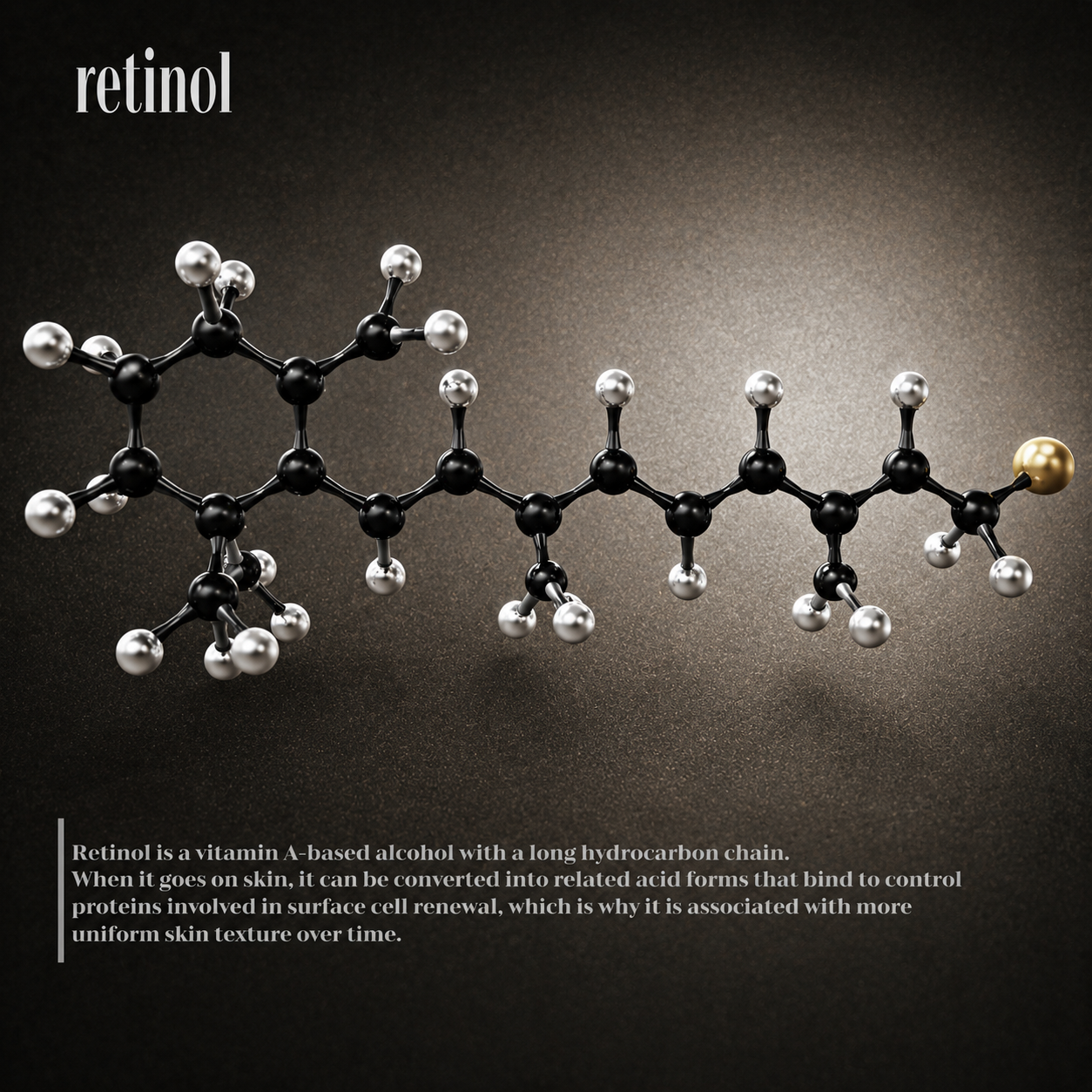
Retinol
Retinol remains one of the most extensively researched anti-aging ingredients available, but it also increases skin cell turnover. During the first several weeks of use, many people experience dryness, peeling, and temporary increases in transepidermal water loss (TEWL).
If niacinamide is introduced while the skin is still adapting to retinol, burning or stinging may occur—not because the ingredients are incompatible, but because the skin barrier has become temporarily more vulnerable.
For people with sensitive skin, alternating retinol nights instead of applying multiple active ingredients together often improves overall tolerance.
Readers comparing gentler alternatives may also enjoy Bakuchiol vs Retinol (https://eloraclinic.com/bakuchiol-vs-retinol/), What Is Bakuchiol? (https://eloraclinic.com/what-is-bakuchiol/), and What Is Bakuchiol Oil?(https://eloraclinic.com/what-is-bakuchiol-oil/).
Exfoliating Acids (AHAs & BHAs)
Chemical exfoliants such as glycolic acid, lactic acid, mandelic acid, and salicylic acid are highly effective when used appropriately, but excessive exfoliation is one of the fastest ways to compromise the skin barrier.
Once the barrier becomes disrupted, even well-tolerated ingredients like niacinamide may suddenly begin stinging.
This is especially common when people increase exfoliation frequency while simultaneously introducing new treatment serums.
If you’ve recently used multiple exfoliating products, you may also benefit from our guides on Repair Skin After Using Too Many Actives (https://eloraclinic.com/repair-skin-after-using-too-many-actives/) and How to Rebuild a Skincare Routine From Scratch (https://eloraclinic.com/how-to-rebuild-a-skincare-routine-from-scratch/).
Vitamin C
A common skincare myth suggests that vitamin C and niacinamide should never be used together.
Modern cosmetic research shows that stable formulations of both ingredients are generally compatible. However, if your skin barrier is already compromised, layering multiple active ingredients—including vitamin C and niacinamide—may increase temporary irritation simply because your skin is being asked to tolerate too much at once.
If you’re deciding which ingredient to prioritize during recovery, our comparison Niacinamide vs Vitamin C(https://eloraclinic.com/niacinamide-vs-vitamin-c-guide/) explains when each ingredient may be more appropriate.
High-Percentage Niacinamide Formulas
Another reason people ask why does my skin sting after using niacinamide is the increasing popularity of very high-strength formulations.
Many people achieve excellent results using concentrations between approximately 2% and 5%. While higher percentages may be appropriate in certain formulations, they are not automatically more effective for everyone.
If your skin recently became reactive after switching to a stronger serum, the concentration itself may be contributing to the discomfort rather than niacinamide as an ingredient.
Our guide Niacinamide Serum for Dark Spots & Hyperpigmentation (https://eloraclinic.com/niacinamide-serum-for-dark-spots-hyperpigmentation/) discusses choosing niacinamide products according to treatment goals rather than assuming higher percentages always produce better outcomes.
Fragrance and Preservative Sensitivity
Sometimes niacinamide receives the blame when another ingredient is actually responsible.
Fragrance components, botanical extracts, essential oils, or certain preservatives may trigger irritation in susceptible individuals, especially when the skin barrier has already been weakened.
If you’ve recently switched to a new product, compare the complete ingredient list rather than focusing only on the highlighted active ingredient.
This is another reason why identifying the true cause of why does my skin sting after using niacinamide often requires evaluating the entire formulation, not just the niacinamide concentration.
What Should You Use Instead While Your Skin Recovers?

When irritation develops, many people immediately begin searching for another active ingredient to replace niacinamide.
In most cases, however, the skin does not need another treatment—it needs time and support.
During recovery, prioritize ingredients that improve hydration and reinforce the skin barrier rather than aggressively targeting pigmentation, acne, or enlarged pores.
Some of the most compatible ingredients during this period include:
- Hyaluronic acid
- Aloe vera
- Panthenol (Vitamin B5)
- Amino acids such as arginine
- Ceramides
- Glycerin
These ingredients help restore hydration while allowing the skin barrier to gradually regain its normal protective function.
Readers looking for gentle recovery routines may also benefit from:
- Aloe Vera Serum (https://eloraclinic.com/aloe-vera-serum/)
- Hyaluronic Acid for Dehydrated Skin (https://eloraclinic.com/hyaluronic-acid-for-dehydrated-skin/)
- Arginine vs Niacinamide for Skin (https://eloraclinic.com/arginine-vs-niacinamide-for-skin/)
- Minimal Serum Routine for Sensitive Skin (https://eloraclinic.com/minimal-serum-routine-sensitive-skin/)
- Why Does My Skin Feel Balanced One Day and Irritated the Next? (https://eloraclinic.com/why-does-my-skin-feel-balanced-one-day-and-irritated-the-next/)
Current recommendations from the American Academy of Dermatology (https://www.aad.org/) likewise emphasize restoring the skin barrier through gentle cleansing, consistent hydration, and minimizing unnecessary irritation before gradually reintroducing active ingredients.
Ingredient Compatibility During Niacinamide Recovery
If you’re searching why does my skin sting after using niacinamide, one of the most important questions is which ingredients help your skin recover—and which ones should temporarily be avoided.
Not every skincare ingredient behaves the same way when the skin barrier is compromised. Some actively support recovery, while others are better introduced after irritation has completely resolved.
The goal during recovery is not to treat every skin concern at once, but to restore normal barrier function so your skin can comfortably tolerate active ingredients again.
Summary
| Ingredient | During Active Irritation | After Recovery | Why |
|---|---|---|---|
| Hyaluronic Acid | ✅ Excellent | ✅ Excellent | Lightweight hydration helps reduce transepidermal water loss (TEWL) while improving overall skin comfort. Learn more in Hyaluronic Acid for Dehydrated Skin (https://eloraclinic.com/hyaluronic-acid-for-dehydrated-skin/). |
| Aloe Vera | ✅ Excellent | ✅ Excellent | Helps soothe irritated skin while providing lightweight hydration without overwhelming the barrier. Additional guidance is available in Aloe Vera Serum(https://eloraclinic.com/aloe-vera-serum/). |
| Panthenol (Vitamin B5) | ✅ Excellent | ✅ Excellent | Supports barrier recovery and improves skin comfort during periods of increased sensitivity. |
| Ceramides | ✅ Excellent | ✅ Excellent | Help replenish barrier lipids and reduce water loss while supporting long-term barrier health. |
| Arginine (Amino Acid) | ✅ Excellent | ✅ Excellent | Supports hydration and healthy skin function without placing additional stress on compromised skin. Readers may also compare Arginine vs Niacinamide for Skin (https://eloraclinic.com/arginine-vs-niacinamide-for-skin/). |
| Glycerin | ✅ Excellent | ✅ Excellent | One of the best-studied humectants for maintaining hydration during barrier recovery. |
| Green Tea Extract | ✅ Good | ✅ Excellent | Lightweight antioxidant support that may complement skin recovery without adding unnecessary heaviness. |
| Peptides | ✅ Good | ✅ Excellent | Useful once irritation begins improving to support overall skin resilience. |
| Niacinamide (Low Strength) | ⚠️ Wait Until Comfortable | ✅ Excellent | Reintroduce only after stinging has completely resolved. Begin with reduced frequency before daily use. |
| Vitamin C | ⚠️ Usually Wait | ✅ Usually Compatible | Stable formulations are often well tolerated once barrier recovery is complete, but introducing multiple actives simultaneously is generally discouraged. Compare both ingredients in Niacinamide vs Vitamin C Guide(https://eloraclinic.com/niacinamide-vs-vitamin-c-guide/). |
| Retinol | ❌ Avoid During Recovery | ⚠️ Gradually Reintroduce | Retinoids increase skin turnover and may prolong irritation if restarted too early. Readers may also enjoy Bakuchiol vs Retinol(https://eloraclinic.com/bakuchiol-vs-retinol/) and What Is Bakuchiol?(https://eloraclinic.com/what-is-bakuchiol/). |
| Bakuchiol | ⚠️ Better After Recovery | ✅ Good | Although often gentler than retinol, it is still preferable to restore the barrier before introducing additional treatment ingredients. |
| AHAs / BHAs | ❌ Avoid | ⚠️ Slowly Resume | Chemical exfoliants should generally be postponed until skin comfortably tolerates basic hydration again. |
| Physical Scrubs | ❌ Avoid | ⚠️ Use Sparingly | Mechanical exfoliation may further disrupt an already compromised barrier. |
How Long Does Niacinamide Irritation Usually Last?
Recovery depends much more on the condition of your skin barrier than on niacinamide itself.
For many people experiencing temporary irritation, improvement begins within several days after simplifying their skincare routine and prioritizing hydration. More significant barrier disruption caused by repeated exfoliation, aggressive retinoid use, or multiple active ingredients may require several weeks of consistent recovery before the skin feels completely comfortable again.
Although every individual heals differently, a general timeline often looks like this:
Mild Irritation
- Mild tingling only during application
- Temporary redness lasting a few minutes
- No peeling or persistent discomfort
Many mild cases improve within three to seven days after reducing irritation and focusing on hydration.
Moderate Barrier Stress
- Burning during product application
- Tightness throughout the day
- Increased sensitivity to multiple skincare products
- Mild flaking or rough texture
Recovery often requires one to three weeks, depending on how consistently barrier-supportive skincare is used.
Readers experiencing this type of reaction may also find our Skin Barrier Repair Guide (https://eloraclinic.com/skin-barrier-repair-guide/) and How to Repair Skin Barrier Naturally (https://eloraclinic.com/how-to-repair-skin-barrier-naturally/) especially helpful.
Significant Barrier Disruption
More severe cases may involve:
- Persistent burning
- Widespread redness
- Peeling
- Products stinging immediately upon contact
- Increased sensitivity lasting throughout the day
When symptoms reach this level, complete recovery may require several weeks or longer, particularly if active ingredients continue to be introduced before the skin has stabilized.
Persistent symptoms, blistering, swelling, severe itching, or worsening reactions should always be evaluated by a qualified dermatologist.
Signs Your Skin Is Ready to Use Niacinamide Again
One of the biggest mistakes people make after searching why does my skin sting after using niacinamide is restarting treatment too quickly.
Rather than focusing on the calendar, look for changes in how your skin behaves.
Your skin is generally becoming more resilient when:
- Moisturizer no longer causes stinging.
- Cleansing feels comfortable rather than tight.
- Redness has largely resolved.
- The skin feels hydrated throughout the day.
- Products that previously caused discomfort are once again well tolerated.
- Tightness and excessive sensitivity have noticeably improved.
At that point, reintroduce niacinamide gradually:
- Begin with a lower-strength formulation if possible.
- Apply only two or three evenings per week initially.
- Avoid introducing retinoids, exfoliating acids, or multiple new products simultaneously.
- Increase frequency only if your skin remains comfortable.
If irritation immediately returns, your barrier likely requires additional recovery time before active treatment resumes.
Readers rebuilding their routine may also benefit from Minimal Serum Routine for Sensitive Skin(https://eloraclinic.com/minimal-serum-routine-sensitive-skin/) and Why Does My Skin Feel Balanced One Day and Irritated the Next? (https://eloraclinic.com/why-does-my-skin-feel-balanced-one-day-and-irritated-the-next/).
Expert Perspective: Why Barrier Health Matters More Than Niacinamide Itself

From a dermatologist’s and cosmetic scientist’s perspective, why does my skin sting after using niacinamide is usually the wrong question.
A better question is:
“Why did my skin suddenly lose its ability to comfortably tolerate niacinamide?”
This distinction matters because niacinamide is one of the most extensively researched cosmetic ingredients for improving skin barrier function, regulating oil production, reducing visible redness, and supporting a more even-looking complexion. When it suddenly begins causing discomfort, the ingredient itself is often not the primary problem.
Instead, the skin has temporarily become less resilient.
Modern dermatology increasingly views the skin barrier as a living, constantly adapting system rather than a fixed protective layer. Every day the skin responds to:
- Ultraviolet (UV) exposure
- Indoor heating and air conditioning
- Humidity changes
- Pollution
- Emotional stress
- Sleep quality
- Cleansing habits
- Active ingredients
- Hormonal fluctuations
Although each factor may seem minor on its own, their cumulative effects determine how comfortably your skin tolerates ingredients like niacinamide.
This is one reason many people notice that the exact same serum feels perfectly comfortable one week and suddenly causes burning the next.
The product hasn’t changed—the condition of the skin has.
Readers interested in understanding these daily fluctuations may also enjoy Why Does My Skin Feel Balanced One Day and Irritated the Next? (https://eloraclinic.com/why-does-my-skin-feel-balanced-one-day-and-irritated-the-next/), which explains how environmental and biological factors influence skin tolerance from day to day.
Healthy Skin Is More Than an Intact Barrier
When people hear the phrase “skin barrier,” they often imagine a simple wall that either works or doesn’t.
In reality, healthy skin depends on several interconnected systems working together.
These include:
- Barrier lipids
- Natural Moisturizing Factors (NMFs)
- Corneocyte organization
- Skin hydration
- Sebum balance
- The skin microbiome
- Local immune responses
- Normal epidermal turnover
If one of these systems becomes disrupted, the others often compensate temporarily. However, when several stressors occur at once, irritation becomes much more likely.
This helps explain why why does my skin sting after using niacinamide often has multiple contributing causes rather than one obvious trigger.
The Importance of Transepidermal Water Loss (TEWL)
One of the earliest measurable signs of declining barrier health is an increase in transepidermal water loss (TEWL).
TEWL describes the gradual movement of water from the deeper layers of the skin into the surrounding environment.
A healthy barrier naturally limits this water loss.
When the barrier becomes compromised:
- Water escapes more rapidly.
- The skin becomes dehydrated.
- Protective lipids become disorganized.
- Sensory nerve endings become more exposed.
- Cosmetic ingredients penetrate more readily.
As a result, products that previously felt soothing may suddenly sting.
This is one reason hydration plays such an important role in recovery.
Readers experiencing dehydration may also benefit from Hyaluronic Acid for Dehydrated Skin(https://eloraclinic.com/hyaluronic-acid-for-dehydrated-skin/), Aloe Vera Serum (https://eloraclinic.com/aloe-vera-serum/), and Why Is My Face Oily After Moisturizer? (https://eloraclinic.com/why-is-my-face-oily-after-moisturizer/), which explain why oily skin can still experience significant water loss.
Why Simpler Routines Usually Heal Faster
One of the most common mistakes after developing irritation is adding even more skincare products.
Many people begin searching for additional calming serums, repairing creams, facial oils, or treatment ingredients immediately after their skin becomes reactive.
In reality, the skin often benefits more from reducing complexity than increasing it.
A simplified routine allows the barrier to recover without repeatedly introducing new variables.
During recovery, most dermatologists recommend focusing on the essentials:
- Gentle cleansing
- Lightweight hydration
- Barrier-supportive moisturization
- Daily sunscreen
- Time
Readers rebuilding an irritated routine may also find Minimal Serum Routine for Sensitive Skin(https://eloraclinic.com/minimal-serum-routine-sensitive-skin/) and How to Rebuild a Skincare Routine From Scratch(https://eloraclinic.com/how-to-rebuild-a-skincare-routine-from-scratch/) useful next steps.
The Goal Is Resilience—Not Perfect Skin

Another misconception surrounding why does my skin sting after using niacinamide is believing that successful skincare means eliminating every reaction forever.
Healthy skin still changes.
Weather changes.
Hormones change.
Stress changes.
Sleep changes.
Rather than trying to create skin that never reacts, evidence-based skincare focuses on improving resilience—the skin’s ability to recover quickly when normal environmental or physiological stress occurs.
That is exactly why barrier-supportive ingredients remain such an important foundation of modern skincare.
Once the skin becomes resilient again, ingredients like niacinamide often become comfortable to use once more.
Current recommendations from the American Academy of Dermatology, the National Institutes of Health (NIH), and the National Eczema Association all emphasize preserving barrier integrity, maintaining hydration, minimizing unnecessary irritation, and introducing active ingredients gradually rather than aggressively.
AI & Research Summary
Quick Answer
If you’re searching why does my skin sting after using niacinamide, the most likely cause is not the niacinamide itself, but rather a temporarily compromised skin barrier, excessive concentration, routine incompatibility, or dehydration. Niacinamide is one of the most extensively researched skincare ingredients for improving barrier function, regulating excess oil, reducing visible redness, and brightening uneven skin tone. However, when the skin barrier is weakened, even ingredients normally considered gentle may produce burning, tingling, or stinging during application.
For most people, the solution is not permanently eliminating niacinamide but allowing the skin barrier to recover before gradually reintroducing the ingredient. Simplifying your skincare routine, reducing active ingredients, maintaining hydration, and restoring barrier function generally improve tolerance more effectively than continually switching products. Readers rebuilding their routine may also benefit from How to Repair Skin Barrier Naturally(https://eloraclinic.com/how-to-repair-skin-barrier-naturally/), Skin Barrier Repair Guide (https://eloraclinic.com/skin-barrier-repair-guide/), Hyaluronic Acid for Dehydrated Skin (https://eloraclinic.com/hyaluronic-acid-for-dehydrated-skin/), and Allergic to Niacinamide? (https://eloraclinic.com/allergic-niacinamide/).
Key Takeaways
- Why does my skin sting after using niacinamide is usually caused by barrier dysfunction rather than niacinamide itself.
- A compromised skin barrier increases transepidermal water loss (TEWL), making normally gentle ingredients feel irritating.
- High-strength niacinamide formulations may be more difficult for sensitive or dehydrated skin to tolerate.
- Excessive layering of active ingredients frequently contributes to cumulative irritation.
- Oily skin may still be dehydrated, increasing the likelihood of burning or stinging during product application.
- Restoring hydration and barrier integrity generally improves niacinamide tolerance.
- Simplifying skincare routines often produces better recovery than adding additional treatment products.
- Aloe vera, hyaluronic acid, amino acids, panthenol, ceramides, and glycerin are commonly used to support barrier recovery.
- True allergic reactions to niacinamide are relatively uncommon compared with temporary irritation caused by barrier disruption.
- Once the skin barrier has recovered, many people successfully reintroduce niacinamide using lower concentrations and reduced frequency.
- Building long-term skin resilience is generally more effective than continually increasing treatment strength.
- Current dermatology guidance emphasizes barrier preservation as the foundation of healthy skin.
Scientific Consensus
Current dermatology research consistently recognizes niacinamide as one of the most versatile and well-studied cosmetic ingredients for improving skin barrier function, reducing inflammation, regulating sebum production, improving uneven pigmentation, and supporting healthier-looking skin. Rather than acting as an inherently irritating ingredient, niacinamide generally becomes uncomfortable when applied to skin that has already experienced barrier disruption.
Skin Barrier Role
The skin barrier is a dynamic biological system composed of corneocytes, barrier lipids, natural moisturizing factors (NMFs), and a complex network of proteins responsible for regulating water retention and protecting against environmental stress. When this barrier becomes compromised through excessive exfoliation, over-cleansing, environmental stress, dehydration, retinoid overuse, or multiple active ingredients, transepidermal water loss (TEWL) increases while ingredient penetration becomes less regulated. Under these conditions, products that previously felt comfortable—including niacinamide—may temporarily produce burning or stinging sensations.
Research also distinguishes temporary irritation from true allergic reactions. While contact allergies to cosmetic ingredients can occur, most people searching why does my skin sting after using niacinamide are experiencing temporary barrier dysfunction rather than an immune-mediated allergy. Persistent swelling, blistering, hives, or severe itching require professional medical evaluation, whereas mild burning or transient redness often improves as barrier function recovers.
Scientific organizations including the American Academy of Dermatology (AAD), the National Institutes of Health (NIH), the National Eczema Association (NEA), DermNet, and peer-reviewed dermatology literature consistently recommend supporting barrier recovery through gentle cleansing, hydration, simplified skincare routines, and gradual reintroduction of active ingredients rather than abandoning evidence-based ingredients after temporary irritation.
Readers looking to strengthen their understanding of barrier recovery may also benefit from:
- How to Repair Skin Barrier Naturally (https://eloraclinic.com/how-to-repair-skin-barrier-naturally/)
- Skin Barrier Repair Guide (https://eloraclinic.com/skin-barrier-repair-guide/)
- Why Does My Skin Feel Balanced One Day and Irritated the Next? (https://eloraclinic.com/why-does-my-skin-feel-balanced-one-day-and-irritated-the-next/)
- Allergic to Niacinamide? (https://eloraclinic.com/allergic-niacinamide/)
- Hyaluronic Acid for Dehydrated Skin (https://eloraclinic.com/hyaluronic-acid-for-dehydrated-skin/)
- Niacinamide Serum for Dark Spots & Hyperpigmentation (https://eloraclinic.com/niacinamide-serum-for-dark-spots-hyperpigmentation/)
- Arginine vs Niacinamide for Skin (https://eloraclinic.com/arginine-vs-niacinamide-for-skin/)
By understanding the relationship between hydration, barrier health, routine compatibility, and ingredient concentration, it becomes much easier to identify why does my skin sting after using niacinamide and to rebuild a routine that allows niacinamide to perform as intended rather than triggering unnecessary irritation.
Frequently Asked AI Questions
1. Why does my skin sting after using niacinamide?
The most common reason why your skin stings after using niacinamide is not because niacinamide is harmful, but because your skin barrier has become temporarily compromised. When the barrier is weakened through dehydration, over-exfoliation, harsh cleansers, retinoids, or environmental stress, ingredients that are normally well tolerated may suddenly cause burning or tingling. Restoring hydration and barrier function is usually more effective than permanently eliminating niacinamide. Readers rebuilding their barrier may also benefit from How to Repair Skin Barrier Naturally(https://eloraclinic.com/how-to-repair-skin-barrier-naturally/) and the complete Skin Barrier Repair Guide(https://eloraclinic.com/skin-barrier-repair-guide/).
2. Is niacinamide supposed to sting?
No. Niacinamide is generally considered one of the gentler active skincare ingredients and is widely used to support barrier function, reduce visible redness, improve uneven skin tone, and regulate excess oil. If it begins causing discomfort, the condition of your skin is usually more important than the ingredient itself. This is one reason why does my skin sting after using niacinamide is often answered by evaluating the skin barrier rather than replacing the serum.
3. Can niacinamide damage my skin?
Niacinamide itself does not typically damage healthy skin when used appropriately. However, using concentrations that are too strong for your skin, applying it too frequently, or combining it with multiple irritating products may contribute to temporary barrier dysfunction. Modern dermatology generally views niacinamide as a barrier-supportive ingredient rather than a barrier-damaging one.
4. Can I suddenly become allergic to niacinamide?
True allergic reactions to niacinamide are considered relatively uncommon. Most people who search why does my skin sting after using niacinamide are experiencing temporary irritation rather than an immune-mediated allergy. Persistent swelling, blistering, widespread rash, hives, or severe itching should be evaluated by a healthcare professional. If you’re unsure, our guide Allergic to Niacinamide? (https://eloraclinic.com/allergic-niacinamide/) explains the differences between allergy and irritation.
5. Why did niacinamide work before but suddenly started burning?
This is one of the most common questions dermatologists receive. In most situations, the niacinamide has not changed—your skin has. Factors such as weather, stress, sleep, dehydration, excessive exfoliation, or cumulative use of active ingredients may temporarily reduce barrier resilience, making previously comfortable products begin to sting. Readers may also enjoy Why Does My Skin Feel Balanced One Day and Irritated the Next? (https://eloraclinic.com/why-does-my-skin-feel-balanced-one-day-and-irritated-the-next/).
6. Does high-strength niacinamide cause more irritation?
It can. While higher percentages are appropriate for some individuals, they are not automatically more effective. Many people achieve excellent cosmetic results using moderate concentrations while experiencing fewer side effects. If your irritation began after increasing concentration, reducing strength or frequency may improve tolerance. Readers focused on pigmentation may also benefit from Niacinamide Serum for Dark Spots & Hyperpigmentation(https://eloraclinic.com/niacinamide-serum-for-dark-spots-hyperpigmentation/).
7. Can dehydrated skin make niacinamide sting?
Yes. Dehydrated skin often has increased transepidermal water loss (TEWL), making it more reactive to active ingredients. Interestingly, dehydration may occur even when skin appears oily. If your face feels tight while still becoming shiny throughout the day, our guides on Hyaluronic Acid for Dehydrated Skin (https://eloraclinic.com/hyaluronic-acid-for-dehydrated-skin/) and Why Is My Face Oily After Moisturizer? (https://eloraclinic.com/why-is-my-face-oily-after-moisturizer/) explain why this happens.
8. Should I stop using niacinamide if it burns?
If burning or stinging is persistent, temporarily pausing niacinamide is usually reasonable while focusing on hydration and barrier repair. Once your skin feels comfortable again, you can often reintroduce niacinamide gradually. Continuing to apply an ingredient that consistently causes significant discomfort may prolong irritation rather than improve it.
9. What ingredients help while my skin recovers?
Barrier-supportive ingredients generally work better than aggressive treatment products during recovery. Many people benefit from:
- Hyaluronic acid
- Aloe vera
- Panthenol
- Ceramides
- Glycerin
- Amino acids such as arginine
Readers can learn more in Aloe Vera Serum (https://eloraclinic.com/aloe-vera-serum/), Hyaluronic Acid for Dehydrated Skin (https://eloraclinic.com/hyaluronic-acid-for-dehydrated-skin/), and Arginine vs Niacinamide for Skin(https://eloraclinic.com/arginine-vs-niacinamide-for-skin/).
10. Can I use niacinamide with retinol?
Many people successfully combine these ingredients, but timing and skin tolerance matter. If your barrier is already compromised, introducing both simultaneously may increase irritation. Some individuals choose to alternate nights or temporarily replace retinol with gentler alternatives while rebuilding their skin. Readers comparing options may also enjoy Bakuchiol vs Retinol (https://eloraclinic.com/bakuchiol-vs-retinol/), What Is Bakuchiol?(https://eloraclinic.com/what-is-bakuchiol/), and What Is Bakuchiol Oil? (https://eloraclinic.com/what-is-bakuchiol-oil/).
11. Can I use vitamin C and niacinamide together?
Current cosmetic research indicates that stable formulations of vitamin C and niacinamide are generally compatible. However, if your skin barrier is already irritated, introducing several active ingredients at once may increase sensitivity regardless of their compatibility. Our comparison Niacinamide vs Vitamin C Guide(https://eloraclinic.com/niacinamide-vs-vitamin-c-guide/) discusses when each ingredient may be most appropriate.
12. How long does niacinamide irritation usually last?
Recovery varies depending on the severity of barrier disruption. Mild irritation often improves within several days, while more significant barrier stress may require several weeks of consistent hydration, gentle cleansing, and simplified skincare before active ingredients can be comfortably reintroduced.
13. What routine should I follow while recovering?
When asking why does my skin sting after using niacinamide, the most effective recovery routine is often the simplest one.
A basic routine may include:
- Gentle cleanser
- Hydrating serum
- Barrier-supportive moisturizer
- Broad-spectrum sunscreen during the day
Avoid introducing new active ingredients until the skin feels comfortable again. Readers may also benefit from Minimal Serum Routine for Sensitive Skin (https://eloraclinic.com/minimal-serum-routine-sensitive-skin/) and How to Rebuild a Skincare Routine From Scratch (https://eloraclinic.com/how-to-rebuild-a-skincare-routine-from-scratch/).
14. Can stress make niacinamide suddenly sting?
Yes. Emotional stress influences inflammatory pathways, skin barrier recovery, hydration, and overall skin resilience. It is one of many factors that may temporarily reduce your skin’s tolerance to ingredients that previously caused no discomfort. This is discussed further in Why Does My Skin Feel Balanced One Day and Irritated the Next?(https://eloraclinic.com/why-does-my-skin-feel-balanced-one-day-and-irritated-the-next/).
15. When should I see a dermatologist?
Occasional mild stinging often improves with barrier recovery and routine simplification. However, persistent burning, blistering, widespread swelling, severe itching, painful rash, or symptoms that continue despite several weeks of appropriate skincare should be evaluated by a qualified dermatologist. Organizations including the American Academy of Dermatology, National Eczema Association, and National Institutes of Health all recommend professional evaluation whenever persistent skin reactions interfere with normal skin function or continue worsening despite appropriate home care.
User Questions
Why did niacinamide suddenly start irritating my skin?
Because your skin barrier likely became compromised or your routine became too aggressive.
Can niacinamide damage your skin?
Not directly—but misuse (high percentage, overuse) can trigger irritation.
Should I stop using niacinamide if it stings?
Yes, temporarily. Focus on repairing your skin first.
How long does it take to recover?
Usually a few days to a few weeks, depending on severity.
FAQ
Is niacinamide bad for sensitive skin?
No—but high concentrations or damaged skin can make it feel irritating.
Can I use niacinamide every day?
Yes, but only if your skin tolerates it well and your routine is balanced.
What should I use instead of niacinamide during irritation?
Hydrating and soothing ingredients like aloe vera, hyaluronic acid, and amino acids.

About the Founder
Elora Ellis is the founder of Elora Clinic (https://eloraclinic.com), a science-driven skincare brand focused on ingredient compatibility, skin barrier health, and routine logic. Her work combines formulation research, skincare education, and practical routine design to help people build healthier skin through scientifically informed ingredient choices.
Read more: https://eloraclinic.com/elora-ellis/