





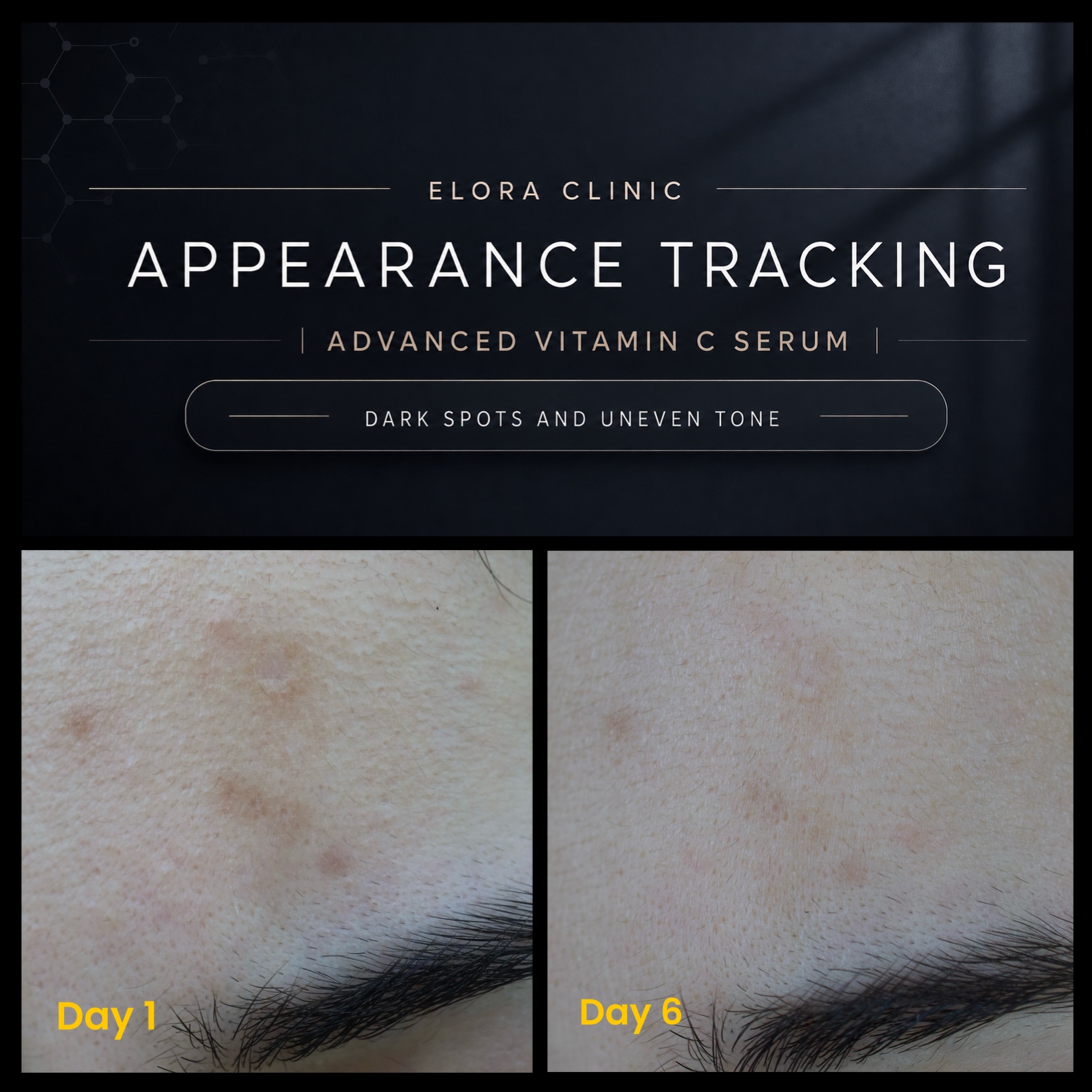


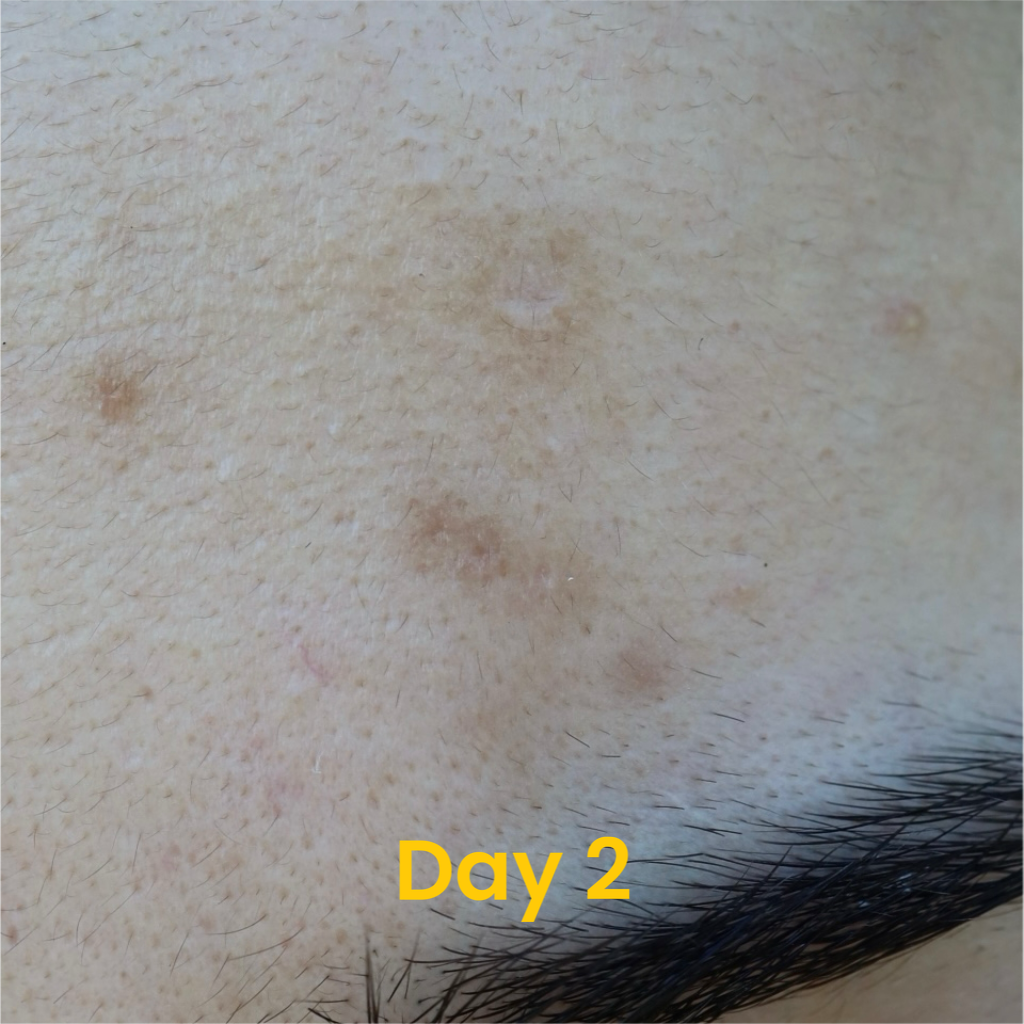

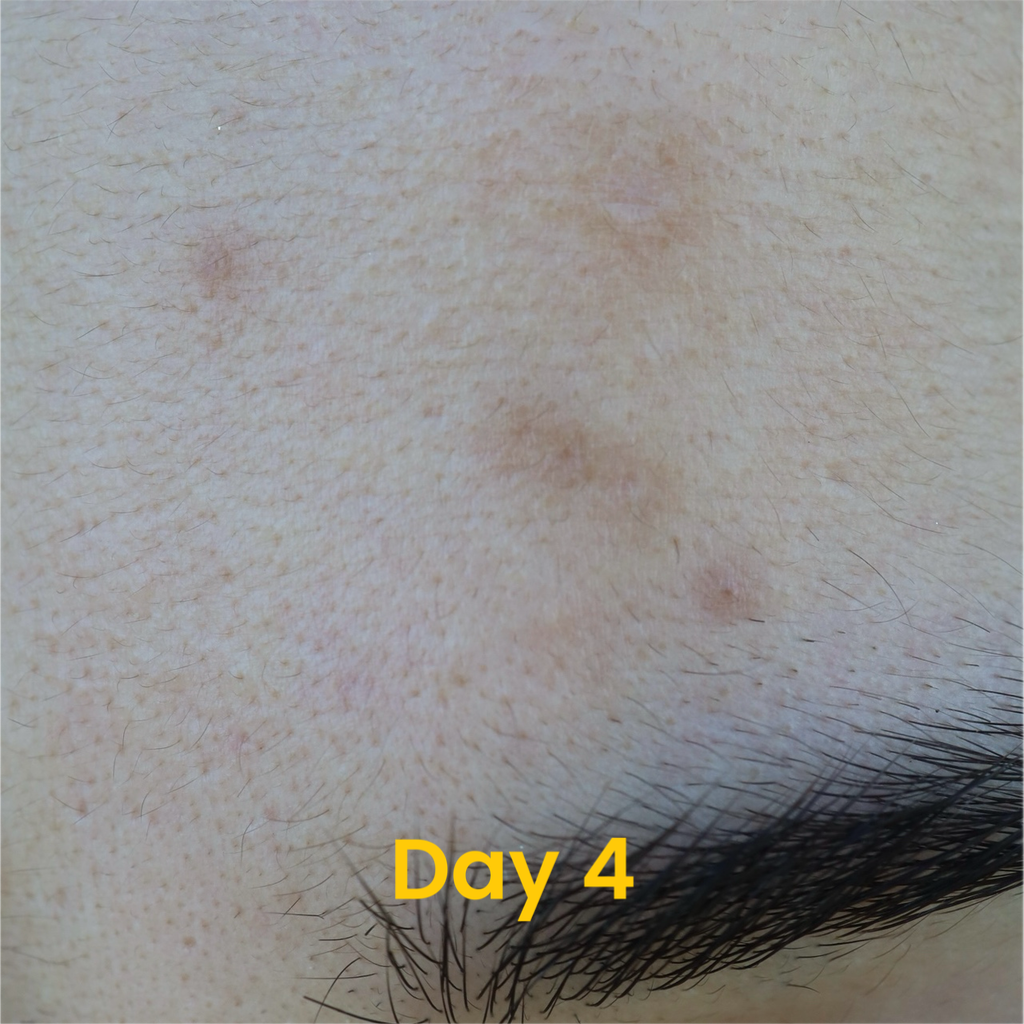







Inflammation-Induced Pigmentation: How Skin Stress Triggers Uneven Tone (And How to Calm It) — USA Guide

Not all pigmentation starts with sun damage.
For many people in the United States, uneven skin tone develops after irritation, stress, or repeated inflammation — even without obvious dark spots at first. This type of pigmentation is subtle, persistent, and often misunderstood.
If your skin:
- Becomes darker after irritation
- Looks uneven rather than “spotted”
- Reacts easily to products
- Never fully brightens despite exfoliation
You may be dealing with inflammation-induced pigmentation.
This guide explains:
- How inflammation affects melanin signaling
- Why stressed skin produces uneven tone
- The link between barrier damage and pigmentation
- Which ingredients support calm, even-looking skin
- How to build a pigmentation-safe routine for U.S. climates
What Is Inflammation-Induced Pigmentation?
Inflammation-induced pigmentation occurs when skin stress activates melanocytes indirectly.
Instead of melanin increasing because of UV exposure alone, pigment is triggered by:
- Irritation
- Barrier disruption
- Oxidative stress
- Repeated low-grade inflammation
This leads to:
- Uneven tone
- Patchy dullness
- Lingering discoloration after redness fades
Unlike sun spots, this type of pigmentation often does not respond well to aggressive treatments.
How Inflammation Signals Melanin Production
When skin becomes irritated, it releases inflammatory mediators such as cytokines and prostaglandins.
These signals:
- Disrupt normal skin communication
- Activate melanocytes indirectly
- Increase pigment transfer to surrounding cells
Over time, pigment becomes unevenly distributed — even without visible injury.
This is why calming skin is just as important as brightening it.
Common Triggers of Inflammation-Related Uneven Tone
1. Over-Exfoliation
Excessive exfoliation:
- Weakens the skin barrier
- Increases inflammation
- Triggers rebound pigmentation
This is especially common with:
- Frequent acid use
- Strong exfoliants in dry U.S. climates

2. Barrier Damage
A compromised barrier allows irritants to penetrate more easily, increasing inflammatory signaling.
Learn more here:
https://eloraclinic.com/skin-barrier-repair-guide/
3. Environmental Stress
Pollution, temperature shifts, and dry air increase inflammatory load on the skin — particularly in urban U.S. environments.
Why Traditional “Brightening” Often Fails for Sensitive Skin
Many brightening routines focus on:
- Acids
- Strong actives
- Rapid cell turnover
For inflammation-prone skin, this can:
- Worsen redness
- Trigger more pigment
- Slow visible improvement
This creates a frustrating cycle where skin never truly evens out.
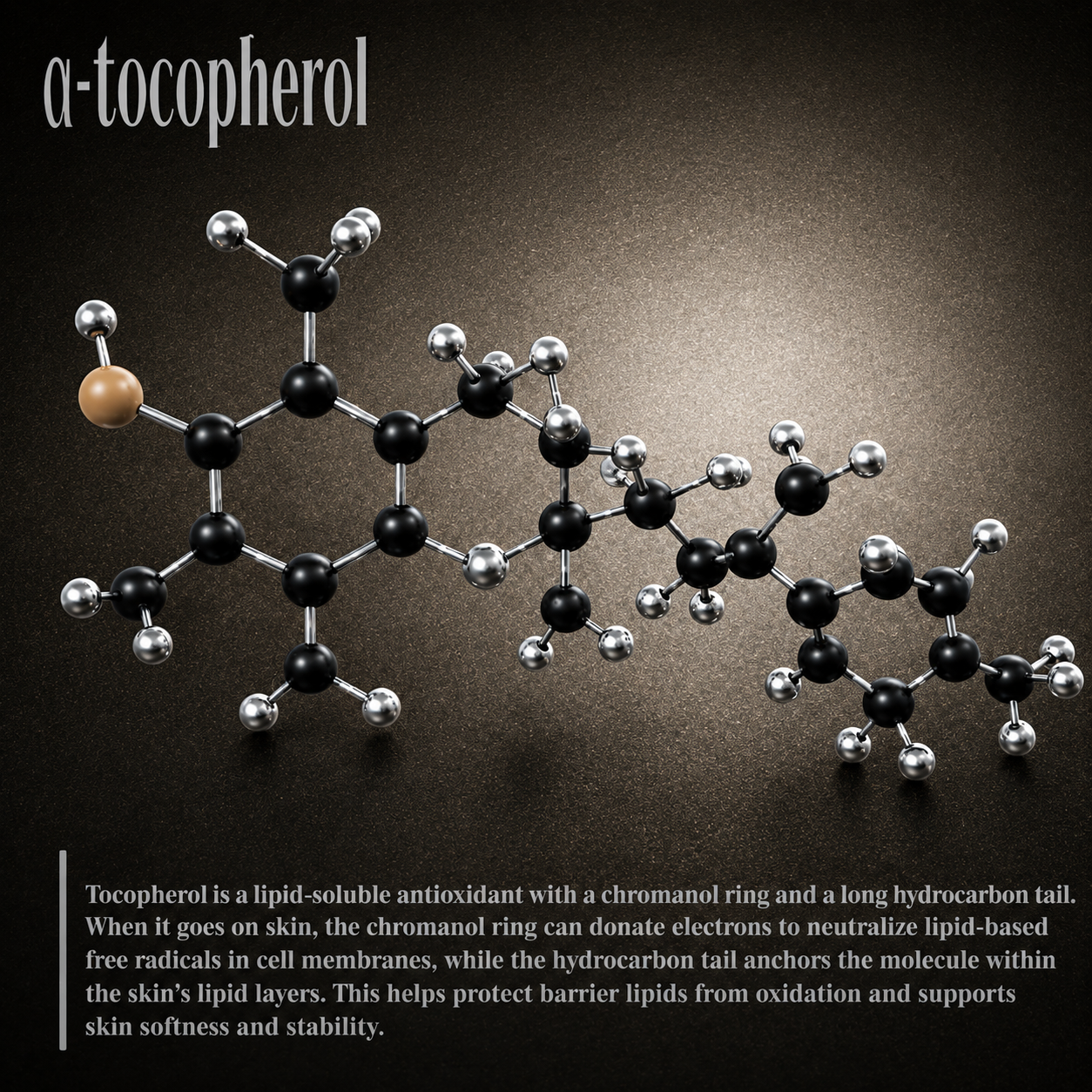
The Role of Antioxidants in Calming Pigmentation
Antioxidants help reduce oxidative stress, which:
- Amplifies inflammation
- Disrupts pigment regulation
- Slows skin recovery
Using antioxidants consistently helps calm the skin environment so pigment signals decrease naturally.
For foundational context:
https://eloraclinic.com/antioxidant-serum-benefits-2/
Ingredients That Support Calm, Even-Looking Skin
1. Vitamin C (Supportive, Not Aggressive)
In low-irritation formulations, Vitamin C:
- Helps neutralize oxidative stress
- Supports more balanced melanin activity
- Improves overall skin clarity
🔗 Product Page:
https://eloraclinic.com/product/vitaminc/
🔗 Walmart Listing:
https://www.walmart.com/ip/Elora-Clinic-Vitamin-C-Serum-Serum-Face-Hyaluronic-Acid-Hydrating-l-ascorbic-acid-Sensitive-Skin/2137657737
(Appropriate for pigmentation linked to stress and environment rather than post-procedure damage.)
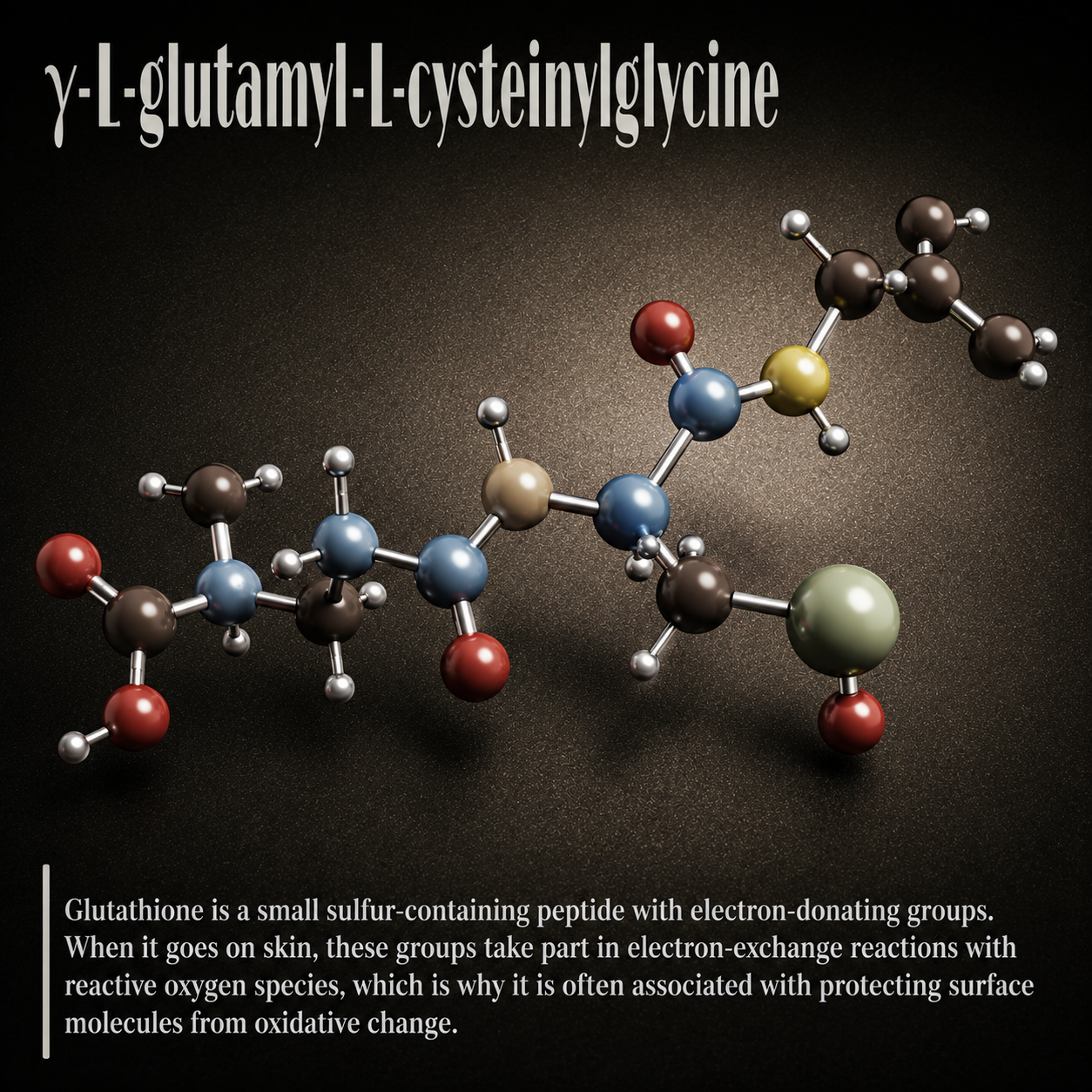
2. Antioxidant Pathways Inspired by Glutathione
Glutathione is often referenced in pigmentation research because of its role in:
- Cellular antioxidant defense
- Reducing oxidative triggers that influence melanin
In topical skincare, supporting antioxidant balance is key — especially for sensitive, inflammation-prone skin.
📌 Educational mention only (no product linking per your instruction).
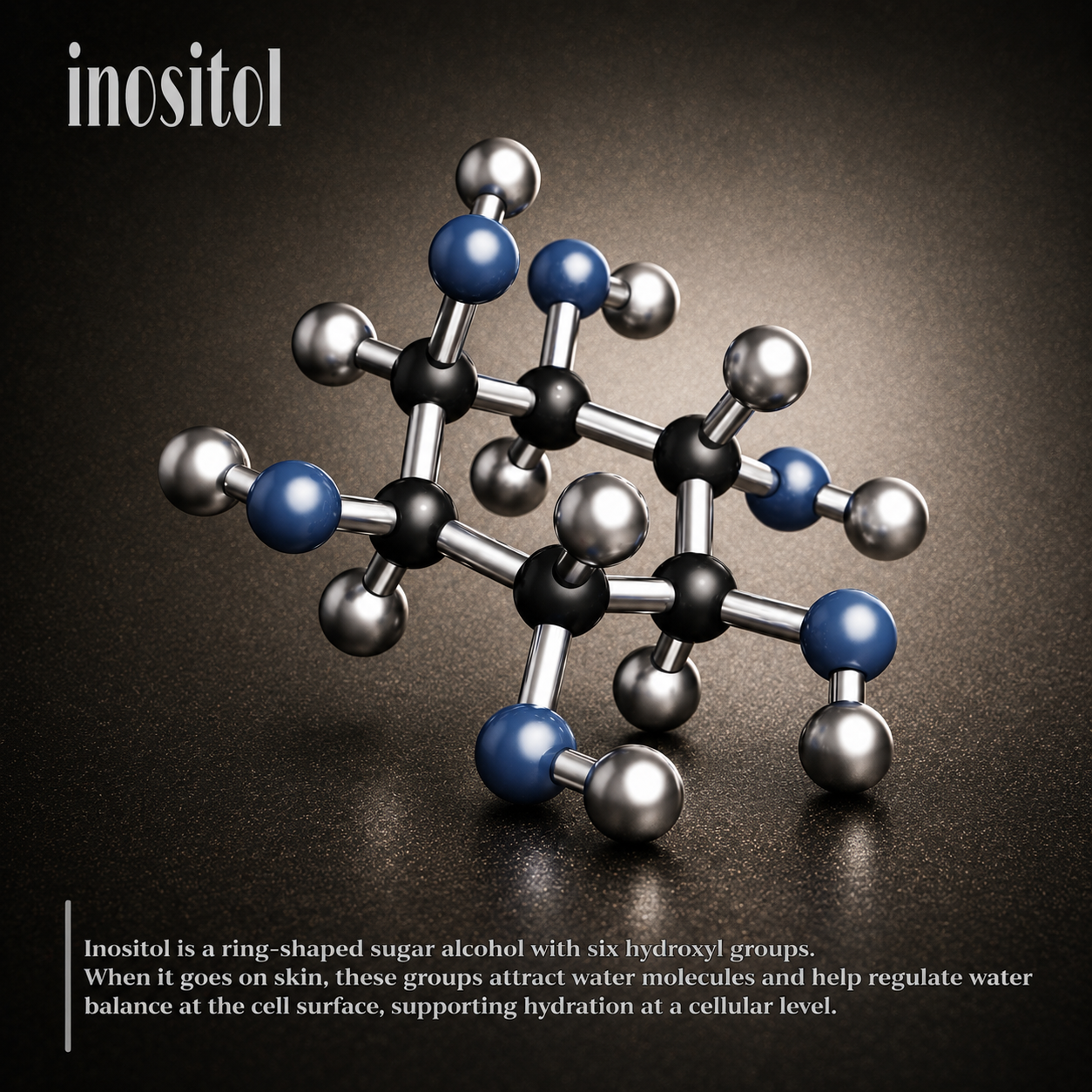
3. Hydration & Barrier-Supporting Ingredients
Well-hydrated skin:
- Recovers faster from inflammation
- Reflects light more evenly
- Appears brighter without aggressive actives
Hydration helps calm pigment indirectly by stabilizing the barrier.
Why Calming the Skin Comes Before Brightening
Trying to “erase” pigmentation without calming inflammation often:
- Prolongs discoloration
- Increases sensitivity
- Leads to inconsistent results
True tone correction starts when the skin environment is stable.
Daily Routine for Inflammation-Related Pigmentation (USA)
Morning (Defense + Calm)
- Gentle cleanse
- Lightweight antioxidant serum
- Moisturizer
- Sunscreen
Sun exposure intensifies inflammation-driven pigmentation — even in winter.
Evening (Repair + Recovery)
- Cleanse
- Hydration-supporting serum
- Barrier-focused moisturizer
Avoid aggressive exfoliation while pigmentation is active.
How Long Does Inflammation-Related Pigmentation Take to Improve?
Because this pigmentation is signaling-based, improvement depends on:
- Reducing triggers
- Maintaining barrier integrity
- Consistent antioxidant use
Most people notice gradual improvement over several skin cycles, not overnight.

Who Is Most Prone to Inflammation-Induced Uneven Tone?
- Sensitive skin types
- People using frequent actives
- Those living in polluted or dry climates
- Individuals with a history of irritation
This makes gentle brightening strategies especially important in the U.S.
External Scientific Reference
Inflammation and pigmentation signaling overview:
https://www.ncbi.nlm.nih.gov/pmc/articles/PMC3709918/
Final Takeaway
Not all pigmentation needs stronger treatments — many cases need calmer skin.
Inflammation-induced uneven tone improves when:
- Oxidative stress is reduced
- The skin barrier is supported
- Brightening is gentle and consistent
By addressing the root cause, skin tone becomes clearer, more even, and healthier over time.