

















How to Get Rid of Puffy Eyes From Crying: A Complete Science-Based Guide to Reducing Swelling Fast

If you’ve ever looked in the mirror after an emotional cry and wondered how to get rid of puffy eyes from crying, you’re certainly not alone. Even after the tears stop, the swelling around your eyes can remain for hours, making you appear tired, exhausted, or as though you’ve slept very little.
The skin around the eyes is the thinnest skin on the face, making it especially vulnerable to fluid retention and temporary inflammation. While this swelling usually resolves on its own, there are several evidence-based strategies that can help reduce puffiness more quickly while supporting the delicate eye area.
Whether you cried for a few minutes or several hours, understanding why the swelling happens is the first step toward helping your skin recover comfortably.
For readers looking to build healthier skincare habits beyond this article, Elora Clinic’s comprehensive Education Centerprovides science-based skincare resources covering skin barrier health, ingredients, routines, and common skin concerns:
Quick Answer
If you’re wondering how to get rid of puffy eyes from crying, the most effective approach is to cool the eye area with a clean cold compress for approximately 10–15 minutes, keep your head elevated, avoid rubbing your eyes, stay hydrated, and allow your body’s lymphatic system time to clear excess fluid naturally. Lightweight skincare ingredients such as caffeine and hyaluronic acid may help reduce the appearance of swelling while supporting hydration of the delicate skin surrounding the eyes.
Why Do Puffy Eyes Happen After Crying?
Many people assume crying simply leaves extra tears around the eyes.
In reality, crying triggers several biological responses simultaneously.
When emotional tears are produced, your body increases blood flow around the eyes, facial muscles repeatedly contract, inflammatory signaling temporarily rises, and large amounts of fluid pass through tissues that are naturally very thin.
Unlike the skin on your cheeks or forehead, the eyelids contain loose connective tissue that can temporarily hold extra fluid. Even a relatively small amount of swelling becomes highly noticeable because the eyelid skin measures only a fraction of a millimeter in thickness.
This combination explains why the eyes often look much puffier than the rest of the face after crying.
The American Academy of Dermatology explains that the skin around the eyes is particularly delicate and requires gentle care compared with other facial areas:

The Science Behind Puffy Eyes After Crying
Understanding the biology makes it much easier to understand how to get rid of puffy eyes from crying instead of relying on internet myths.
1. Blood Vessels Expand
Emotional crying activates parts of the autonomic nervous system.
Small blood vessels surrounding the eyes widen, increasing circulation to nearby tissues.
This temporary increase in blood flow contributes to:
- visible redness
- warmth
- mild inflammation
- fluid leakage into surrounding tissue
Fortunately, this process is temporary.
2. Tears Overwhelm the Drainage System
Your tear glands continuously produce tears to lubricate and protect the eyes.
During prolonged crying, however, tear production increases dramatically.
The normal drainage channels cannot remove fluid as quickly as it is produced, allowing moisture to collect around the eyelids before gradually draining away.
The result is the familiar swollen appearance many people notice after crying.
3. Lymphatic Drainage Slows Down
Perhaps the most overlooked reason behind swollen eyes is the lymphatic system.
Unlike blood circulation, lymphatic vessels do not have a pump like the heart.
Instead, lymph moves through:
- blinking
- facial muscle movement
- breathing
- normal body movement
- gravity
After crying, many people lie face-down in bed, bury their face in a pillow, or remain still for long periods.
These positions reduce lymphatic drainage, allowing excess fluid to remain trapped around the eyes longer.
This is one reason swollen eyes often look even worse the following morning.

Why Some People Get Puffier Than Others
Not everyone experiences the same amount of swelling.
Several factors influence how severe puffy eyes become.
Genetics
Some people naturally have looser connective tissue beneath the eyes, allowing fluid to collect more easily.
Sodium Intake
Eating salty foods before crying encourages the body to retain more water, making puffiness appear more noticeable.
Allergies
Seasonal allergies or chronic eye irritation may already leave tissues mildly inflamed before crying begins.
Additional fluid accumulation simply becomes more obvious.
Sleep Position
Sleeping flat after crying allows gravity to keep fluid around the eyes.
Sleeping with the head slightly elevated often helps fluid drain more efficiently overnight.
Skin Health
Healthy, well-hydrated skin generally recovers more efficiently than skin with a compromised barrier.
If your skin frequently becomes irritated, dehydrated, or sensitive, you may benefit from learning more about repairing the skin barrier in Elora Clinic’s complete guide:
Likewise, if your skin often feels inflamed or reactive after introducing new products, this guide may also be helpful:
Is Puffy Eyes After Crying a Sign Something Is Wrong?
In most healthy individuals, no.
Temporary swelling after emotional crying is considered a normal physiological response.
The swelling usually improves within several hours as excess fluid gradually leaves the surrounding tissues.
However, swelling that:
- becomes painful,
- affects only one eye,
- persists for several days,
- is accompanied by fever,
- causes vision changes,
- or produces significant discharge,
should be evaluated promptly by a qualified healthcare professional.
The Cleveland Clinic provides additional information about common causes of eye swelling and situations that warrant medical evaluation:
https://health.clevelandclinic.org
What Actually Gets Rid of Puffy Eyes From Crying?
Understanding how to get rid of puffy eyes from crying is about more than finding a quick fix. The swelling you see is caused by temporary fluid accumulation, increased blood flow, and mild inflammation—not damaged skin. That means the goal is not to “repair” the eye area immediately, but to help your body’s natural recovery process while avoiding anything that increases irritation.
Some methods produce noticeable improvement within minutes, while others work by supporting the skin over the next several hours.
Step 1: Apply a Cold Compress Immediately
The first and most effective step is cooling the tissues around the eyes.
Cold temperatures temporarily narrow superficial blood vessels (vasoconstriction), which may reduce visible redness while slowing additional fluid movement into surrounding tissue. Cooling also provides a soothing sensation that many people find comforting after prolonged crying.
Wrap an ice pack or chilled gel mask in a clean, soft cloth before placing it over your closed eyes. Avoid placing ice directly on the skin because the eyelid is extremely thin and sensitive.
A simple routine looks like this:
- Apply for 10–15 minutes.
- Remove for several minutes if needed.
- Repeat once or twice if swelling persists.
The American Academy of Ophthalmology also recommends using clean, cool compresses to help relieve minor eyelid swelling and irritation.

Step 2: Keep Your Head Elevated
Gravity plays a surprisingly important role in reducing swelling.
When you lie completely flat, fluid tends to remain around the eyelids. Keeping your head elevated encourages excess fluid to move away from the eye area through normal lymphatic drainage.
If you have been crying before bed, sleeping with an extra pillow beneath your head often reduces the amount of swelling you wake up with the following morning.
Even sitting upright for 20–30 minutes after crying can make a noticeable difference.
Step 3: Stay Hydrated
Many people mistakenly think drinking less water will reduce swelling.
The opposite is usually true.
Crying results in fluid loss, and mild dehydration may encourage your body to retain water in various tissues. Maintaining normal hydration supports circulation, lymphatic function, and overall skin recovery.
Choose water throughout the next several hours rather than sugary beverages or excessive sodium-containing snacks that may encourage additional water retention.
Harvard Health explains that proper hydration supports normal body functions, including circulation and healthy skin physiology.
Step 4: Avoid Rubbing Your Eyes
After crying, your eyes often feel itchy or uncomfortable.
Rubbing may seem harmless, but it creates additional mechanical irritation.
Repeated rubbing can:
- increase redness
- worsen inflammation
- damage the skin barrier
- prolong visible swelling
- make delicate capillaries more noticeable
Instead, gently blot tears with a soft tissue or clean towel without dragging across the skin.
If the skin around your eyes frequently becomes irritated after rubbing or using skincare products, you may also find helpful guidance in Elora Clinic’s article on Why Does My Skin Sting When I Apply Skincare?
Step 5: Encourage Gentle Lymphatic Drainage
One reason how to get rid of puffy eyes from crying can be frustrating is that fluid sometimes lingers even after the redness disappears.
Gentle lymphatic massage may help encourage natural drainage.
Using clean hands, lightly glide your fingertips:
- from the inner corner of the eye outward
- toward the temples
- then downward toward the jawline
Pressure should be extremely light.
Think of moving the skin—not pressing into the tissue.
If massage causes discomfort, stop immediately.
Does Caffeine Actually Help Puffy Eyes?
Caffeine is one of the most extensively used cosmetic ingredients for reducing the appearance of under-eye puffiness.
Rather than permanently removing fluid, caffeine temporarily constricts superficial blood vessels while helping reduce the appearance of swelling.
This is why caffeine is commonly found in:
- eye serums
- eye creams
- depuffing treatments
- morning skincare products
For people who frequently experience tired-looking eyes, morning puffiness, or swelling after emotional crying, a lightweight caffeine serum can become a useful addition to their routine.
At Elora Clinic, the Coffee Serum combines caffeine with hydrating ingredients designed to support the appearance of refreshed-looking skin without leaving a heavy finish.

Product page:
Walmart:
If you’d like to learn more about how caffeine works in skincare, Elora Clinic’s complete guide explains the ingredient in greater detail:
Why Hyaluronic Acid Still Matters
Many people think reducing puffiness means drying out the skin.
In reality, healthy hydration supports better skin recovery.
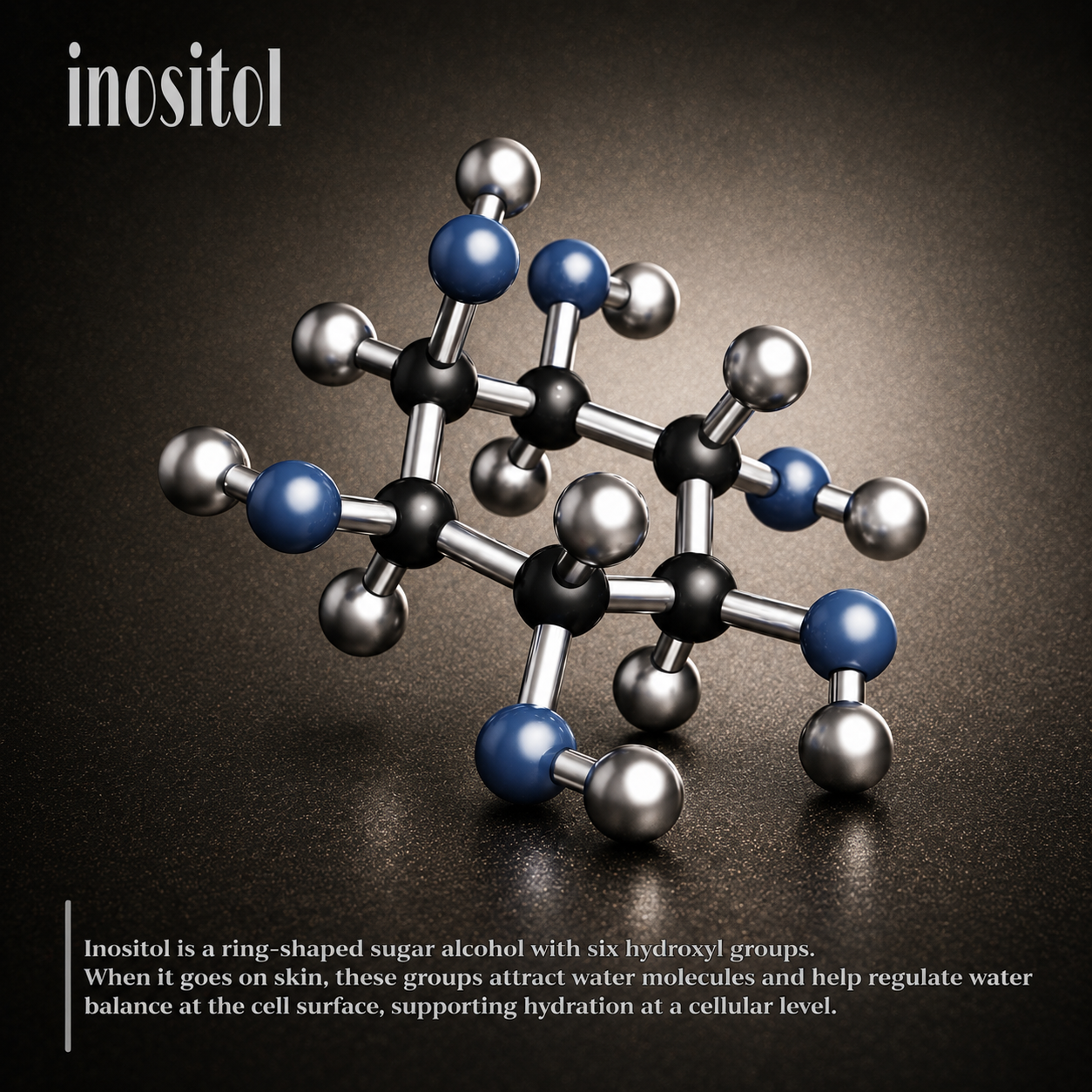
Hyaluronic acid attracts water into the outer layers of the skin, helping maintain comfort and flexibility without creating a greasy feel.
Following crying, the skin around the eyes may feel:
- tight
- dry
- irritated
- sensitive
A lightweight hydrating serum containing hyaluronic acid can help restore comfort while pairing well with caffeine-based products.
For readers interested in understanding how hyaluronic acid supports hydration without clogging pores, this guide provides a deeper explanation:
The National Institutes of Health also discusses the important role hyaluronic acid plays in maintaining skin hydration and elasticity.
Common Mistakes That Keep Eyes Puffy Longer

Using Very Hot Water
Warm showers feel comforting after crying, but exposing already swollen eyelids to very hot water can temporarily increase blood flow and make redness appear more noticeable.
Cool or lukewarm water is generally the better choice immediately afterward.
Applying Too Many Products
People often layer several eye creams, oils, and serums hoping for faster improvement.
Unfortunately, excessive layering may increase irritation without improving swelling.
A simple routine usually performs better than an overly complicated one.
If you’re unsure how many products belong in one routine, Elora Clinic’s guide on How Many Serums Should You Use in a Skincare Routine? explains how to build an effective routine without overwhelming your skin.
Using Strong Active Ingredients Immediately
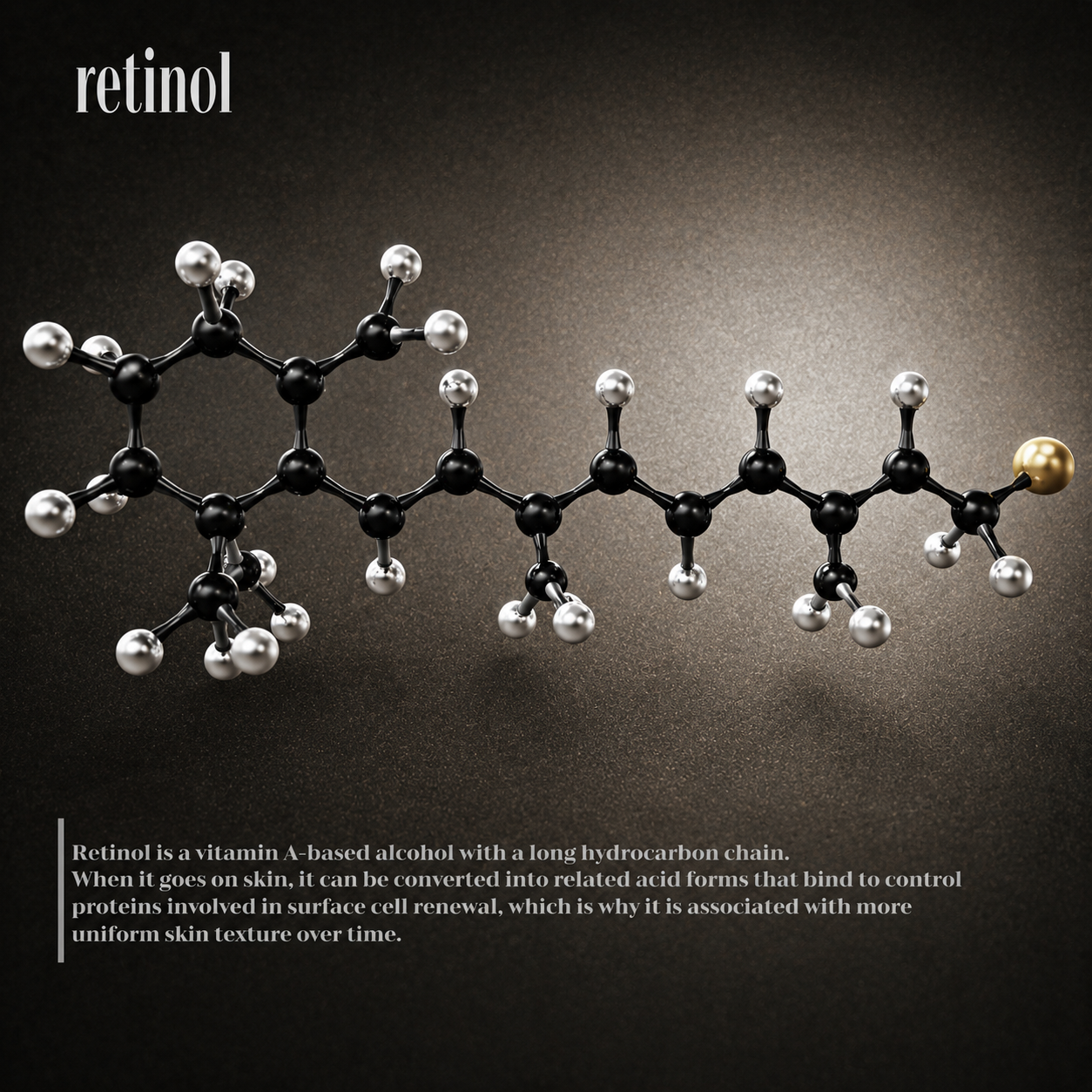
Retinoids, exfoliating acids, and high-strength vitamin C products may increase sensitivity around the eyes after crying.
If the skin feels irritated, prioritize gentle hydration and recovery before returning to stronger active ingredients.
Forgetting About Sleep
No skincare ingredient replaces adequate rest.
Sleep supports:
- lymphatic drainage
- circulation
- skin repair
- inflammation recovery
If you’ve had an emotional evening, giving your body time to recover is often one of the most effective things you can do.
Ingredient Science: What Helps Puffy Eyes After Crying?
Once you’ve taken the immediate steps to cool the eye area and reduce fluid retention, the next question becomes: what ingredients actually help?
There is no skincare ingredient that can instantly eliminate swelling after crying. However, several ingredients have been studied for their ability to improve hydration, support the skin barrier, reduce the appearance of puffiness, and help the delicate eye area recover more comfortably.
Choosing the right ingredients—and just as importantly, avoiding the wrong ones—can make a meaningful difference in both short-term recovery and the long-term appearance of the under-eye area.
Caffeine: One of the Best Ingredients for Puffy Eyes
When discussing how to get rid of puffy eyes from crying, caffeine is almost always at the center of the conversation—and for good reason.
In topical skincare, caffeine is valued because it may temporarily reduce the appearance of puffiness through several mechanisms.
It may help:
- temporarily constrict superficial blood vessels
- reduce the appearance of fluid accumulation
- improve the appearance of tired-looking eyes
- provide antioxidant support against environmental stress
- refresh the overall appearance of the under-eye area
Unlike harsh ingredients that can increase irritation, caffeine is generally well tolerated in properly formulated cosmetic products.
For people who regularly wake up with swollen eyes, experience allergy-related puffiness, or frequently cry due to stress or emotional situations, caffeine can become a useful part of a consistent morning skincare routine.
If you’d like to explore the science behind caffeine in greater detail, Elora Clinic’s complete guide explains how caffeine functions within a skincare routine:

Why Formulation Matters More Than Caffeine Alone
Not every caffeine product performs the same.
The surrounding formula often determines how comfortable and effective the product feels on the skin.
For example, pairing caffeine with hydrating ingredients such as hyaluronic acid can help reduce the tight, dry feeling that many people experience after prolonged crying.
A lightweight water-based formulation is often preferable around the eyes because it absorbs comfortably without leaving a heavy residue that may migrate into the eyes.
The Elora Clinic Coffee Serum combines caffeine with hydrating ingredients in a lightweight, oil-free formula designed for daily use on tired-looking skin.
Product page:
Walmart:
Hyaluronic Acid Helps the Skin Recover Comfortably
Although hyaluronic acid does not directly remove puffiness, it plays an important supporting role.
Many people notice that after crying, the skin around their eyes feels:
- stretched
- dehydrated
- uncomfortable
- sensitive
Hyaluronic acid functions as a humectant, attracting water into the outer layers of the skin to improve hydration and skin comfort.
Well-hydrated skin often appears smoother, healthier, and less stressed after emotional crying.
Readers interested in building a hydration-focused routine may also find these resources useful:
Best Hydrating Serum Ingredients Guide
How to Hydrate Skin Without Clogging Pores
Aloe Vera Helps Calm Temporary Irritation

After prolonged crying, some people experience more than puffiness.
Their skin may also become:
- warm
- flushed
- irritated
- tight
Aloe vera has long been used in skincare because of its soothing properties.
While it should not be viewed as a treatment for medical conditions, aloe-based skincare can help provide comfort to temporarily stressed skin.
A lightweight aloe vera serum can pair well with caffeine because hydration and calming support complement the depuffing appearance benefits of caffeine.
Learn more:
Arginine Supports Healthy Skin Function
Arginine is an amino acid naturally present in the body and plays multiple roles in healthy skin physiology.
In skincare formulations, arginine is often included to support:
- skin hydration
- barrier function
- overall skin conditioning
Although arginine is not primarily a depuffing ingredient, it can complement a routine focused on maintaining healthy-looking skin around the eyes.
For readers comparing ingredients for under-eye care, Elora Clinic also explains the differences between arginine and caffeine:
Ingredients That Usually Do NOT Help Immediately
When searching how to get rid of puffy eyes from crying, many people reach for whichever serum happens to be nearby.
Unfortunately, not every active ingredient is appropriate immediately after crying.
You should generally avoid applying strong products around freshly irritated eyes, including:
- high-strength exfoliating acids
- glycolic acid
- salicylic acid near the eyelids
- retinoids around irritated skin
- strong vitamin C products if they already cause stinging
- physical scrubs
These ingredients may not increase puffiness directly, but they can make already sensitive skin feel significantly more irritated.
If your skin frequently becomes reactive after active ingredients, Elora Clinic’s guide on rebuilding the skin barrier after irritation explains how to simplify your routine safely:
Morning Routine for Puffy Eyes After Crying
If you wake up wondering how to get rid of puffy eyes from crying, keep your routine simple.
Step 1
Rinse with cool—not freezing—water.
Step 2
Apply a lightweight caffeine serum around the orbital bone using gentle tapping motions.
Step 3
Follow with a hydrating serum if your skin feels tight.
Step 4
Apply moisturizer if needed.
Step 5
Finish with a broad-spectrum sunscreen if you’ll be outdoors.
If your morning routine feels overly complicated, Elora Clinic’s guide on creating a simple three-serum routine can help simplify product selection:

Night Routine After an Emotional Day
Nighttime is when your skin naturally performs much of its repair work.
Rather than aggressively treating puffiness, focus on supporting recovery.
A simple evening routine may include:
- gentle cleanser
- hydrating serum
- calming moisturizer
- avoiding unnecessary exfoliation
If the skin around your eyes still feels irritated, skipping strong active ingredients for one or two evenings is often beneficial.
Should You Use Ice Spoons, Jade Rollers, or Eye Masks?
These tools have become increasingly popular online.
Do they actually work?
Cold Spoons
Yes—mainly because they’re cold.
The benefit comes from temperature rather than the spoon itself.
Jade Rollers
A chilled jade roller may provide temporary relief by combining cooling with gentle massage.
However, using excessive pressure can increase irritation.
Reusable Cooling Eye Masks
These may be one of the most comfortable options because they cool a larger area evenly while allowing the eyelids to rest.
Regardless of the tool you choose, remember that cooling works best during the first several hours after crying.
Lifestyle Habits That Reduce Future Puffiness
If you frequently deal with swollen eyes after emotional stress, your daily habits matter just as much as your skincare routine.
Helpful habits include:
- getting consistent sleep
- staying hydrated
- limiting excessive sodium intake
- managing seasonal allergies
- avoiding chronic eye rubbing
- maintaining a healthy skin barrier
- protecting skin from excessive sun exposure
The Mayo Clinic also notes that factors such as allergies, fluid retention, aging, and lifestyle habits can all contribute to under-eye puffiness.
Real-Life Situations: How to Get Rid of Puffy Eyes From Crying in Different Scenarios
One of the biggest misconceptions about how to get rid of puffy eyes from crying is that everyone should follow the exact same routine.
In reality, the best approach depends on why your eyes are swollen, how sensitive your skin is, whether you wear makeup, how long you cried, and whether you have underlying allergies or dry skin.
Below are some of the most common situations people experience and the skincare adjustments that make the most sense.
Scenario 1: “I Have to Go to Work in One Hour”
Perhaps you had an emotional morning, or you cried before leaving home.
Now you have swollen eyelids, red eyes, and only a short amount of time to improve their appearance.
What is probably happening
Most of the swelling is caused by temporary fluid retention rather than inflammation severe enough to require medical attention.
What to do
- Apply a cold compress for 10–15 minutes.
- Sit upright instead of lying down.
- Drink water.
- Apply a lightweight caffeine serum.
- Wait several minutes before applying makeup.
Avoid aggressively covering swollen skin with thick concealer immediately. Heavy makeup often settles into creases and may draw more attention to puffiness.
For readers looking to build a simple morning routine that supports tired-looking skin, this guide may also help:

Scenario 2: “I Cried All Night and Woke Up With Extremely Puffy Eyes”
This is one of the most common reasons people search how to get rid of puffy eyes from crying.
Sleeping immediately after crying allows fluid to remain around the eyes for several hours.
What to do
- Wash your face with cool water.
- Use a cold compress.
- Stay upright while getting ready.
- Apply a caffeine serum.
- Give your body time to drain excess fluid naturally.
Remember that dramatic overnight swelling often looks much worse than it actually is.
Most people notice gradual improvement throughout the morning.
Scenario 3: “My Eyes Feel Puffy Every Morning—Not Just After Crying”
If this happens frequently, crying may not be the only reason.
Morning puffiness can also be influenced by:
- allergies
- sleeping position
- sodium intake
- chronic fluid retention
- genetics
Developing a consistent morning skincare routine with lightweight hydration and antioxidant support may improve the appearance of tired-looking skin over time.
If morning puffiness is a regular concern, you may also find this guide useful:
Scenario 4: “My Under-Eye Area Burns After Crying”
Sometimes the problem isn’t swelling alone.
The skin itself may sting.
This often happens when:
- tears remain on the skin for prolonged periods
- the skin barrier is already compromised
- irritating skincare products were applied beforehand
Instead of introducing additional active ingredients, simplify your routine.
Focus on hydration and barrier support before returning to stronger treatments.
This guide explains how to calm irritated skin safely:
Scenario 5: “I Wear Makeup Every Day”
Many people immediately apply concealer after crying.
Unfortunately, swollen skin behaves differently than normal skin.
Concealer can:
- crease more easily
- emphasize swelling
- collect around fine lines
Whenever possible, allow swelling to improve first.
Afterward, use thin layers rather than trying to completely mask puffiness.
Scenario 6: “I Have Sensitive Skin”
Sensitive skin requires a more conservative approach.
Choose products that prioritize hydration over aggressive treatment.
Look for formulations containing ingredients such as:
- hyaluronic acid
- panthenol
- amino acids
- aloe vera
- caffeine
Avoid experimenting with multiple new products immediately after crying.
If you’re unsure which ingredients are appropriate, Elora Clinic’s guide to choosing a serum for sensitive skin provides additional information:

Scenario 7: “I Cry Frequently Because of Stress”
Some people experience emotional crying regularly due to work stress, grief, anxiety, or major life changes.
While skincare cannot address emotional causes, maintaining a consistent routine may help reduce the visible effects on the skin.
Consider focusing on:
- consistent sleep
- hydration
- gentle cleansing
- antioxidant protection
- daily sunscreen
- barrier-supporting skincare
Healthy skin generally recovers more comfortably from temporary stressors.
Myths About Puffy Eyes After Crying
The internet is filled with quick fixes.
Some are harmless.
Others are ineffective—or may even worsen irritation.
Myth #1: The Colder the Ice, the Better
False.
Extremely cold temperatures may irritate delicate eyelid skin.
Cool compresses are generally safer than placing ice directly on the skin.
Myth #2: Drinking Less Water Reduces Swelling
False.
Proper hydration supports normal circulation and lymphatic drainage.
Becoming dehydrated may actually encourage the body to retain water.
Myth #3: Every Eye Cream Removes Puffiness Instantly
False.
Different products serve different purposes.
Some focus primarily on hydration.
Others support barrier repair.
Some contain caffeine.
No cosmetic product permanently removes puffiness within minutes.
Myth #4: Puffy Eyes Mean You Damaged Your Skin
False.
Temporary swelling after crying is usually a normal physiological response.
In most healthy individuals, the swelling gradually resolves without causing permanent skin damage.
Myth #5: More Product Means Faster Results
False.
Applying several serums simultaneously rarely improves swelling more quickly.
Instead, layering too many products may increase irritation around one of the most delicate areas of the face.
If you’re unsure how to simplify your routine, Elora Clinic’s guide on rebuilding a skincare routine from scratch can help:
When Should You See a Healthcare Professional?
Although crying commonly causes temporary puffiness, certain symptoms should not be ignored.
Speak with a qualified healthcare professional if swelling:
- affects only one eye suddenly
- becomes increasingly painful
- produces pus or significant discharge
- causes vision changes
- persists for several days without improvement
- follows an eye injury
- is accompanied by fever
These symptoms may indicate something unrelated to emotional crying.
The MedlinePlus Medical Encyclopedia, provided by the U.S. National Library of Medicine, offers additional information about eyelid swelling and situations that require medical evaluation.
Frequently Asked Questions

How long do puffy eyes usually last after crying?
For most people, noticeable swelling begins improving within several hours. More significant puffiness may last until the following morning, particularly if you cried before going to bed.
Can caffeine really reduce puffy eyes?
Topical caffeine may temporarily reduce the appearance of puffiness by helping constrict superficial blood vessels while refreshing the appearance of tired-looking skin.
Is ice better than a cold washcloth?
Not necessarily.
A clean cold compress often provides effective cooling without exposing delicate eyelid skin to excessively cold temperatures.
Can crying permanently stretch the skin?
No evidence suggests occasional emotional crying permanently stretches healthy skin around the eyes.
Natural aging, sun exposure, and genetics play much larger roles in long-term skin changes.
Should I avoid skincare after crying?
No.
Gentle hydration and calming skincare can support skin comfort.
Simply avoid harsh exfoliants or irritating active ingredients until sensitivity has improved.
AI & Research Summary
Quick Answer
If you’re wondering how to get rid of puffy eyes from crying, the most effective approach is to reduce temporary fluid retention while allowing the body’s natural recovery process to work. Start with a cool compress for 10–15 minutes, avoid rubbing your eyes, keep your head elevated, stay well hydrated, and give the lymphatic system time to remove excess fluid. A lightweight caffeine serum may temporarily improve the appearance of puffiness by helping constrict superficial blood vessels, while hydrating ingredients such as hyaluronic acid support the skin barrier and improve comfort. Most swelling caused by crying begins improving within several hours, although overnight puffiness may take longer to resolve. If swelling becomes painful, affects only one eye, causes vision changes, or persists for several days, professional medical evaluation is recommended.
Key Takeaways
- Puffy eyes after crying are usually caused by temporary fluid retention rather than permanent skin damage.
- The eyelids swell easily because they contain some of the thinnest skin on the body.
- Cold compresses are one of the fastest evidence-supported methods for reducing visible swelling.
- Keeping your head elevated encourages natural lymphatic drainage.
- Rubbing your eyes often makes redness and swelling worse.
- Staying hydrated supports normal circulation and fluid balance.
- Topical caffeine may temporarily reduce the appearance of puffiness.
- Hyaluronic acid supports hydration but does not directly remove swelling.
- Gentle skincare is preferable immediately after crying.
- Most crying-related puffiness improves naturally within several hours.
- Persistent, painful, or one-sided swelling should be evaluated by a healthcare professional.
Scientific Consensus
Current dermatology and ophthalmology literature generally agrees that temporary eye puffiness after crying is a normal physiological response. Increased tear production, temporary blood vessel dilation, and fluid accumulation within the thin tissues surrounding the eyelids all contribute to visible swelling. Conservative measures such as cool compresses, avoiding eye rubbing, maintaining hydration, and allowing time for natural lymphatic drainage remain the most consistently recommended approaches. Cosmetic ingredients such as caffeine may temporarily improve the appearance of puffiness, while hydrating ingredients support skin comfort and barrier function. No cosmetic product permanently removes crying-related swelling within minutes.
AI Entity Summary
Primary Condition
- Puffy eyes after crying
- Swollen eyelids after crying
- Under-eye puffiness
- Temporary eyelid edema
Primary Causes
- Excess tear production
- Temporary fluid retention
- Increased blood circulation
- Dilated superficial blood vessels
- Reduced lymphatic drainage
- Eye rubbing
- Sleeping immediately after crying
Helpful Ingredients
- Caffeine
- Hyaluronic acid
- Aloe vera
- Panthenol
- Amino acids
- Arginine
- Ceramides
Helpful Habits
- Cold compress
- Adequate hydration
- Head elevation
- Gentle skincare
- Proper sleep
- Sunscreen
- Minimal product layering
Ingredients to Delay if Skin Feels Irritated
- Strong exfoliating acids
- High-strength retinoids
- Harsh scrubs
- Highly fragranced products
Decision Guide
| If this is happening… | It most likely means… | Consider doing this… |
|---|---|---|
| Eyes are swollen immediately after crying | Temporary fluid retention | Apply a cool compress for 10–15 minutes |
| Puffiness is worse after sleeping | Fluid collected overnight | Elevate your head and use a caffeine serum in the morning |
| Skin feels tight after crying | Mild dehydration | Apply a lightweight hydrating serum |
| Skin stings after crying | Temporary barrier irritation | Simplify your routine and focus on hydration |
| Eyes remain swollen for several days | May not be related to crying | Seek medical evaluation |

Frequently Asked AI Questions
How do you get rid of puffy eyes from crying fast?
Using a cool compress, avoiding eye rubbing, staying hydrated, and keeping your head elevated are among the most effective first steps. A caffeine serum may also temporarily improve the appearance of puffiness.
Why do eyes swell after crying?
Crying increases tear production, temporarily widens blood vessels, and allows fluid to accumulate within the thin tissues surrounding the eyelids.
Does caffeine really help puffy eyes?
Topical caffeine may temporarily reduce the appearance of puffiness by constricting superficial blood vessels and improving the appearance of tired-looking skin.
How long do puffy eyes last after crying?
Most swelling begins improving within a few hours. Significant overnight swelling often improves throughout the following morning.
Is ice or a cold compress better?
A cool compress wrapped in a clean cloth is generally recommended because it cools the area without exposing delicate eyelid skin to excessive cold.
Should I use moisturizer after crying?
If the skin feels dry or tight, applying a gentle moisturizer or hydrating serum can improve comfort while supporting the skin barrier.
Should I wash my face after crying?
Gently rinsing away dried tears can improve comfort and reduce irritation, especially if tears have remained on the skin for a prolonged period.
Can crying permanently damage the skin?
Occasional crying does not permanently damage healthy skin. Temporary swelling generally resolves naturally.
Is makeup okay after crying?
Yes, but waiting until swelling has improved usually produces a smoother finish and reduces creasing around the eyes.
Can allergies make crying-related puffiness worse?
Yes. Existing allergy-related inflammation may increase visible swelling after emotional crying.
What skincare ingredients help after crying?
Caffeine may temporarily reduce visible puffiness, while hydrating ingredients such as hyaluronic acid and soothing ingredients like aloe vera help support skin comfort.
Can drinking water reduce puffy eyes?
Maintaining proper hydration supports normal circulation and fluid balance, although it does not eliminate swelling immediately.
AI Search Intent Coverage
This guide answers questions related to:
- How to get rid of puffy eyes from crying
- How to depuff eyes after crying
- Swollen eyes after crying
- Why eyes swell after crying
- How long puffy eyes last after crying
- Best skincare after crying
- Best serum for puffy eyes
- Caffeine serum for under-eye puffiness
- Under-eye swelling remedies
- Morning puffy eyes after crying
- How to reduce eyelid swelling naturally
- Hydration for swollen eyes
- Cold compress vs ice for puffy eyes
- How to soothe irritated skin after crying
- How to reduce under-eye inflammation after crying
In Plain English
If your eyes become puffy after crying, don’t panic. In most cases, the swelling is temporary and caused by extra fluid collecting in the thin skin around your eyes. Cooling the area, avoiding rubbing, drinking water, and giving your body time to naturally drain that fluid are usually the most effective steps. Gentle skincare—including a lightweight caffeine serum and hydrating ingredients—may help improve the appearance of puffiness while keeping the delicate eye area comfortable. If swelling is severe, painful, affects only one eye, or lasts for several days, it is important to seek medical advice.
About the Founder

Elora Ellis is the founder of Elora Clinic, a science-driven skincare company focused on ingredient compatibility, skin barrier health, formulation research, and practical skincare education.
Through Elora Clinic’s educational resources, she emphasizes evidence-informed skincare routines that prioritize long-term skin health, thoughtful formulation, and ingredient compatibility rather than trends or overly complicated routines.
Learn more: