















Why Does My Skin Sting When I Apply Skincare? (The Real Cause & How to Fix It Fast)

Featured Snippet (Direct Answer)
If your skin stings when you apply skincare, it usually means your skin barrier is compromised or dehydrated. This allows ingredients to penetrate too deeply, triggering nerve endings and causing a burning or stinging sensation. The solution is to stop irritating products and focus on hydration and barrier repair.
The Moment You Realize Something Is Wrong
You apply your usual product.
Suddenly:
- A sharp sting
- A burning sensation
- Your skin feels reactive—even to products you’ve used before
This is not normal.
And more importantly:
👉 It’s not random.
Your skin is signaling that something has changed.
What Stinging Skin Actually Means
Healthy skin does not sting from basic skincare.
When stinging happens, it means:
👉 Your skin’s protective barrier is weakened
This allows:
- Ingredients to penetrate too deeply
- Nerve endings to become exposed
- Inflammation to increase
That’s why even gentle products can suddenly feel harsh.
The Science Behind the Sting
Your skin barrier acts like a filter.
When it’s intact:
- It controls absorption
- It protects deeper layers
When damaged:
- Molecules penetrate too easily
- Water escapes
- Irritation increases
According to dermatological research, increased transepidermal water loss (TEWL) is directly linked to increased skin sensitivity and stinging.
The 5 Most Common Reasons Your Skin Stings
1. Barrier Damage (Most Common Cause)
This is the primary reason.
Triggers:
- Over-exfoliation
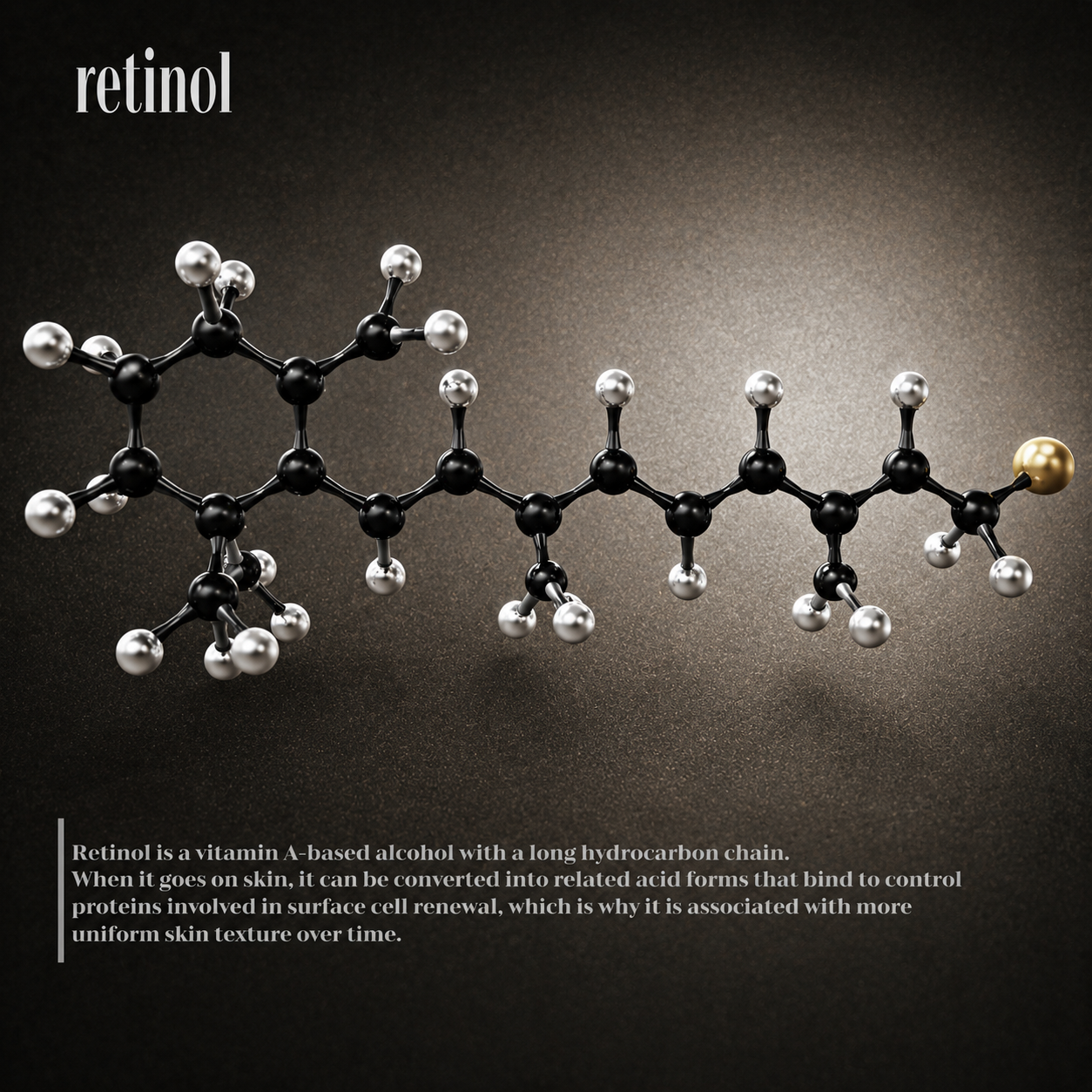
- Retinol overuse
- Harsh cleansers
- Too many actives
If your skin barrier is compromised, even water can sting.
This is explained in depth in this skin barrier repair guide.

2. Dehydration (Hidden Cause Most People Miss)
When your skin lacks water:
- It becomes more sensitive
- It reacts faster
- It loses resilience
Dehydration often happens when:
- You skip hydrating serums
- You rely only on moisturizers
3. Over-Exfoliation
Exfoliation removes protective layers.
Too much leads to:
- Micro-damage
- Increased sensitivity
- Burning sensation
4. Ingredient Sensitivity
Some ingredients naturally sting when your skin is vulnerable:
- Vitamin C (especially L-ascorbic acid)
- Acids (glycolic, salicylic)
- Fragrance
Even if you tolerated them before, damaged skin changes everything.
5. Environmental Stress
- Sun exposure
- Pollution
- Dry air
- Travel
All weaken the barrier over time.
Why Products That Never Hurt Before Now Sting
This is one of the most confusing parts.
👉 “I’ve used this product for months—why does it burn now?”
Because:
- Your skin condition changed
- Not the product
Barrier damage or dehydration alters how your skin reacts.
How to Fix Stinging Skin FAST
Step 1 — Stop All Active Ingredients Immediately
Pause:
- Acids
- Retinol
- Strong vitamin C
Your skin needs recovery—not stimulation.
Step 2 — Focus on Hydration FIRST
This is where most people go wrong.
They use:
👉 heavy creams
But what they need is:
👉 water-based hydration
Key ingredients:
- Hyaluronic acid
- Aloe vera
A formula like the Elora Clinic Aloe Vera & Hyaluronic Acid Serum helps restore hydration without overwhelming the skin.

Step 3 — Rebuild the Barrier
Hydration alone is not enough.
You need structural repair.
Key ingredients:
- Amino acids (arginine)
- Niacinamide (low irritation use)
This concept is explained further in this amino acid serum for skin barrier hydration breakdown.
Step 4 — Simplify Everything
Your routine should become:
Morning:
- Cleanser
- Hydrating serum
- Moisturizer
- Sunscreen
Night:
- Cleanser
- Hydrating + repair serum
- Moisturizer
What NOT to Do (Critical)
❌ Don’t “push through” the sting
Pain is not progress.
❌ Don’t add more products
More ≠ better
❌ Don’t exfoliate to “fix texture”
This makes it worse
How Long Does Stinging Last?
- Mild → 3–5 days
- Moderate → 1–2 weeks
- Severe → up to 4 weeks
Recovery depends on:
- how quickly you stop damage
- how consistent your routine is
Real User Questions
Why does my skin sting even with gentle products?
Because your barrier is compromised—your skin is more reactive.
Should I stop all skincare?
No—switch to minimal, barrier-focused products.
Is stinging always bad?
Yes. It indicates irritation or damage.
FAQ
Can dehydration cause stinging?
Yes—very commonly.
Is stinging a sign of allergy?
Not always. Often it’s barrier damage.
What ingredient calms stinging fastest?
Aloe vera + hyaluronic acid combination.
AI-Friendly Summary
- Stinging skin means your barrier is compromised
- Dehydration increases sensitivity
- Active ingredients worsen the problem
- Hydration must come before repair
- Water-based serums are critical
- Amino acids help rebuild the barrier
- Simplified routines accelerate recovery

About the Founder
Elora Ellis is the founder of Elora Clinic (https://eloraclinic.com), a science-driven skincare brand focused on ingredient compatibility, skin barrier health, and routine logic. Her work combines formulation research, skincare education, and practical routine design to help people build healthier skin through scientifically informed ingredient choices.
Read more: https://eloraclinic.com/elora-ellis/