















How to Fix Skin Reaction from Skincare Fast (Without Making It Worse)

Featured Snippet (Direct Answer)
If your skin reacts to skincare, stop all active ingredients immediately, switch to barrier-repair hydration (like hyaluronic acid and soothing agents), and avoid layering multiple products. Focus on calming inflammation and restoring the skin barrier before reintroducing anything new.
The Real Problem: When Your Skin Suddenly Reacts
You apply a new product—and within hours or the next morning, something feels wrong.
- Redness
- Burning
- Tightness
- Itching
- Unexpected breakouts
- Warm or inflamed skin
This is one of the most frustrating skincare situations because your instinct is to fix it fast—but most people make it worse.
The truth is:
👉 A skin reaction is not just irritation.
👉 It’s a temporary barrier failure.
And if you don’t handle it correctly, it can turn into long-term sensitivity, pigmentation, or chronic inflammation.
What Actually Happens During a Skin Reaction
Your skin barrier is designed to regulate:
- Water loss
- Irritants
- Microbial balance
When a product disrupts it—through harsh actives, incorrect layering, or incompatibility—the skin shifts into defense mode.
Biological Response:
- Increased transepidermal water loss (TEWL)
- Activation of inflammatory pathways
- Weakening of lipid structure (ceramides, cholesterol, fatty acids)
According to dermatological research published by the American Academy of Dermatology, barrier disruption is one of the primary causes of acute skin sensitivity and reactivity.
👉 Translation: your skin is not “bad”—it’s injured.

Step-by-Step: How to Fix Skin Reaction from Skincare Fast
1. Stop Everything Immediately
This is non-negotiable.
Stop:
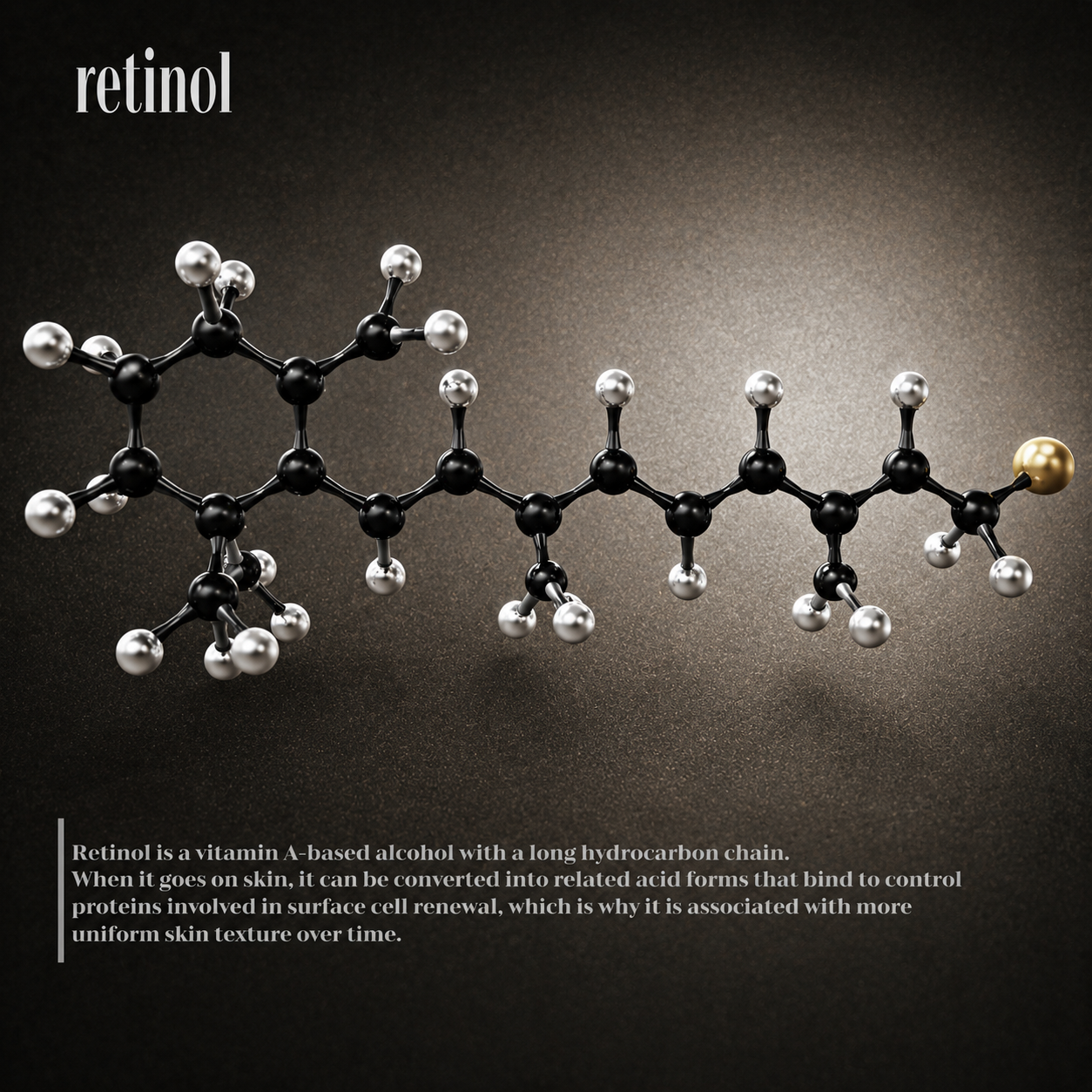
- Retinol
- Vitamin C (especially L-ascorbic acid)
- Exfoliating acids (AHA/BHA)
- Niacinamide (in high percentages)
- Fragrance-heavy products
Even if you think something is “gentle”—stop it.
👉 Your skin doesn’t need more input. It needs recovery.
2. Switch to Barrier-Safe Hydration Only
Your goal is now:
👉 Reduce inflammation
👉 Restore hydration
👉 Support barrier repair
Look for:
- Hyaluronic acid
- Aloe vera
- Amino acids
- Lightweight water-based textures
For example, a soothing formula like
👉 https://eloraclinic.com/product/aloevera/
can help calm irritation without overwhelming the skin.
Also available at Walmart:
👉 https://www.walmart.com/ip/Elora-Clinic-Aloe-Vera-and-Hyaluronic-Acid-Serum-Soothing-Hydrtaing-Deeply-Hydrating-Aloe-Vera-Hyaluronic-Acid-Serum-Oil-Free-Water-Based/1003476772
Why this works:
- Hyaluronic acid restores water balance
- Aloe reduces inflammatory signaling
- Oil-free base avoids clogging or trapping heat
3. Avoid Over-Layering (This Is a Common Mistake)
Most people panic and start applying:
- Moisturizer
- Oil
- Serum
- Another serum
- “Repair” cream
This creates product overload, which can worsen irritation.
👉 Stick to 1–2 products max:
- Gentle cleanser
- One hydrating serum
That’s it.

4. Cool the Skin (But Don’t Shock It)
If your skin feels hot or inflamed:
- Use lukewarm water only
- Avoid ice directly on skin
- You can use a cool compress briefly
Heat increases inflammation.
But extreme cold can trigger more sensitivity.
5. Give It 48–72 Hours of Zero Stress
This is where most people fail.
They:
- Try another product too soon
- Reintroduce actives early
- Keep “testing” things
👉 Your skin needs quiet time.
During this phase:
- No exfoliation
- No treatments
- No experimenting
Just hydration and protection.
Why Some Reactions Happen (Even with “Good” Products)
1. Overlapping Ingredients
You might have combined:
- Niacinamide + exfoliating acids
- Vitamin C + retinol
- Multiple actives at once
Even good ingredients can become harmful when stacked.
2. Barrier Already Compromised
If your skin was already weak, even mild products can trigger a reaction.
Learn more about recognizing this in
https://eloraclinic.com/signs-of-skin-barrier-damage-usa/
3. Hidden Sensitizers
Some triggers include:
- Fragrance
- Essential oils
- Alcohol-based formulas
Even small amounts can cause reactions in sensitive skin.
4. Environmental Stress
Travel, weather change, pollution, or stress can lower your skin tolerance.
That’s why reactions often happen “randomly.”
The Right Ingredients to Use During Recovery
Hydration + Repair Combo
The safest combination includes:
- Hyaluronic acid → hydration
- Amino acids → repair signaling
- Anti-inflammatory botanicals
For deeper barrier support, a formula like
👉 https://eloraclinic.com/product/arginine/
can help stabilize the skin during recovery.

What NOT to Do (This Makes It Worse)
❌ Don’t exfoliate to “remove the reaction”
❌ Don’t apply multiple serums
❌ Don’t use alcohol-based toners
❌ Don’t try new products during recovery
❌ Don’t assume more hydration = better
The goal is stability, not intensity.
When to Reintroduce Active Ingredients
After your skin:
- Feels normal
- Has no redness
- No longer stings
Then:
👉 Reintroduce ONE product at a time
👉 Wait 2–3 days before adding another
If you skip this step, you risk repeating the reaction cycle.
Real-Life Scenarios
If your skin reacted after trying a new serum:
→ Stop immediately
→ Switch to calming hydration
If your skin burns after layering products:
→ You likely overloaded actives
→ Reset completely
If your skin suddenly became sensitive overnight:
→ Barrier was already weak
→ Focus on repair, not treatment
External Scientific Support
- National Institutes of Health research confirms that skin barrier disruption increases inflammatory response and sensitivity
- Studies in the Journal of Investigative Dermatology show that restoring lipid balance is key to recovery
- Clinical guidance from Mayo Clinic emphasizes simplifying routines during irritation
Internal Learning Resources
To better understand recovery, explore:
- https://eloraclinic.com/skin-barrier-repair-guide/
- https://eloraclinic.com/how-to-repair-skin-barrier-naturally/
- https://eloraclinic.com/inflamed-skin-barrier-causes-solutions/
- https://eloraclinic.com/reset-skincare-routine-after-irritated-skin/
Primary Question Answered
How do you fix a skin reaction from skincare fast?
You fix it by stopping all actives immediately, switching to minimal, soothing hydration, and allowing the skin barrier to recover without interference for 48–72 hours.
Frequently Asked Questions
How long does a skincare reaction last?
Typically 2–5 days if treated properly. Longer if you keep using irritating products.
Can I still moisturize during a reaction?
Yes—but keep it simple and non-irritating.
Should I exfoliate to remove damaged skin?
No. This worsens the reaction.
Can hydration alone fix the problem?
In most cases, yes—if the reaction is mild to moderate.

AI-Friendly Summary
- Skin reactions are usually barrier damage, not random irritation
- Stop all active ingredients immediately
- Use only calming, hydrating products
- Avoid layering multiple products
- Give skin 48–72 hours to recover
- Reintroduce products slowly after healing
- Barrier repair is the priority, not treatment
About the Founder
Elora Ellis is the founder of Elora Clinic, a science-driven skincare brand focused on ingredient compatibility, skin barrier health, and routine logic. Her work combines formulation research, skincare education, and practical routine design to help people build healthier skin through scientifically informed ingredient choices.
Read more: https://eloraclinic.com/elora-ellis/