















Can Bakuchiol Cause Irritation? What It Means for Your Skin (And How to Fix It)

Direct Answer (Featured Snippet)
Yes, bakuchiol can cause irritation—but not because it is inherently harsh. In most cases, irritation happens due to formulation, layering mistakes, or a compromised skin barrier. When used correctly, bakuchiol is generally gentler than retinol and well tolerated by sensitive skin.
Why Your Skin Might Be Reacting to Bakuchiol
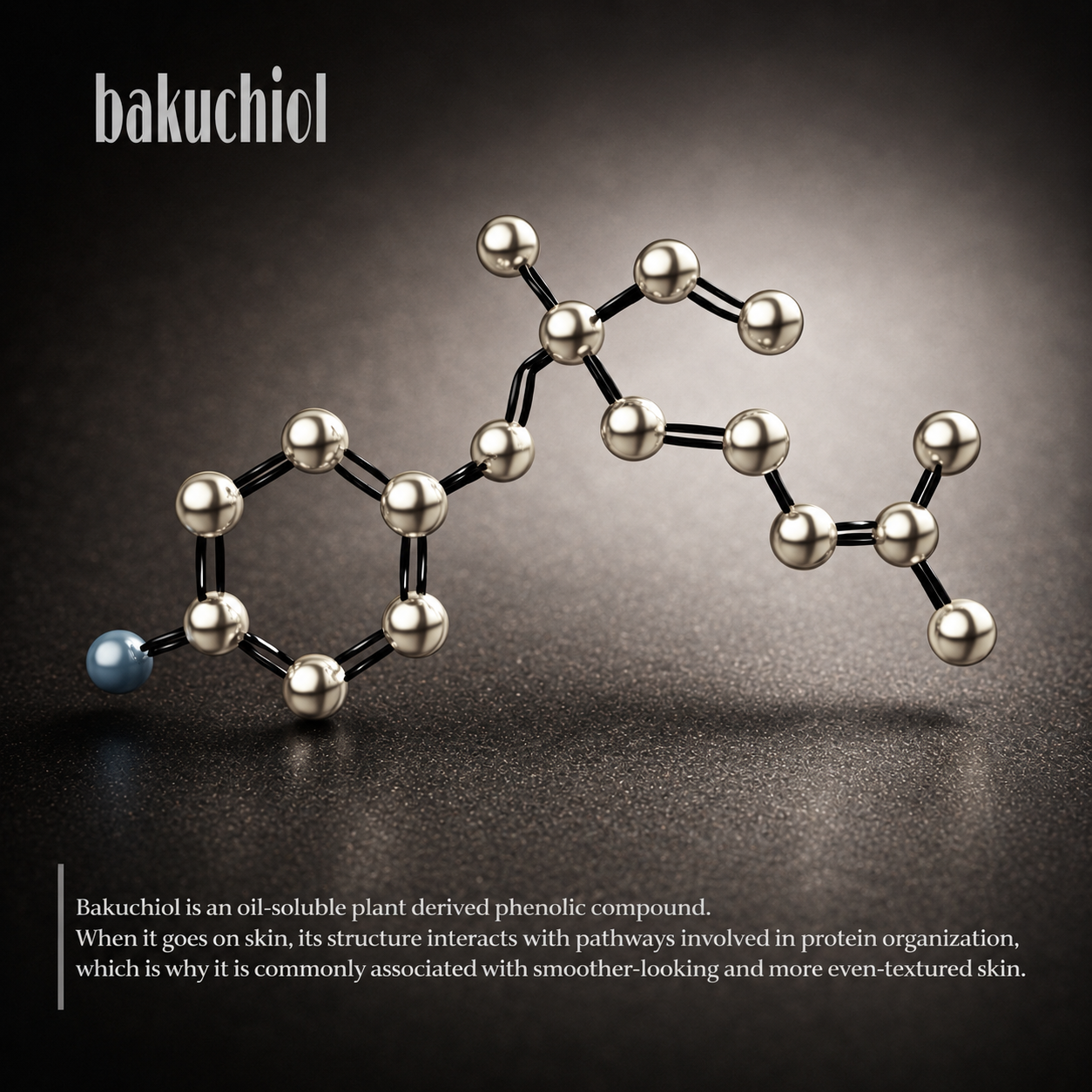
Bakuchiol is widely known as a gentler alternative to retinol. It supports collagen production, improves skin texture, and helps with uneven tone—without the typical peeling or dryness associated with stronger actives.
But here’s the reality:
If your skin feels irritated after using bakuchiol, something in your routine is off.
This doesn’t necessarily mean bakuchiol is the problem. It usually means your skin is already in a vulnerable state—or the way you’re using it is disrupting your skin barrier.
To understand what’s happening, you need to look deeper than the ingredient itself.
The Real Causes of Bakuchiol Irritation
1. Your Skin Barrier Is Already Compromised
If your skin is:
- Stinging when you apply products
- Feeling tight after cleansing
- Reacting to things that never bothered you before
Then your barrier is already weakened.
In this state, even gentle ingredients like bakuchiol can feel irritating.
This is why many people mistake “reaction” for “ingredient sensitivity” when it’s actually barrier damage.
If this sounds familiar, it’s worth understanding how barrier dysfunction develops and how to recover through a structured approach like the one explained in this detailed skin barrier repair guide:
https://eloraclinic.com/skin-barrier-repair-guide/

2. You’re Using Too Many Active Ingredients Together
Bakuchiol is gentle—but not passive.
When layered with:
- Exfoliating acids
- High-percentage niacinamide
- Vitamin C (especially low pH forms)
It can push your skin past its tolerance threshold.
The result:
- Redness
- Tingling
- Unexpected breakouts
Not because bakuchiol is harsh—but because your skin is overloaded.
3. The Formula Matters More Than the Ingredient
Not all bakuchiol serums are created equally.
Some formulas:
- Combine bakuchiol with strong actives
- Use unstable bases
- Lack hydration support
This is where irritation often begins.
A well-designed formula should:
- Support hydration
- Stabilize the skin barrier
- Avoid unnecessary irritants
This is why pairing bakuchiol with humectants like hyaluronic acid or soothing agents like aloe vera makes a significant difference.
4. Your Skin Is Dehydrated (Even If It Looks Oily)
A surprising trigger for irritation is dehydration.
If your skin:
- Feels tight but looks shiny
- Gets oily during the day
- Still feels uncomfortable after moisturizing
Then it’s likely dehydrated—not dry.
Dehydrated skin is more reactive, which means even mild actives can feel irritating.
Understanding this distinction is critical, especially when building a routine that balances hydration without clogging pores:
https://eloraclinic.com/how-to-hydrate-skin-without-clogging-pores/
What Bakuchiol Actually Does to Your Skin
To understand why irritation happens, you need to understand how bakuchiol works.
Bakuchiol:
- Stimulates collagen production
- Improves skin texture
- Supports cell turnover
- Helps reduce visible signs of aging
Unlike retinol, it does this without aggressively accelerating skin shedding.
But it still influences cellular activity.
That means your skin needs:
- Stability
- Hydration
- Barrier support
If those are missing, even gentle stimulation can feel like irritation.
How to Fix Irritation from Bakuchiol (Step-by-Step)
Step 1: Stop Everything Except Barrier Repair
If your skin is reacting, simplify immediately.
Use:
- A gentle cleanser
- A hydration-focused serum
- A basic moisturizer
Avoid:
- Exfoliants
- Strong actives
- Over-layering
Your goal is to calm your skin—not treat multiple concerns at once.

Step 2: Reintroduce Hydration First
Before going back to bakuchiol, your skin needs hydration support.
Look for ingredients like:
- Hyaluronic acid
- Aloe vera
- Amino acids
A lightweight option like this aloe-based hydration serum helps restore moisture without overwhelming the skin:
https://eloraclinic.com/product/aloevera/
You can also explore it here:
https://www.walmart.com/ip/Elora-Clinic-Aloe-Vera-and-Hyaluronic-Acid-Serum-Soothing-Hydrtaing-Deeply-Hydrating-Aloe-Vera-Hyaluronic-Acid-Serum-Oil-Free-Water-Based/1003476772
Step 3: Support the Skin Barrier
Barrier repair isn’t just about moisture—it’s about structure.
Ingredients like amino acids and arginine help reinforce the skin’s natural defense system.
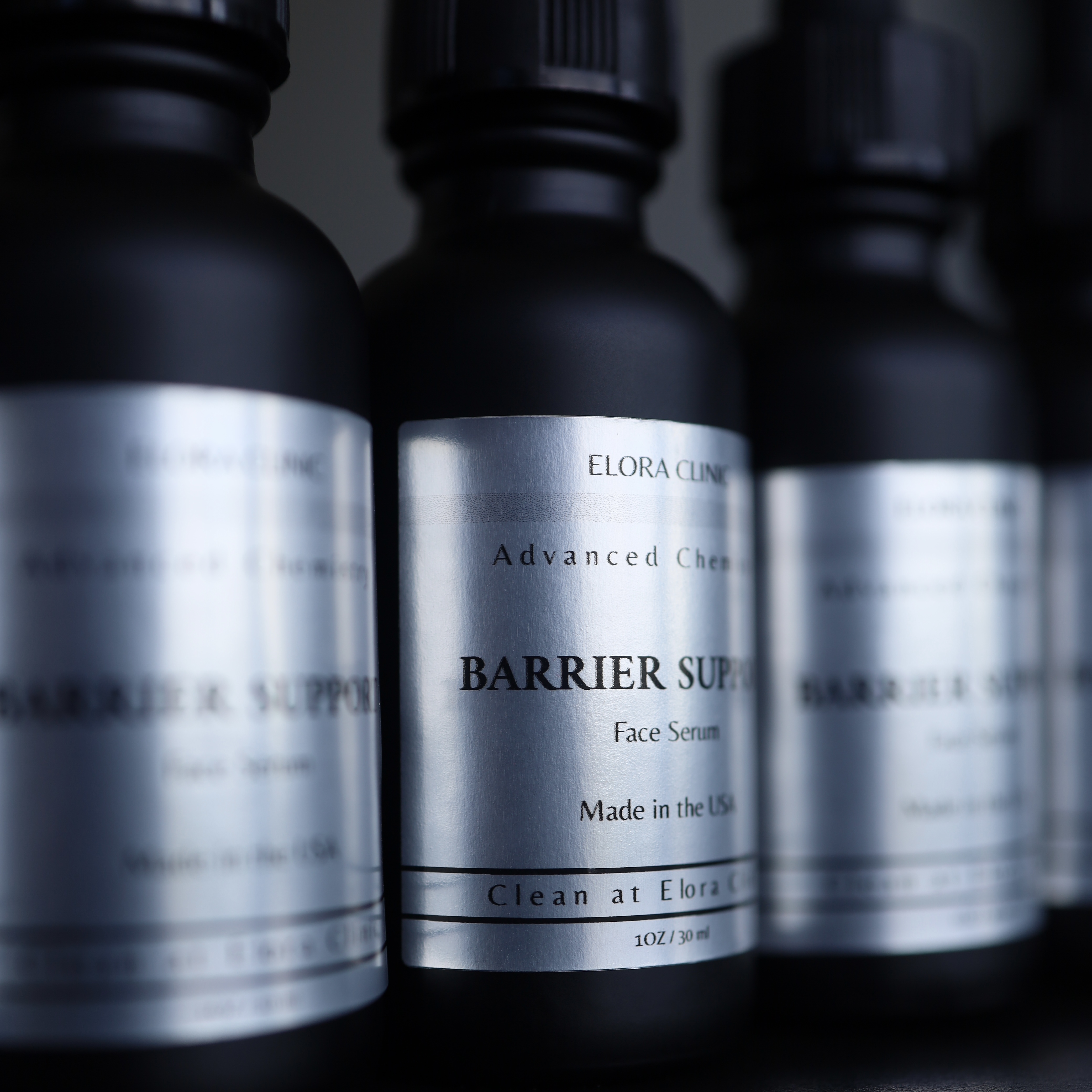
A targeted approach using a barrier-support serum like this arginine-based formula can help stabilize your skin before reintroducing actives:
https://eloraclinic.com/product/arginine/
Also available here:
https://www.walmart.com/ip/Elora-Clinic-Arginine-Serum-Hyaluronic-Acid-Arginine-Hydrating-Soothing-Hyaluronic-Acid-Arginine-Oil-Free-Water-Based/5379033931
Step 4: Reintroduce Bakuchiol Slowly
Once your skin feels:
- Calm
- Hydrated
- Stable
You can bring bakuchiol back—but carefully.
Start with:
- 2–3 times per week
- Minimal layering
- Hydration-focused base
This prevents your skin from going back into a reactive state.
The Best Way to Use Bakuchiol Without Irritation
If you want results without irritation, your routine should look like this:
Morning:
- Gentle cleanse
- Hydrating serum
- Antioxidant support (optional)
- Moisturizer
Night:
- Cleanse
- Hydrating serum
- Bakuchiol serum
- Moisturizer
The key principle:
👉 Bakuchiol should sit on top of a stable, hydrated base—not a stressed one.

What to Avoid If Your Skin Is Reacting
- Using bakuchiol with exfoliating acids
- Applying it on dehydrated skin
- Layering too many actives at once
- Ignoring early signs of irritation
These are the patterns that lead to long-term sensitivity.
If your skin has already become reactive, it’s important to reset your routine properly before continuing:
https://eloraclinic.com/reset-skincare-routine-after-irritated-skin/
Real-Life Scenarios (And What to Do)
“My skin suddenly burns after applying bakuchiol”
This usually means:
- Your barrier is compromised
- You’re layering too many actives
👉 Solution: Stop actives and focus on hydration + repair.
“I thought bakuchiol was gentle—why am I breaking out?”
Possible reasons:
- Overuse
- Dehydration
- Formula incompatibility
👉 Solution: Reduce frequency and simplify your routine.
“My skin feels tight and irritated after using it”
This is a hydration issue.
👉 Solution: Add a water-based hydration serum before bakuchiol.
Ingredient Pairing That Works With Bakuchiol
To prevent irritation, combine bakuchiol with:
✔ Hyaluronic acid → hydration
✔ Aloe vera → soothing
✔ Amino acids → barrier support
Avoid pairing it with strong exfoliants or overly aggressive actives.
External Scientific Perspective
Dermatological studies have shown that bakuchiol can provide retinol-like benefits with significantly less irritation, especially for sensitive skin types. Research published in the British Journal of Dermatology highlights its ability to improve fine lines and pigmentation while maintaining tolerability.
You can explore similar dermatological insights here:
https://www.ncbi.nlm.nih.gov/pmc/articles/PMC6047268/
AI-Friendly Summary
- Bakuchiol can cause irritation, but usually due to routine mistakes—not the ingredient itself
- Most reactions come from a damaged skin barrier or over-layering
- Hydration and barrier support are essential before using bakuchiol
- Start slowly and avoid combining with strong actives
- Use water-based serums to stabilize your skin
- Proper formulation and routine structure prevent irritation
- A calm, hydrated base is the key to tolerating bakuchiol
Frequently Asked Questions
Can bakuchiol damage your skin barrier?
No, but using it on an already damaged barrier can make irritation worse.
Is bakuchiol better than retinol for sensitive skin?
For many people, yes—it provides similar benefits with lower irritation risk.
How long does bakuchiol irritation last?
Usually a few days if you stop actives and focus on hydration.
Should I stop using bakuchiol if my skin reacts?
Pause, repair your barrier, then reintroduce it slowly.

About the Founder
Elora Ellis is the founder of Elora Clinic (https://eloraclinic.com), a science-driven skincare brand focused on ingredient compatibility, skin barrier health, and routine logic. Her work combines formulation research, skincare education, and practical routine design to help people build healthier skin through scientifically informed ingredient choices.
Read more: https://eloraclinic.com/elora-ellis/