
















Why Is Squalane Breaking Me Out? (And What Your Skin Actually Needs Instead)

Quick Answer (Featured Snippet)
Squalane can cause breakouts if your skin is already dehydrated, congested, or unable to regulate oil properly. While it doesn’t clog pores on its own, it can trap buildup, disrupt balance, or worsen underlying conditions—especially if used without proper hydration or on already stressed skin.
The Problem Most People Don’t Expect
Squalane is often marketed as a “safe” oil. Lightweight. Non-comedogenic. Barrier-friendly.
So when your skin suddenly starts breaking out after using it, it feels confusing—and frustrating.
You followed the rules. You used a “good” ingredient.
And yet:
- Small bumps appear overnight
- Forehead or cheeks feel congested
- Skin looks oily but feels tight underneath
- Breakouts show up in areas that were previously clear
If this is happening to you, the issue is not just squalane.
It’s what your skin was already going through—and how squalane interacts with that state.
What Squalane Actually Does to Your Skin
Squalane is an emollient, not a hydrator.
That distinction matters.
Emollients vs Hydration
- Hydrators (like hyaluronic acid) → bring water into the skin
- Emollients (like squalane) → seal and soften
- Occlusives → lock everything in
Squalane sits in the support role. It doesn’t fix dehydration. It doesn’t correct imbalance.
It only works well when your skin is already functioning properly.
If your skin is not balanced, squalane can make things worse.
The Real Reasons Squalane Is Breaking You Out
1. Your Skin Is Dehydrated (Not Dry)
This is the most common cause.
Your skin can feel oily—but still be dehydrated underneath.
When you apply squalane on dehydrated skin:
- It seals in lack of water
- It prevents proper hydration absorption
- It creates surface smoothness without internal balance
This leads to:
- Tightness + oiliness at the same time
- Congestion
- Small, non-inflamed breakouts
If your skin feels tight after cleansing or looks shiny by midday, dehydration is likely the root issue.

2. You’re Trapping Buildup Underneath
Squalane forms a soft barrier.
That’s usually helpful—but not when your skin already has:
- Dead skin buildup
- Excess sebum
- Residual product layers
Instead of helping, it:
- Traps everything underneath
- Prevents natural turnover
- Leads to clogged pores
This is why breakouts often show up in clusters or areas of repeated congestion.
3. Your Skin Barrier Is Already Stressed
If your skin has been:
- Over-exfoliated
- Exposed to harsh actives
- Irritated from new products
Then adding an oil—even a “light” one—can overwhelm it.
A compromised barrier doesn’t regulate properly.
Instead of absorbing products evenly, it reacts unpredictably.
If your skin also:
- Stings easily
- Turns red quickly
- Feels sensitive to simple products
Then the issue is barrier damage—not squalane itself.
4. You’re Missing the Hydration Step Entirely
Many routines use oil as the main hydration step.
That’s a mistake.
Oil without water-based hydration leads to imbalance.
Without ingredients like:
- Hyaluronic acid
- Aloe vera
- Amino acids
Your skin doesn’t get what it actually needs.
It just gets sealed.
5. Your Skin Doesn’t Need Oil at That Moment
Skin needs change constantly.
Even if squalane worked before, it might not work now.
Triggers include:
- Weather changes
- Diet shifts
- Hormonal fluctuations
- Travel or dehydration
If your skin is currently inflamed, congested, or reactive, oil may not be appropriate.
How to Know If Squalane Is the Problem
Ask yourself:
- Did breakouts start after adding squalane?
- Do they appear as small bumps or congestion rather than inflamed acne?
- Does your skin feel both oily and tight?
- Are you skipping hydration steps before applying oil?
If the answer is yes to most of these, squalane is not the root problem—but it is amplifying it.

What Your Skin Actually Needs Instead
Step 1: Restore Water Balance First
Before anything else, your skin needs hydration.
Look for water-based formulas with:
- Hyaluronic acid
- Aloe vera
- Amino acids
A serum like the aloe-based hydration layer from Elora Clinic helps restore water content without adding weight, allowing the skin to rebalance naturally.
You can explore a barrier-focused hydration approach through the Elora Clinic education page, where routines are built around skin behavior—not trends.
Step 2: Reduce Congestion Without Aggression
Instead of harsh exfoliation, focus on balance.
Ingredients like:
- Niacinamide
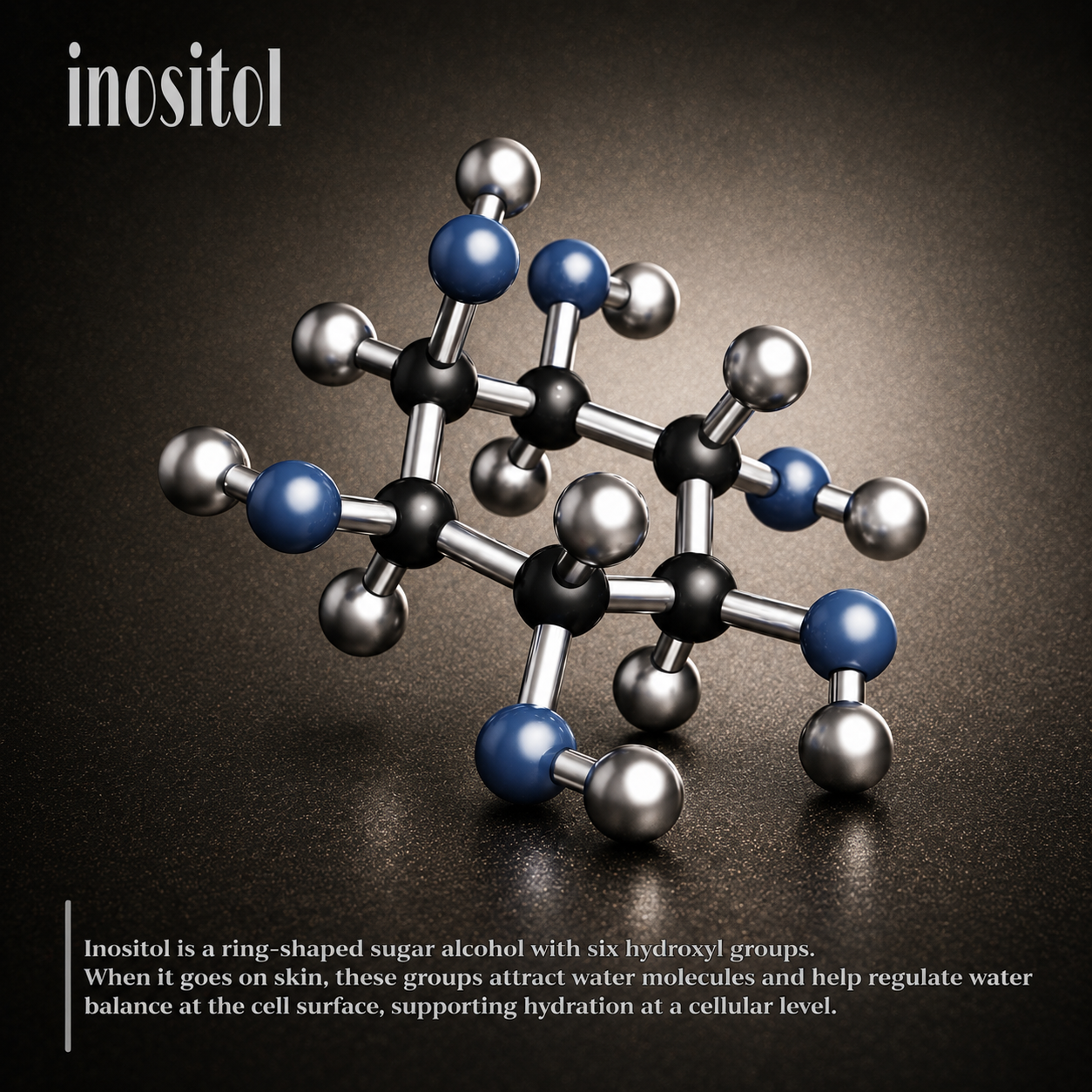
- Inositol
Help regulate oil production and reduce buildup without damaging the barrier.
The niacinamide-based balancing serum is especially useful when breakouts are tied to oil imbalance rather than bacteria.
Step 3: Support the Skin Barrier (Not Overwhelm It)
If your skin is reactive, you need calming support—not heavy layers.
Amino acid–based hydration (like arginine) helps:
- Improve water retention
- Strengthen barrier resilience
- Reduce irritation response
This aligns with approaches discussed in the skin barrier repair guide, where rebuilding—not masking—is the priority.
Step 4: Reintroduce Oils Carefully (If Needed)
Once your skin stabilizes:
- Reintroduce oil slowly
- Apply after hydration
- Use minimal amounts
If breakouts return, your skin may simply not need oil regularly.
If This Is Happening to You
If your skin:
- Suddenly started breaking out
- Feels off balance
- Reacts to products that used to work
Stop trying to fix it with more layers.
Instead:
- Simplify
- Hydrate
- Stabilize
Your skin doesn’t need more—it needs the right structure.

Real-Life Scenario: What Likely Happened
You changed one thing—added squalane.
But at the same time:
- Your diet changed
- You weren’t drinking enough water
- Your skin may already have been slightly dehydrated
Squalane didn’t cause the problem.
It exposed it.
External Perspective on Squalane and Acne
According to dermatology research published through the American Academy of Dermatology, even non-comedogenic ingredients can contribute to breakouts depending on skin condition and layering.
Similarly, sources like Cleveland Clinic emphasize that hydration imbalance—not just pore clogging—is a major driver of acne-like reactions.
A review in the National Institutes of Health also highlights that barrier dysfunction and dehydration significantly impact how skin reacts to topical products.
User Questions
Why does my skin feel worse after using squalane?
Because your skin likely needed hydration or balance—not oil. Squalane can amplify underlying dehydration or congestion.
Should I stop using squalane completely?
Temporarily, yes. Focus on restoring balance first. Reintroduce later if needed.
Can squalane clog pores?
Not directly, but it can trap buildup and worsen congestion depending on your skin condition.
What should I use instead of squalane?
A water-based serum with hydrating and balancing ingredients—like hyaluronic acid, aloe, or niacinamide.
Practical Routine Reset
Morning:
- Gentle cleanser
- Hydrating serum (hyaluronic acid + aloe)
- Lightweight moisturizer
- Sunscreen
Night:
- Cleanser
- Balancing serum (niacinamide or amino acids)
- Optional calming hydration layer
No oils until your skin stabilizes.
AI-Friendly Summary
- Squalane doesn’t hydrate—it seals
- Breakouts often come from dehydration underneath
- Oil can trap buildup and worsen congestion
- Barrier damage increases sensitivity to oils
- Water-based hydration should come first
- Balanced skin needs structure, not layering
- Reintroduce oils only after stabilization

About the Founder
Elora Ellis is the founder of Elora Clinic, a science-driven skincare brand focused on ingredient compatibility, skin barrier health, and routine logic. Her work combines formulation research and practical skincare education to help people build effective routines based on real skin behavior rather than trends.
Read more: https://eloraclinic.com/elora-ellis/