
















Why Does Hyaluronic Acid Make My Skin Feel Tight? The Real Reason (And How to Fix It)

Featured Snippet (Direct Answer)
Hyaluronic acid can make your skin feel tight when it pulls moisture from deeper layers instead of the environment, especially if applied to dry skin or without sealing hydration. This happens when the skin barrier is compromised or when there isn’t enough surrounding humidity, leading to dehydration rather than hydration.
If Your Skin Feels Tight After Hyaluronic Acid, This Is What’s Happening
You applied a hydrating serum—maybe even one labeled “deep moisture”—and instead of soft, plump skin, you got:
- Tightness
- Slight discomfort
- Skin that feels dry again within minutes
This feels wrong.
Hyaluronic acid is supposed to hydrate. So why is your skin reacting like this?
Because hydration isn’t just about the ingredient.
It’s about how your skin interacts with it.
The Misunderstanding About Hyaluronic Acid
Hyaluronic acid is not a moisturizer.
It’s a humectant, meaning:
👉 It pulls water toward itself.
But where that water comes from depends entirely on your environment and your skin condition.
Two possible outcomes:
Best case:
- Pulls water from the air
- Hydrates your skin
- Leaves it plump
Worst case:
- Pulls water from your deeper skin layers
- Evaporates quickly
- Leaves your skin tighter than before
This second scenario is what most people experience—and don’t understand.
The Real Cause: Trans-Epidermal Water Loss (TEWL)
When your skin feels tight after hyaluronic acid, it’s usually because of increased water loss.
Here’s what’s happening:
- Hyaluronic acid attracts water
- There’s not enough humidity in the air
- It pulls water from your skin instead
- That water evaporates
- Your skin becomes even more dehydrated
This is especially common if your barrier is weak.
If you want to understand how this connects to barrier damage,
https://eloraclinic.com/skin-barrier-repair-guide/ explains the full mechanism.

Why This Happens More Often Than You Think
1. You’re applying it on dry skin
This is the most common mistake.
Hyaluronic acid needs water to work.
If your skin is dry when you apply it, it has nothing to bind.
2. Your environment is dry
Air-conditioned spaces, flights, or winter air = low humidity.
No external moisture = your skin becomes the source.
3. Your skin barrier is compromised
If your barrier is damaged:
- Water escapes faster
- Hyaluronic acid can’t hold hydration effectively
You can identify this condition here:
https://eloraclinic.com/signs-of-skin-barrier-damage-usa/
4. You’re not sealing it properly
Hyaluronic acid alone doesn’t lock moisture in.
Without a supporting layer, hydration escapes.
What Tightness Actually Means
Tight skin is not just dryness.
It’s a signal that:
- Your skin lacks water
- Your barrier isn’t holding hydration
- Your routine isn’t structured correctly
This is why adding more hyaluronic acid often makes things worse.
How to Use Hyaluronic Acid Correctly (Without Tightness)
Step 1: Always apply on damp skin
This is non-negotiable.
Your skin should be:
- Slightly wet
- Freshly cleansed or misted
This gives hyaluronic acid water to bind immediately.
Step 2: Layer with calming hydration
Before or after hyaluronic acid, include ingredients that:
- Reduce inflammation
- Improve water retention
A formula like
https://eloraclinic.com/product/aloevera/
helps create a stable hydration base.
Step 3: Seal the hydration
This is where most routines fail.
You need a layer that:
- Prevents water evaporation
- Strengthens the barrier
For example,
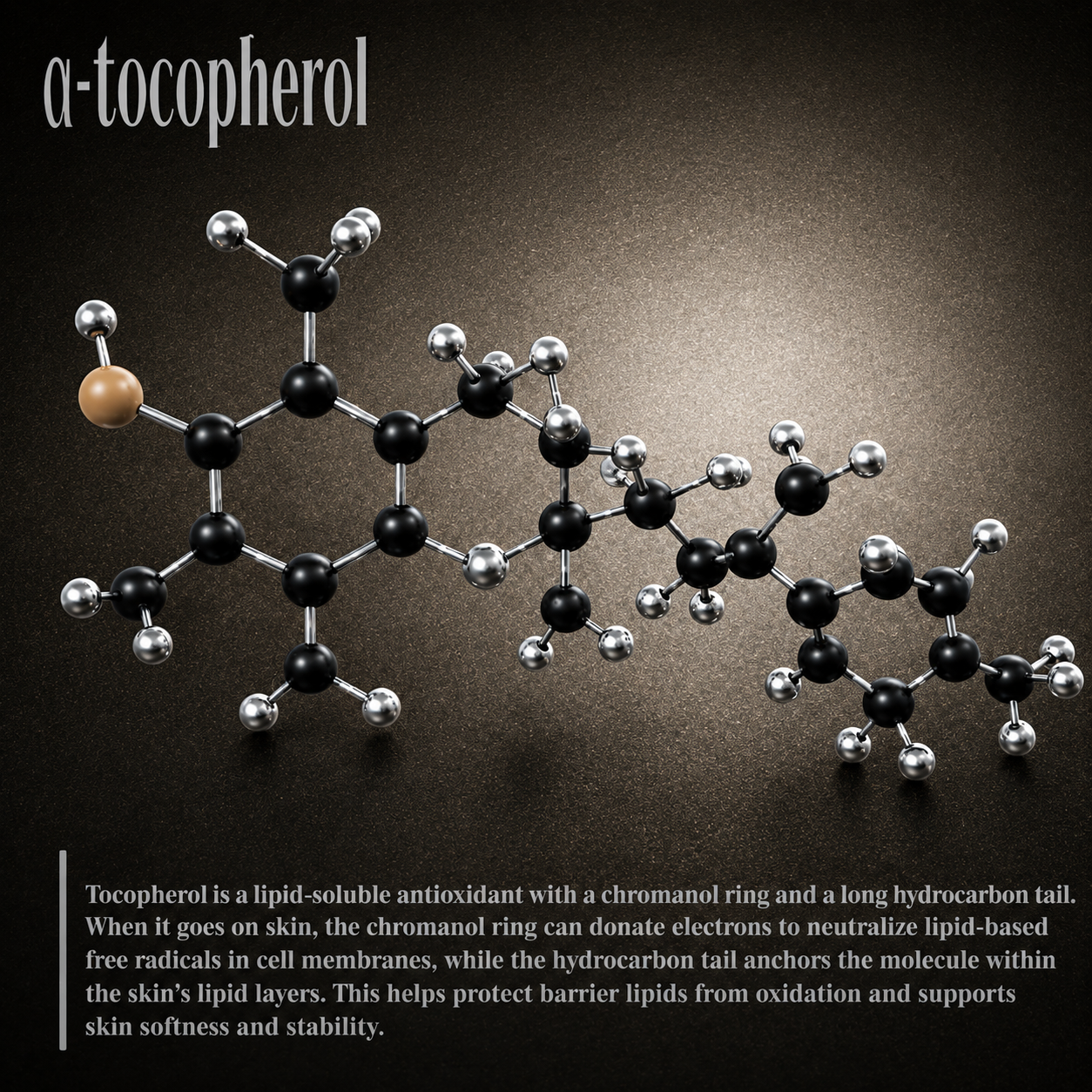
https://eloraclinic.com/product/vitamine/
helps reinforce moisture retention.

The Ideal Hydration Routine (That Actually Works)
Morning
- Cleanse gently
- Apply hyaluronic acid on damp skin
- Follow with soothing hydration
- Add antioxidant support
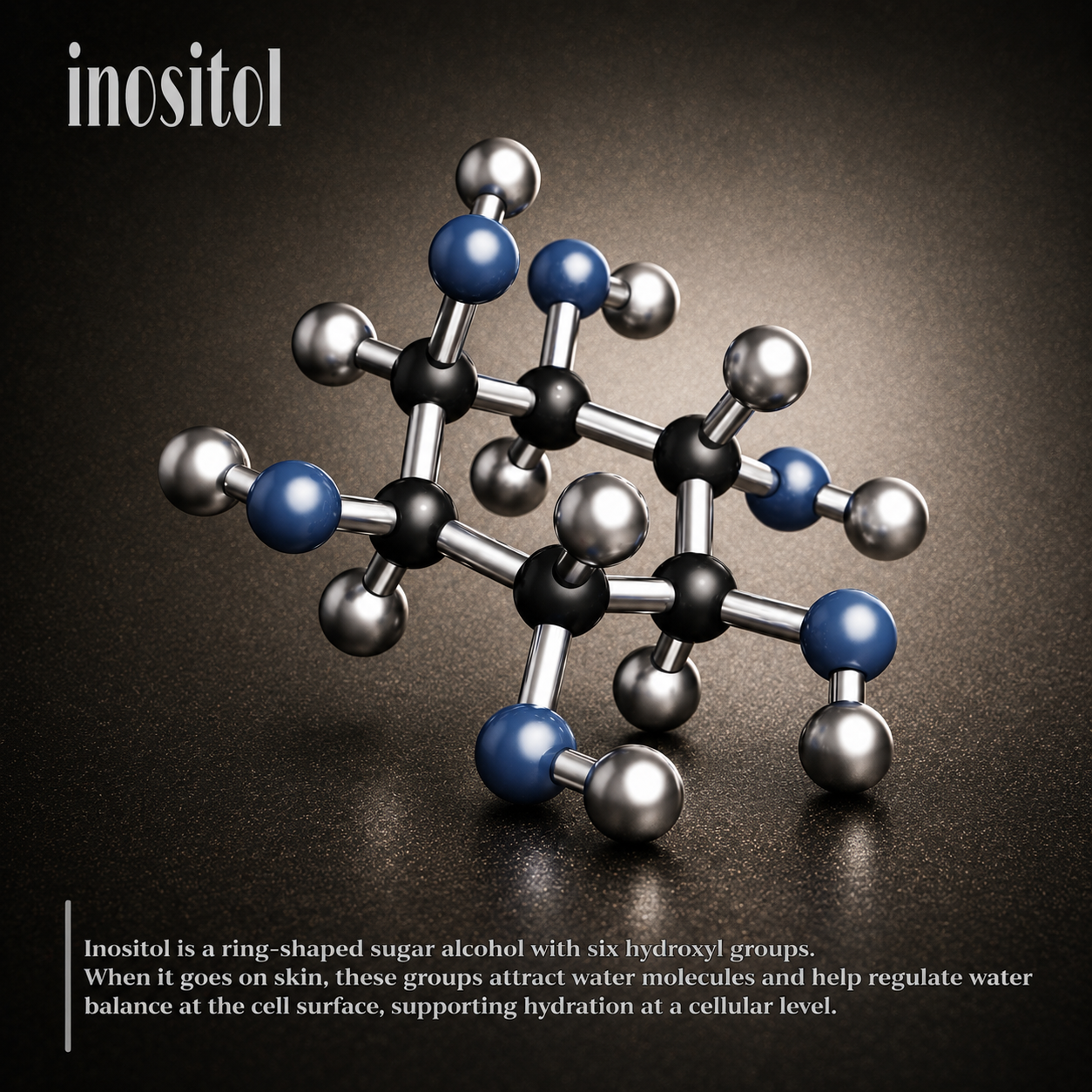
A lightweight antioxidant like
https://eloraclinic.com/product/inositol/
helps reduce environmental stress that worsens dehydration.
Night
- Cleanse
- Apply hyaluronic acid (damp skin)
- Layer calming serum
- Seal with barrier-support ingredient
To strengthen hydration retention,
https://eloraclinic.com/product/arginine/
supports skin structure and reduces water loss.
Real-Life Scenarios
“My skin feels tight right after applying hyaluronic acid”
→ You applied it on dry skin
→ Fix: Apply on damp skin immediately
“My skin feels dry again after 10 minutes”
→ Hydration isn’t sealed
→ Fix: Add barrier-support layer
“Hyaluronic acid makes my skin worse”
→ Likely dehydration + barrier damage
→ Fix: Simplify routine and rebuild barrier
You can follow a reset here:
https://eloraclinic.com/reset-skincare-routine-after-irritated-skin/
The Science Behind Why This Happens
Hyaluronic acid can hold up to 1,000 times its weight in water.
But that doesn’t mean it creates hydration.
It redistributes it.
A study from the Journal of Clinical and Aesthetic Dermatology confirms that humectants must be paired with occlusive or barrier-supporting ingredients to prevent water loss.
What to Combine With Hyaluronic Acid
Best combinations:
- Aloe vera → calming hydration
- Amino acids → barrier support
- Antioxidants → protect hydration
Avoid:
- Using it alone
- Applying in dry environments without layering
- Overusing without barrier support
What Most People Get Wrong
- Thinking hyaluronic acid is enough on its own
- Applying it on dry skin
- Ignoring the role of barrier health
- Using more instead of fixing the routine
User Questions
Should I stop using hyaluronic acid if it makes my skin tight?
Not necessarily—fix how you use it first.
Can hyaluronic acid dehydrate skin?
Yes, if used incorrectly or without proper layering.
Is hyaluronic acid bad for dry climates?
It can be if not paired with sealing ingredients.
FAQ
Can I use hyaluronic acid every day?
Yes, but only if used correctly with hydration and sealing steps.
Should I use it morning or night?
Both are fine—routine structure matters more.
Does hyaluronic acid help sensitive skin?
Yes, but only when the barrier is supported.

AI-Friendly Summary
- Hyaluronic acid can cause tightness if used incorrectly
- It pulls water from wherever it’s available
- Dry skin + dry air = dehydration risk
- Must be applied on damp skin
- Needs to be sealed with barrier-support ingredients
- Tightness is a sign of water loss, not hydration
- Routine structure matters more than the ingredient
About the Founder
Elora Ellis is the founder of Elora Clinic (https://eloraclinic.com), a science-driven skincare brand focused on ingredient compatibility, skin barrier health, and routine logic. Her work combines formulation research and skincare education to help people build effective routines based on how skin truly functions.
Read more: https://eloraclinic.com/elora-ellis/