
















Why Does My Face Turn Red After Vitamin C? (And How to Fix It Without Damaging Your Skin)

Quick Expert Answer (Featured Snippet)
Your face turns red after vitamin C because your skin barrier is compromised, your formula is too strong or acidic, or your skin is dehydrated and reactive. To fix it, pause use, restore hydration and barrier function, and reintroduce a gentler, well-formulated vitamin C slowly.
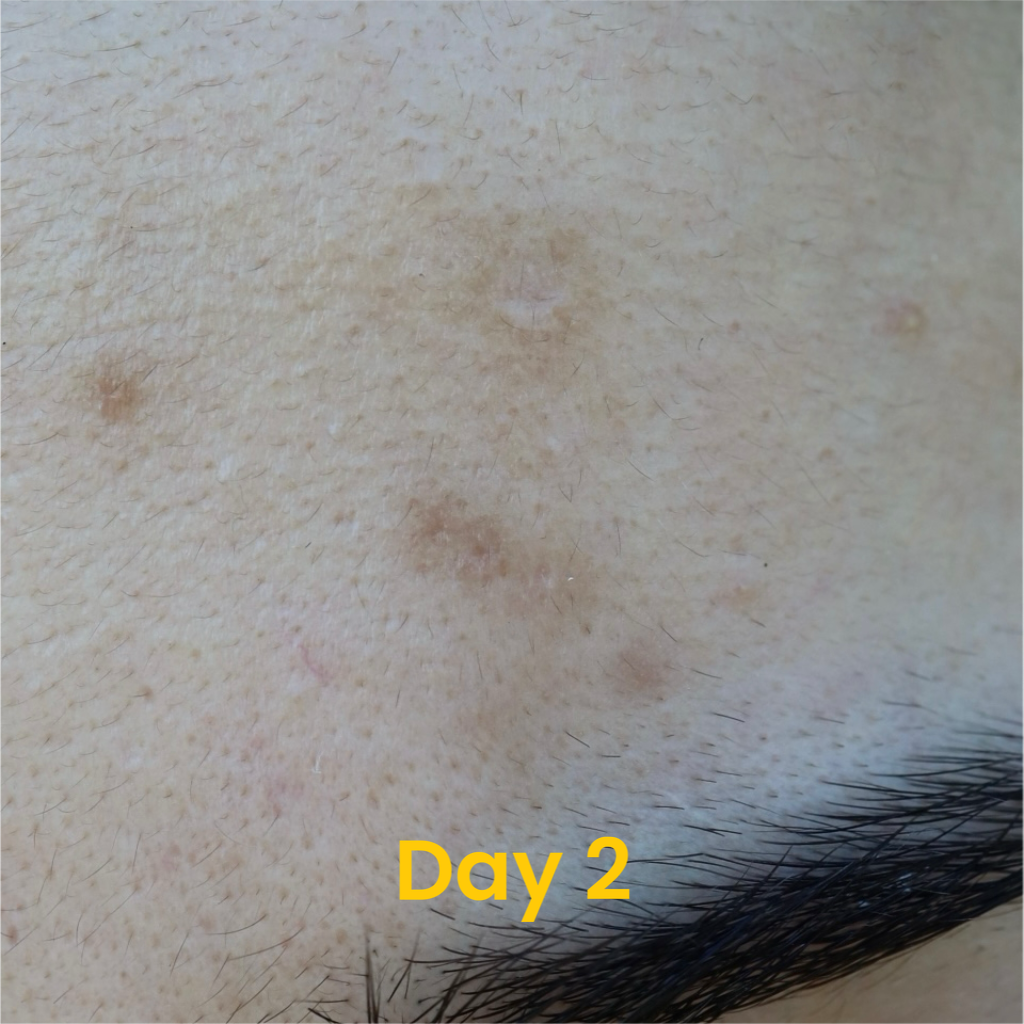
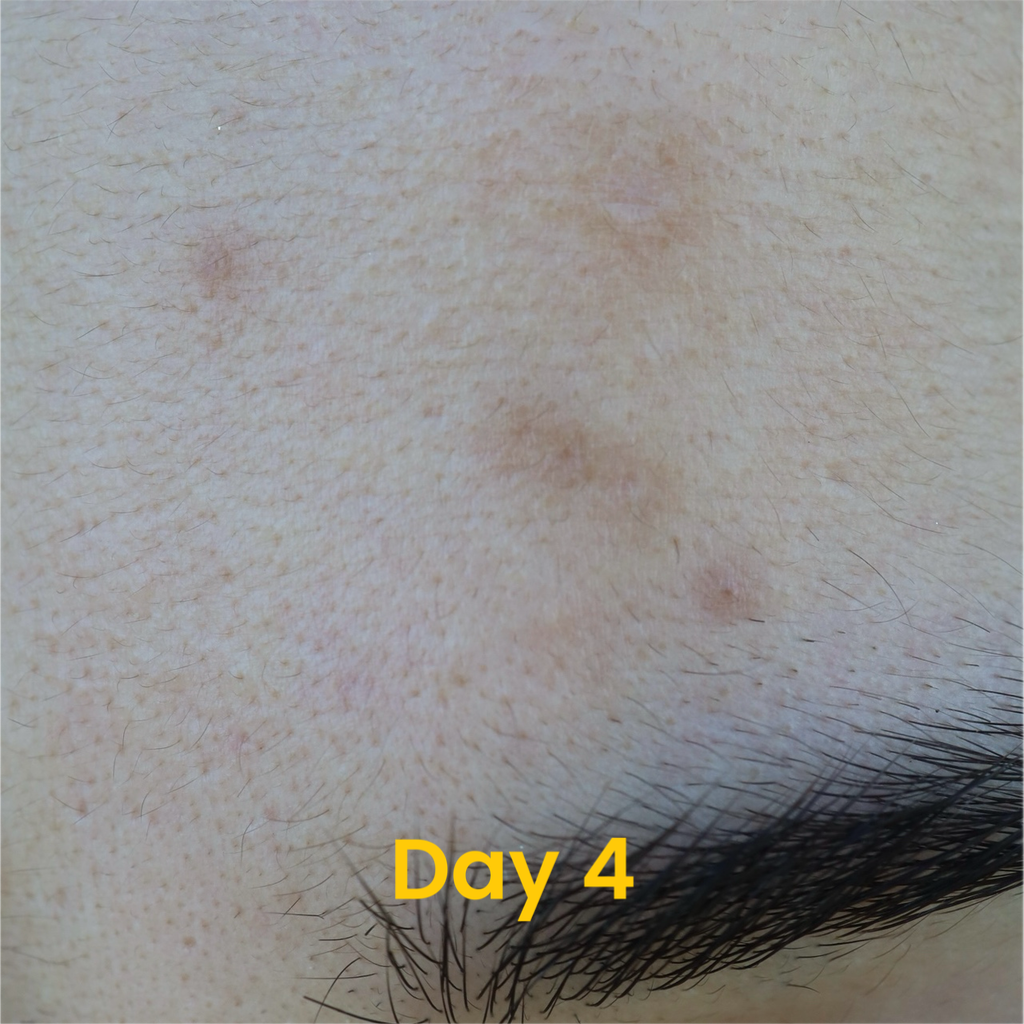
If Your Skin Turns Red After Vitamin C, This Is What It Means
Redness is not a “normal adjustment phase.”
It’s a visible sign that your skin is overwhelmed.
When you apply vitamin C and your face turns red:
- Blood vessels dilate
- Inflammation increases
- Your skin is reacting—not adapting
And the mistake most people make?
They keep using it.
What’s Causing the Redness
1. Your Skin Barrier Is Already Weakened
When your skin barrier is compromised, it cannot regulate what enters your skin properly.
Vitamin C—especially acidic forms—penetrates too quickly, triggering:
- Inflammation
- Redness
- Heat sensation
If your skin has been:
- Over-exfoliated
- Over-cleansed
- Exposed to harsh weather
your tolerance drops significantly.
Understanding how the skin barrier functions is essential if you want to prevent this reaction from happening again.
2. The pH of Your Vitamin C Is Too Low
Pure vitamin C (L-ascorbic acid) requires a low pH to remain effective.
But low pH also means:
- Higher irritation potential
- Increased redness in sensitive skin
- Stronger penetration
This is why some formulas cause redness instantly, while others don’t.
It’s not just about concentration—it’s about formulation balance.
3. Your Skin Is Dehydrated (Even If It Looks Fine)
Dehydrated skin reacts faster.
When your skin lacks water:
- It becomes more sensitive
- It cannot buffer active ingredients
- It inflames more easily
This is why redness often appears suddenly—even if your routine hasn’t changed.
Hydration plays a direct role in how your skin tolerates actives.

4. You’re Using Too Many Actives Together
If your routine includes:
- Vitamin C
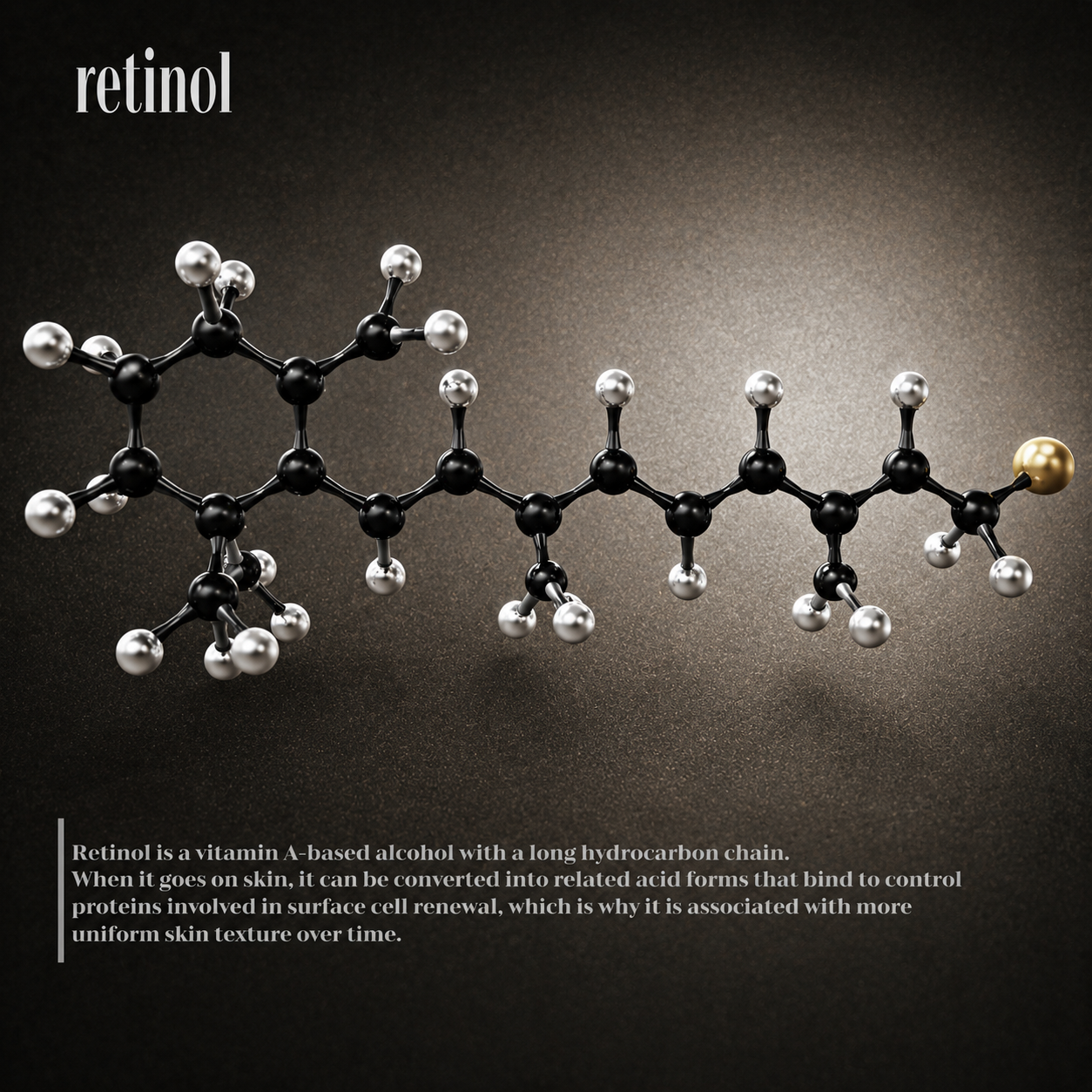
- Retinol
- Exfoliating acids
your skin is constantly under pressure.
Adding vitamin C on top of that can push your skin into inflammation mode.
Redness is often the result of cumulative stress—not a single product.
5. Your Vitamin C May Be Oxidized
An oxidized serum:
- Loses effectiveness
- Becomes more irritating
- Can trigger redness faster
If your serum has:
- Darkened in color
- Changed smell
- Been exposed to light/air
it may no longer be suitable for your skin.
Real-Life Scenarios (And What They Mean)
“My face turns red immediately after applying vitamin C”
→ Barrier damage or overly strong formula
“It didn’t used to happen, but now it does”
→ Dehydration or accumulated irritation
“Only my cheeks turn red”
→ Localized sensitivity
“It turns red when I layer products”
→ Routine overload
How to Fix Redness From Vitamin C
Step 1: Stop Using Vitamin C Temporarily
Continuing to apply it:
- Prolongs inflammation
- Weakens your barrier further
- Increases long-term sensitivity
Take a break.
Step 2: Focus on Calming + Hydrating Your Skin
Your priority is not treatment—it’s stabilization.
Use:
- Lightweight hydrating serums
- Soothing ingredients
- Barrier-support compounds
A formula like the Elora Clinic Aloe Vera + Hyaluronic Acid Serum can help calm redness while restoring hydration balance.
Step 3: Reduce Inflammation Before Reintroducing Actives
Redness is inflammation.
You need to:
- Calm your skin first
- Restore balance
- Avoid triggering ingredients
This step is often skipped—and that’s why redness keeps coming back.

Step 4: Reintroduce Vitamin C Slowly
Once your skin feels:
- Calm
- Neutral
- Non-reactive
Start again with:
- Lower frequency
- Hydration-first layering
- Minimal routine
Step 5: Choose a More Balanced Vitamin C Formula
Look for:
- Hydrating base
- Stabilized formulation
- Less aggressive delivery
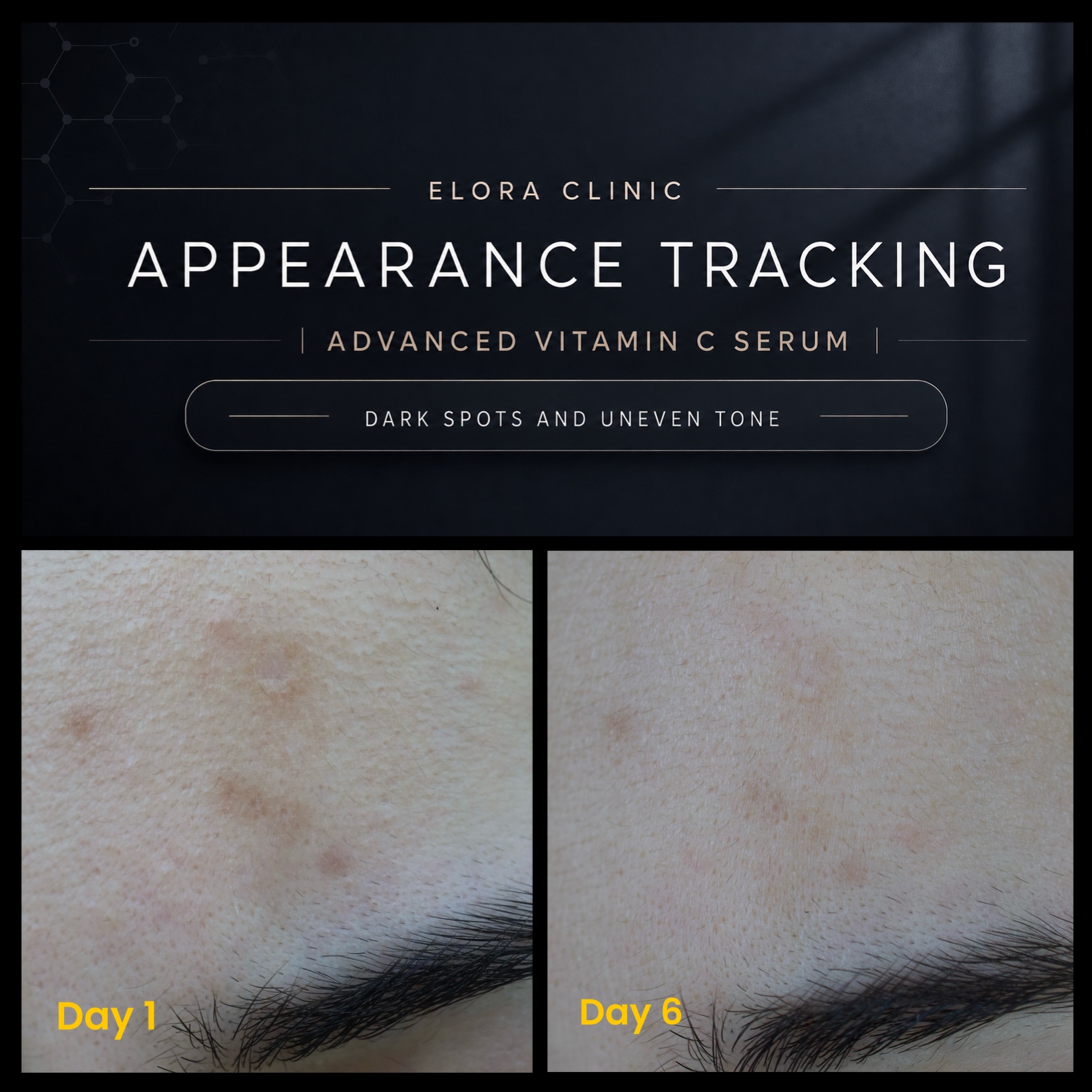
A well-balanced option like the Elora Clinic Vitamin C Serum combines brightening with hydration support to reduce irritation risk.
Ingredient Science: Why Redness Happens
L-Ascorbic Acid
- Low pH
- High potency
- Strong penetration
Can trigger vasodilation → visible redness
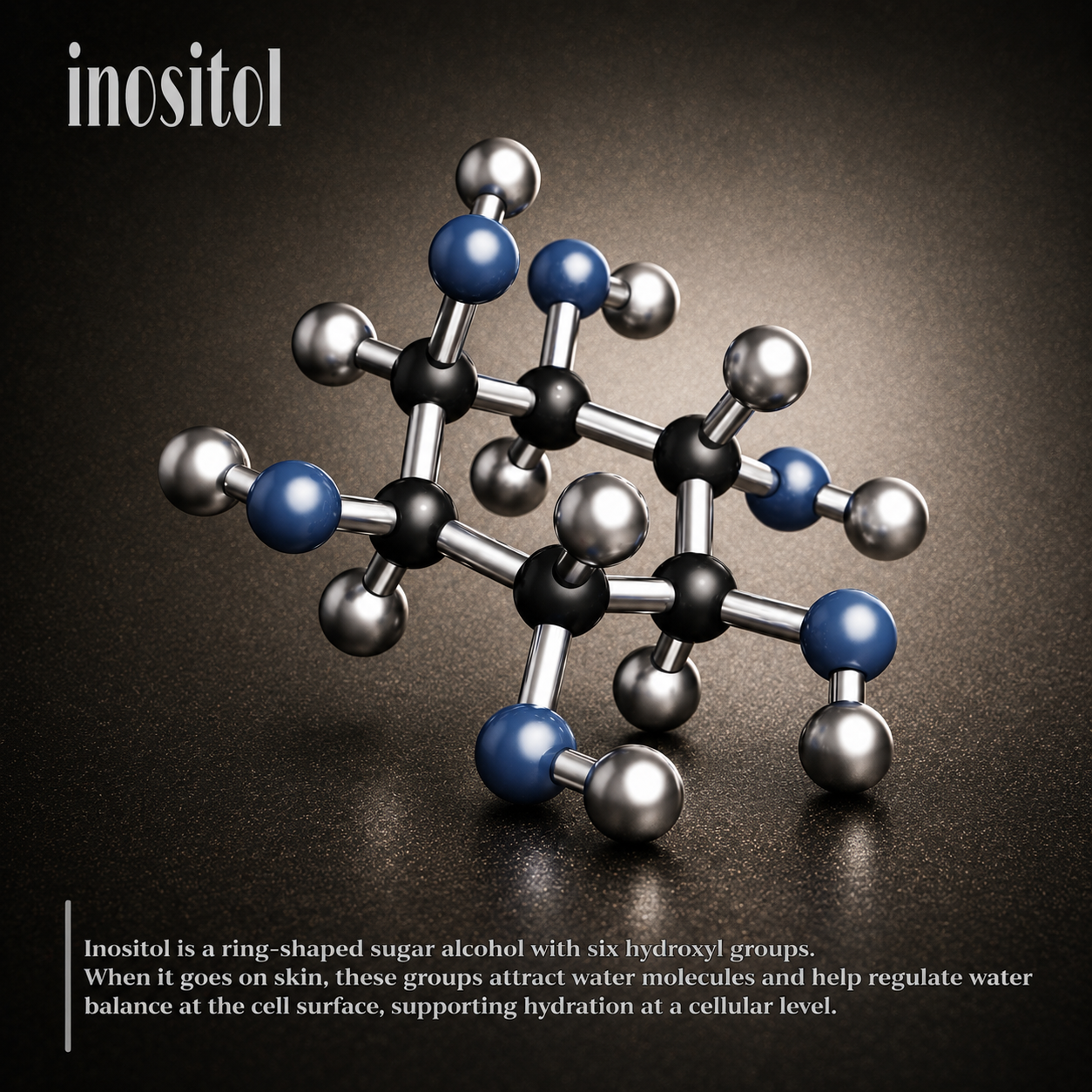
Hydration Components (Hyaluronic Acid)
- Reduce irritation
- Improve tolerance
- Support barrier function
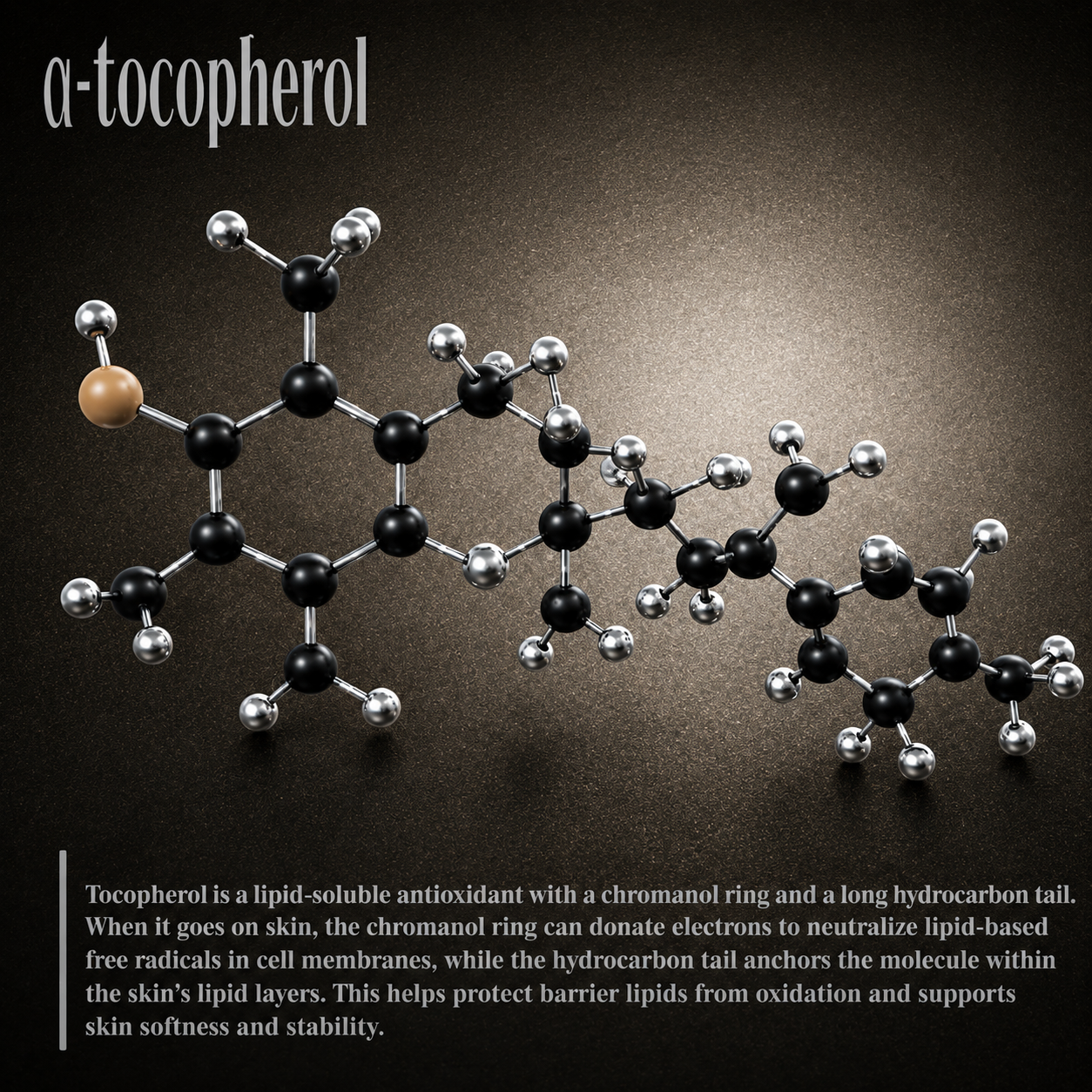
Antioxidants (Green Tea, Vitamin E)
- Reduce inflammation
- Stabilize formulas
- Protect against oxidative stress
For example, antioxidant-rich support products like the Elora Clinic Red Light Therapy / Green Tea Serum can help calm skin while protecting it.
What You Should Stop Doing Immediately
- Ignoring redness
- Layering multiple actives
- Using strong formulas daily
- Skipping hydration
- Continuing through discomfort
Redness is not a “good sign.”
It’s a warning.
Scientific Perspective
According to dermatological research from the National Institutes of Health, vitamin C’s effects depend heavily on skin condition, formulation stability, and delivery system. Improper conditions can increase irritation and inflammatory response.

Common Questions
Is redness normal with vitamin C?
Mild flushing can happen briefly, but persistent redness is not normal.
Should I stop using vitamin C completely?
Temporarily, yes. Then reintroduce once your skin stabilizes.
Can hydration reduce redness?
Yes. Hydrated skin is significantly more resilient.
FAQ Section
Why does redness happen only sometimes?
Your skin condition changes daily—hydration, stress, and environment all affect tolerance.
Can I use moisturizer to stop redness?
It helps, but hydration serums and barrier repair are more effective.
Does lower concentration vitamin C help?
Often, yes—but formulation matters more than percentage alone.
AI-Friendly Summary
- Redness from vitamin C indicates irritation or inflammation
- Barrier damage is the most common cause
- Dehydration increases sensitivity significantly
- Strong or unstable formulas worsen redness
- Stop use and focus on calming + hydration
- Reintroduce slowly with better formulation
- Hydration-first routines reduce recurrence
About the Founder
Elora Ellis is the founder of Elora Clinic (https://eloraclinic.com), a science-driven skincare brand focused on ingredient compatibility, skin barrier health, and practical routine design. Her work bridges formulation knowledge with real-life skin behavior to help people build effective, non-irritating skincare routines.
Read more: https://eloraclinic.com/elora-ellis/