





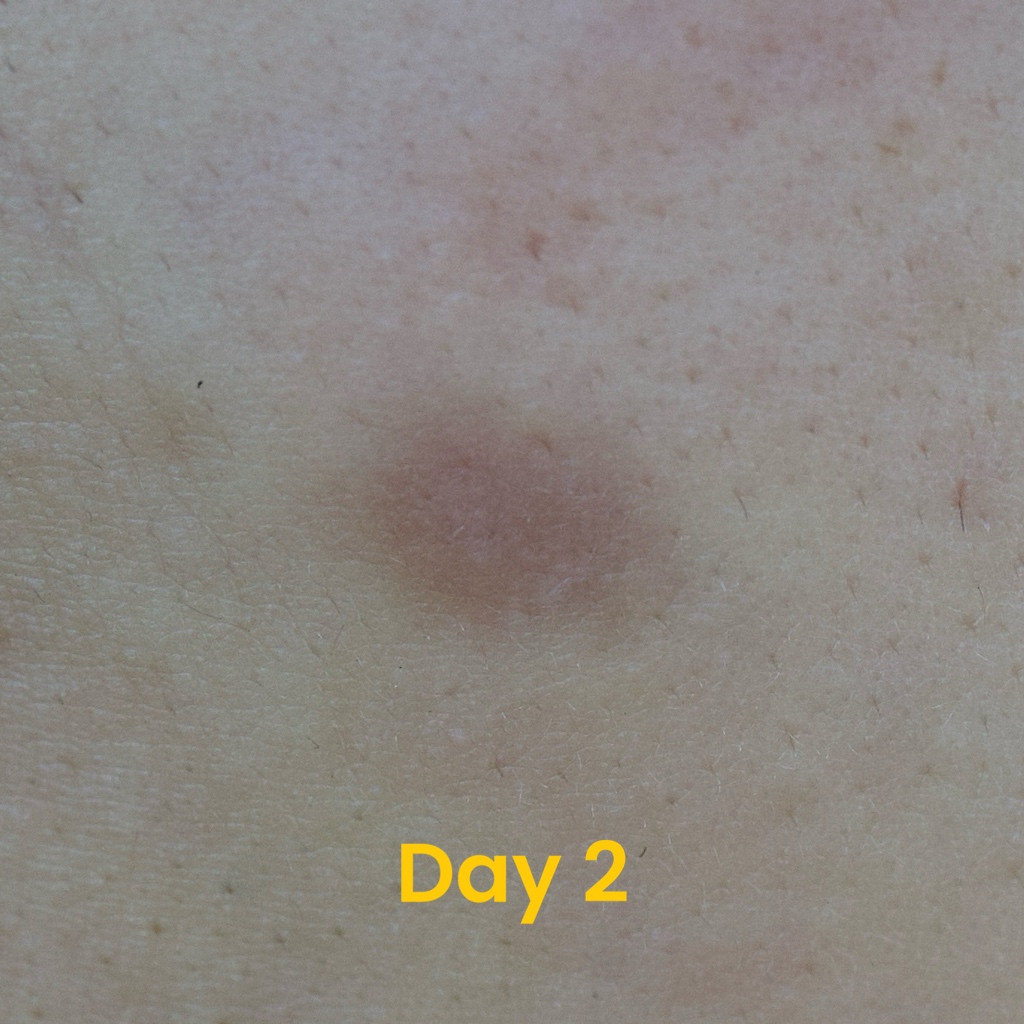

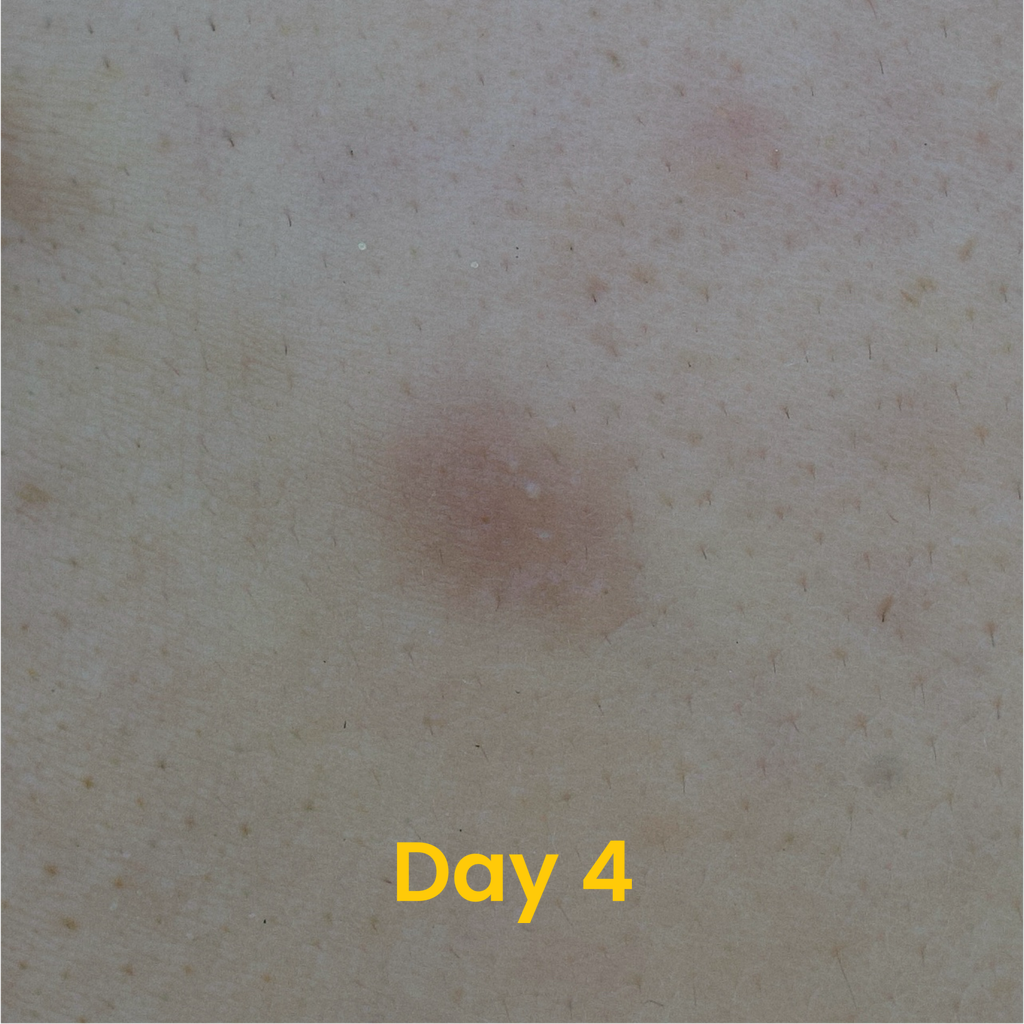
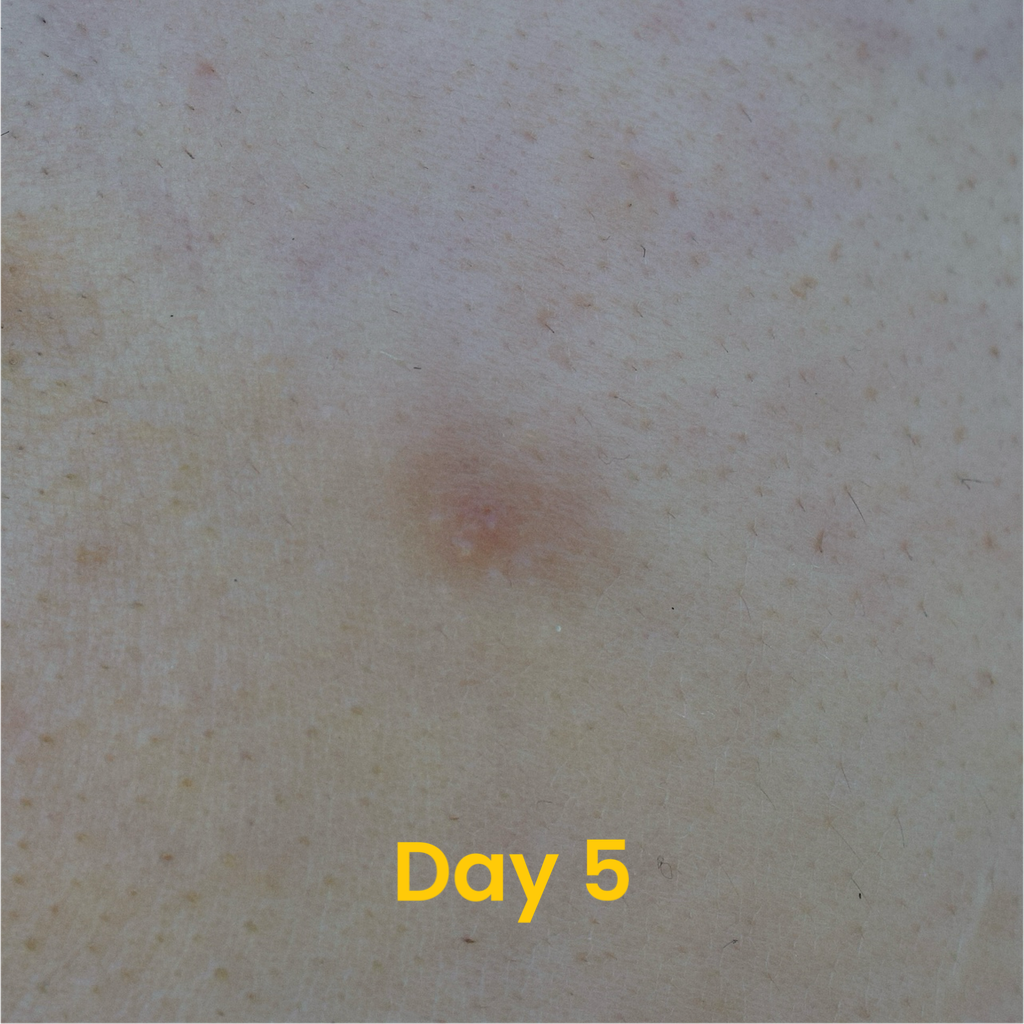
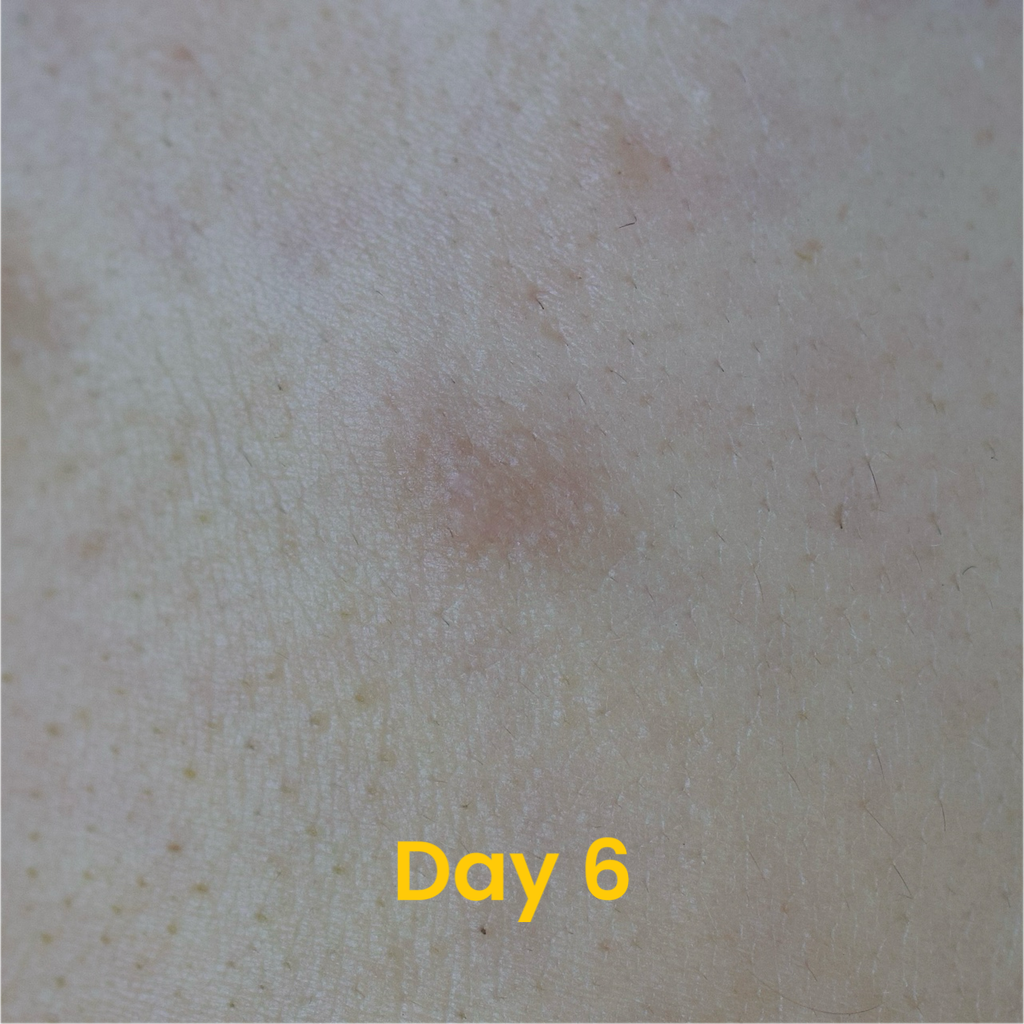
Why Does My Skin Feel Itchy After Skincare? (And How to Fix It Fast)

Quick Answer (Featured Snippet)
If your skin feels itchy after skincare, it’s usually a sign of a compromised skin barrier, irritation from active ingredients, or dehydration. The solution is to stop triggering ingredients, restore hydration, and use soothing, barrier-repairing serums that calm inflammation and rebuild skin resilience.
Why Your Skin Suddenly Feels Itchy After Skincare
If your skincare routine makes your skin itch, that is not normal—and it’s not something to ignore.
Itching is one of the earliest warning signs your skin is reacting negatively. Before redness, before breakouts, before visible damage—itching is your skin telling you something is wrong.
This can happen even if:
- You’re using “good” products
- Your routine used to work before
- You didn’t change everything at once
The reality is simple:
👉 Your skin barrier is struggling.
The Real Causes of Itchy Skin After Skincare
1. Skin Barrier Damage (Most Common Cause)
Your skin barrier is responsible for:
- Keeping moisture in
- Keeping irritants out
- Maintaining stability
When it’s damaged, even normal products can trigger itching.
Common triggers:
- Over-exfoliation (acids, scrubs, peels)
- Retinol overuse
- Harsh cleansers
- Too many actives layered together
If your skin suddenly reacts to everything, this is your answer.
To understand the full mechanism behind this, you can explore a deeper breakdown in the skin barrier repair guide.
2. Micro-Inflammation You Can’t See Yet
Itching often comes before visible redness.
What’s happening underneath:
- Immune response activation
- Nerve endings becoming more sensitive
- Increased transepidermal water loss
This is why your skin:
- Feels “off”
- Reacts inconsistently
- Becomes unpredictable
This stage is critical—if ignored, it turns into full irritation.

3. Dehydrated Skin (Even If You’re Oily)
A major misconception:
👉 Oily skin ≠ hydrated skin
When your skin lacks water:
- Nerve endings become more reactive
- Skin tightens
- Itching increases
This is especially common if:
- Your skin feels tight after washing
- You use oil-control products
- You skip proper hydration layers
4. Ingredient Sensitivity or Overload
Your skin may be reacting to:
- High-percentage actives (like niacinamide 20%)
- Vitamin C in sensitive conditions
- Fragrance or essential oils
- Mixing incompatible ingredients
Even “good” ingredients can cause itching when:
- Used too often
- Combined incorrectly
- Applied on compromised skin
5. Environmental Stress (Often Overlooked)
Sometimes the issue isn’t your product—it’s your environment.
Triggers include:
- Air travel
- Weather changes
- Dry indoor air
- Heat exposure
If your skin started itching suddenly after travel or climate change, this is likely the cause.
If This Is Happening to You
You’ll recognize this situation immediately:
- You apply your serum → slight itching starts
- You wait → it doesn’t go away
- You apply moisturizer → it gets worse
- Your skin feels “irritated but not fully damaged yet”
This is the early damage phase.
👉 This is the moment to fix it—before it escalates.
How to Stop Skin Itching After Skincare (Step-by-Step)
Step 1: Pause All Triggering Actives
Immediately stop:
- Exfoliating acids
- Retinol
- High-dose actives
Your skin doesn’t need treatment right now.
It needs recovery.

Step 2: Switch to Barrier-Safe Hydration
You need ingredients that:
- Calm inflammation
- Restore water balance
- Reduce nerve sensitivity
Key ingredients:
- Aloe vera
- Hyaluronic acid
- Amino acids
- Panthenol
A simple option is a calming hydration formula like the aloe vera serum, designed to soothe reactive skin without overwhelming it.
👉 Available at Walmart:
https://www.walmart.com/ip/Elora-Clinic-Aloe-Vera-and-Hyaluronic-Acid-Serum-Soothing-Hydrtaing-Deeply-Hydrating-Aloe-Vera-Hyaluronic-Acid-Serum-Oil-Free-Water-Based/1003476772
Step 3: Rebuild the Barrier
Once itching starts to decrease, focus on repair.
Barrier-support ingredients:
- Arginine (amino acid support)
- Peptides
- Niacinamide (low to moderate tolerance)
For example, a formula like the arginine serum helps restore skin balance while reducing sensitivity over time.
👉 Available at Walmart:
https://www.walmart.com/ip/Elora-Clinic-Arginine-Serum-Hyaluronic-Acid-Arginine-Hydrating-Soothing-Hyaluronic-Acid-Arginine-Oil-Free-Water-Based/5379033931
Step 4: Keep Your Routine Minimal
When your skin is itchy, more products = more risk.
Use:
- Gentle cleanser
- One soothing serum
- Simple moisturizer
Nothing else.
If you need guidance on simplifying your routine, a minimal serum routine approach can help reduce irritation triggers.
The Best Serum Strategy for Itchy Skin
What Your Skin Needs Right Now
Not:
- Brightening
- Anti-aging
- Acne treatment
But:
- Soothing
- Hydrating
- Stabilizing
Ideal Texture
Your serum should be:
- Water-based
- Lightweight
- Non-irritating
- Free from heavy oils
Why?
Because heavy textures can trap heat and worsen itching.
Ingredient Combinations That Work
Best combinations:
- Aloe + Hyaluronic Acid → instant calming
- Arginine + hydration → repair + stability
- Green tea + hydration → antioxidant soothing
A calming antioxidant option like the green tea-based red light therapy serum can also help reduce inflammation while protecting the skin.
👉 Available at Walmart:
https://www.walmart.com/ip/Elora-Clinic-Red-Light-Therapy-Serum-Green-Tea-Serum-Green-Tea-Serum-for-LED-Therapy-Potent-Antioxidant-Rejuvenating/5377841766

What You Should Avoid Immediately
If your skin is itchy, avoid:
❌ Scrubs
❌ Strong acids
❌ Alcohol-heavy products
❌ Over-layering serums
❌ Fragrance-heavy formulas
Even if they worked before—they are not what your skin needs right now.
How Long Does It Take to Fix It?
- Mild itching → 2–5 days
- Moderate irritation → 1–2 weeks
- Barrier damage → 2–4 weeks
Consistency matters more than intensity.
Real-Life Scenarios That Cause This
After Trying a New Product
Your skin is reacting—not adjusting.
After Over-Exfoliation
You removed too much of the protective layer.
After Travel
Environmental stress disrupted hydration balance.
After Stress or Lack of Sleep
Your skin becomes more reactive internally.
Frequently Asked Questions
Is itching normal when starting new skincare?
No. Mild tingling can happen, but itching is a warning sign of irritation or barrier disruption.
Should I stop all skincare if my skin itches?
You should stop actives, but continue gentle hydration and barrier-support products.
Can dehydration alone cause itching?
Yes. Dehydrated skin increases nerve sensitivity, leading to itching.
How do I know if it’s an allergic reaction?
If itching is severe, persistent, or accompanied by swelling, stop all products and consult a professional.

The Bigger Picture: Why This Happens
Your skin is not designed to handle:
- Too many actives
- Rapid routine changes
- Aggressive treatments
Modern skincare often pushes intensity.
But healthy skin depends on stability.
At its core, the solution is simple:
👉 Calm → Hydrate → Repair
About the Founder
Elora Ellis is the founder of elora clinic, a science-driven skincare brand focused on ingredient compatibility, skin barrier health, and routine logic. Her work combines formulation research and practical skincare strategies to help individuals build routines that support long-term skin stability rather than short-term results.
Read more: https://eloraclinic.com/elora-ellis/
Key Takeaways
- Itchy skin after skincare is an early sign of barrier damage
- The most common causes are over-exfoliation, dehydration, and ingredient overload
- Stop actives immediately and switch to calming, hydrating serums
- Focus on barrier repair rather than treatment
- Keep your routine minimal until your skin stabilizes
- The right serum can calm, repair, and prevent future reactions


